Real Estate Attorney For Hoa
Description

Get your form ready online
Our built-in tools help you complete, sign, share, and store your documents in one place.
Make edits, fill in missing information, and update formatting in US Legal Forms—just like you would in MS Word.
Download a copy, print it, send it by email, or mail it via USPS—whatever works best for your next step.
Sign and collect signatures with our SignNow integration. Send to multiple recipients, set reminders, and more. Go Premium to unlock E-Sign.
If this form requires notarization, complete it online through a secure video call—no need to meet a notary in person or wait for an appointment.
We protect your documents and personal data by following strict security and privacy standards.

Make edits, fill in missing information, and update formatting in US Legal Forms—just like you would in MS Word.

Download a copy, print it, send it by email, or mail it via USPS—whatever works best for your next step.

Sign and collect signatures with our SignNow integration. Send to multiple recipients, set reminders, and more. Go Premium to unlock E-Sign.

If this form requires notarization, complete it online through a secure video call—no need to meet a notary in person or wait for an appointment.

We protect your documents and personal data by following strict security and privacy standards.
Looking for another form?

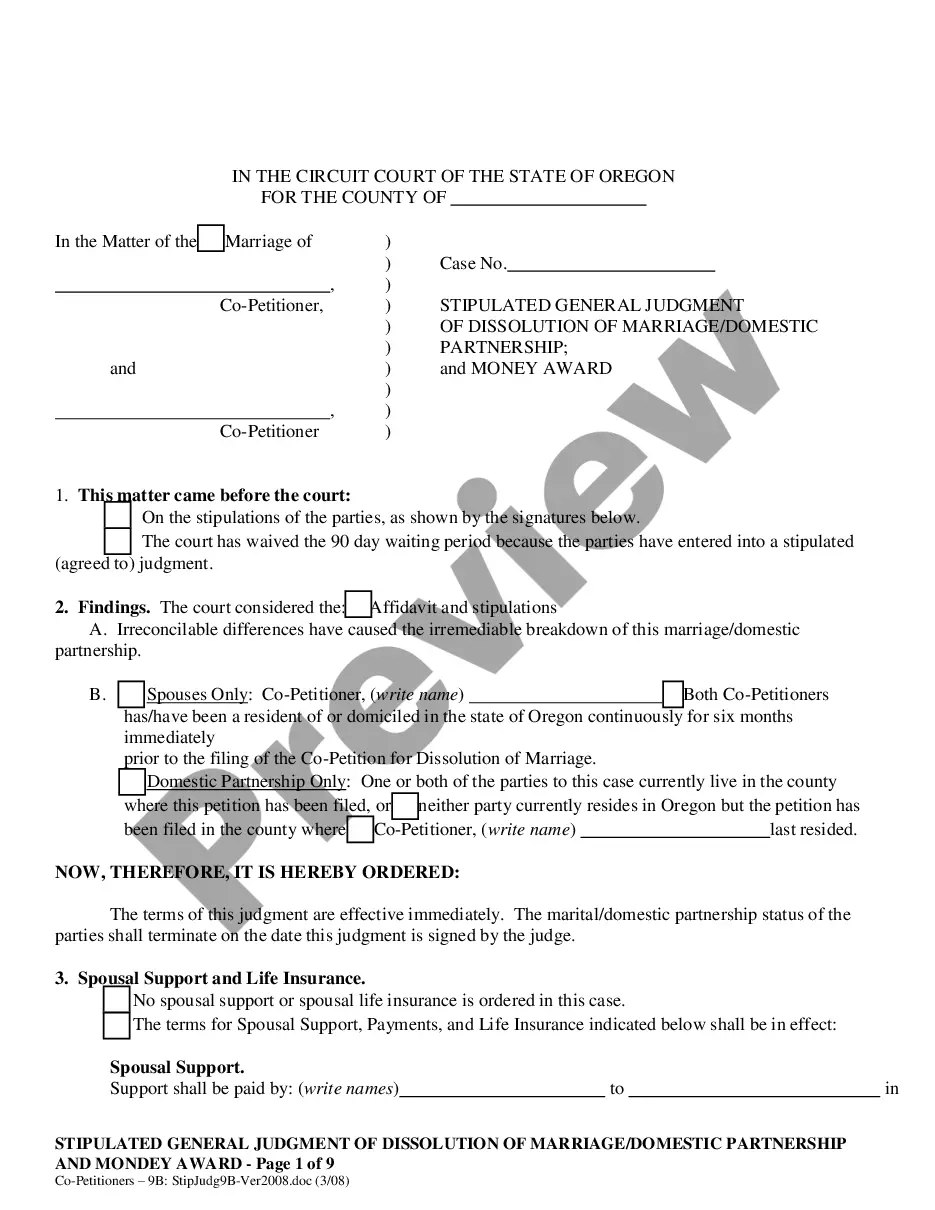

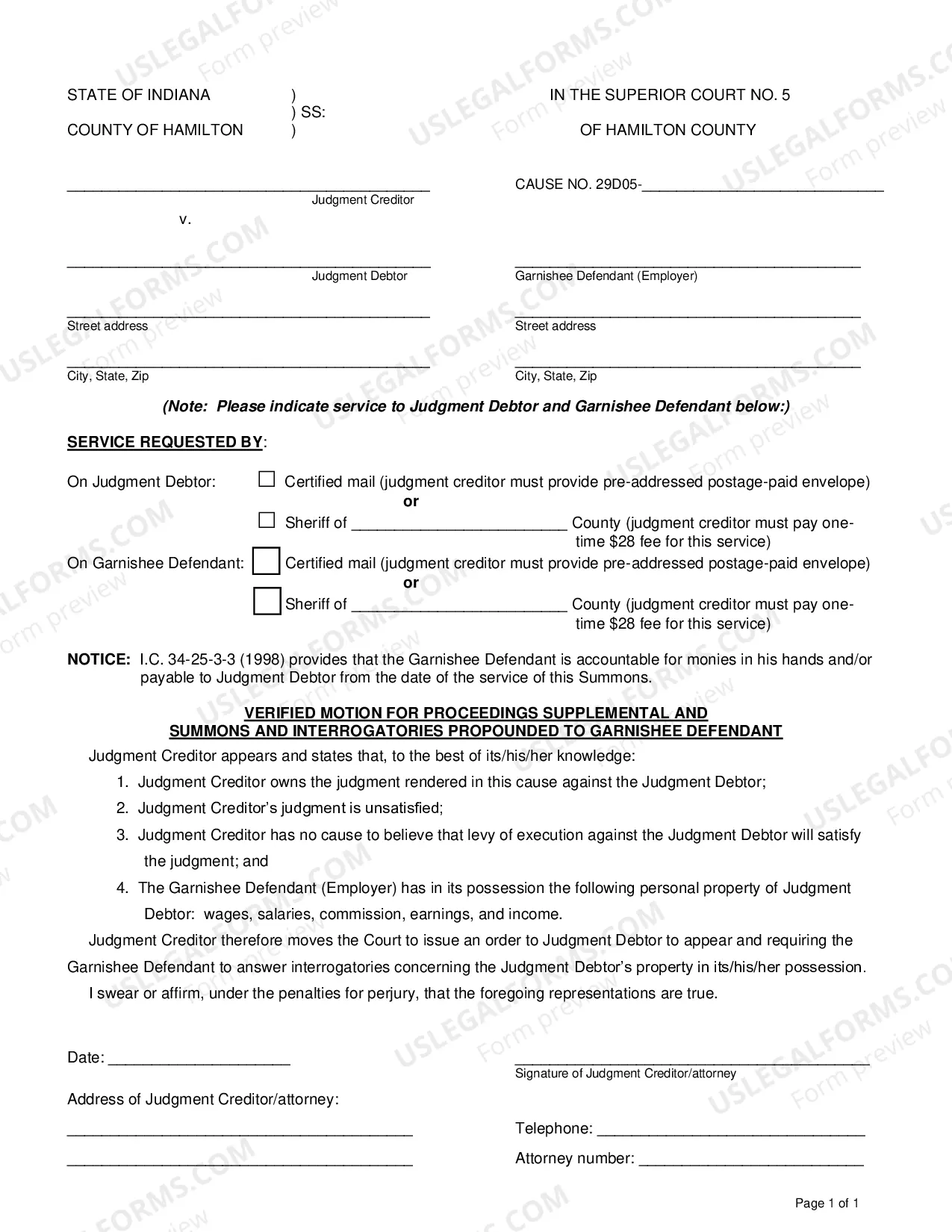

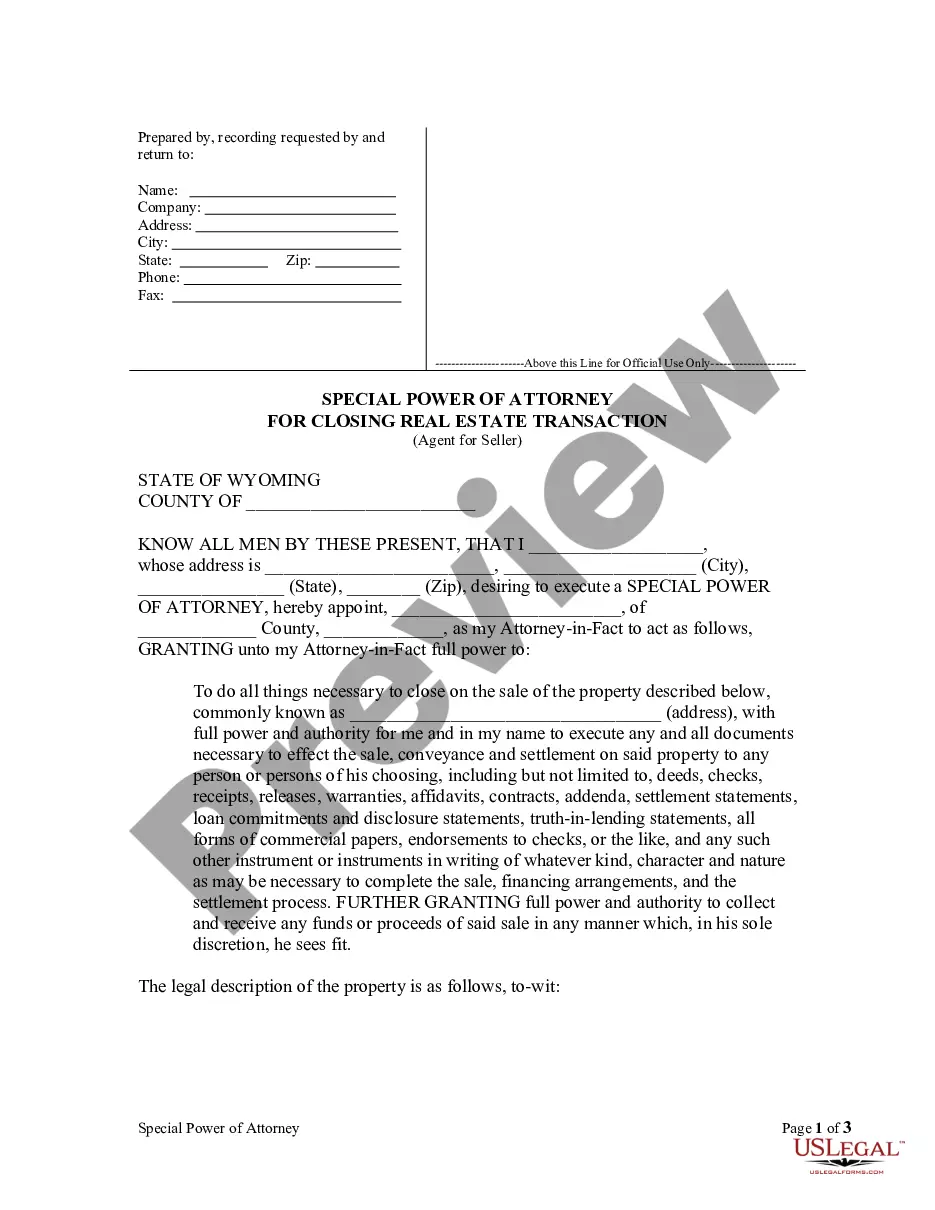
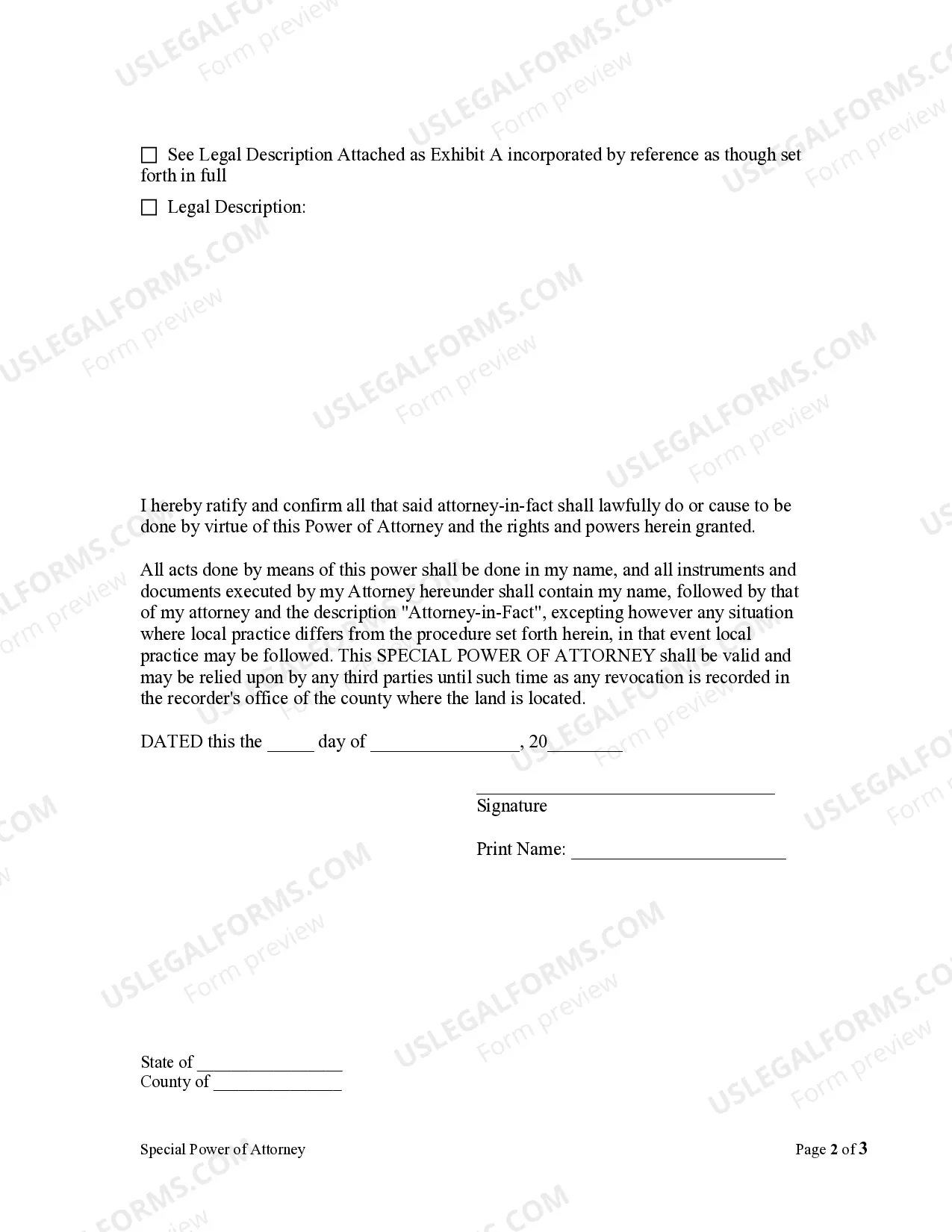
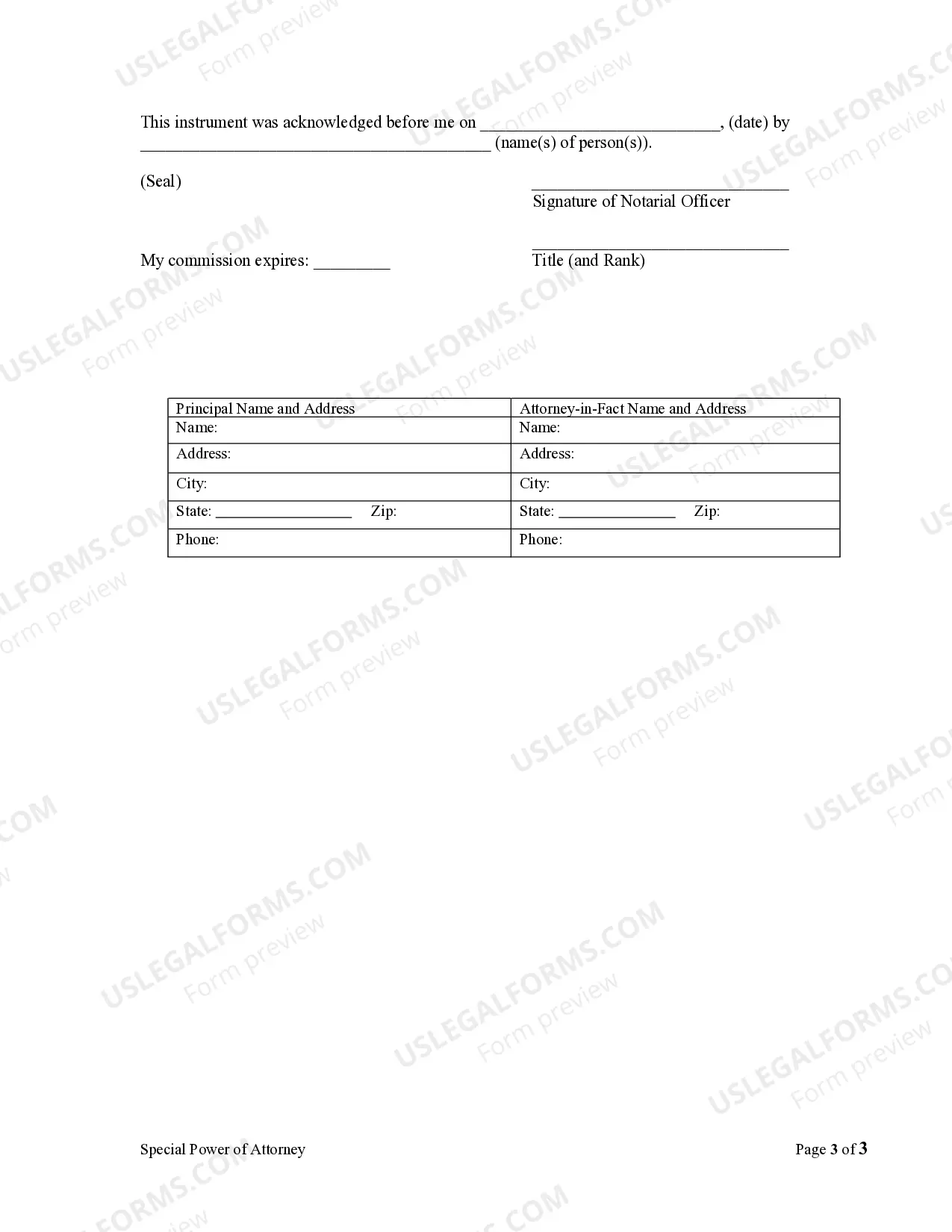
How to fill out Wyoming Special Or Limited Power Of Attorney For Real Estate Sales Transaction By Seller?
- Log in to your US Legal Forms account and ensure your subscription is active. Click the Download button to get the form you need.
- If this is your first time, start by viewing the Preview mode and read the form description carefully. Confirm that it meets your local jurisdiction's requirements.
- If the form does not align with your needs, use the Search tab at the top to find a suitable alternative.
- Once you find the right template, click on the Buy Now button to select your preferred subscription plan.
- Complete your registration and provide payment details, either through credit card or PayPal.
- After successful payment, download the form to your device. You can also access it anytime from the My Forms section in your profile.
US Legal Forms empowers users by offering a vast library of over 85,000 fillable legal forms. Additionally, access to premium experts ensures that you receive assistance in completing your documents accurately.
Don't let legal complexities overwhelm you. Start your journey with US Legal Forms today and ensure that your HOA documentation is handled with expertise!
Form popularity
FAQ
Overthrowing an HOA board typically involves organizing a community movement to rally support for your cause. Start by discussing your goals with other homeowners, then propose an election to replace board members. Seeking guidance from a real estate attorney for hoa can provide you with the necessary information to navigate the legal aspects of this process and ensure a smooth transition.
Yes, you can petition against an HOA if you believe they are acting outside their authority or not serving the community’s interests. Collect signatures from fellow homeowners to support your cause, and articulate the specific changes you seek. Engaging a real estate attorney for hoa will enhance the effectiveness of your petition, ensuring that it meets legal standards and community guidelines.
To file a complaint against an HOA in Pennsylvania, begin by documenting your concerns thoroughly, including dates, times, and specific incidents. Next, reach out to the HOA board with your complaint through the proper channels outlined in your community’s governing documents. If the issue remains unresolved, you may want to contact a real estate attorney for hoa to help file a formal complaint through local authorities or encourage mediation.
Resolving conflict with an HOA often begins with open communication. Attend board meetings and express your concerns directly, or reach out to board members individually. If these efforts don't lead to a resolution, working with a real estate attorney for hoa can provide you with strategies to address conflicts effectively and legally.
To start a petition against an HOA, gather a clear list of grievances and engage neighbors who share your concerns. Next, draft a concise petition outlining the issues and the desired changes, and ensure it includes space for signatures. A real estate attorney for hoa can assist you in this process, providing legal insights and ensuring your petition adheres to local laws.
An example of abuse of power in a homeowners association (HOA) occurs when the board enforces rules selectively, essentially targeting specific members while ignoring violations by others. This can also include imposing unreasonable fines or denying access to community facilities without justification. If you believe your HOA is misusing its authority, consulting a real estate attorney for hoa can help you understand your rights and options.
An HOA attorney focuses on legal matters related to homeowners' associations, providing services that range from drafting governing documents to representing clients in disputes. They can assist in interpreting rules, ensuring compliance with state laws, and addressing issues that arise between homeowners and the HOA. Hiring a real estate attorney for HOA helps protect your rights and ensures you understand your responsibilities within the community.
Filling out an HOA addendum in Texas requires attention to detail and knowledge of your specific HOA's rules. Start by gathering necessary documents, such as your existing lease or contract. Next, use clear language to outline any additions or modifications that the addendum should address. A real estate attorney for HOA can guide you through the process, ensuring all legal aspects are covered and the document complies with Texas law.
Yes, HOA board members can be held personally liable for their actions in certain circumstances, particularly if they act beyond their authority or engage in wrongful conduct. Understanding the potential for personal liability is crucial for board members. Consulting a real estate attorney for HOA can help clarify the legal protections available to board members. This guidance can prevent costly mistakes and protect individual interests.
When an HOA loses a lawsuit, it may face financial penalties and must comply with the court's ruling. This can impact the HOA’s budget and ultimately affect all homeowners. A knowledgeable real estate attorney for HOA can help the association navigate the aftermath of a lawsuit, ensuring compliance and planning for future legal issues. The right legal guidance is essential for maintaining harmony within your community.