Landlord Approval Letter For Pets
Description
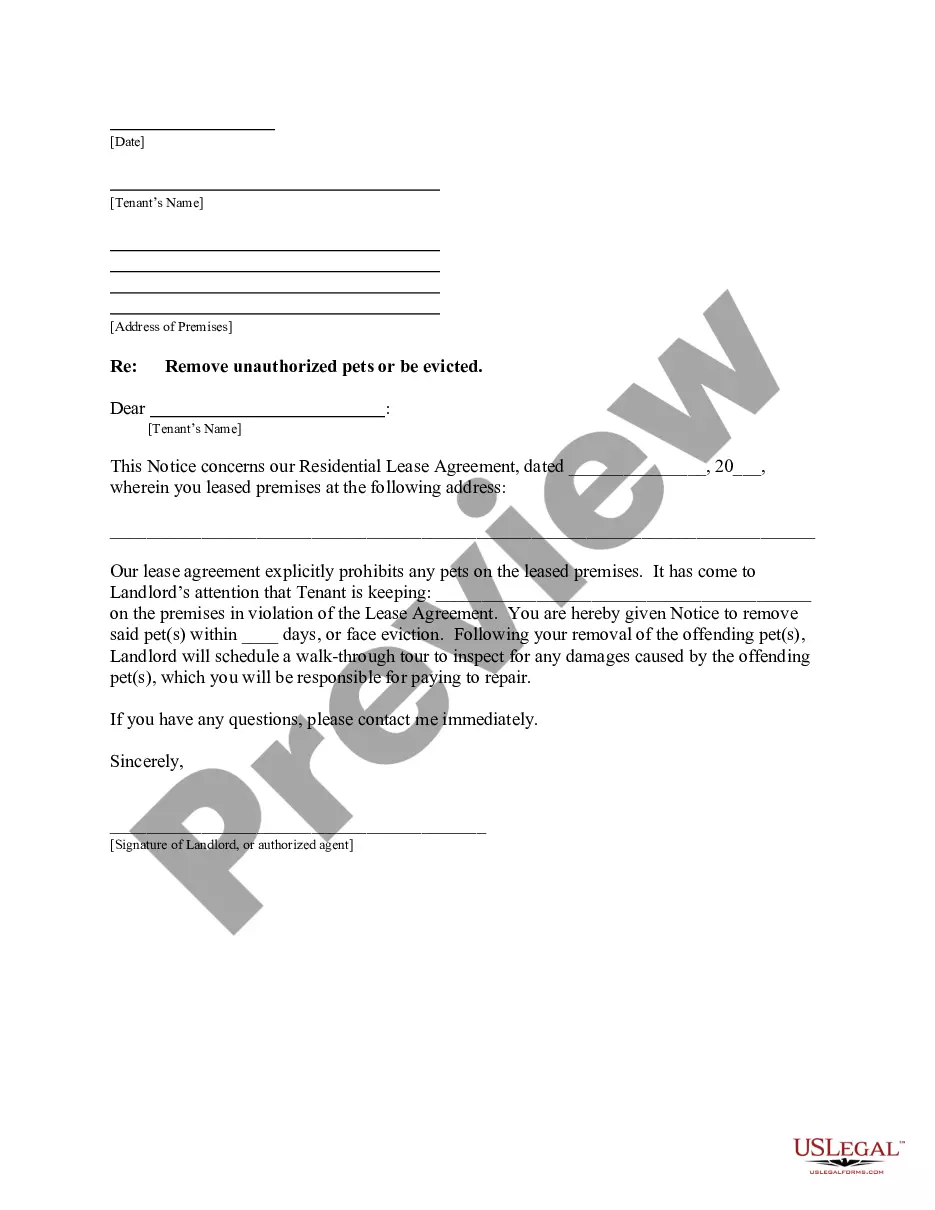
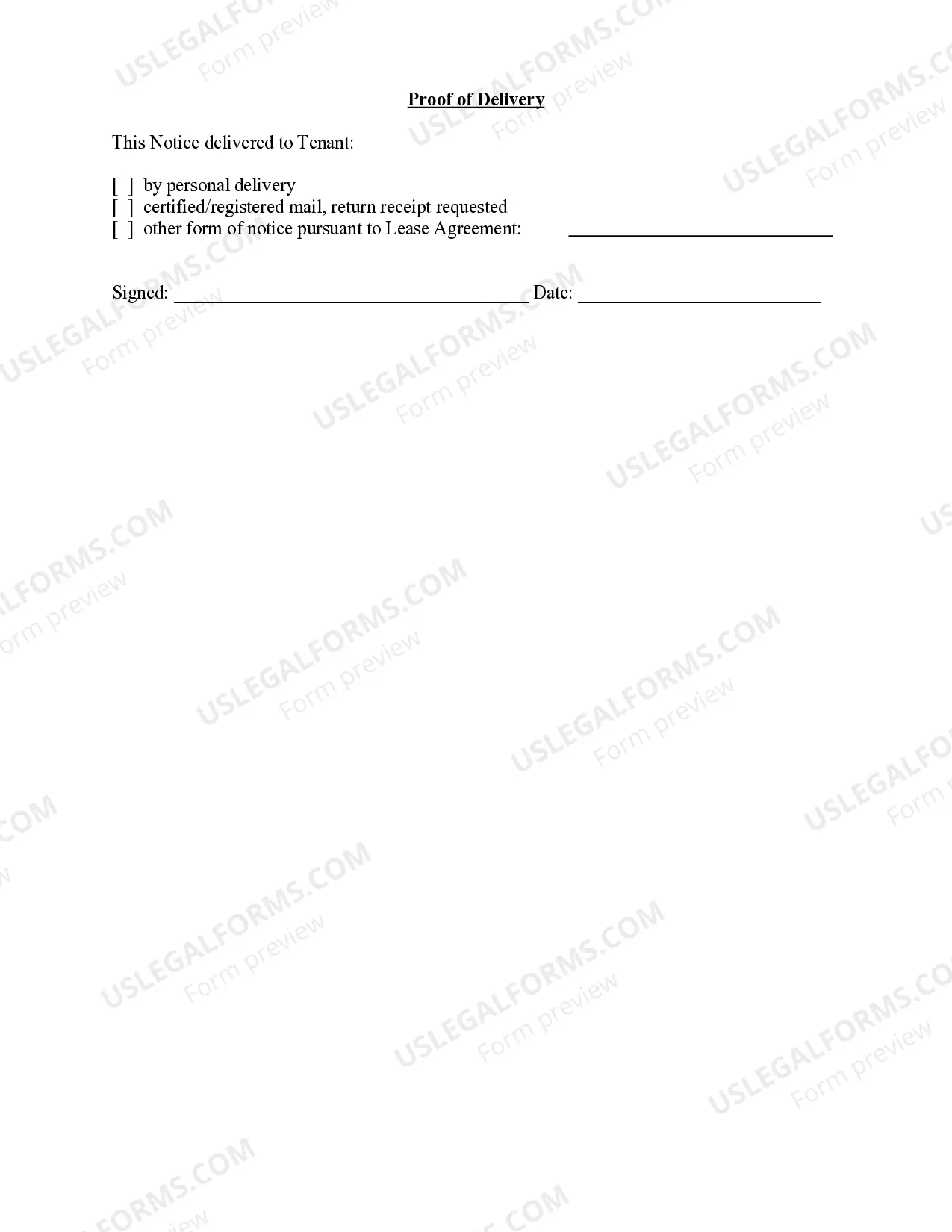
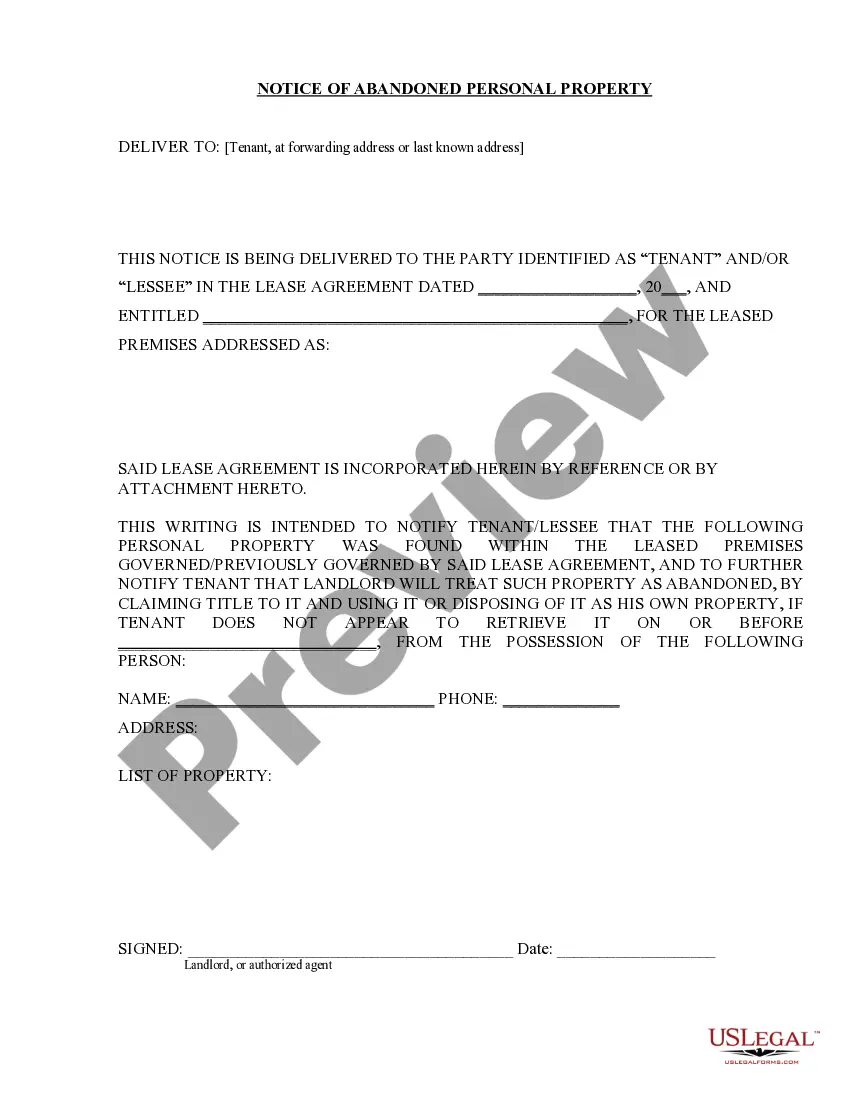
Get your form ready online
Our built-in tools help you complete, sign, share, and store your documents in one place.
Make edits, fill in missing information, and update formatting in US Legal Forms—just like you would in MS Word.
Download a copy, print it, send it by email, or mail it via USPS—whatever works best for your next step.
Sign and collect signatures with our SignNow integration. Send to multiple recipients, set reminders, and more. Go Premium to unlock E-Sign.
If this form requires notarization, complete it online through a secure video call—no need to meet a notary in person or wait for an appointment.
We protect your documents and personal data by following strict security and privacy standards.

Make edits, fill in missing information, and update formatting in US Legal Forms—just like you would in MS Word.

Download a copy, print it, send it by email, or mail it via USPS—whatever works best for your next step.

Sign and collect signatures with our SignNow integration. Send to multiple recipients, set reminders, and more. Go Premium to unlock E-Sign.

If this form requires notarization, complete it online through a secure video call—no need to meet a notary in person or wait for an appointment.

We protect your documents and personal data by following strict security and privacy standards.
Looking for another form?

Form popularity
FAQ
Getting a landlord letter involves reaching out to your landlord and clearly communicating your needs. When asking for a landlord approval letter for pets, provide sufficient context so that your landlord understands your request. You may also consider using platforms like uslegalforms that offer templates and guidance for creating official letters, ensuring you cover all necessary details efficiently.
To get a landlord letter, you can start by making a formal request to your landlord, clearly stating your needs. If you require a landlord approval letter for pets, make sure to identify that in your message. You may also outline any necessary details, like reasons for securing the letter, to help your landlord assist you better. Communication is key, so be polite and patient throughout the process.
When writing a letter to your landlord as a tenant, start with a clear subject line indicating your purpose. Use a polite tone and mention your request for a landlord approval letter for pets if relevant. Provide necessary details like your lease terms and any specific points you would like them to address in the letter. Always conclude your letter with a thank you and your contact information.
To request a landlord reference letter, first, reach out to your landlord via email or a written note. Clearly state your intent to obtain a landlord approval letter for pets, and provide them with any reasons for your request. Include details about your pet, such as size and breed, if applicable, to help them understand your specific situation. Make sure to thank them for their consideration.
Landlords can refuse pets in Victoria, but under the new regulations, they must justify their decision. Presenting a landlord approval letter for pets can positively influence your landlord's decision. Understanding your rights as a tenant and engaging in open dialogue with your landlord can help in negotiating pet allowances. Remember, knowledge of the law benefits both parties involved.
Yes, landlords in Victoria can say no to pets, but they need to provide a legitimate reason for the refusal. If you request a pet, having a landlord approval letter for pets can strengthen your case. It's important to communicate your pet’s good behavior and your commitment to maintaining the rental property. Engaging in a constructive conversation can lead to better outcomes.
Recently, Victoria introduced new regulations that protect tenants’ rights regarding pets. Under these rules, landlords must provide a valid reason to refuse the tenant's request for a pet, often supported by a landlord approval letter for pets. As a tenant, you're encouraged to understand these rules and advocate for your right to have pets in your home, if applicable. Staying informed helps you navigate potential challenges.
In Australia, rental policies on dogs vary by property and state. Some landlords are open to allowing dogs, particularly if you provide a landlord approval letter for pets that outlines your commitment to responsible pet ownership. However, it's essential to research each rental's guidelines and communicate openly with potential landlords. Checking for pet-friendly rentals can also simplify your search.
In the UK, a landlord can evict you for having a pet if your lease explicitly prohibits pets. It's essential to review your tenancy agreement carefully before getting a pet. However, if you request a landlord approval letter for pets and demonstrate responsibility, your landlord may reconsider their stance. Always communicate openly with your landlord about your intentions.
If your landlord does not allow pets, consider drafting a landlord approval letter for pets that outlines reassuring measures. Present clear arguments on why having a pet is beneficial and offer solutions, such as a pet deposit or additional insurance. Be open to negotiation and emphasize your commitment to maintaining a responsible tenancy.