Wisconsin Legal Ethics Rules
Description
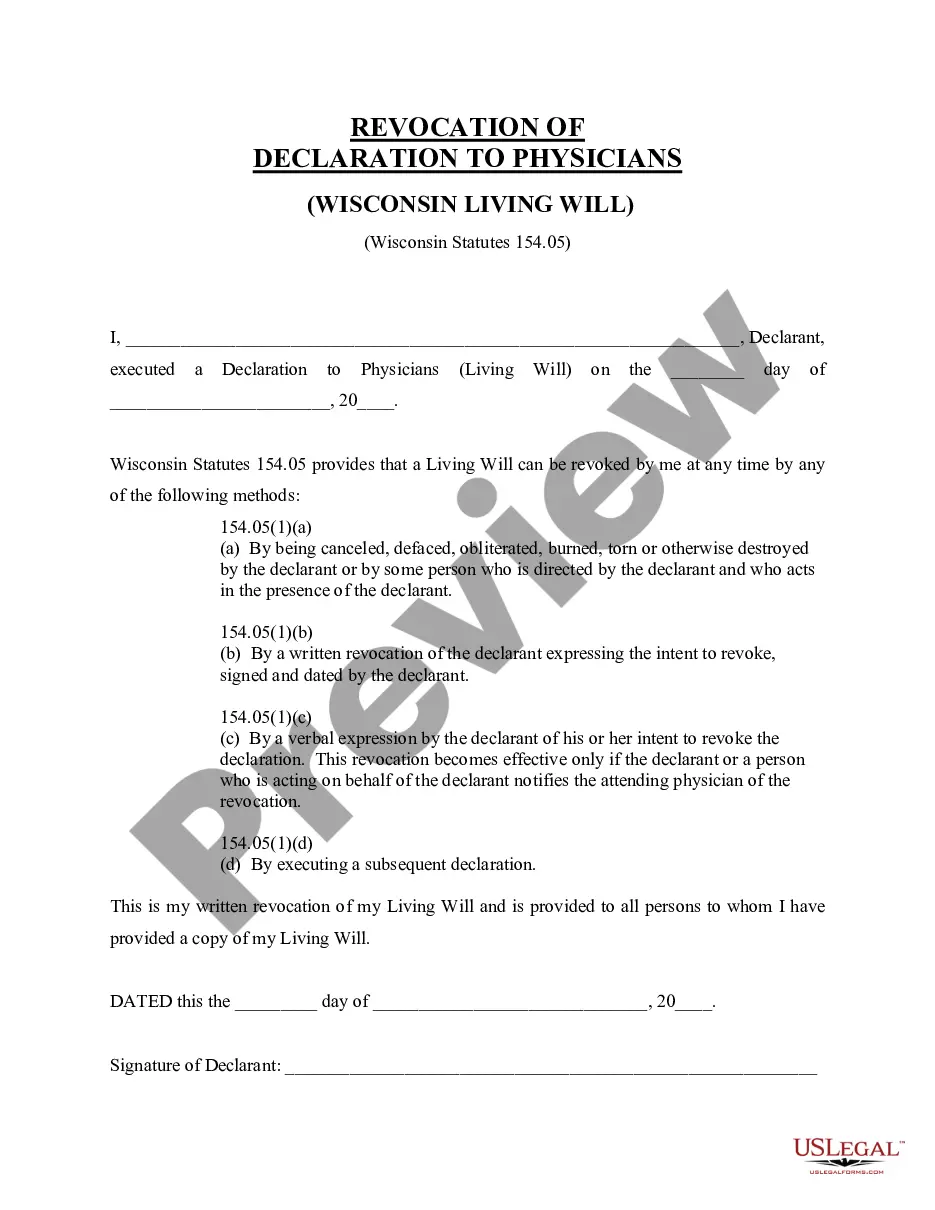
Get your form ready online
Our built-in tools help you complete, sign, share, and store your documents in one place.
Make edits, fill in missing information, and update formatting in US Legal Forms—just like you would in MS Word.
Download a copy, print it, send it by email, or mail it via USPS—whatever works best for your next step.
Sign and collect signatures with our SignNow integration. Send to multiple recipients, set reminders, and more. Go Premium to unlock E-Sign.
If this form requires notarization, complete it online through a secure video call—no need to meet a notary in person or wait for an appointment.
We protect your documents and personal data by following strict security and privacy standards.

Make edits, fill in missing information, and update formatting in US Legal Forms—just like you would in MS Word.

Download a copy, print it, send it by email, or mail it via USPS—whatever works best for your next step.

Sign and collect signatures with our SignNow integration. Send to multiple recipients, set reminders, and more. Go Premium to unlock E-Sign.

If this form requires notarization, complete it online through a secure video call—no need to meet a notary in person or wait for an appointment.

We protect your documents and personal data by following strict security and privacy standards.
Looking for another form?
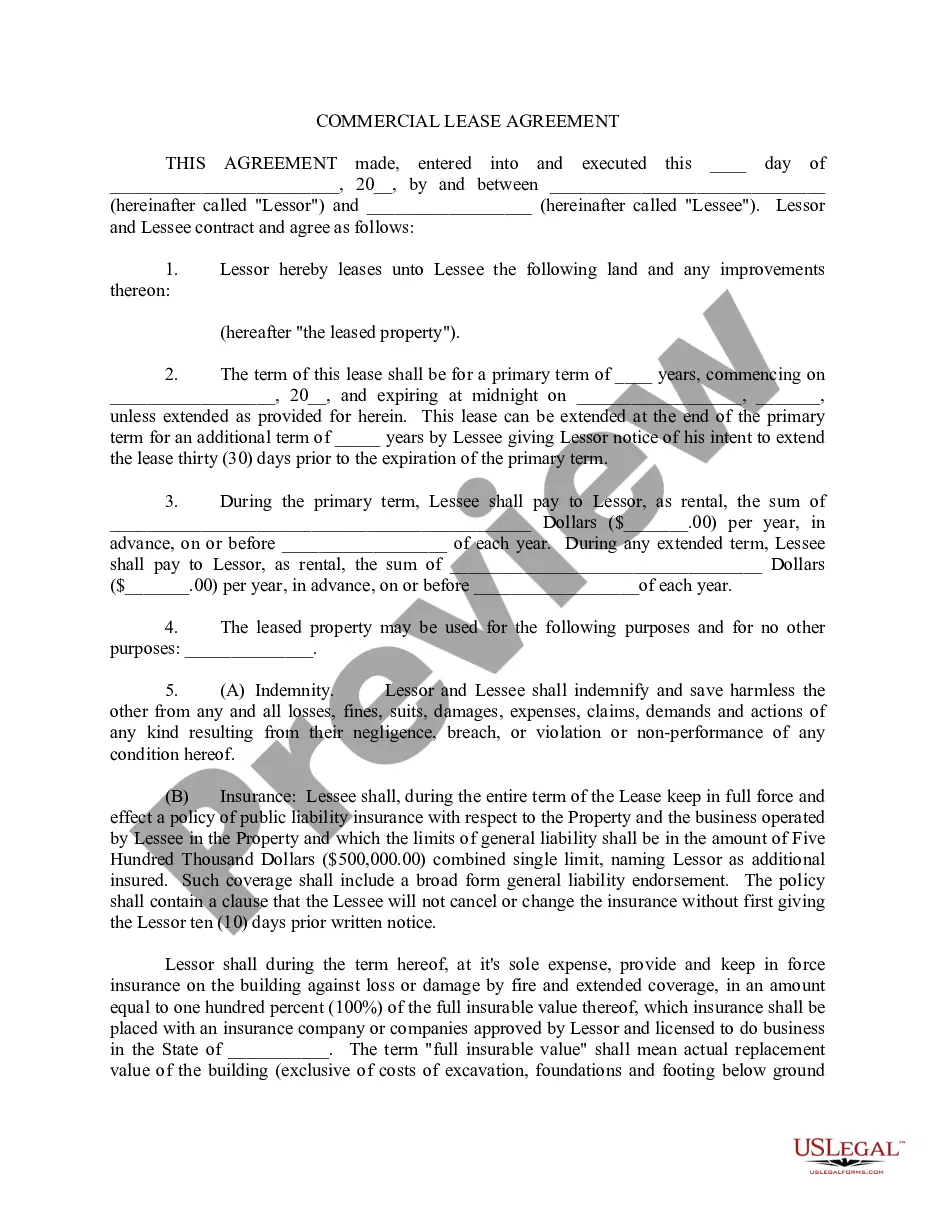






How to fill out Wisconsin Revocation Of Statutory Living Will?
Locating a primary source for accessing the most up-to-date and suitable legal forms constitutes a significant portion of navigating bureaucracy.
Selecting the appropriate legal documents necessitates accuracy and careful consideration, which is why it is crucial to obtain samples of Wisconsin Legal Ethics Rules solely from trustworthy sources, such as US Legal Forms.
Once you have the form on your device, you can edit it with the editor or print it for manual completion. Eliminate the complications associated with your legal documentation. Explore the vast collection of US Legal Forms where you can discover legal templates, verify their applicability to your situation, and download them instantly.
- Utilize the library navigation or search bar to locate your template.
- Review the form’s details to determine if it meets the criteria of your state and county.
- Preview the form, if available, to confirm it is indeed the one you are seeking.
- Return to the search and find the correct document if the Wisconsin Legal Ethics Rules does not fulfill your requirements.
- If you are confident in the form’s applicability, download it.
- As a registered user, click Log in to verify and access your selected forms in My documents.
- If you do not have an account yet, click Buy now to acquire the form.
- Choose the pricing plan that best suits your necessities.
- Proceed with the registration to complete your transaction.
- Finalize your purchase by selecting a payment method (credit card or PayPal).
- Select the document format for downloading Wisconsin Legal Ethics Rules.
Form popularity
FAQ
The most frequent complaint against lawyers often involves issues of communication and lack of responsiveness. Clients expect timely updates and clear guidance throughout their legal processes. When lawyers fail to meet these expectations, it may lead to grievances. Understanding the Wisconsin legal ethics rules can help both clients and lawyers recognize the importance of maintaining clear and open lines of communication.
Unprofessional Behavior Failing to show up for meetings. Using foul or crass language. Making important decisions about your case without your input. Missing deadlines. Filing paperwork incorrectly. Failing to disclose conflicts of interest. Continuing to work on your case when there is a known conflict of interest.
In the United States, the diploma privilege is a method for lawyers to be admitted to the bar (i.e. authorized to practice law) without taking a bar examination. Wisconsin is the only jurisdiction that currently allows diploma privilege as an alternative to the bar examination.
Charging excessive fees, refusing to give the client his or her money, stealing the client's money, or misplacing the client's money are clear indicators of an ethics violation.
Synopsis: When an organization is represented in a matter, SCR .2 prohibits a lawyer representing a client adverse to the organization in the matter from contacting constituents who direct, supervise, or regularly consult with the organization's lawyer concerning the matter, who have the authority to obligate the ...
While the client file typically includes nonpublic materials, such as communications between attorney and client, along with pleadings and other public materials, the client may also seek outlines or drafts, internal communications, memoranda, legal or other research, or even the attorney's handwritten notes.