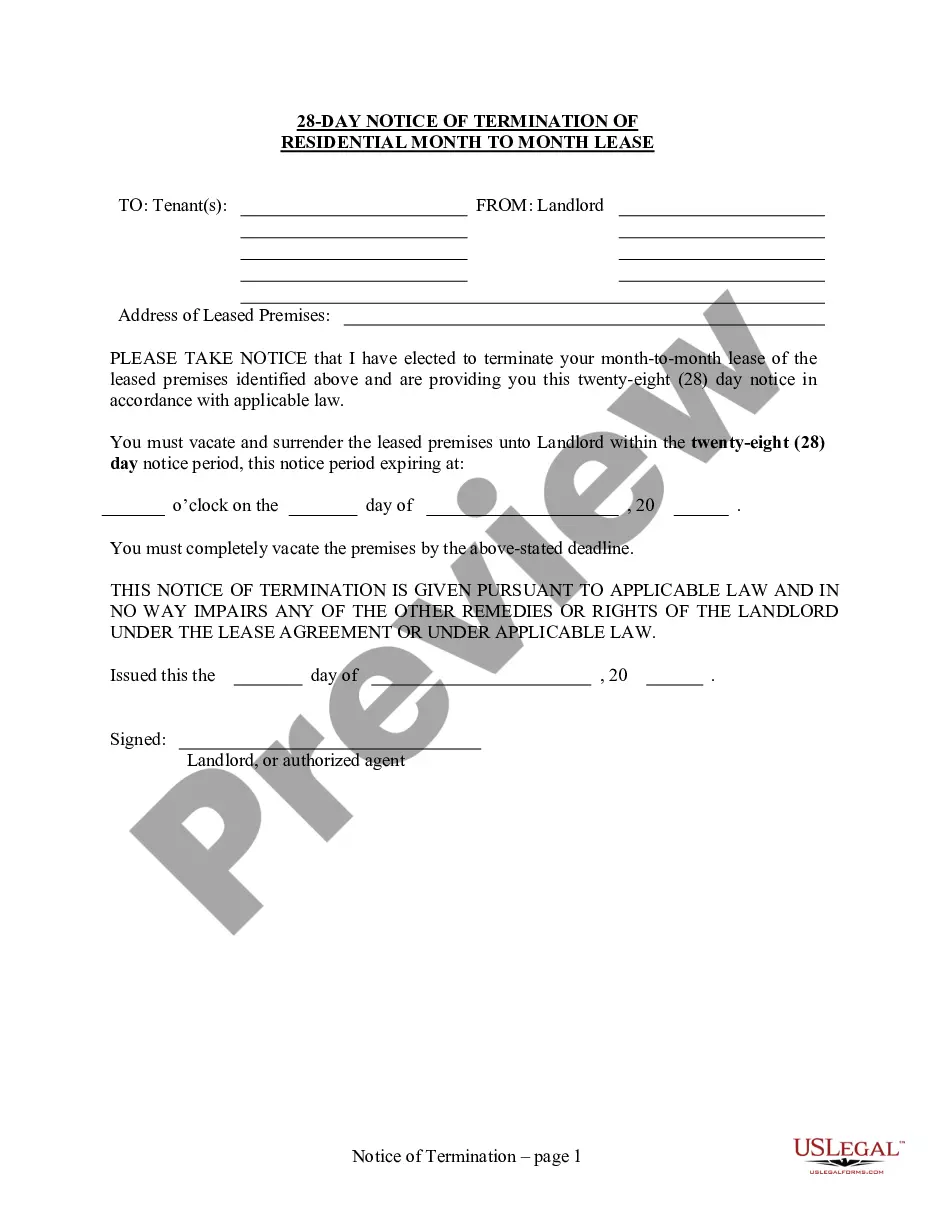
28 Day Notice From Care Home
Description
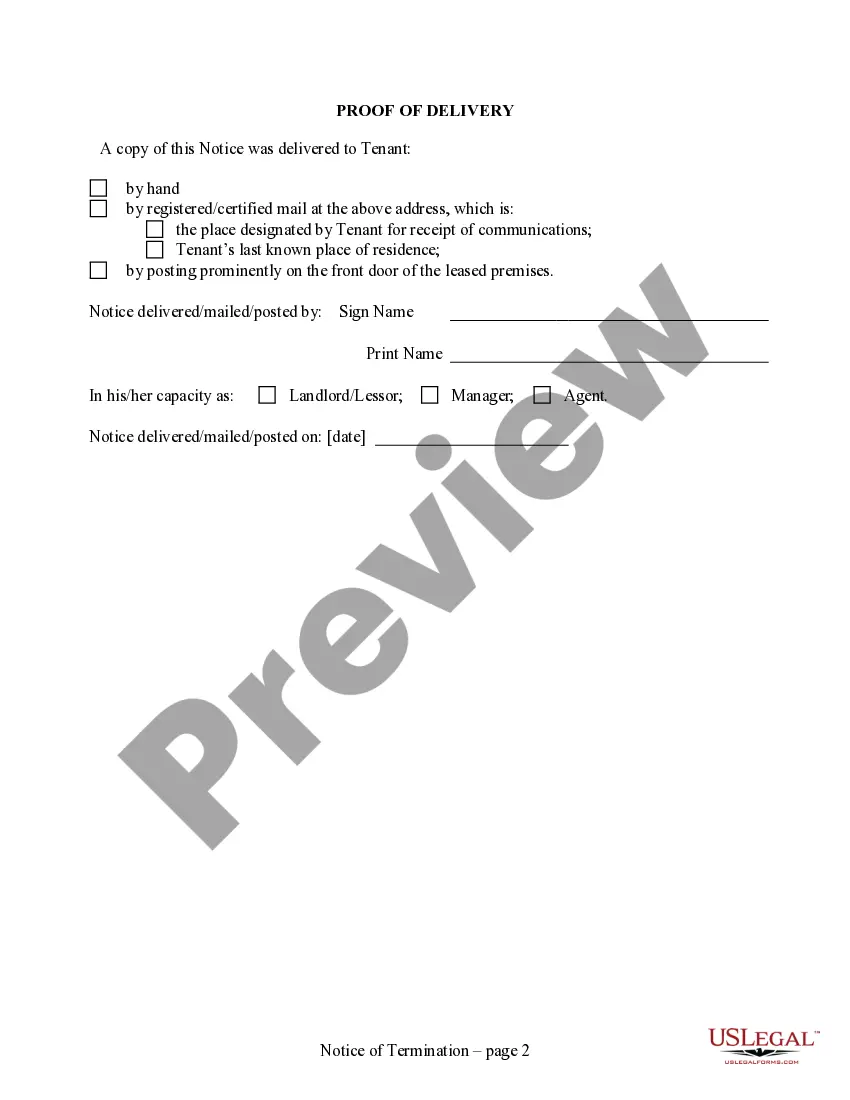
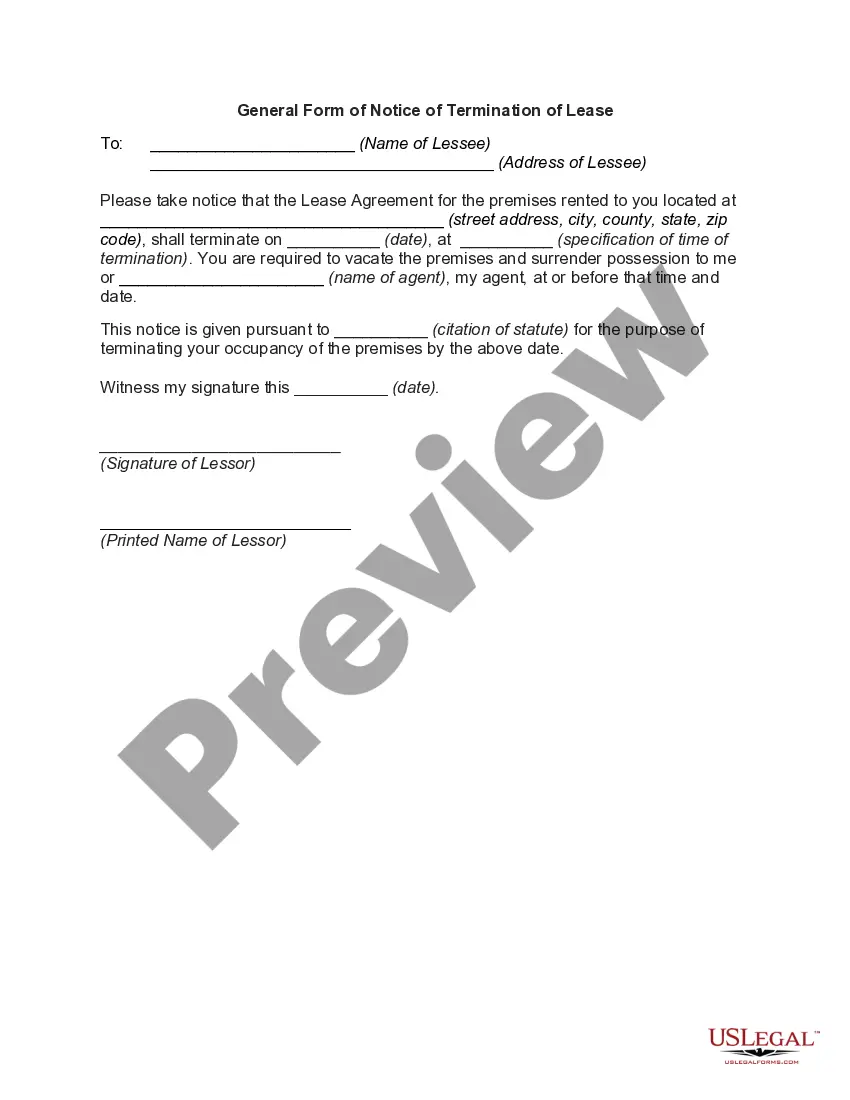

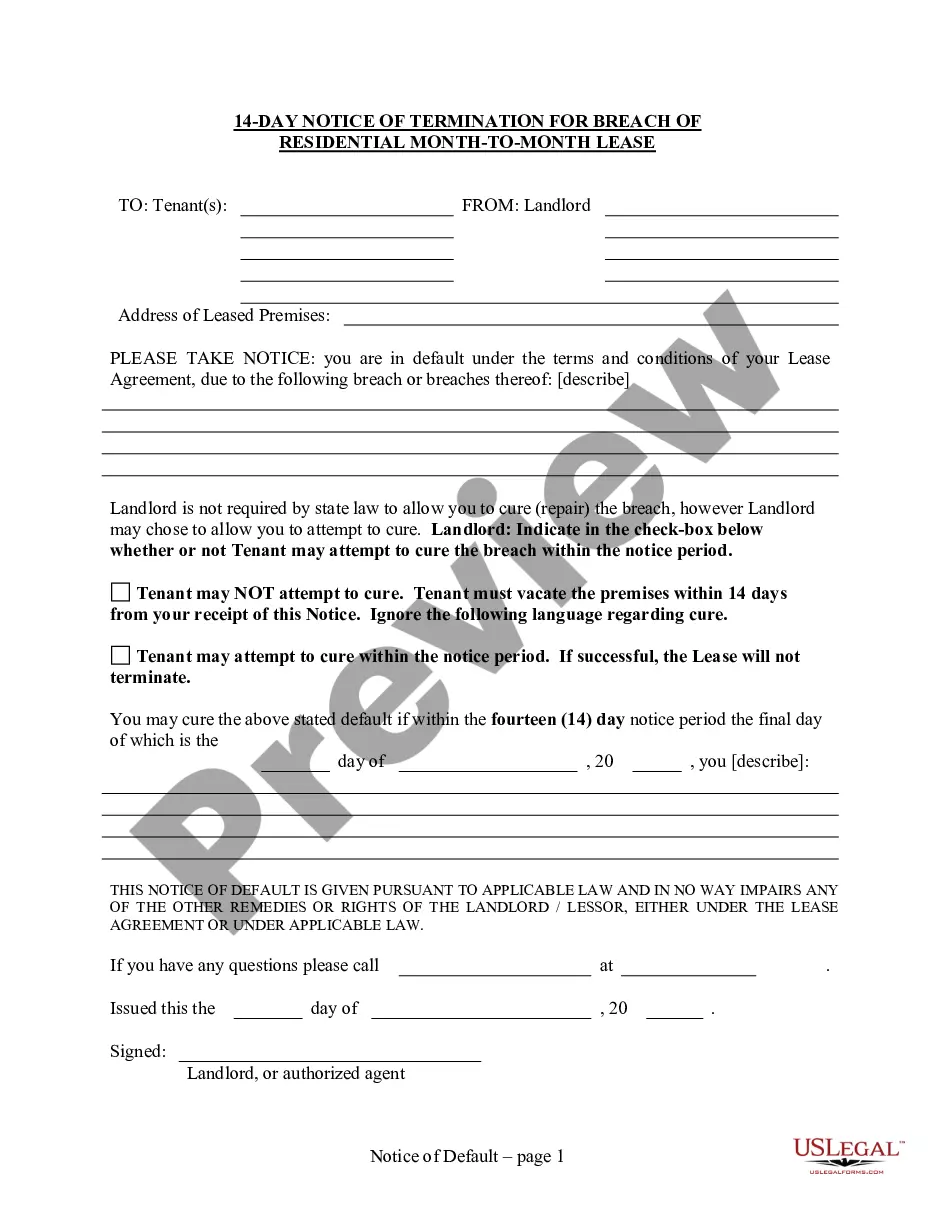
Get your form ready online
Our built-in tools help you complete, sign, share, and store your documents in one place.
Make edits, fill in missing information, and update formatting in US Legal Forms—just like you would in MS Word.
Download a copy, print it, send it by email, or mail it via USPS—whatever works best for your next step.
Sign and collect signatures with our SignNow integration. Send to multiple recipients, set reminders, and more. Go Premium to unlock E-Sign.
If this form requires notarization, complete it online through a secure video call—no need to meet a notary in person or wait for an appointment.
We protect your documents and personal data by following strict security and privacy standards.
Make edits, fill in missing information, and update formatting in US Legal Forms—just like you would in MS Word.
Download a copy, print it, send it by email, or mail it via USPS—whatever works best for your next step.
Sign and collect signatures with our SignNow integration. Send to multiple recipients, set reminders, and more. Go Premium to unlock E-Sign.
If this form requires notarization, complete it online through a secure video call—no need to meet a notary in person or wait for an appointment.
We protect your documents and personal data by following strict security and privacy standards.
Looking for another form?
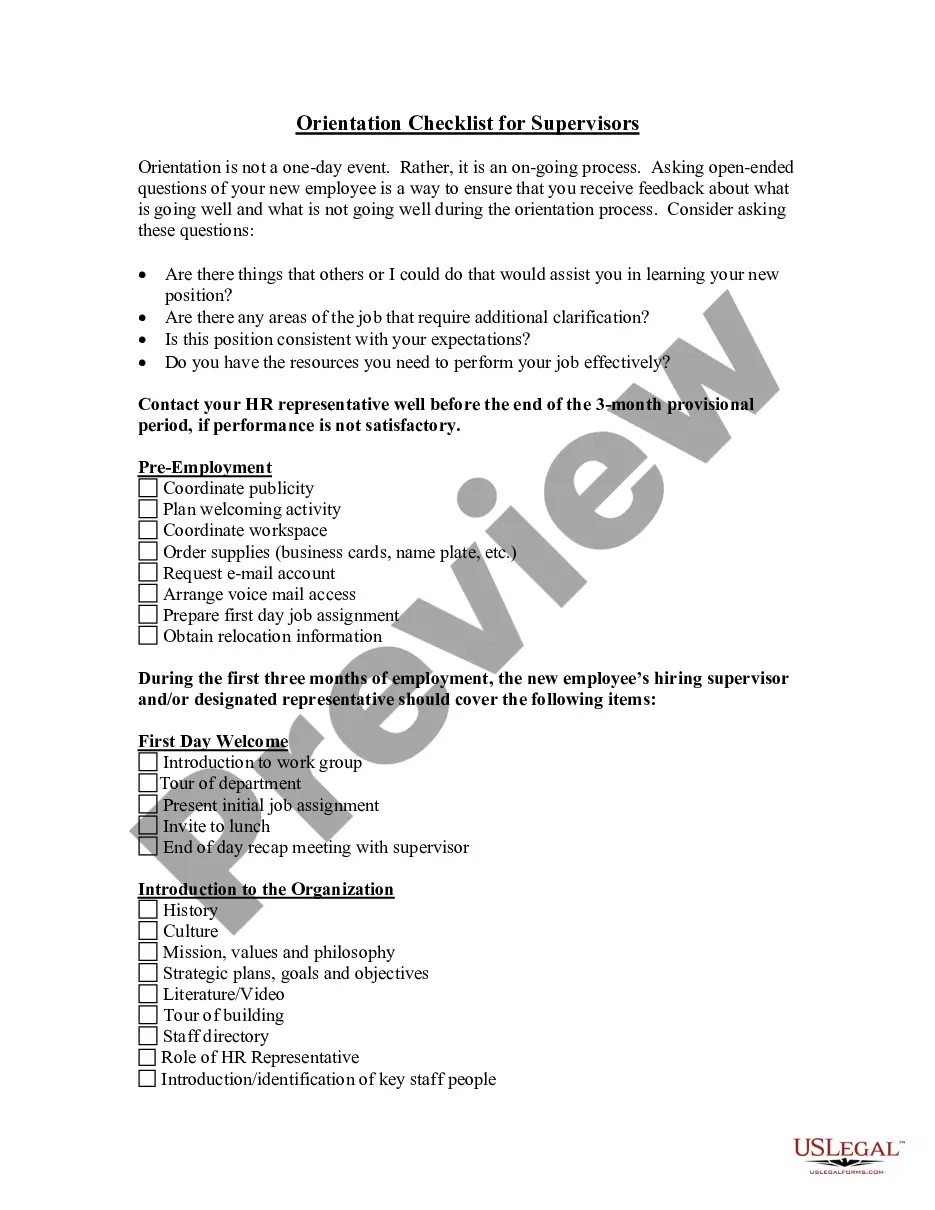
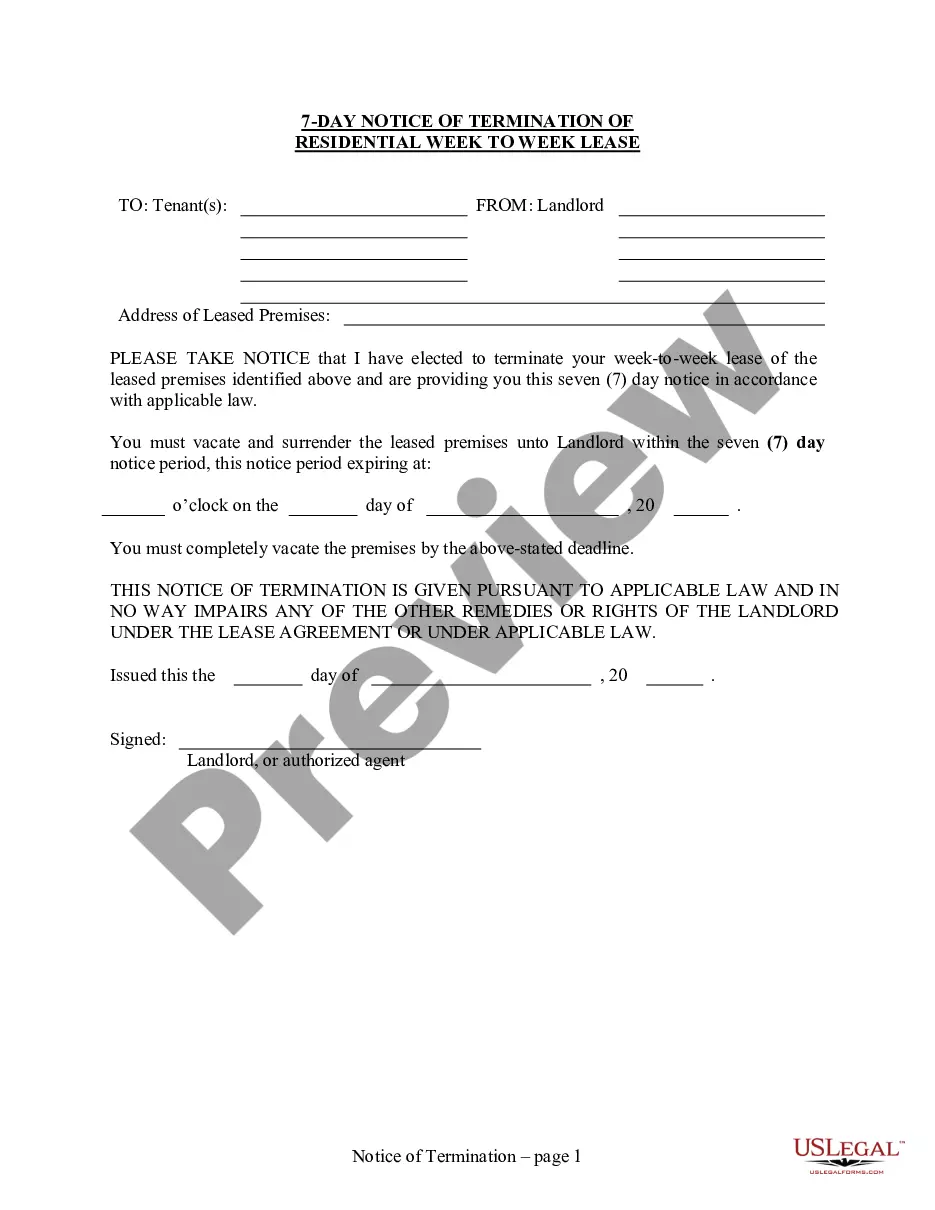
How to fill out Wisconsin 28 Day Notice To Terminate Month To Month Lease - No Right To Cure - Residential?
Regardless of whether it is for professional reasons or personal matters, everyone must confront legal issues at some point in their lives.
Completing legal documents requires meticulous attention, starting with choosing the appropriate form template. For instance, if you select an incorrect version of a 28 Day Notice From Care Home, it will be denied when submitted. Thus, it is crucial to have a trustworthy source of legal documents like US Legal Forms.
With an extensive US Legal Forms catalog available, you will never need to waste time looking for the appropriate template online. Utilize the library’s straightforward navigation to find the right form for any situation.
- Obtain the template you require using the search bar or catalog navigation.
- Review the form’s description to ensure it aligns with your circumstances, state, and county.
- Select the form’s preview to examine it.
- If it is the wrong document, return to the search function to locate the 28 Day Notice From Care Home sample you need.
- Acquire the template if it fits your criteria.
- If you already have a US Legal Forms account, simply click Log in to access previously saved templates in My documents.
- If you do not have an account yet, you can obtain the form by clicking Buy now.
- Select the appropriate pricing option.
- Fill out the account registration form.
- Choose your payment method: use a credit card or PayPal account.
- Select the file format you desire and download the 28 Day Notice From Care Home.
- After it is saved, you can complete the form using editing software or print it and finish it by hand.
Form popularity
FAQ
The assessment will determine the level of care the person requires, and whether they would benefit from moving homes. If so, they will normally be given a list of suitable residences to choose from. However, you have the right to choose a different home, provided it can meet the individual's needs.
If the person has no attorney or deputy, health and social care professionals and those close to the person should decide together. The home also has a choice about whether or not to accept a potential resident. The decision may also depend on who is funding the care.
People with dementia might need to move into a residential care home for various reasons, such as: their needs have increased as their dementia has progressed. their condition has deteriorated after a crisis, such as a hospital admission. their family or home carer is no longer able to support them.
The main difference is that a nursing home always has a qualified nurse on-site to provide medical care. Both nursing homes and residential care homes provide care and support 24 hours a day, however, the main difference is that a nursing home is able to provide a higher level of care.
There is not a legal time. There is however good practice. If a resident is awake and wishes to get up then that is fine but no one should be woken and got up for the convenience of the staff. I get up very early but residents in a care home are in their own home and their wishes should be respected.