Marital Separation Agreement Vermont Withdrawal
Description
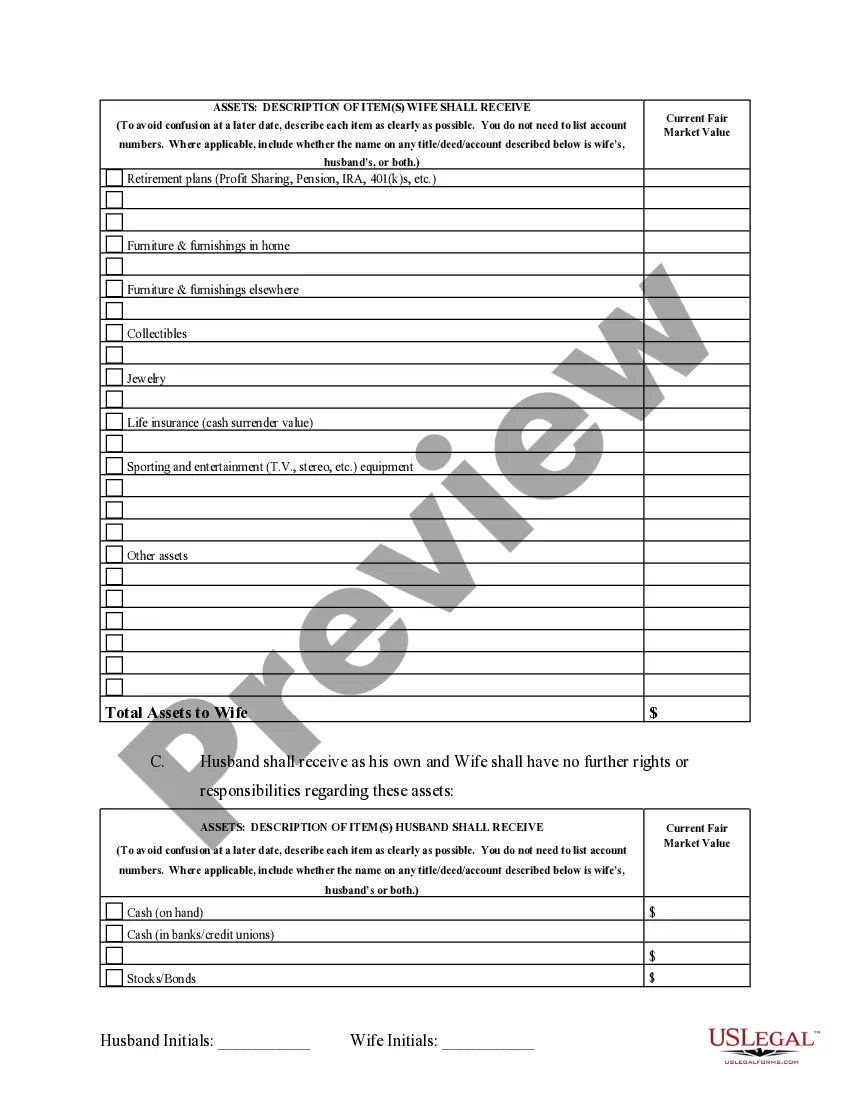
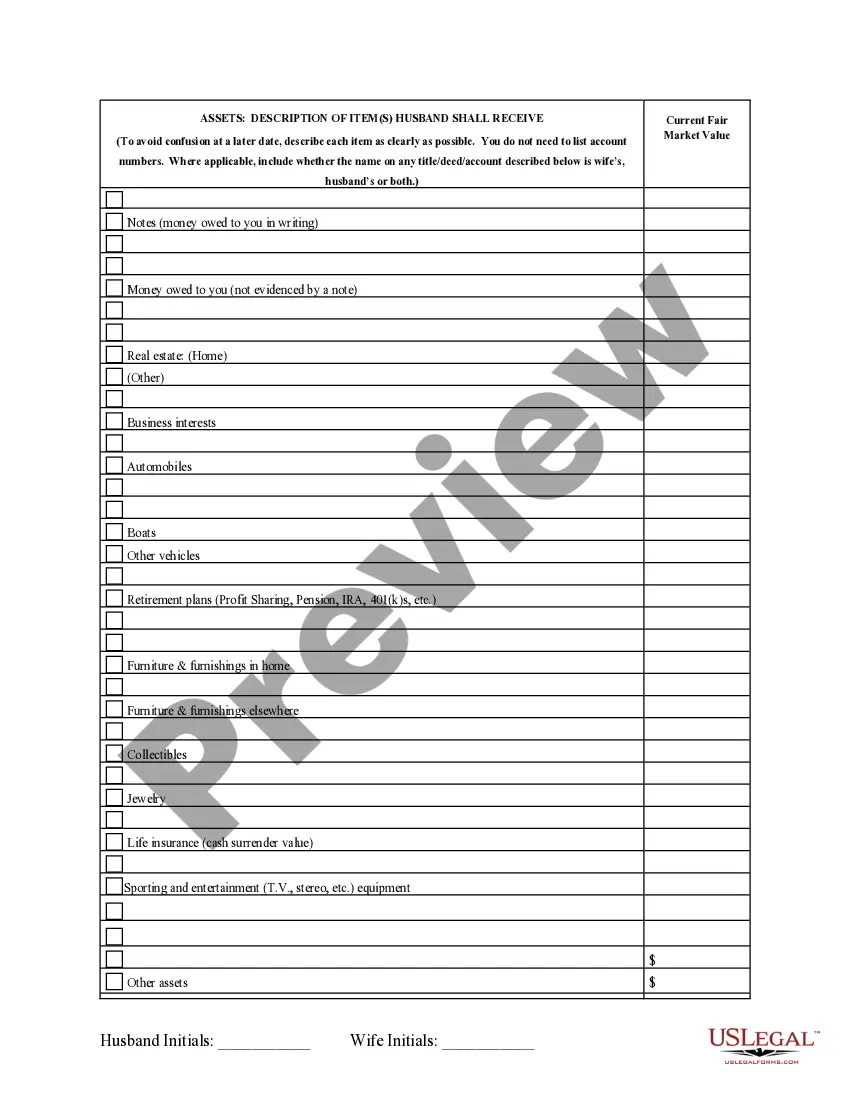
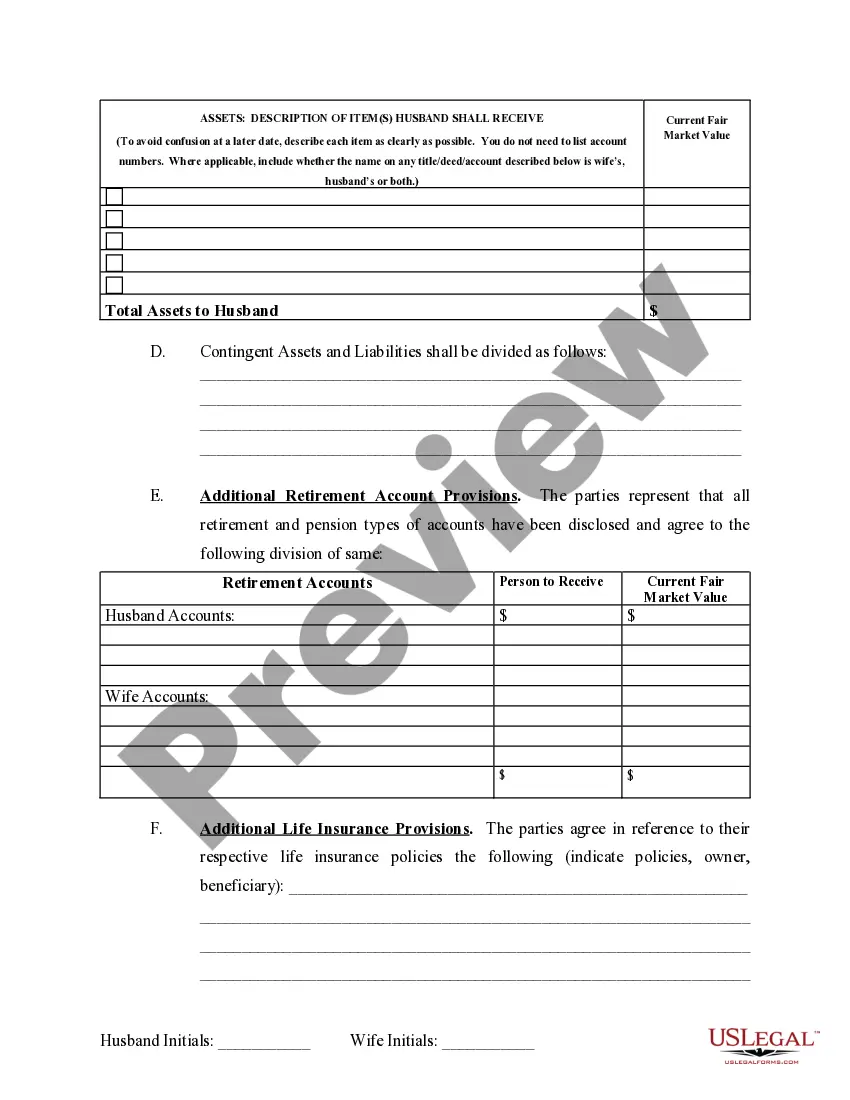
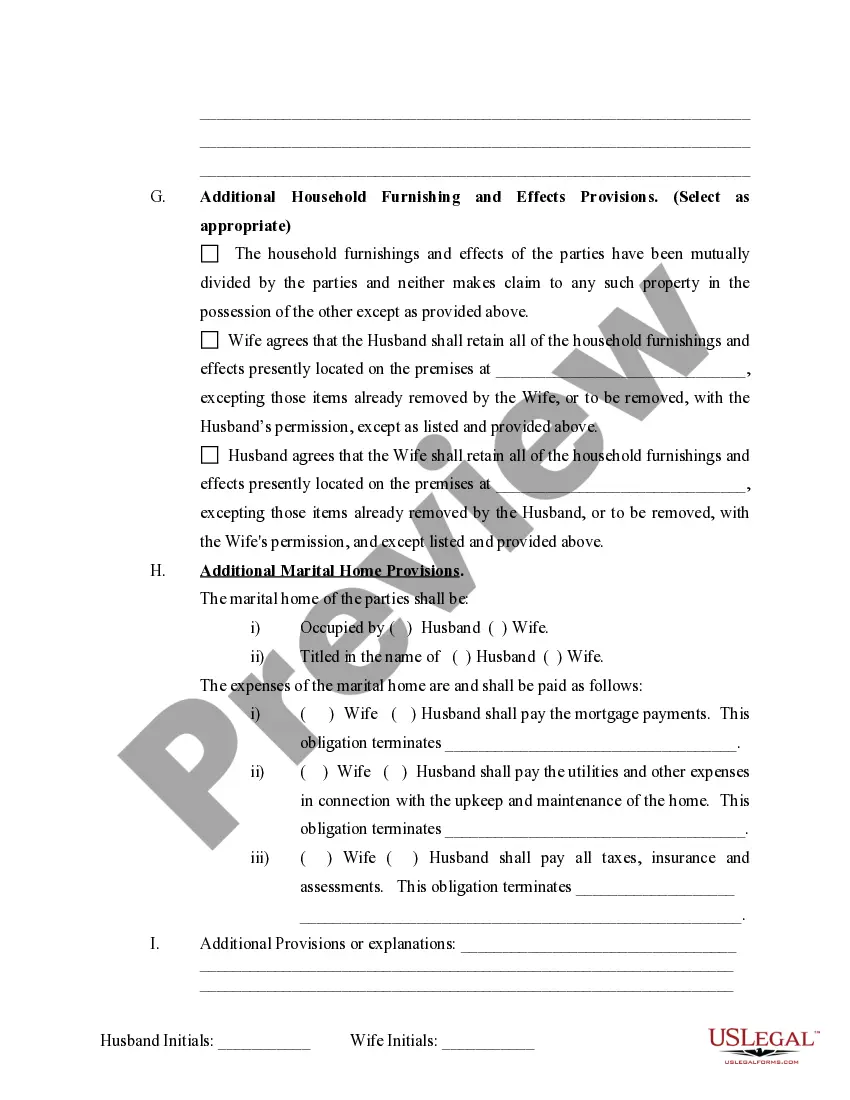

Get your form ready online
Our built-in tools help you complete, sign, share, and store your documents in one place.
Make edits, fill in missing information, and update formatting in US Legal Forms—just like you would in MS Word.
Download a copy, print it, send it by email, or mail it via USPS—whatever works best for your next step.
Sign and collect signatures with our SignNow integration. Send to multiple recipients, set reminders, and more. Go Premium to unlock E-Sign.
If this form requires notarization, complete it online through a secure video call—no need to meet a notary in person or wait for an appointment.
We protect your documents and personal data by following strict security and privacy standards.

Make edits, fill in missing information, and update formatting in US Legal Forms—just like you would in MS Word.

Download a copy, print it, send it by email, or mail it via USPS—whatever works best for your next step.

Sign and collect signatures with our SignNow integration. Send to multiple recipients, set reminders, and more. Go Premium to unlock E-Sign.

If this form requires notarization, complete it online through a secure video call—no need to meet a notary in person or wait for an appointment.

We protect your documents and personal data by following strict security and privacy standards.
Looking for another form?








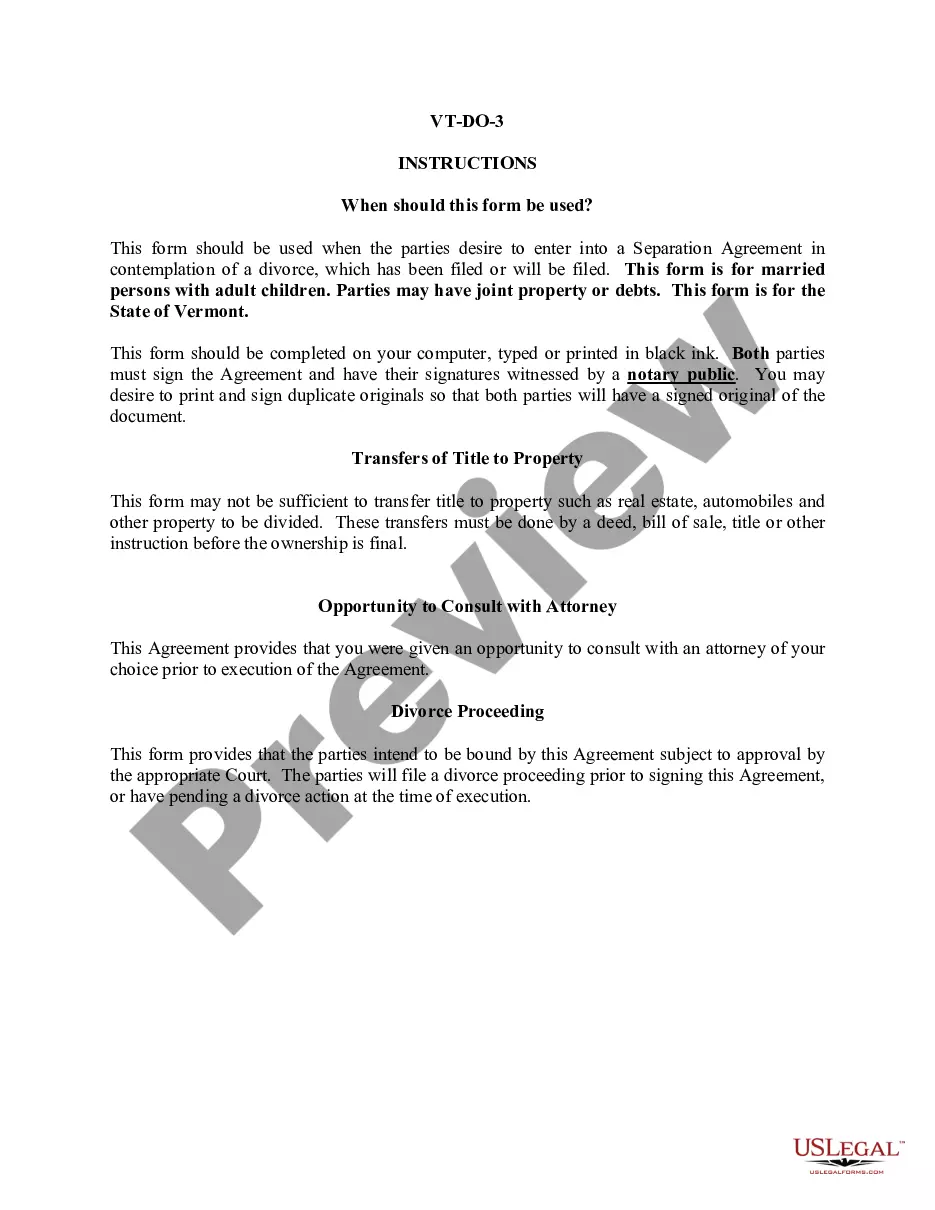
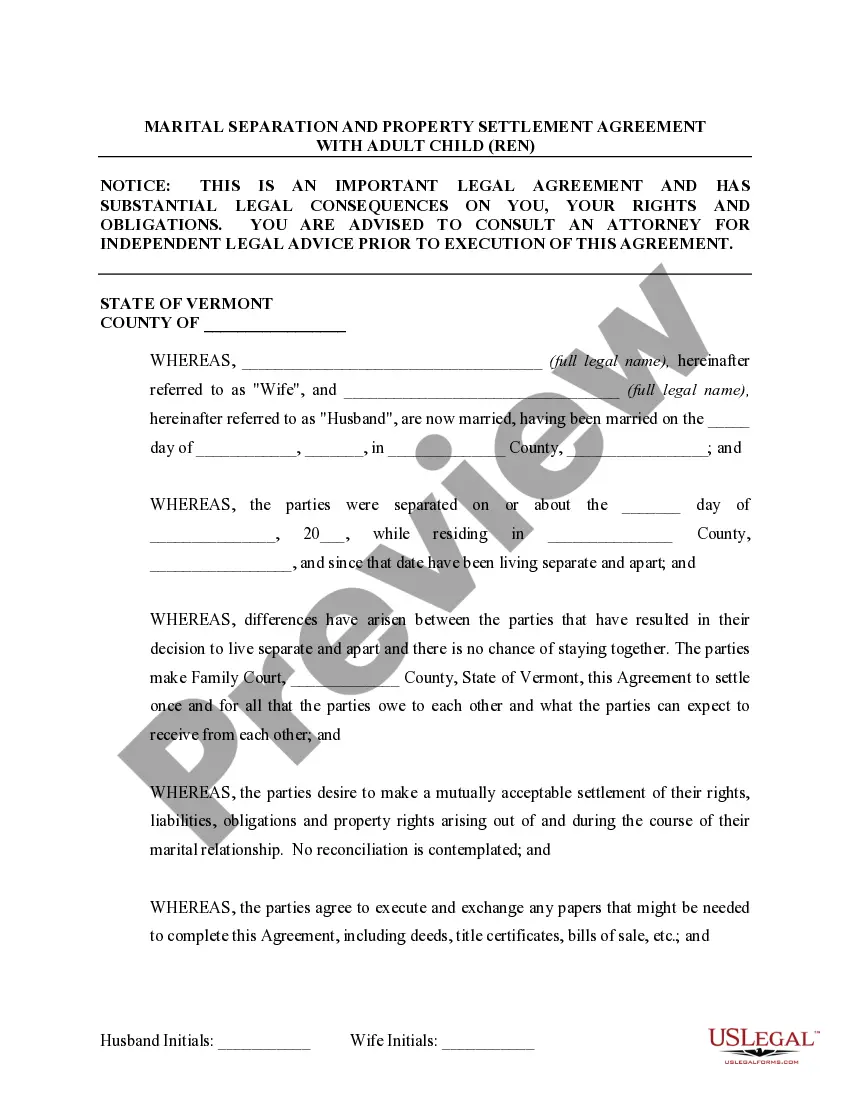
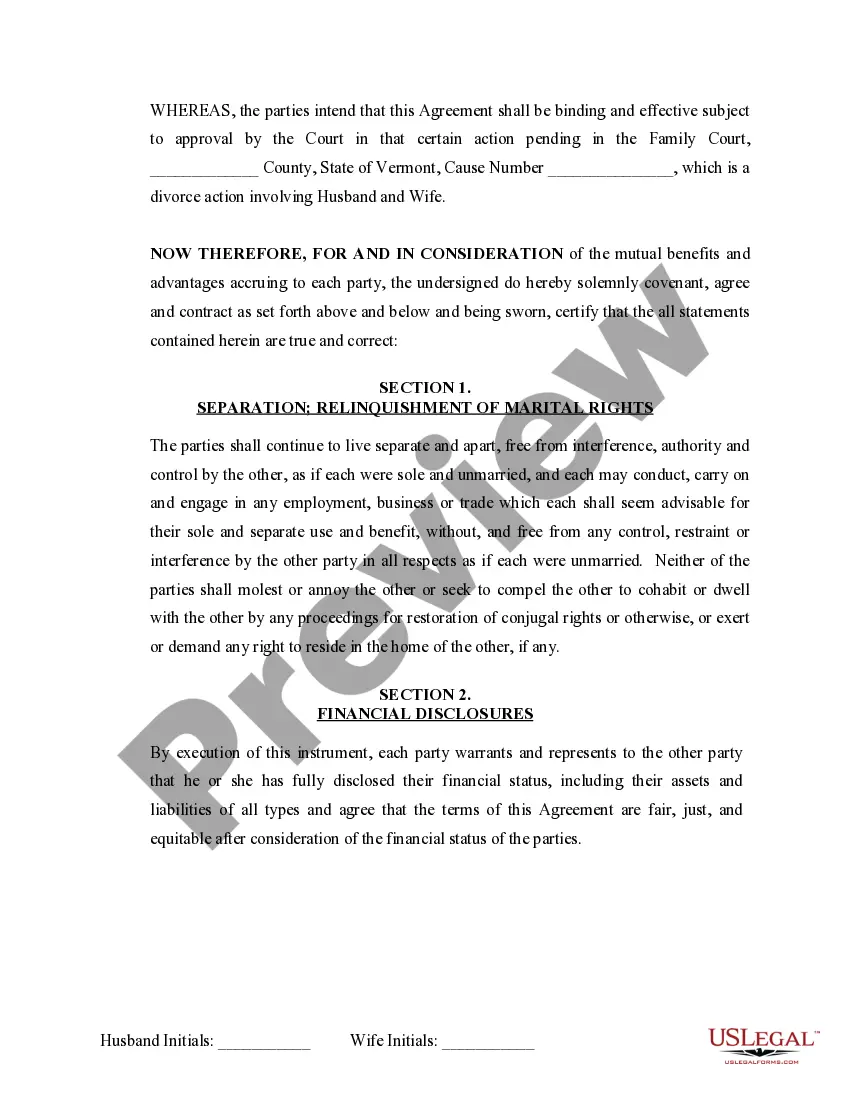
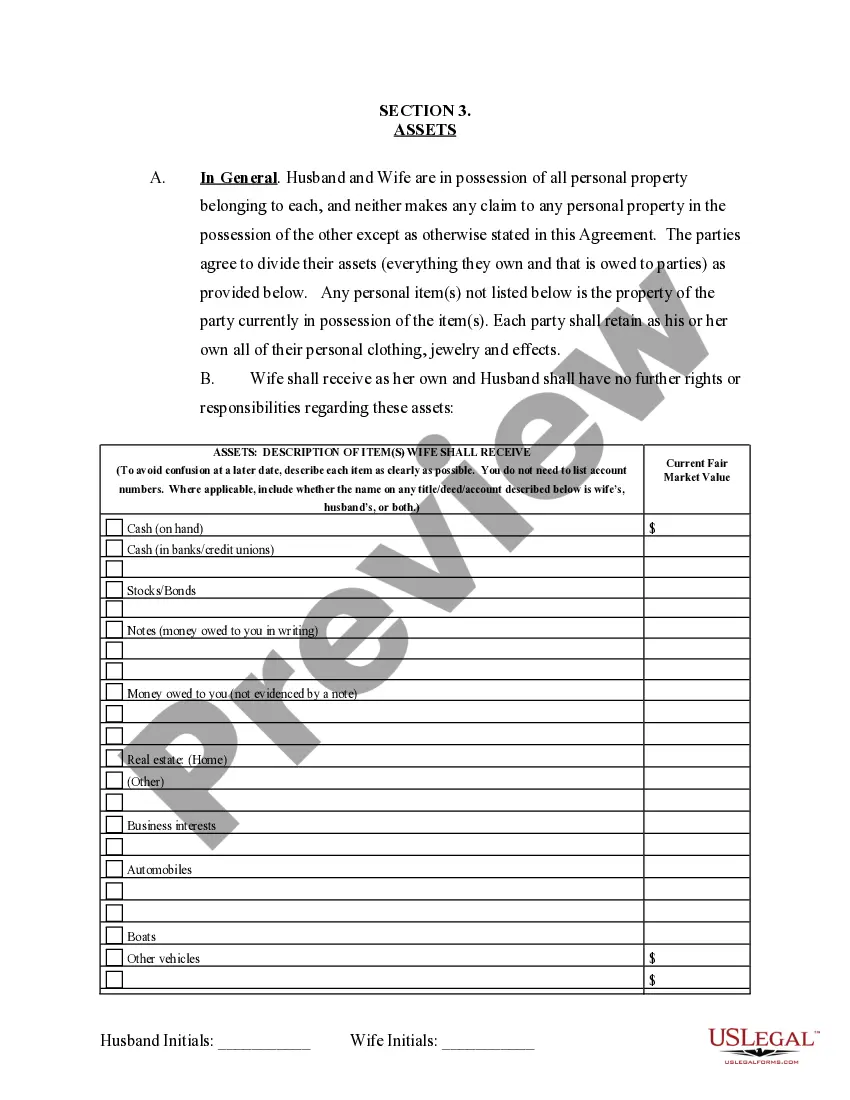
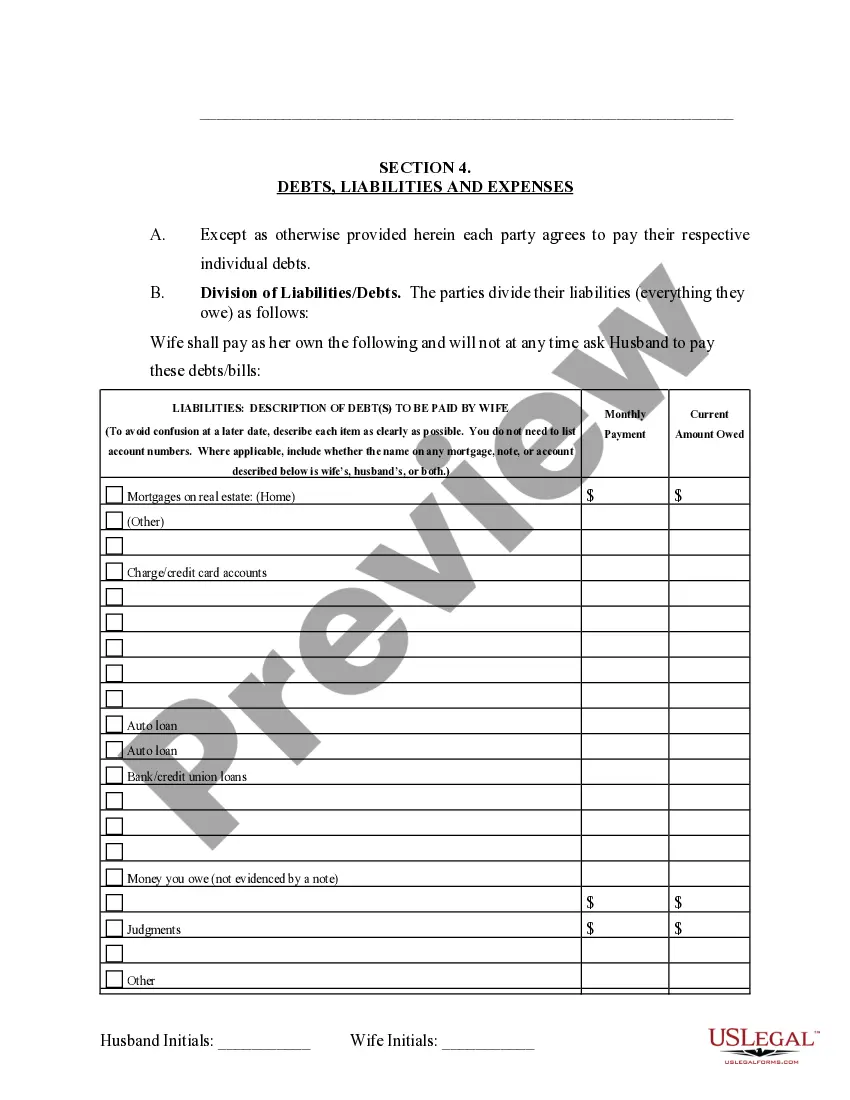
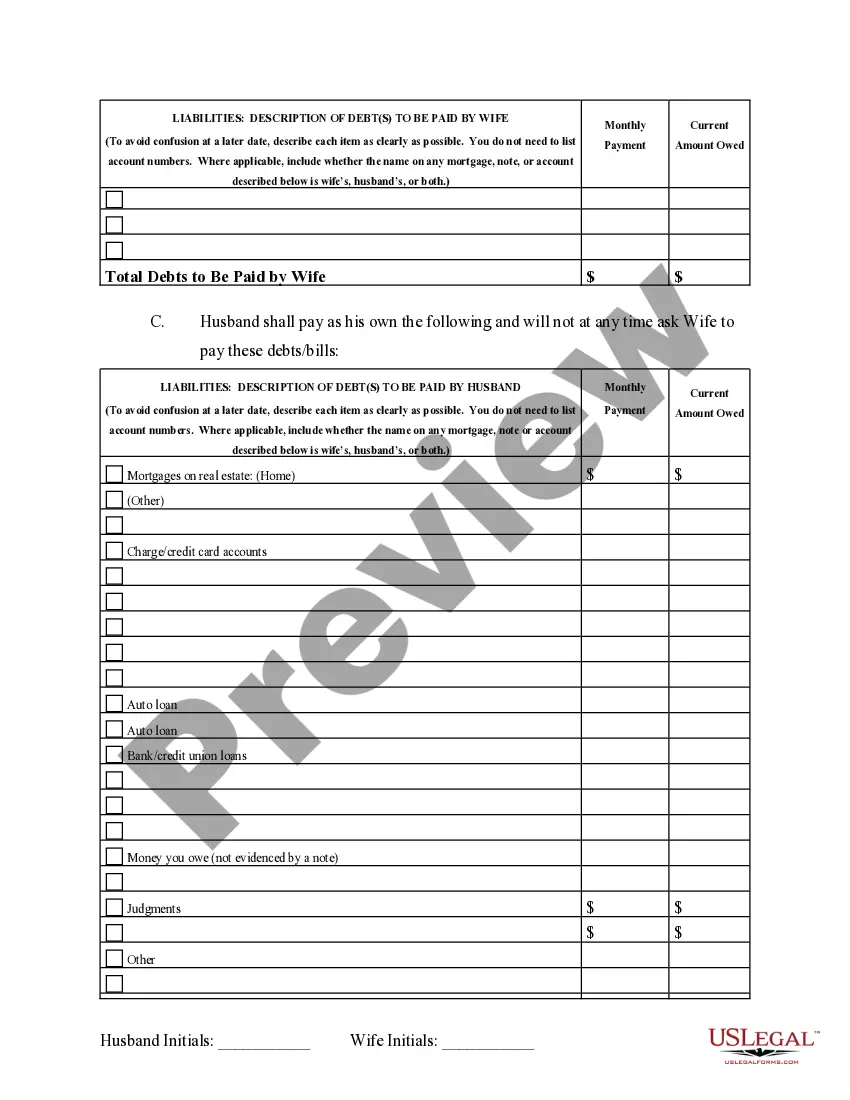
How to fill out Vermont Marital Domestic Separation And Property Settlement Agreement Adult Children Parties May Have Joint Property Or Debts Where Divorce Action Filed?
Red tape necessitates meticulousness and exactness.
Unless you handle completing paperwork such as Marital Separation Agreement Vermont Withdrawal regularly, it can lead to some misinterpretations.
Selecting the correct template from the outset will ensure that your document submission proceeds smoothly and avert any issues of re-submitting a file or repeating the same task from the beginning.
If you're not a subscribed user, finding the necessary template may require a few additional steps.
- Obtain the suitable template for your paperwork from US Legal Forms.
- US Legal Forms is the largest digital forms catalog that provides over 85 thousand templates for numerous subject areas.
- You can access the latest and most suitable iteration of the Marital Separation Agreement Vermont Withdrawal by easily searching it on the platform.
- Find, store, and save templates in your account or consult the description to confirm you have the right one on hand.
- With an account at US Legal Forms, you can conveniently gather, store in one place, and browse the templates you save for easy access.
- When on the site, click the Log In button to authenticate.
- Then, navigate to the My documents page, where the record of your forms is maintained.
- Review the forms' descriptions and save the ones you need at any point.
Form popularity
FAQ
Intolerable severity when one party persists in misconduct to an extent that causes or threatens to cause injury to life, limb or health of the other party. Injury can be indirectly caused by grief, worry or mental distress caused by the party's misconduct.
For the most part, fault-based grounds relate to a spouse's misconduct. In Vermont, the fault-based grounds are: adultery. a spouse's sentence of imprisonment for three years or more (in-state or out-of-state), and the spouse is actually confined to prison when the other spouse files for divorce.
You can achieve a legal separation by filing a petition (request) with the court, which allows the judge to divide your marital property, establish child support and alimony, and create a parenting plan for your children.
Grounds for divorce: Vermont allows a no-fault divorce. That requires that you and your spouse live separate and apart for at least six consecutive months and that you are not likely to get back together.
Vermont is a hybrid divorce state, meaning couples can ask the court for a legal separation (or divorce) based on no-fault or fault grounds. If you'd like to use your spouse's marital misconduct as your basis for divorce, you may allege adultery, conviction of a crime, abuse, or any of the other accepted grounds.
