Failure Use Heating With The Device
Description


Get your form ready online
Our built-in tools help you complete, sign, share, and store your documents in one place.
Make edits, fill in missing information, and update formatting in US Legal Forms—just like you would in MS Word.
Download a copy, print it, send it by email, or mail it via USPS—whatever works best for your next step.
Sign and collect signatures with our SignNow integration. Send to multiple recipients, set reminders, and more. Go Premium to unlock E-Sign.
If this form requires notarization, complete it online through a secure video call—no need to meet a notary in person or wait for an appointment.
We protect your documents and personal data by following strict security and privacy standards.

Make edits, fill in missing information, and update formatting in US Legal Forms—just like you would in MS Word.

Download a copy, print it, send it by email, or mail it via USPS—whatever works best for your next step.

Sign and collect signatures with our SignNow integration. Send to multiple recipients, set reminders, and more. Go Premium to unlock E-Sign.

If this form requires notarization, complete it online through a secure video call—no need to meet a notary in person or wait for an appointment.

We protect your documents and personal data by following strict security and privacy standards.
Looking for another form?
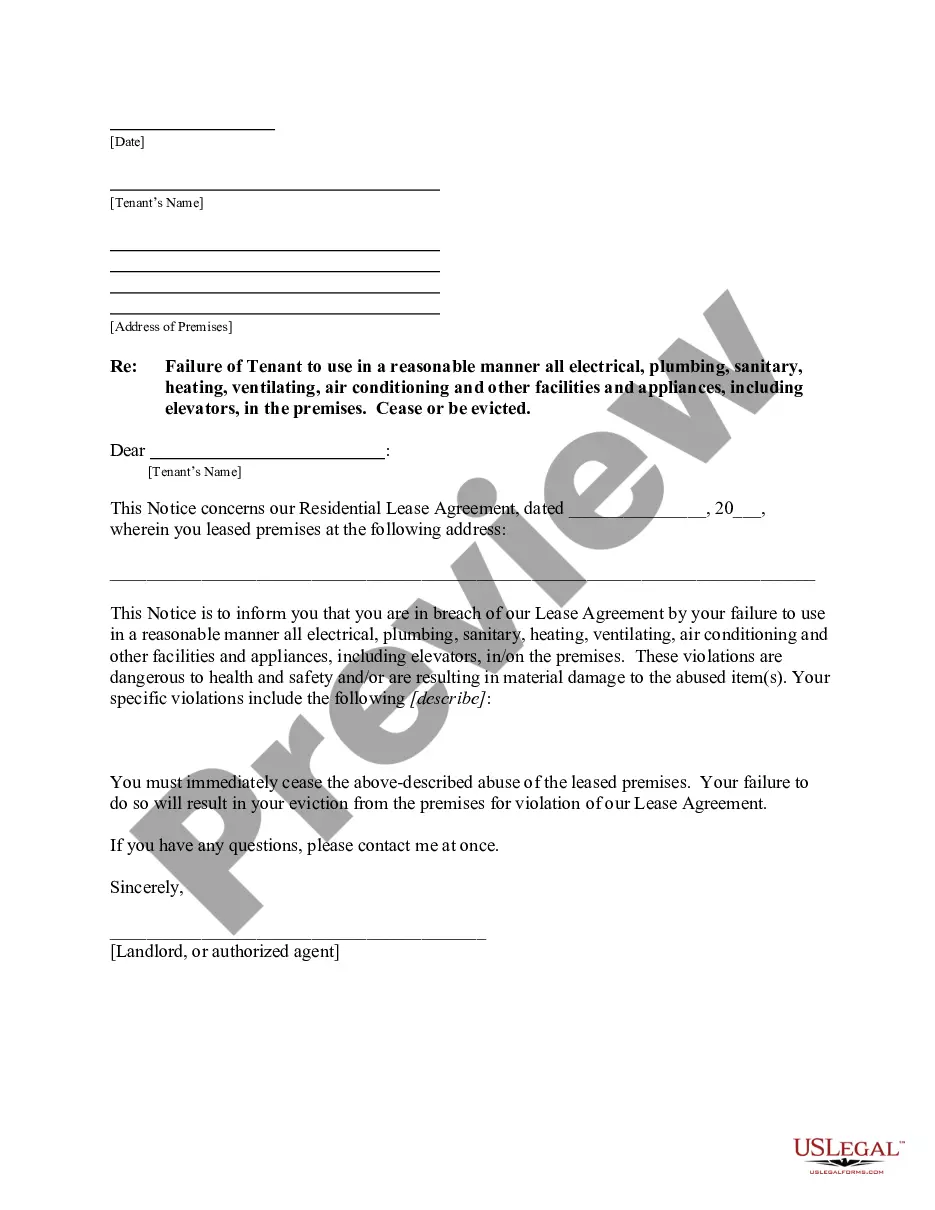
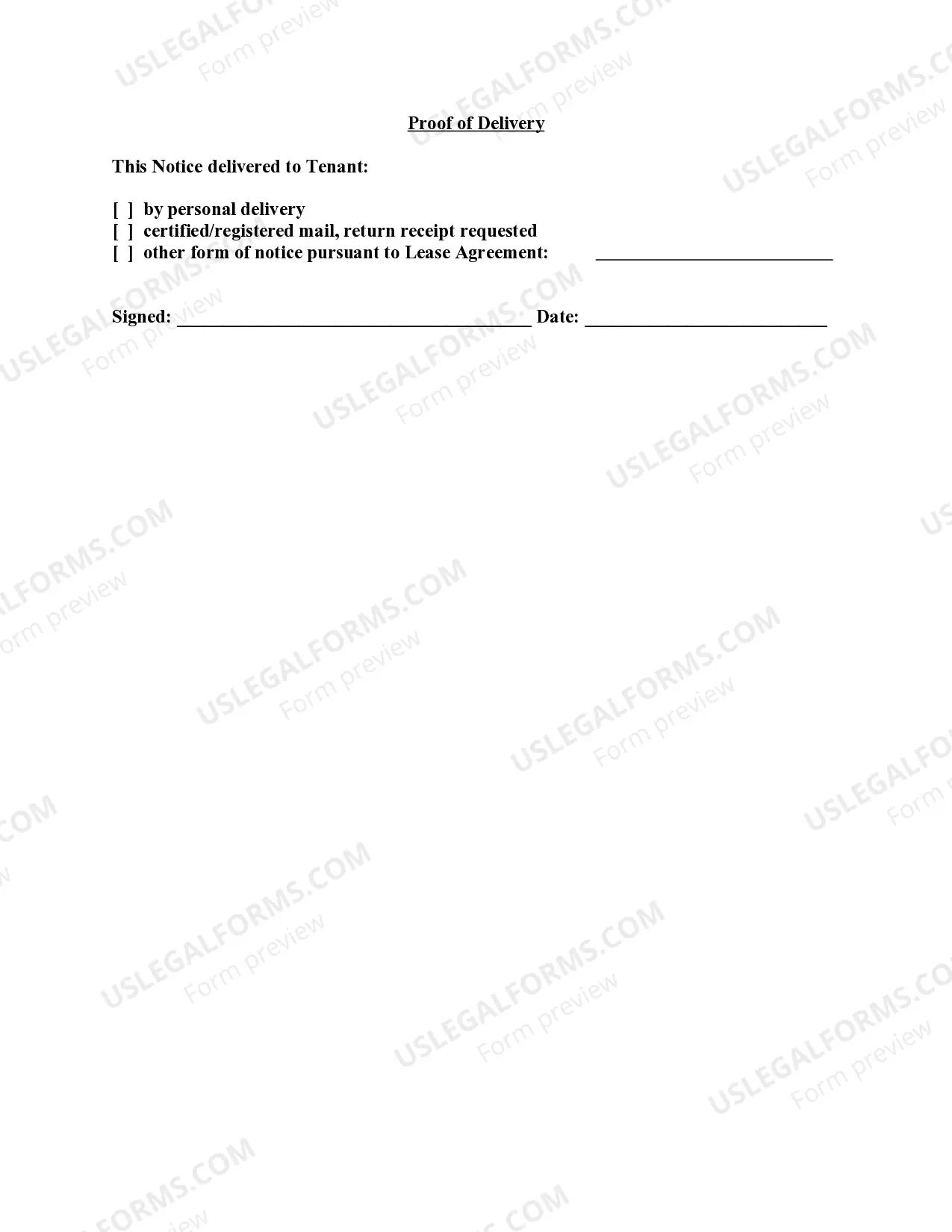
How to fill out Vermont Letter From Landlord To Tenant For Failure To Use Electrical, Plumbing, Sanitary, Heating, Ventilating, Air Conditioning And Other Facilities In A Reasonable Manner?
- If you already have an account, log in to access your dashboard. Confirm your subscription is active; if it's expired, consider renewing it.
- For first-time users, start by checking the Preview mode of the form you are interested in. Confirm it matches your needs and complies with local jurisdictional requirements.
- If you need a different template, utilize the search tool to find the correct one. Ensure it meets all your specifications before proceeding.
- Once you've selected your document, hit the Buy Now button and choose a suitable subscription plan. You’ll need to create an account to gain access to the complete library of forms.
- Complete your purchase by entering your credit card information or by using PayPal for a more convenient transaction.
- Download the form to your device. You can access it anytime from the My Forms section of your profile.
In conclusion, US Legal Forms provides an efficient way to access and complete legal documents while mitigating issues like failure use heating with the device. With a collection of over 85,000 forms and expert assistance available, you’ll be well-equipped to handle your legal needs confidently.
Start your journey with US Legal Forms today and simplify your legal documentation process!
Form popularity
FAQ
Your heating system might not be working due to a variety of reasons, such as a tripped circuit breaker, a malfunctioning thermostat, or issues with the furnace itself. First, check the power source as well as the thermostat settings. If the system still fails to operate, consider the failure use heating with the device as a focus area, and consult resources on US Legal Forms to explore solutions tailored to your situation.
To fix a heating system in your home, begin with troubleshooting basic components like the thermostat and power supply. Inspect the filters and ducts for blockages, as these can hinder performance. If you encounter persistent issues, turning to the US Legal Forms platform can help you find relevant resources or professionals to assist with your heating system repair. Proper knowledge and the right tools make this process smoother.
A common cause of failure in heating elements is overheating, often due to a lack of proper maintenance. Dust and debris can accumulate, leading to inefficient heating and eventual breakdown. Additionally, electrical issues and wear over time can contribute to the failure use heating with the device. Regular maintenance can help prevent these problems.
To fix a heating system, first, you should identify the issue. Check for common problems like a broken thermostat, clogged filters, or faulty wiring. Once you detect the failure, use the heating device's manual for guidance. If the problem persists, consider consulting professionals who specialize in heating repairs.
If your thermostat isn't communicating with your furnace, it could be due to several factors such as wiring issues or battery problems. First, check if the thermostat has power and ensure all connections are secure. Addressing this promptly is essential to avoid a failure use heating with the device, impacting your home’s comfort.
Filling your heating system requires a careful approach. First, shut off your heating system and find the filling loop. Connect a hose, then turn on the water supply while monitoring the pressure gauge. Properly filling the system is vital to prevent any failure use heating with the device, ensuring smooth operation.
Adding water to your heating system involves opening the filling valves. Start by locating the filling point, usually marked near the boiler; then, use a hose to connect it to the mains water supply. Open the valves slowly and monitor the pressure gauge. This step is essential, as neglecting it can lead to a failure use heating with the device.
To reset your heating system, look for the reset button on your boiler or heating device. Press and hold it for a few seconds until you see the indicator lights change. This action can help resolve issues that may cause a failure use heating with the device. If problems persist, consider contacting a professional for further diagnostics.
You can refill your heating system by locating the filling loop, which is generally near the boiler. Attach a hose to the filling loop, open the valves, and allow water to flow until you reach the appropriate pressure on the gauge. Remember to close the valves and detach the hose afterward. Refilling correctly can prevent a failure use heating with the device.
The time required to drain and refill your heating system can depend on several factors, including the size of the system and your plumbing set-up. On average, the entire process may take one to two hours. However, make sure you have all necessary tools ready to avoid delays. Properly performing this task can prevent a failure use heating with the device in the future.