Life Estate Deed Vermont Withholding
Description
Get your form ready online
Our built-in tools help you complete, sign, share, and store your documents in one place.
Make edits, fill in missing information, and update formatting in US Legal Forms—just like you would in MS Word.
Download a copy, print it, send it by email, or mail it via USPS—whatever works best for your next step.
Sign and collect signatures with our SignNow integration. Send to multiple recipients, set reminders, and more. Go Premium to unlock E-Sign.
If this form requires notarization, complete it online through a secure video call—no need to meet a notary in person or wait for an appointment.
We protect your documents and personal data by following strict security and privacy standards.

Make edits, fill in missing information, and update formatting in US Legal Forms—just like you would in MS Word.

Download a copy, print it, send it by email, or mail it via USPS—whatever works best for your next step.

Sign and collect signatures with our SignNow integration. Send to multiple recipients, set reminders, and more. Go Premium to unlock E-Sign.

If this form requires notarization, complete it online through a secure video call—no need to meet a notary in person or wait for an appointment.

We protect your documents and personal data by following strict security and privacy standards.
Looking for another form?





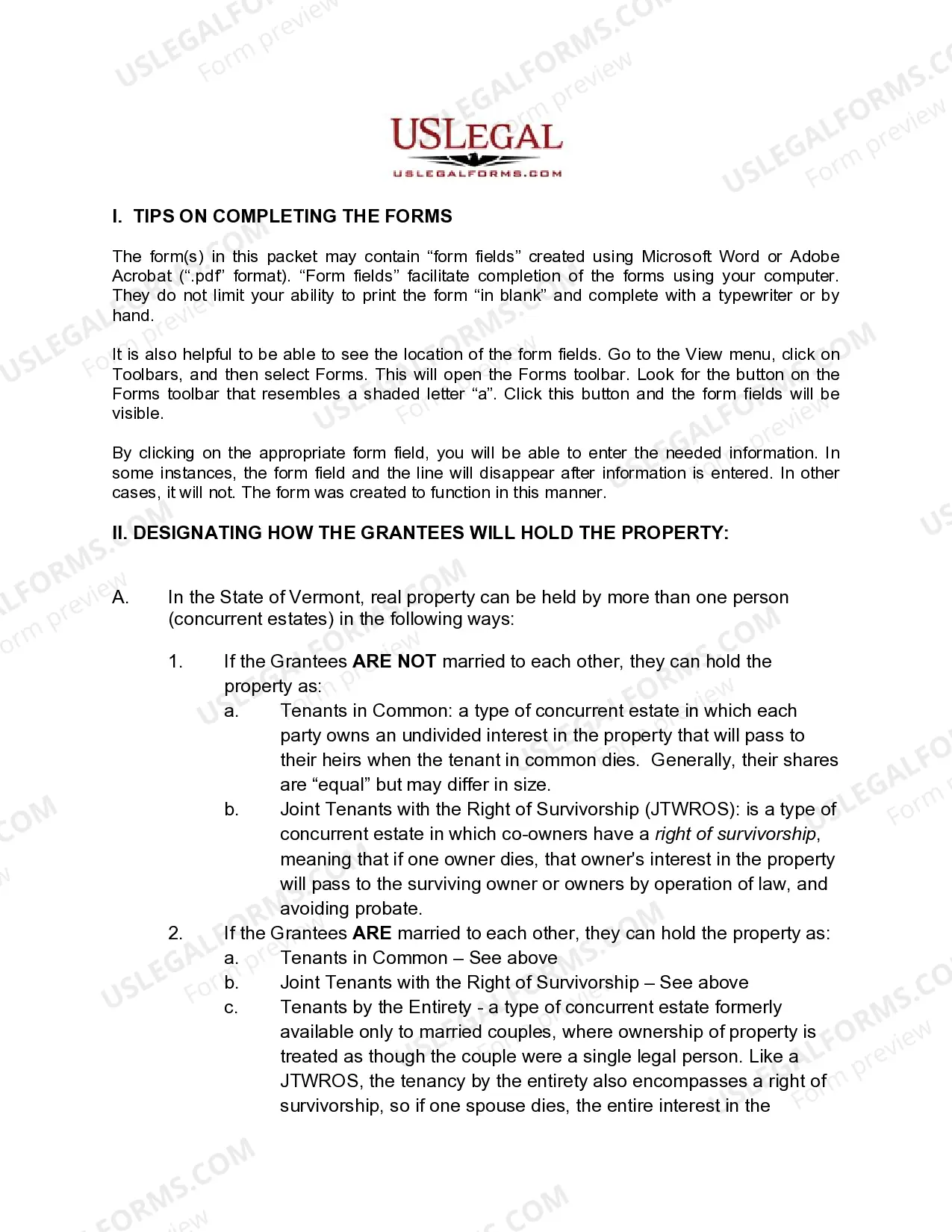
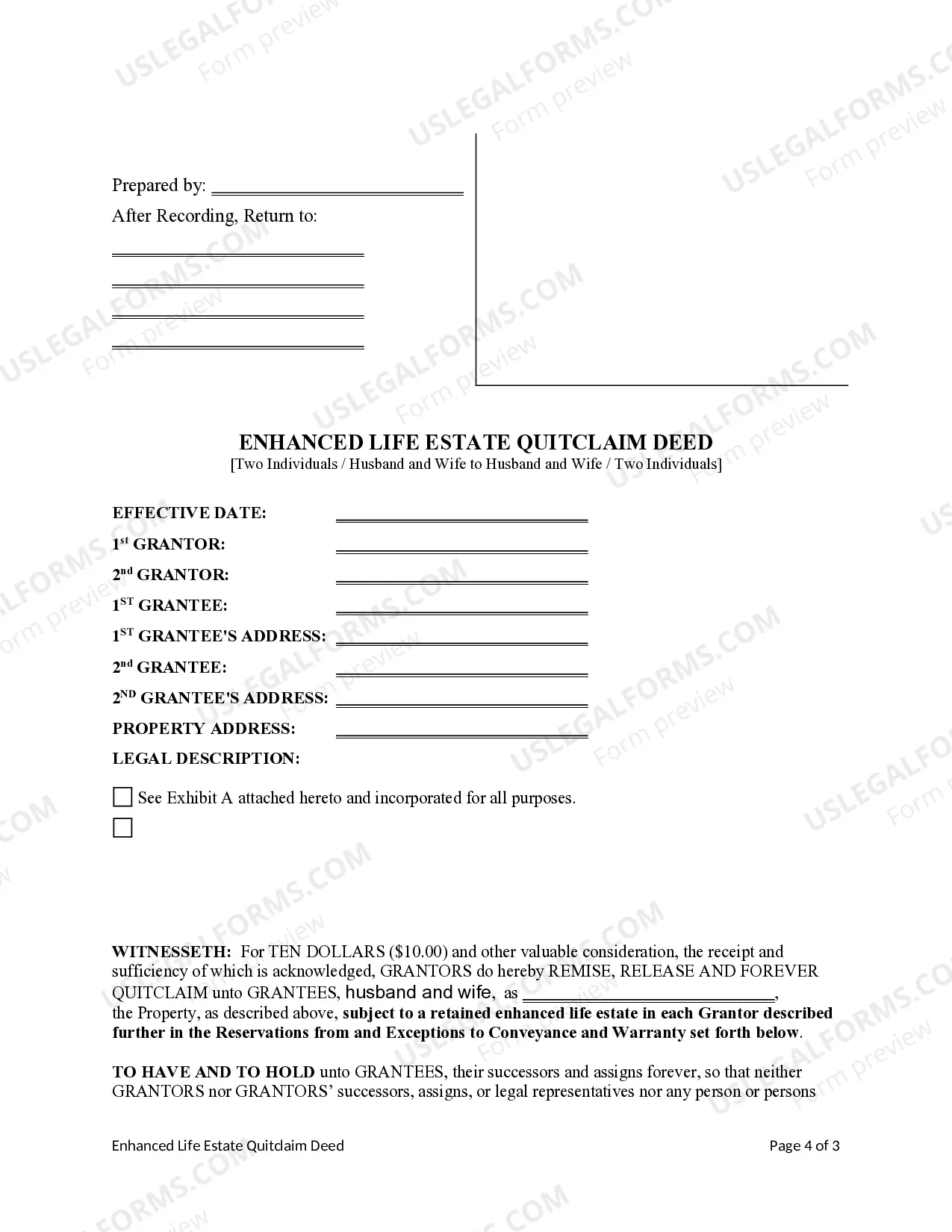
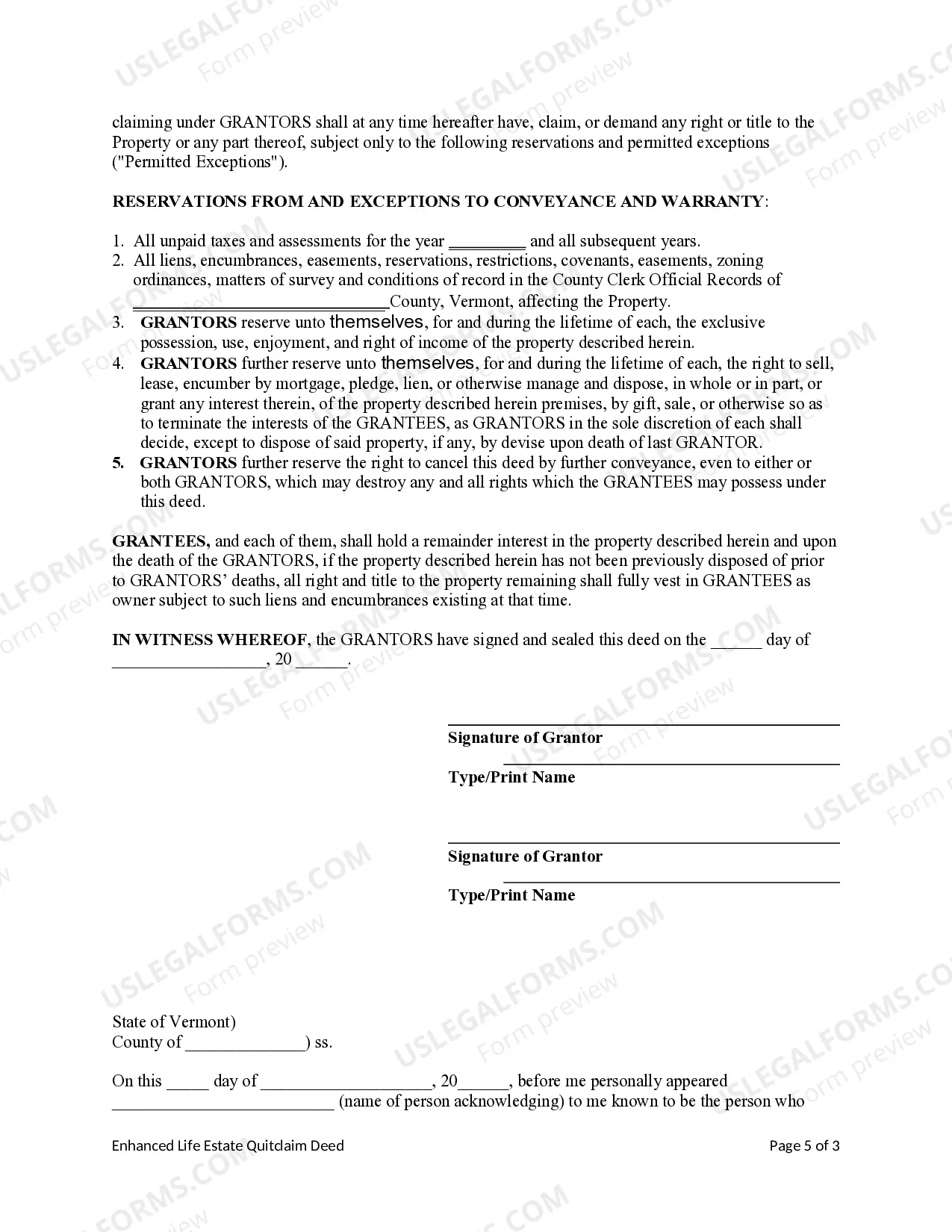
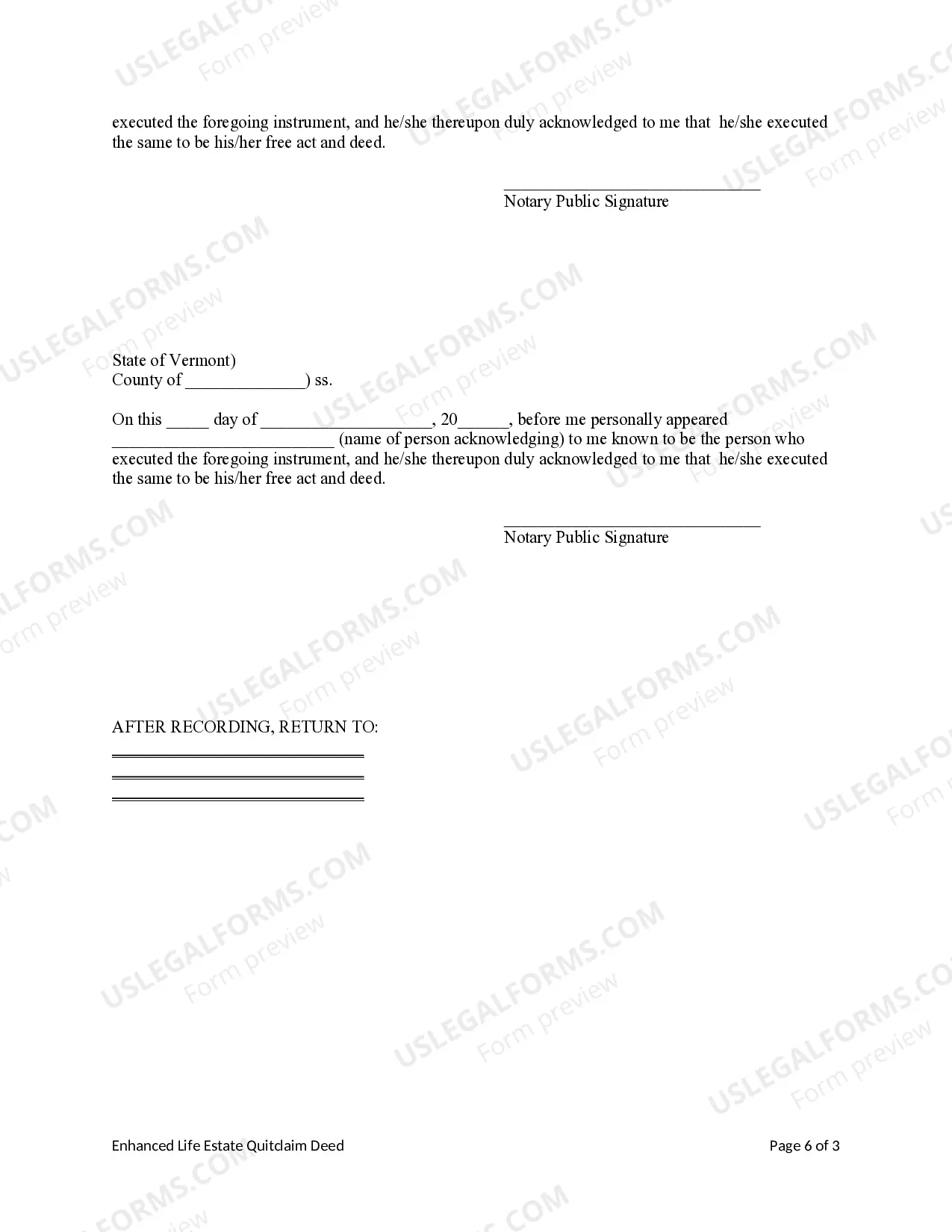
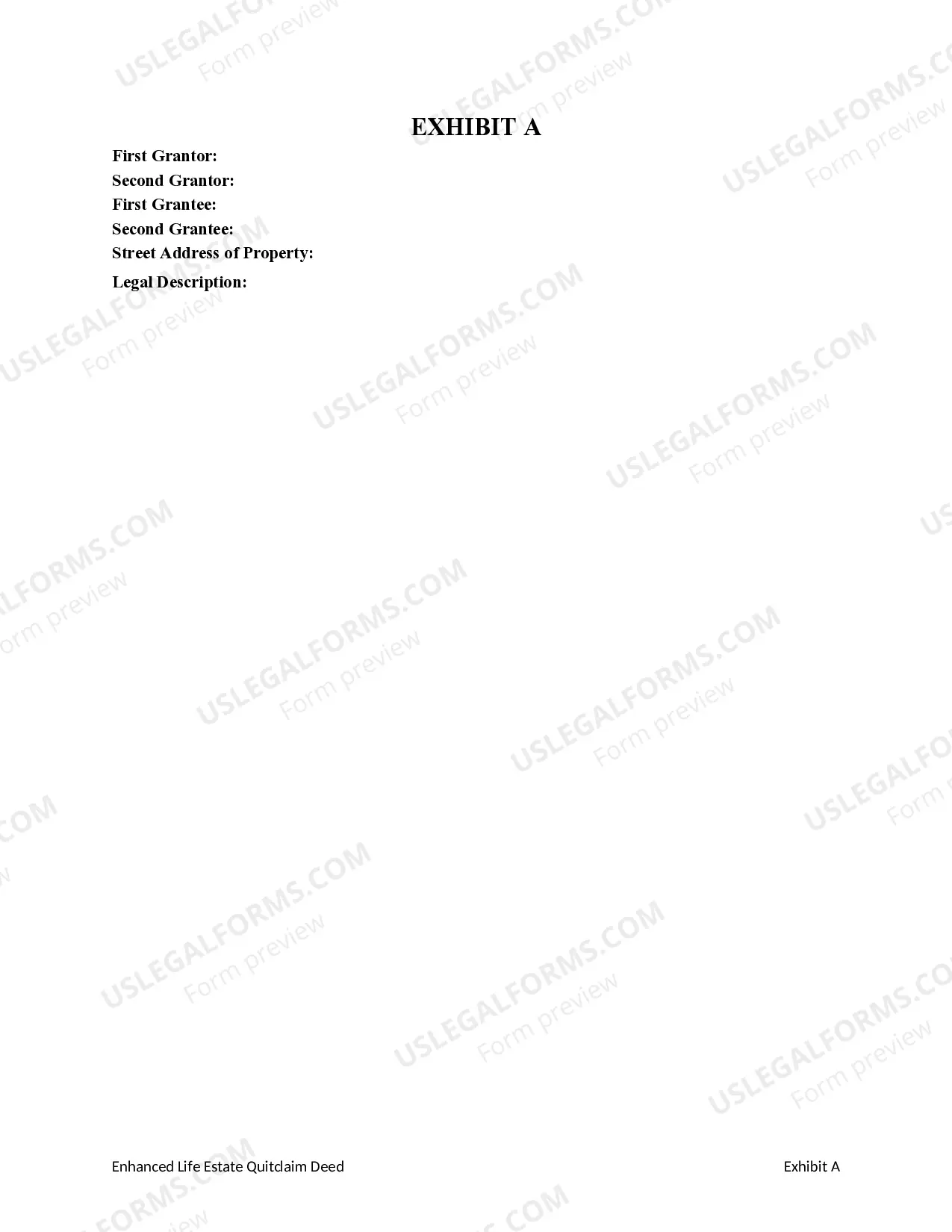
How to fill out Vermont Enhanced Life Estate Deed (a.k.a. Lady Bird Deed) From Two Individuals / Husband And Wife To Two Individuals / Husband And Wife.?
Accessing legal document templates that comply with federal and local laws is vital, and the internet provides many alternatives to choose from.
However, what’s the benefit of wasting time searching for the suitable Life Estate Deed Vermont Withholding example online if the US Legal Forms online repository already has such documents compiled in one location.
US Legal Forms is the largest online legal library containing over 85,000 fillable templates created by attorneys for various business and personal situations. They are easy to navigate, with all documents categorized by state and intended use. Our experts keep up with legislative changes, ensuring you can always trust that your documents are current and compliant when acquiring a Life Estate Deed Vermont Withholding from our site.
Click Buy Now after you’ve found the appropriate form and select a subscription plan. Create an account, or sign in and make a payment using PayPal or a credit card. Select the correct format for your Life Estate Deed Vermont Withholding and download it. All templates you find through US Legal Forms are reusable. To re-download and complete previously saved forms, visit the My documents tab in your profile. Enjoy the most comprehensive and user-friendly legal document service!
- Obtaining a Life Estate Deed Vermont Withholding is fast and straightforward for both existing and new users.
- If you have an account with an active subscription, Log In and download the document sample you need in your preferred format.
- If you are new to our site, follow these steps.
- Review the template using the Preview feature or through the text description to ensure it suits your requirements.
- Use the search tool at the top of the page to find another sample if necessary.
Form popularity
FAQ
A life estate in Vermont functions by granting a person the right to occupy and use property for their lifetime, after which the property passes to the remaindermen. The life tenant can enjoy the benefits of the property, but they must adhere to certain responsibilities, such as maintenance and taxes. It's crucial to understand the implications of Vermont withholding on any potential sale or transfer of property. Utilizing resources like US Legal Forms can simplify the process and clarify your rights as a life estate holder.
Life estates come with notable downsides, including the lack of full ownership and associated rights. The life tenant may encounter limitations on property use, as they cannot make significant changes without permission from remaindermen. Furthermore, transferring a life estate can create tax challenges, especially regarding Vermont withholding on the sale. When considering a life estate, weigh these factors carefully and seek assistance from professionals for optimal outcomes.
One disadvantage of a life estate deed is that it limits the owner's control over the property. The life tenant cannot sell, modify, or use the property in certain ways without consent from remaindermen, as mentioned previously. Moreover, the life estate may complicate estate planning and could lead to potential tax implications, including Vermont withholding. Evaluating these disadvantages with legal counsel is advisable to ensure they align with your long-term goals.
A holder of a life estate cannot sell or transfer ownership of the property without the consent of the remaindermen, the individuals who will inherit the property after the life estate ends. Additionally, they may not mortgage the property or allow it to fall into disrepair, as they must maintain the property for the benefit of the remaindermen. Therefore, it’s essential to carefully consider these restrictions when contemplating a life estate deed in Vermont. Always consult with legal experts to navigate these complexities.
The tax implications of a life estate can be complex and should be carefully examined. Generally, the life tenant is responsible for property expenses, including taxes, during their lifetime. Moreover, when the life tenant passes away, the property value is included in their estate for tax purposes, which can affect the estate’s overall tax liability. For detailed guidance on navigating these implications, using a life estate deed Vermont withholding can provide clarity and facilitate effective planning.
One significant disadvantage of a life estate is that it restricts the owner’s ability to sell or mortgage the property without the consent of the remainder beneficiaries. This limitation can hinder financial flexibility, especially if unforeseen circumstances arise. Furthermore, if the life tenant passes away, the property automatically transfers to the beneficiaries, which may not align with the owner’s initial intentions. Therefore, it’s essential to weigh these factors when considering a life estate deed Vermont withholding.
A life estate deed in Vermont can potentially override a will when it comes to property distribution. Since a life estate deed transfers ownership during your lifetime, your intentions regarding the property are clear and immediate. This means that, upon your passing, the property will transfer directly to the designated beneficiaries without going through probate. Therefore, it’s important to understand how life estate deed Vermont withholding relates to your overall estate plan.