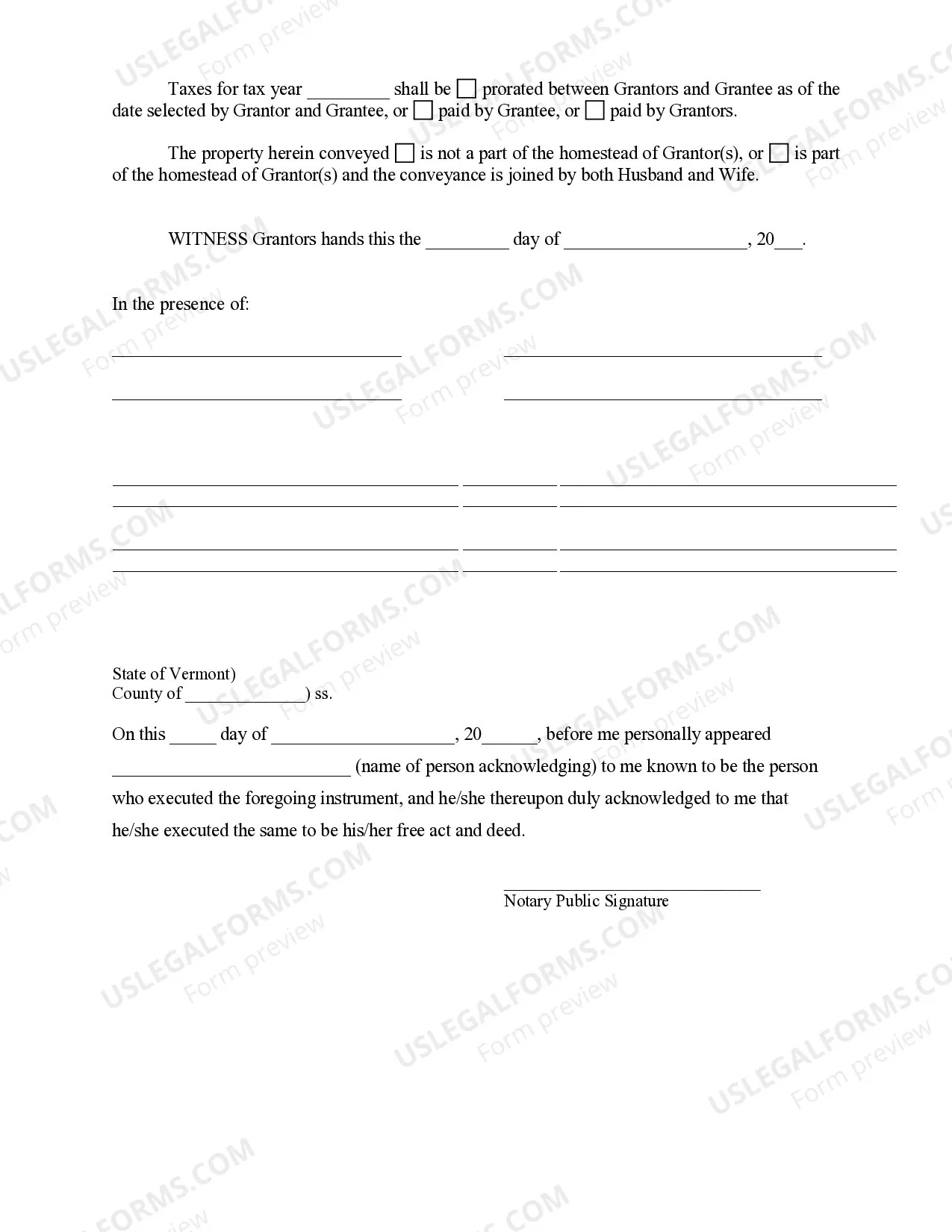
Deed Life Estate Vermont With Retained
Description
Get your form ready online
Our built-in tools help you complete, sign, share, and store your documents in one place.
Make edits, fill in missing information, and update formatting in US Legal Forms—just like you would in MS Word.
Download a copy, print it, send it by email, or mail it via USPS—whatever works best for your next step.
Sign and collect signatures with our SignNow integration. Send to multiple recipients, set reminders, and more. Go Premium to unlock E-Sign.
If this form requires notarization, complete it online through a secure video call—no need to meet a notary in person or wait for an appointment.
We protect your documents and personal data by following strict security and privacy standards.

Make edits, fill in missing information, and update formatting in US Legal Forms—just like you would in MS Word.

Download a copy, print it, send it by email, or mail it via USPS—whatever works best for your next step.

Sign and collect signatures with our SignNow integration. Send to multiple recipients, set reminders, and more. Go Premium to unlock E-Sign.

If this form requires notarization, complete it online through a secure video call—no need to meet a notary in person or wait for an appointment.

We protect your documents and personal data by following strict security and privacy standards.
Looking for another form?

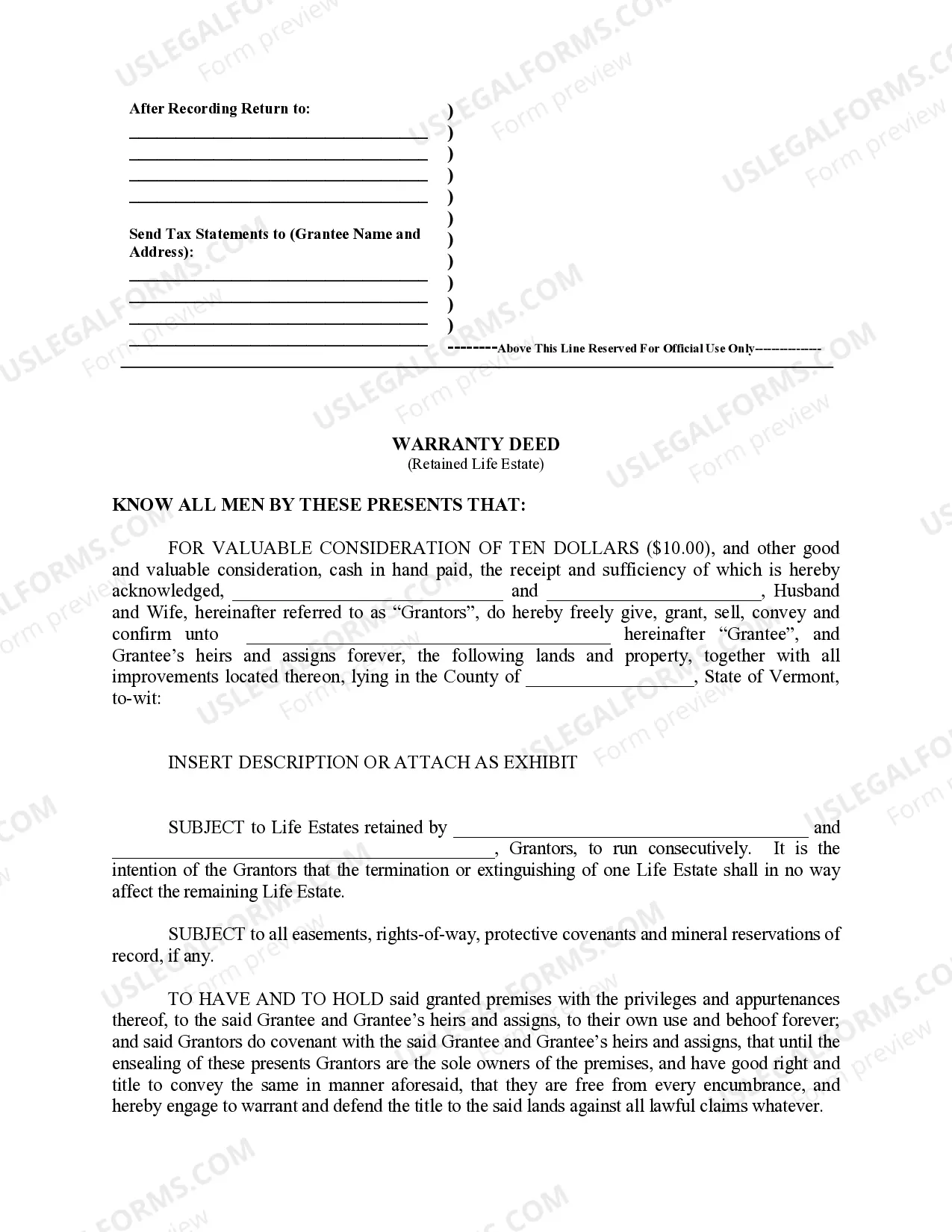
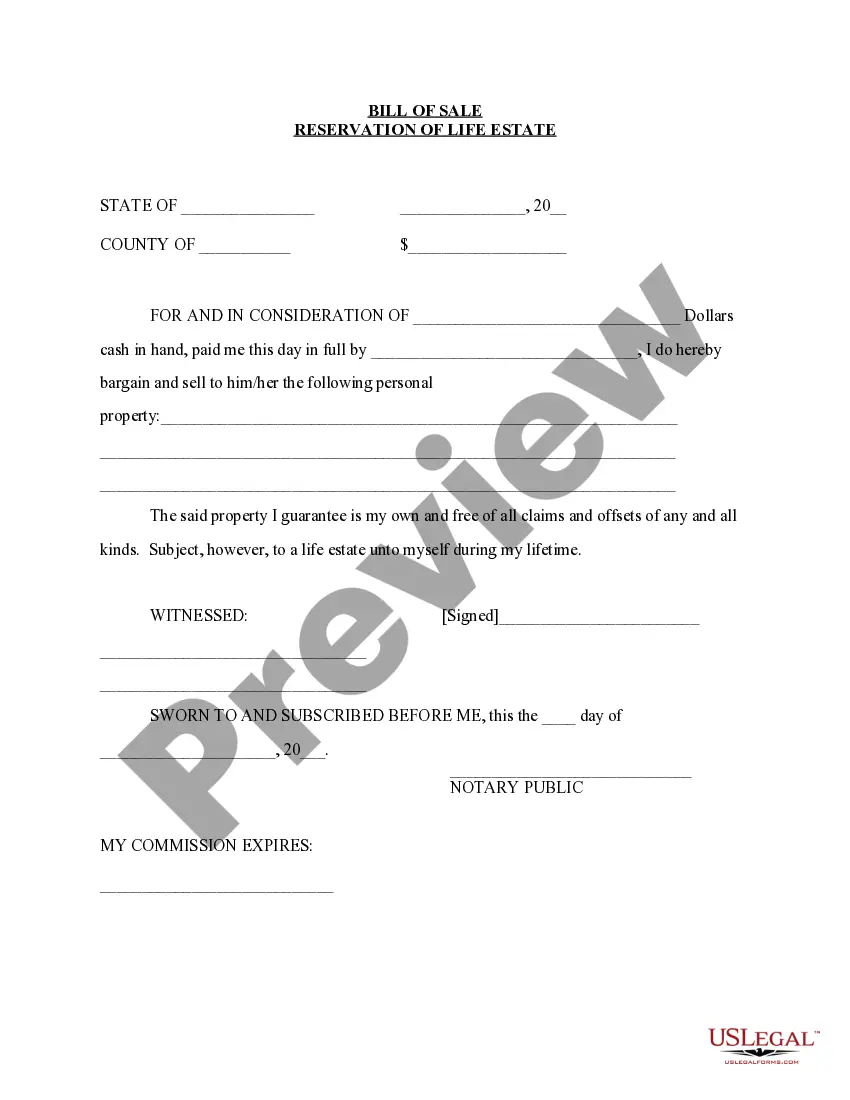
How to fill out Vermont Warranty Deed To Child Reserving A Life Estate In The Parents?
Individuals typically connect legal documentation with complexity that only an expert can handle.
In a certain respect, this is accurate, as formulating a Deed Life Estate Vermont With Retained requires extensive understanding of relevant criteria, along with state and local laws.
Nevertheless, with US Legal Forms, everything has become simpler: pre-prepared legal templates for every life and business scenario specific to state regulations have been consolidated in a single digital library and are now accessible to all.
Print your document or upload it to an online editor for faster completion. All templates in our collection are reusable: once acquired, they remain stored in your profile. You can access them whenever required through the My documents tab. Discover all the advantages of utilizing the US Legal Forms platform. Subscribe today!
- Review the page content thoroughly to confirm it satisfies your requirements.
- Check the form details or review it using the Preview option.
- Find another example through the Search bar above if the initial one does not meet your needs.
- Click Buy Now once you identify the right Deed Life Estate Vermont With Retained.
- Choose a pricing option that aligns with your needs and financial plan.
- Create an account or Log In to proceed to the payment page.
- Make your payment using PayPal or a credit card.
- Select the format for your file and click Download.
Form popularity
FAQ
Deeds in Vermont are recorded at the town clerk's office in the municipality where the property is located. Each office maintains its own records, which are crucial for establishing property ownership. For those handling a deed life estate Vermont with retained rights, it is vital to file your deed properly to protect your legal interests. If you need assistance, consider using US Legal Forms, which offers resources and forms tailored for your needs.
In Vermont, a valid deed must include essential elements such as the names of the grantor and grantee, a clear description of the property, and the notarized signatures of the involved parties. For a deed life estate Vermont with retained interests, clarity in terms and conditions is crucial. Additionally, ensure that the document complies with local laws to prevent any legal complications down the road.
Recording the deed means submitting the document to a local government office for permanent public record. This process verifies the transaction and establishes your rights to the property. When you deal with a deed life estate in Vermont with retained rights, recording ensures that your intentions and interests are legally acknowledged. Consequently, this protects your investment and clarifies ownership.
A quit claim deed in Vermont is a legal document that allows a property owner to transfer their interest in a property to another party. This deed does not guarantee that the property title is clear, making it crucial for recipients to perform their due diligence. When used in the context of a deed life estate Vermont with retained, it can help define the specific rights a party retains, allowing for better planning and management of property.
Individuals engaging in informal property transfers, like family members or friends, benefit the most from a quitclaim deed. This deed allows for a quick and straightforward transfer without extensive legal procedures. In situations involving a deed life estate Vermont with retained, such parties can effectively manage property rights and minimize potential disputes down the line.
A quitclaim deed is most often used to transfer property from one individual to another without any guarantees about the title. This type of deed can be particularly useful when dealing with family members or during property settlements. In the context of a deed life estate Vermont with retained, it can help clarify ownership interests and intentions, especially when retaining certain rights.
To avoid probate in Vermont, you can use strategies such as establishing a deed life estate Vermont with retained rights, which allows you to retain control over the property during your lifetime while bypassing the lengthy probate process. Additionally, you could place assets in a trust or designate beneficiaries on accounts and policies. These measures can streamline the transfer of your estate after death, ensuring your loved ones receive assets without the complications of probate. Resources like US Legal Forms can offer templates and guidance to help you implement these approaches effectively.
A Vermont warranty deed is a legal document that transfers property ownership from one party to another, ensuring that the title is clear of any claims. This type of deed provides the buyer with guarantees about the property's title and the seller's right to sell it. When dealing with a deed life estate Vermont with retained rights, the owner maintains specific rights to use the property during their lifetime, while transferring the remainder interest to others. Understanding warranty deeds is crucial for anyone considering property transfers in Vermont.
A remainderman is the person who inherits the property after the life tenant passes away. For example, if a parent transfers property to their child as a life tenant but designates a grandchild as the remainderman, the grandchild will automatically receive full ownership upon the parent's death. This relationship helps in planning for the future and can be a key part of a deed life estate in Vermont with retained rights. Understanding who your remainderman is can significantly influence your estate planning strategy.
A life estate is a property interest allowing an individual to occupy and use a property for their lifetime while transferring ownership rights to another party upon their death. This arrangement can simplify estate planning and avoid probate, making it a preferred choice for many homeowners. If you are considering a deed life estate in Vermont with retained conditions, it is important to fully understand how it affects your rights and responsibilities. Consulting with an expert can help clarify this process.
