Virginia Agreement Tenant Without
Description
Get your form ready online
Our built-in tools help you complete, sign, share, and store your documents in one place.
Make edits, fill in missing information, and update formatting in US Legal Forms—just like you would in MS Word.
Download a copy, print it, send it by email, or mail it via USPS—whatever works best for your next step.
Sign and collect signatures with our SignNow integration. Send to multiple recipients, set reminders, and more. Go Premium to unlock E-Sign.
If this form requires notarization, complete it online through a secure video call—no need to meet a notary in person or wait for an appointment.
We protect your documents and personal data by following strict security and privacy standards.

Make edits, fill in missing information, and update formatting in US Legal Forms—just like you would in MS Word.

Download a copy, print it, send it by email, or mail it via USPS—whatever works best for your next step.

Sign and collect signatures with our SignNow integration. Send to multiple recipients, set reminders, and more. Go Premium to unlock E-Sign.

If this form requires notarization, complete it online through a secure video call—no need to meet a notary in person or wait for an appointment.

We protect your documents and personal data by following strict security and privacy standards.
Looking for another form?
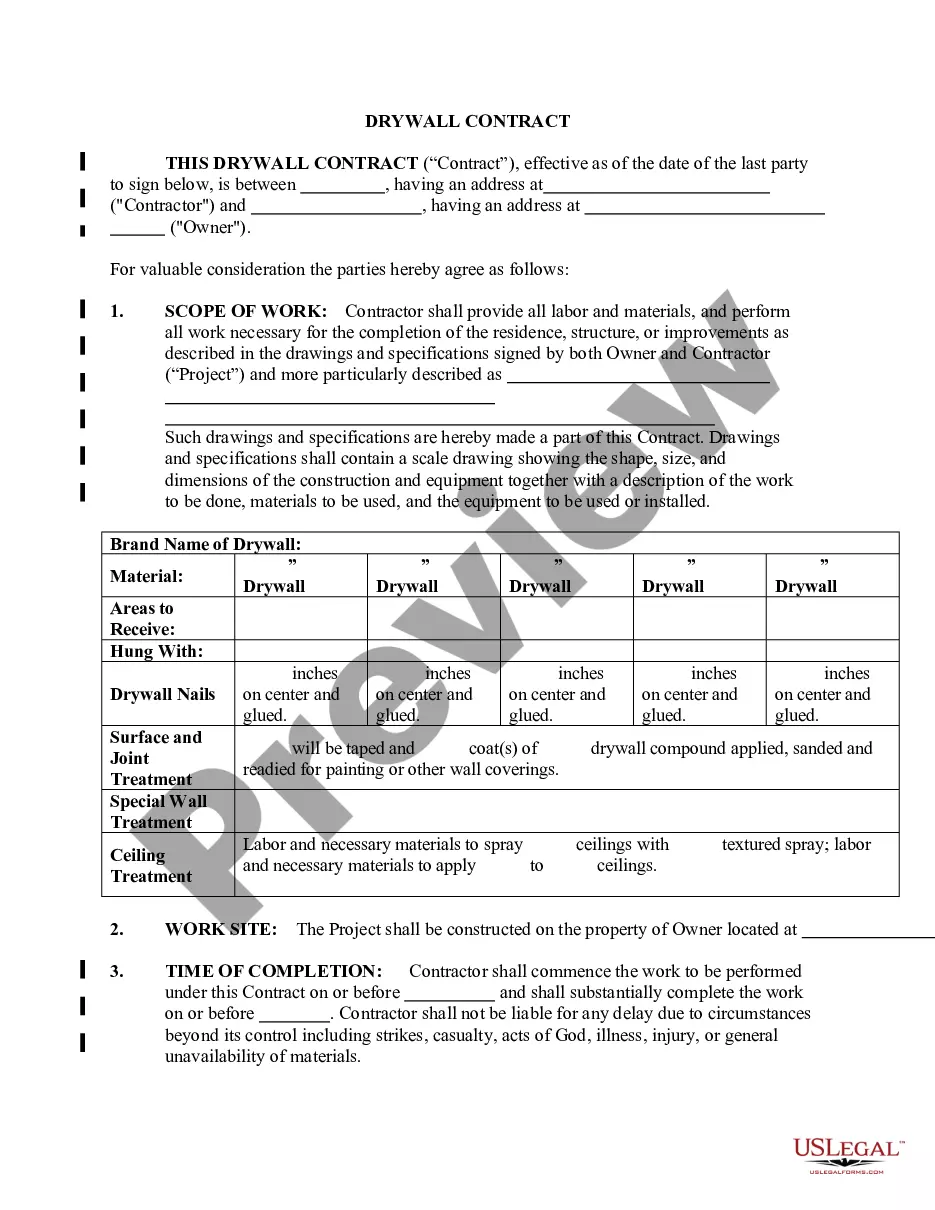
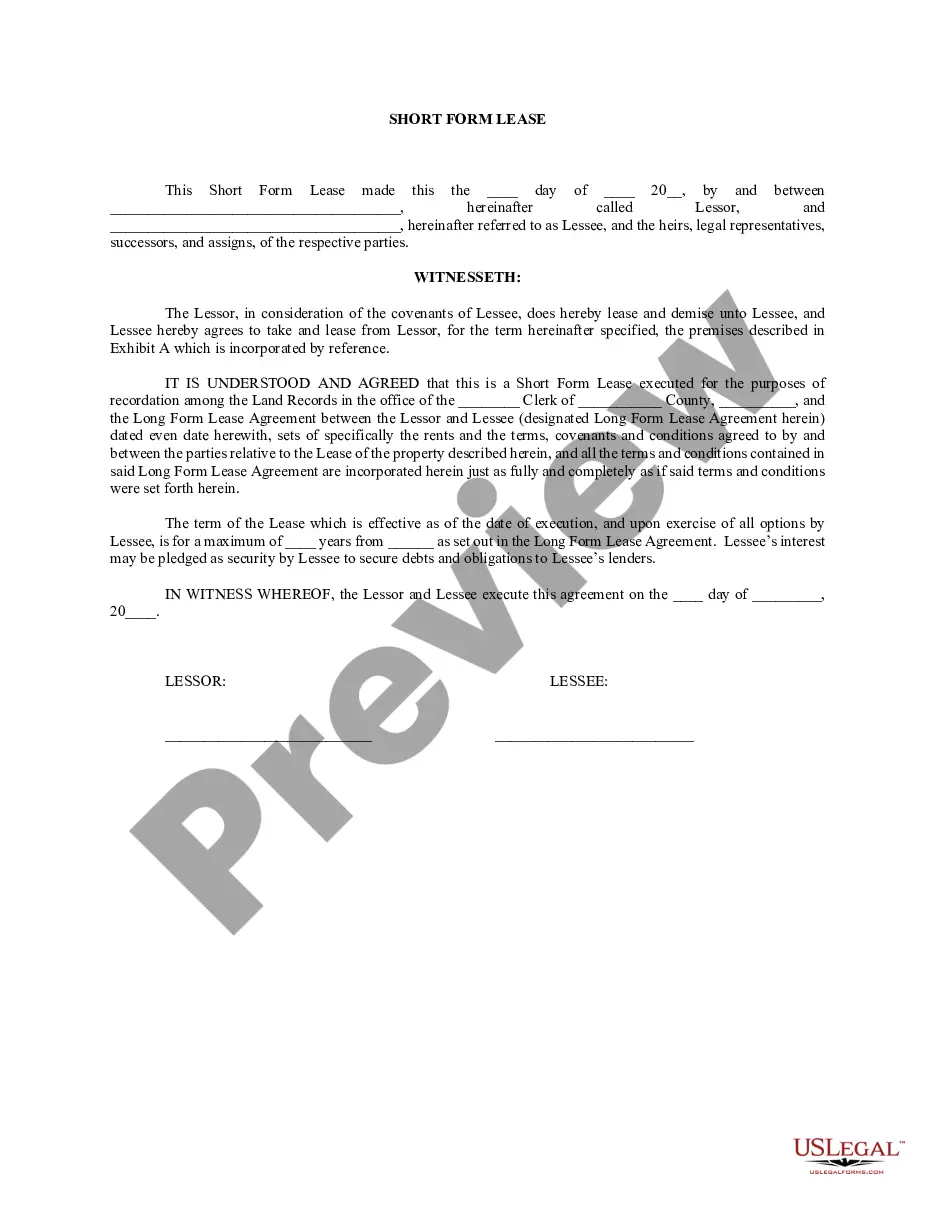
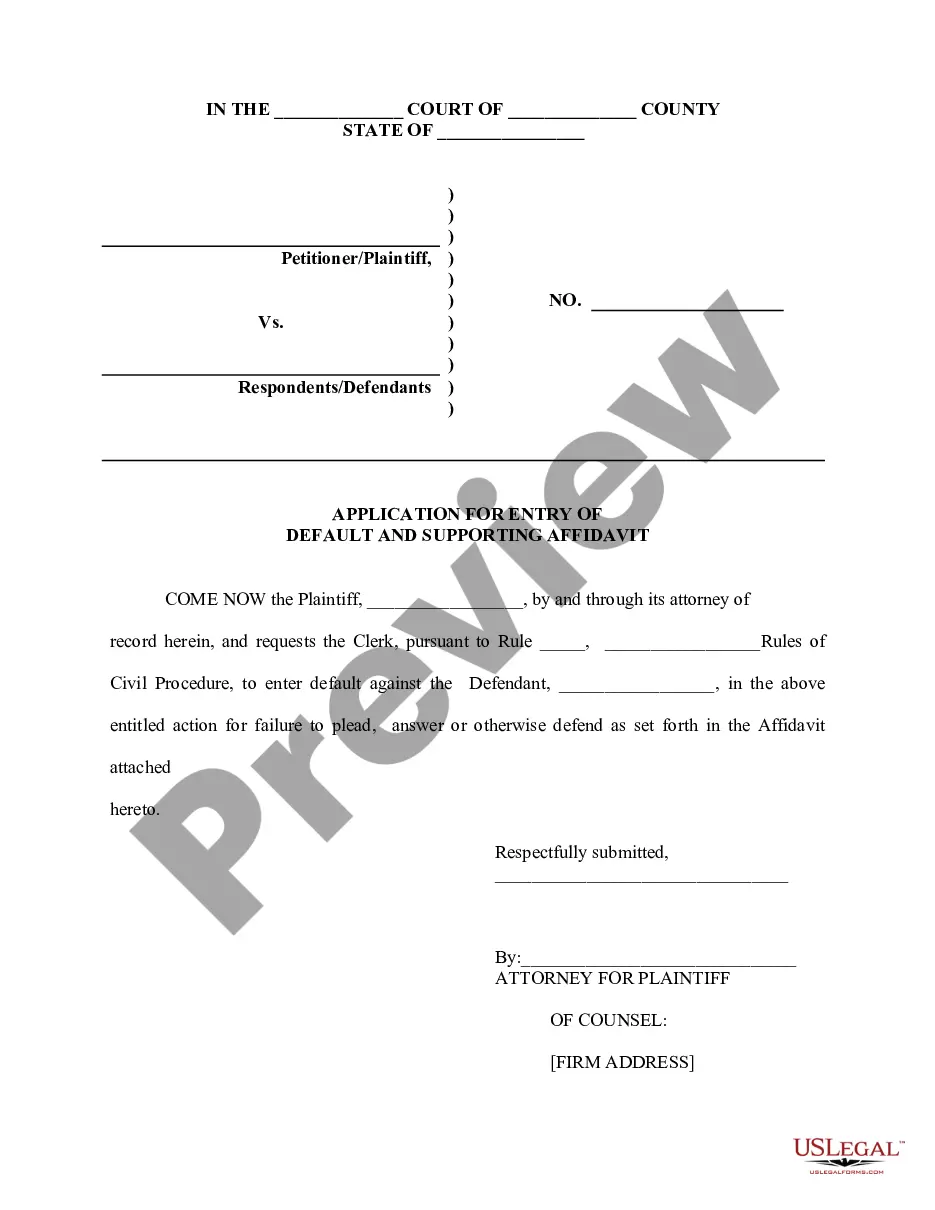

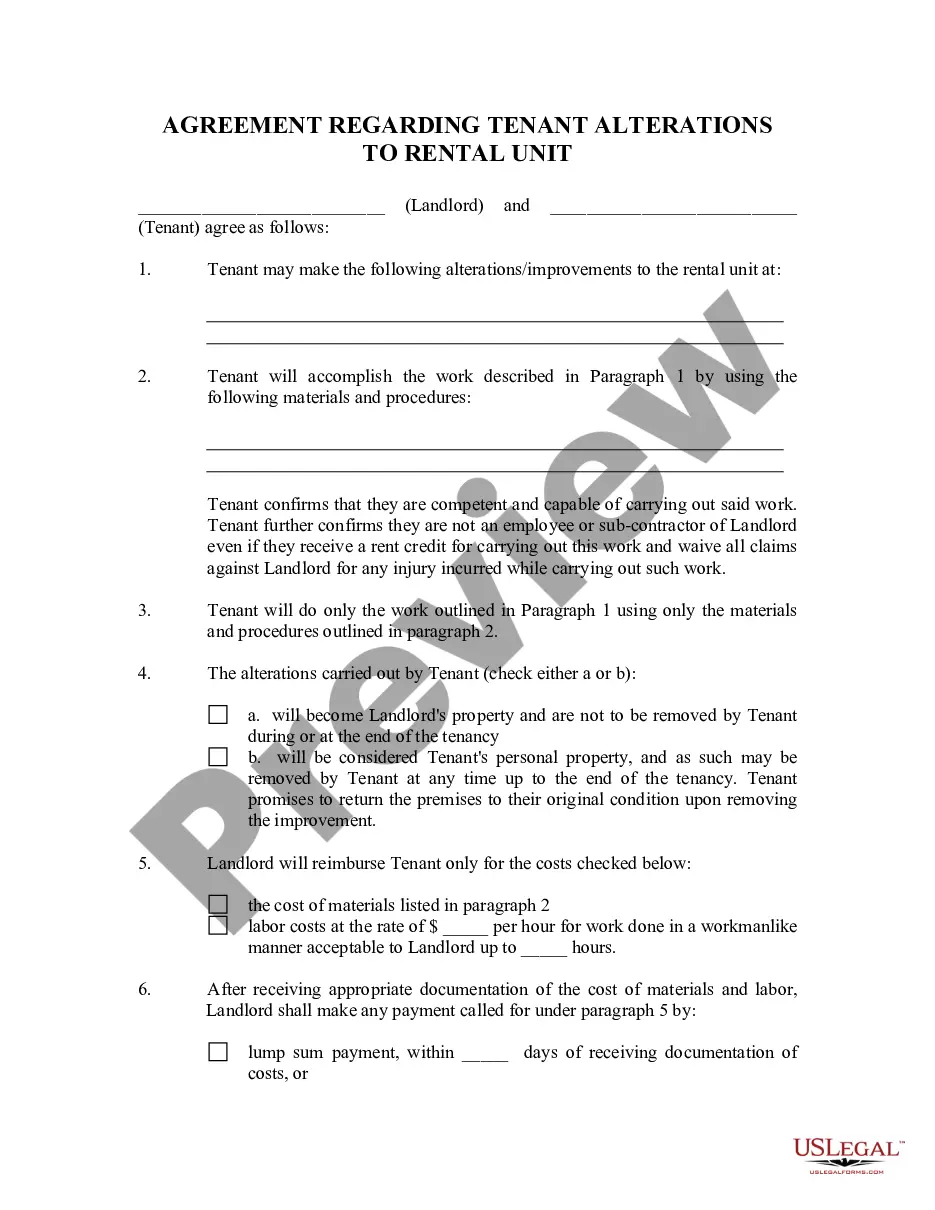
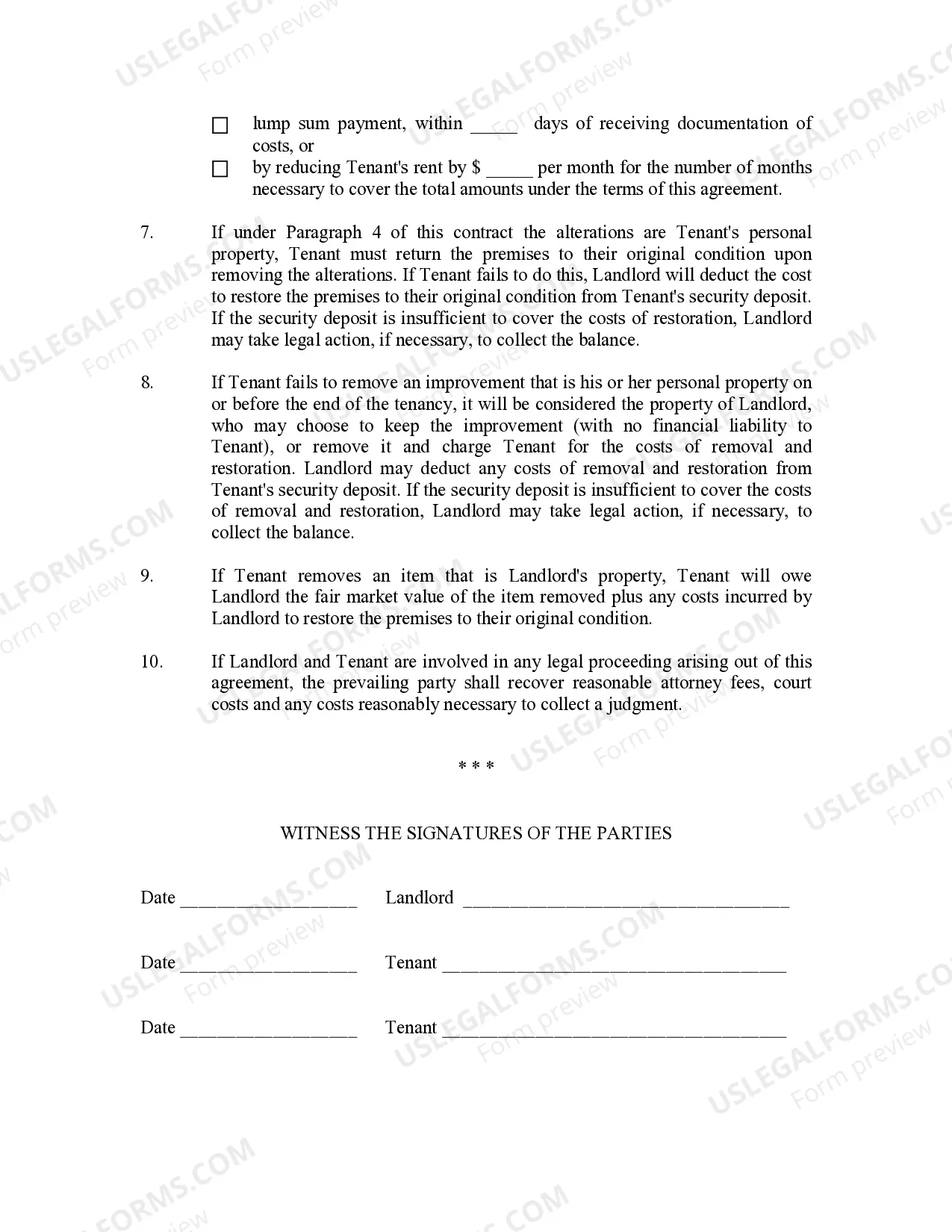
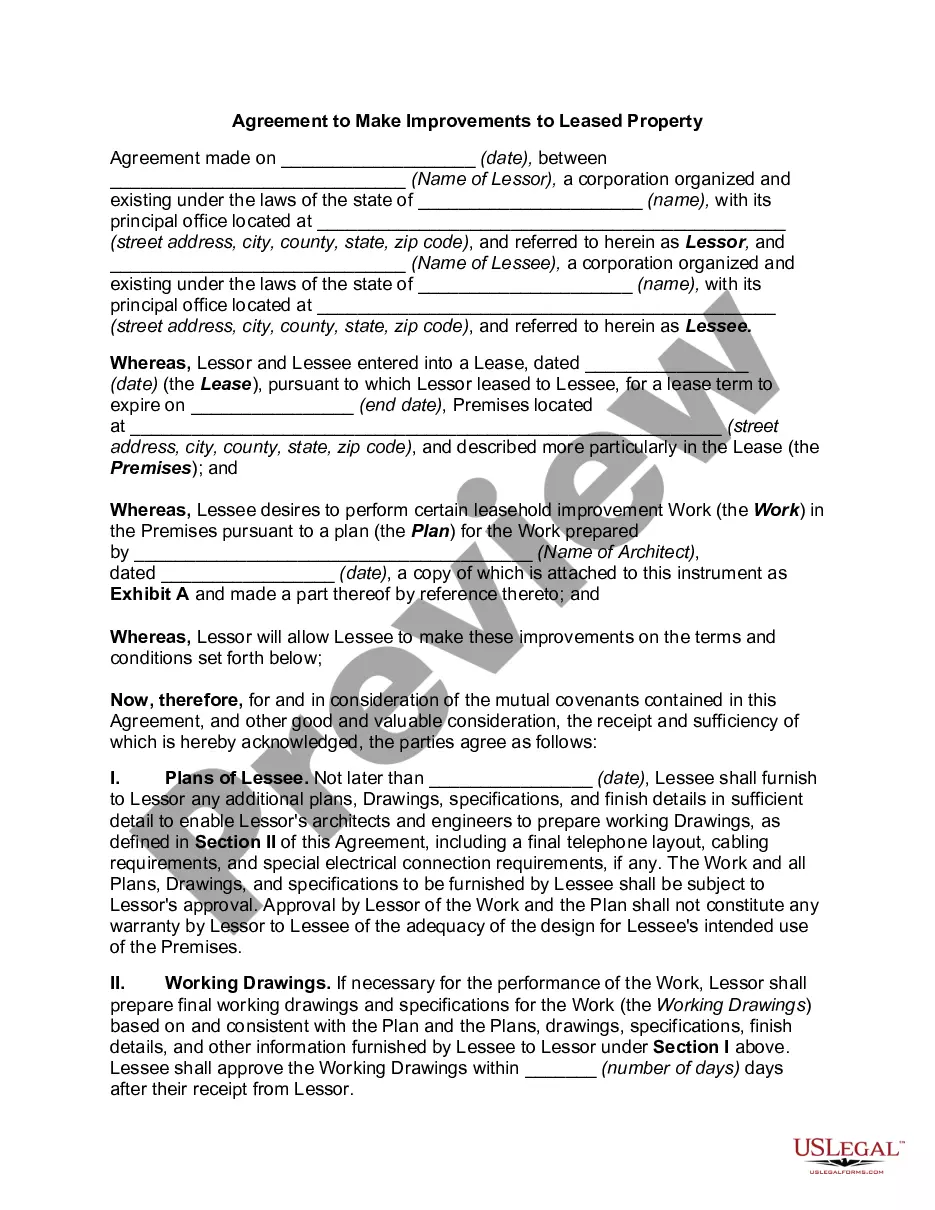
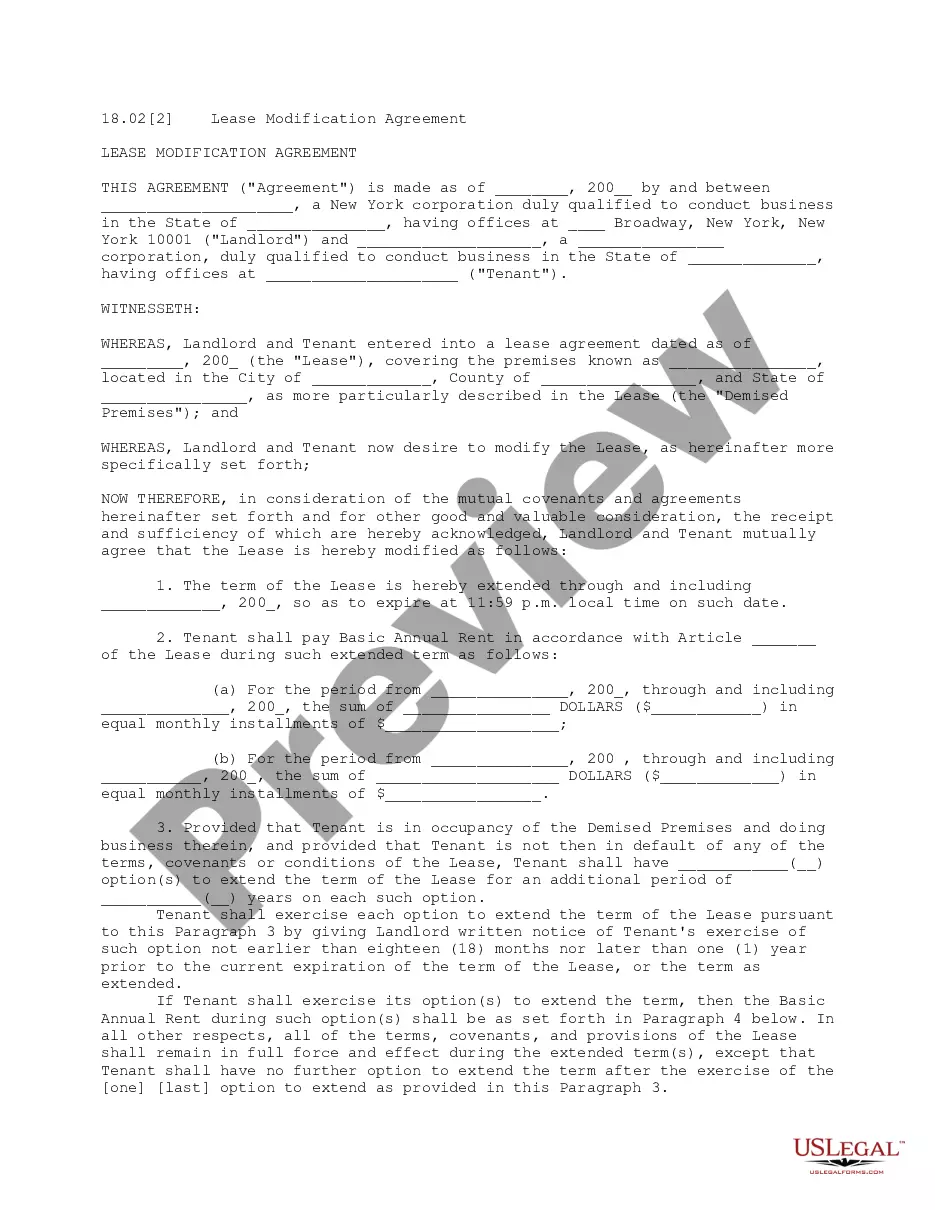
How to fill out Virginia Landlord Agreement To Allow Tenant Alterations To Premises?
Acquiring legal templates that comply with both federal and state regulations is crucial, and the internet provides a wide array of choices to select from.
However, what’s the benefit of squandering time looking for the correct Virginia Agreement Tenant Without sample online when the US Legal Forms digital library already compiles such templates in one location.
US Legal Forms is the largest online legal resource with more than 85,000 fillable templates created by lawyers for various business and personal needs. They are straightforward to navigate, with all documents categorized by state and intended use.
Take advantage of the most comprehensive and user-friendly legal documentation service!
- Our experts stay updated with legislative changes, ensuring your documents are always accurate and compliant when you obtain a Virginia Agreement Tenant Without from our site.
- Acquiring a Virginia Agreement Tenant Without is quick and easy for both existing and new users.
- If you already possess an account with an active subscription, Log In and download the required document sample in the proper format.
- If you are a newcomer to our website, follow the steps below.
- Review the template using the Preview feature or via the text description to ensure it meets your requirements.
Form popularity
FAQ
Please do not hesitate to contact me or Teralyn Thompson, Administration Section Manager at (702) 486- 4036 or tlthompson@red.nv.gov. The Open Range disclosure informs the buyer of property adjacent to open land that livestock grazing on the adjacent land may be permitted to enter the property.
In the Western United States and Canada, open range is rangeland where cattle roam freely regardless of land ownership. Where there are "open range" laws, those wanting to keep animals off their property must erect a fence to keep animals out; this applies to public roads as well.
Fences, no matter the type of construction, require a fence permit unless exempted by the Clark County Building Administrative Code. Clark County Building Administrative Code section 22.02. 190 exempts the following fences/walls from a permit. Type A fencing not over 6 feet high and not part of a pool barrier.
A contract is a legally enforceable agreement between adults. To be enforceable, the contract must be entered into voluntarily, have clearly agreed upon terms and conditions and demonstrate the exchange of ?consideration?.
Fences generally may be constructed anywhere within or on the lot line of your property with the following restrictions to location and heights: ? A fence may be constructed up to 4½ feet in height within the front yard setback (front yard setback distance is determined by your property's zoning/land use), ? A fence ...
Because Nevada is an open range state, property owners residing in open range are generally required to build ?exclosures? to keep free range livestock out of their real property.