Living Trusts
Description
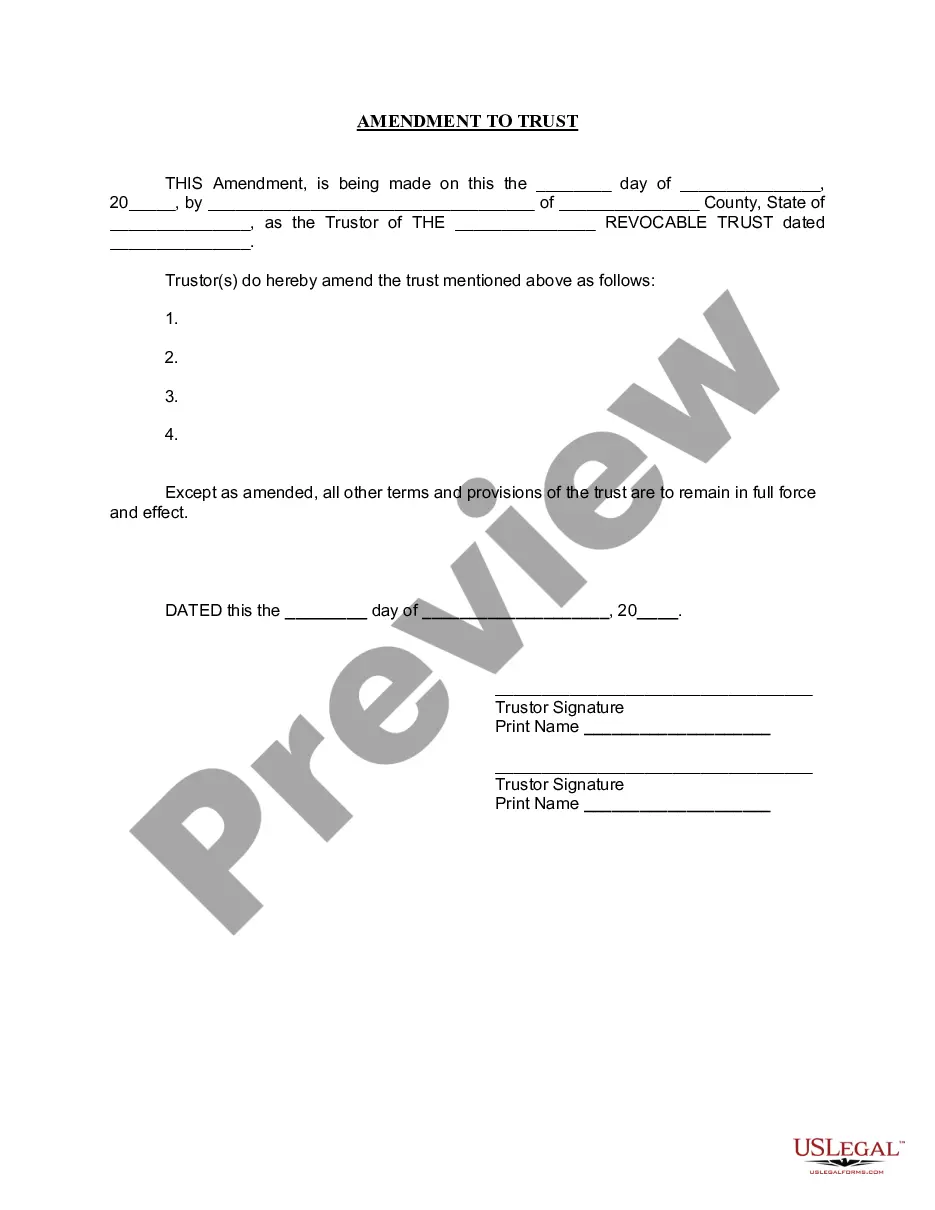
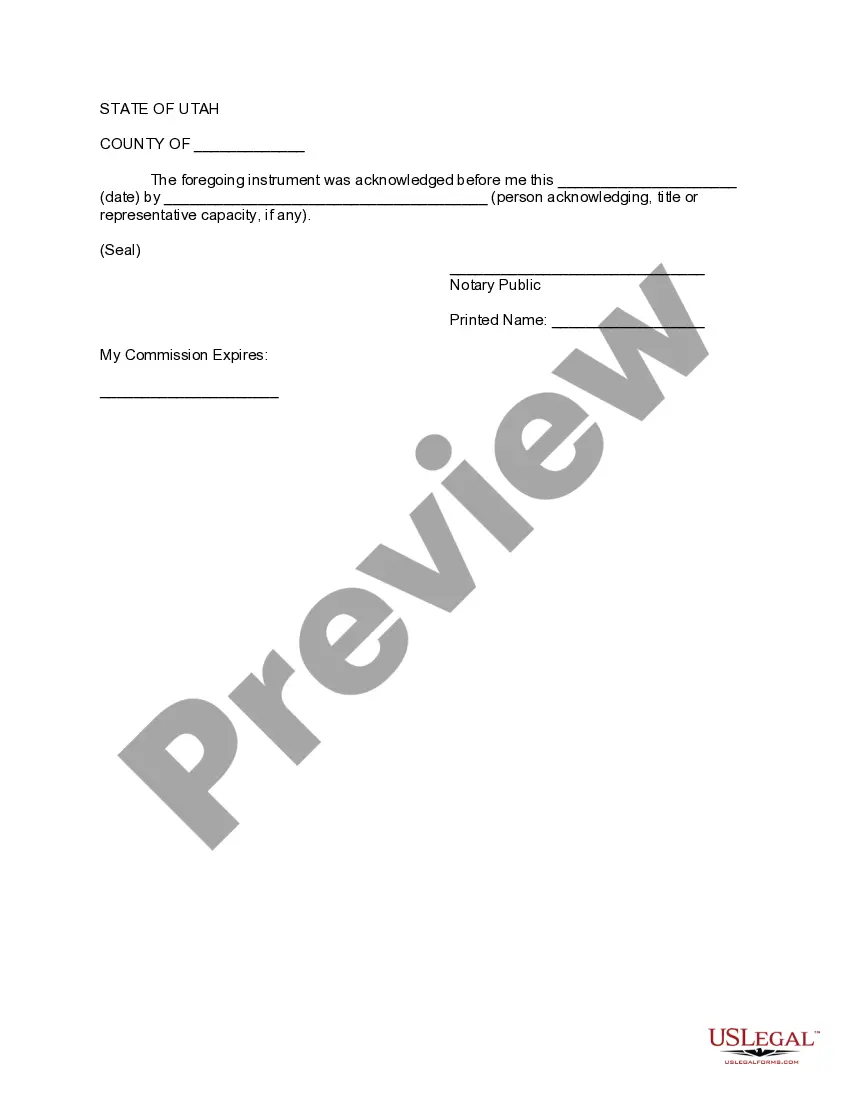
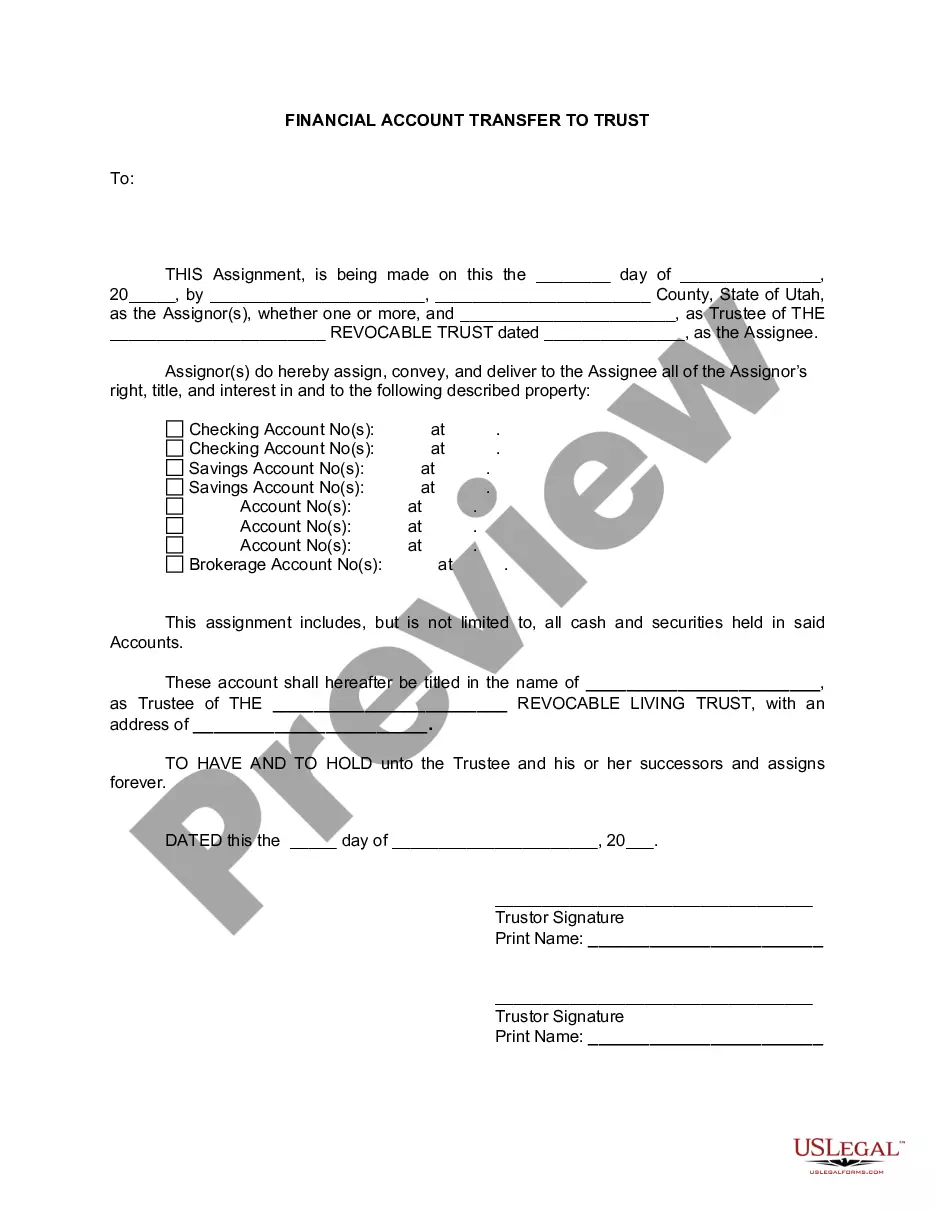
Get your form ready online
Our built-in tools help you complete, sign, share, and store your documents in one place.
Make edits, fill in missing information, and update formatting in US Legal Forms—just like you would in MS Word.
Download a copy, print it, send it by email, or mail it via USPS—whatever works best for your next step.
Sign and collect signatures with our SignNow integration. Send to multiple recipients, set reminders, and more. Go Premium to unlock E-Sign.
If this form requires notarization, complete it online through a secure video call—no need to meet a notary in person or wait for an appointment.
We protect your documents and personal data by following strict security and privacy standards.

Make edits, fill in missing information, and update formatting in US Legal Forms—just like you would in MS Word.

Download a copy, print it, send it by email, or mail it via USPS—whatever works best for your next step.

Sign and collect signatures with our SignNow integration. Send to multiple recipients, set reminders, and more. Go Premium to unlock E-Sign.

If this form requires notarization, complete it online through a secure video call—no need to meet a notary in person or wait for an appointment.

We protect your documents and personal data by following strict security and privacy standards.
Looking for another form?






How to fill out Utah Amendment To Living Trust?
- Log in to your account if you are a returning customer. Ensure your subscription is current; renew it if necessary.
- If you’re a new user, start by previewing the available living trust templates in the extensive library. Check that the form matches your specific jurisdiction.
- If needed, use the search feature to find a suitable template that meets your requirements.
- Select the appropriate document by clicking on the 'Buy Now' button. You’ll need to choose your subscription plan and create an account.
- Complete your purchase by entering your payment details, either through credit card or PayPal.
- Download the completed template to your device for easy access. You can also find it anytime under the 'My Forms' section of your account.
US Legal Forms provides a robust collection of over 85,000 easily editable legal documents, ensuring that you find exactly what you need. With premium expert assistance available, you can be confident that your living trust will be completed accurately and legally sound.
Take control of your estate planning today! Start with US Legal Forms and create your living trust to secure your legacy.
Form popularity
FAQ
While many assets can be included in living trusts, there are exceptions. Items like life insurance policies often need to be handled differently, as they may have specified beneficiaries. Additionally, retirement accounts typically should not be placed within a living trust, as it can lead to unintended tax issues. For more detailed advice, USLegalForms provides resources to ensure you make informed decisions about your living trust.
Filling out a living trust involves several essential steps. Start by gathering the necessary information about your assets, including property, bank accounts, and investments. Then, work through the USLegalForms platform for templates and step-by-step instructions to create a living trust that accurately reflects your wishes. This process ensures that your living trust is comprehensive and legally binding.
Living trusts offer many benefits, but they also come with potential pitfalls. One main concern is that a living trust does not provide tax benefits for income generated by the assets within it. Additionally, without proper funding, a living trust may not effectively manage or transfer assets upon death. Users can rely on USLegalForms for guidance and tools to navigate these challenges.
Putting your house in living trusts can come with some disadvantages. Firstly, transferring property into a living trust may require legal paperwork and might incur costs, such as attorney fees or transfer taxes. Additionally, some homeowners worry about losing control over their property, as the trust becomes the legal owner. It's also important to consider that living trusts don't provide protection from creditors, so you might still face risks related to unpaid debts.
The primary purpose of a living trust is to provide a seamless way to manage your assets while you are alive and ensure their distribution after death. Living trusts help avoid probate, which can be time-consuming and expensive, therefore protecting your loved ones from unnecessary stress. Additionally, they offer privacy since they do not go through the court system, unlike wills. By creating a living trust, you take a proactive step in securing your family's financial future.
Suze Orman emphasizes the importance of living trusts as a powerful estate planning tool. According to her, living trusts help avoid the lengthy and costly probate process, ensuring that your assets are distributed efficiently. Orman explains that living trusts offer flexibility, allowing individuals to manage their assets during their lifetime and specify their wishes after their passing. By utilizing living trusts, you can gain peace of mind knowing your loved ones will be taken care of in accordance with your wishes.
The downside to a living trust includes the necessity for ongoing management and oversight. Unlike wills, living trusts require continuous updates whenever there are changes in assets or family dynamics. Moreover, if not funded properly, the trust may not serve its intended purpose. Therefore, understanding the requirements and being proactive is critical when establishing living trusts.
One major mistake parents often make when setting up a trust fund is failing to clearly define the terms and conditions. Without specific guidance, beneficiaries may misinterpret the trust’s intentions. It's essential to be transparent to avoid potential conflicts among family members. Utilizing platforms like US Legal Forms can help ensure your trust is structured effectively.
Living trusts have some downsides that you should consider. First, they usually involve upfront costs to create, which can be higher than just writing a will. Additionally, while living trusts can help avoid probate, they do not safeguard against estate taxes. It's also important to keep the trust updated, as any changes in assets or family circumstances require adjustments.