Utah Equine Real Estate With Acreage
Description
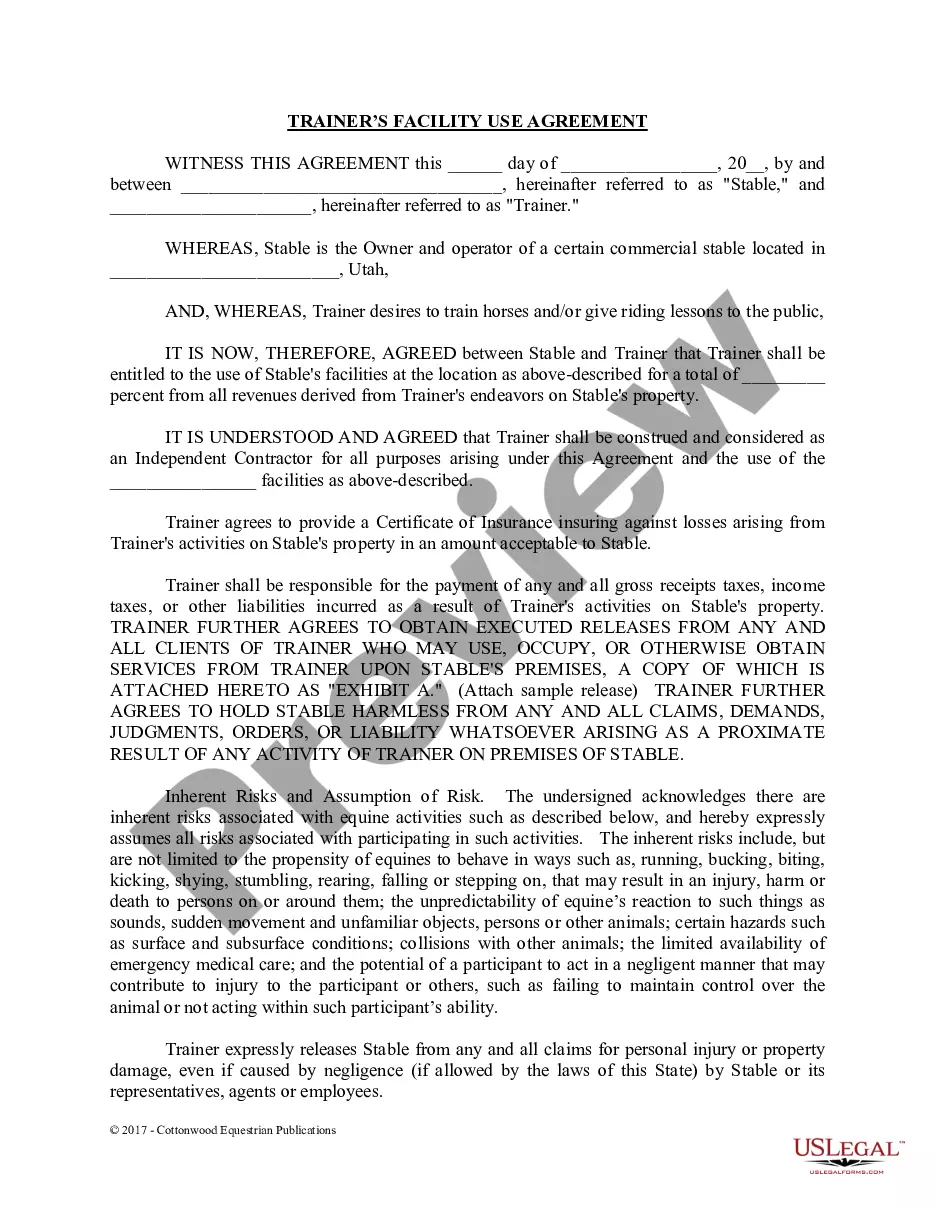

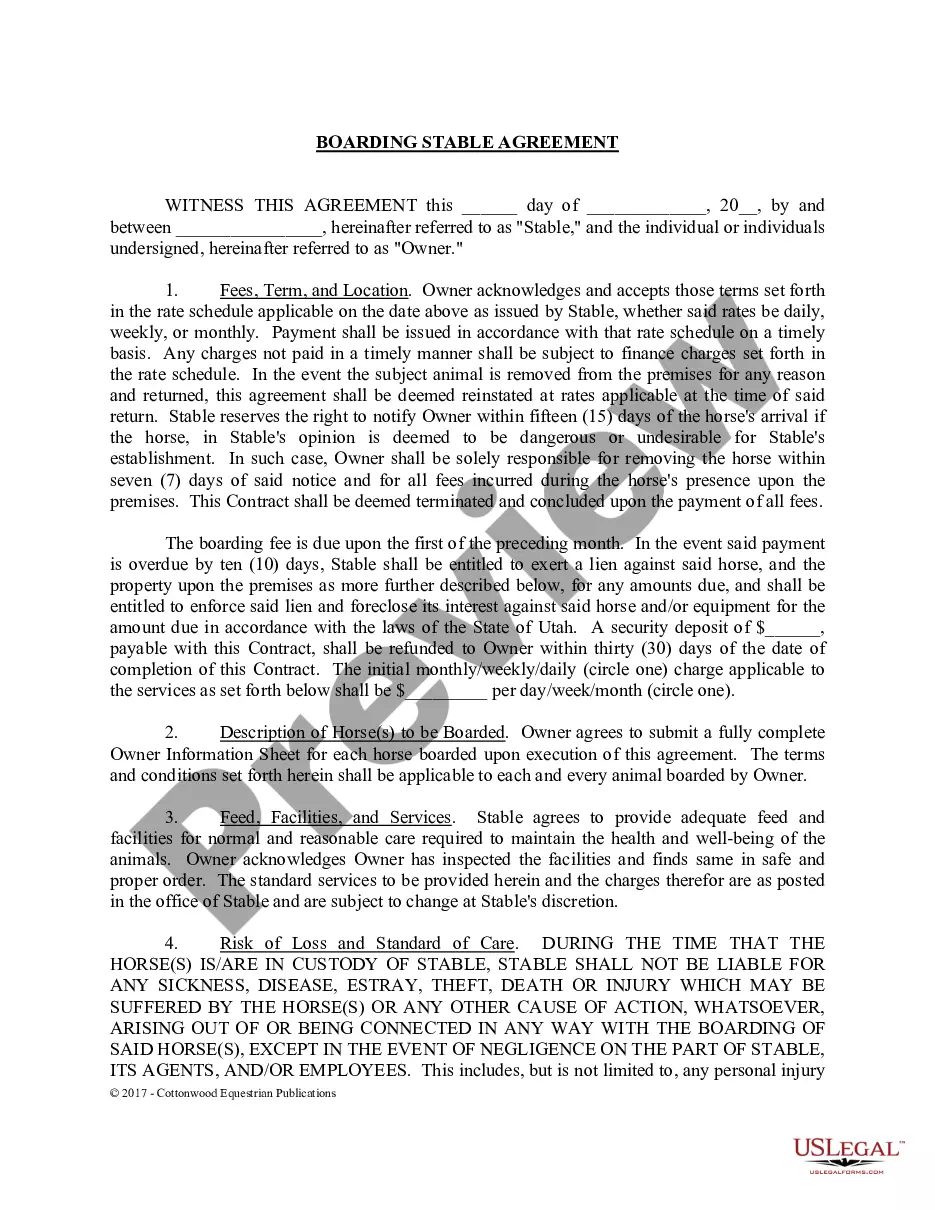
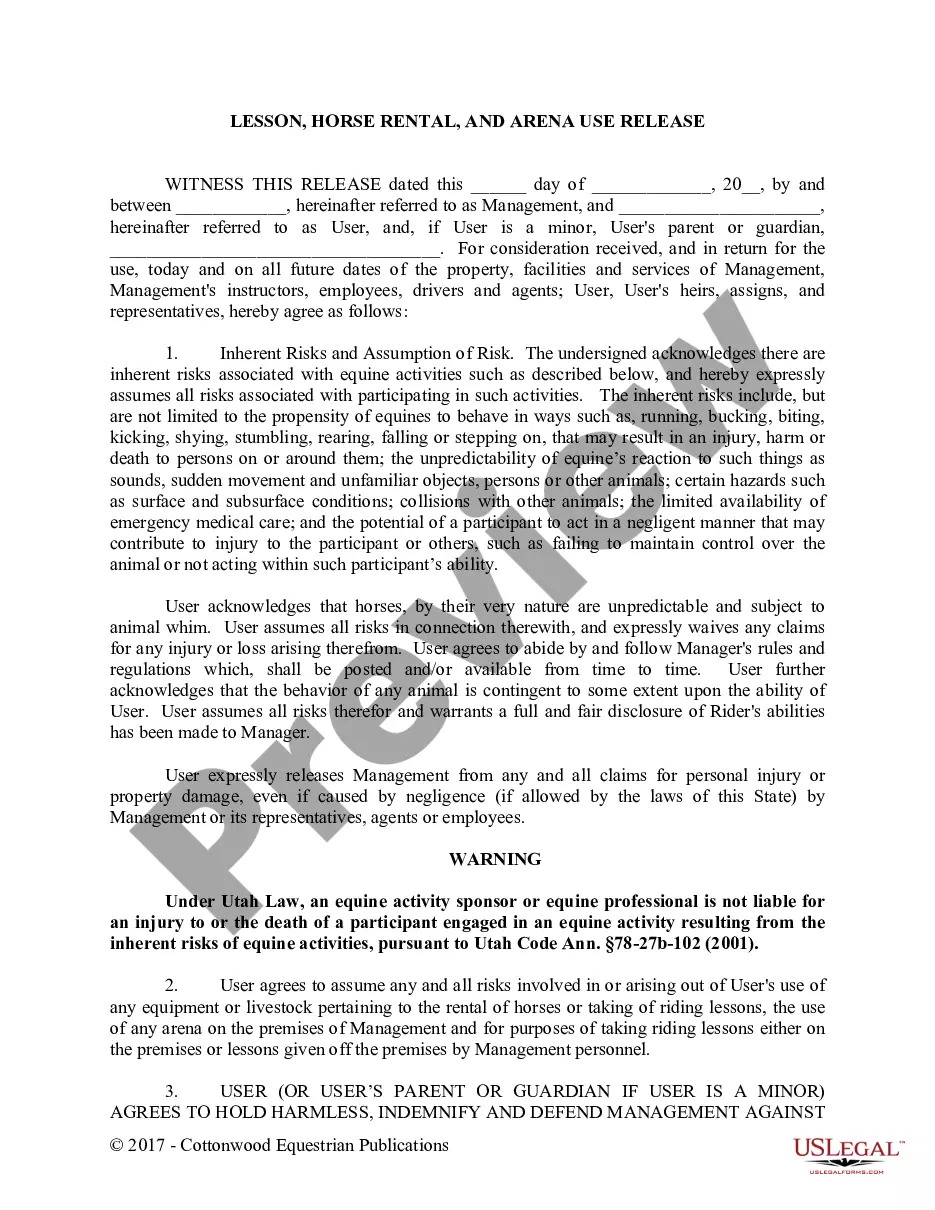
Get your form ready online
Our built-in tools help you complete, sign, share, and store your documents in one place.
Make edits, fill in missing information, and update formatting in US Legal Forms—just like you would in MS Word.
Download a copy, print it, send it by email, or mail it via USPS—whatever works best for your next step.
Sign and collect signatures with our SignNow integration. Send to multiple recipients, set reminders, and more. Go Premium to unlock E-Sign.
If this form requires notarization, complete it online through a secure video call—no need to meet a notary in person or wait for an appointment.
We protect your documents and personal data by following strict security and privacy standards.

Make edits, fill in missing information, and update formatting in US Legal Forms—just like you would in MS Word.

Download a copy, print it, send it by email, or mail it via USPS—whatever works best for your next step.

Sign and collect signatures with our SignNow integration. Send to multiple recipients, set reminders, and more. Go Premium to unlock E-Sign.

If this form requires notarization, complete it online through a secure video call—no need to meet a notary in person or wait for an appointment.

We protect your documents and personal data by following strict security and privacy standards.
Looking for another form?










Form popularity
FAQ
Yes, 5 acres can be sufficient for a small horse farm, especially if you are targeting a couple of horses. It gives enough room for grazing, shelters, and riding areas. When considering Utah equine real estate with acreage, 5 acres offers a great starting point for your horse farm needs.
The minimum recommended land for one horse is about one acre, but more is often necessary for their physical and behavioral health. This space allows ample grazing and movement, which is critical for their well-being. Exploring Utah equine real estate with acreage can help you find the land you need.
While it is possible to keep 4 horses on 2 acres, it can lead to overgrazing and stress on the land. Typically, more land is needed to sustain multiple horses comfortably. In the realm of Utah equine real estate with acreage, exploring larger plots ensures every horse has space and resources.
An ideal land size for one horse is approximately 2 to 5 acres. This amount ensures sufficient grazing and space for movement. With great options in Utah equine real estate with acreage, you can find the perfect balance for you and your horses.
A standard paddock for one horse should be no less than 1,200 square feet. The size can vary based on the number of horses and their activity levels. In Utah equine real estate with acreage, having larger paddocks enhances your horse's well-being and comfort.
On 20 acres, you can typically keep around 3 to 5 horses, depending on the type of pasture and its condition. Each horse requires adequate space for grazing, shelter, and exercise. Therefore, 20 acres in Utah equine real estate with acreage offers ample room for your horses to thrive.
For a happy and healthy horse, the minimum land size recommended is generally one acre. However, more space is ideal, especially if you have multiple horses. In Utah equine real estate with acreage, having extra land allows for better grazing and exercise opportunities.
Before buying a horse, assess your experience level, budget, and intended use, whether for leisure, competition, or work. Additionally, consider the property where you'll house the horse; this includes checking fencing, pasture conditions, and barn space on your potential Utah equine real estate with acreage. Always take the time to learn about the responsibilities involved in horse ownership, as it is a commitment that requires dedication and preparation.
The ideal surface for a horse yard varies, but generally, a mix of sand, clay, and gravel provides excellent drainage while offering good footing. Consider asphalt or rubber footing for riding arenas to ensure safety and comfort for your horses. When evaluating Utah equine real estate with acreage, ensure the surface conditions align with your horse's needs and activities. A well-maintained yard contributes to your horse's overall health.
The Utah farmland Assessment Act allows for the valuation of agricultural land based on its productive capability rather than market value. This may include land used for horse breeding or training and can significantly reduce property tax costs. If you own or plan to buy Utah equine real estate with acreage, understanding this act can help you benefit financially. It is a vital aspect of maintaining your equine property sustainably.
