Undersigned Above State For The Following
Description
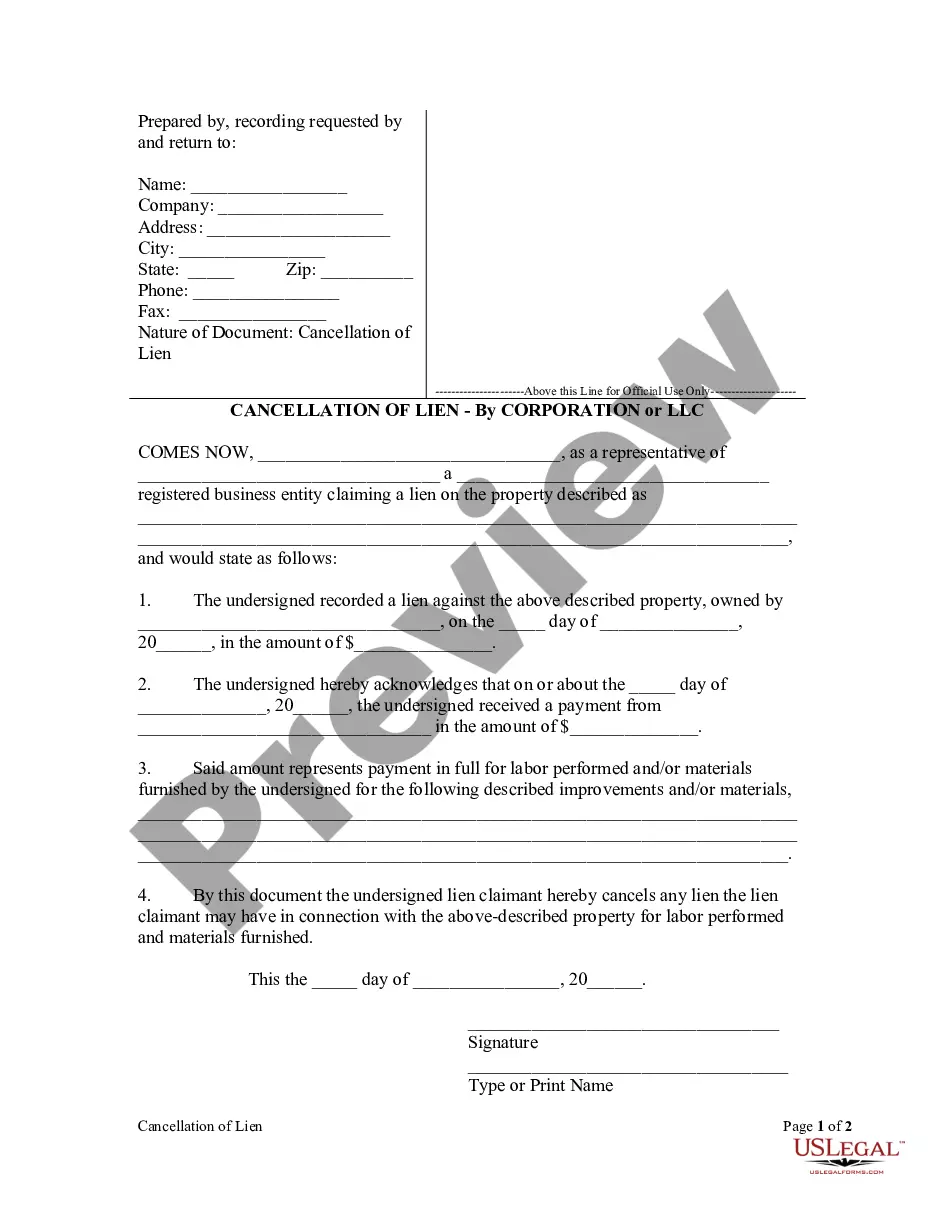
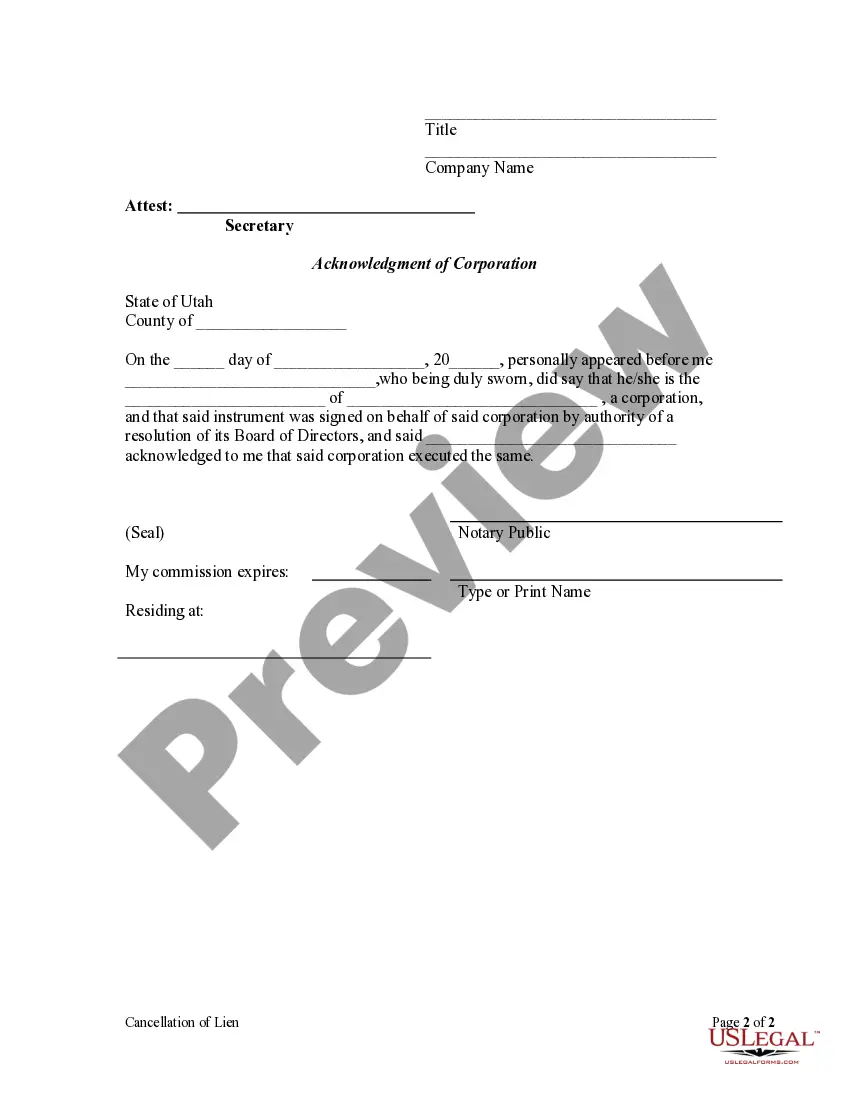

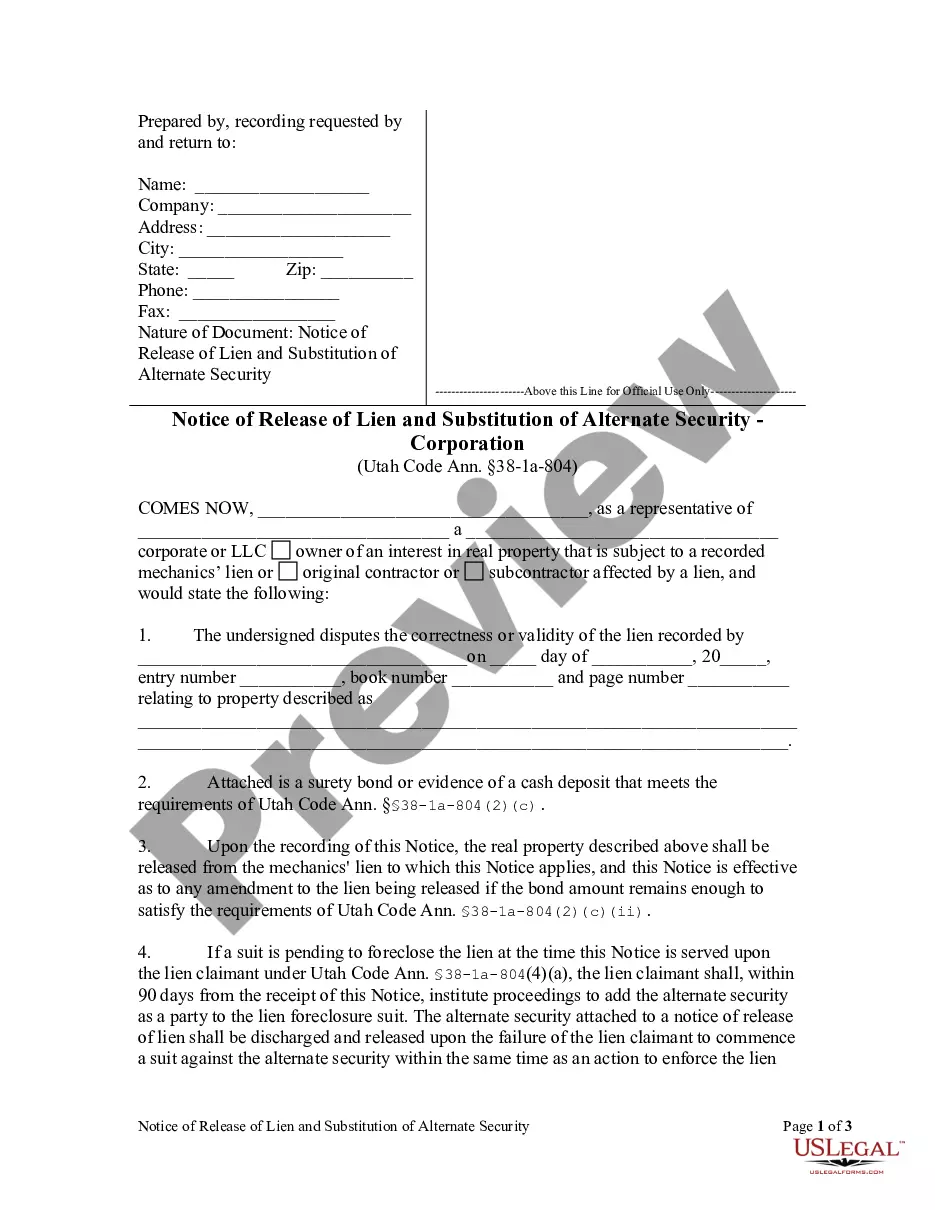
Get your form ready online
Our built-in tools help you complete, sign, share, and store your documents in one place.
Make edits, fill in missing information, and update formatting in US Legal Forms—just like you would in MS Word.
Download a copy, print it, send it by email, or mail it via USPS—whatever works best for your next step.
Sign and collect signatures with our SignNow integration. Send to multiple recipients, set reminders, and more. Go Premium to unlock E-Sign.
If this form requires notarization, complete it online through a secure video call—no need to meet a notary in person or wait for an appointment.
We protect your documents and personal data by following strict security and privacy standards.

Make edits, fill in missing information, and update formatting in US Legal Forms—just like you would in MS Word.

Download a copy, print it, send it by email, or mail it via USPS—whatever works best for your next step.

Sign and collect signatures with our SignNow integration. Send to multiple recipients, set reminders, and more. Go Premium to unlock E-Sign.

If this form requires notarization, complete it online through a secure video call—no need to meet a notary in person or wait for an appointment.

We protect your documents and personal data by following strict security and privacy standards.
Looking for another form?
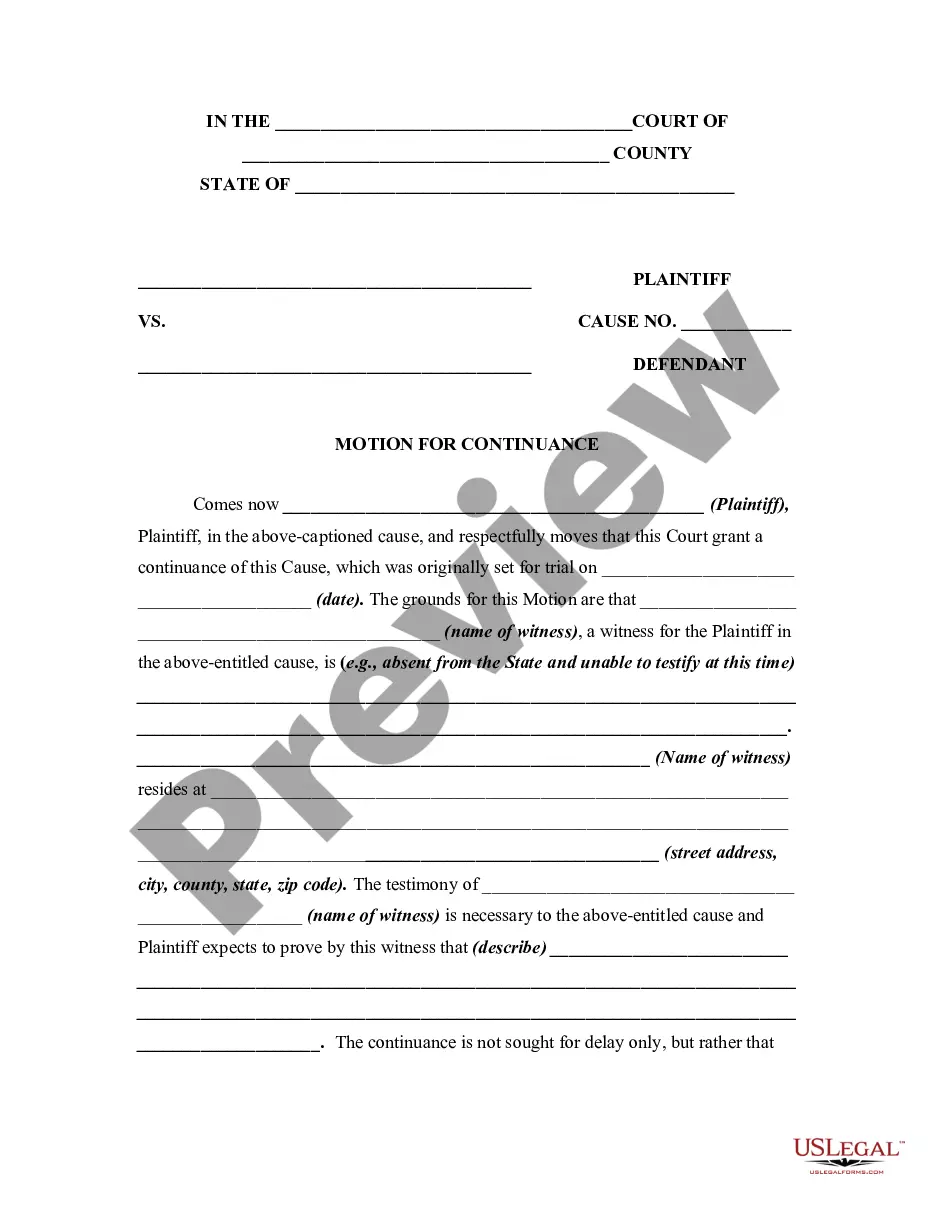






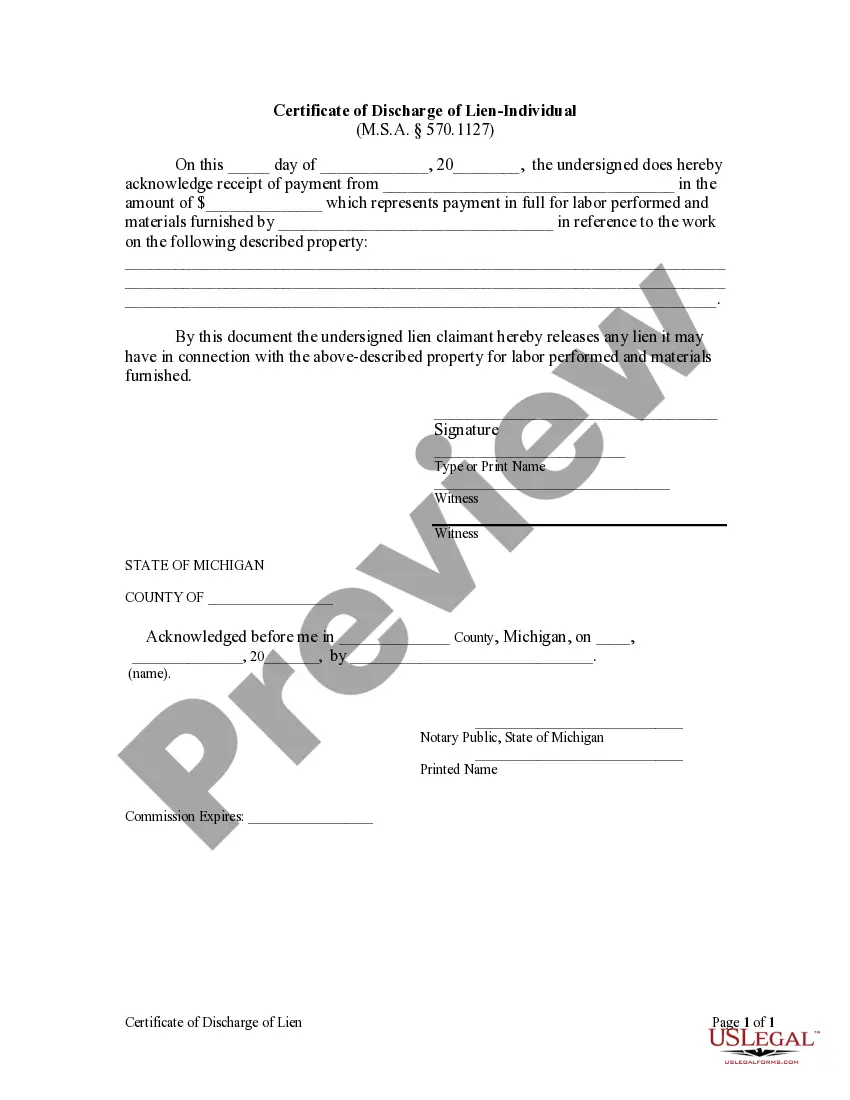

How to fill out Utah Cancellation Of Lien By Corporation?
- If you are an existing user, log in to your account and ensure your subscription is active. Then, locate the desired form template and click the Download button to save it on your device.
- For first-time users, start by exploring the Preview mode to verify that the form meets your specific requirements. Ensure it is compatible with your local jurisdiction.
- If the initial form isn't suitable, utilize the Search tab to find an alternative that meets your needs.
- After finding the right document, click the Buy Now button and select your preferred subscription plan, which requires account registration for full access.
- Proceed with your purchase by providing your payment information, either credit card details or through your PayPal account.
- Finally, download your selected form. You can access it anytime from the My Forms section of your profile.
In conclusion, US Legal Forms delivers a dependable solution for anyone in need of legal documentation. With their extensive collection and expert support, you can confidently obtain the right forms tailored to your needs.
Start your journey with US Legal Forms today and simplify your legal documentation process!
Form popularity
FAQ
In a legal document, 'undersigned' denotes the individuals who have signed the document, thereby committing to its terms. The undersigned above state for the following signifies a formal acknowledgment of the responsibilities outlined within the agreement. This term is integral in various legal matters, from contracts to affidavits, ensuring that all parties are clearly identified. Understanding this term can aid in navigating legal texts more effectively.
Another word for undersigned is 'signer.' This term designates the individual who puts their signature on a legal document, acknowledging their consent or agreement. The undersigned above state for the following plays a crucial role in contracts, making it vital to understand the implications tied to this designation. Familiarizing yourself with these terms can enhance your comprehension of legal documents.
The undersigned in a legal document refers to the person who signs the document, thereby indicating their agreement or acknowledgment of its contents. This individual takes on legal responsibility and is often pivotal in the execution of contracts. The undersigned above state for the following holds relevance in various agreements, ensuring that all parties involved understand their commitments. It's essential to identify each undersigned party clearly for validation.
Yes, you can notarize for someone in another state, provided that you follow the specific regulations of that state. The undersigned above state for the following generally requires that notaries understand the nuances of cross-state notarizations. It's important to ensure proper identification and verify the legal requirements to avoid issues. Using platforms like UsLegalForms can help streamline this process and provide necessary information.
Yes, the state where your notary is commissioned significantly impacts the validity of a notarized document. Each state has unique requirements for notarization, which could affect the acceptance of your document in a different jurisdiction. Always check the state's regulations to avoid complications. The undersigned above state for the following should guide you in ensuring compliance across borders.
When notarizing, you typically confirm the signer's identity and their willingness to sign the document. You will then make a statement like 'I certify that the signer is personally known to me' or 'The undersigned above state for the following acknowledges the signing'. Being clear and precise in your language is crucial to uphold the integrity of the notarization process.
Generally, you cannot notarize a document for someone residing in another state unless you are also commissioned as a notary in that state. The legal authority to notarize relies on state laws, so it's important to comply with both your state’s regulations and the other state’s requirements. To facilitate this, the undersigned above state for the following guidance can provide helpful resources.
Yes, notaries operate under the laws of their respective states, and these laws can differ significantly. Each state has distinct regulations regarding notary applications, duties, and fees. Understanding these differences is crucial if you are dealing with documents across state lines. The undersigned above state for the following may help streamline this process.
A notary in New York can notarize documents from other states, but it's essential to recognize the specific legal requirements in the state where the document will be used. Each state has its own rules governing what documents a notary can certify. Therefore, always confirm the regulations to avoid issues. The undersigned above state for the following should ensure compliance with both state laws.
The legal term 'undersigned' refers to individuals who sign below a specified line in a legal document. This signature signifies their agreement to the contents and intentions of that document. Understanding this term is vital for anyone engaged in contracts or legal agreements, as it establishes responsibility and consent.