Release Of Liability Waiver For Horseback Riding
Description
Get your form ready online
Our built-in tools help you complete, sign, share, and store your documents in one place.
Make edits, fill in missing information, and update formatting in US Legal Forms—just like you would in MS Word.
Download a copy, print it, send it by email, or mail it via USPS—whatever works best for your next step.
Sign and collect signatures with our SignNow integration. Send to multiple recipients, set reminders, and more. Go Premium to unlock E-Sign.
If this form requires notarization, complete it online through a secure video call—no need to meet a notary in person or wait for an appointment.
We protect your documents and personal data by following strict security and privacy standards.

Make edits, fill in missing information, and update formatting in US Legal Forms—just like you would in MS Word.

Download a copy, print it, send it by email, or mail it via USPS—whatever works best for your next step.

Sign and collect signatures with our SignNow integration. Send to multiple recipients, set reminders, and more. Go Premium to unlock E-Sign.

If this form requires notarization, complete it online through a secure video call—no need to meet a notary in person or wait for an appointment.

We protect your documents and personal data by following strict security and privacy standards.
Looking for another form?
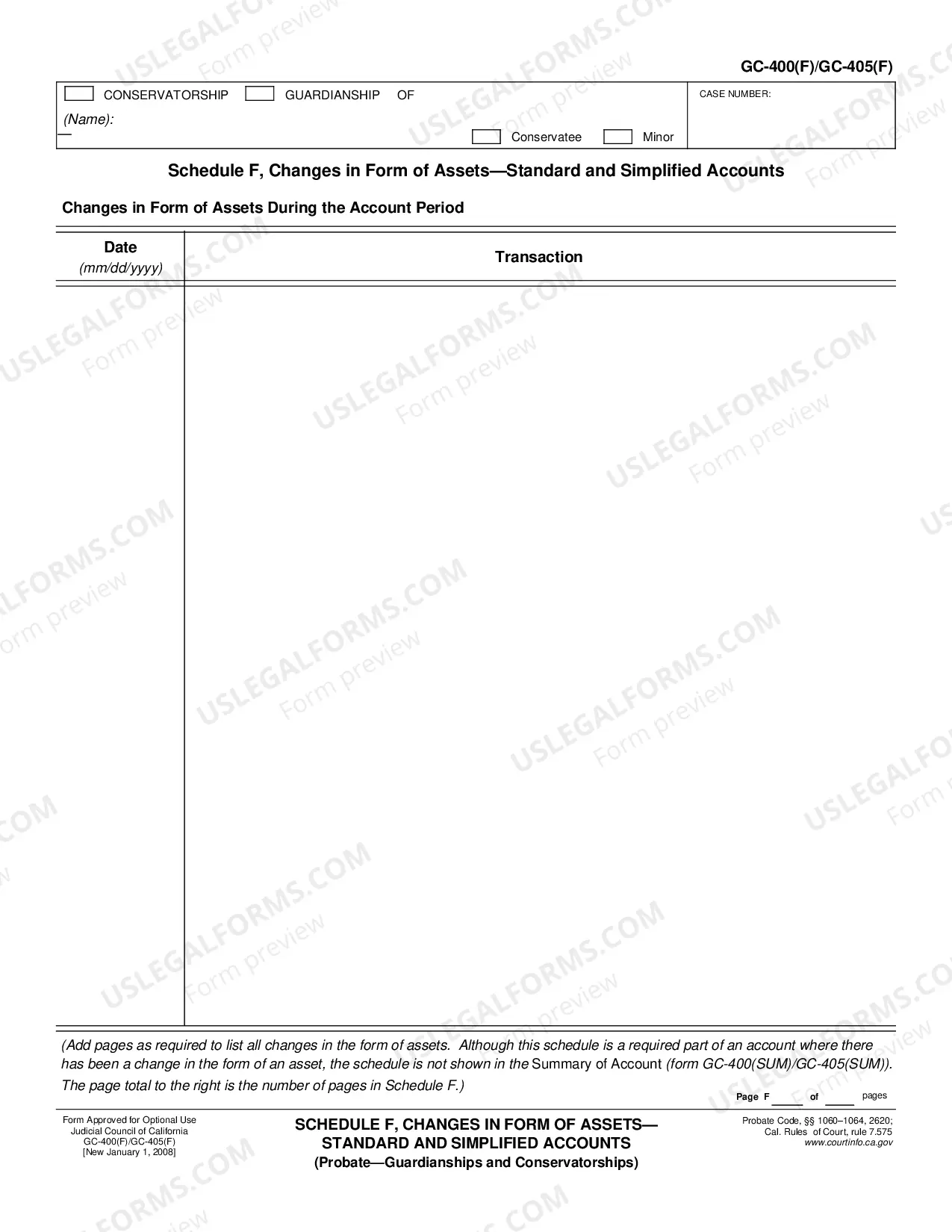
How to fill out Waiver And Release From Liability For Adult For Intramural Sports?
- Log in to your US Legal Forms account if you're already a member. Verify that your subscription is current before proceeding.
- In the Preview mode, review the form description to confirm it meets your legal requirements and local jurisdiction.
- If you notice inconsistencies or need a different template, utilize the Search tab to explore more options in the library.
- To purchase your selected waiver, click on the Buy Now button and choose a subscription plan that suits your needs.
- Complete your purchase by entering your payment information, choosing between credit card or PayPal options.
- Finally, download the completed document to your device. You can also access it later in the My Forms section of your account.
By following these straightforward steps, you can efficiently secure your release of liability waiver for horseback riding. This document not only safeguards your interests but also contributes to a safer riding experience.
Take action now by visiting US Legal Forms and streamline your legal documentation process today!
Form popularity
FAQ
The most common injury in horse riding is a concussion, which often occurs due to falls. Riders may be vulnerable to head injuries, which can have serious repercussions. Including information about the potential for concussions in your release of liability waiver for horseback riding ensures participants recognize the importance of safety gear, like helmets.
Writing a release of liability waiver involves clearly outlining the responsibilities of both the rider and the riding facility. It should specify the inherent risks associated with horseback riding and require participants to acknowledge understanding of these risks. Platforms like uslegalforms can guide you in creating an effective release of liability waiver for horseback riding, ensuring legal protection for all parties involved.
The 20 rule for horse riding suggests that riders should maintain a safe distance of 20 feet from other riders or obstacles to avoid collisions and ensure safety. This guideline encourages awareness and helps prevent accidents while enjoying the ride. Incorporating this rule into a release of liability waiver for horseback riding can provide clear expectations for all participants regarding safety measures.
The most common injury from falling off a horse tends to be fractures, particularly in the collarbone and wrist. Such injuries arise from the impact of the fall and can significantly disrupt a rider's life. A well-crafted release of liability waiver for horseback riding can help inform participants about these risks, ensuring they understand the potential consequences of horse riding.
Many people consider dressage and show jumping to be among the hardest types of horse riding due to the high skill level required. These disciplines demand a strong understanding of the horse's movements and an ability to communicate effectively with the animal. Riders must maintain balance, precision, and control, making them essential when crafting a release of liability waiver for horseback riding to address specific risks.
You can write up your own release of liability waiver for horseback riding, but it’s crucial to ensure it includes all necessary elements for legal protection. A well-crafted waiver must adequately explain the inherent risks and explicitly release the horseback riding facility from liability. If you're unsure about the wording or clauses, consider using USLegalForms, where you can find templates that simplify the process and ensure your waiver is comprehensive and legally binding.
The most common injury in horseback riding is a fall, which can lead to various injuries such as fractures, concussions, and soft tissue injuries. Riders may experience these accidents due to unexpected horse movements or loss of balance. Understanding these risks is crucial for riders, and that’s why having a release of liability waiver for horseback riding can provide important legal protection. By using a waiver, you indicate an awareness of these dangers and help reduce potential liability.
To create a release of liability waiver for horseback riding, you need to start by clearly outlining the risks associated with riding. Include essential details such as the names of the parties, a description of the activity, and a statement of assumption of risk. Once you have a draft, it’s a good idea to have a legal expert review it. Alternatively, you can use platforms like USLegalForms to access customizable templates that help you generate a legally sound waiver quickly.
A release of liability waiver for horseback riding is a legal document that protects horseback riding facilities from being held liable for injuries that may occur during the activity. This agreement informs participants of the inherent risks involved in horseback riding and requires them to acknowledge these risks. By signing the waiver, riders agree not to hold the facility responsible for accidents that may happen. It's essential to use a well-drafted release to ensure its legal effectiveness.
Writing a simple waiver involves stating the intent clearly, listing the activities involved, and specifying the risks associated with those activities, like horseback riding. Use straightforward language to ensure everyone understands what they are signing. Include a section for participant details and their signature, along with the date. Platforms like US Legal Forms can help you streamline this process with easy-to-understand templates that fit your requirements.