Limited Partnership Withholding Tax
Description
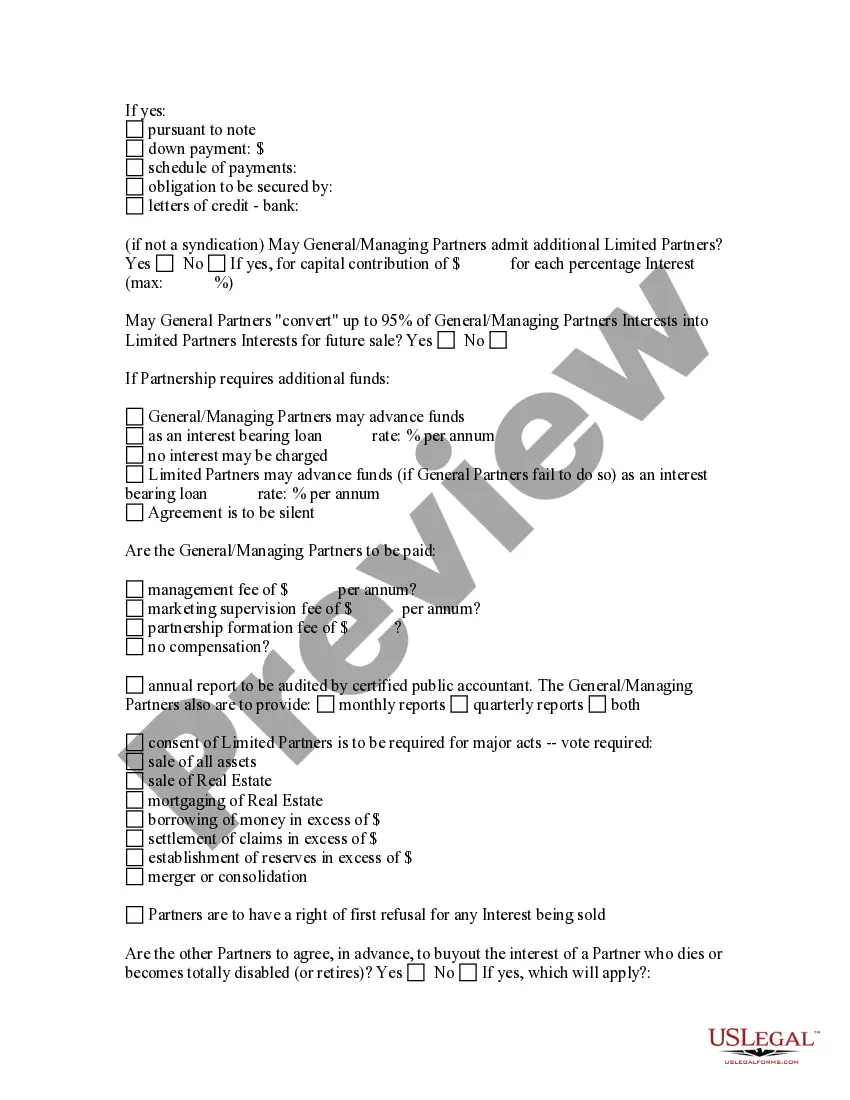
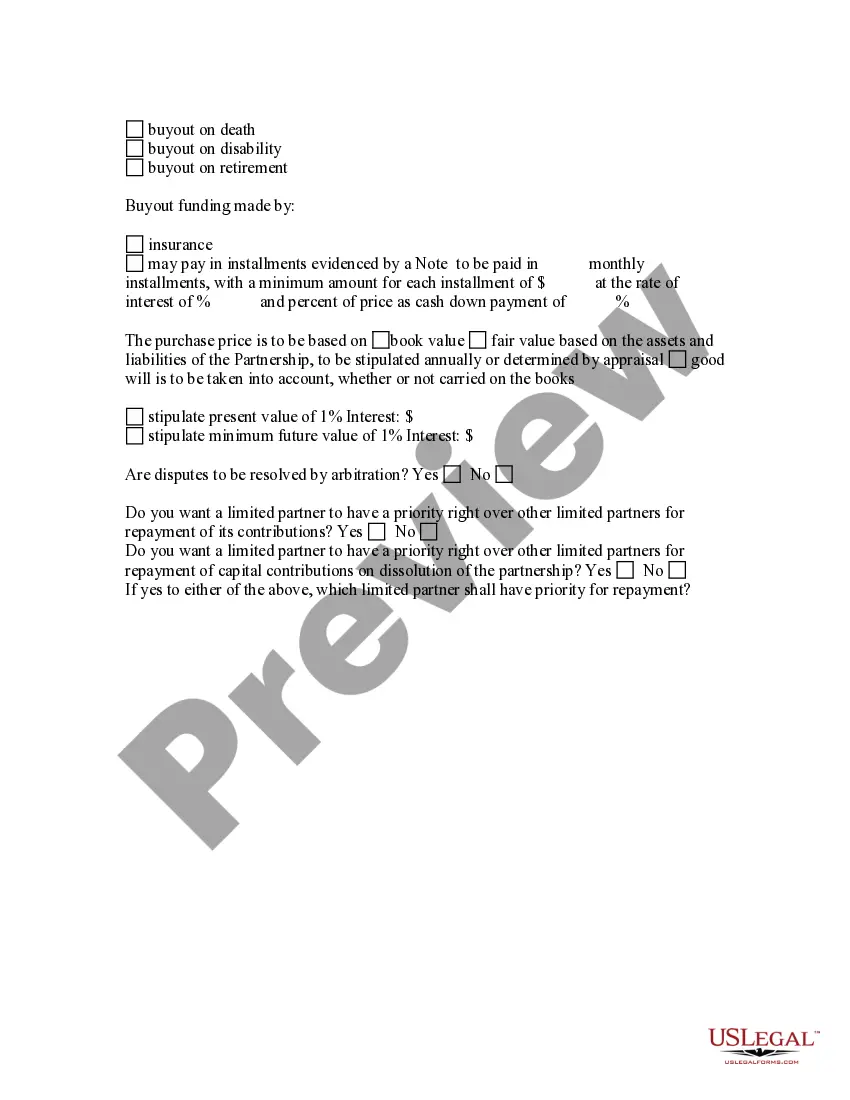
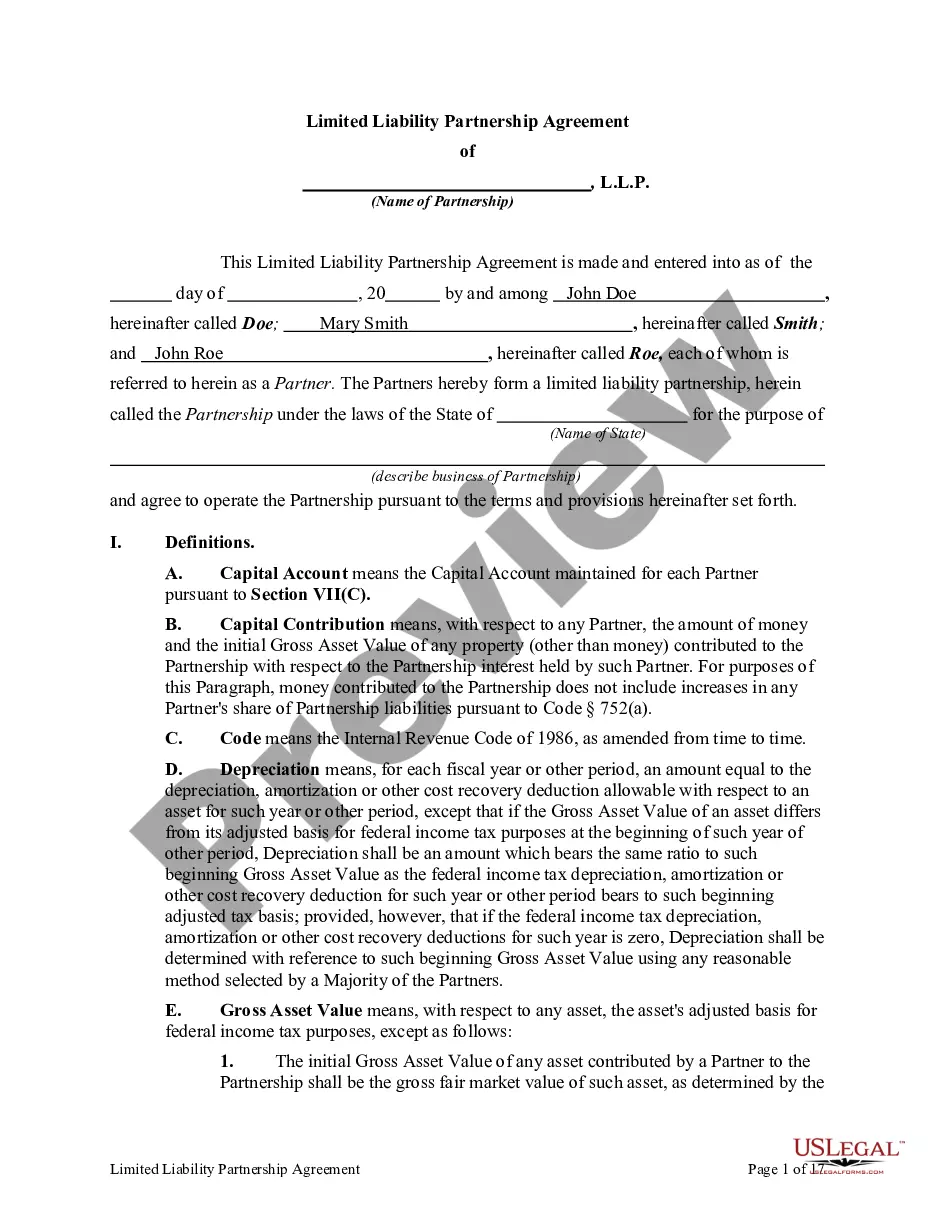
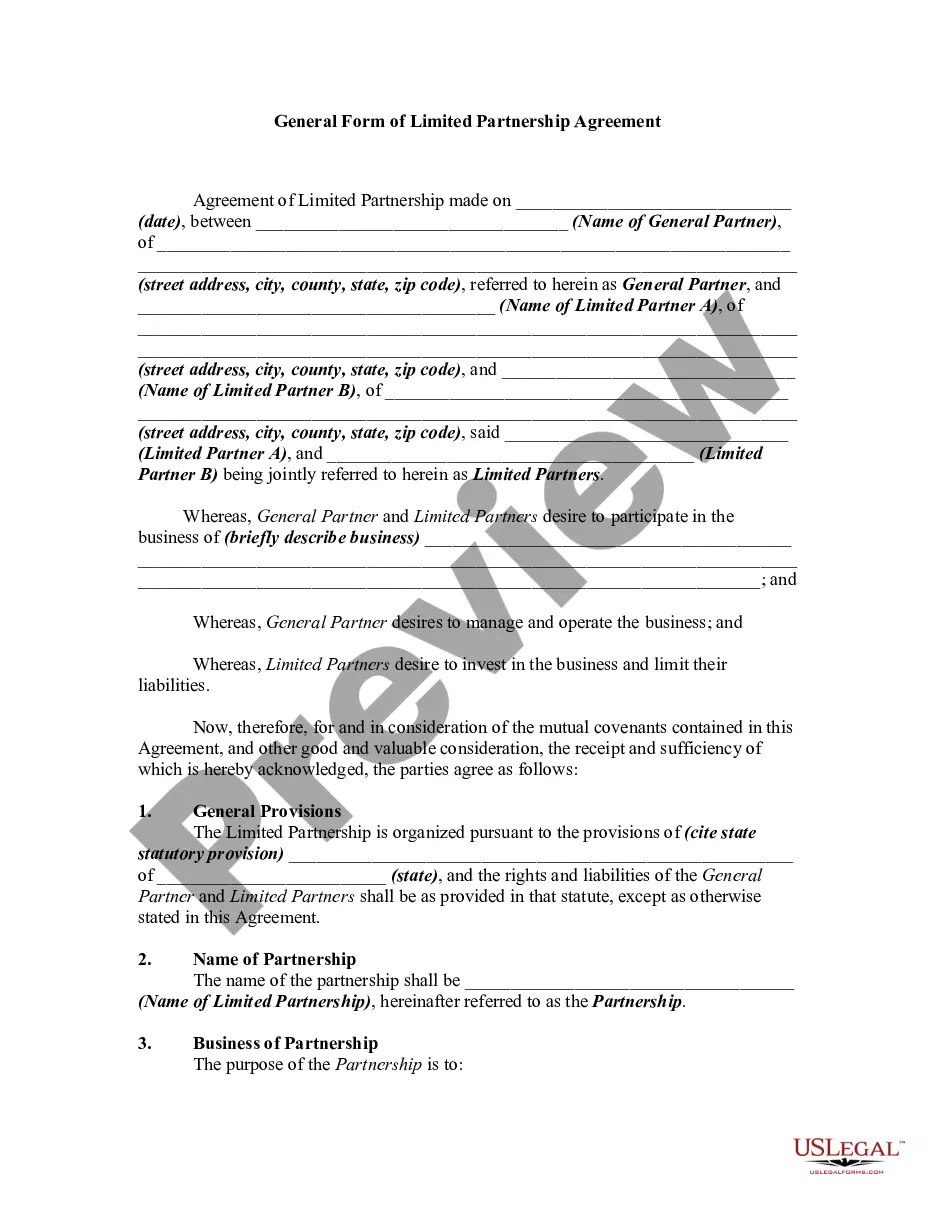

Get your form ready online
Our built-in tools help you complete, sign, share, and store your documents in one place.
Make edits, fill in missing information, and update formatting in US Legal Forms—just like you would in MS Word.
Download a copy, print it, send it by email, or mail it via USPS—whatever works best for your next step.
Sign and collect signatures with our SignNow integration. Send to multiple recipients, set reminders, and more. Go Premium to unlock E-Sign.
If this form requires notarization, complete it online through a secure video call—no need to meet a notary in person or wait for an appointment.
We protect your documents and personal data by following strict security and privacy standards.

Make edits, fill in missing information, and update formatting in US Legal Forms—just like you would in MS Word.

Download a copy, print it, send it by email, or mail it via USPS—whatever works best for your next step.

Sign and collect signatures with our SignNow integration. Send to multiple recipients, set reminders, and more. Go Premium to unlock E-Sign.

If this form requires notarization, complete it online through a secure video call—no need to meet a notary in person or wait for an appointment.

We protect your documents and personal data by following strict security and privacy standards.
Looking for another form?

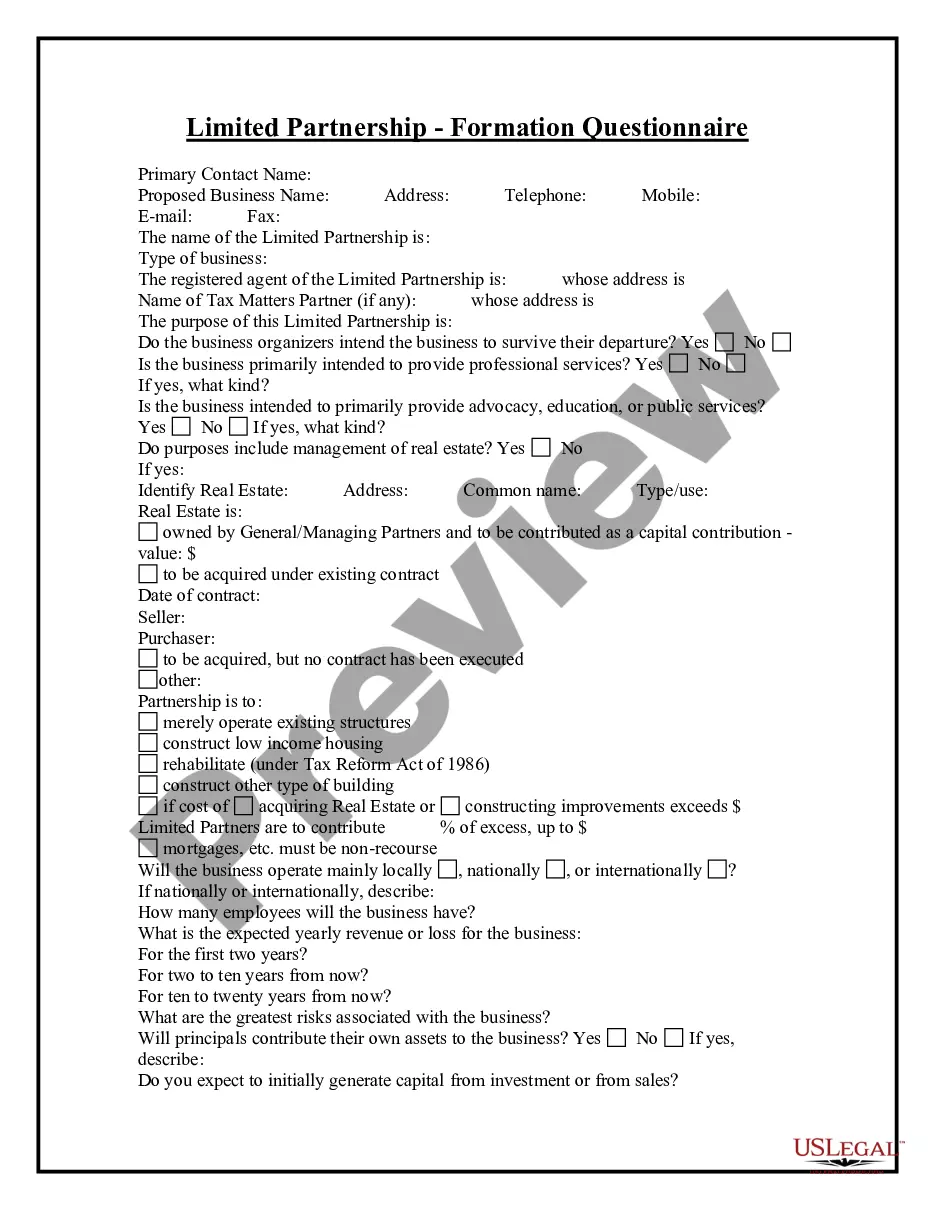
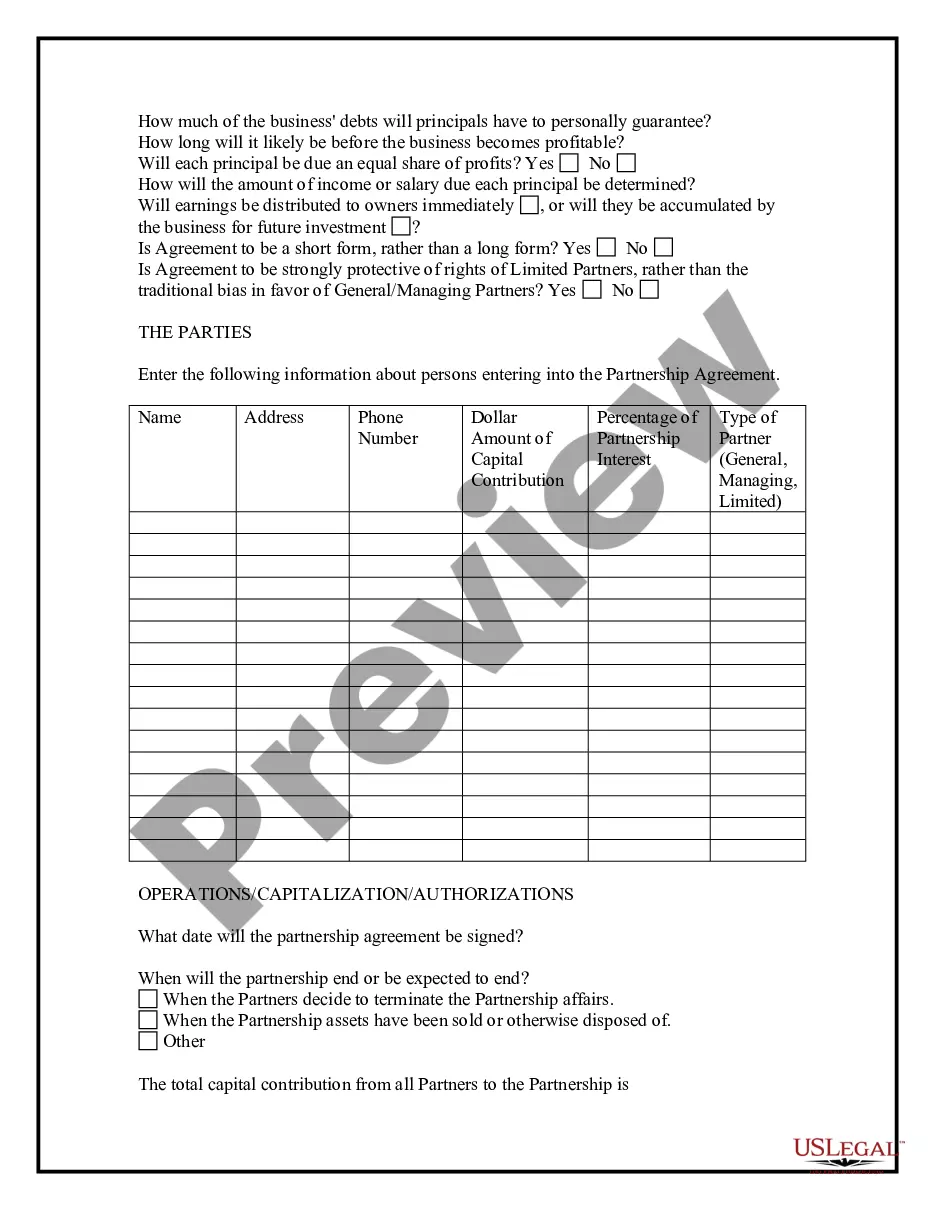
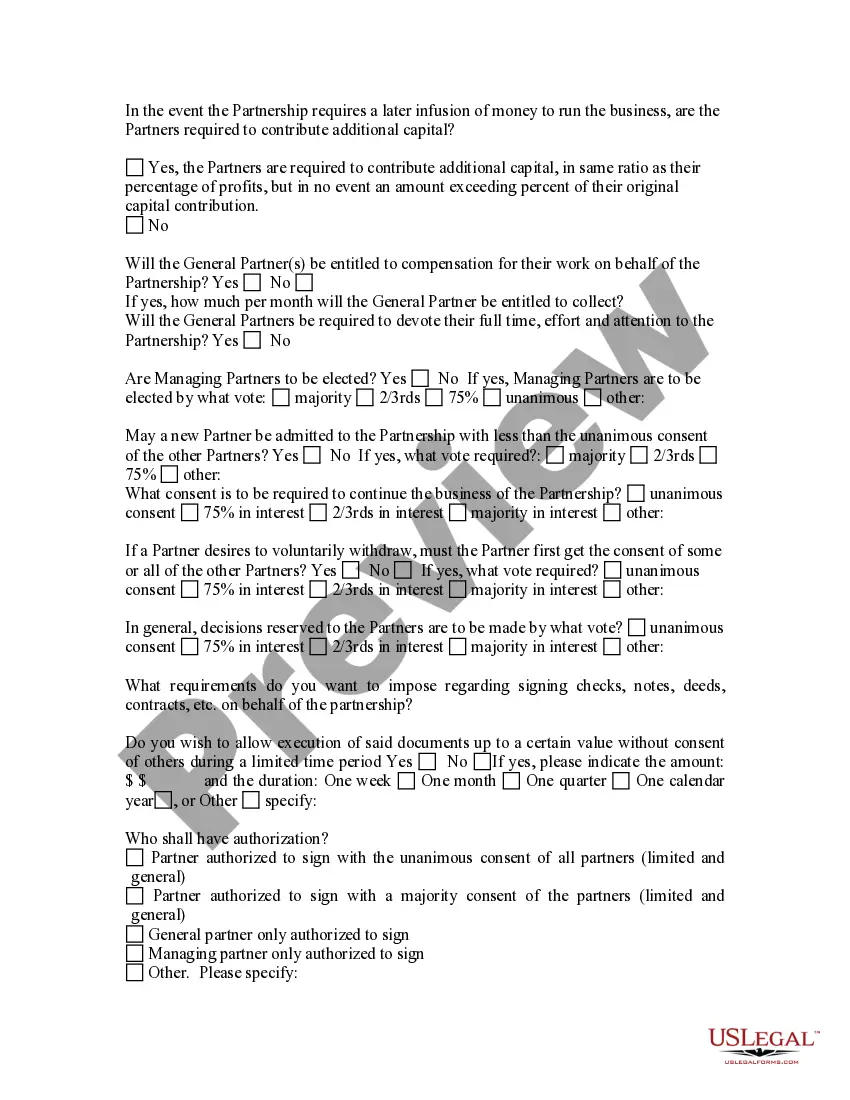
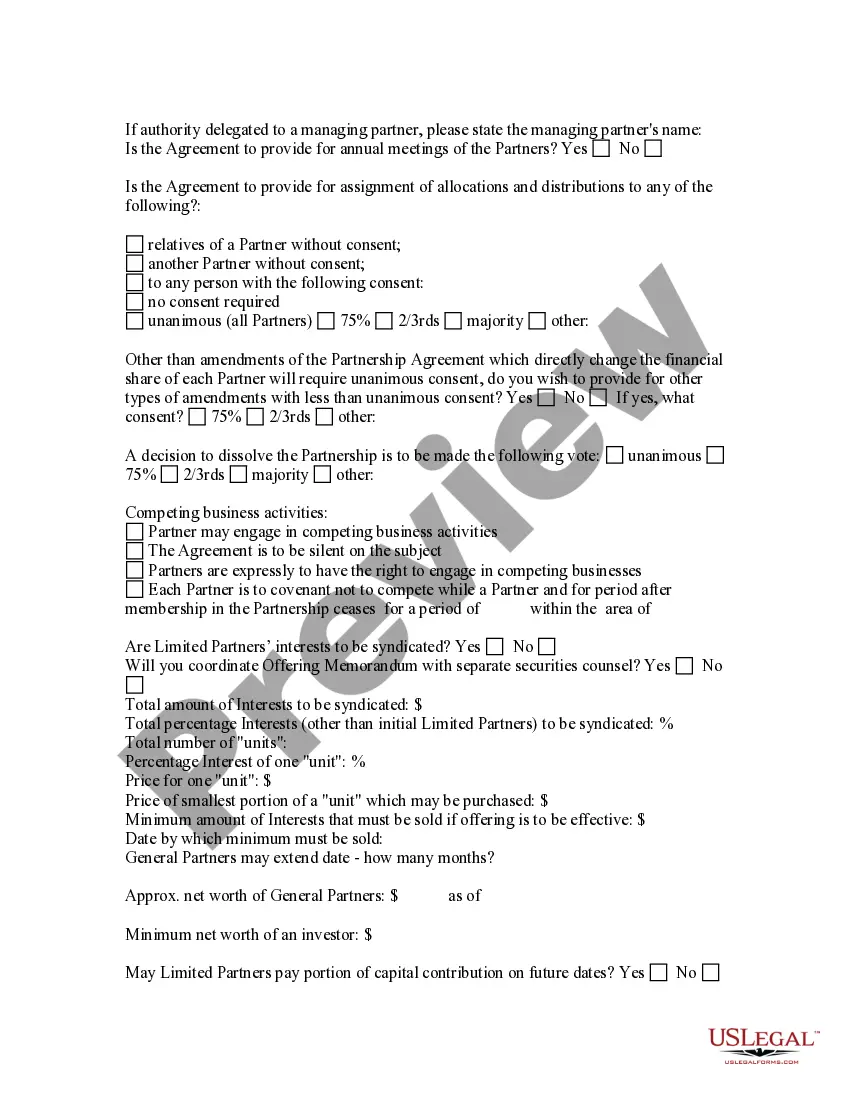
How to fill out Limited Partnership Formation Questionnaire?
Accessing legal templates that comply with federal and state regulations is crucial, and the internet provides a variety of selections to choose from.
However, what’s the benefit of spending time searching for the suitable Limited Partnership Withholding Tax example online when the US Legal Forms online library already has such documents consolidated in one location.
US Legal Forms is the largest digital legal repository featuring over 85,000 editable templates crafted by legal professionals for any business and personal scenario. They can be easily navigated, with all documents classified by state and intended use.
Leverage the most comprehensive and user-friendly legal documentation service!
- Our specialists stay updated with legislative changes, ensuring your paperwork remains current and compliant when obtaining a Limited Partnership Withholding Tax from our site.
- Acquiring a Limited Partnership Withholding Tax is quick and straightforward for both existing and new users.
- If you already possess an account with a valid subscription, Log In and save the document template you require in the correct format.
- If you're new to our platform, follow the instructions below.
- Examine the template using the Preview function or through the text structure to ensure it suits your requirements.
Form popularity
FAQ
Limited partners typically do not receive a W-2, as this form is reserved for employees. Instead, their earnings are reported through a Schedule K-1, reflecting their share of the partnership's profits or losses. This distinction is crucial for understanding your obligations regarding limited partnership withholding tax.
Limited partnerships generally pass their income and losses directly to partners, who then report this on their individual tax returns. However, partnerships may also be subject to specific withholding taxes, especially in cases where foreign investors are involved. Understanding this structure helps you navigate the limited partnership withholding tax process more effectively.
The responsibility for withholding usually falls on the partnership itself, or the general partners managing the entity. They must ensure that the appropriate taxes are withheld from distributions made to partners to meet limited partnership withholding tax requirements. This ensures compliance and minimizes liability for all partners involved.
Partnership Taxable Income (PTP) securities can be identified through specific documentation. Typically, you will find details regarding these securities on your annual Schedule K-1 form, which reports your share of the partnership's income, deductions, and credits. Recognizing these securities is important for managing your limited partnership withholding tax obligations effectively.
To determine if a company is a Publicly Traded Partnership (PTP), you should check whether it meets specific criteria set by the IRS. Generally, a company qualifies as a PTP when it earns income from passive sources, such as interest, dividends, and rental income. Additionally, you can investigate if the partnership interests are traded on an established securities market. Understanding your exposure to limited partnership withholding tax is essential, as these partnerships often face different tax regulations than standard corporations.
Filing taxes for a limited partnership involves reporting income, deductions, and credits on IRS Form 1065. Each partner then receives a Schedule K-1, which they use to report their share of the partnership’s income on their personal tax returns. It’s crucial to ensure accurate reporting to comply with limited partnership withholding tax rules, and platforms like US Legal Forms can assist you in this process.
Choosing between taxation as a partnership or LLC often depends on your business structure and goals. A limited partnership allows for different tax treatment and can sometimes provide better tax advantages for certain types of income. Evaluating your specific situation can help you determine which option minimizes your limited partnership withholding tax obligations.
Limited partnership withholding tax applies to certain partnerships that have foreign partners. These partnerships must withhold a portion of the income earned by foreign partners to ensure proper tax compliance. If your partnership has foreign investors, it’s essential to understand your withholding obligations to avoid penalties.
The appropriate percentage to withhold for taxes can vary based on your income level and tax situation. Generally, aiming for 10% to 30% is a good starting point for limited partnership withholding tax, but this should be tailored to your specific circumstances. Consulting a tax advisor can provide personalized insights, and uslegalforms can assist you with tools to simplify your withholding calculations.
Limited partnerships are typically treated as pass-through entities for tax purposes. This means that the income and losses of the partnership pass through to the individual partners, who report this on their tax returns. The limited partnership withholding tax applies to non-resident partners, requiring careful attention to ensure compliance. Understanding the taxation structure can help you manage your tax obligations effectively.