Rental Forms For Tax
Description
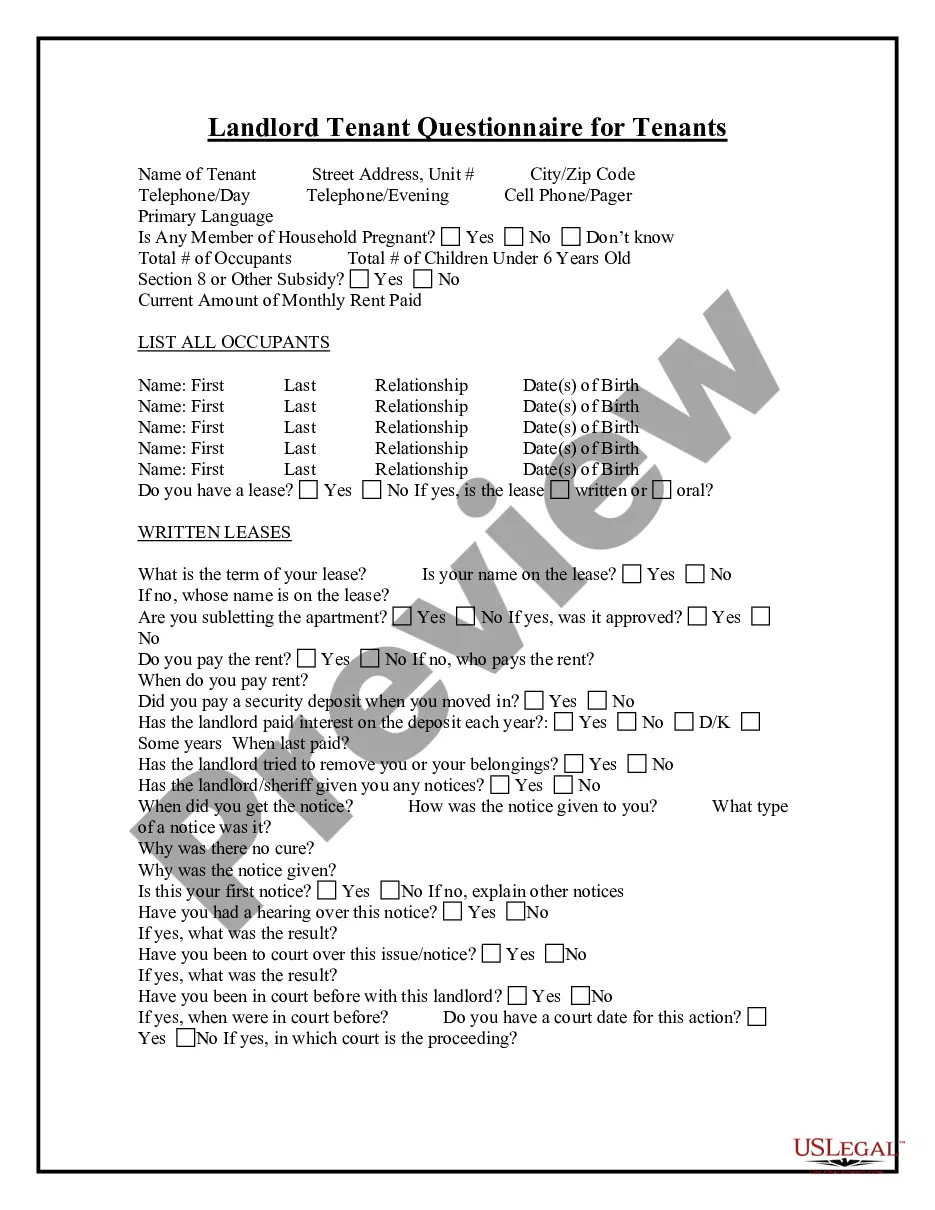
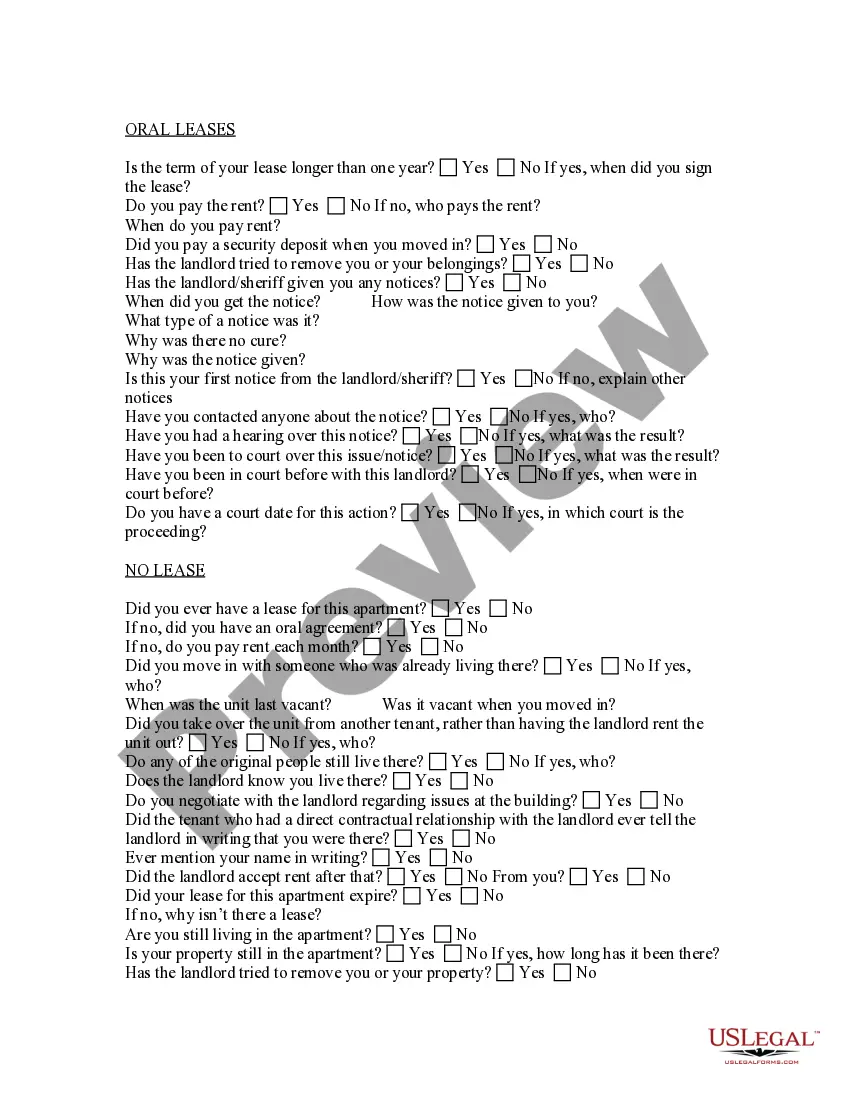
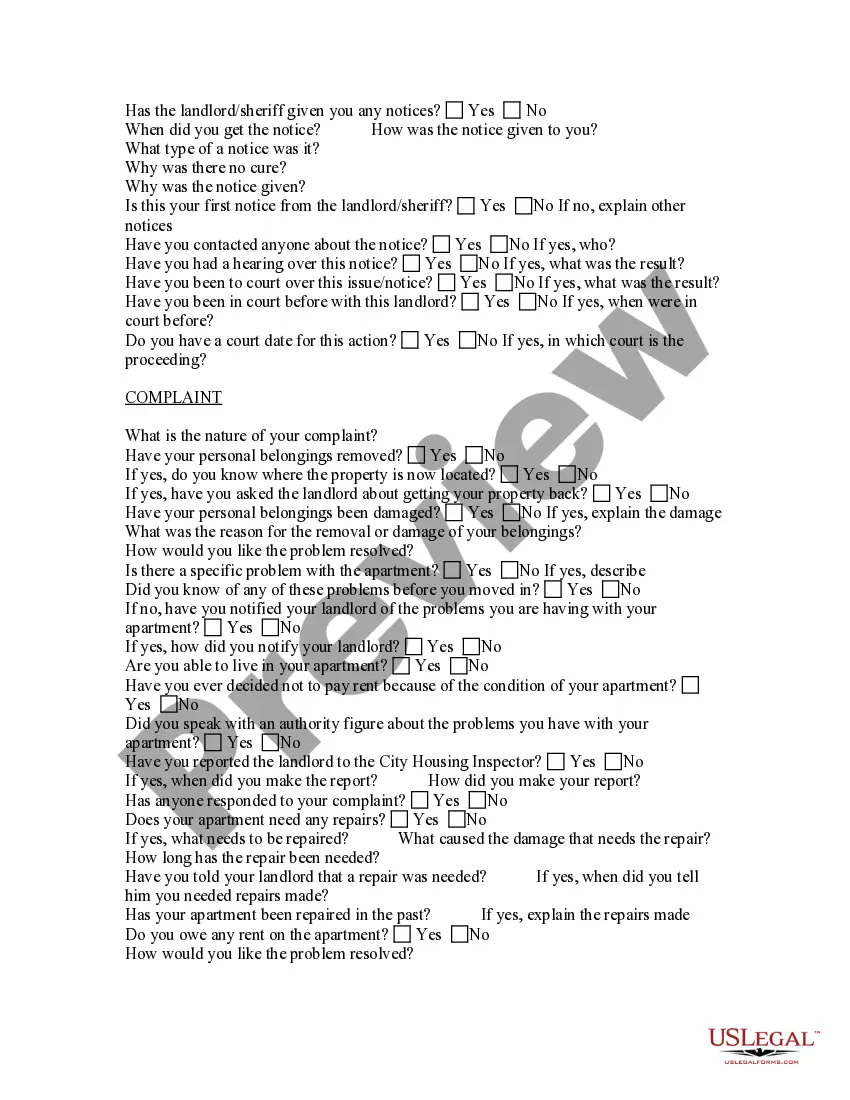
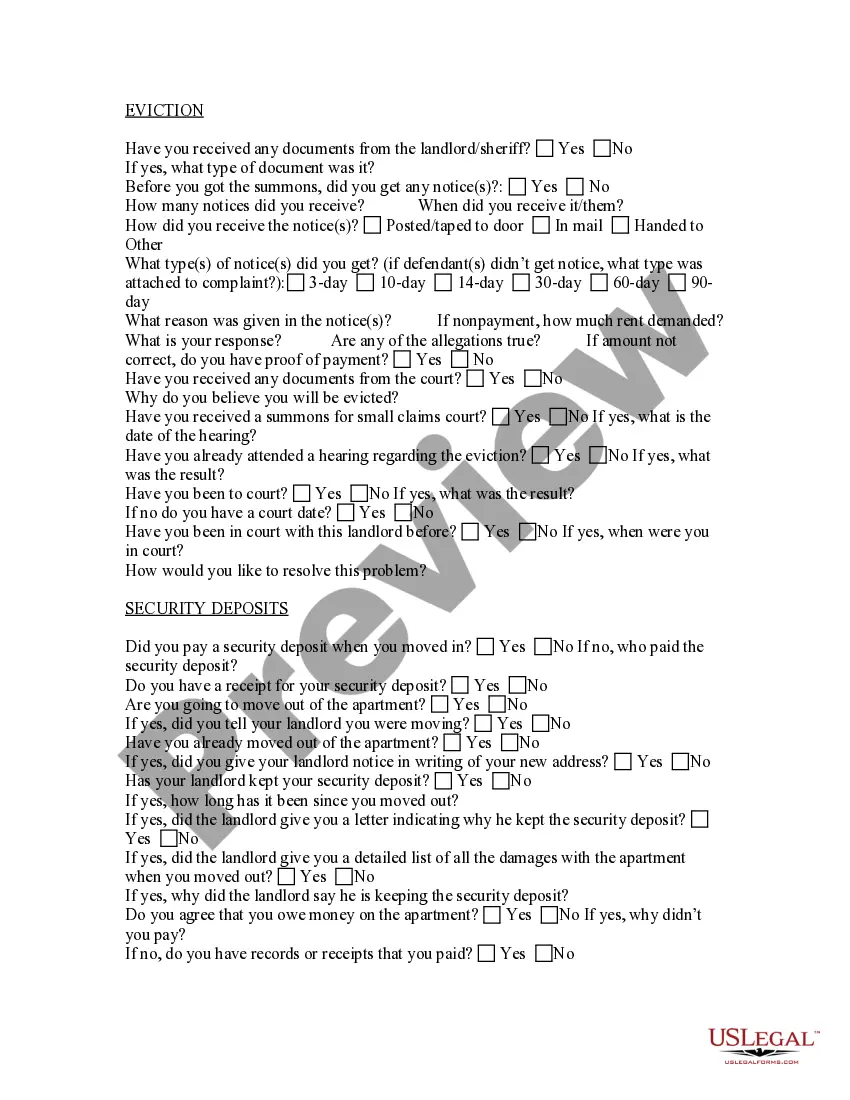
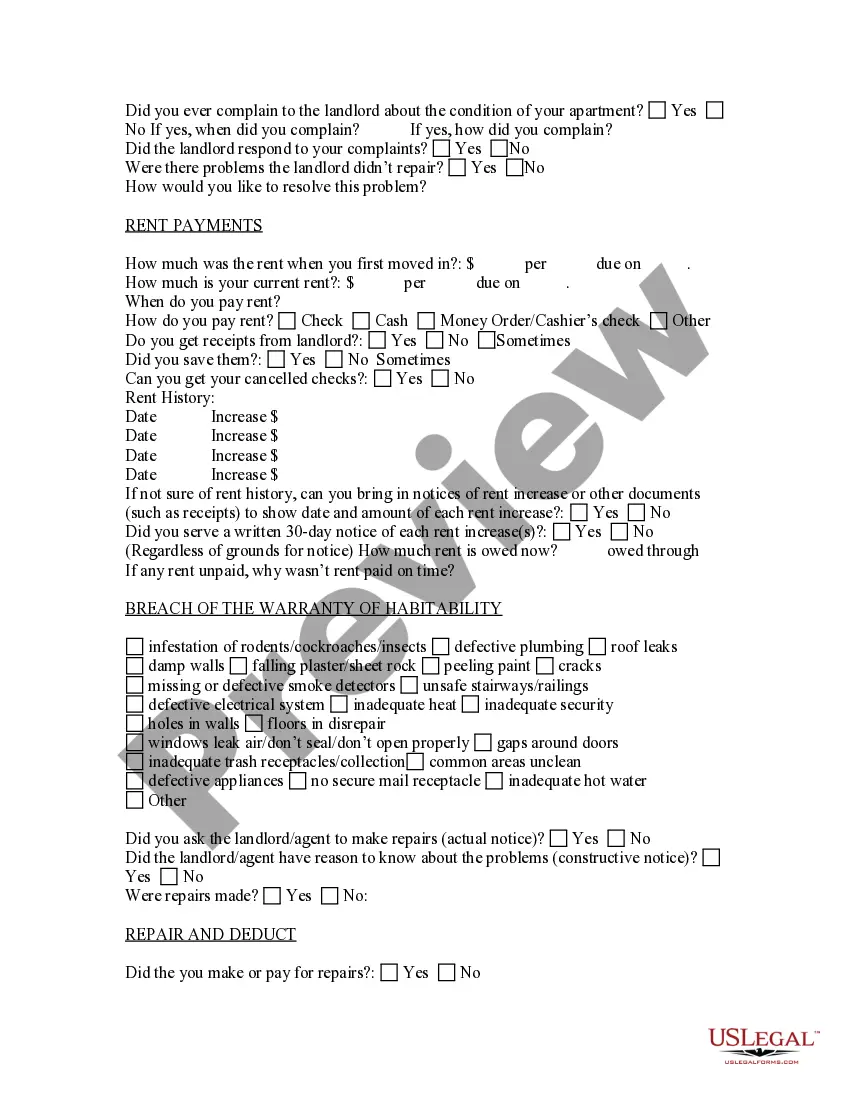
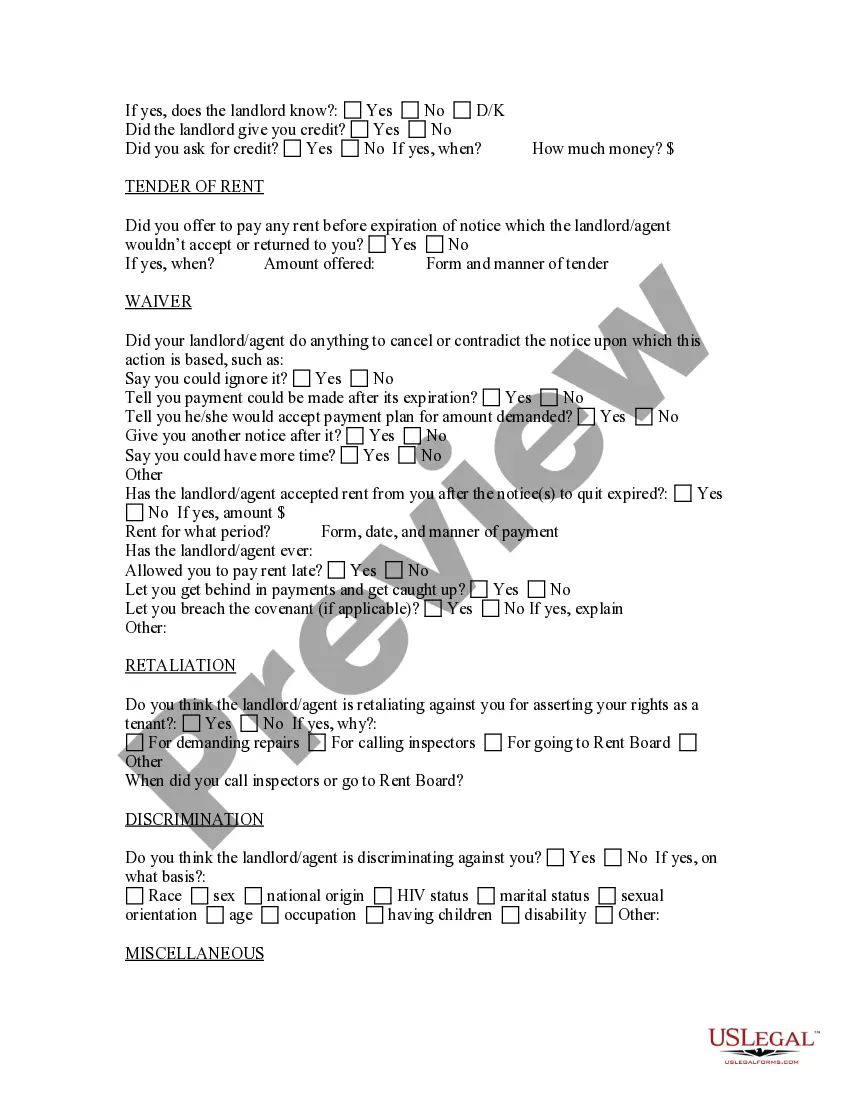
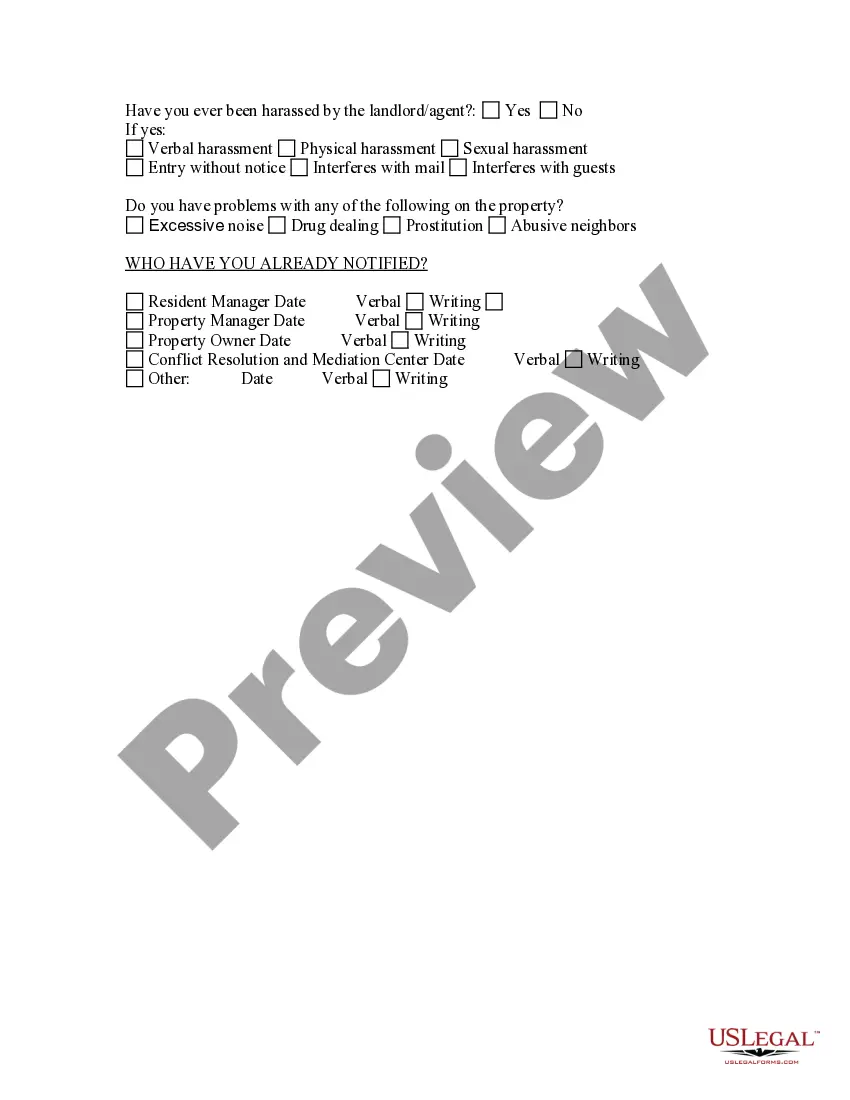

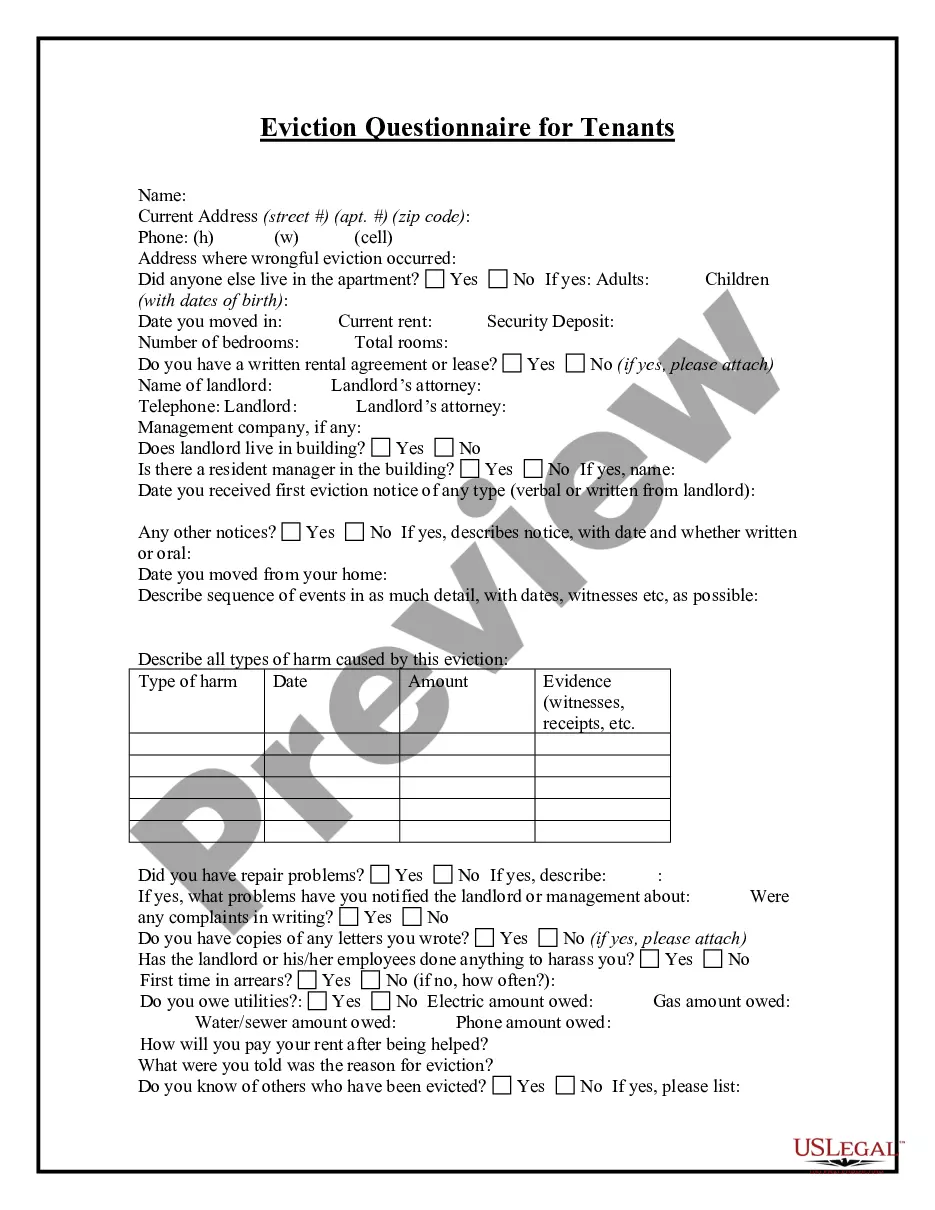
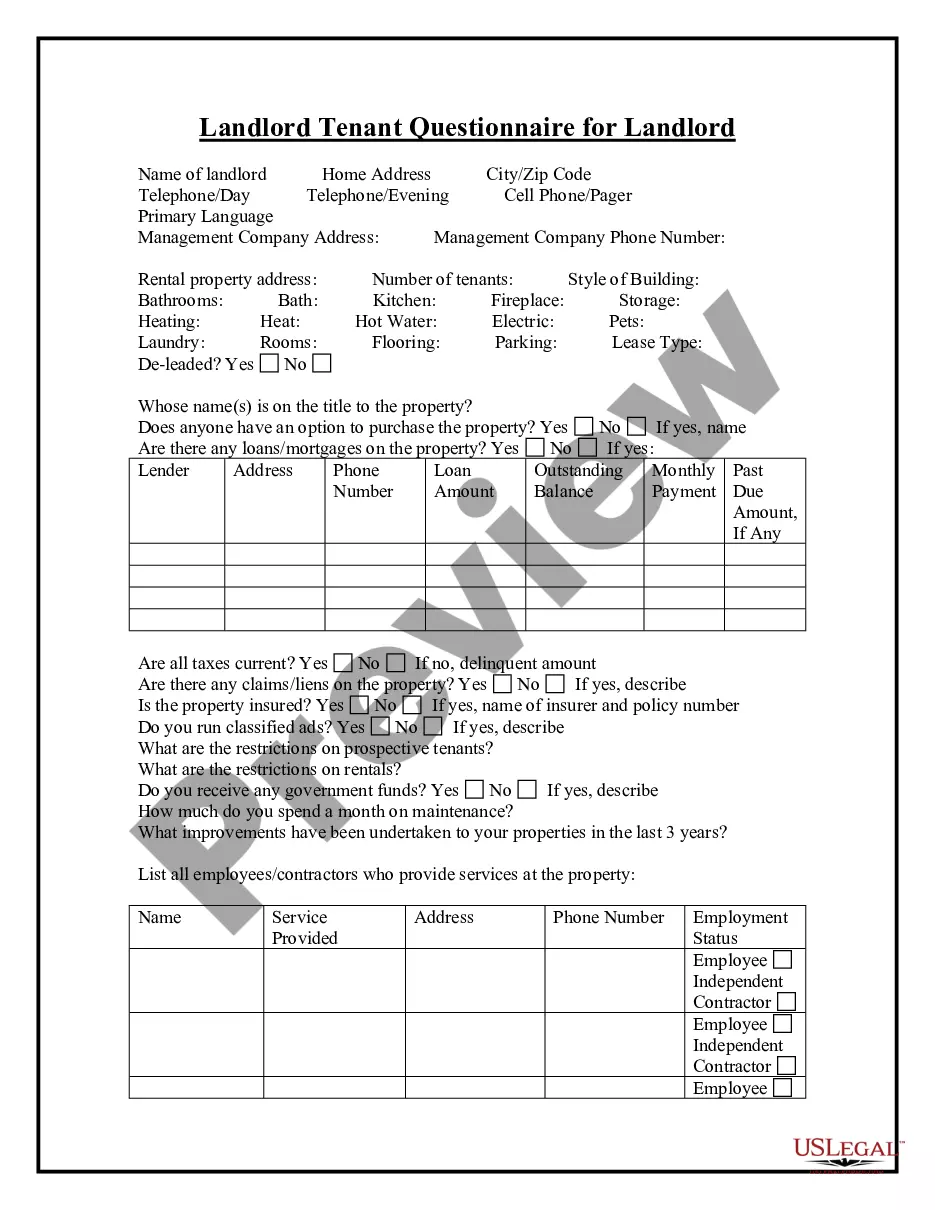
Get your form ready online
Our built-in tools help you complete, sign, share, and store your documents in one place.
Make edits, fill in missing information, and update formatting in US Legal Forms—just like you would in MS Word.
Download a copy, print it, send it by email, or mail it via USPS—whatever works best for your next step.
Sign and collect signatures with our SignNow integration. Send to multiple recipients, set reminders, and more. Go Premium to unlock E-Sign.
If this form requires notarization, complete it online through a secure video call—no need to meet a notary in person or wait for an appointment.
We protect your documents and personal data by following strict security and privacy standards.

Make edits, fill in missing information, and update formatting in US Legal Forms—just like you would in MS Word.

Download a copy, print it, send it by email, or mail it via USPS—whatever works best for your next step.

Sign and collect signatures with our SignNow integration. Send to multiple recipients, set reminders, and more. Go Premium to unlock E-Sign.

If this form requires notarization, complete it online through a secure video call—no need to meet a notary in person or wait for an appointment.

We protect your documents and personal data by following strict security and privacy standards.
Looking for another form?
How to fill out Landlord Tenant Relationship Questionnaire For Tenants?
Legal documents handling can be overwhelming, even for the most seasoned experts.
When you seek Rental Forms For Tax and lack the time to dedicate to finding the suitable and current version, the ordeal can be taxing.
Benefit from a repository of articles, guidelines, and resources pertinent to your context and requirements.
Save time and effort in locating the documents you require, and utilize US Legal Forms’ advanced search and Review feature to find and download Rental Forms For Tax.
Leverage the US Legal Forms online library, supported by 25 years of experience and reliability. Transform your daily document management into a seamless and user-friendly process today.
- If you possess a subscription, Log In to your US Legal Forms account, search for the form, and download it.
- Check your My documents tab to see the documents you have previously saved and manage your folders as you wish.
- If this is your initial time using US Legal Forms, create a free account and gain unrestricted access to all platform benefits.
- Outlined below are the steps to follow after accessing your desired form.
- Confirm this is the correct form by previewing it and reviewing its description.
- Ensure that the sample is recognized in your state or county.
- Click Buy Now once you are prepared.
- Select a monthly subscription plan.
- Choose the file format you require, and Download, complete, eSign, print, and send your document.
- Access state- or county-based legal and business forms.
- US Legal Forms accommodates all requirements you may have, ranging from personal to business documents, all in a single location.
- Employ sophisticated tools to complete and administer your Rental Forms For Tax.
Form popularity
FAQ
Ways the IRS can find out about rental income include routing tax audits, real estate paperwork and public records, and information from a whistleblower.
These expenses may include mortgage interest, property tax, operating expenses, depreciation, and repairs. You can deduct the ordinary and necessary expenses for managing, conserving and maintaining your rental property. Ordinary expenses are those that are common and generally accepted in the business.
Should I complete a Schedule C or a Schedule E if I am a real estate professional? Generally, unless you meet the qualifications to be considered a real estate professional, your rental income is passive and should be reported onto a Schedule E.
As per Section 24A of the Income Tax Act, a taxpayer is entitled to a 30 percent standard deduction from the rental income to cover expenses like renovation/repairs. The individual earning rental income must be the legal owner of the property to avail of the deductions permissible under the Income Tax.
More In Forms and Instructions Use Schedule E (Form 1040) to report income or loss from rental real estate, royalties, partnerships, S corporations, estates, trusts, and residual interests in real estate mortgage investment conduits (REMICs).