30b Deposition 30 Withholding
Description
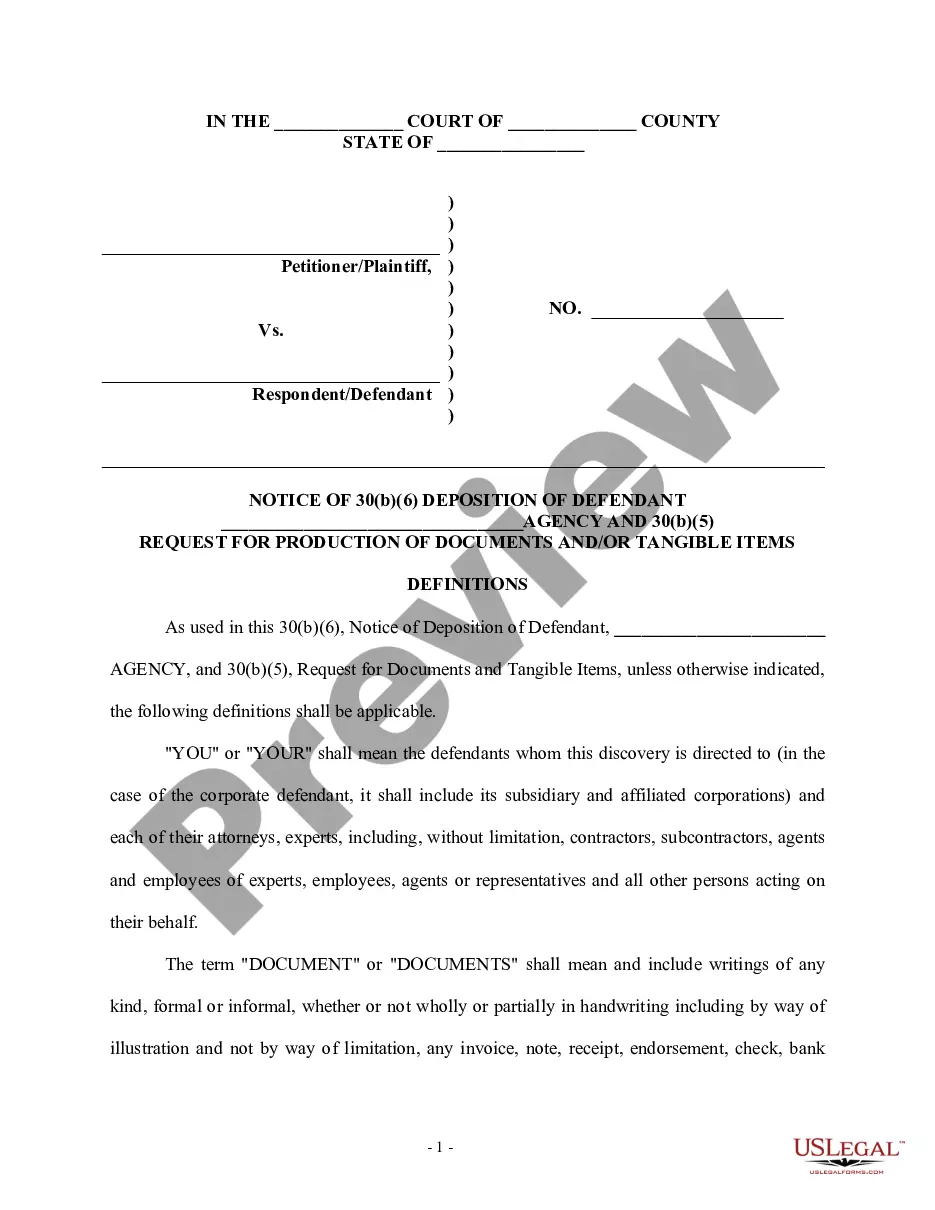
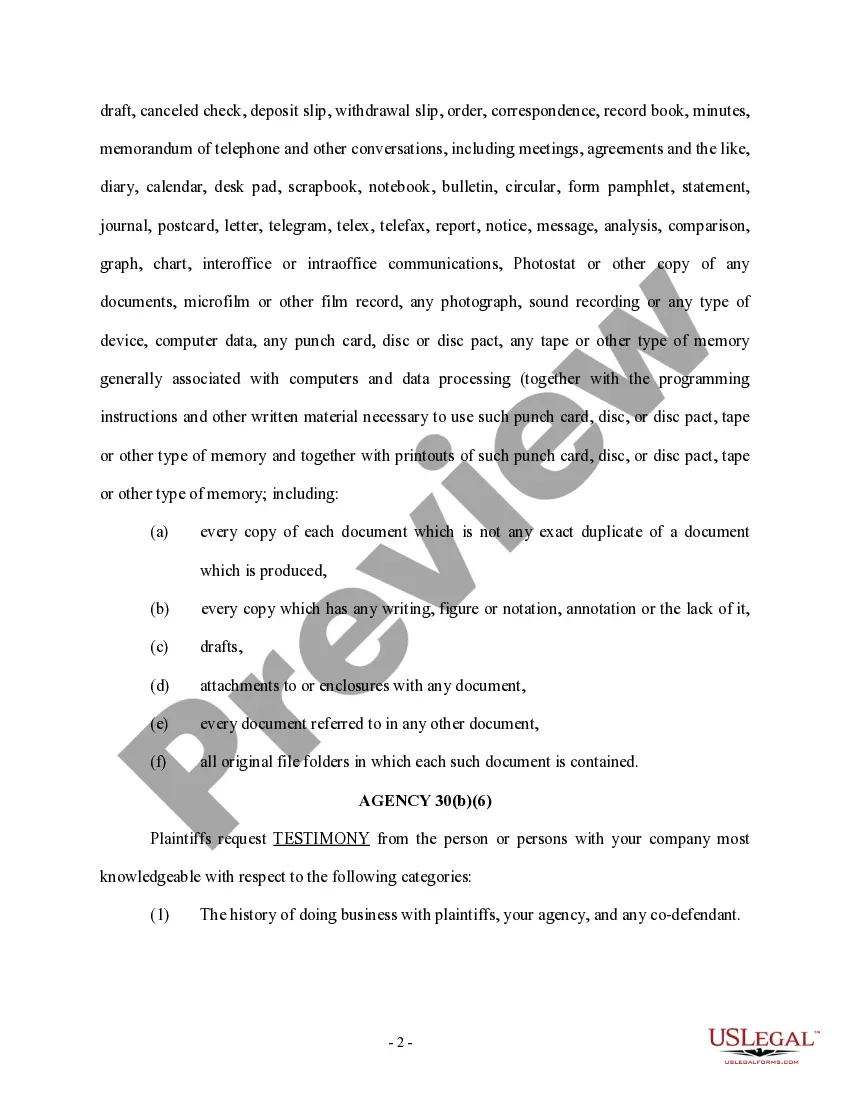
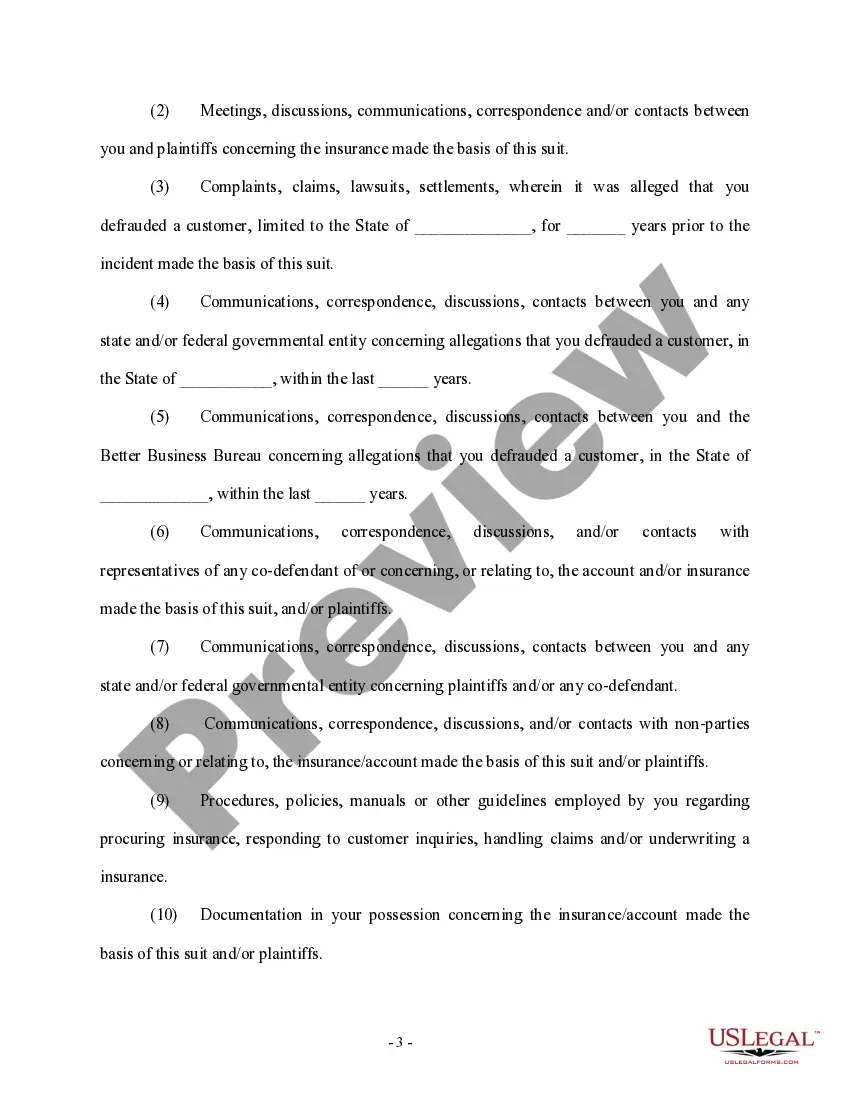
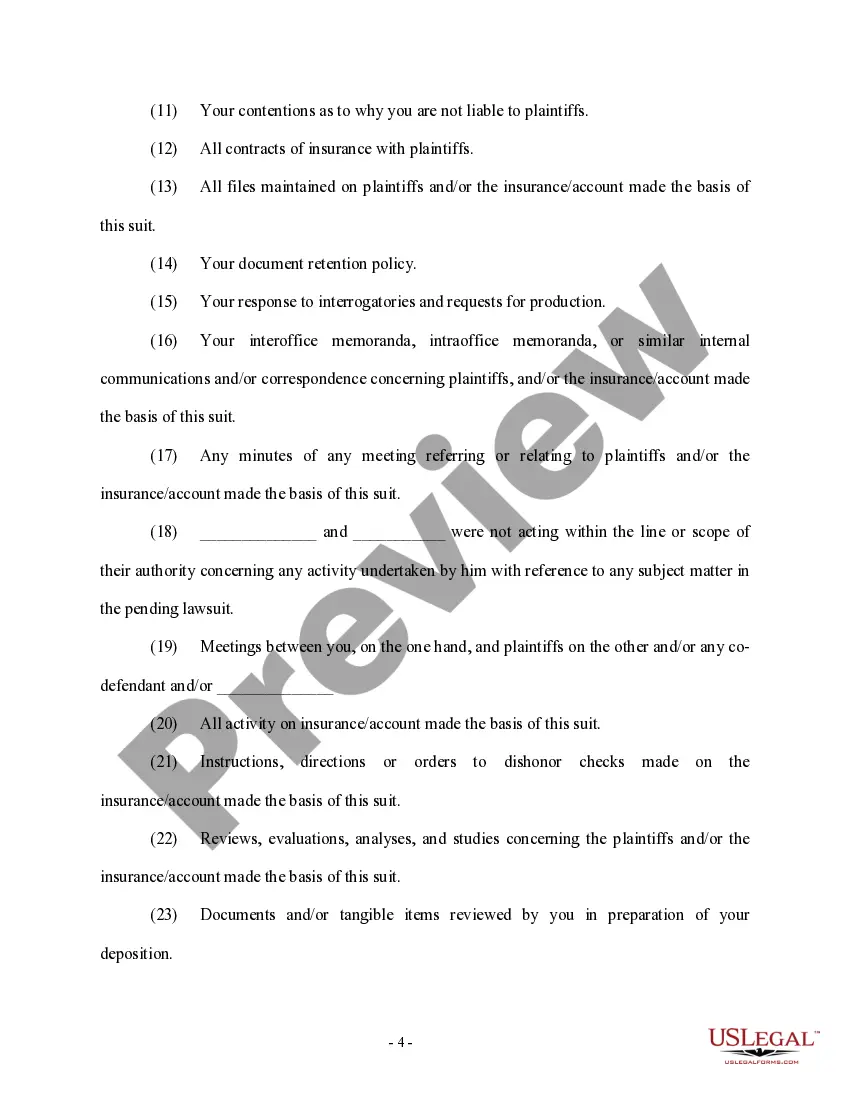
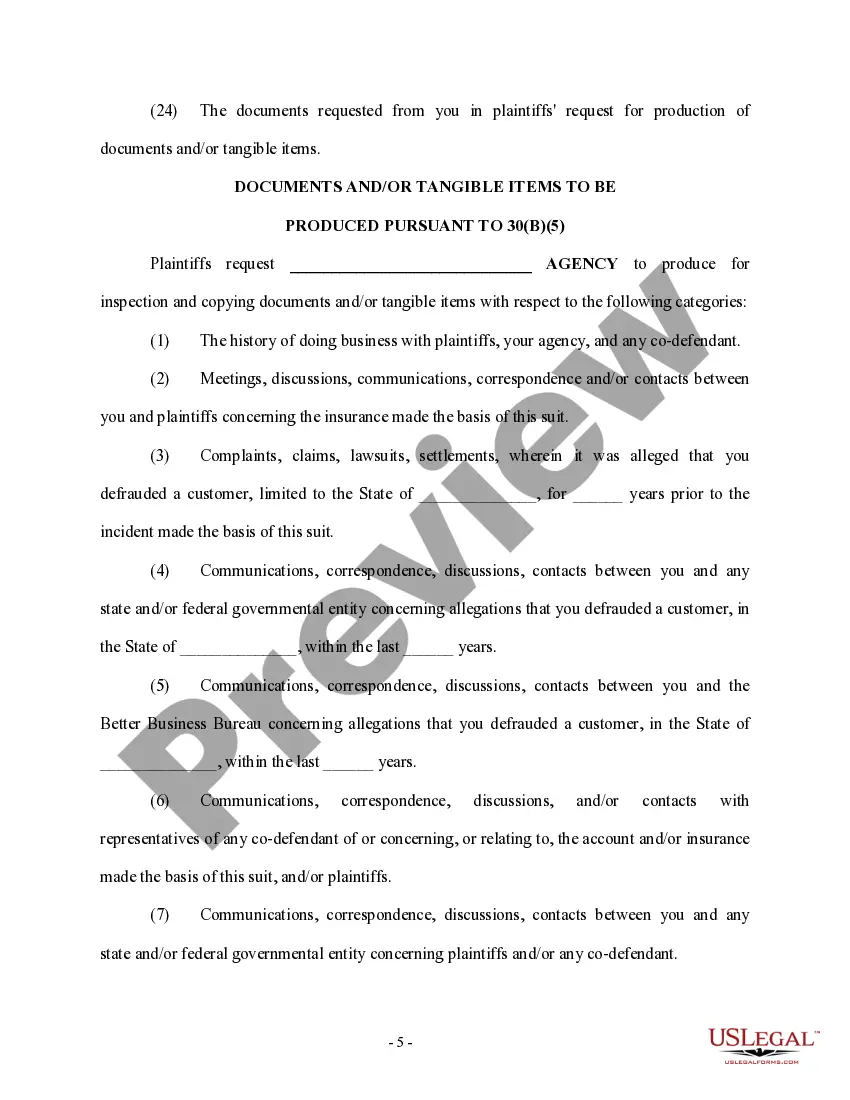
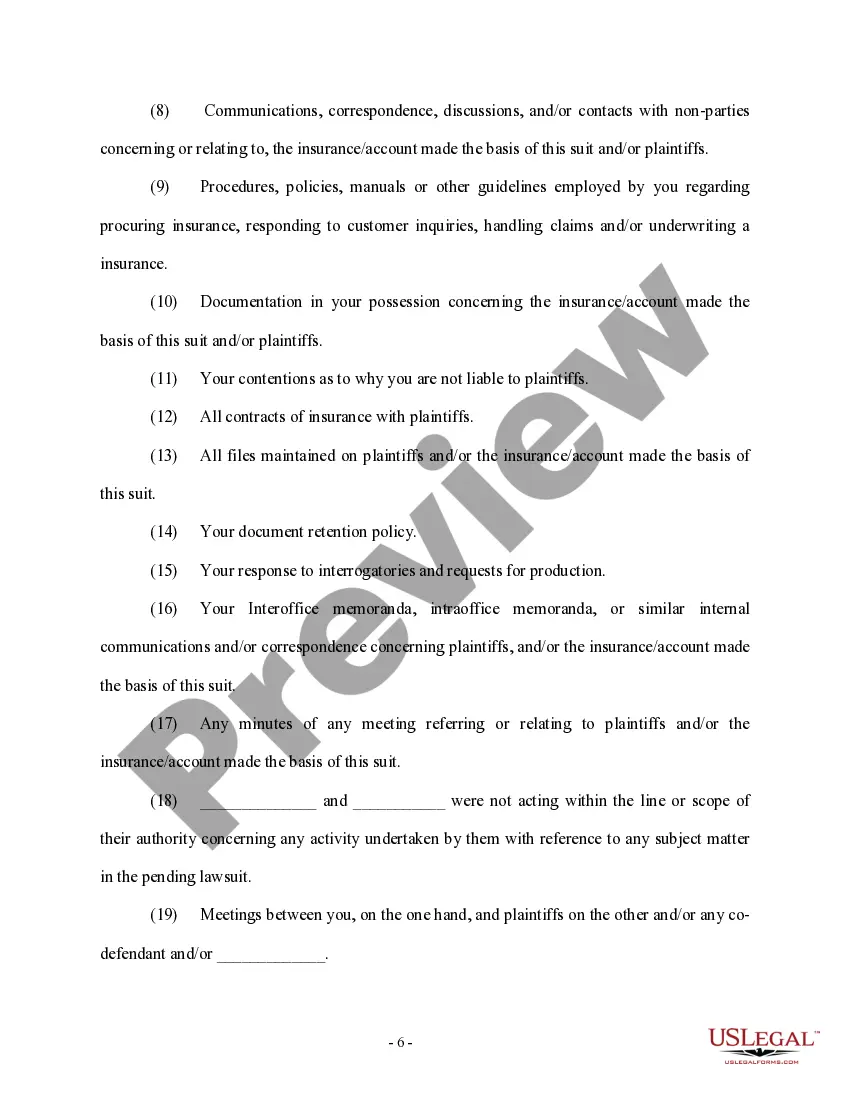
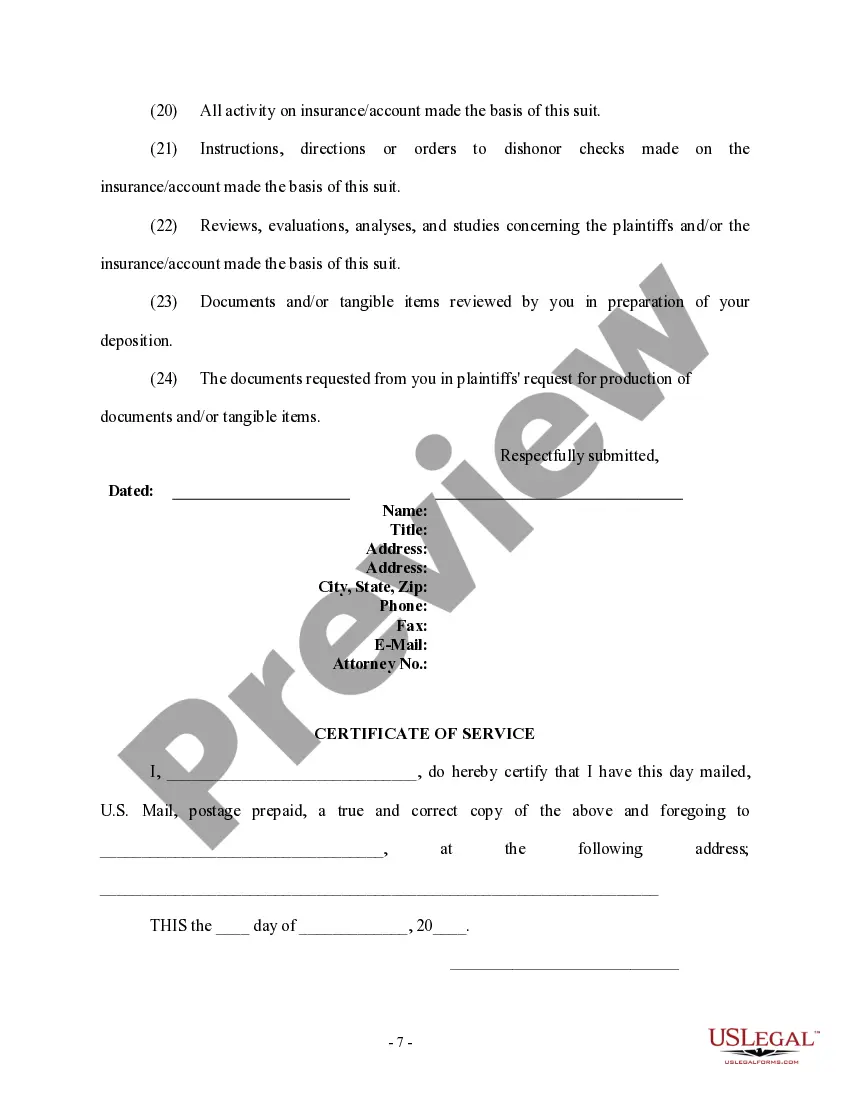
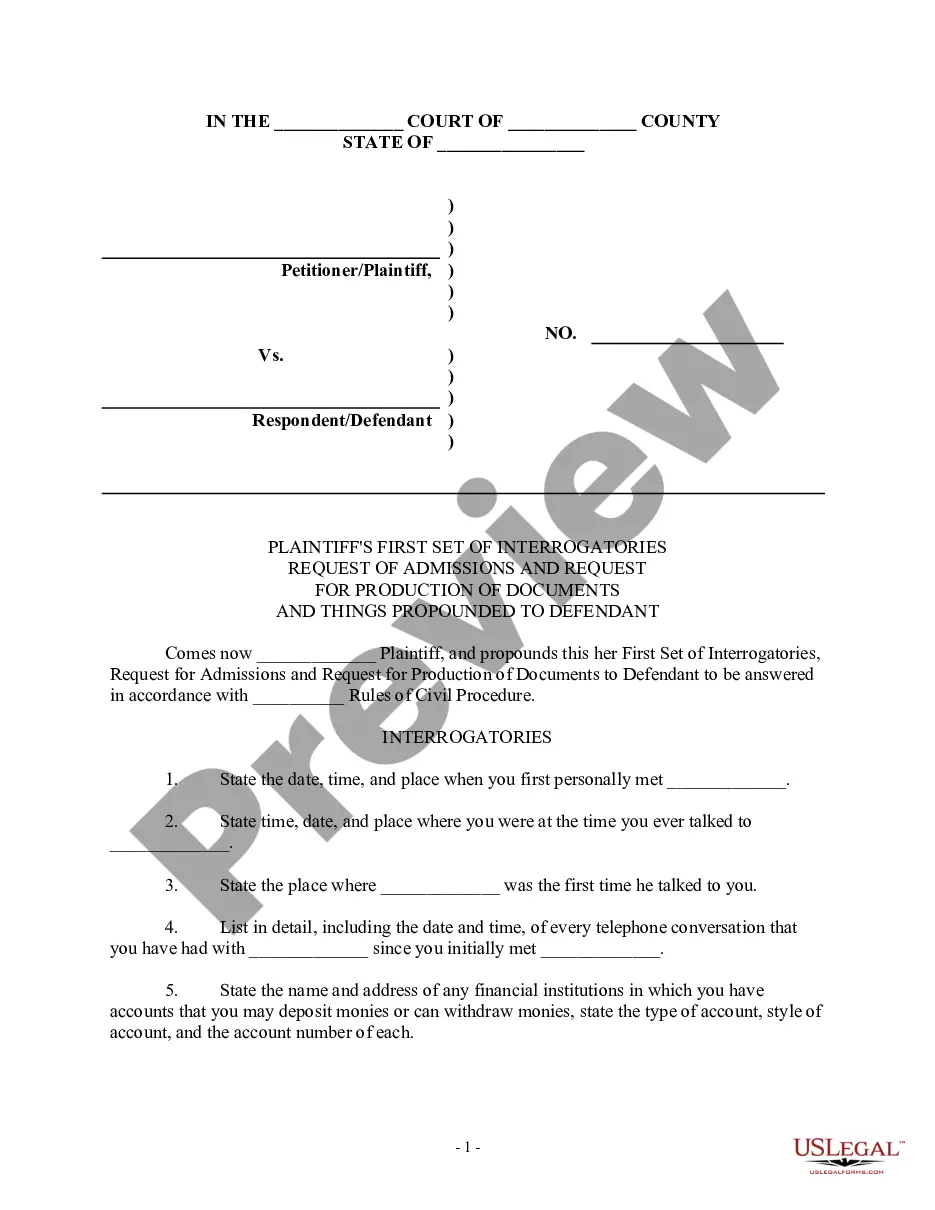
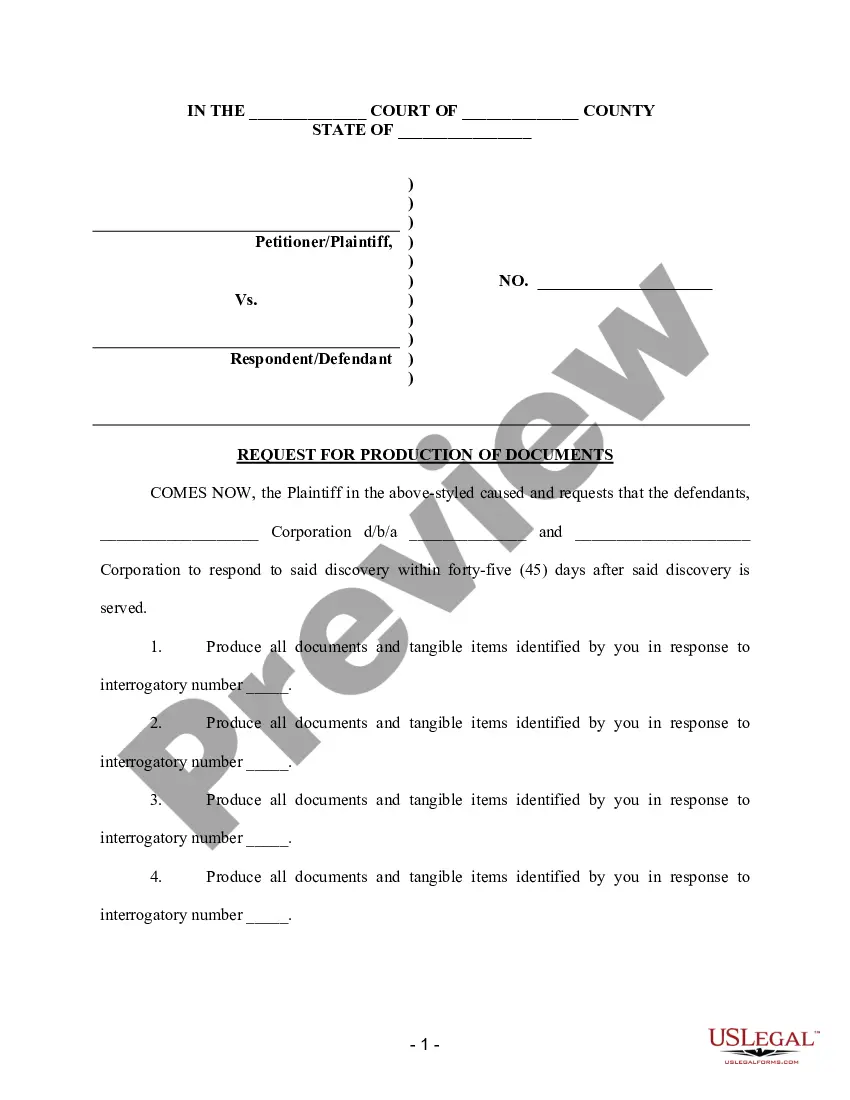
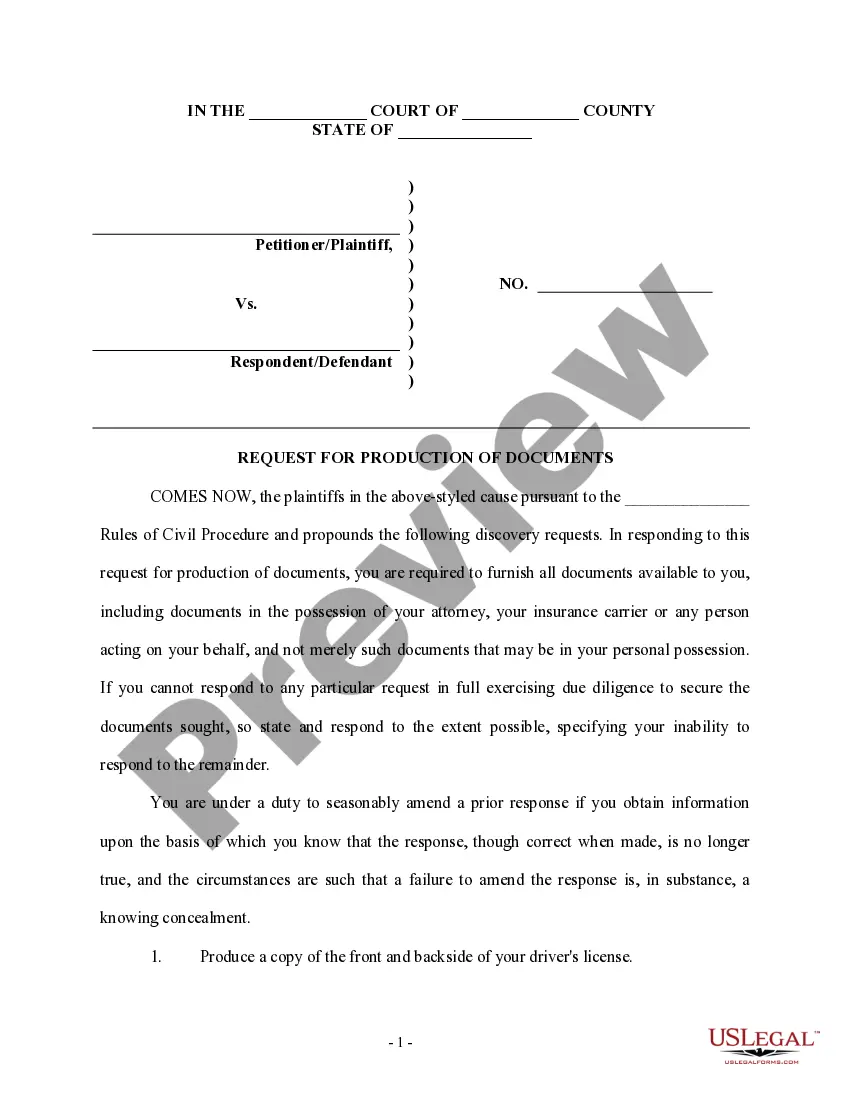
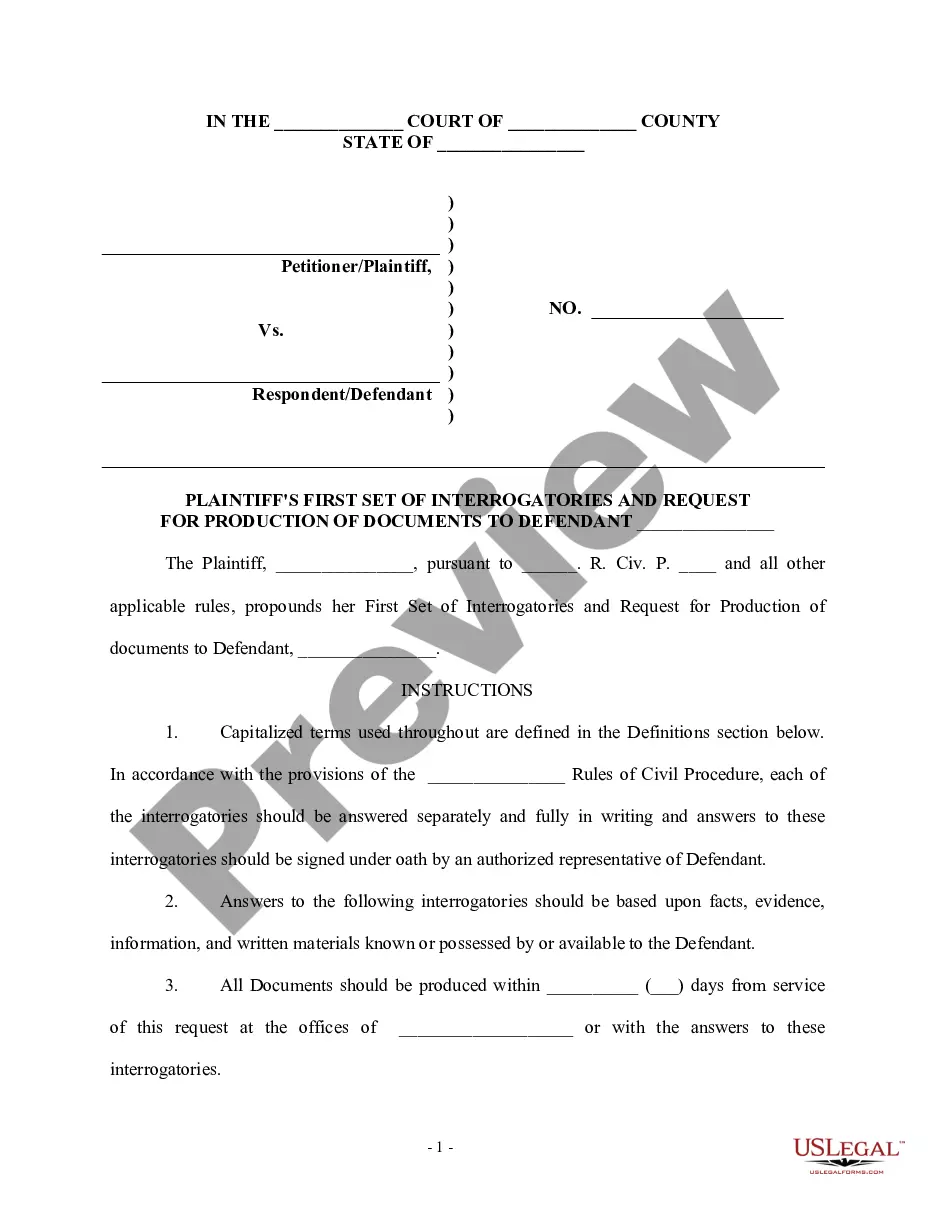
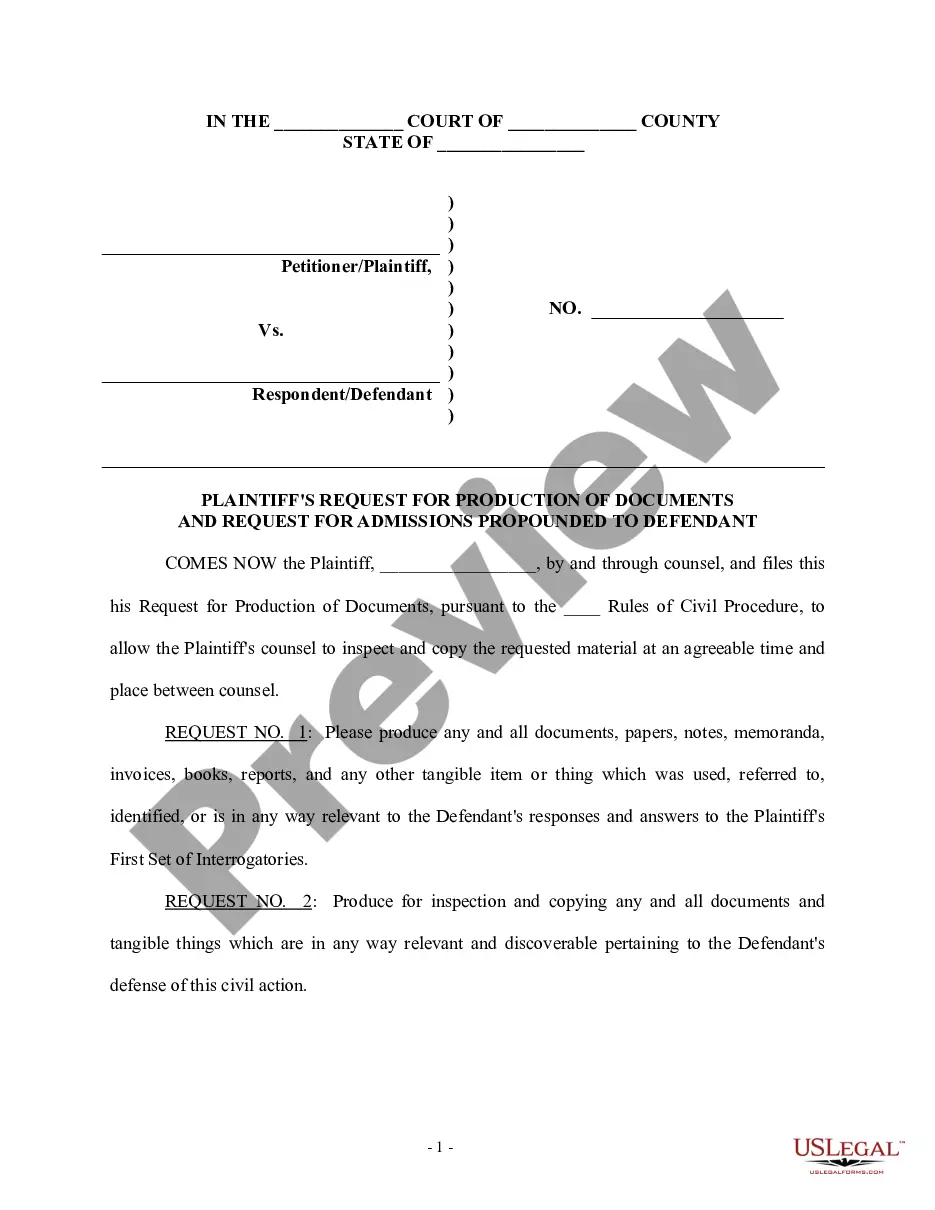
How to fill out Notice Of 30(b)(6) Deposition Of Defendant And 30(b)(5) Request For Production Of Documents And Or Things - Discovery?
Regardless of whether for commercial reasons or personal matters, everyone must handle legal circumstances at some point in their lives.
Filling out legal documents requires meticulous focus, starting from selecting the right form example. For example, if you select an incorrect version of a 30b Deposition 30 Withholding, it will be rejected once submitted. Thus, it is vital to have a reliable source for legal documents like US Legal Forms.
With an extensive US Legal Forms library available, you no longer have to waste time searching for the appropriate template online. Utilize the library's straightforward navigation to find the suitable form for any occasion.
- Obtain the template you require via the search bar or catalog navigation.
- Review the form's description to confirm it aligns with your situation, state, and county.
- Click on the form's preview to view it.
- If it is the wrong form, return to the search feature to find the 30b Deposition 30 Withholding sample you need.
- Acquire the template if it satisfies your requirements.
- If you possess a US Legal Forms account, simply click Log in to retrieve previously saved documents in My documents.
- In case you do not have an account yet, you can obtain the form by clicking Buy now.
- Select the appropriate pricing option.
- Complete the account registration form.
- Choose your payment method: use a credit card or PayPal account.
- Select the file format you wish and download the 30b Deposition 30 Withholding.
- After saving it, you can fill out the form using editing software or print it and complete it manually.
Form popularity
FAQ
When you receive a 30b6 deposition notice, you generally have 30 days to respond. This timeframe allows you to prepare your organization’s designated representative for the deposition. It's crucial to review the notice carefully and coordinate with relevant team members to gather the necessary information. Utilizing resources like USLegalForms can help streamline this process and ensure compliance with legal requirements.
To calculate deposition time for a 30b deposition 30 withholding, start by determining the number of hours allocated for each party's questioning. Typically, a full day of deposition allows for seven hours of questioning. Then, factor in breaks and any additional time needed for objections or discussions between attorneys. It's essential to stay organized and keep track of time to ensure a smooth deposition process.
Drafting a notice of deposition involves several key elements to ensure clarity and compliance with legal requirements. Begin by stating the time, date, and location of the deposition, along with the name of the deponent. Clearly outline the topics or documents required to prevent misunderstandings regarding 30 withholding. Utilizing platforms like US Legal Forms can simplify this process by providing templates and guidance, ensuring that your notice is professional and legally sound.
Rule 30 of the Tennessee Rules of Civil Procedure governs depositions, outlining the process and requirements for taking depositions in civil cases. This rule allows parties to depose witnesses and gather testimony under oath, which is crucial for building a case. Understanding the specifics of Rule 30 can help you avoid pitfalls such as improper 30 withholding, ensuring that you gather the necessary information for your legal strategy. Familiarizing yourself with this rule can enhance your effectiveness in depositions.
Conducting a 30b deposition under Rule 30(b)(6) requires careful planning and preparation. First, you need to provide notice that identifies the topics for examination, allowing the corporation to prepare a knowledgeable representative. During the deposition, ask clear and focused questions to gather detailed information about the specified subjects, keeping in mind the importance of compliance to minimize any potential 30 withholding issues. Using a structured approach will help you obtain valuable insights and evidence.
When preparing for a 30b deposition, the opposing party must be served with a notice that details the requirements for producing documents. This notice should specify which documents are needed and the date, time, and location of the deposition. Serving this notice ensures that both parties understand their obligations regarding document production and helps prevent any issues related to 30 withholding. Properly drafting this notice can streamline the deposition process.
An objection must be stated concisely in a nonargumentative and nonsuggestive manner. A person may instruct a deponent not to answer only when necessary to preserve a privilege, to enforce a limitation ordered by the court, or to present a motion under Rule 30(d)(3).
Person most knowledgeable are persons who are appointed mainly by Corporations and Government agencies to testify on their behalf. The Federal Rules of Civil Procedure recognize that a corporation may only participate in a lawsuit by relying on the testimony of its designated representatives.
Rule 30-Depositions Upon Oral Examination. (a) When Depositions May be Taken; When Leave Required. (1) A party may take the testimony of any person, including a party, by deposition upon oral examination without leave of court except as provided in paragraph (2).
The testimony of a Rule 30(b)(6) designee goes to the knowledge of the corporate entity, not of the individual representative of the organization. Rule 30(b)(6) designees present the organization's position on the noticed topics and provide the entity's interpretation of events and documents.