Motion For Order Striking Answer And Entering Default
Description
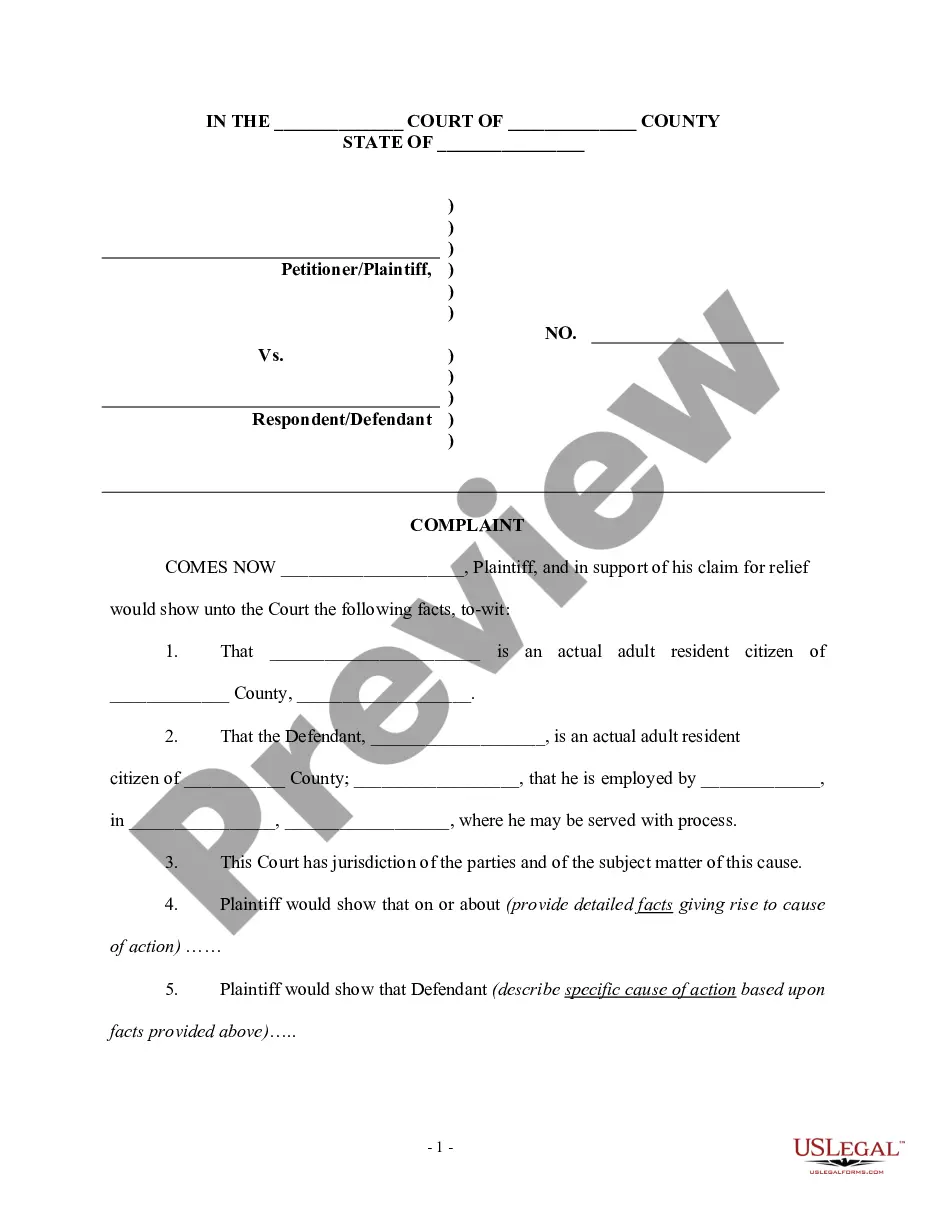
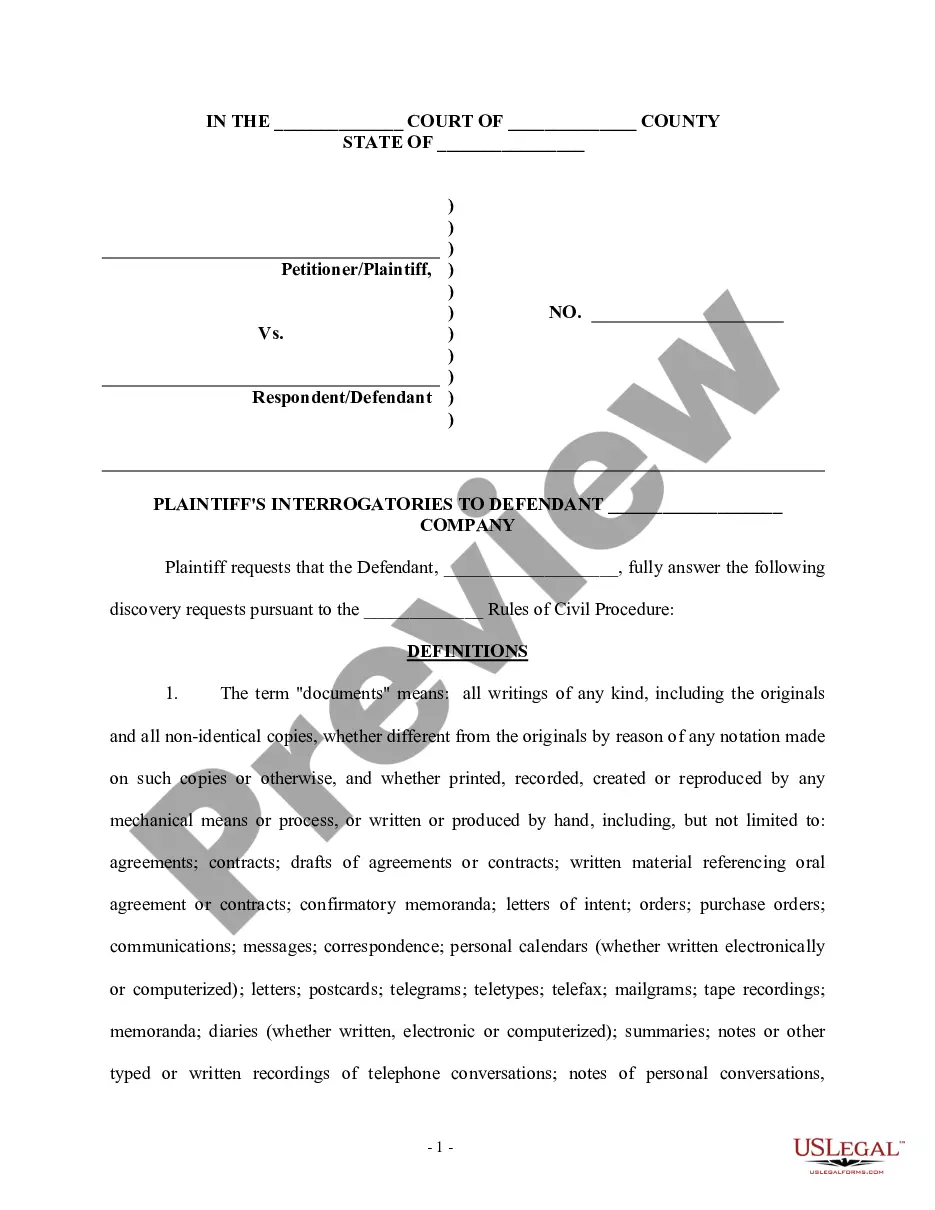
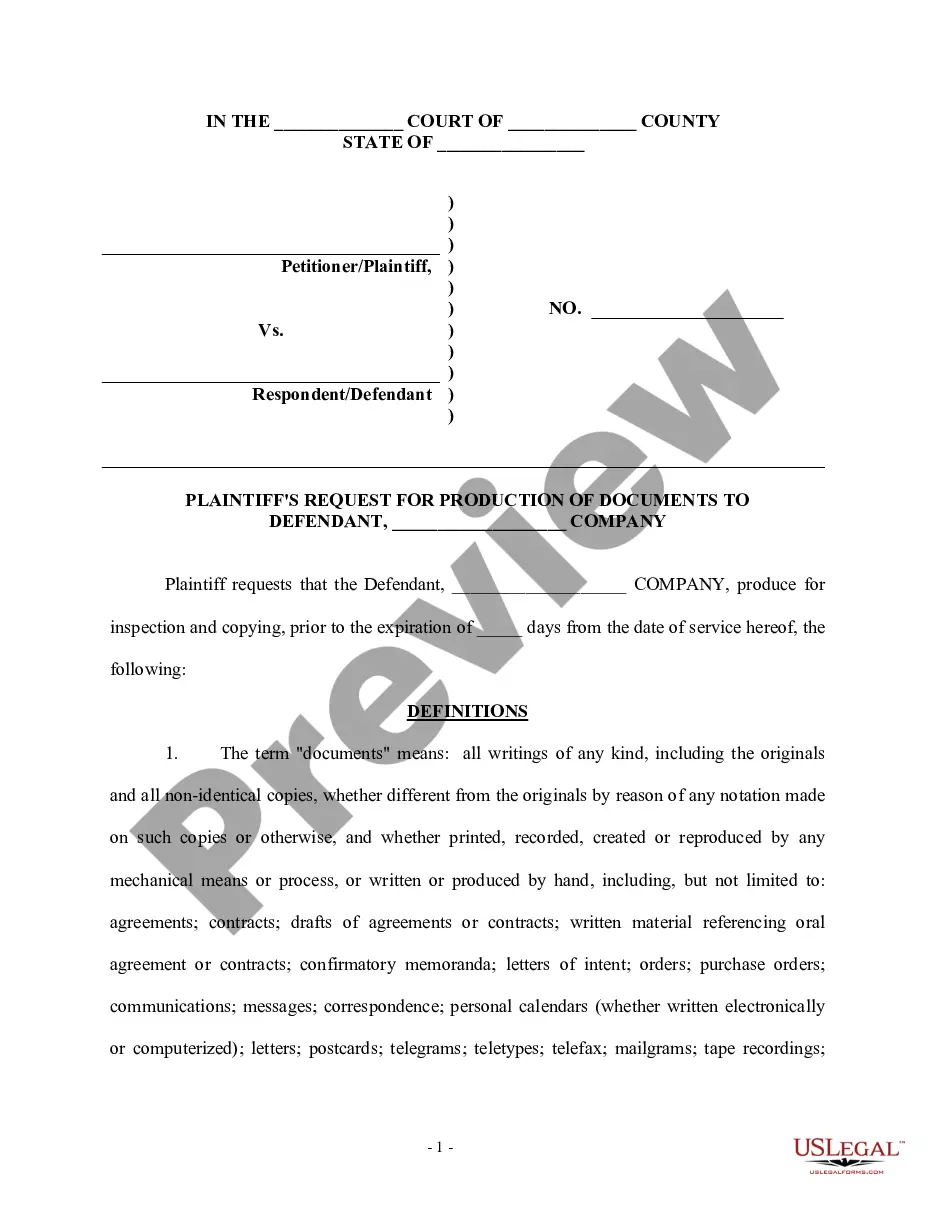
Get your form ready online
Our built-in tools help you complete, sign, share, and store your documents in one place.
Make edits, fill in missing information, and update formatting in US Legal Forms—just like you would in MS Word.
Download a copy, print it, send it by email, or mail it via USPS—whatever works best for your next step.
Sign and collect signatures with our SignNow integration. Send to multiple recipients, set reminders, and more. Go Premium to unlock E-Sign.
If this form requires notarization, complete it online through a secure video call—no need to meet a notary in person or wait for an appointment.
We protect your documents and personal data by following strict security and privacy standards.

Make edits, fill in missing information, and update formatting in US Legal Forms—just like you would in MS Word.

Download a copy, print it, send it by email, or mail it via USPS—whatever works best for your next step.

Sign and collect signatures with our SignNow integration. Send to multiple recipients, set reminders, and more. Go Premium to unlock E-Sign.

If this form requires notarization, complete it online through a secure video call—no need to meet a notary in person or wait for an appointment.

We protect your documents and personal data by following strict security and privacy standards.
Looking for another form?
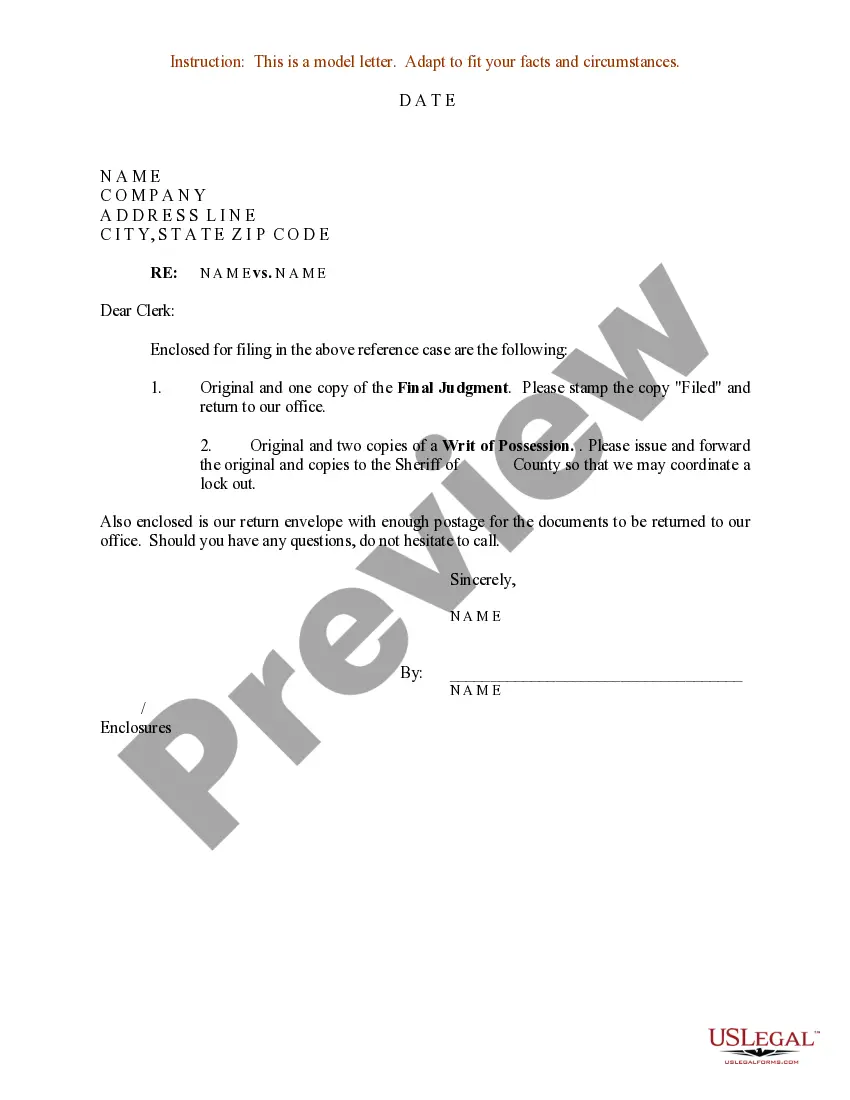
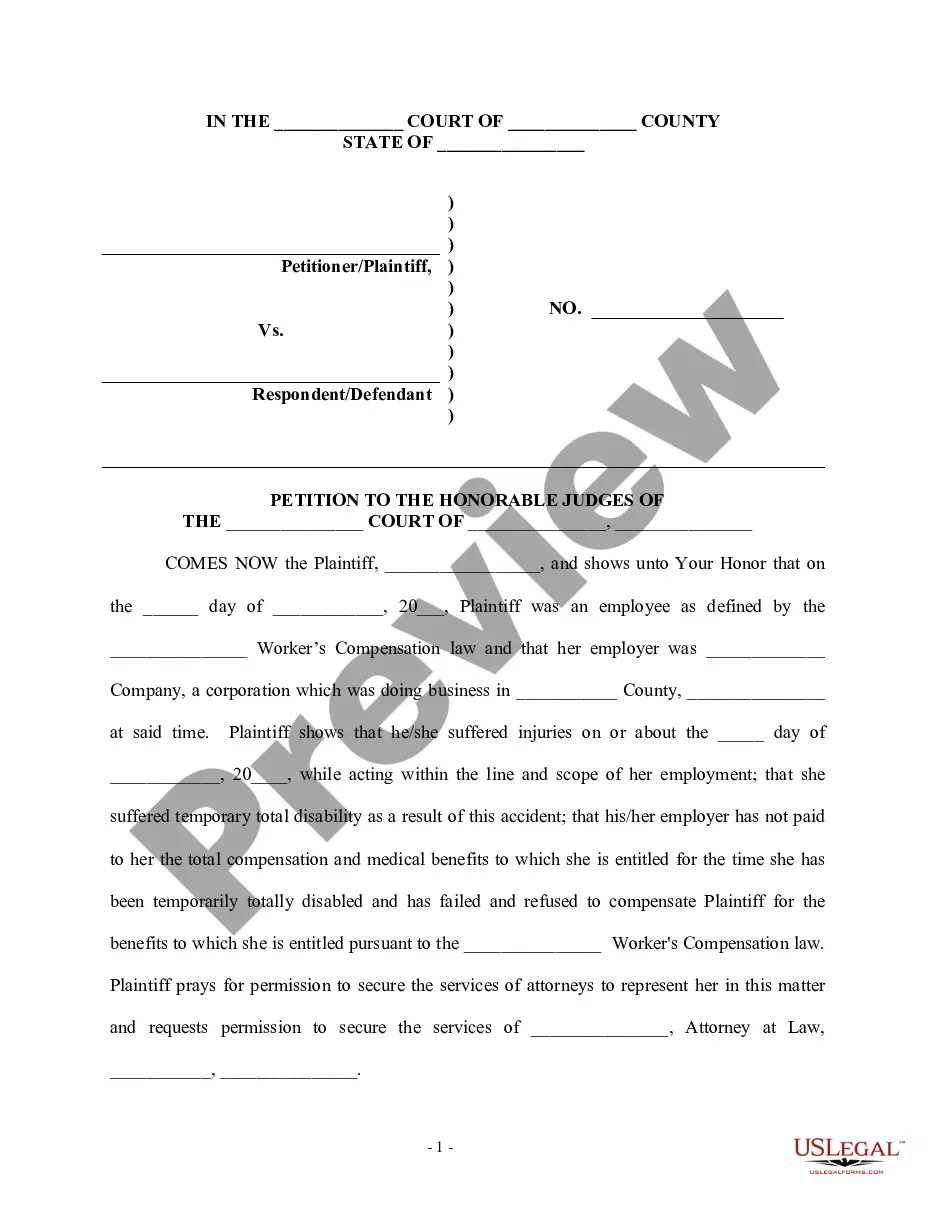
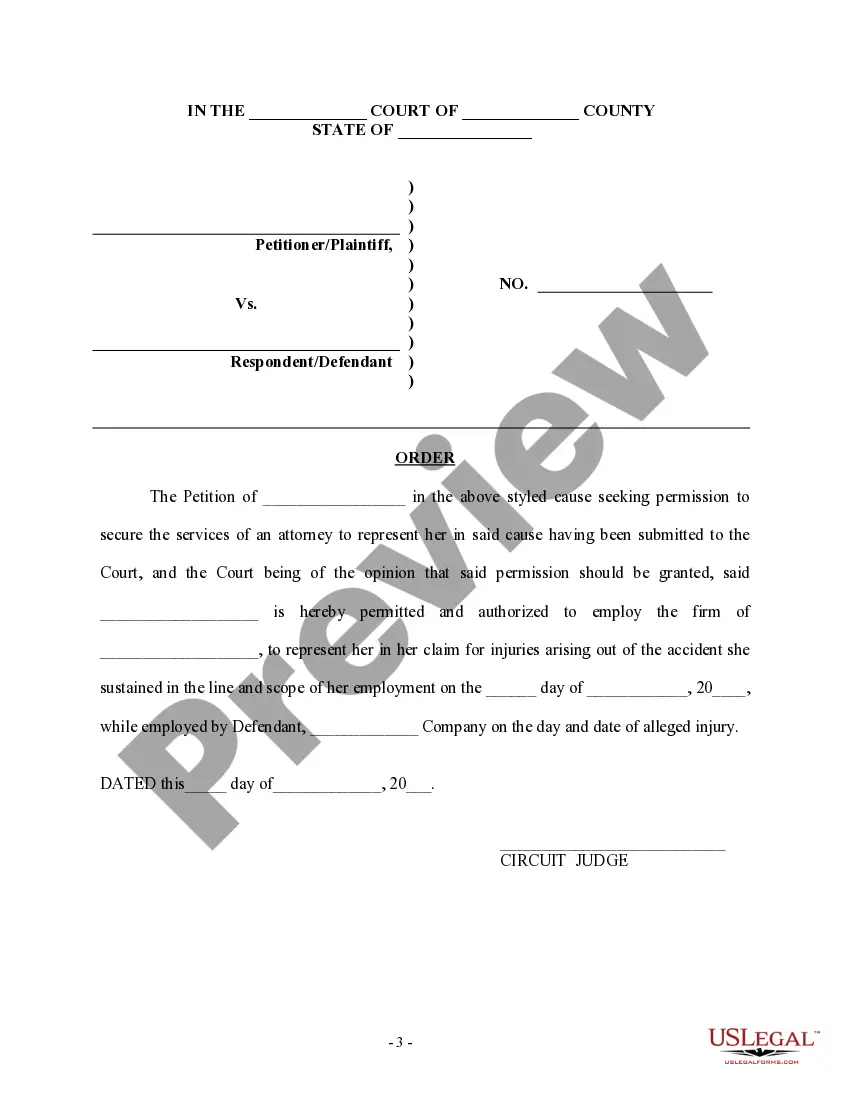
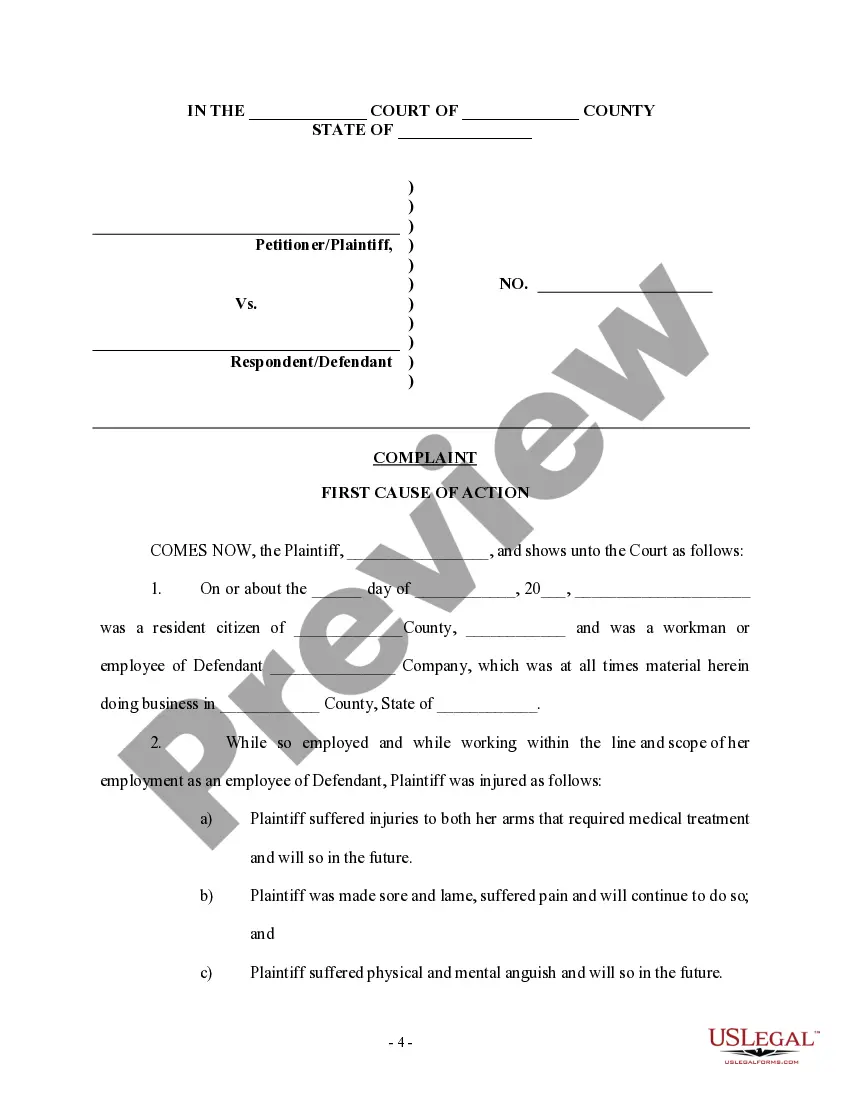
How to fill out Motion, Order And Complaint - Worker's Compensation - Wrongful Termination?
The Motion For Order Striking Answer And Entering Default displayed on this page is a versatile legal template crafted by expert attorneys in compliance with federal and state statutes and regulations.
For over 25 years, US Legal Forms has offered individuals, businesses, and legal practitioners more than 85,000 verified, state-specific forms for any commercial and personal situation.
Enroll in US Legal Forms to access verified legal templates for all of life’s situations whenever you need them.
- Search for the document you require and review it.
- Browse through the sample you queried and preview it or examine the form description to ensure it meets your needs. If it does not, utilize the search feature to locate the suitable one. Click Buy Now when you locate the template you seek.
- Register and Log Into your account.
- Choose the pricing option that fits you and create an account. Use PayPal or a credit card to make an immediate payment. If you already have an account, Log In and review your subscription to proceed.
- Obtain the editable template.
Form popularity
FAQ
A motion for judgment in default of defense is a request to the court when one party fails to respond or appear in a legal matter. This motion seeks a judgment in favor of the party that presented it, often leading to a resolution without a full trial. If you're facing such a situation, a motion for order striking answer and entering default might be necessary to proceed effectively.
A motion to vacate a judgment in Maryland allows a party to request that the court nullify or set aside a previous ruling. This motion can be based on several grounds, including new evidence or improper procedure. Utilizing a motion for order striking answer and entering default can be part of the process if a default judgment needs to be contested.
A motion for default judgment is a request made to the court to enter a judgment against a party who has failed to respond or appear in a case. This type of motion asserts that the absence of a response constitutes an admission of the complaint's allegations. Understanding the ins and outs of this process is vital, especially when preparing a motion for order striking answer and entering default.
To remove a default judgment, you typically need to file a motion with the court to vacate or set aside the judgment. In this motion, provide your reasons and any evidence that supports your case. Engaging in the motion for order striking answer and entering default can be essential, as it outlines the appropriate legal steps to challenge the default and potentially restore your rights.
A default judgment can be entered when a defendant fails to respond to a complaint within a specified time frame. This generally occurs after the court has issued a summons. In the context of a motion for order striking answer and entering default, it's crucial to note that the plaintiff can file for default if the defendant does not provide a timely answer to the allegations.
To apply for a default judgment, first ensure you have filed a motion for order striking answer and entering default with credible documentation. Next, submit an application to the court, detailing your grounds for the judgment and any evidence. The court will review your application and may schedule a hearing where you can present your case. Remember, clear documentation and adherence to court rules are crucial for success.
To request a default judgment, start by filing a motion for order striking answer and entering default with the court. Ensure you provide proof of service to demonstrate the defendant received the complaint. After this, you can present your case and any supporting documents showing the grounds for default. It’s essential to follow your jurisdiction's specific rules to ensure your motion is valid.