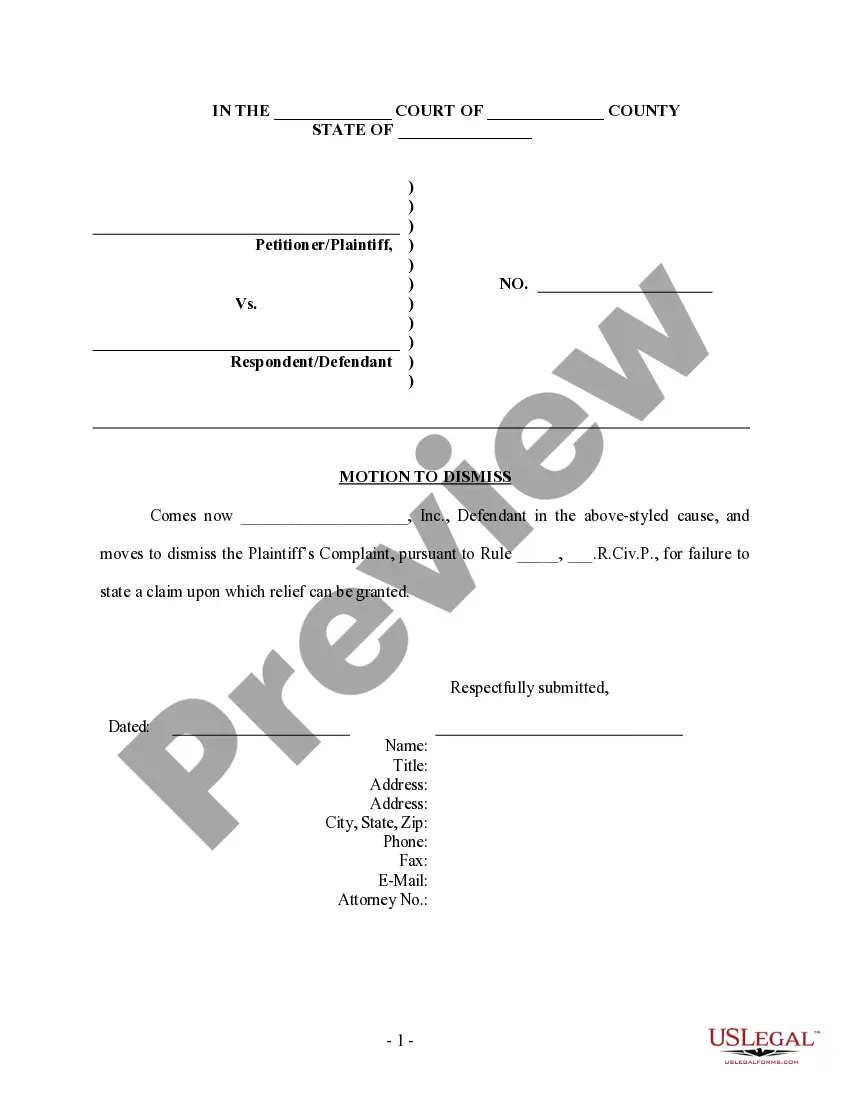
Motion For Reconsideration With Motion To Inhibit
Description


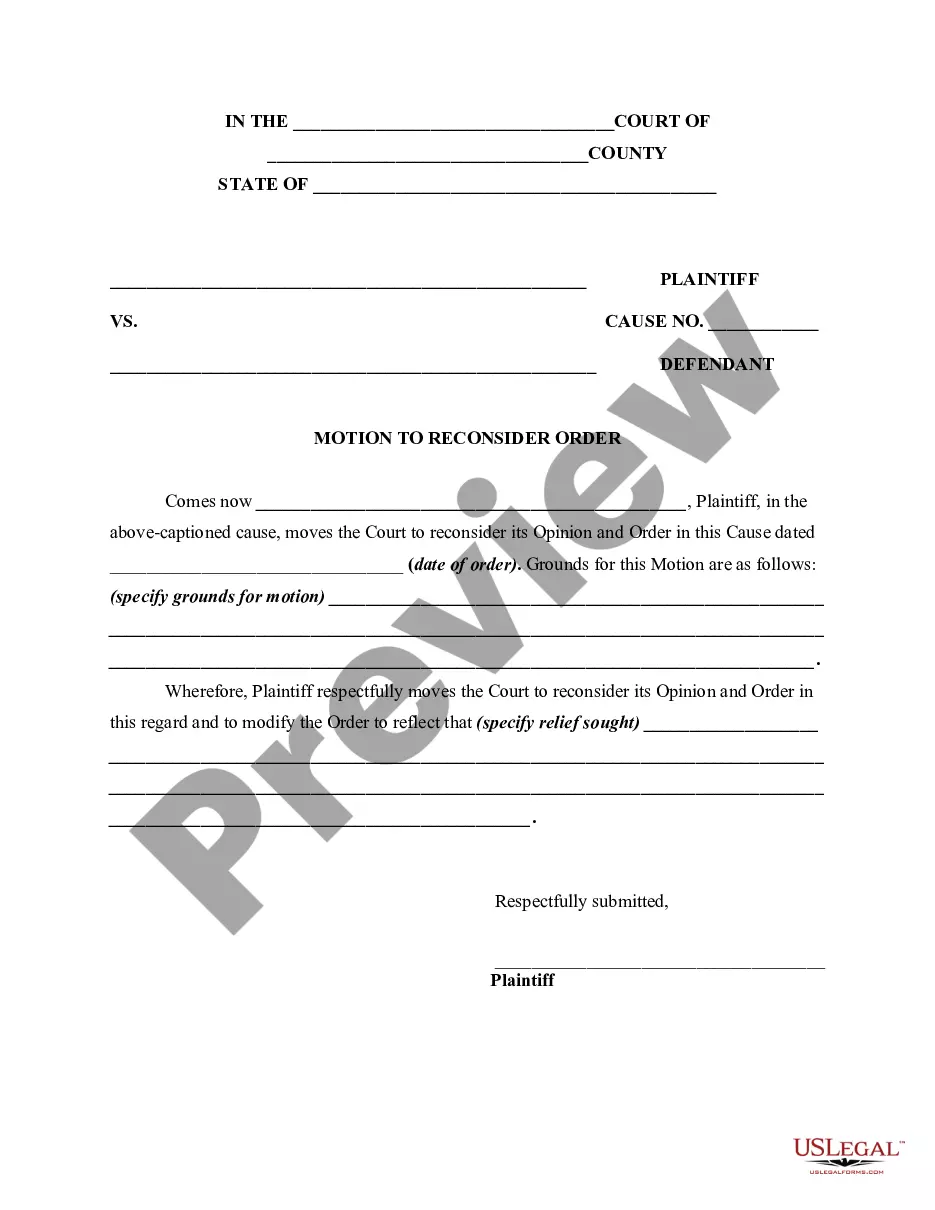
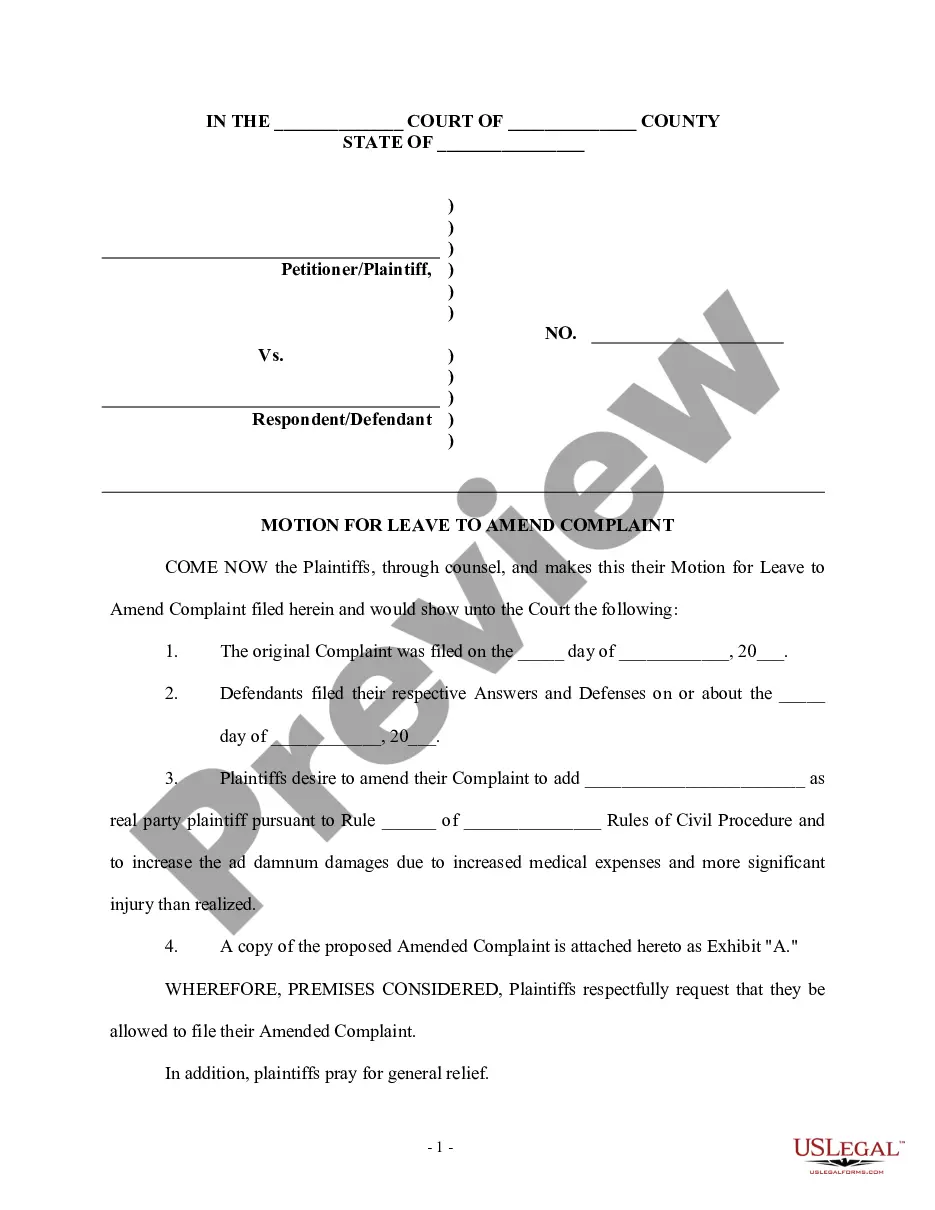
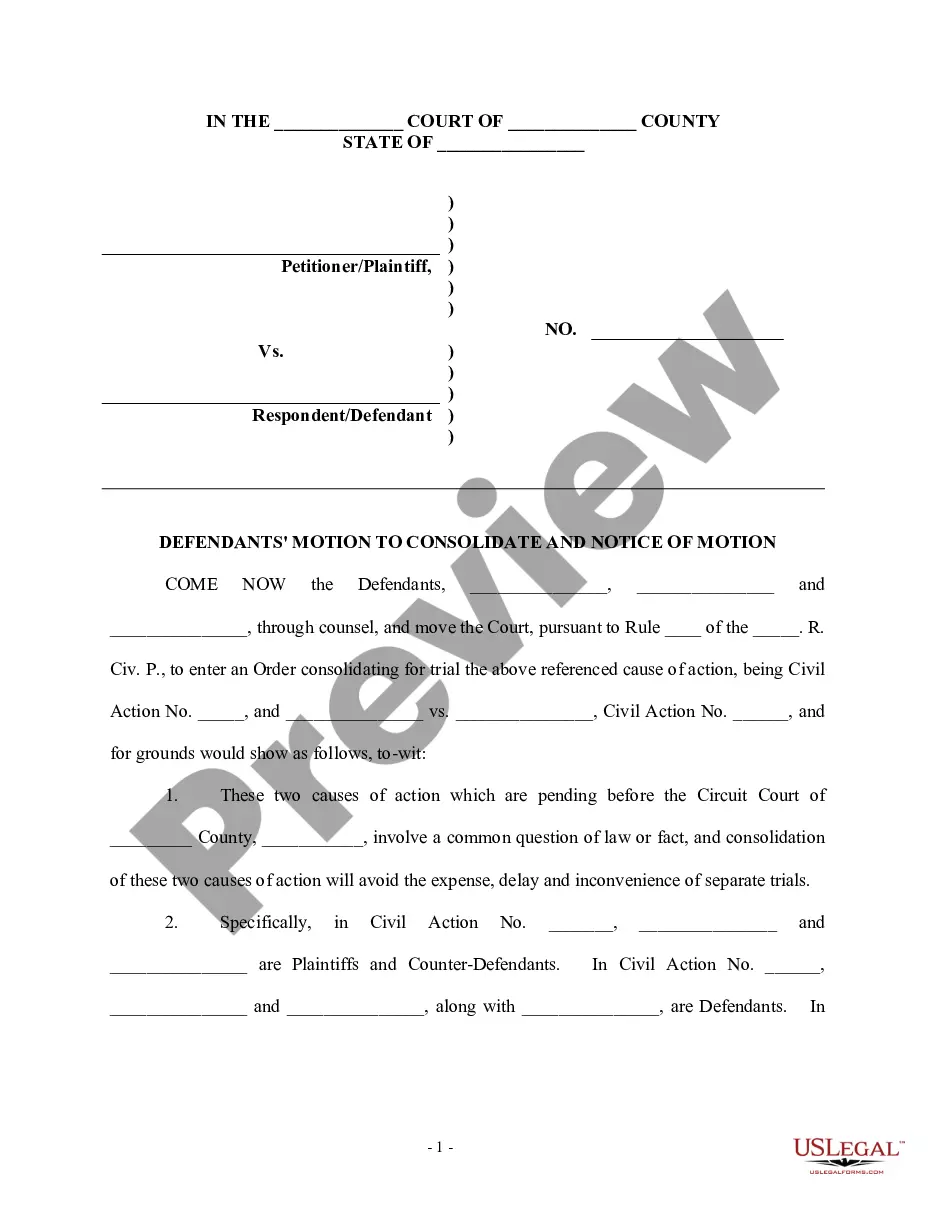
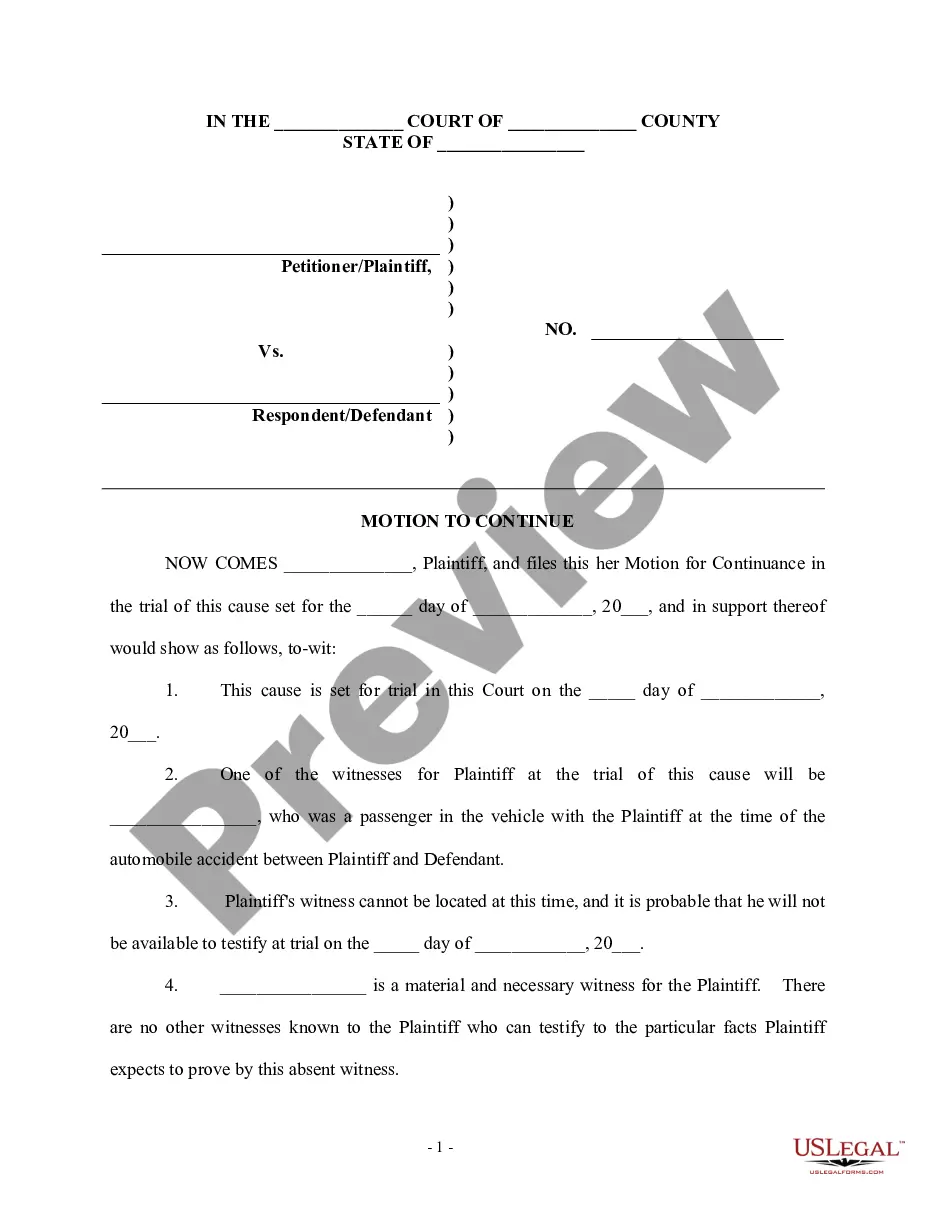
Get your form ready online
Our built-in tools help you complete, sign, share, and store your documents in one place.
Make edits, fill in missing information, and update formatting in US Legal Forms—just like you would in MS Word.
Download a copy, print it, send it by email, or mail it via USPS—whatever works best for your next step.
Sign and collect signatures with our SignNow integration. Send to multiple recipients, set reminders, and more. Go Premium to unlock E-Sign.
If this form requires notarization, complete it online through a secure video call—no need to meet a notary in person or wait for an appointment.
We protect your documents and personal data by following strict security and privacy standards.

Make edits, fill in missing information, and update formatting in US Legal Forms—just like you would in MS Word.

Download a copy, print it, send it by email, or mail it via USPS—whatever works best for your next step.

Sign and collect signatures with our SignNow integration. Send to multiple recipients, set reminders, and more. Go Premium to unlock E-Sign.

If this form requires notarization, complete it online through a secure video call—no need to meet a notary in person or wait for an appointment.

We protect your documents and personal data by following strict security and privacy standards.
Looking for another form?









Form popularity
FAQ
Yes, you can file a motion to dismiss in a criminal case in the Philippines based on specific legal grounds. Common reasons include lack of evidence or procedural errors. When drafting this motion, consider incorporating a motion for reconsideration with motion to inhibit if you face any adverse rulings that could affect your defense.
The grounds for a motion for reconsideration can include newly discovered evidence, an error in the judgment, or a misinterpretation of the law. It serves as an essential tool to address any perceived mistakes made during the initial ruling. When considering a motion for reconsideration with motion to inhibit, you should ensure your arguments are well-founded and clearly articulated.
Grave abuse of discretion occurs when a decision made by a judge or court is so unreasonable or arbitrary that it shocks the conscience. In this context, it can play a critical role when filing a motion for reconsideration with motion to inhibit. If you believe that a judge acted with grave abuse of discretion, your motion may seek to overturn their decision.
Making an appeal means formally requesting that a higher court review and change the decision made by a lower court. This process involves submitting various documents, including the notice of appeal and arguments supporting your position. If you believe that a lower court's ruling is unjust, exploring a motion for reconsideration with motion to inhibit may also be a suitable option before proceeding with an appeal.
Claims reconsideration refers to the process of reviewing a previously denied insurance claim or any other claim. This often requires the claimant to provide additional evidence to justify the reconsideration. Utilizing a motion for reconsideration with motion to inhibit can be beneficial in structuring your request and ensuring all necessary information is presented effectively.
Reconsideration is the process by which a party asks a court or administrative body to review and possibly change a previous ruling. This often occurs when new information comes to light that may affect the decision. Submitting a motion for reconsideration with motion to inhibit can help clarify any aspects of the case that may have been overlooked.
To submit a motion for reconsideration, draft a clear motion outlining your reasons for seeking reconsideration. Be sure to include supporting evidence that justifies why the original decision should be revisited. You can utilize platforms like US Legal Forms to access templates that guide you in creating a well-structured motion for reconsideration with motion to inhibit.
An example of reconsideration occurs when a party believes that a previous ruling was made based on incomplete or misunderstood facts. In this case, that party would file a motion for reconsideration with motion to inhibit, providing new evidence or arguments not considered earlier. This request invites the court to review its decision to potentially change the outcome.
Reconsideration involves asking a court or agency to review a decision, typically using a motion for reconsideration with motion to inhibit. An appeal, however, is a legal process where a higher court reviews a lower court's decision. Understanding these differences is crucial, as each has specific procedures and requirements.
To reconsider a motion, you must formally request a review of a previous decision. This typically involves submitting a motion for reconsideration with motion to inhibit, outlining your reasons for the review. Ensure that you present new evidence or clarify misunderstandings from the original decision to increase your chances of success.
