Summary Judgment Response Without Discovery
Description
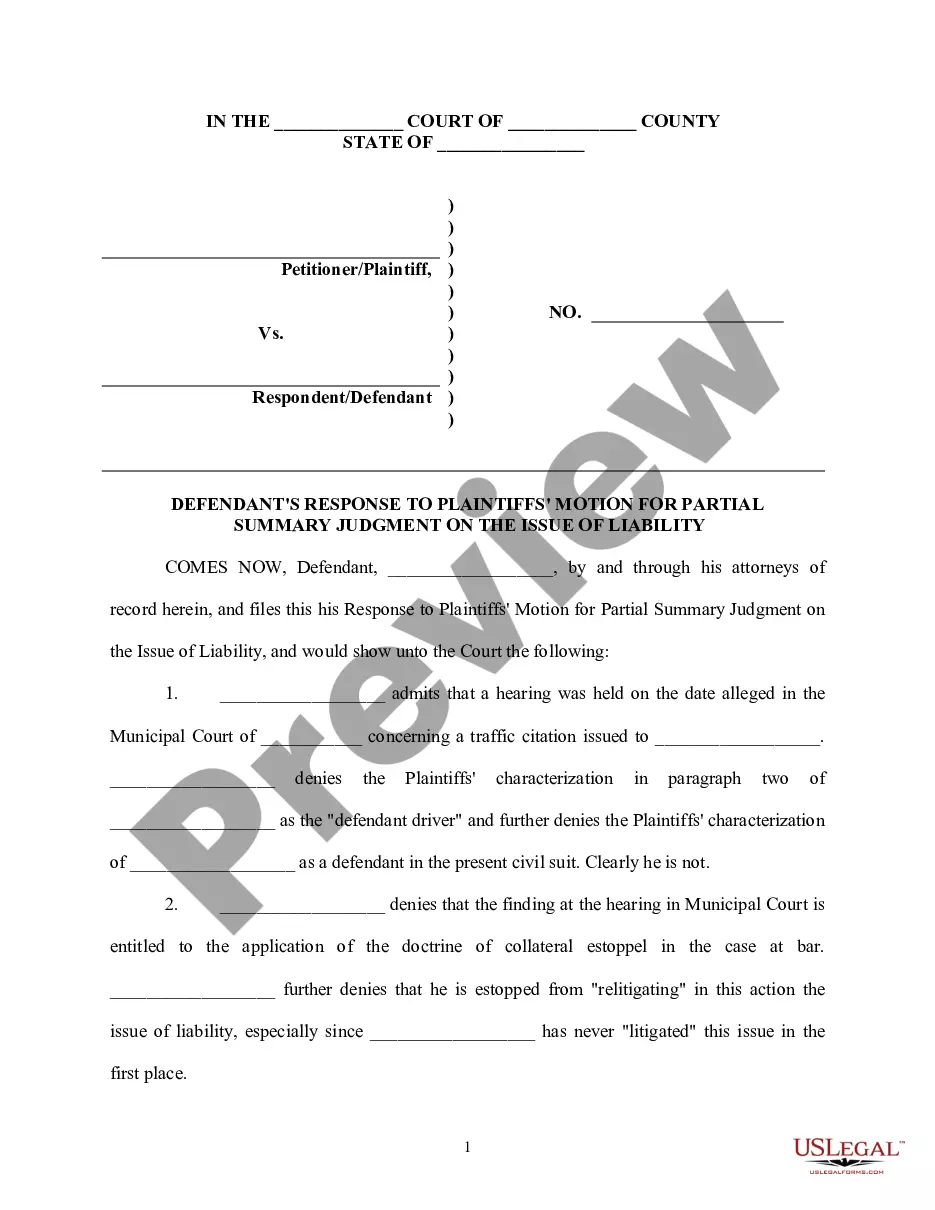
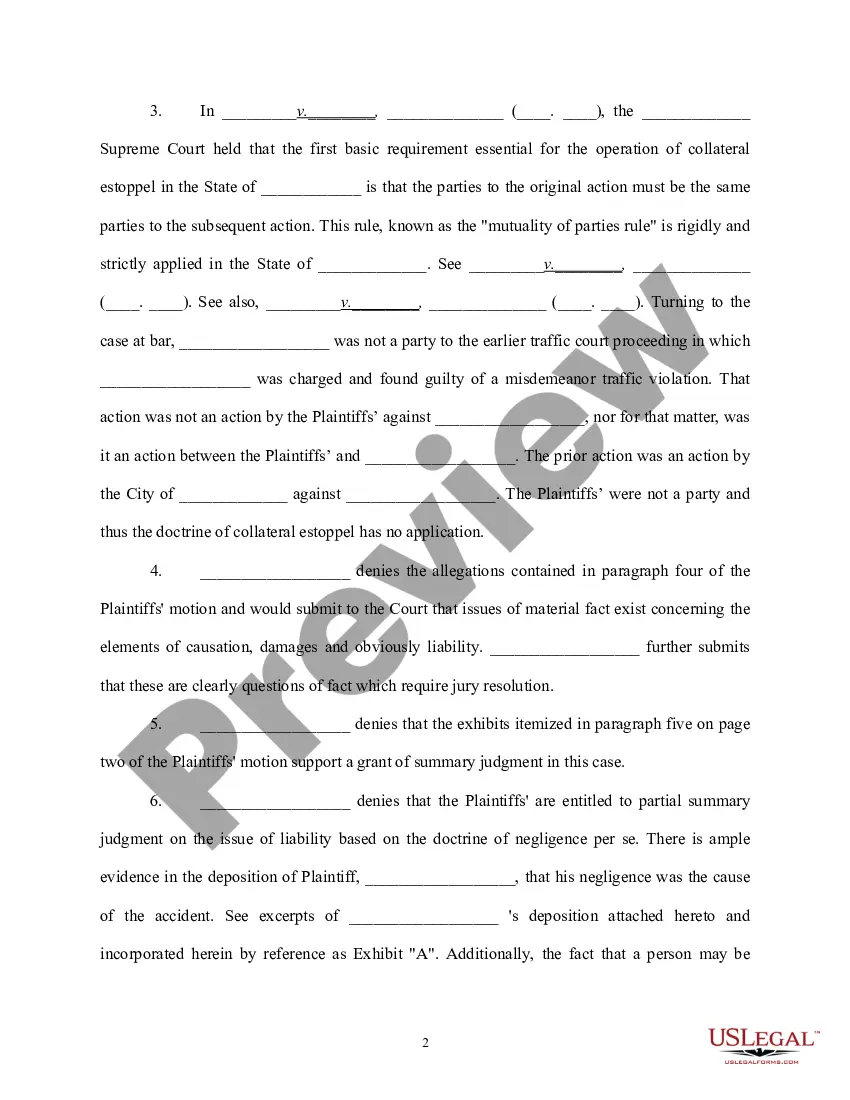
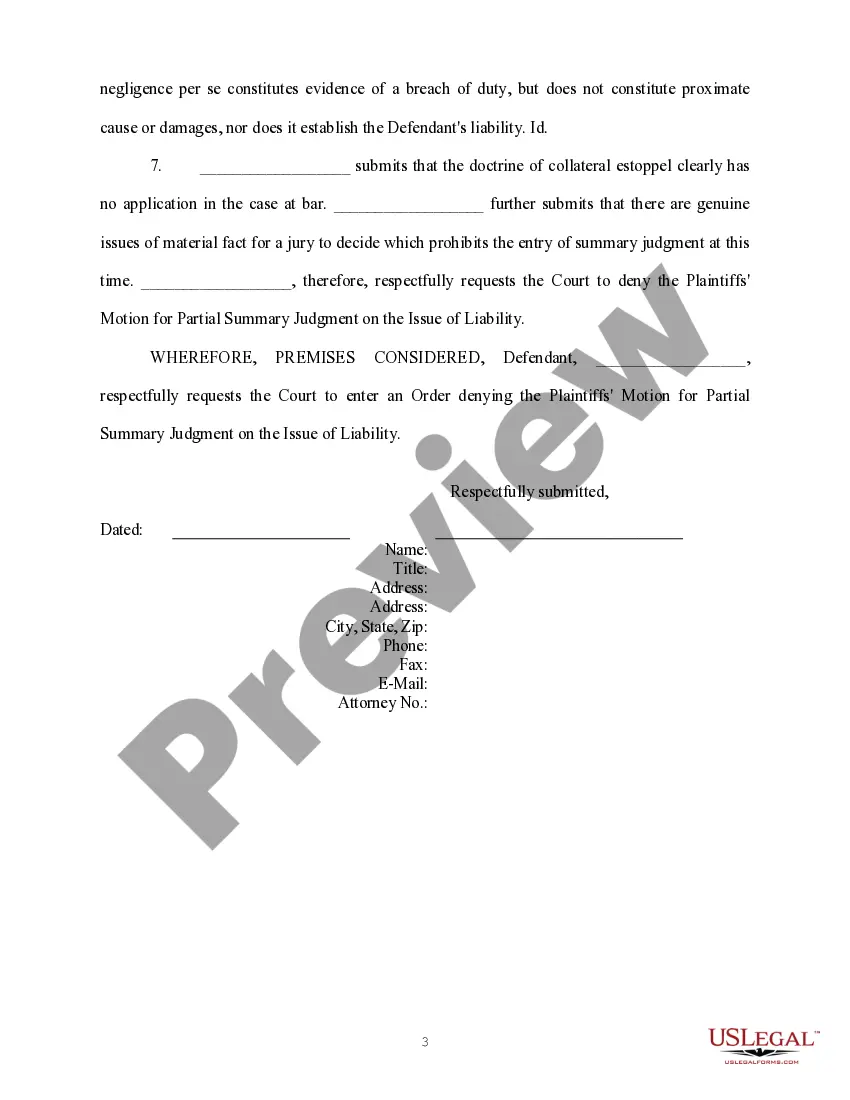
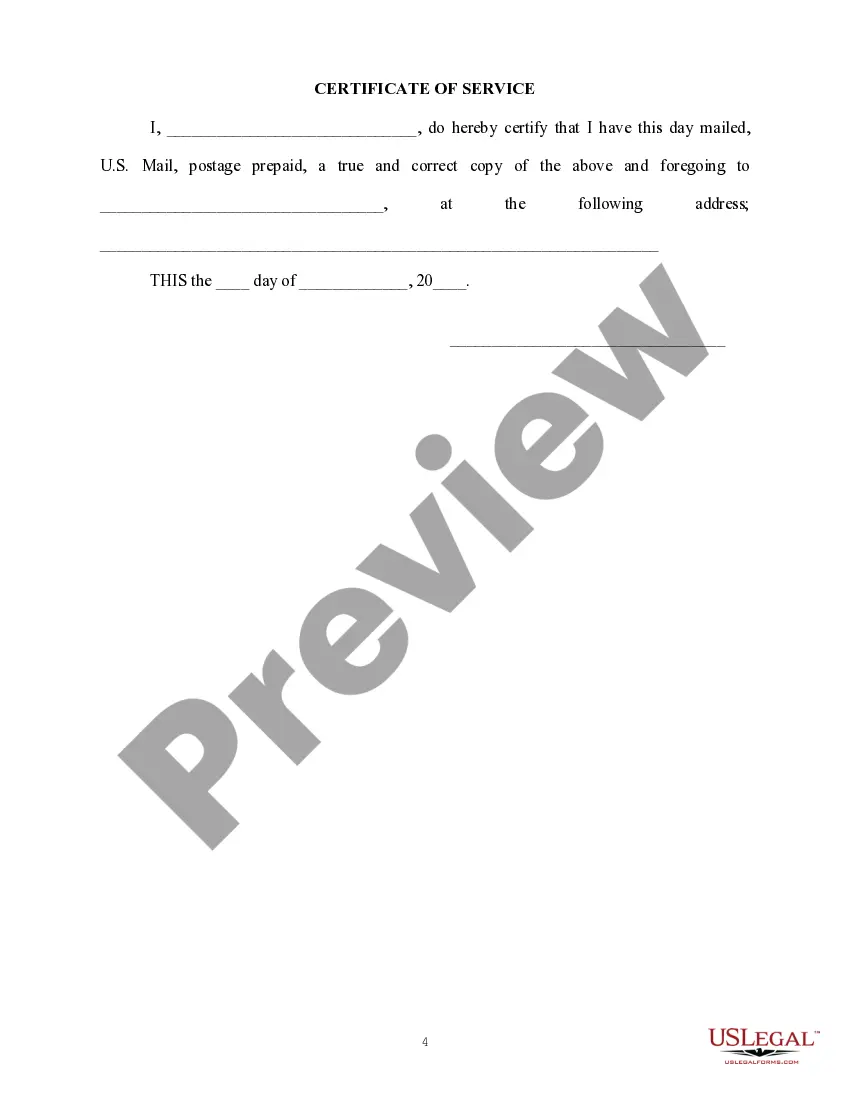
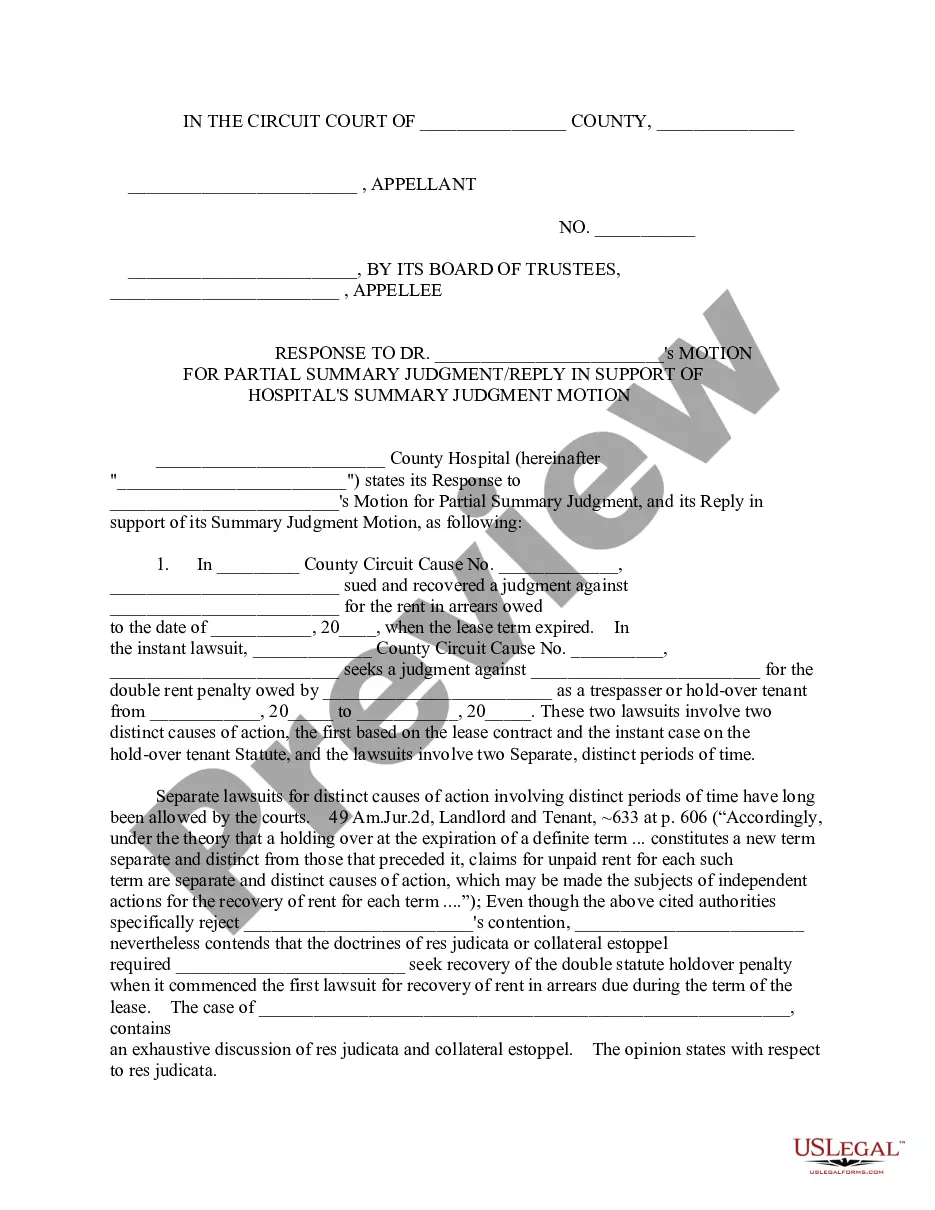
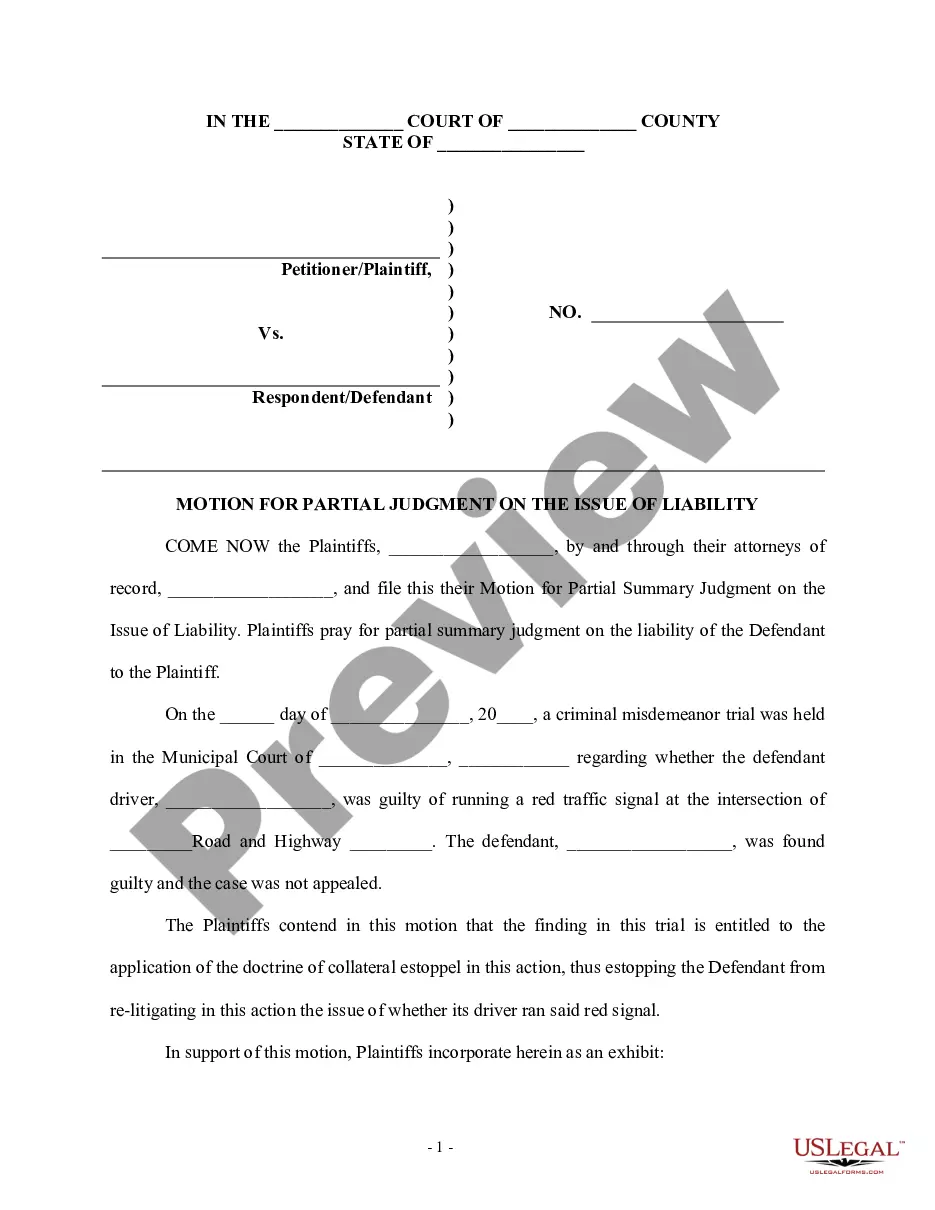
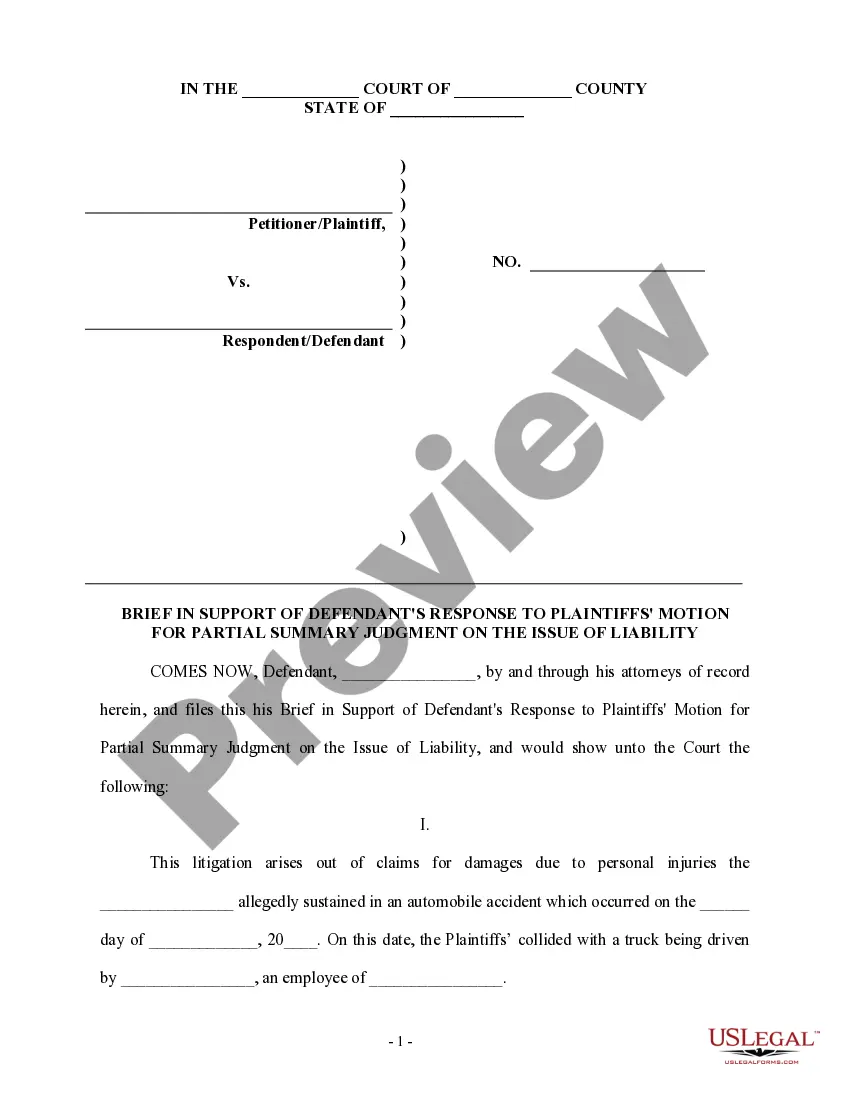
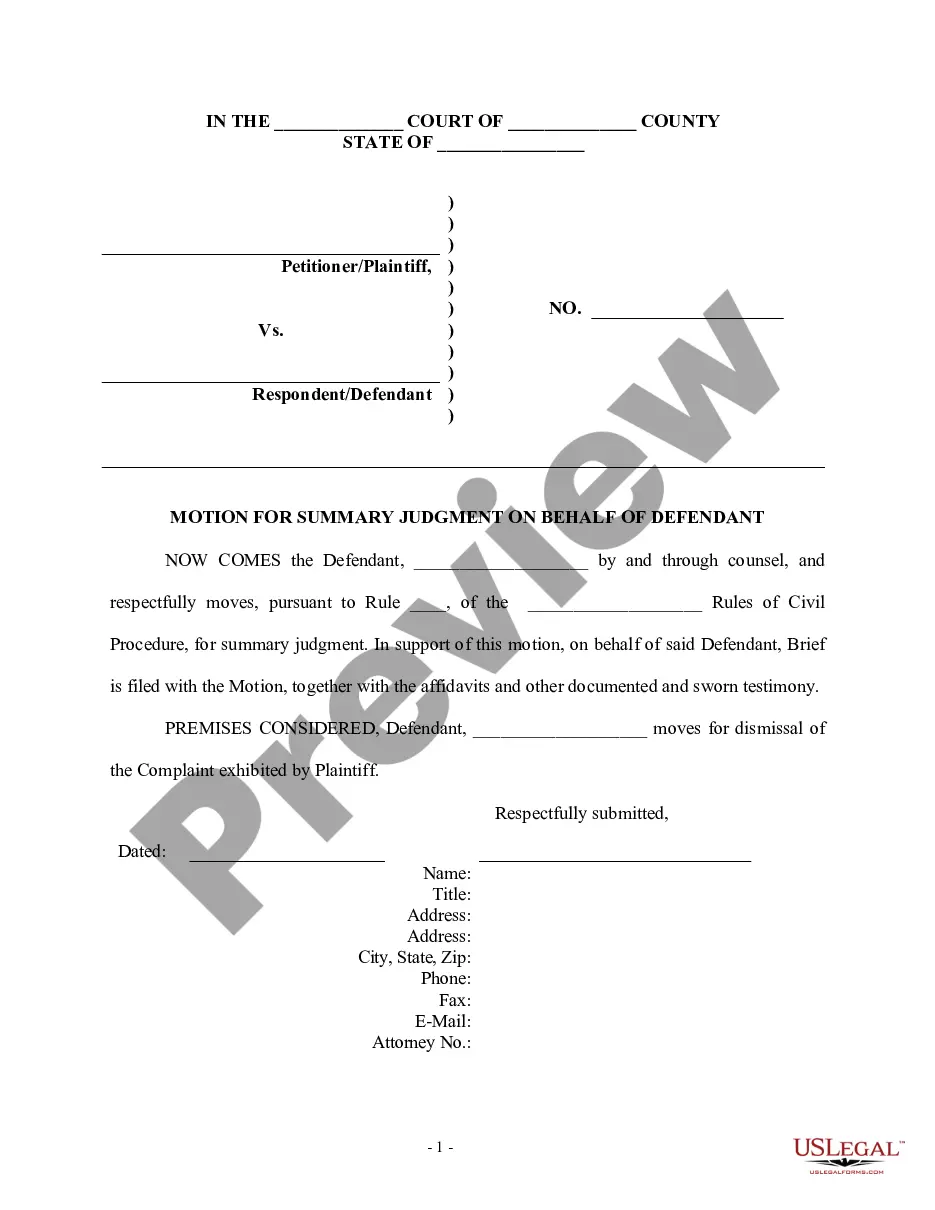
Get your form ready online
Our built-in tools help you complete, sign, share, and store your documents in one place.
Make edits, fill in missing information, and update formatting in US Legal Forms—just like you would in MS Word.
Download a copy, print it, send it by email, or mail it via USPS—whatever works best for your next step.
Sign and collect signatures with our SignNow integration. Send to multiple recipients, set reminders, and more. Go Premium to unlock E-Sign.
If this form requires notarization, complete it online through a secure video call—no need to meet a notary in person or wait for an appointment.
We protect your documents and personal data by following strict security and privacy standards.

Make edits, fill in missing information, and update formatting in US Legal Forms—just like you would in MS Word.

Download a copy, print it, send it by email, or mail it via USPS—whatever works best for your next step.

Sign and collect signatures with our SignNow integration. Send to multiple recipients, set reminders, and more. Go Premium to unlock E-Sign.

If this form requires notarization, complete it online through a secure video call—no need to meet a notary in person or wait for an appointment.

We protect your documents and personal data by following strict security and privacy standards.
Looking for another form?


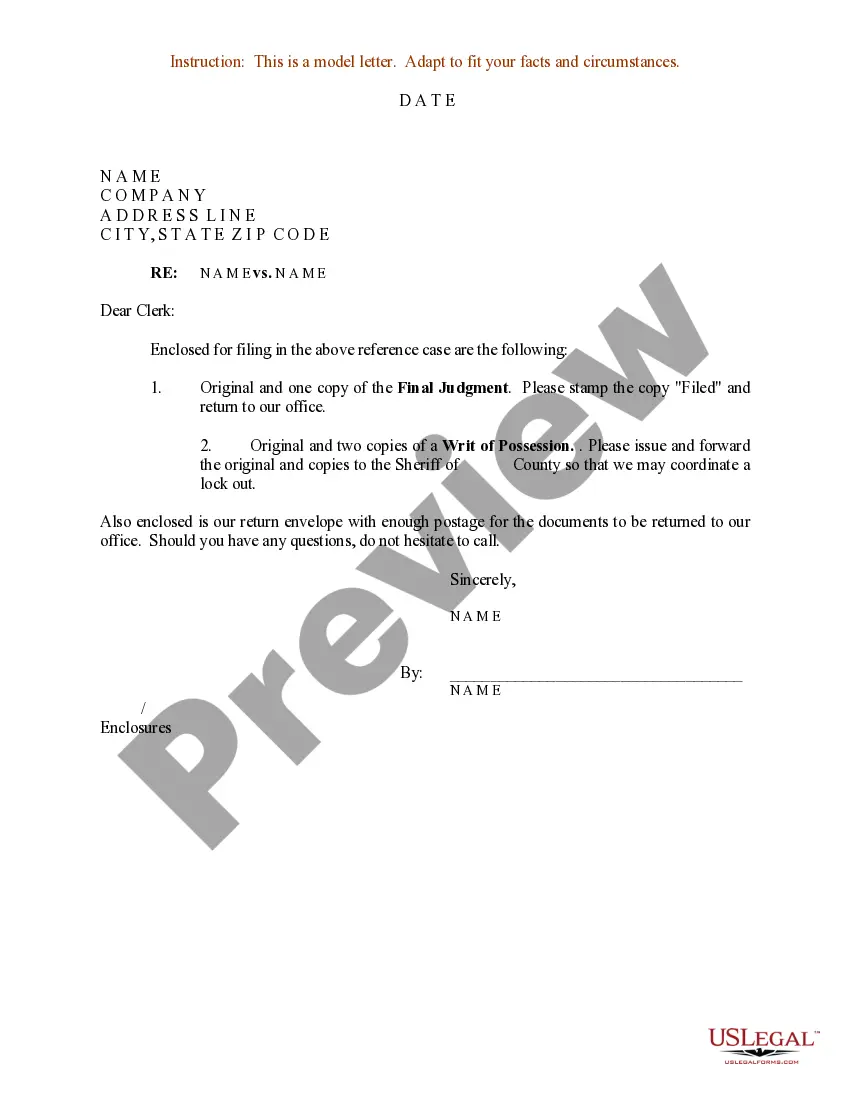
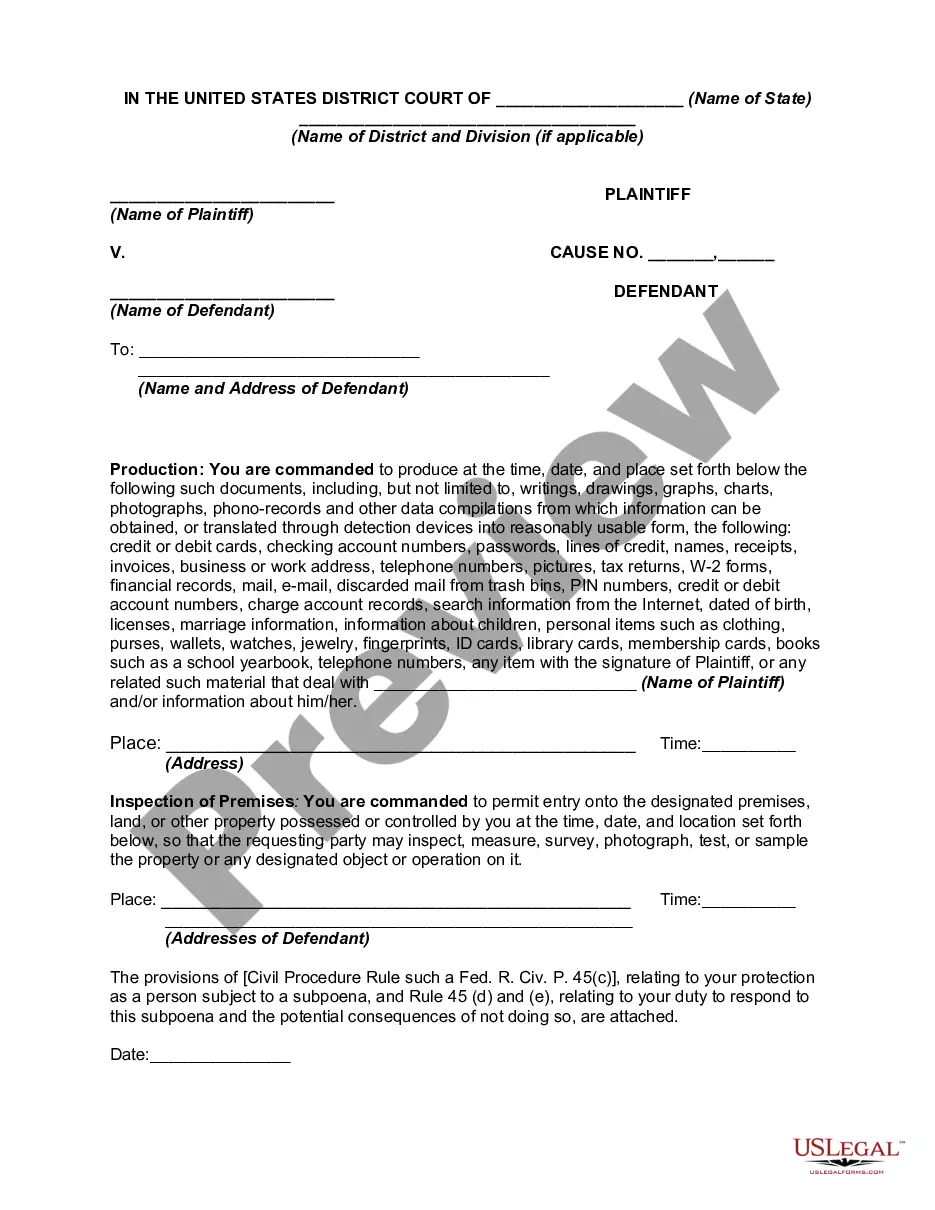
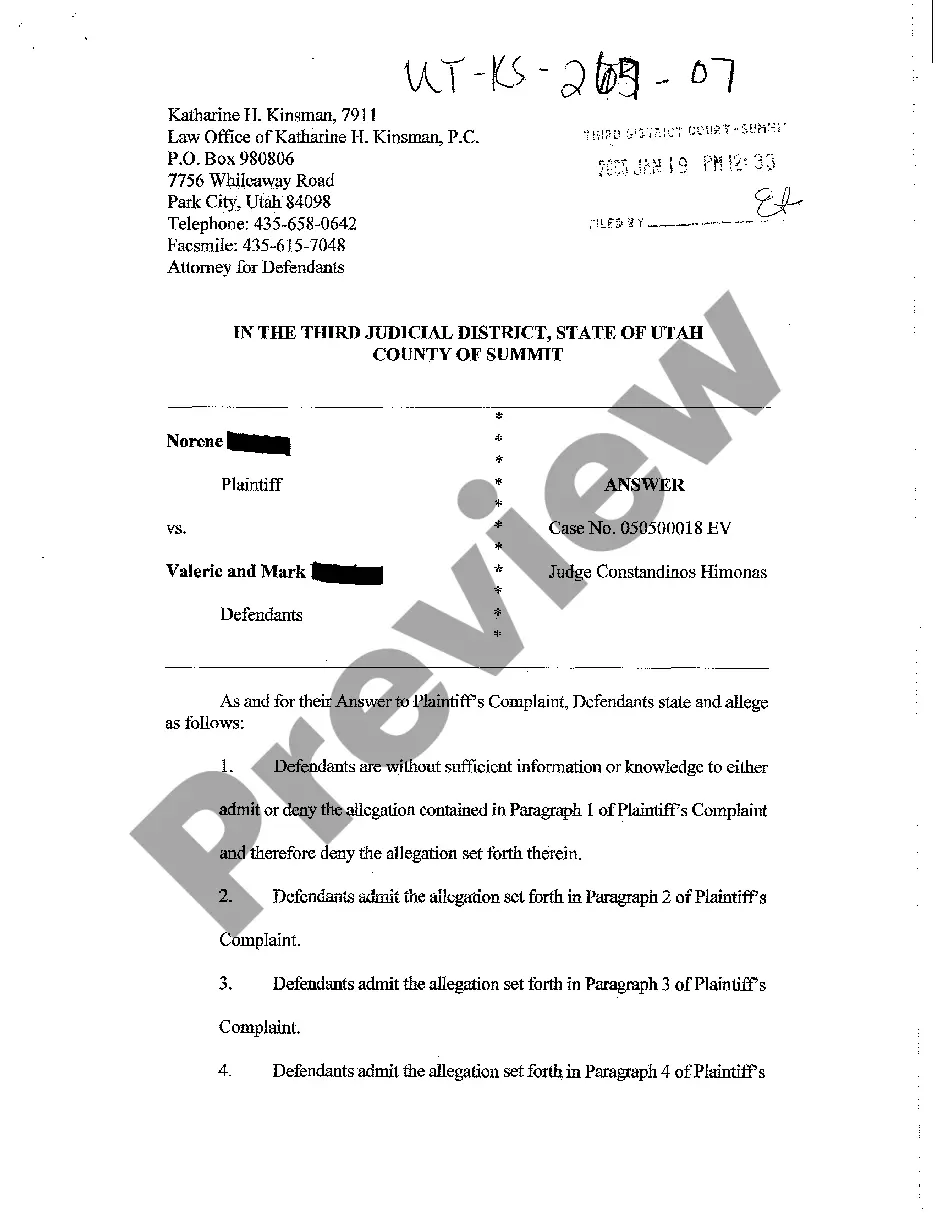
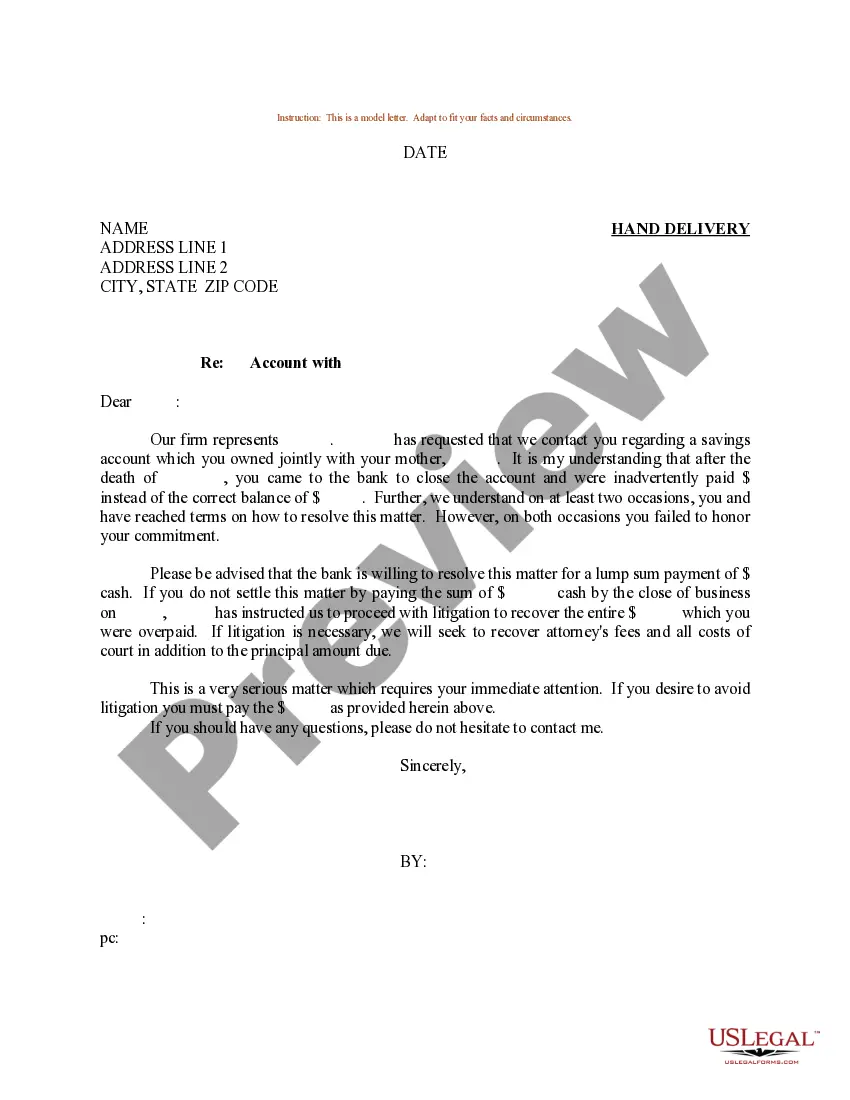
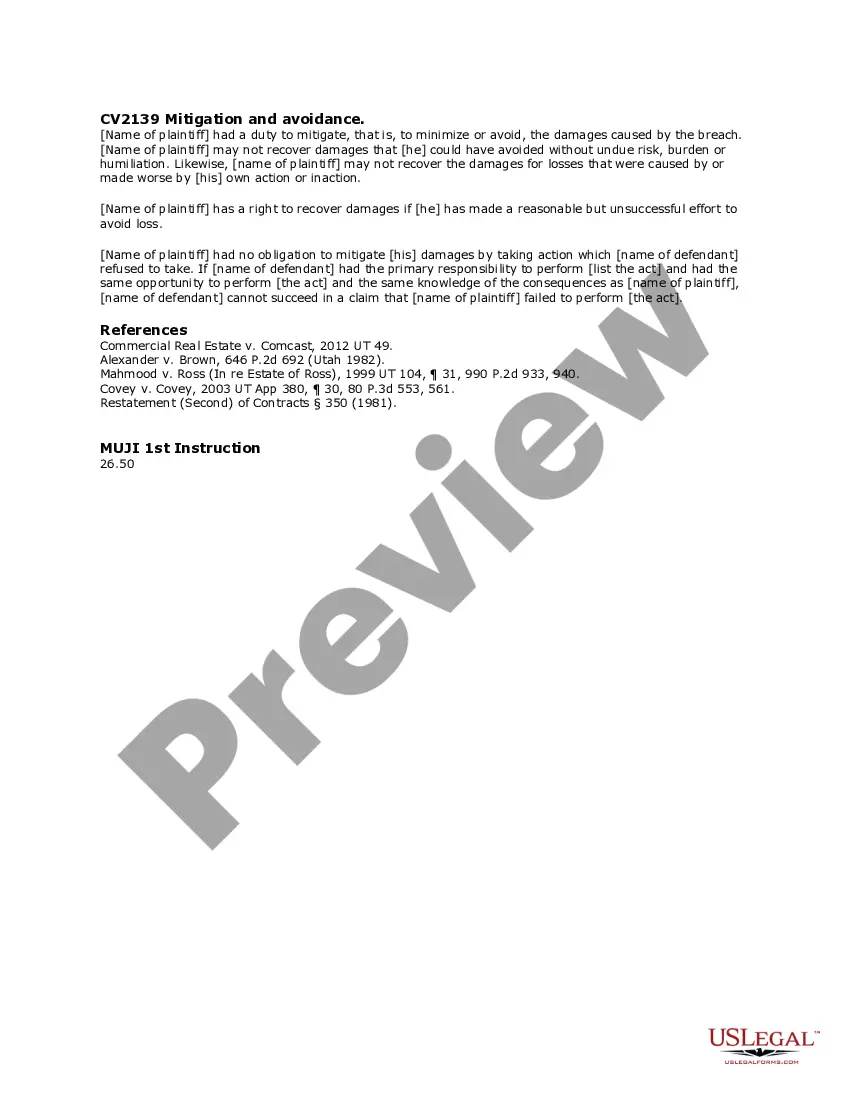
How to fill out Defendant's Response To Plaintiff's Motion For Summary Judgment On The Issue Of Liability?
Whether for commercial aims or personal matters, everyone must confront legal circumstances at some point in their lifetime.
Filling out legal documents necessitates meticulous focus, starting from selecting the appropriate form template.
With an extensive US Legal Forms collection available, you won't need to waste time searching for the correct sample online. Use the library’s intuitive navigation to find the right template for any situation.
- For example, if you select an incorrect version of the Summary Judgment Response Without Discovery, it will be rejected once you submit it.
- Consequently, it is crucial to have a reliable source for legal documents such as US Legal Forms.
- If you need a Summary Judgment Response Without Discovery template, adhere to these straightforward steps.
- Obtain the sample you require by using the search bar or browsing the catalog.
- Review the details of the form to confirm it aligns with your circumstances, state, and county.
- Click on the preview of the form to inspect it.
- If it is not the correct document, return to the search tool to find the Summary Judgment Response Without Discovery template you need.
- Download the template if it meets your specifications.
- If you have a US Legal Forms account, simply click Log in to access previously saved templates in My documents.
- If you do not possess an account yet, you can download the form by clicking Buy now.
- Choose the suitable pricing option.
- Fill in the profile registration form.
- Select your payment method: use a credit card or PayPal account.
- Choose the document format you desire and download the Summary Judgment Response Without Discovery.
- After downloading, you have the option to complete the form using editing software or print it and fill it out by hand.
Form popularity
FAQ
A motion for summary judgment can generally be made at any point after the close of discovery, but it can also be filed before discovery in certain circumstances. The key is demonstrating that no material facts are in dispute and that the law favors your position. Early motions can be strategic, especially when seeking a summary judgment response without discovery. Exploring actions through legal services like uslegalforms can offer further insights.
Yes, it is crucial to respond to a motion for summary judgment. Failing to address the motion may result in the court granting it automatically, which could adversely affect your case. Engaging with this process helps protect your rights and enables you to present your position fully. If you need help drafting a response, platforms like uslegalforms provide templates and guidance.
Yes, a summary judgment can occur before discovery. In some cases, parties may seek a summary judgment response without discovery if they believe there are no material facts in dispute. This allows the case to move forward without unnecessary delays. However, it's important to consult with legal experts to ensure that this approach is suitable for your situation.
You should request a summary judgment when you believe that the evidence overwhelmingly supports your position. This is particularly important in cases where further discovery is unlikely to reveal new material information. Crafting a strong summary judgment response without discovery can maximize your chances of success. Consulting with legal professionals or platforms like uslegalforms can help ensure a thorough approach.
Yes, summary judgments are part of the public record. You can access these documents through the court where the case was filed. This access allows anyone, including you, to view the outcomes of these motions. If you are involved in a legal matter, understanding summary judgment responses, even without discovery, can be crucial.
Federal courts have held that parties do not need to conduct discovery before filing for summary judgment. Likewise, expert witness disclosures do not occur until after summary judgment motions.
Apply each legal argument to the facts stated in the undisputed facts section, and explain why under the law and the facts summary judgment should be granted. In one paragraph, reiterate why summary judgment should be granted on each count of the complaint.
Stated differently, to successfully defend against summary judgment the non-moving party (you) should seek to demonstrate that indeed there are material facts in dispute. Alternatively, the non-moving party (you) can argue that the undisputed facts support a judgment as a matter of law in your favor.
Show that the law does not support judgment on the undisputed facts. Your legal research may reveal case law that shows judgment isn't warranted in your case, even when no facts are in dispute. Show that discovery is incomplete and could raise a disputed material fact when completed.
The chance of success in these cases is less than 10% [1]. Another study found that summary judgment is mostly granted in Title VII cases, for example, cases involving equal pay or employment discrimination [2]. When it comes to federal cases, summary judgments are filed in 17% of total cases.