Summary Judgment On Affirmative Defense
Description
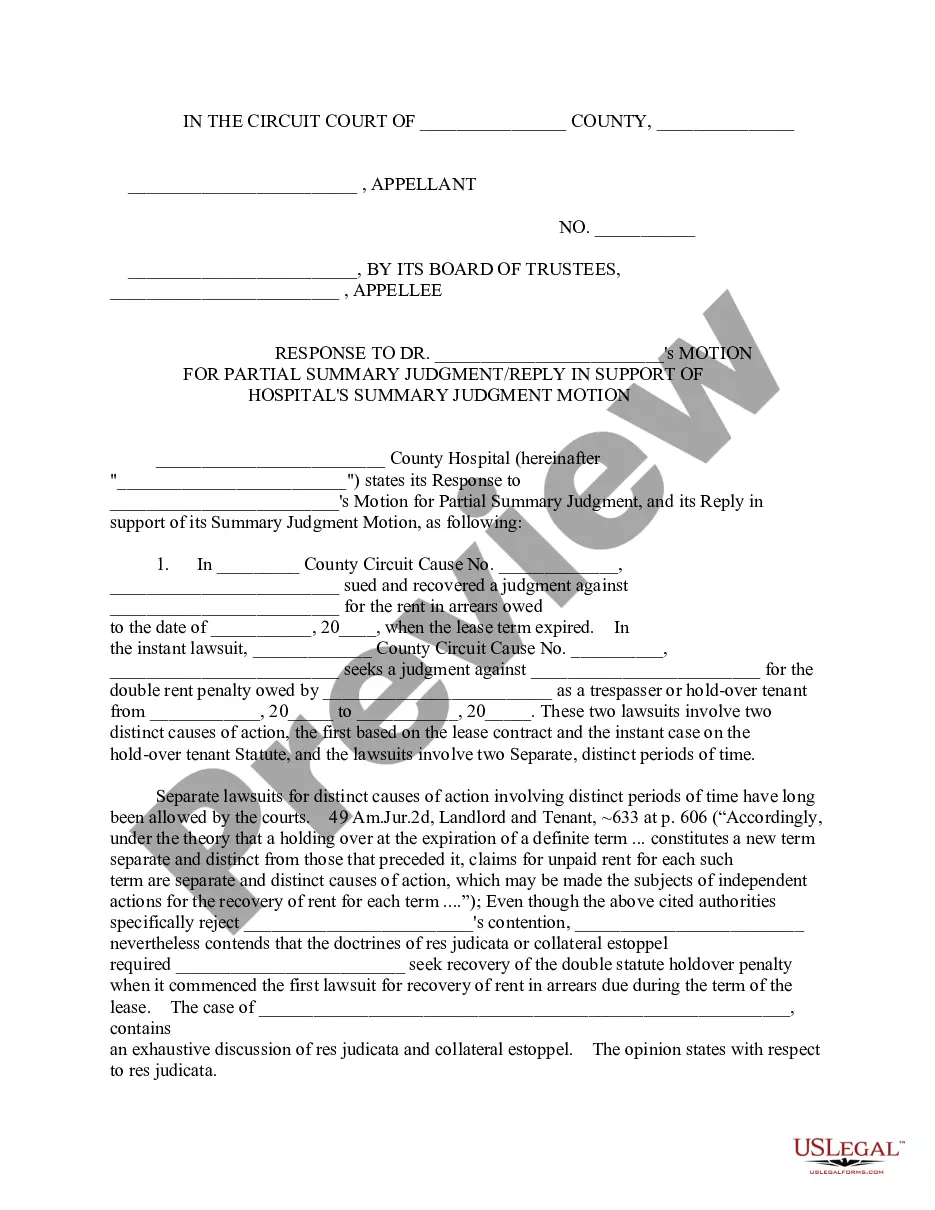
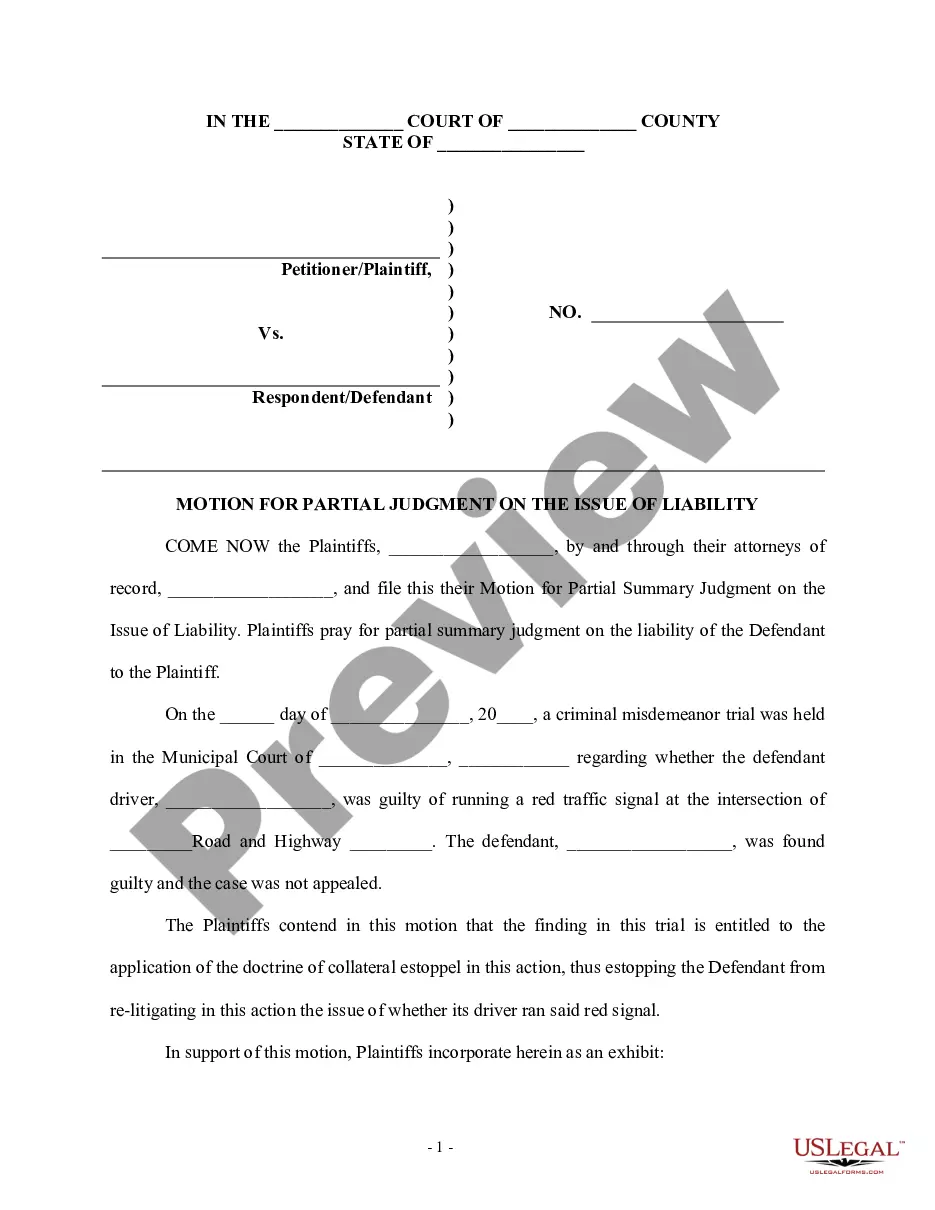
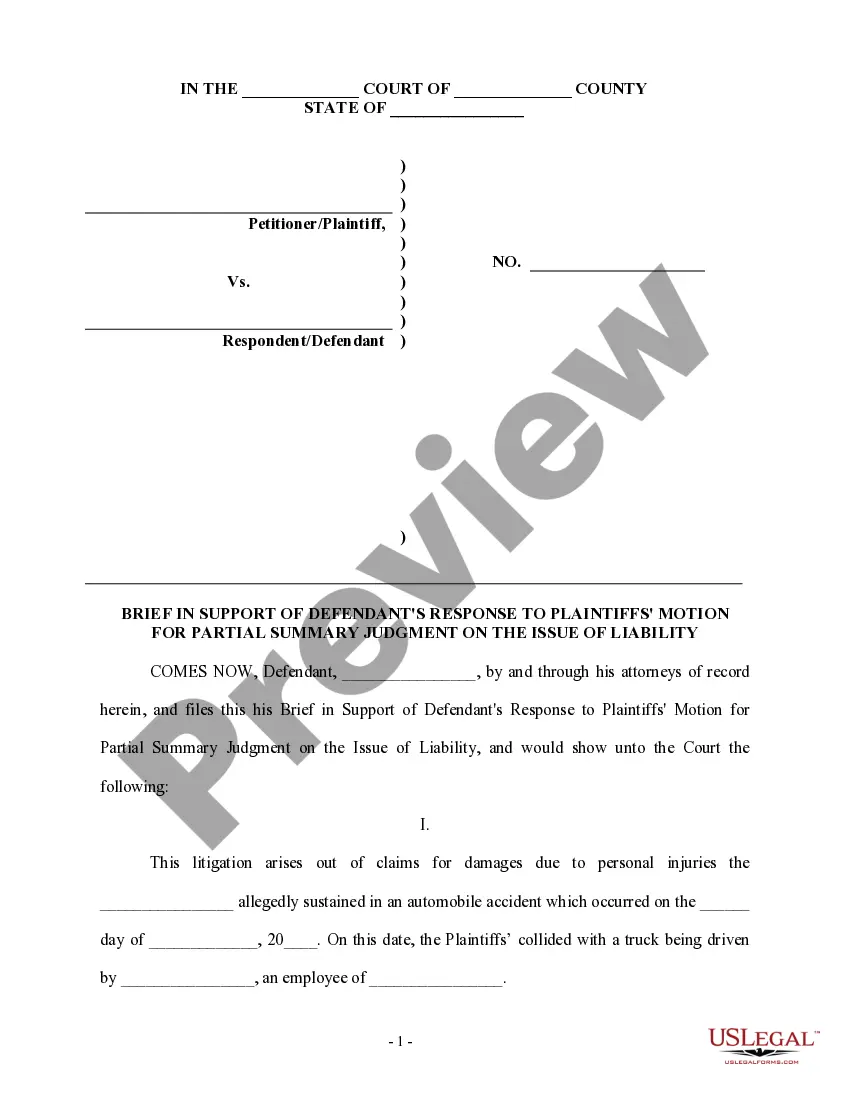
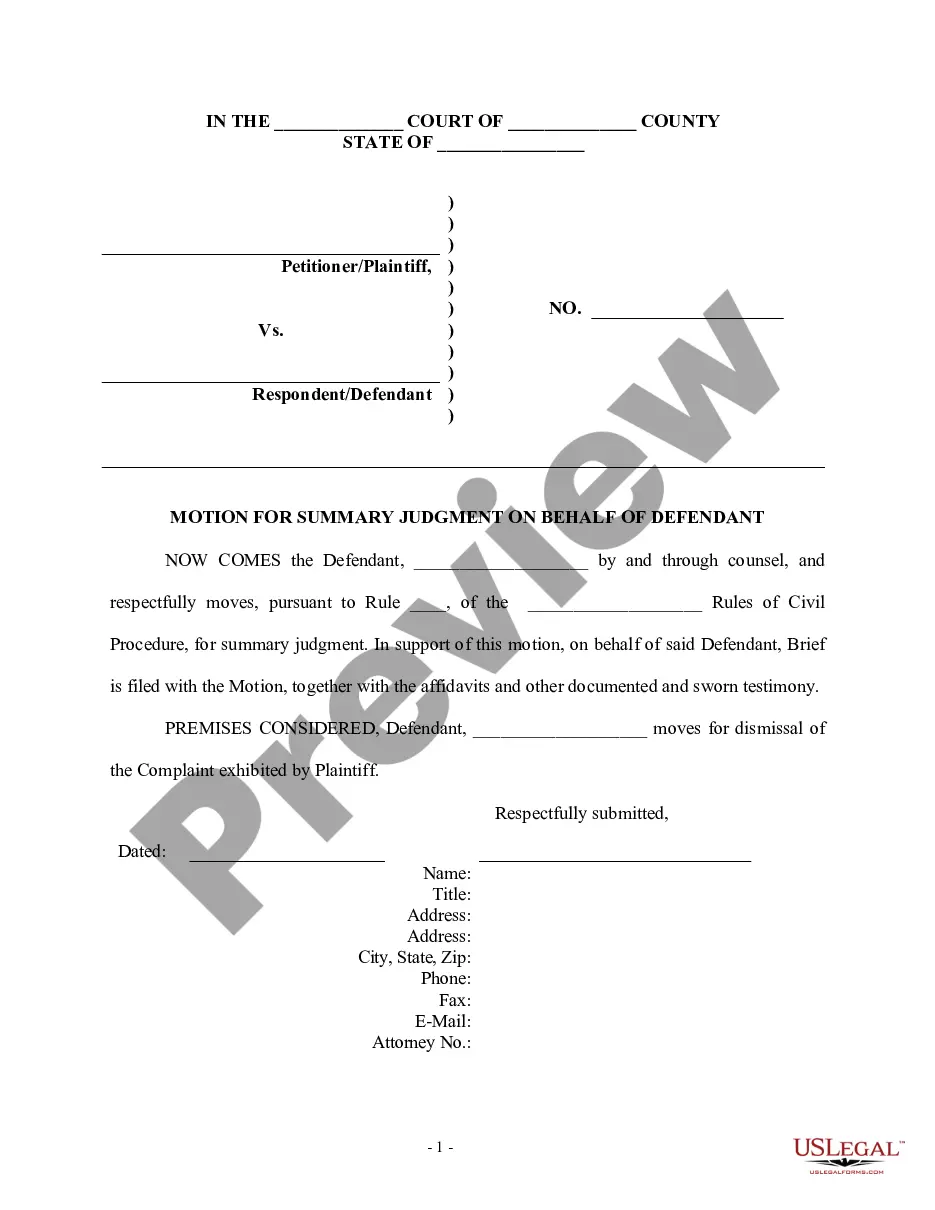
Get your form ready online
Our built-in tools help you complete, sign, share, and store your documents in one place.
Make edits, fill in missing information, and update formatting in US Legal Forms—just like you would in MS Word.
Download a copy, print it, send it by email, or mail it via USPS—whatever works best for your next step.
Sign and collect signatures with our SignNow integration. Send to multiple recipients, set reminders, and more. Go Premium to unlock E-Sign.
If this form requires notarization, complete it online through a secure video call—no need to meet a notary in person or wait for an appointment.
We protect your documents and personal data by following strict security and privacy standards.

Make edits, fill in missing information, and update formatting in US Legal Forms—just like you would in MS Word.

Download a copy, print it, send it by email, or mail it via USPS—whatever works best for your next step.

Sign and collect signatures with our SignNow integration. Send to multiple recipients, set reminders, and more. Go Premium to unlock E-Sign.

If this form requires notarization, complete it online through a secure video call—no need to meet a notary in person or wait for an appointment.

We protect your documents and personal data by following strict security and privacy standards.
Looking for another form?

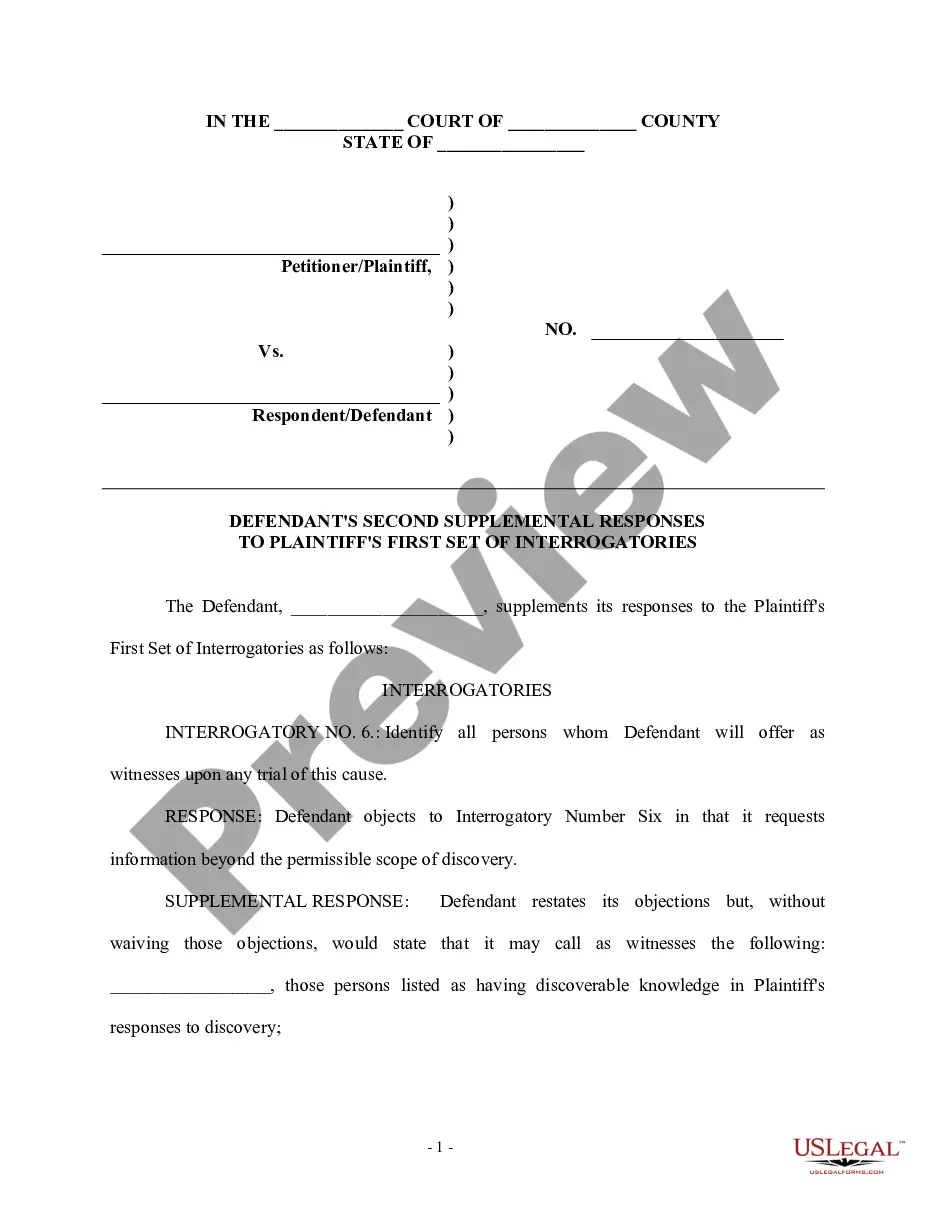


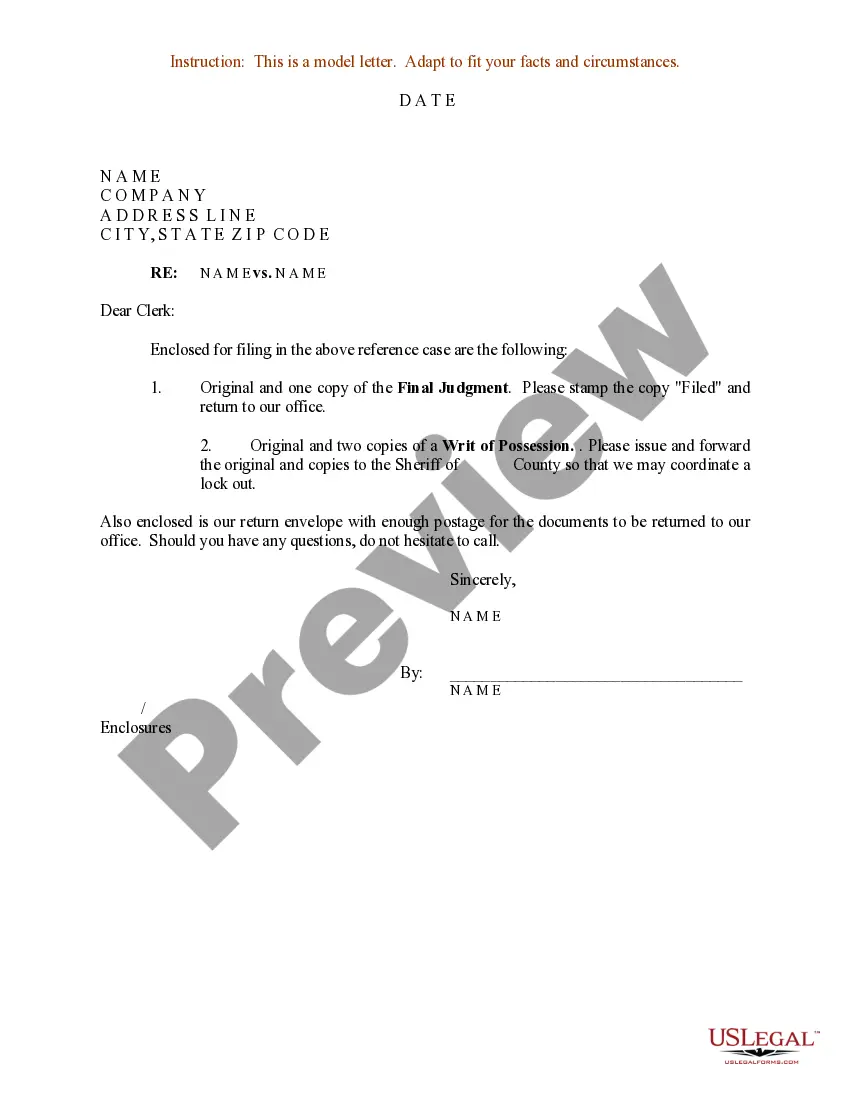
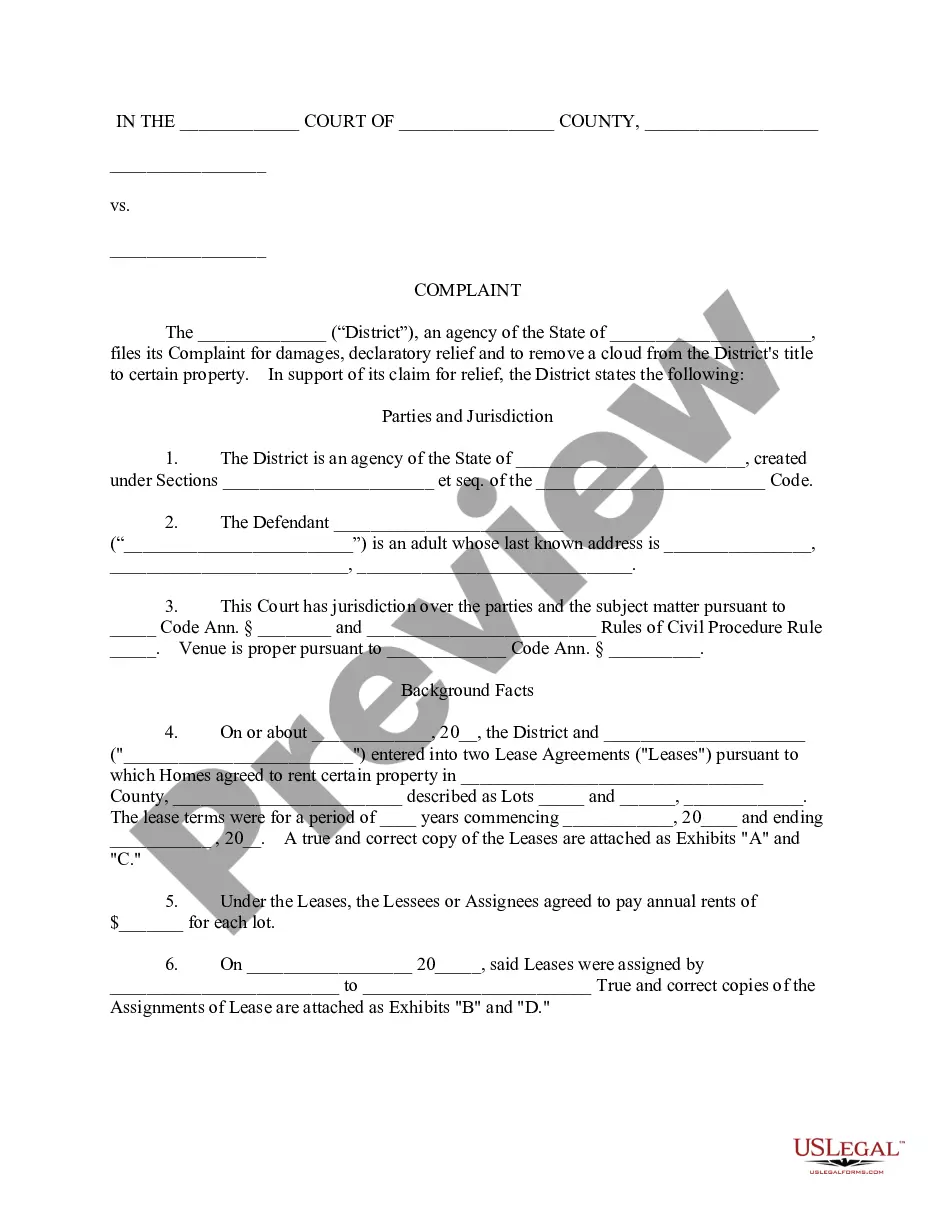
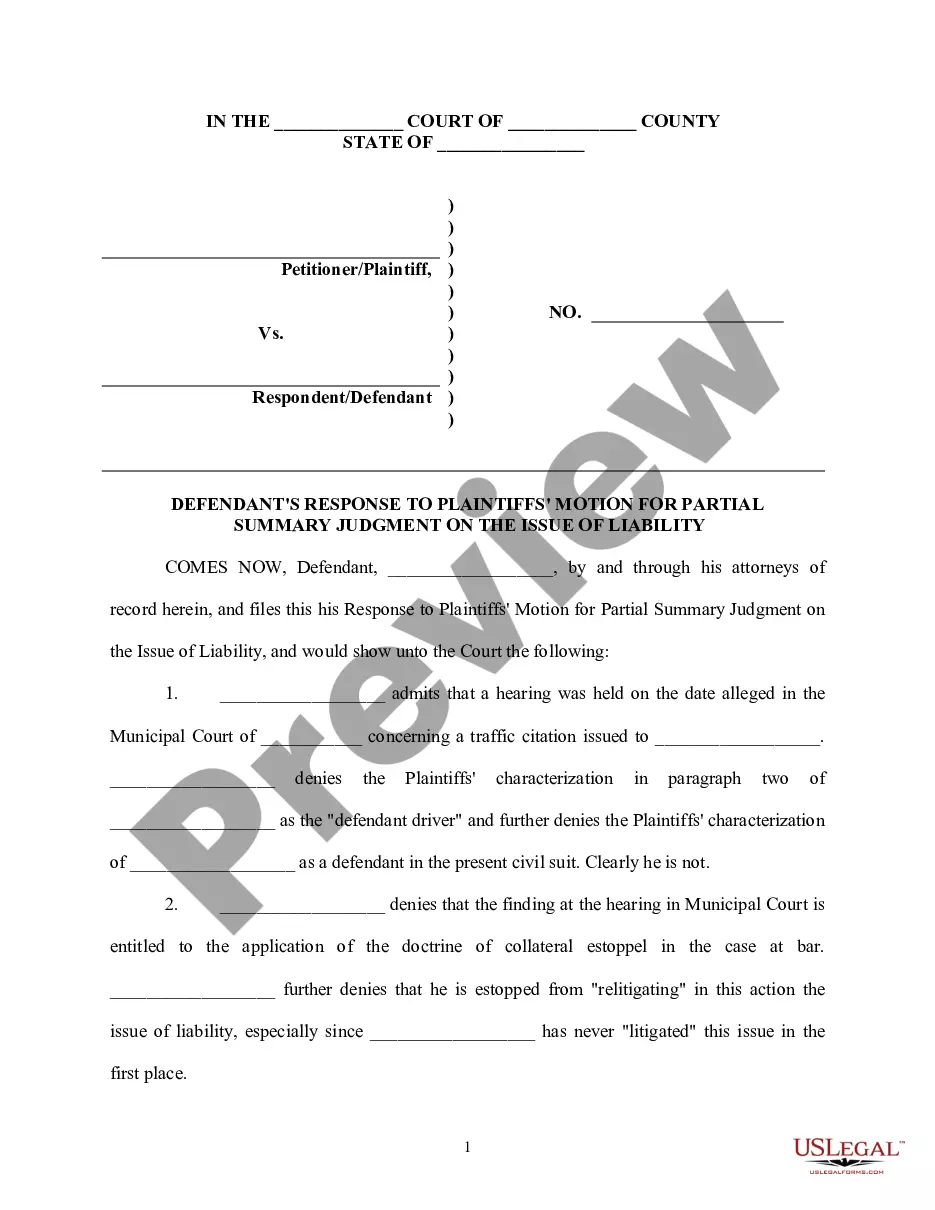
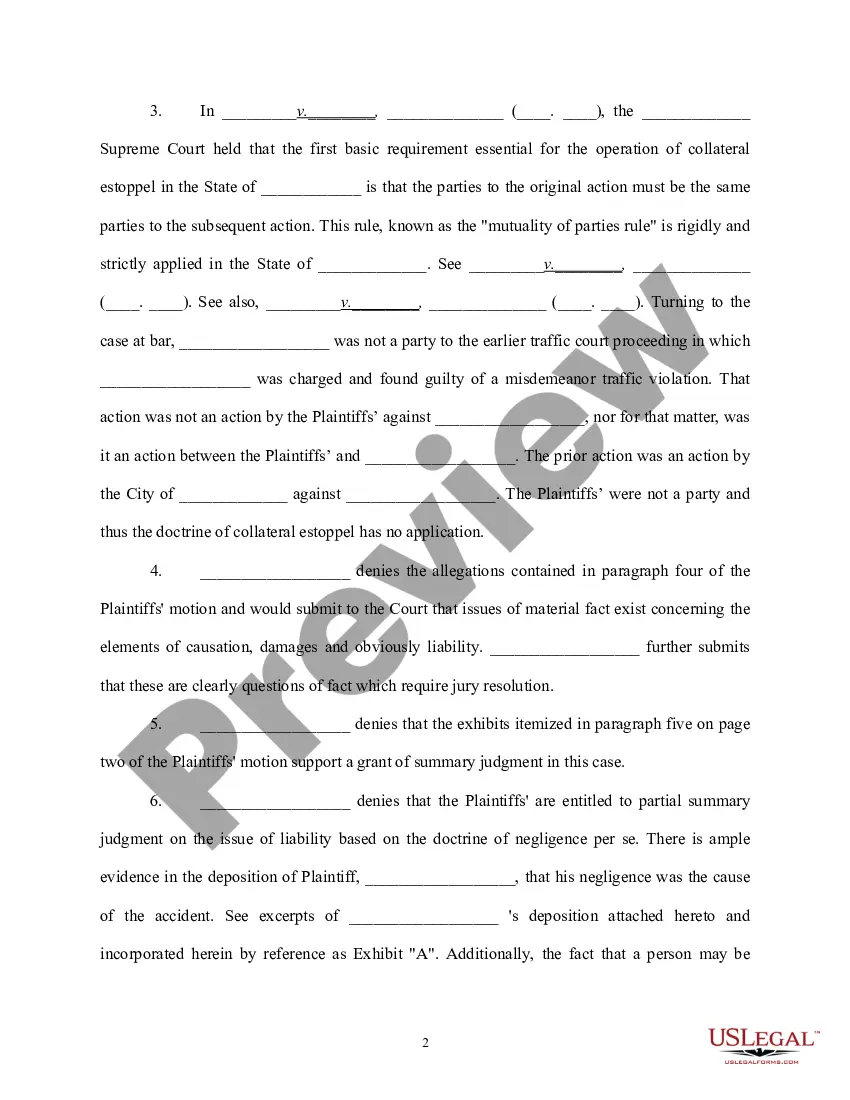
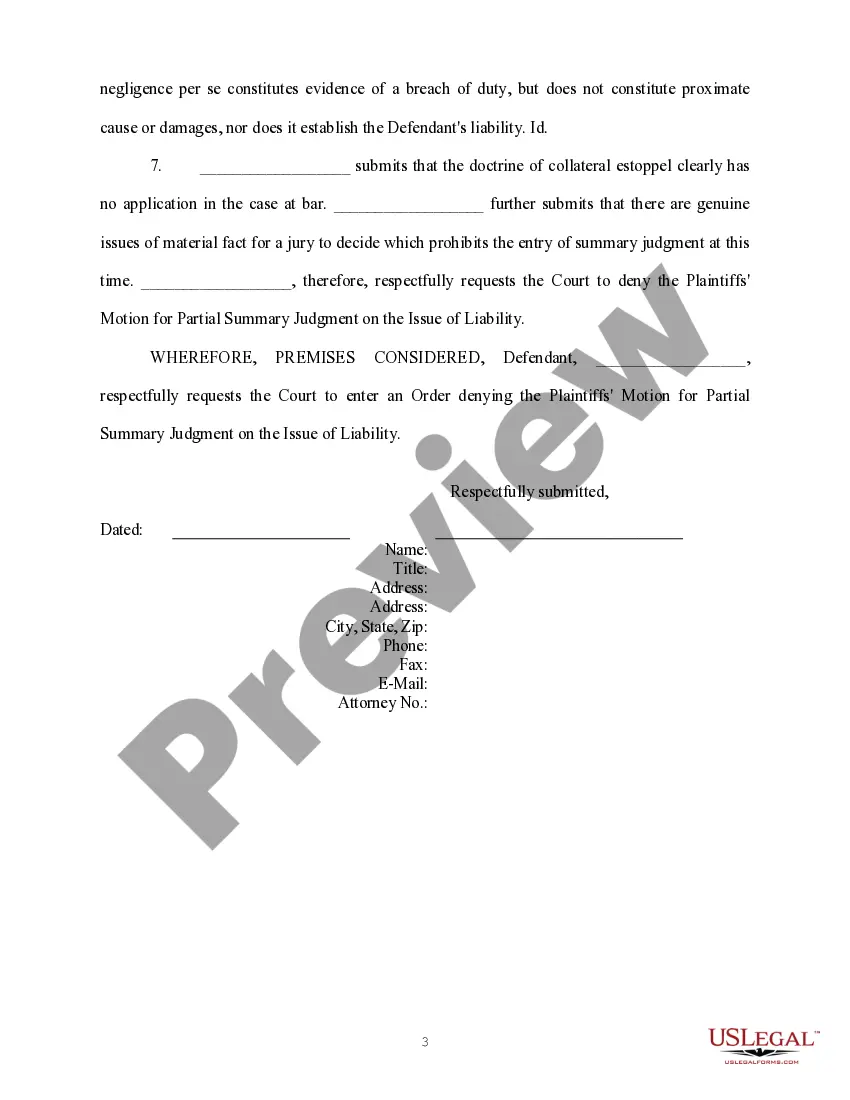
How to fill out Defendant's Response To Plaintiff's Motion For Summary Judgment On The Issue Of Liability?
Creating legal documents from the ground up can often feel overwhelming.
Certain situations may require extensive investigation and substantial expenses.
If you’re looking for an easier and more budget-friendly method to generate a Summary Judgment On Affirmative Defense or any other legal document without unnecessary complications, US Legal Forms is readily accessible to you.
Our digital repository of more than 85,000 current legal forms encompasses nearly every facet of your financial, legal, and personal affairs.
Review the form previews and descriptions to confirm you have the correct document. Ensure the template you choose complies with your state and county's laws and regulations. Select the most suitable subscription plan for purchasing the Summary Judgment On Affirmative Defense. Download the form, then fill it out, verify, and print it. US Legal Forms enjoys a solid reputation and over 25 years of experience. Join us today and make form completion straightforward and efficient!
- With just a few clicks, you can swiftly access state- and county-specific documents meticulously prepared by our legal experts.
- Utilize our service whenever you require dependable and trustworthy assistance to quickly locate and obtain the Summary Judgment On Affirmative Defense.
- If you’re already familiar with our offerings and have set up an account previously, simply Log In, find the form, and download it or retrieve it again at any time from the My documents section.
- No account yet? No problem. Establishing one only takes a few minutes, allowing easy navigation through the library.
- Before diving directly into obtaining the Summary Judgment On Affirmative Defense, consider these recommendations.
Form popularity
FAQ
Writing a strong motion for summary judgment starts with clearly outlining your legal arguments and supporting facts. You should cite relevant laws, present evidence, and articulate how your arguments meet the necessary legal standards. Utilizing resources from US Legal Forms can also provide templates and examples, guiding you through the process effectively.
Affirmative defenses for summary judgment may include arguments such as self-defense, statute of limitations, or the impossibility of performance. Each defense requires that the party bearing the burden convincingly presents evidence supporting their claims. Familiarizing yourself with these defenses can be beneficial when addressing summary judgment on affirmative defense.
The burden of proof for an affirmative defense involves providing evidence that is more convincing than the opposing evidence. This means showing that your defense is valid and should prevail over the plaintiff's allegations. Being aware of this burden can significantly influence your strategy in a summary judgment on affirmative defense.
In a typical case, the burden of proof for the defense lies in establishing any affirmative defenses claimed. This requires presenting substantial evidence that supports their defense in the context of the summary judgment on affirmative defense. It’s essential to prepare thoroughly to meet this requirement.
To successfully defend a motion for summary judgment, you should gather compelling evidence that contradicts the claims made by the opposing party. You must demonstrate that genuine issues of material fact exist, warranting a trial. Leveraging detailed legal resources, like those on the US Legal Forms platform, can also aid your understanding during this process.
A preponderance of the evidence for an affirmative defense means you need to provide enough evidence that your claims outweigh the opposing party's evidence. Essentially, you must show that it is more probable than not that your affirmative defense is valid. This standard is often applied during a summary judgment on affirmative defense.
The burden of proof for affirmative defenses typically requires the defending party to establish their claims through preponderance of evidence. This means that the evidence must show that it is more likely than not that the affirmative defense applies. Understanding this concept is crucial when preparing for a summary judgment on affirmative defense.
In legal terms, the burden of proof shifts between parties depending on the context of the case. Generally, the party asserting the affirmative defense bears the burden of proof. This means that when you raise a summary judgment on affirmative defense, you must present evidence to support your claims.
Defending against a summary judgment requires presenting undisputed evidence that supports your case. Build a robust factual record and ensure that your affirmative defenses are clearly laid out. Consider using resources like uslegalforms to prepare and gather documentation effectively for your defense.
The five common affirmative defenses include self-defense, necessity, consent, duress, and insanity. Each of these defenses serves to establish a compelling argument in one’s favor. Being well-versed in these defenses is critical when preparing to face a summary judgment on affirmative defense.