Summary Judgment For Damages
Description
Get your form ready online
Our built-in tools help you complete, sign, share, and store your documents in one place.
Make edits, fill in missing information, and update formatting in US Legal Forms—just like you would in MS Word.
Download a copy, print it, send it by email, or mail it via USPS—whatever works best for your next step.
Sign and collect signatures with our SignNow integration. Send to multiple recipients, set reminders, and more. Go Premium to unlock E-Sign.
If this form requires notarization, complete it online through a secure video call—no need to meet a notary in person or wait for an appointment.
We protect your documents and personal data by following strict security and privacy standards.

Make edits, fill in missing information, and update formatting in US Legal Forms—just like you would in MS Word.

Download a copy, print it, send it by email, or mail it via USPS—whatever works best for your next step.

Sign and collect signatures with our SignNow integration. Send to multiple recipients, set reminders, and more. Go Premium to unlock E-Sign.

If this form requires notarization, complete it online through a secure video call—no need to meet a notary in person or wait for an appointment.

We protect your documents and personal data by following strict security and privacy standards.
Looking for another form?

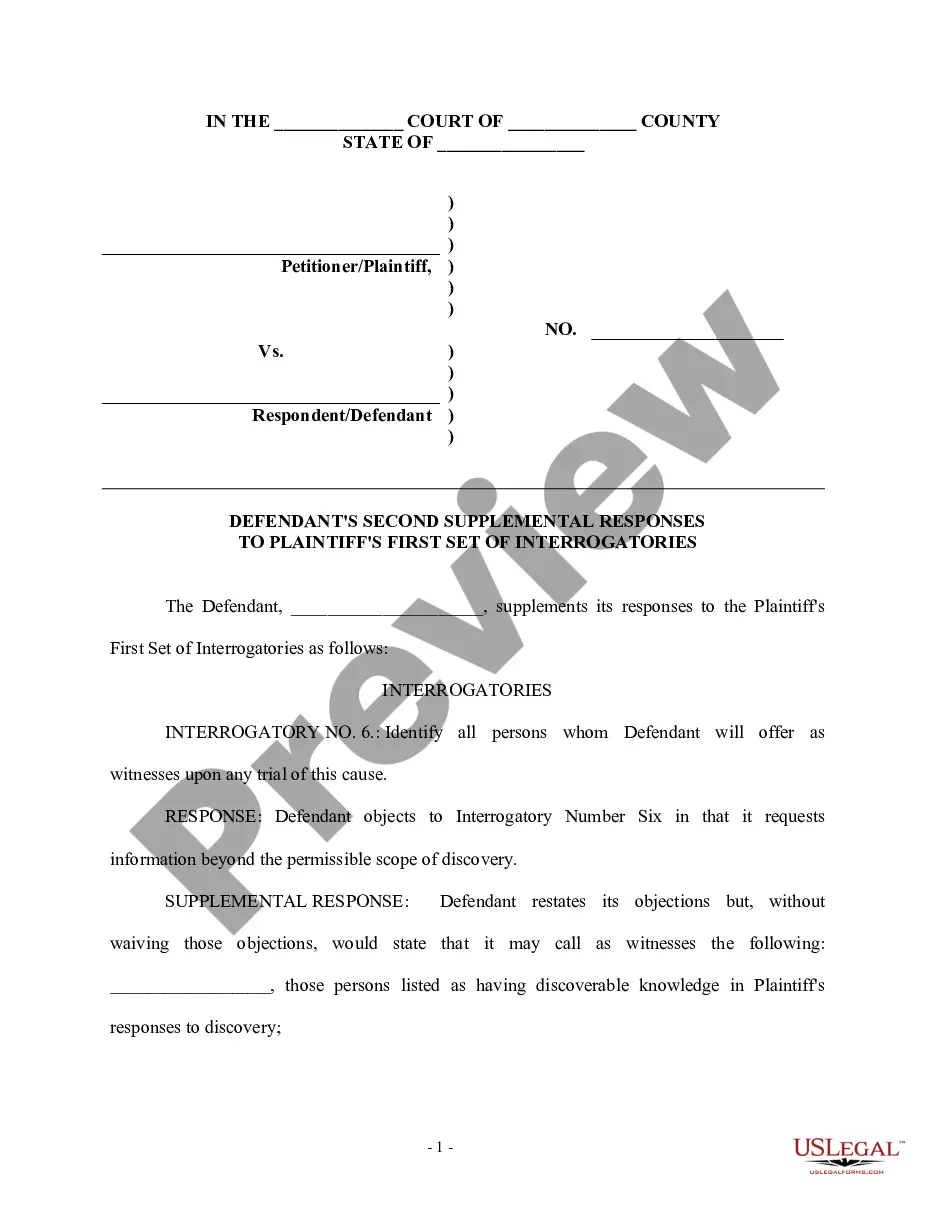
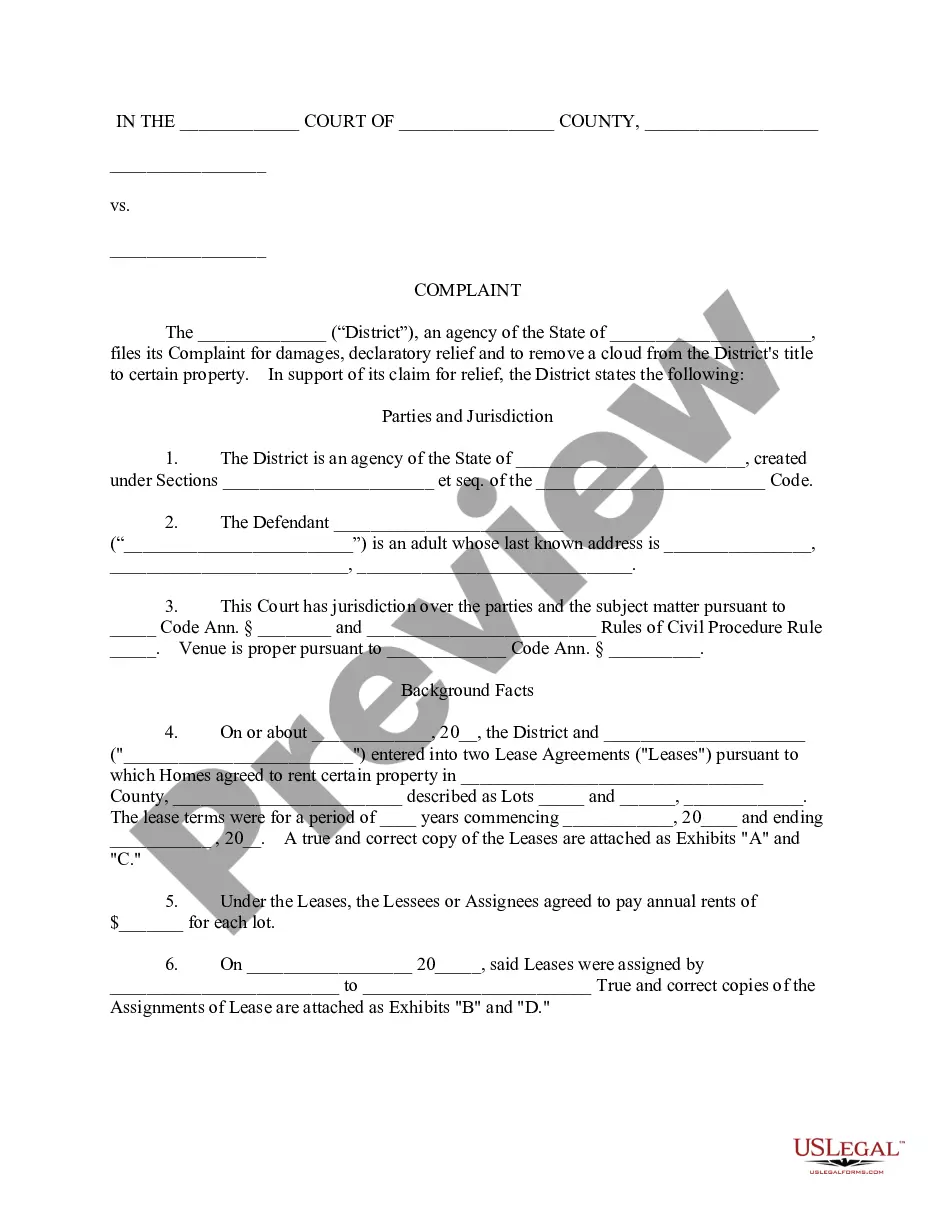
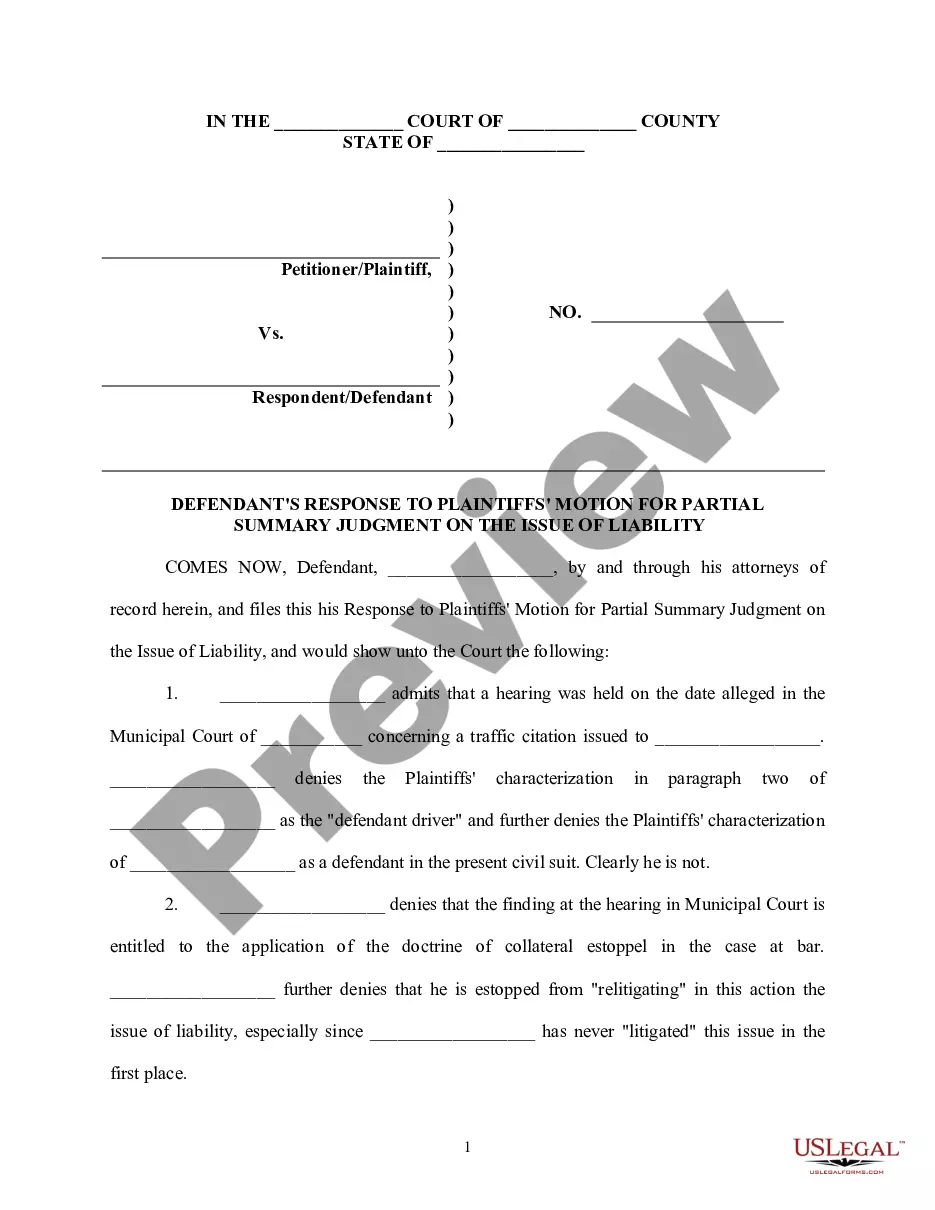
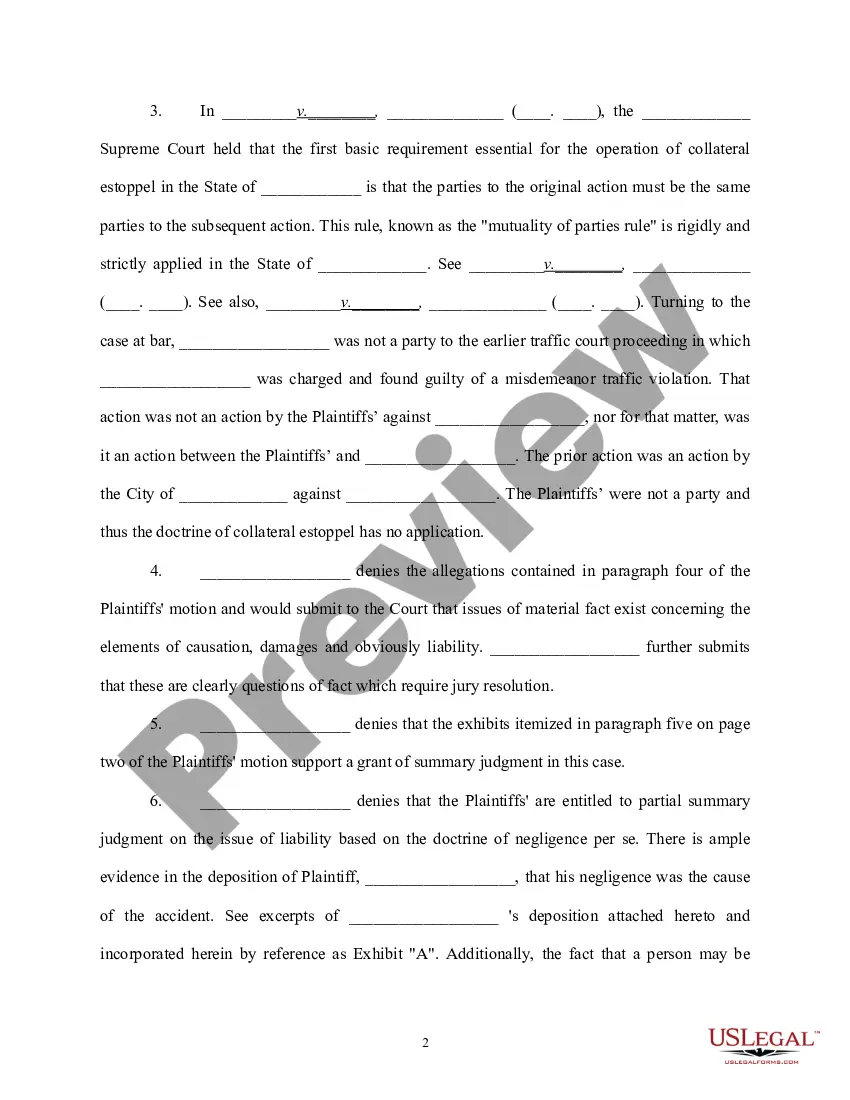
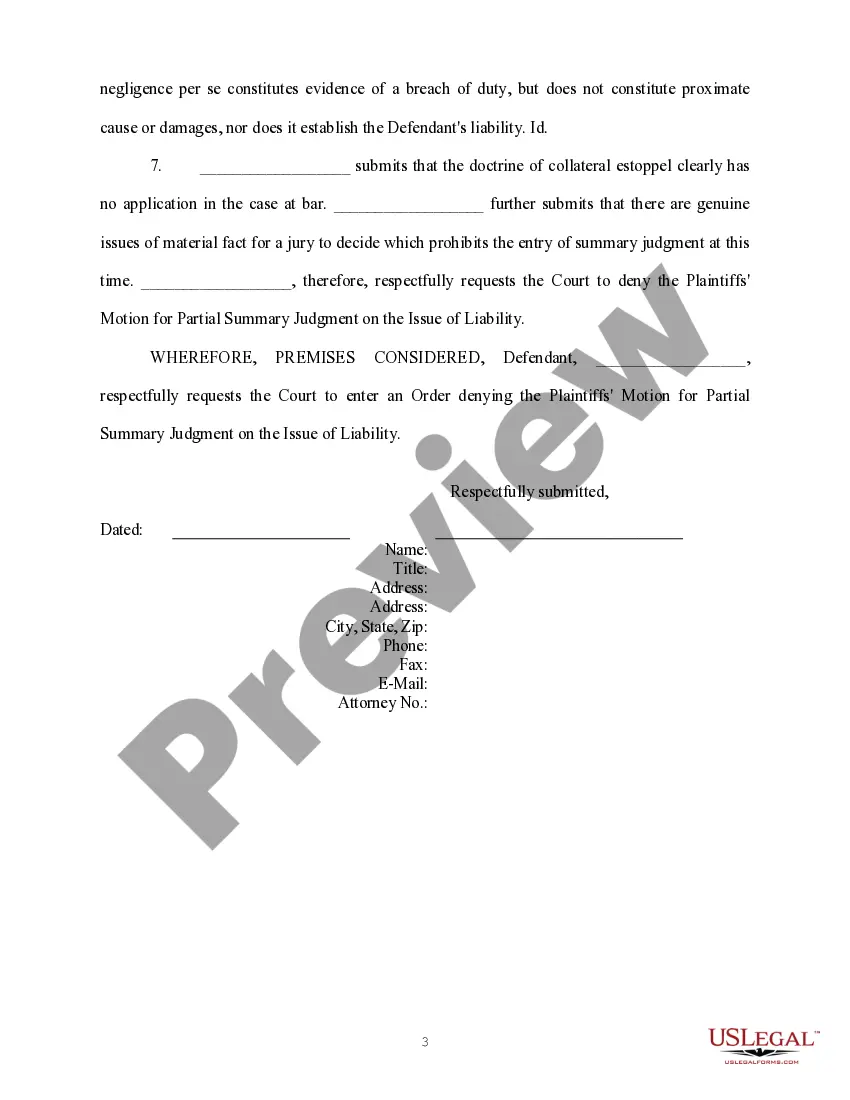
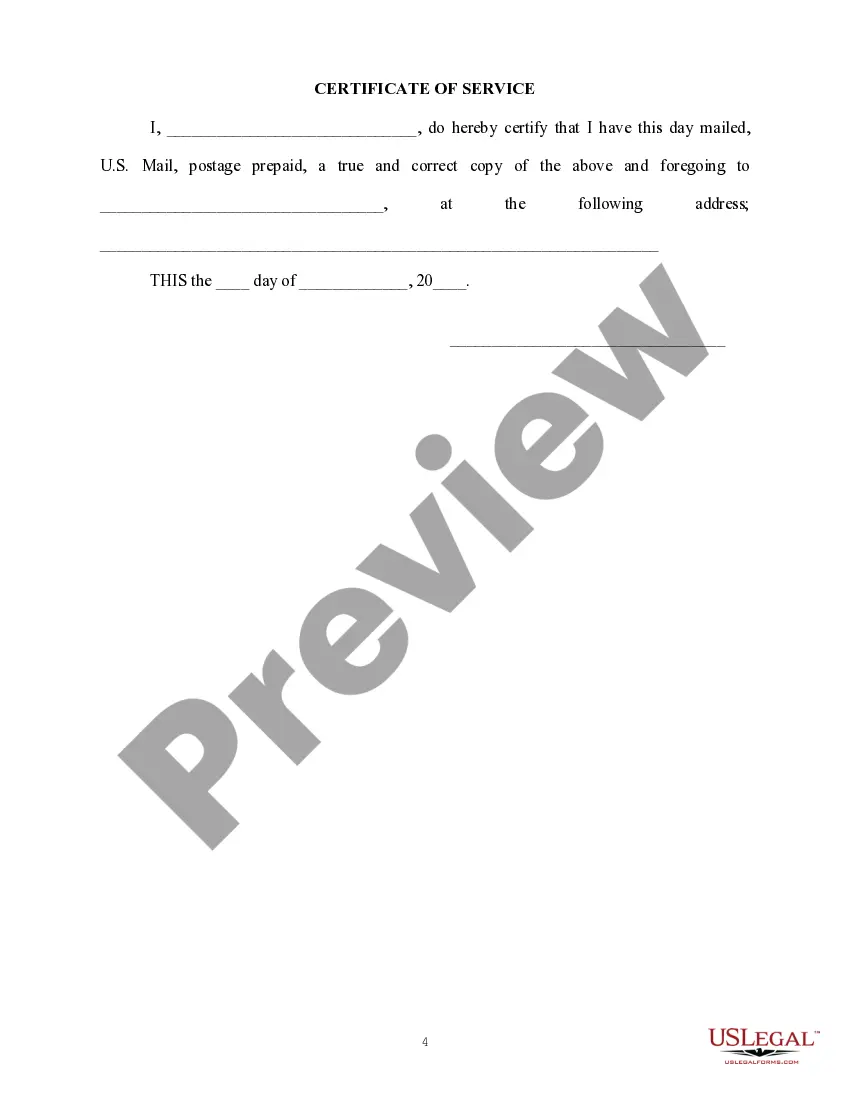
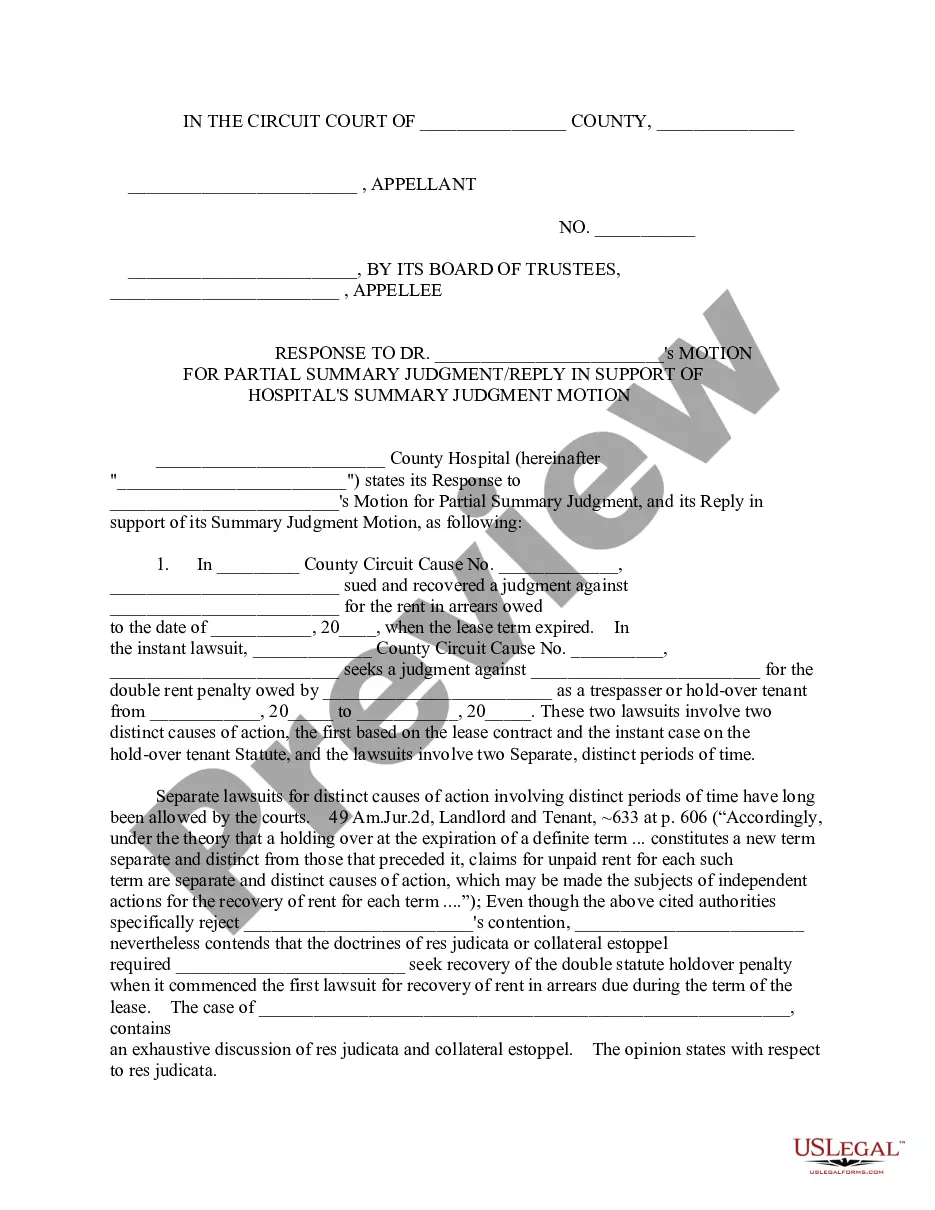
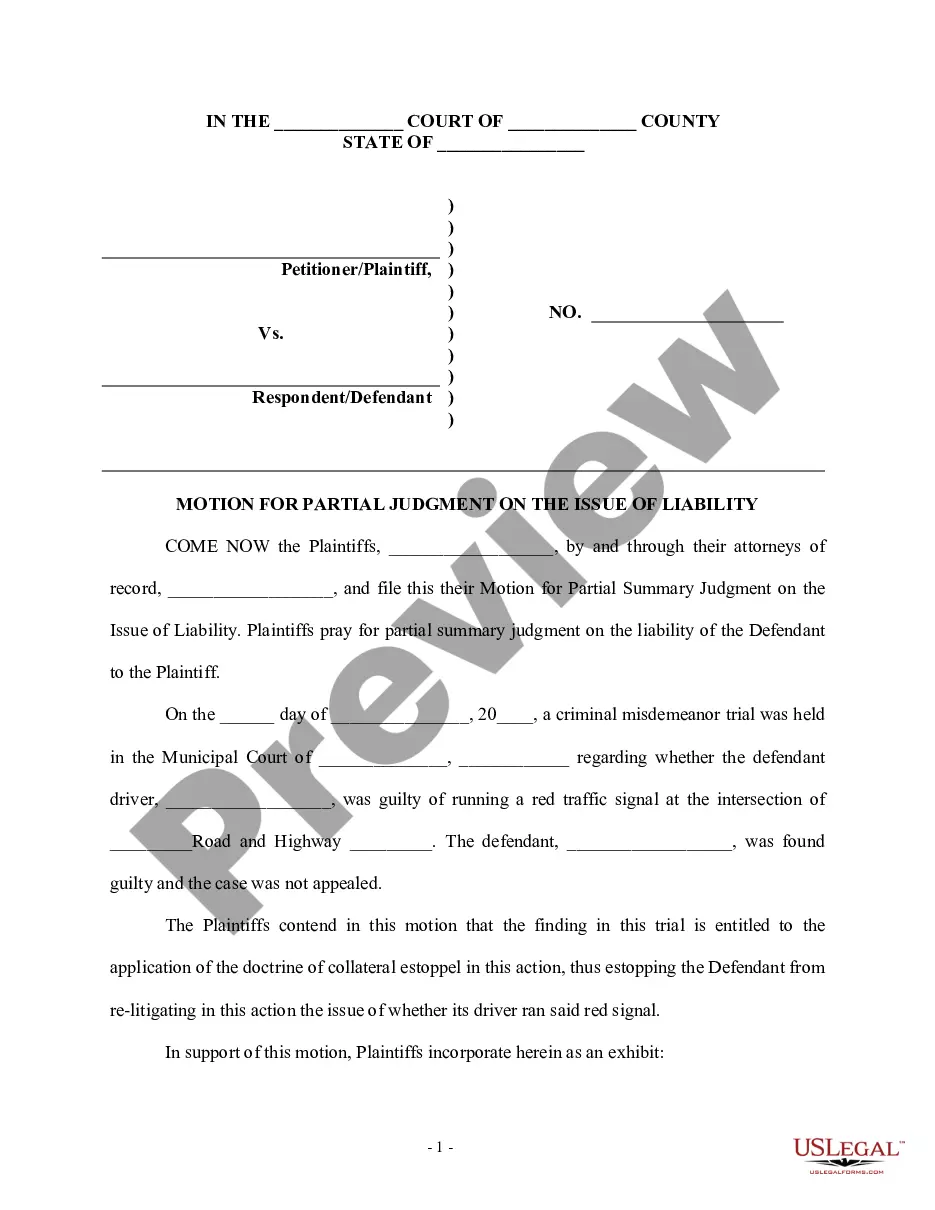
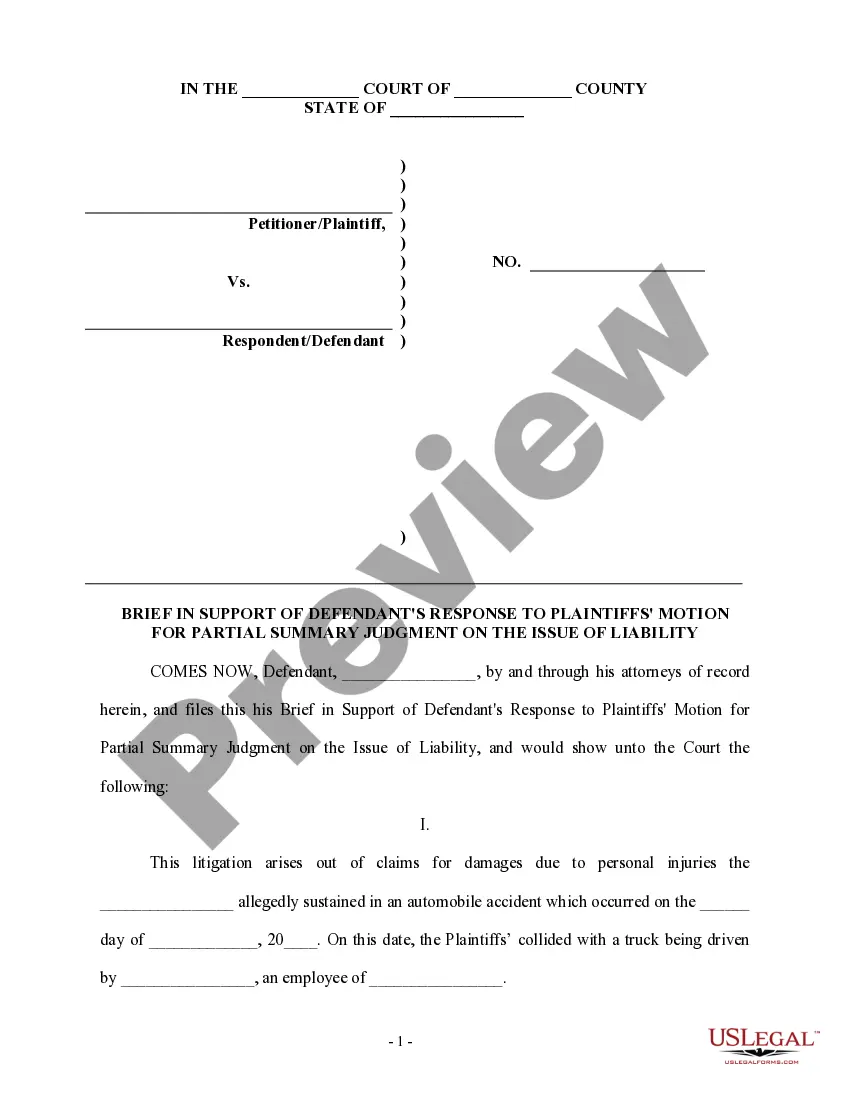
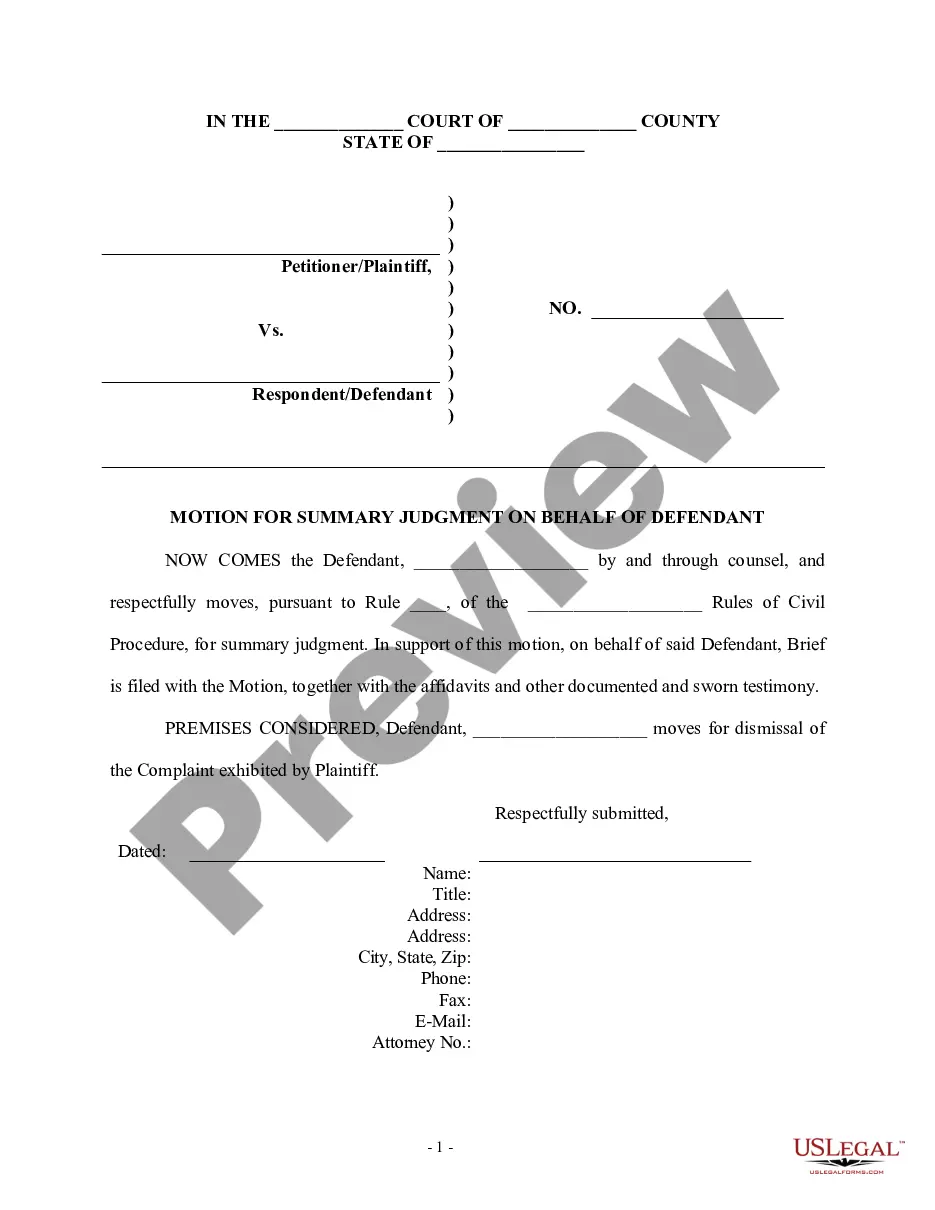
How to fill out Defendant's Response To Plaintiff's Motion For Summary Judgment On The Issue Of Liability?
- If you're a returning user, log in to your account and click the Download button to retrieve your required form template. Ensure your subscription is active; if it's expired, renew it according to your plan.
- For new users, start by reviewing the Preview mode and form descriptions to confirm you've selected the correct document that aligns with your jurisdiction's requirements.
- If the document doesn't meet your needs, utilize the Search tab to explore alternative templates. Once you find the right one, proceed to the next step.
- To acquire the document, click the Buy Now button and select a subscription plan that best fits your needs. You'll need to create an account to access the library's extensive resources.
- Complete your purchase by entering your credit card information or using your PayPal account for a subscription.
- After purchasing, download your form to your device. You can also access it later in the My Forms section of your profile.
By following these straightforward steps, you can quickly obtain the necessary legal documents. US Legal Forms empowers you with the tools to effectively manage your legal needs.
Don't hesitate to explore the extensive resources available and elevate your legal documentation process today!
Form popularity
FAQ
To write a strong summary judgment for damages, clearly lay out your arguments and the supporting evidence. Start by outlining the facts, relevant laws, and how they apply to your case. Ensure you anticipate counterarguments; addressing them within your document can bolster your position. Using a trusted platform like US Legal Forms can streamline this process by providing templates and guidance tailored to your needs.
Winning a summary judgment for damages often depends on the clarity of evidence and legal arguments presented. Courts typically favor summary judgment when there are no significant factual disputes. Therefore, you can improve your odds by thoroughly preparing your case and addressing all relevant facts. It's essential to consult legal experts who can help navigate the complexities of your situation.
To survive summary judgment, it’s essential to demonstrate that there are indeed material facts in dispute. Collect comprehensive evidence that supports your position and prepare a solid counter-argument against the motion. Engaging legal resources, such as those provided by uslegalforms, can help you navigate this process successfully.
To file for summary judgment for damages, you need to prepare a motion and submit it to the appropriate court along with supporting documents. Make sure to include evidence that shows there’s no substantial question of fact in your case. Following your filing, the opposing party will have an opportunity to respond, and a hearing may be scheduled.
Typically, the party that believes it has a strong case files for summary judgment. This party wants to resolve the matter swiftly by proving that there are no factual disputes that require a trial. Often, plaintiffs and defendants alike may seek summary judgment if they believe the evidence strongly supports their position.
You can use various forms of evidence in a summary judgment for damages, including expert witness reports, documents, and sworn statements. Each piece of evidence should clearly address the elements of your claim. The goal is to ensure that the evidence presented leaves no room for reasonable disagreement on the facts.
Writing a good motion for summary judgment involves clearly outlining your arguments and supporting them with substantial evidence. Ensure you include relevant legal precedents and cite specific laws that support your request. Clarity and organization are key to making your motion persuasive and effective.
To make a summary judgment for damages, begin by filing a motion with the court that articulates the basis for your claim. Your motion should include supporting evidence and a clear statement of law. It’s essential to demonstrate that no material facts are in dispute, allowing the court to rule based on the law alone.
In a summary judgment for damages, parties present various types of evidence including affidavits, deposition transcripts, and documents that support their claims. This evidence must show that there is no genuine dispute over the material facts of the case. Remember, it is crucial to provide clear and convincing evidence to persuade the court.
The burden of proof for summary judgment lies with the party moving for it, meaning they must provide sufficient evidence to support their claim. They should demonstrate that no genuine dispute exists regarding material facts, thus making a trial unnecessary. This requires a well-prepared presentation of evidence, including documents and witness statements. Working with resources available on platforms like US Legal Forms can help you position your case effectively.