Take Deposition Subpoena Form With Two Points
Description
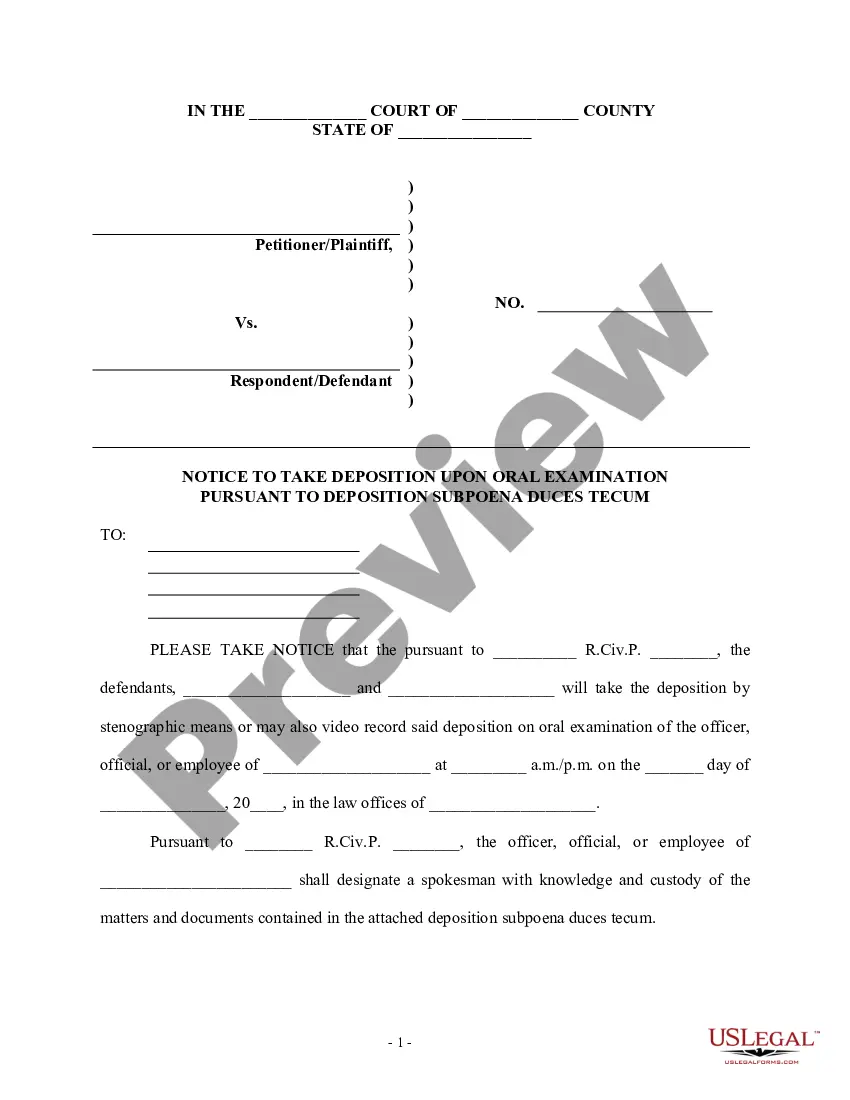
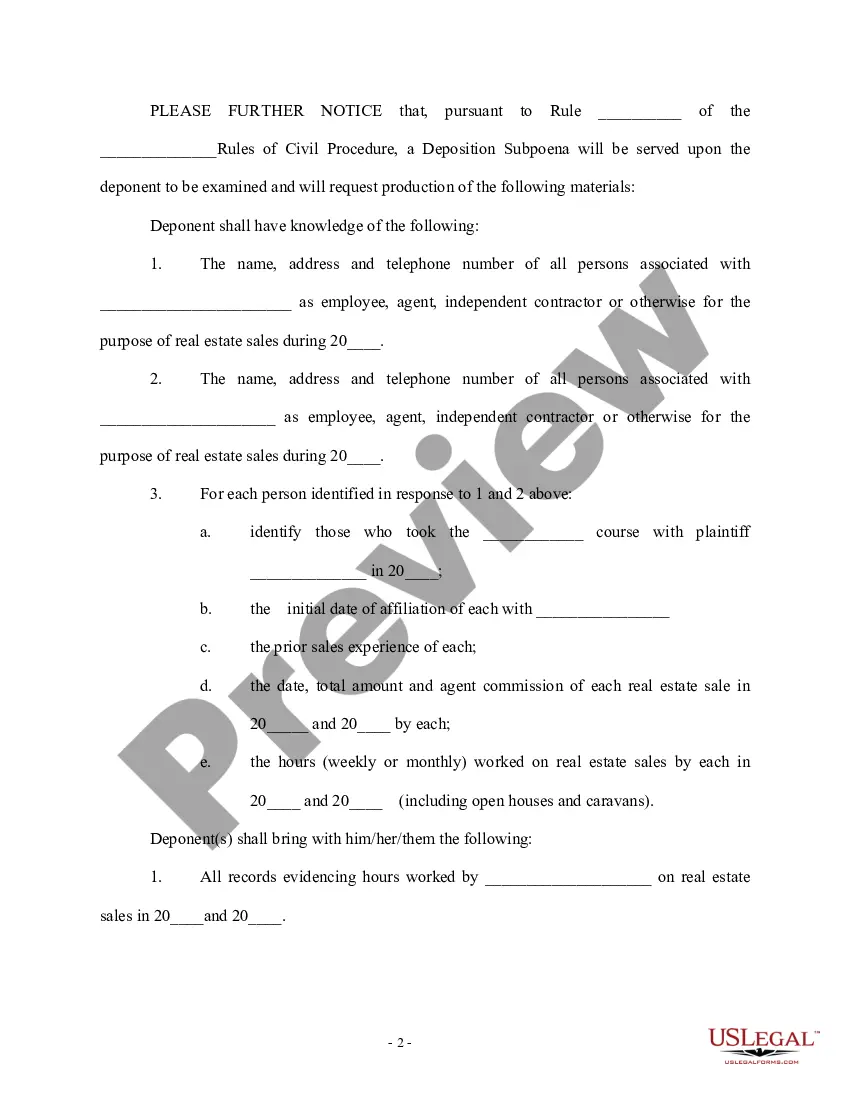
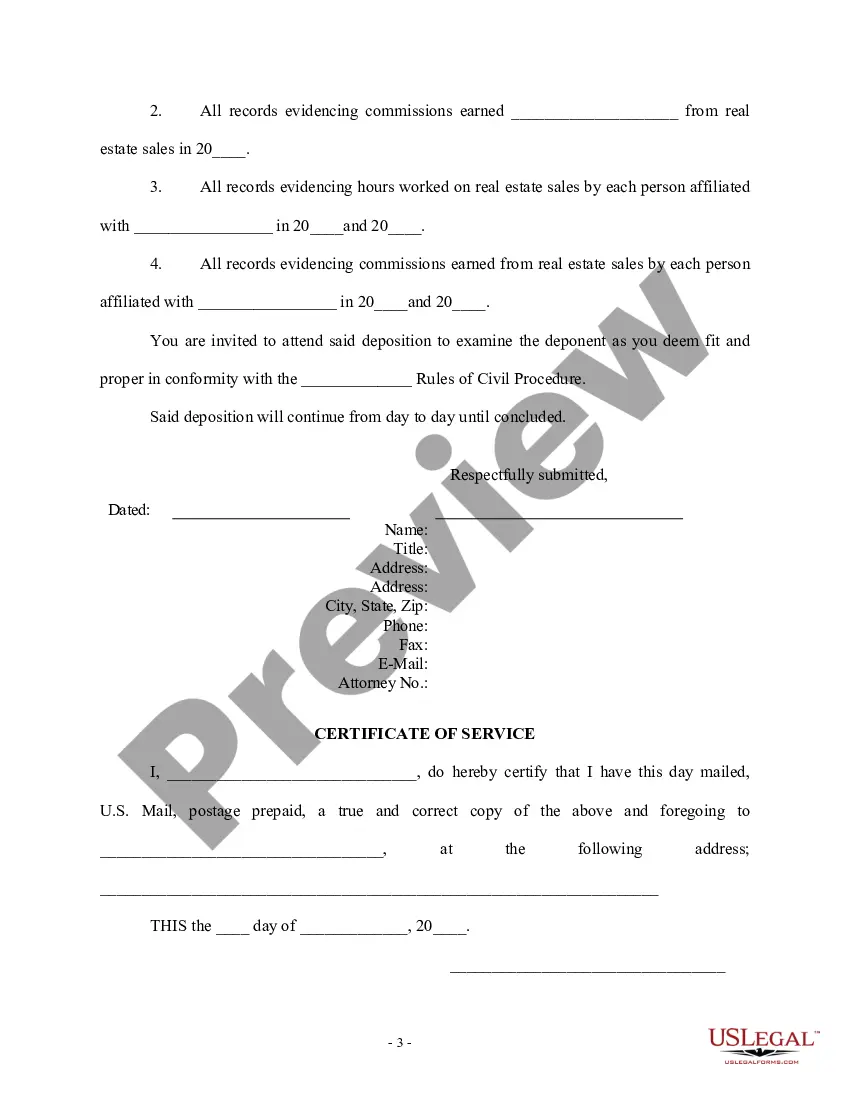
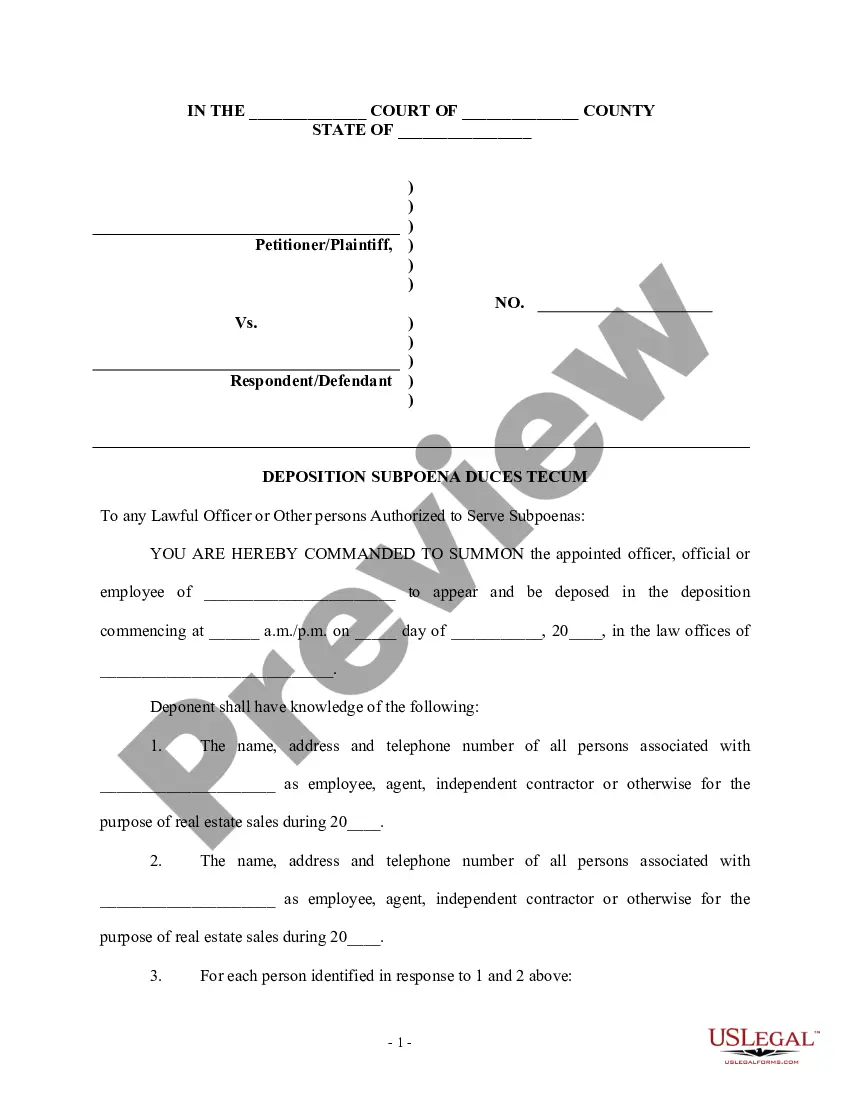
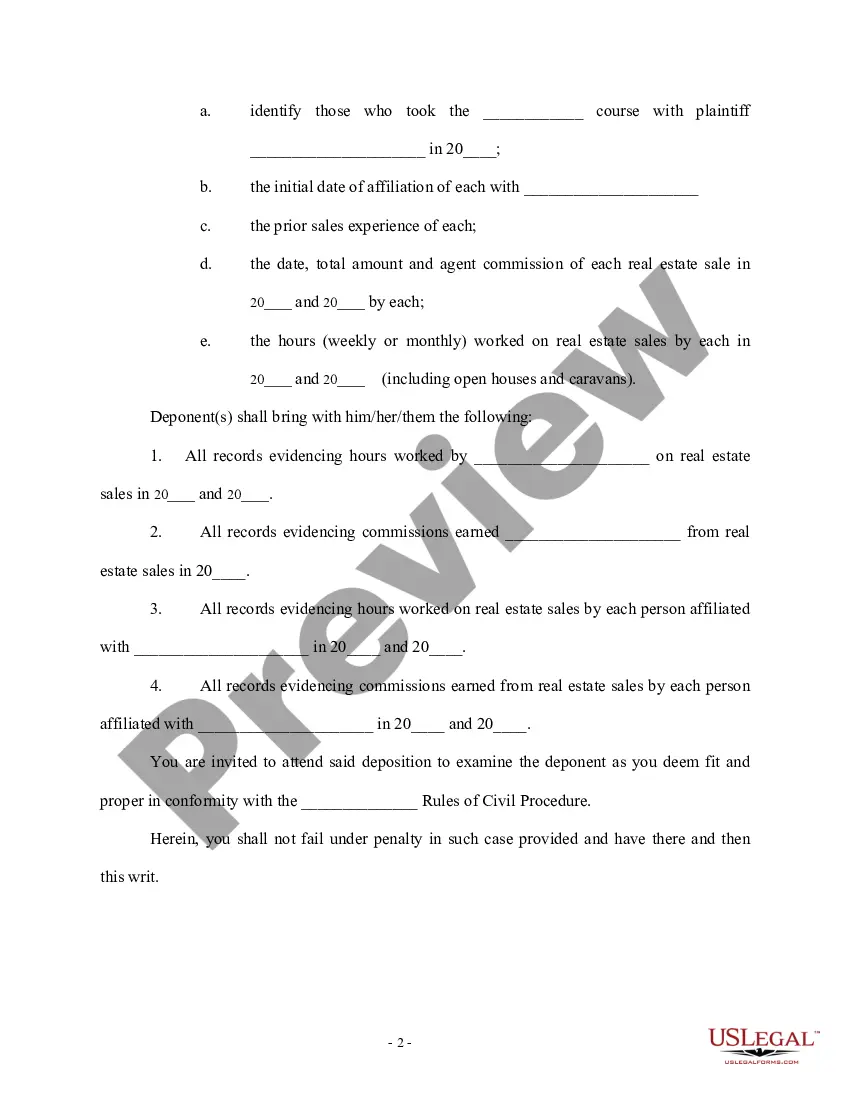
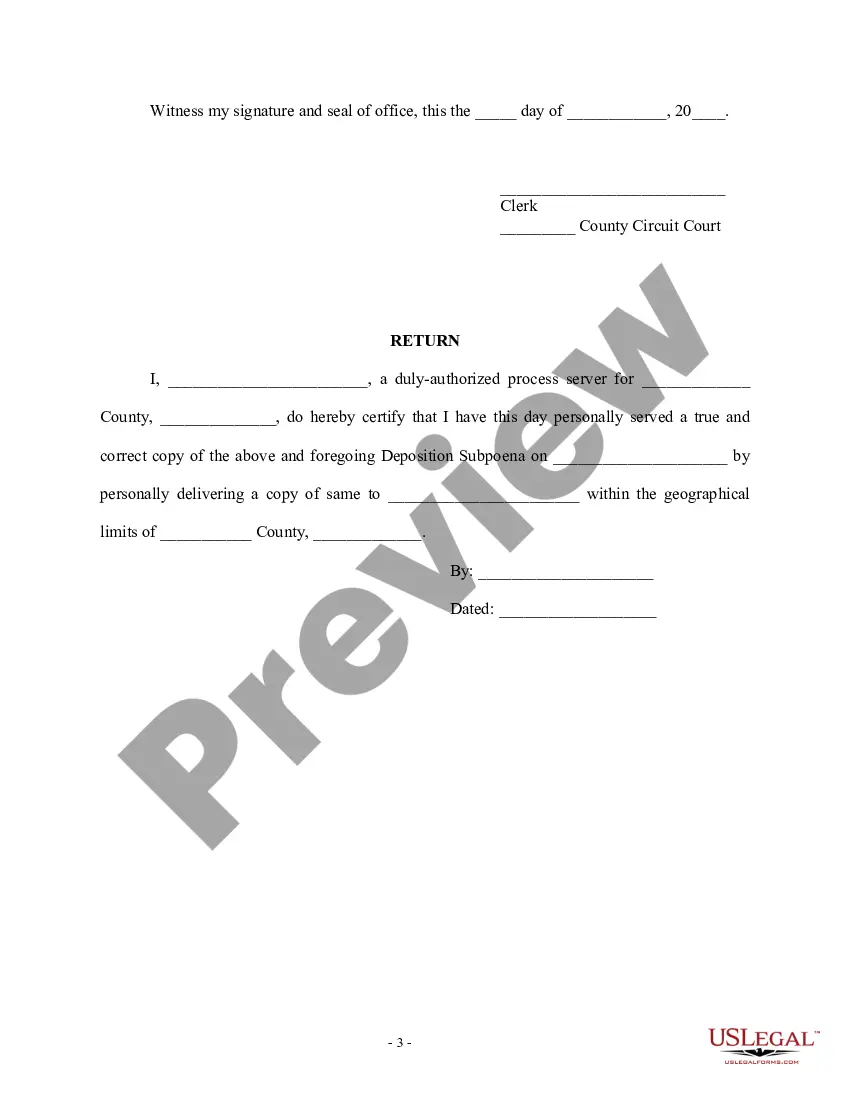
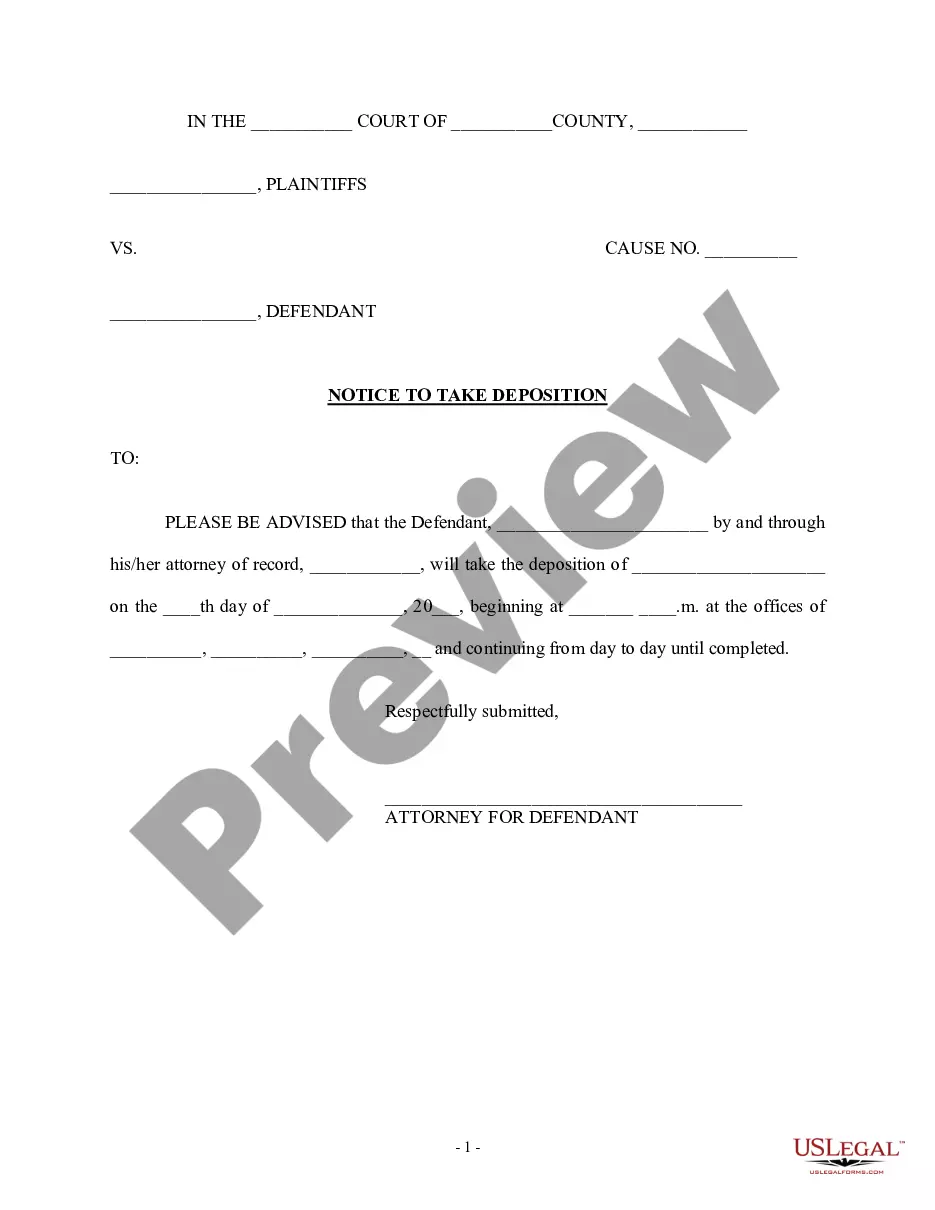
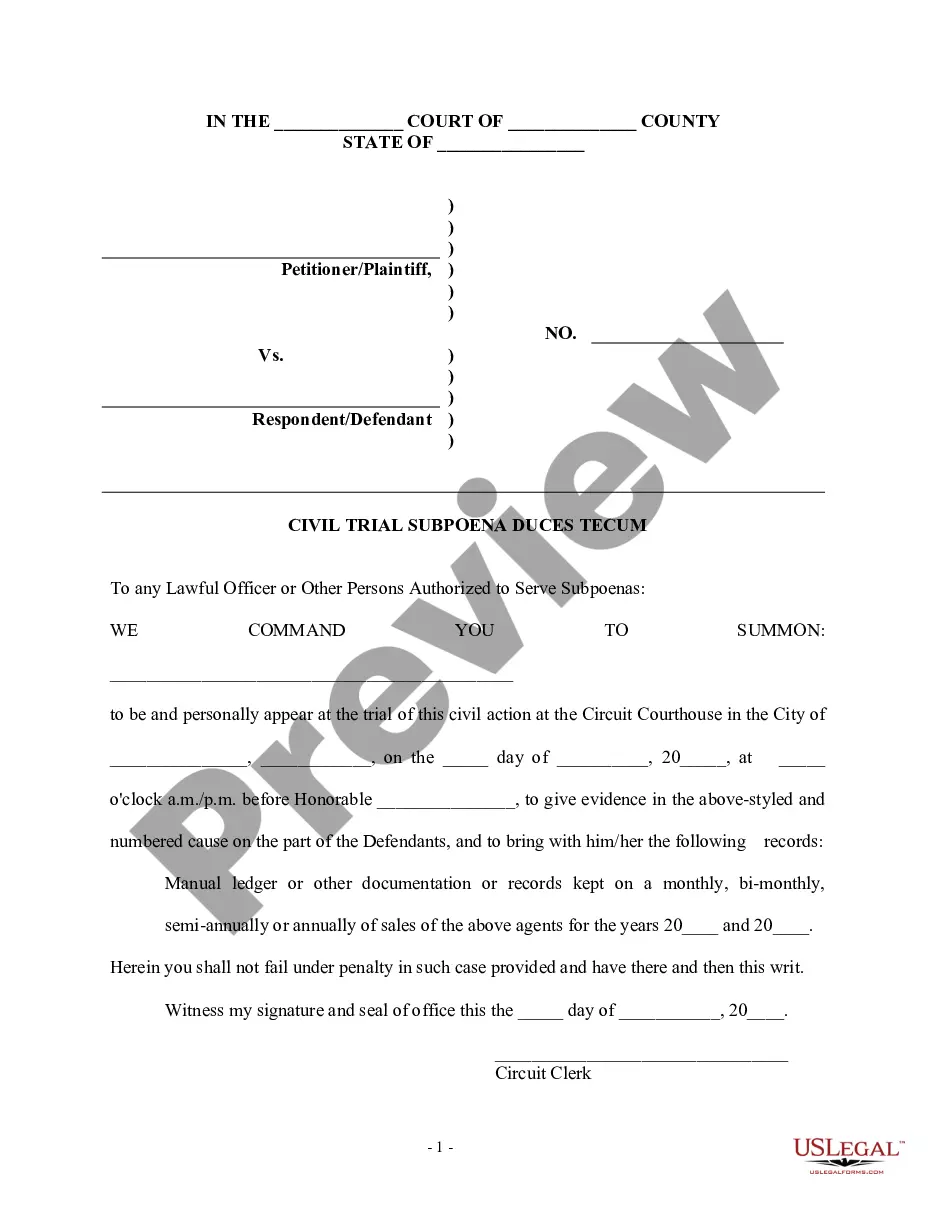
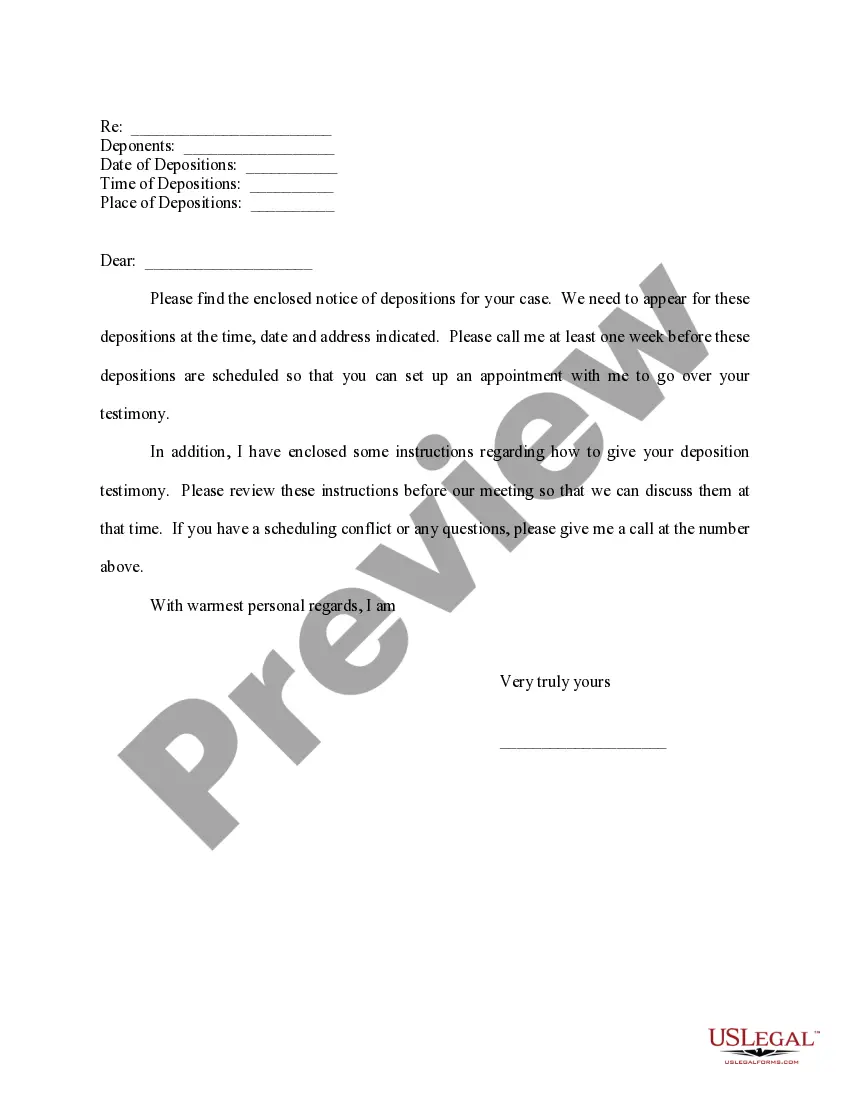
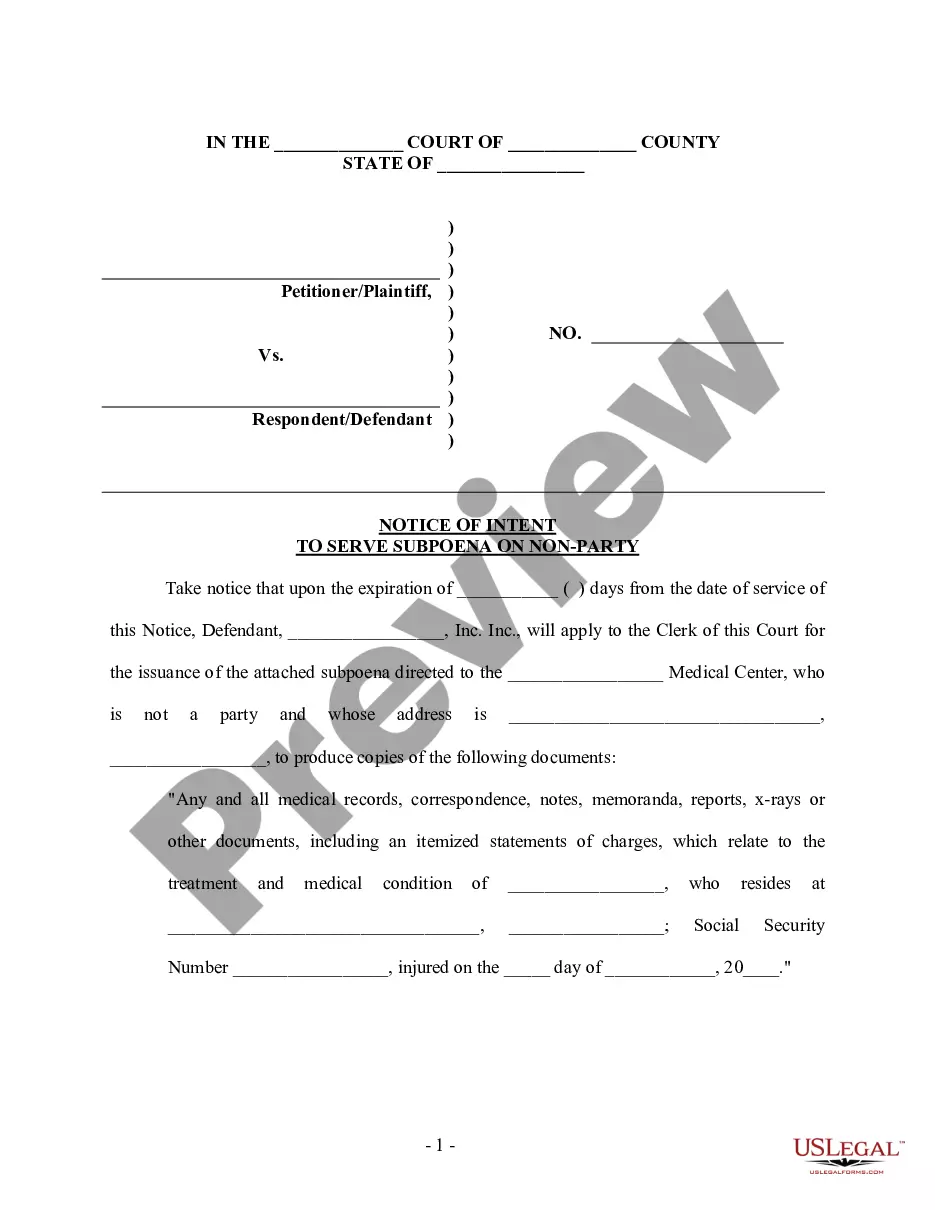
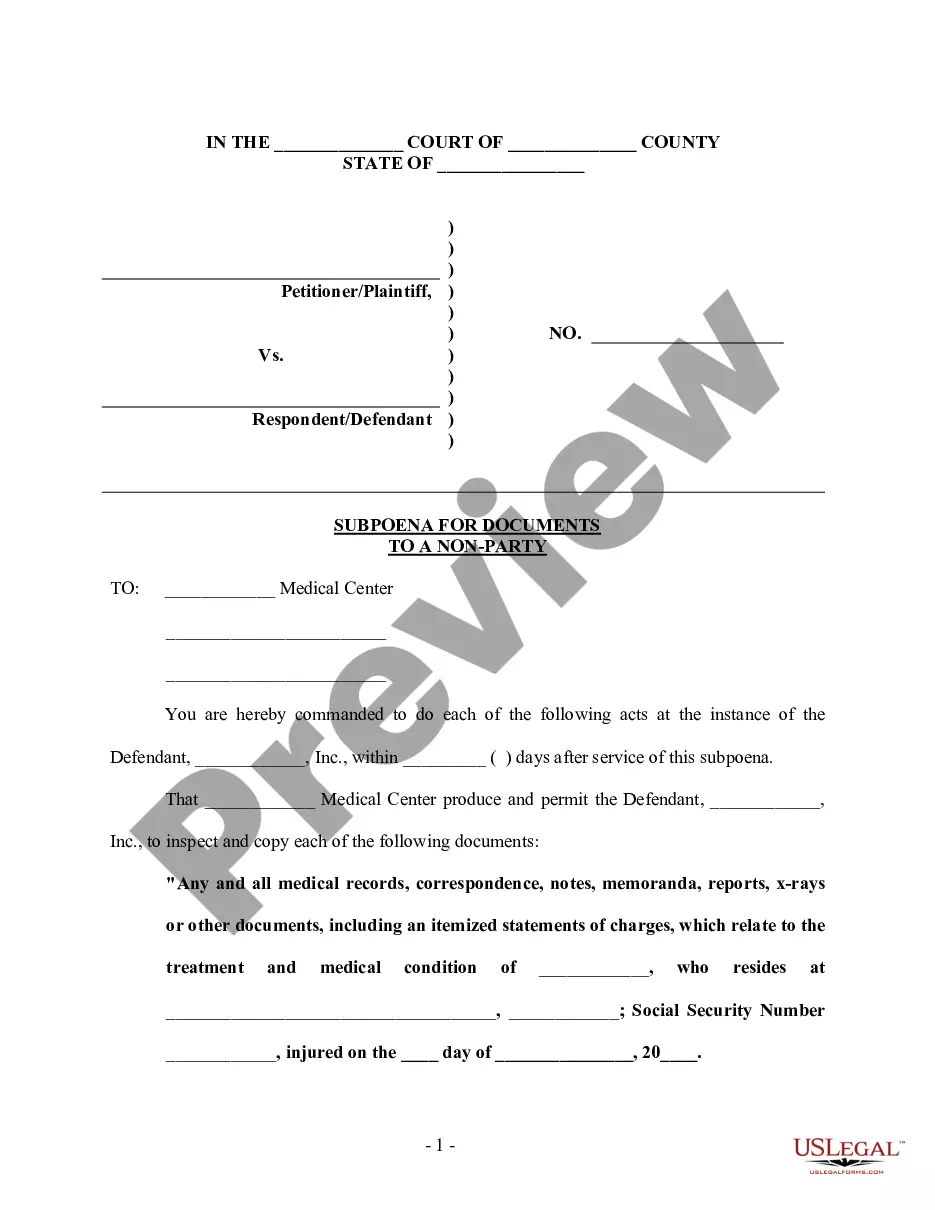
Get your form ready online
Our built-in tools help you complete, sign, share, and store your documents in one place.
Make edits, fill in missing information, and update formatting in US Legal Forms—just like you would in MS Word.
Download a copy, print it, send it by email, or mail it via USPS—whatever works best for your next step.
Sign and collect signatures with our SignNow integration. Send to multiple recipients, set reminders, and more. Go Premium to unlock E-Sign.
If this form requires notarization, complete it online through a secure video call—no need to meet a notary in person or wait for an appointment.
We protect your documents and personal data by following strict security and privacy standards.

Make edits, fill in missing information, and update formatting in US Legal Forms—just like you would in MS Word.

Download a copy, print it, send it by email, or mail it via USPS—whatever works best for your next step.

Sign and collect signatures with our SignNow integration. Send to multiple recipients, set reminders, and more. Go Premium to unlock E-Sign.

If this form requires notarization, complete it online through a secure video call—no need to meet a notary in person or wait for an appointment.

We protect your documents and personal data by following strict security and privacy standards.
Looking for another form?
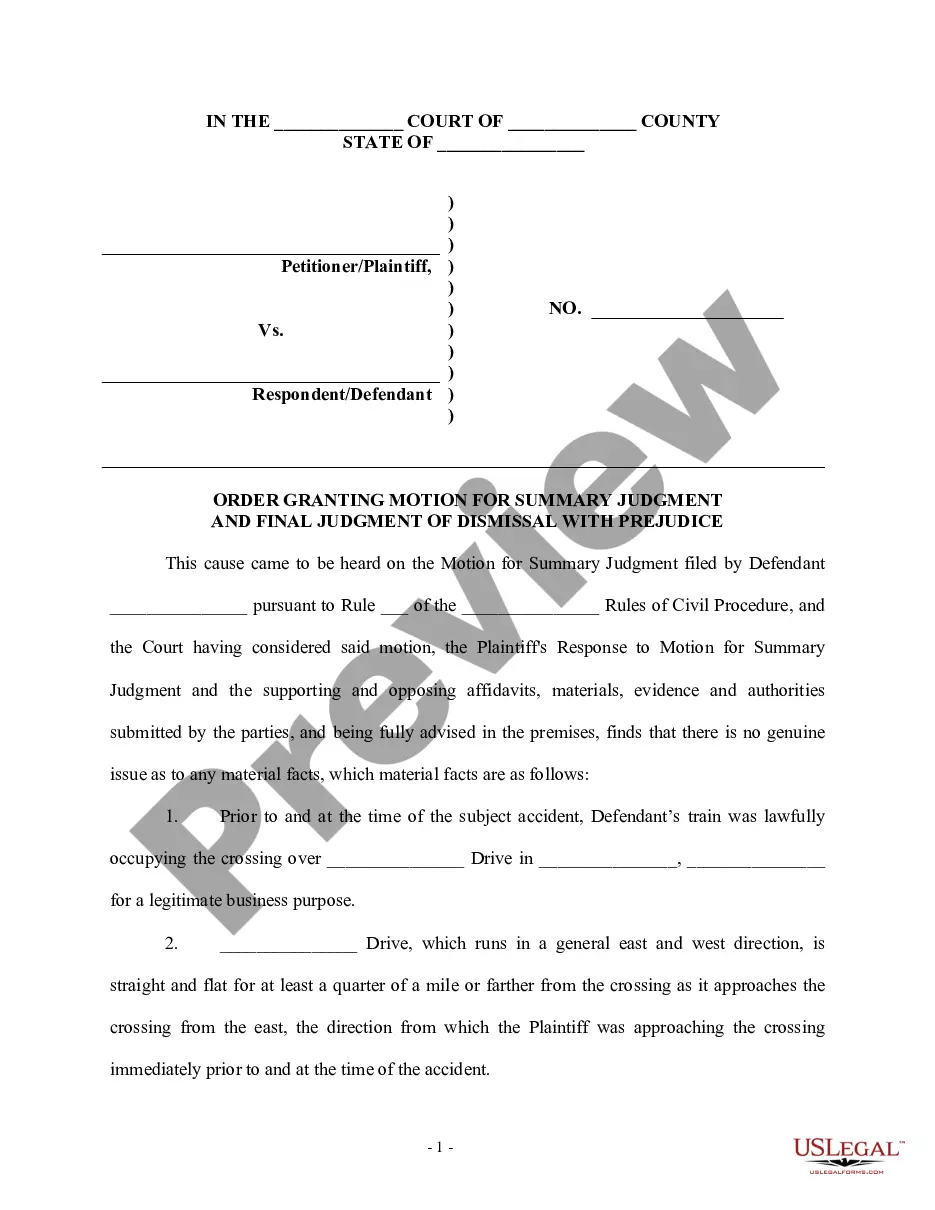

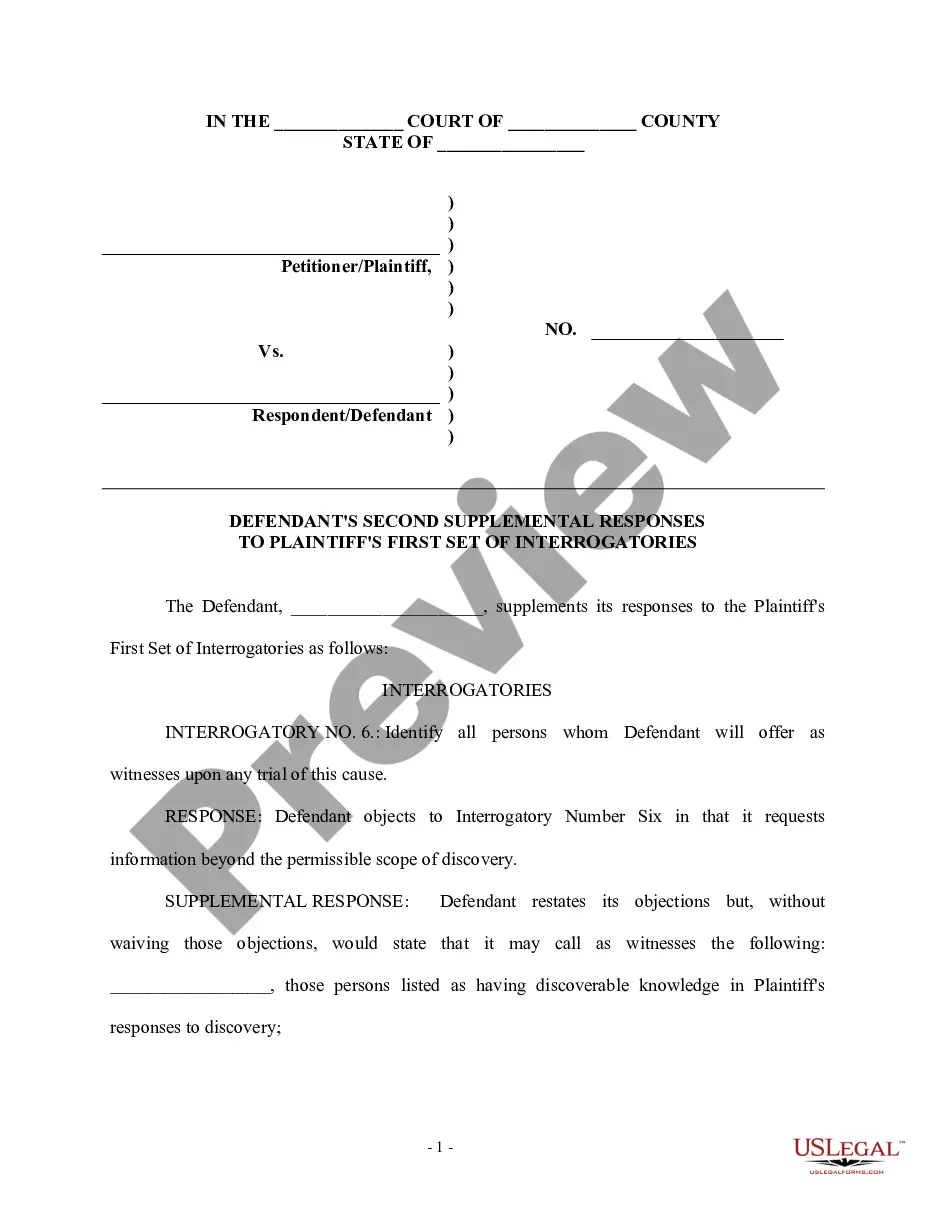
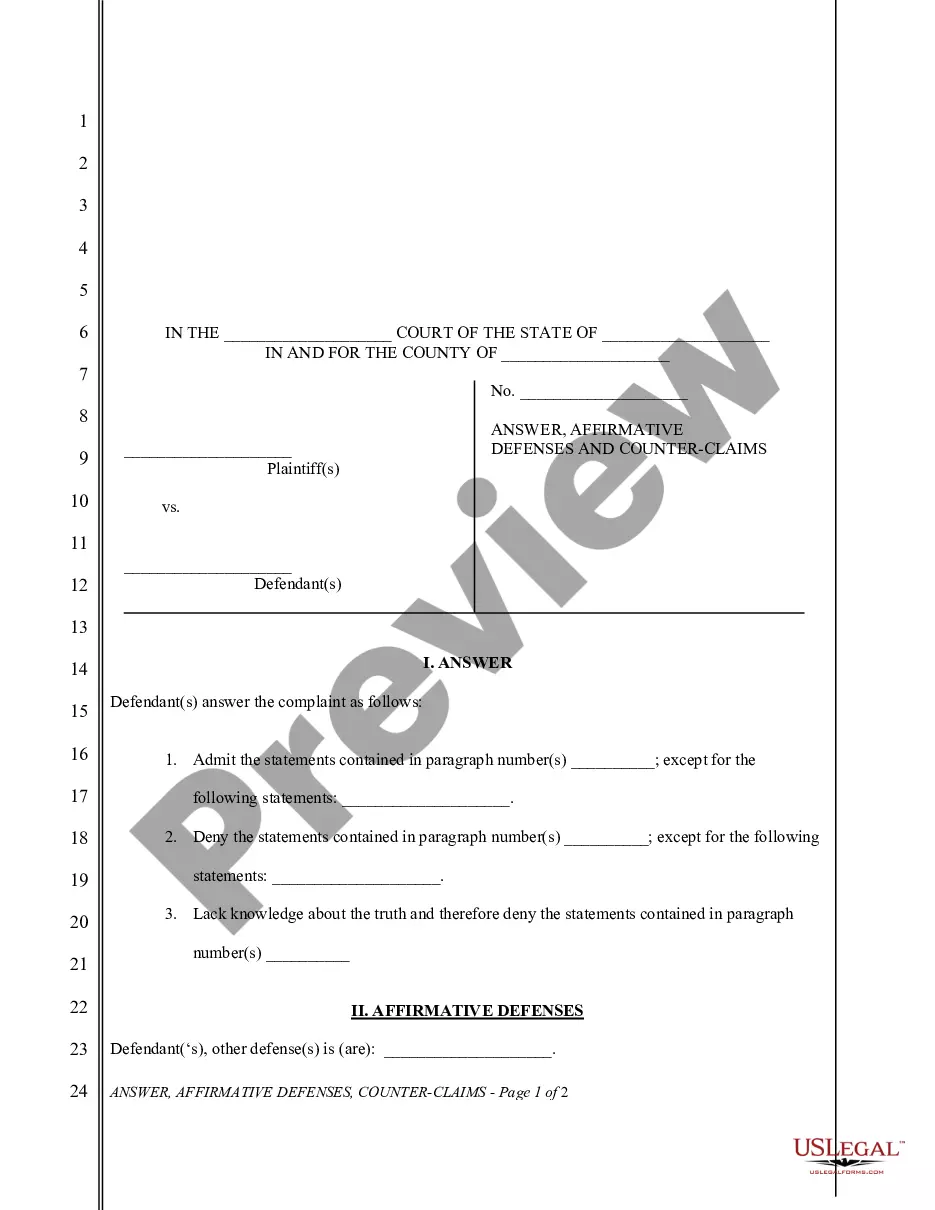
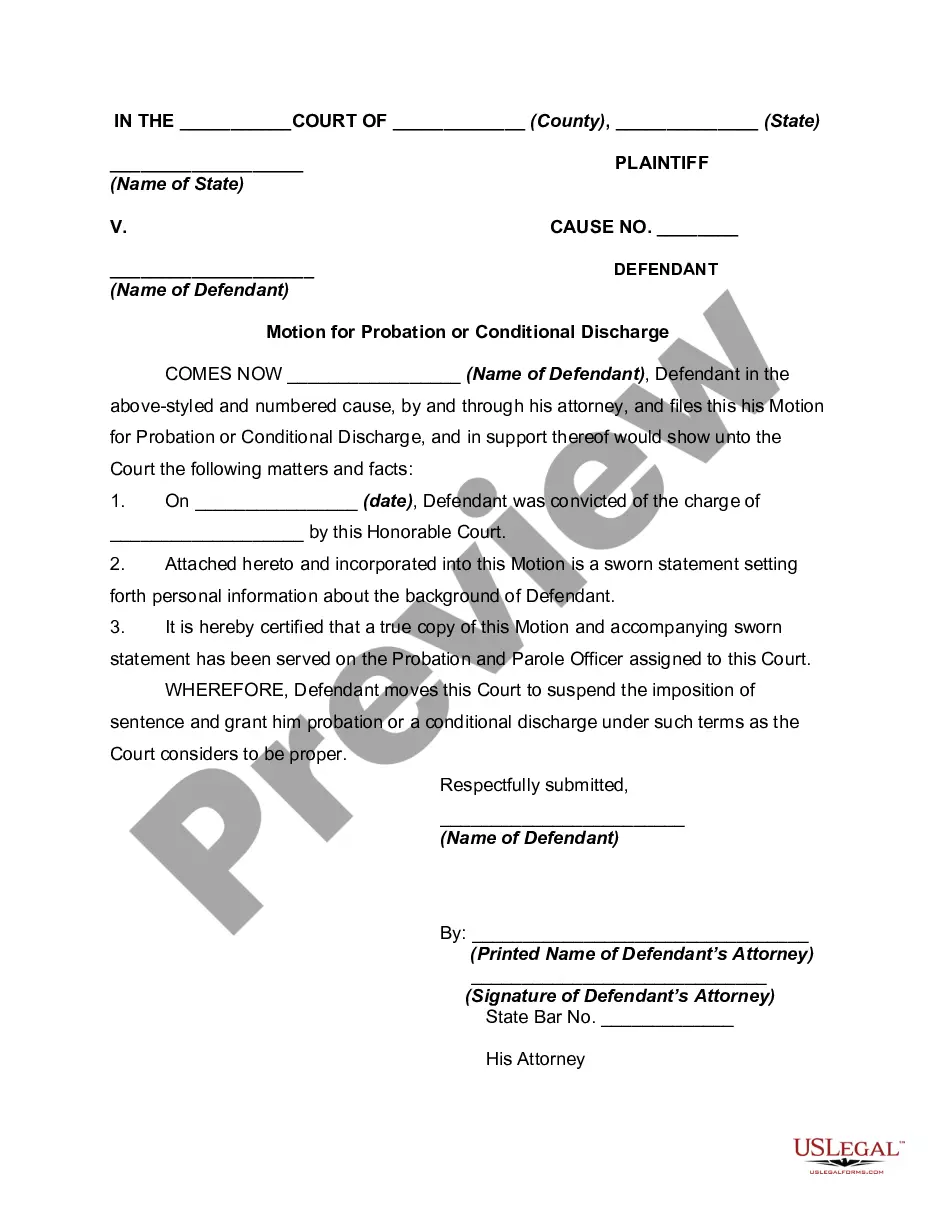


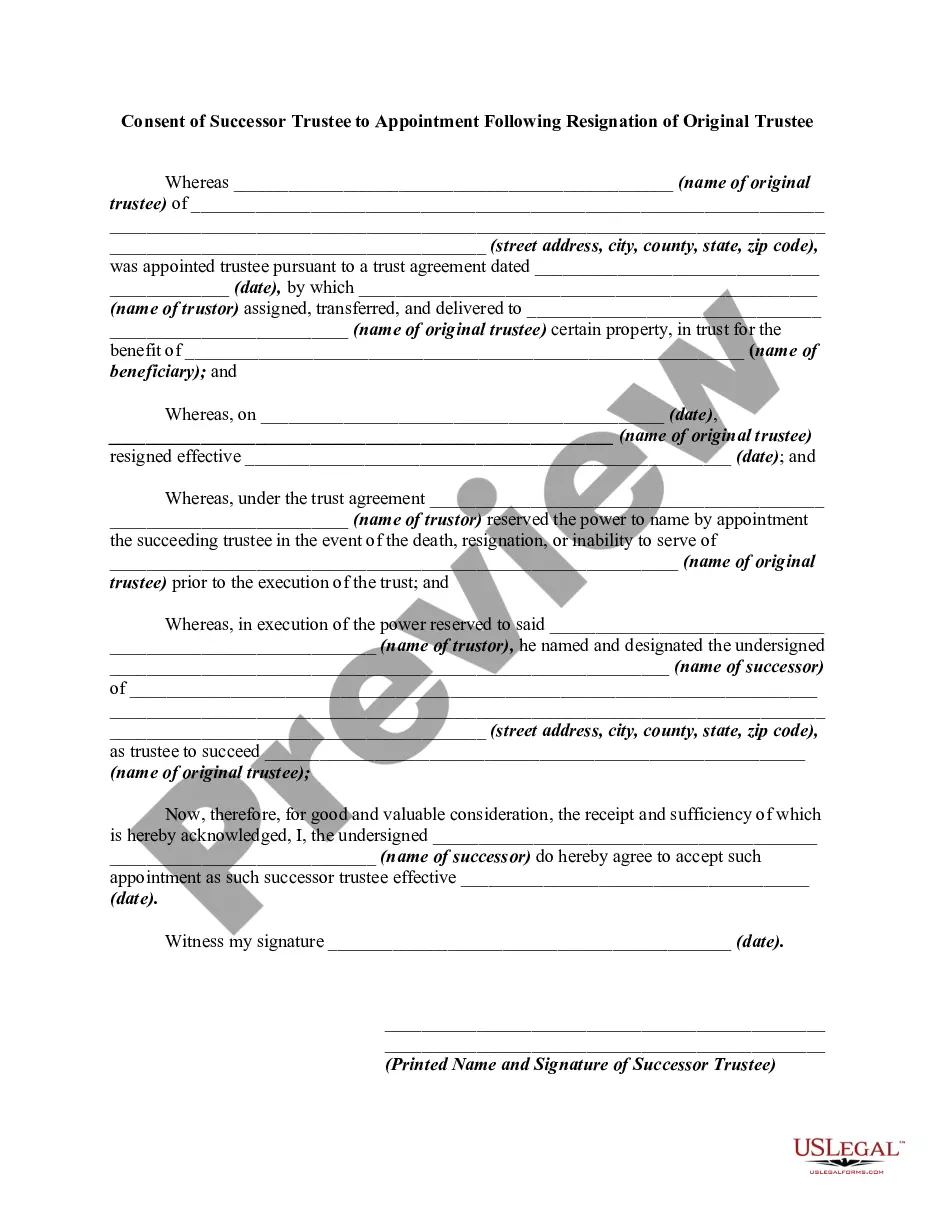
How to fill out Notice To Take Deposition Subpoena Duces Tecum?
The Deposition Subpoena Form With Two Points presented on this page is a versatile legal template formulated by expert attorneys in accordance with federal and state regulations.
For over 25 years, US Legal Forms has offered individuals, entities, and legal practitioners access to over 85,000 authenticated, state-specific documents for various business and personal purposes. It’s the quickest, easiest, and most trustworthy method to secure the documents you require, as the service assures the utmost standards of data protection and anti-malware safeguards.
Register for US Legal Forms to gain access to authenticated legal templates for all aspects of life.
- Search for the document you require and review it.
- Browse through the template you looked for and preview it or check the document description to ensure it meets your requirements. If not, utilize the search bar to find the proper one. Click Buy Now once you have found the template you are looking for.
- Register and sign in.
- Select the pricing option that best fits your needs and create an account. Use PayPal or a credit card for a swift transaction. If you already possess an account, Log In and verify your subscription to continue.
- Obtain the editable document.
- Select the format you prefer for your Deposition Subpoena Form With Two Points (PDF, DOCX, RTF) and download the template onto your device.
- Fill out and sign the document.
- Print the template to fill it out manually. Alternatively, utilize an online multifunctional PDF editor to swiftly and accurately complete and sign your document using an eSignature.
- Re-download your document as needed.
- Access the same document again whenever required. Open the My documents tab in your account to re-download any previously saved forms.
Form popularity
FAQ
The purpose of a deposition is to gather information and evidence for a legal case. It allows attorneys to question a witness under oath before a trial. This process can clarify details, confirm facts, and establish the witness's credibility. For those preparing to take this step, utilizing a take deposition subpoena form with two points can simplify the legal proceedings.
The deposition summary should cover the main and relevant points of the deposition only, focusing on the following: Describing a deposition for the insurance client or adjuster. Refreshing recollection of the witness before the hearing or trial. Preparing other depositions of the same case. Preparing additional discovery.
In many cases, questions that do not have to be answered fall into three categories: Private information. You have a right to refuse any questions about a person's health, sexuality, or religious beliefs (including your own). ... Privileged information. ... Irrelevant information.
How to Handle a Deposition: Advice from an OMIC Defense Attorney Tell the truth. ... Think before you speak. ... Answer the question. ... Do not volunteer information. ... Do not answer a question you do not understand. ... Talk in full, complete sentences. ... You only know what you have seen or heard. ... Do not guess.
Brief and concise answers are best. If you don't know the answer, ?I don't know? is a perfectly good answer. Don't guess, speculate, or play a hunch. A deposition is sworn testimony; only say what you know to be true.
Guessing or Speculating on Things It is in your best interest to stick to the facts at hand. If you are unsure about the answer to a question, you can always respond, ?I do not know,? or, ?I cannot answer that.? Both of these responses are acceptable and help you avoid guessing or speculating on things.