Sample Letter Request For Medical Check Up
Description
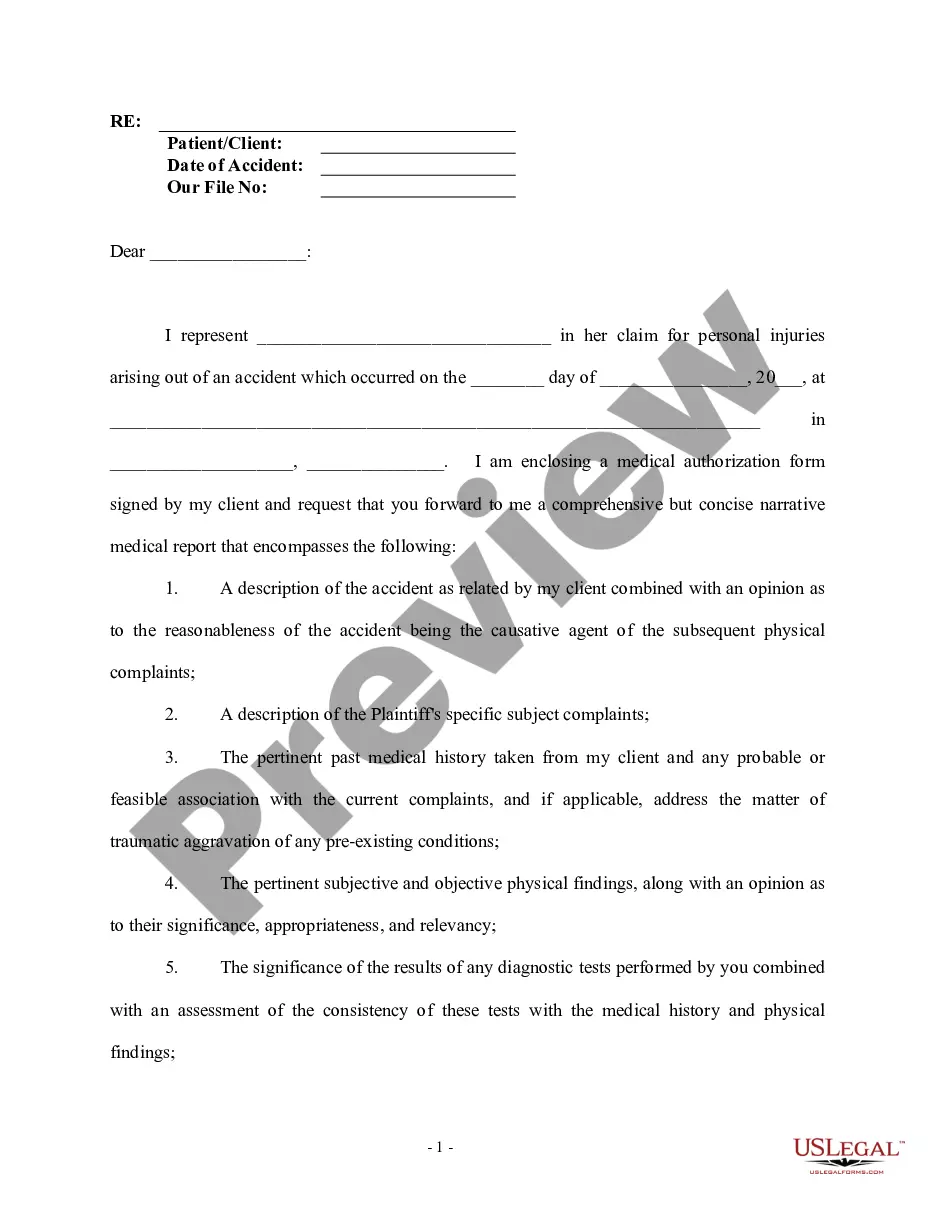
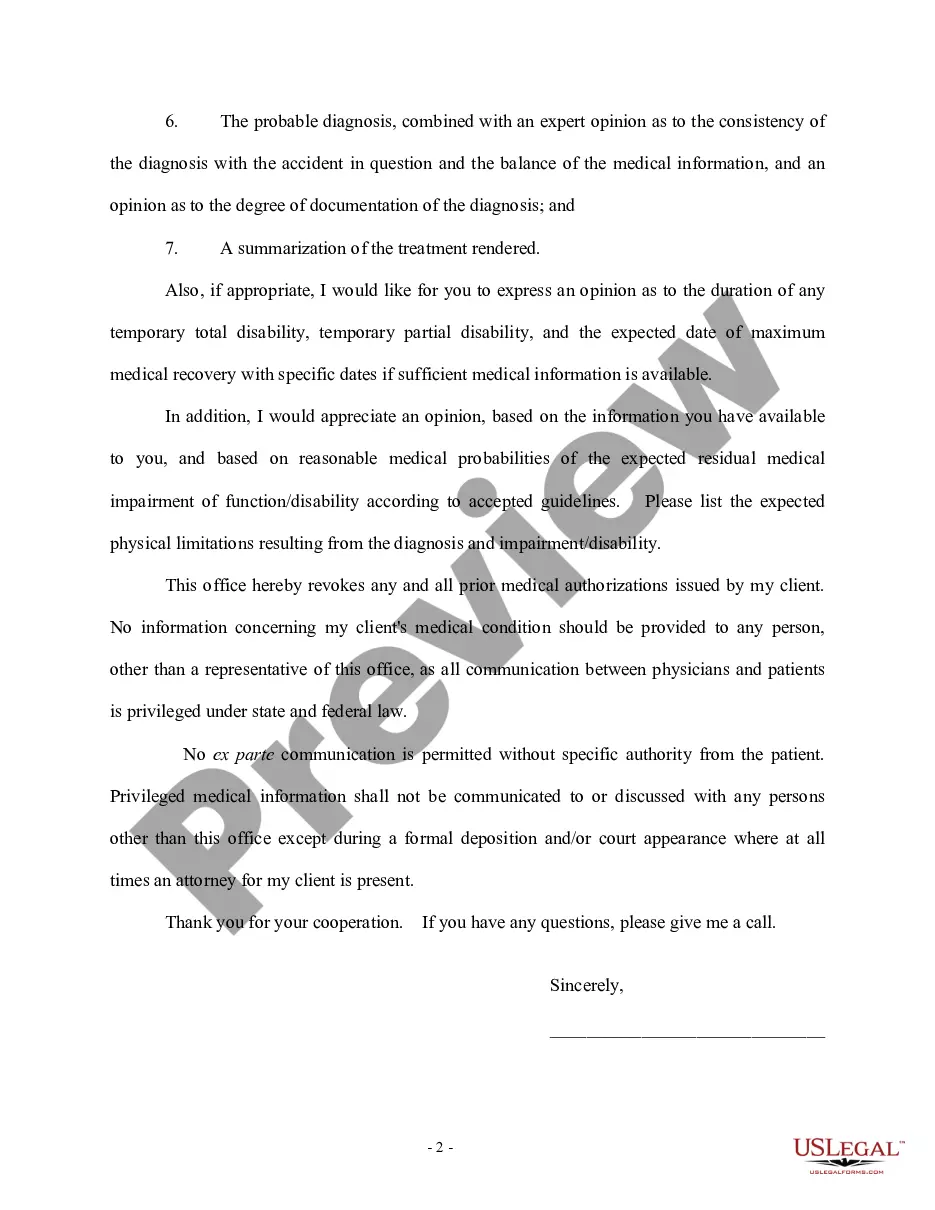

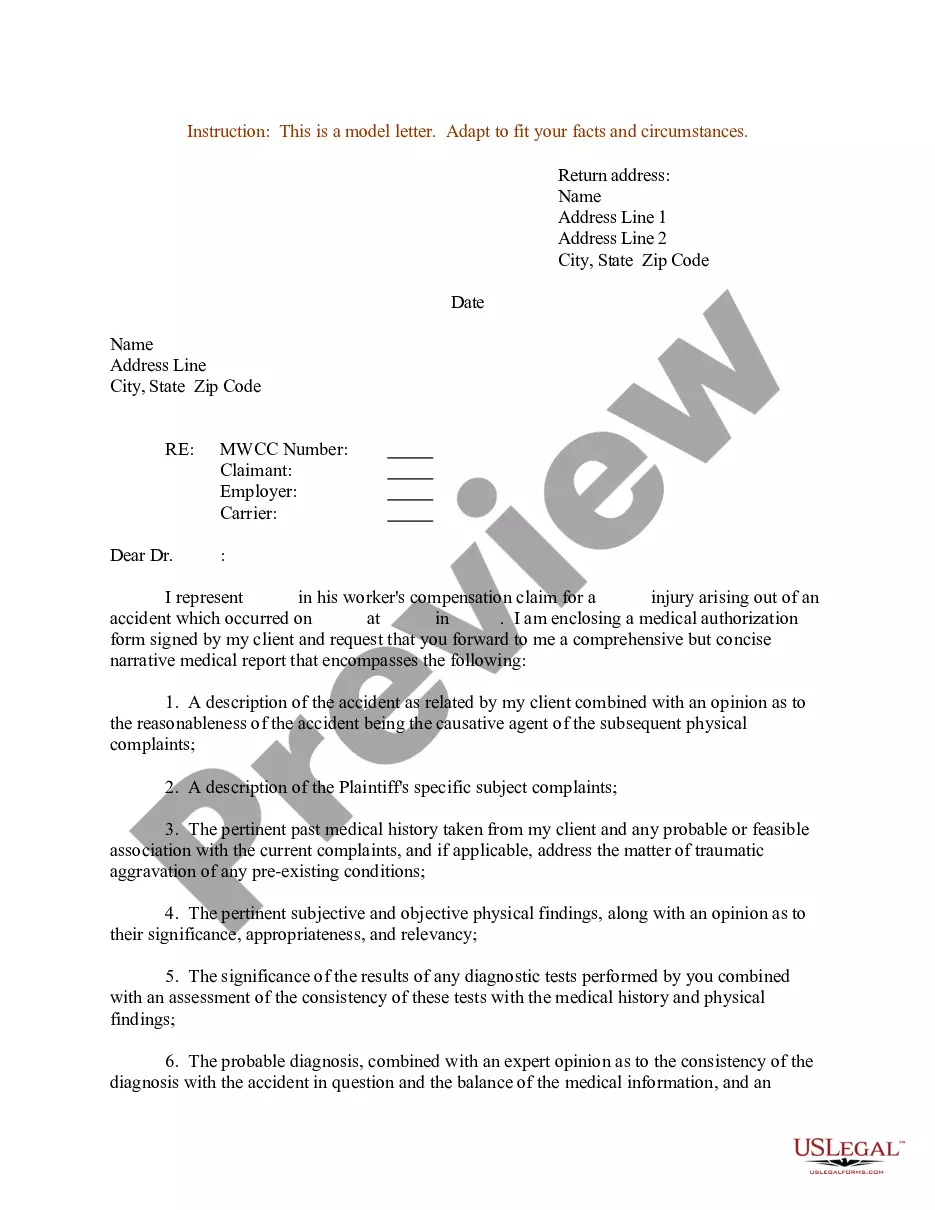
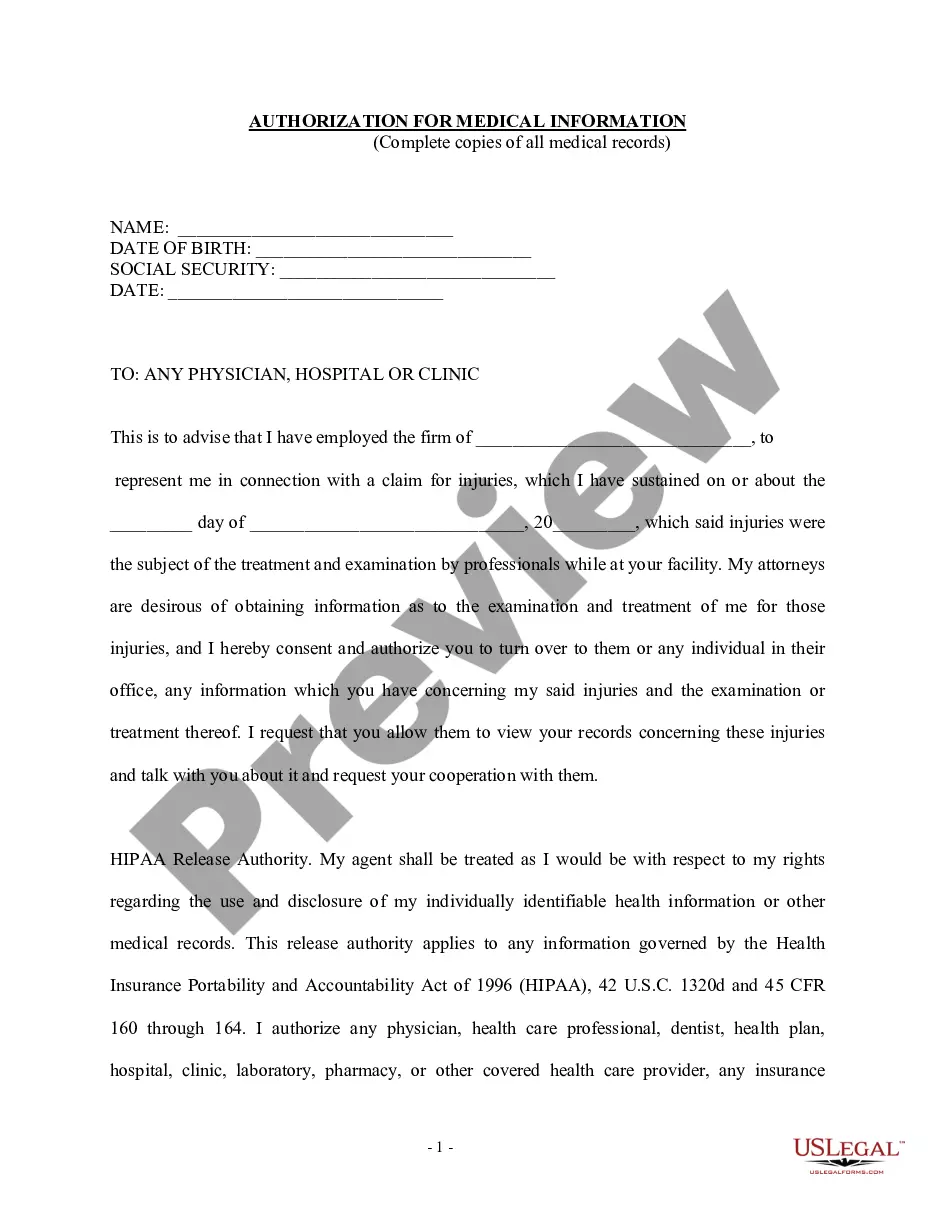
Get your form ready online
Our built-in tools help you complete, sign, share, and store your documents in one place.
Make edits, fill in missing information, and update formatting in US Legal Forms—just like you would in MS Word.
Download a copy, print it, send it by email, or mail it via USPS—whatever works best for your next step.
Sign and collect signatures with our SignNow integration. Send to multiple recipients, set reminders, and more. Go Premium to unlock E-Sign.
If this form requires notarization, complete it online through a secure video call—no need to meet a notary in person or wait for an appointment.
We protect your documents and personal data by following strict security and privacy standards.

Make edits, fill in missing information, and update formatting in US Legal Forms—just like you would in MS Word.

Download a copy, print it, send it by email, or mail it via USPS—whatever works best for your next step.

Sign and collect signatures with our SignNow integration. Send to multiple recipients, set reminders, and more. Go Premium to unlock E-Sign.

If this form requires notarization, complete it online through a secure video call—no need to meet a notary in person or wait for an appointment.

We protect your documents and personal data by following strict security and privacy standards.
Looking for another form?
How to fill out Letter To Doctor Requesting Client's Medical Information?
Utilizing legal document examples that adhere to national and local laws is essential, and the web provides numerous choices to select from.
However, what’s the use of spending time searching for the suitable Sample Letter Request For Medical Check Up example online when the US Legal Forms digital library has already gathered such templates in one location.
US Legal Forms is the largest virtual legal repository with over 85,000 customizable documents created by attorneys for any professional and personal situation.
Assess the template using the Preview option or via the text description to confirm it suits your requirements.
- They are straightforward to navigate with all documents categorized by state and intended use.
- Our professionals stay informed on legal updates, ensuring your form is always current and compliant when obtaining a Sample Letter Request For Medical Check Up from our site.
- Acquiring a Sample Letter Request For Medical Check Up is fast and effortless for both existing and new users.
- If you possess an account with an active subscription, Log In and save the document sample you need in the appropriate format.
- If you are new to our site, follow the steps below.
Form popularity
FAQ
6 Steps to Write a Medical Request Letter Step 1: Receiver Details. The first section in a request sample letter to start with is the details of the receiver to whom you are sending the letter. ... Step 2: Salutation. ... Step 3: Reason. ... Step 4: Hospital Details. ... Step 5: Gratitude. ... Step 6: Closing Signature.
I am writing on behalf of my patient, [PATIENT NAME], to [REQUEST PRIOR AUTHORZATION/DOCUMENT MEDICAL NECESSITY] for treatment with [INSERT PRODUCT]. The [PATIENT NAME] has a diagnosis of [DIAGNOSIS] and needs treatment with [INSERT PRODUCT], and that [INSERT PRODUCT] is medically necessary for [him/her] as prescribed.
Make sure that your doctor drafts a medical necessity letter that: Is published on formal letterhead, signed and dated. Includes detailed identification for both patient and provider. Details the diagnosis, treatment, and relevant medical history.
Here is how to write a request letter in 7 steps: Collect information relating to your request. ... Create an outline. ... Introduce yourself. 4. Make your request. ... Explain the reason for the request. ... Offer to provide additional information. ... Show your gratitude and conclude the letter. ... Use a professional format.
Dear: [Contact Name/Medical Director], I am writing on behalf of my patient, [Patient First and Last Name] to document the medical necessity for treatment with [DRUG NAME]. This letter provides information about the patient's medical history, diagnosis and a summary of the treatment plan.