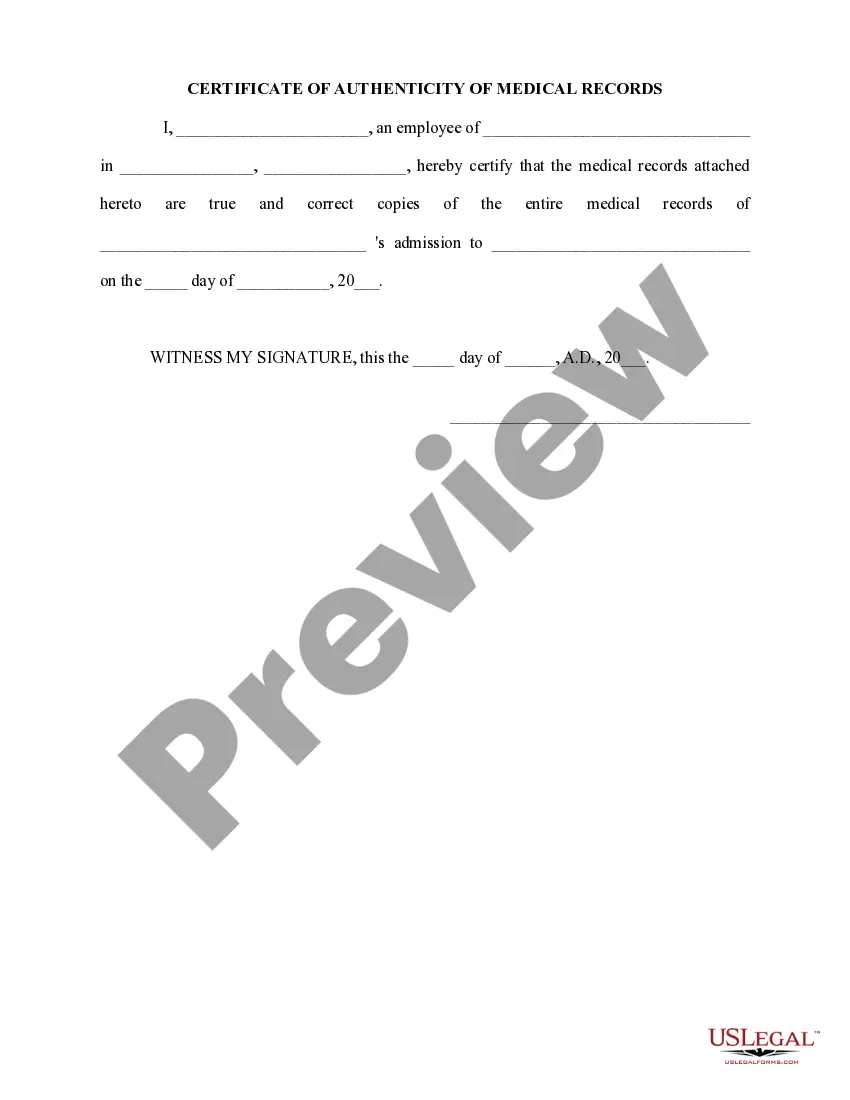
Certification Of Medical Records With Subpoena
Description
Get your form ready online
Our built-in tools help you complete, sign, share, and store your documents in one place.
Make edits, fill in missing information, and update formatting in US Legal Forms—just like you would in MS Word.
Download a copy, print it, send it by email, or mail it via USPS—whatever works best for your next step.
Sign and collect signatures with our SignNow integration. Send to multiple recipients, set reminders, and more. Go Premium to unlock E-Sign.
If this form requires notarization, complete it online through a secure video call—no need to meet a notary in person or wait for an appointment.
We protect your documents and personal data by following strict security and privacy standards.

Make edits, fill in missing information, and update formatting in US Legal Forms—just like you would in MS Word.

Download a copy, print it, send it by email, or mail it via USPS—whatever works best for your next step.

Sign and collect signatures with our SignNow integration. Send to multiple recipients, set reminders, and more. Go Premium to unlock E-Sign.

If this form requires notarization, complete it online through a secure video call—no need to meet a notary in person or wait for an appointment.

We protect your documents and personal data by following strict security and privacy standards.
Looking for another form?

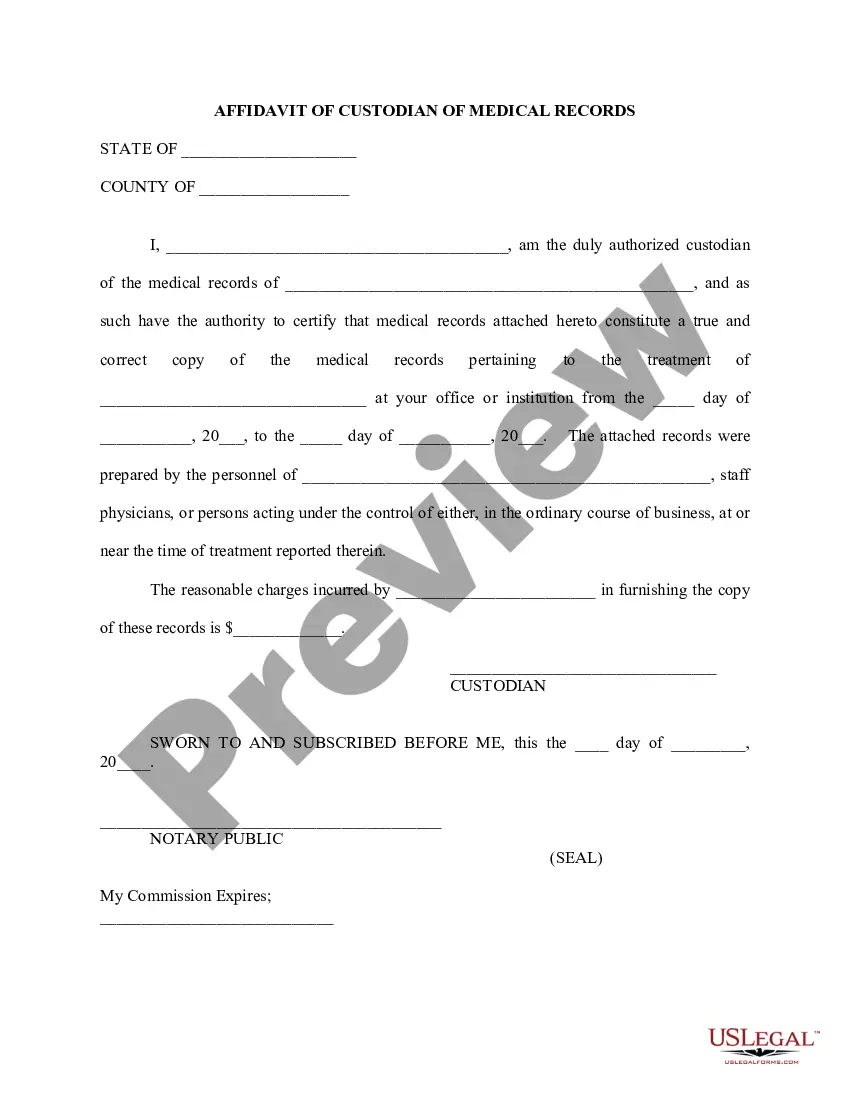
How to fill out Certificate Of Authenticity Of Medical Records?
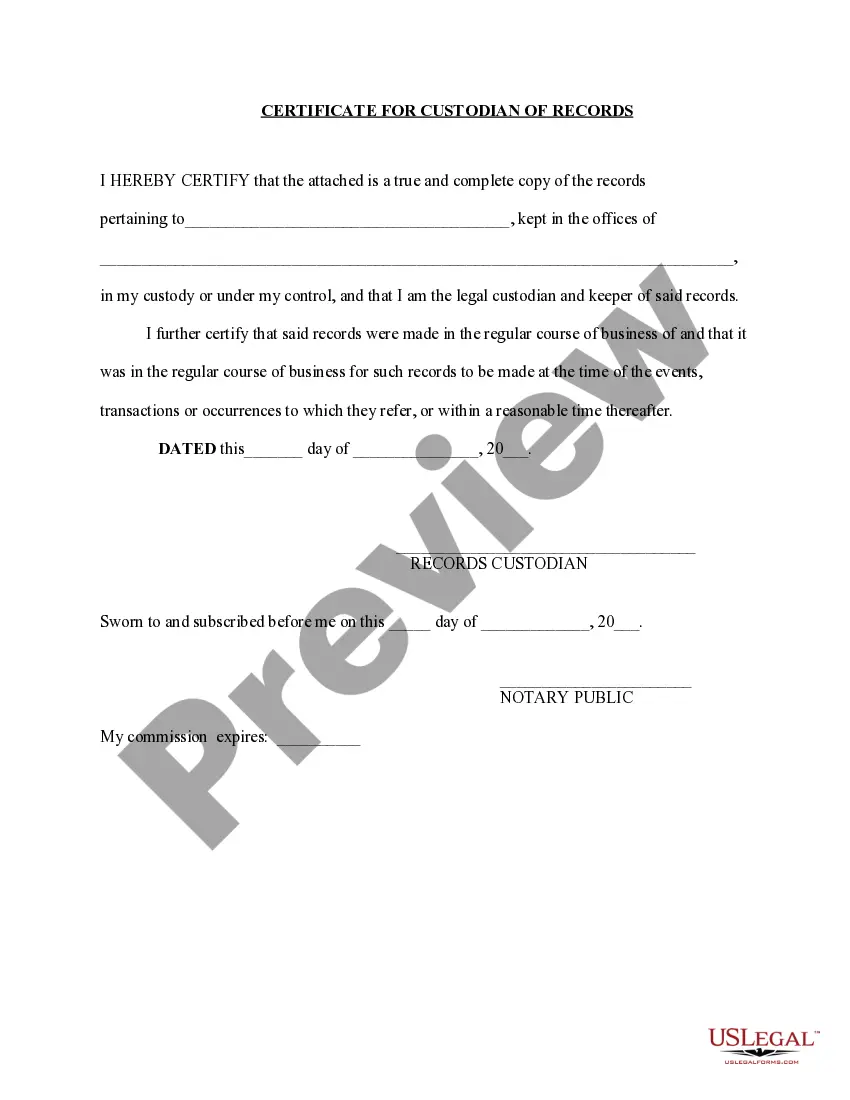
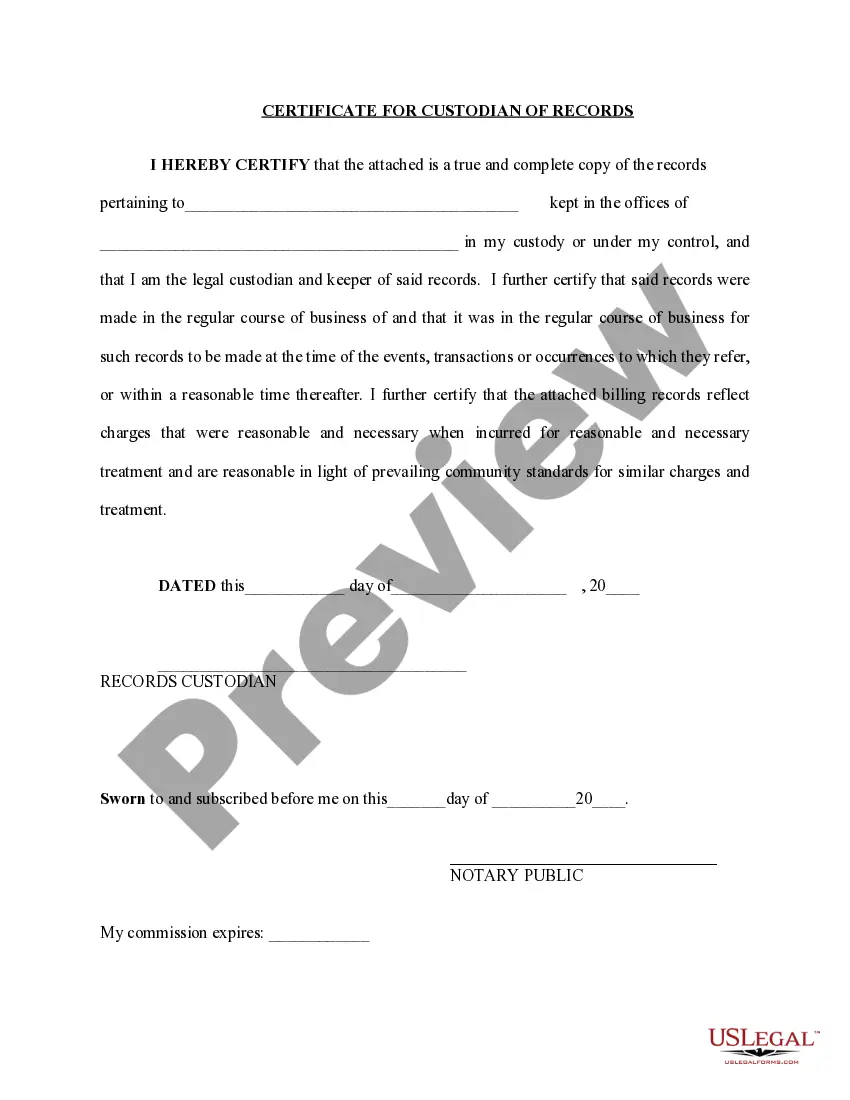
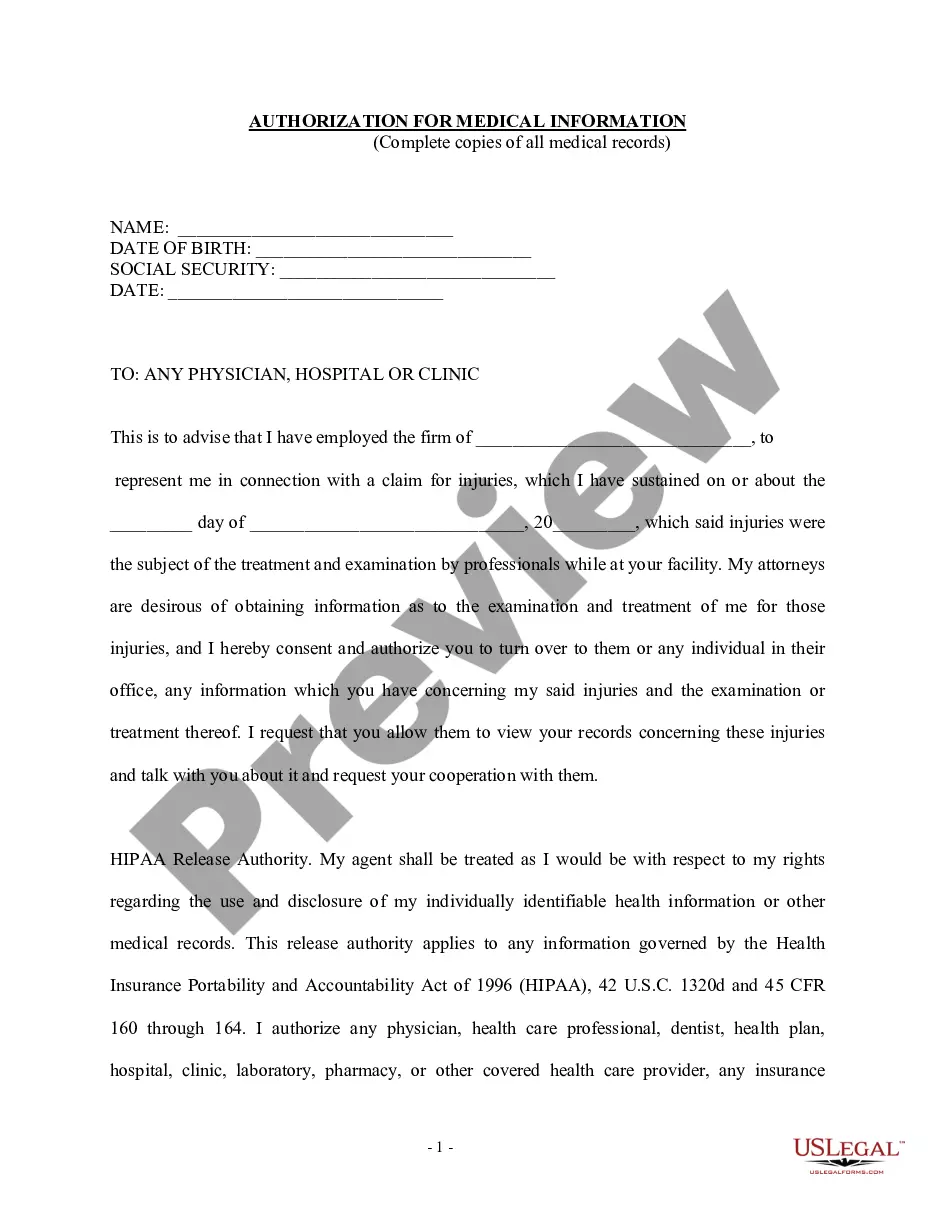
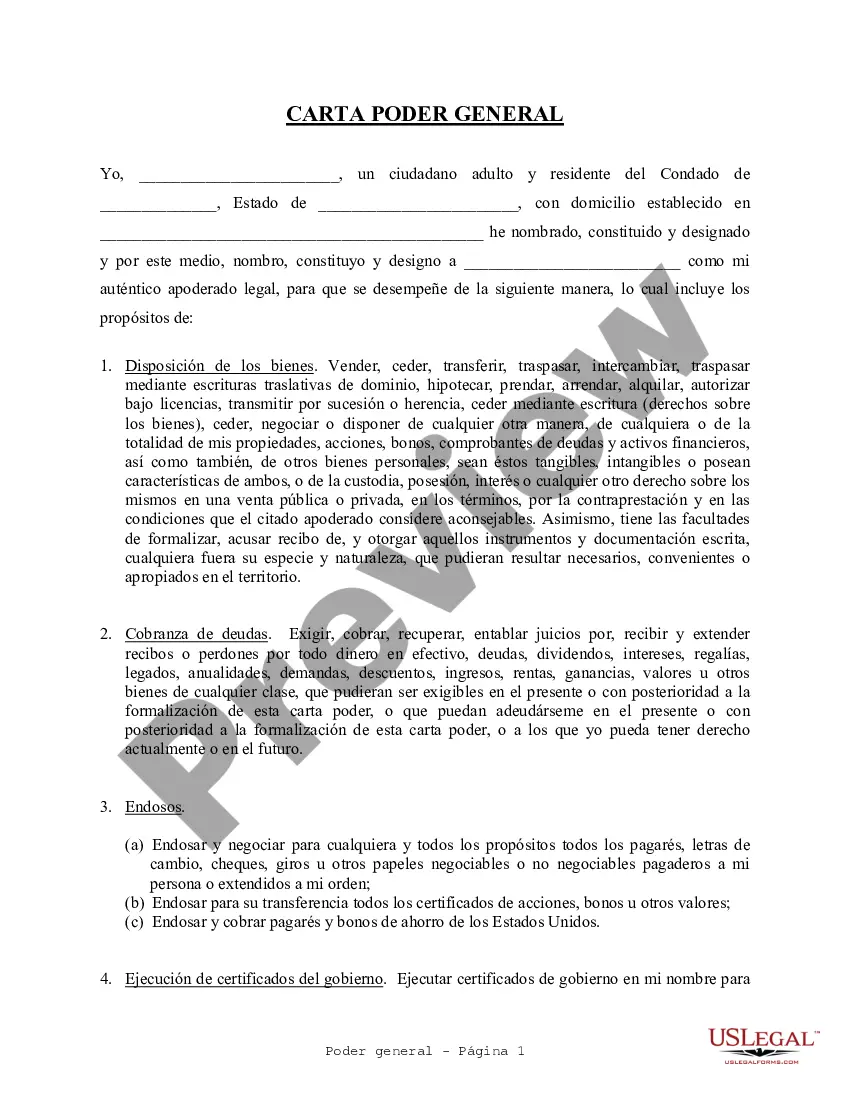
The Certification Of Medical Records With Subpoena displayed on this page is a reusable formal template created by experienced attorneys in accordance with federal and state laws.
For over 25 years, US Legal Forms has supplied individuals, enterprises, and legal professionals with more than 85,000 authenticated, state-specific documents for any business and personal event. It’s the fastest, most direct, and most dependable method to obtain the materials you require, as the service ensures the utmost level of data protection and anti-malware measures.
Enroll in US Legal Forms to access verified legal templates for every situation in life.
- Search for the document you require and review it.
- Sign up and Log In.
- Obtain the editable template.
- Complete and sign the document.
- Redownload your paperwork as needed.
Form popularity
FAQ
When you receive a subpoena, it’s important to respond timely and appropriately, typically by consulting with an attorney. They can help you understand the legal implications and determine what information you must provide. If your medical records are involved, professionals specialize in certification of medical records with subpoena to ensure compliance while protecting your rights. Always prioritize understanding your obligations.
Examples of reasonable efforts to notify the patient include calling the patient or sending the patient a letter via mail or email explaining that you've received a subpoena requesting disclosure of their protected health information.
~Notify the physician that a subpoena was received, and then notify the physician's insurance company or attorney, if so directed. ~Check all subpoenaed records to be sure they are complete, but never alter them in any way. ~Document the number of pages in the record and itemize its contents.
The most common include medical malpractice, workers compensation, insurance fraud, and some criminal cases. If your medical records are legally relevant, there are two ways for them to end up in court. The first is signing a release of information authorization form for a lawyer or judge.
A party in a legal proceeding simply requests that a notary public, certified shorthand reporter, an attorney authorized to practice in the state of Texas, or the clerk of the court issue a subpoena. Subpoenas are generally not issued with the blessing or approval of the judge.
Deposition subpoenas can be used by attorneys to obtain a patient's medical records for use in a personal injury claim, medical malpractice claim, or a different type of civil lawsuit.