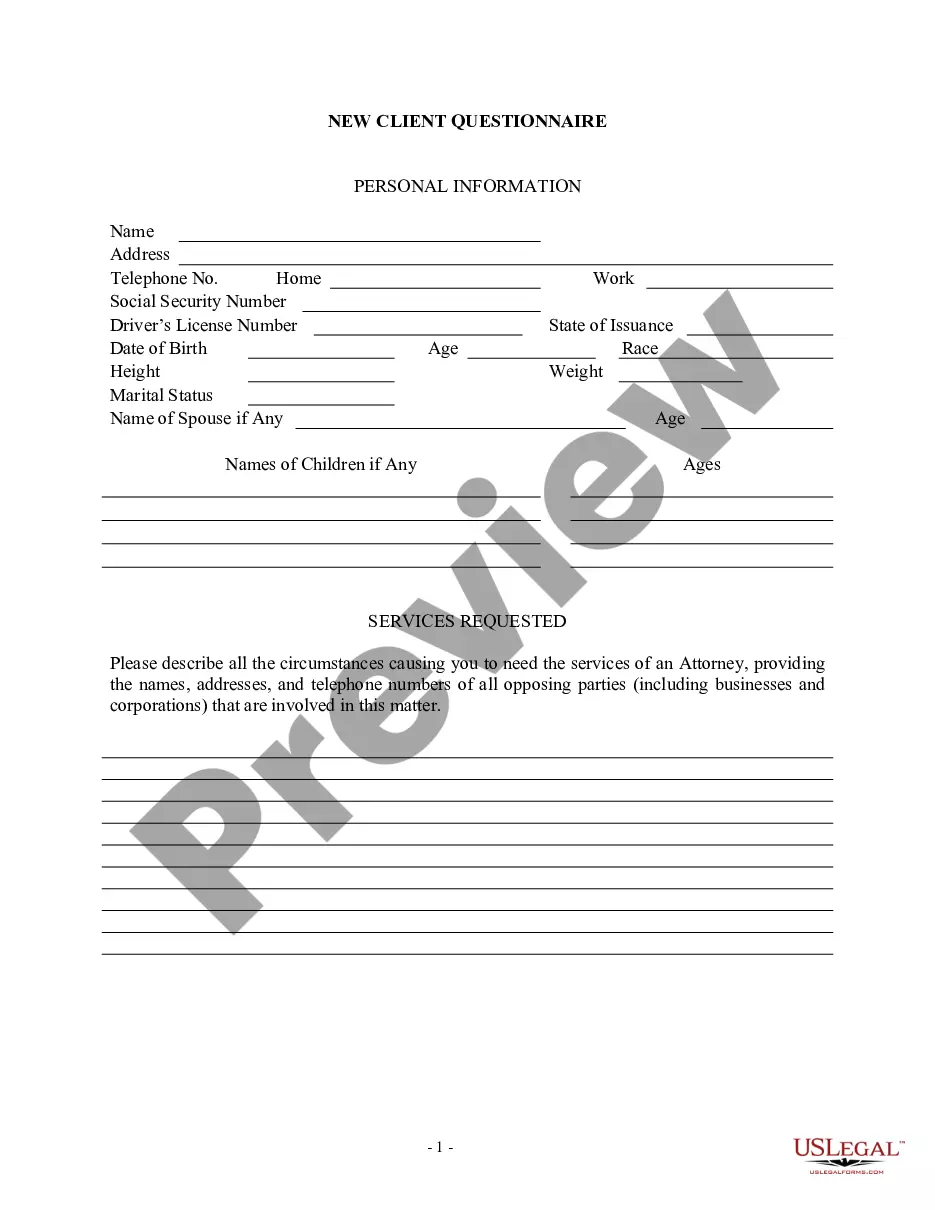
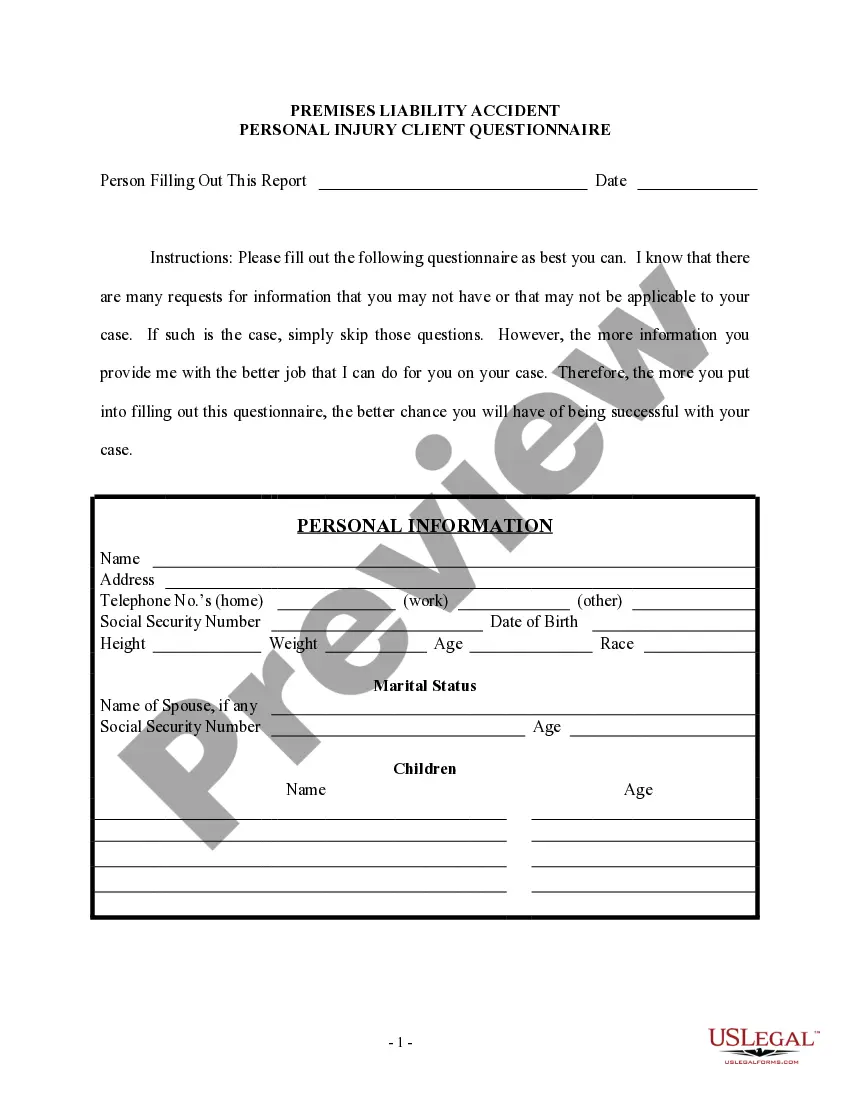
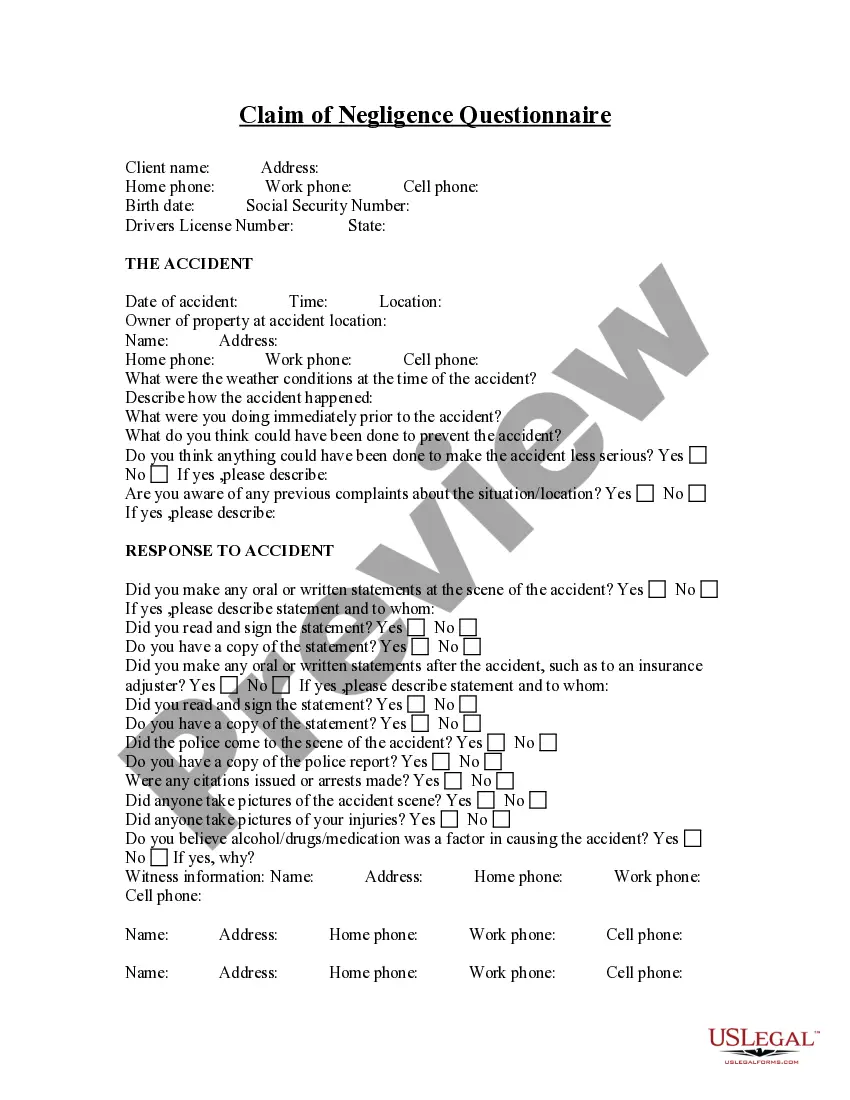
Personal Injury Intake Form Template With Citations
Description
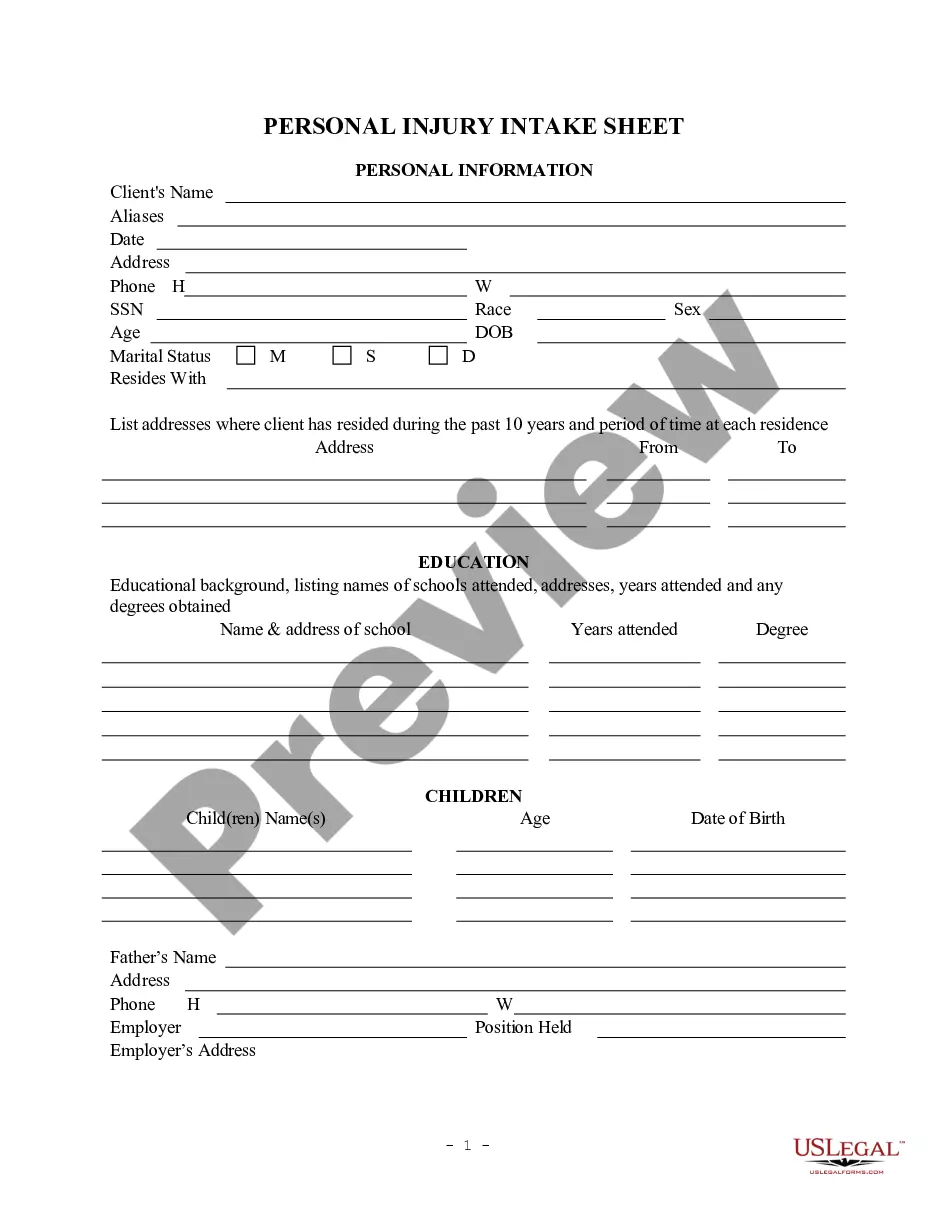
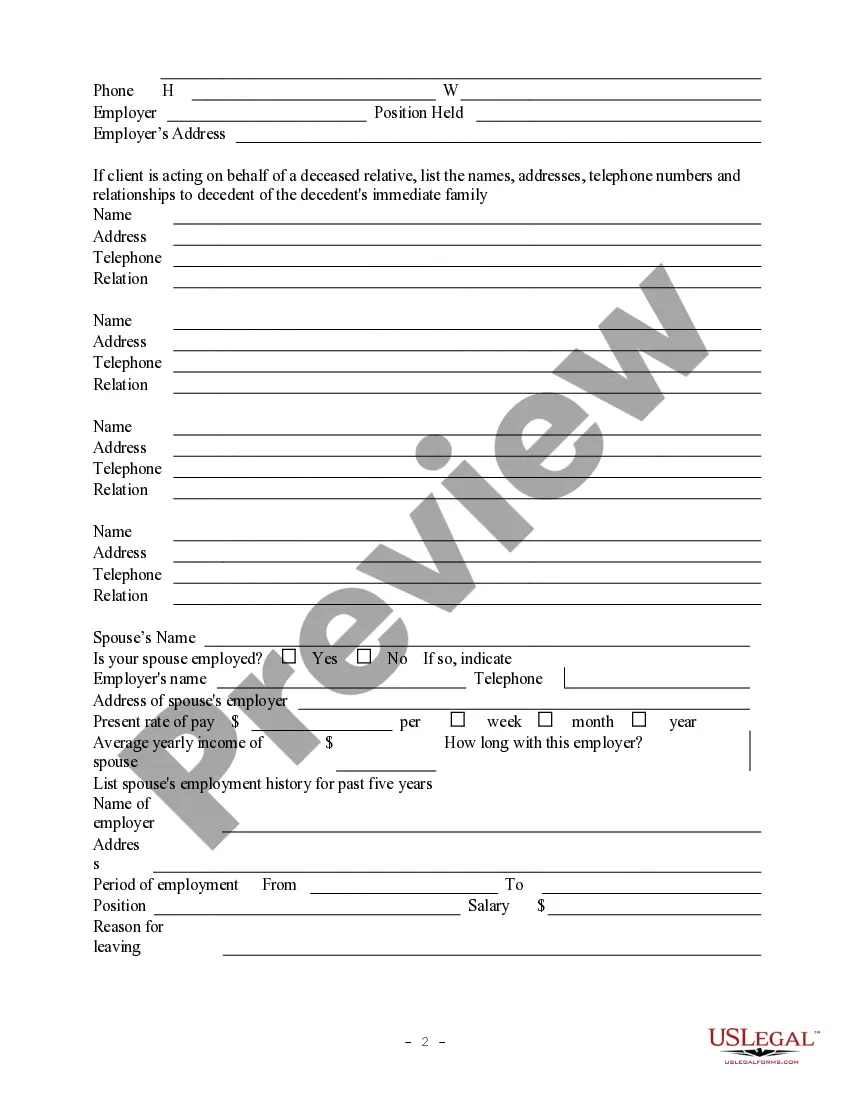
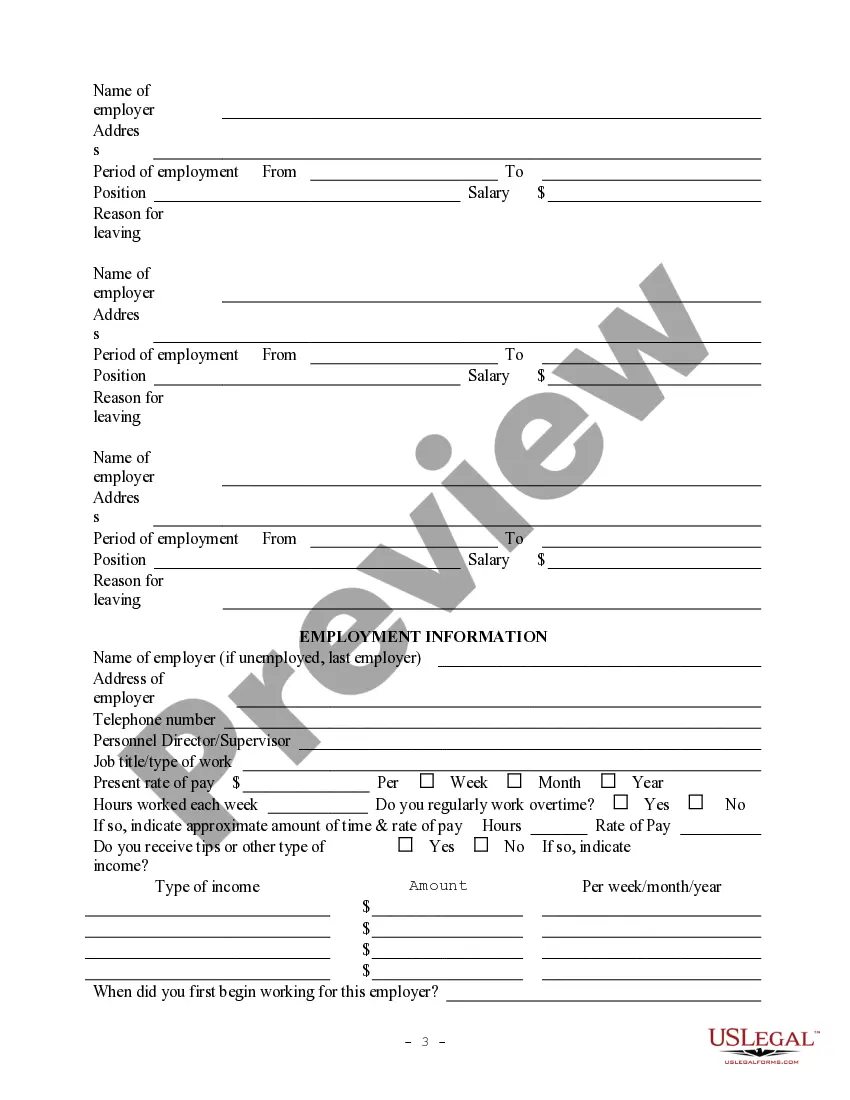
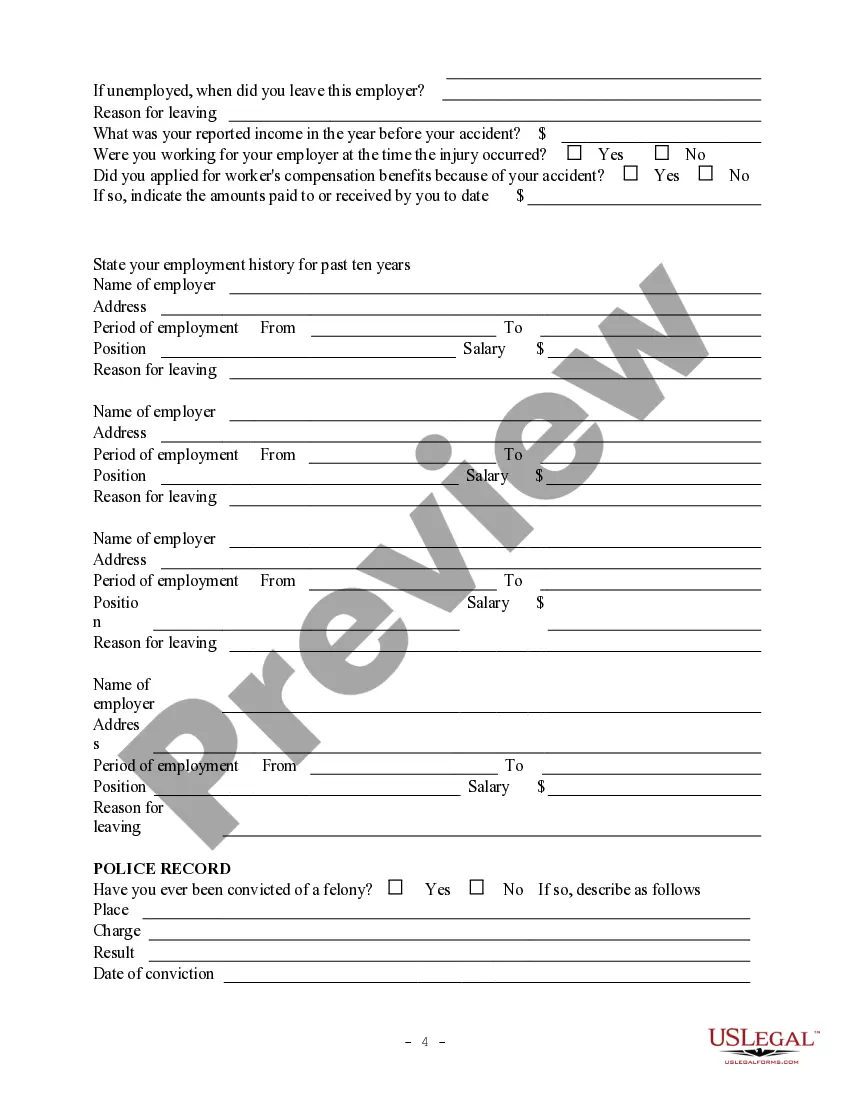
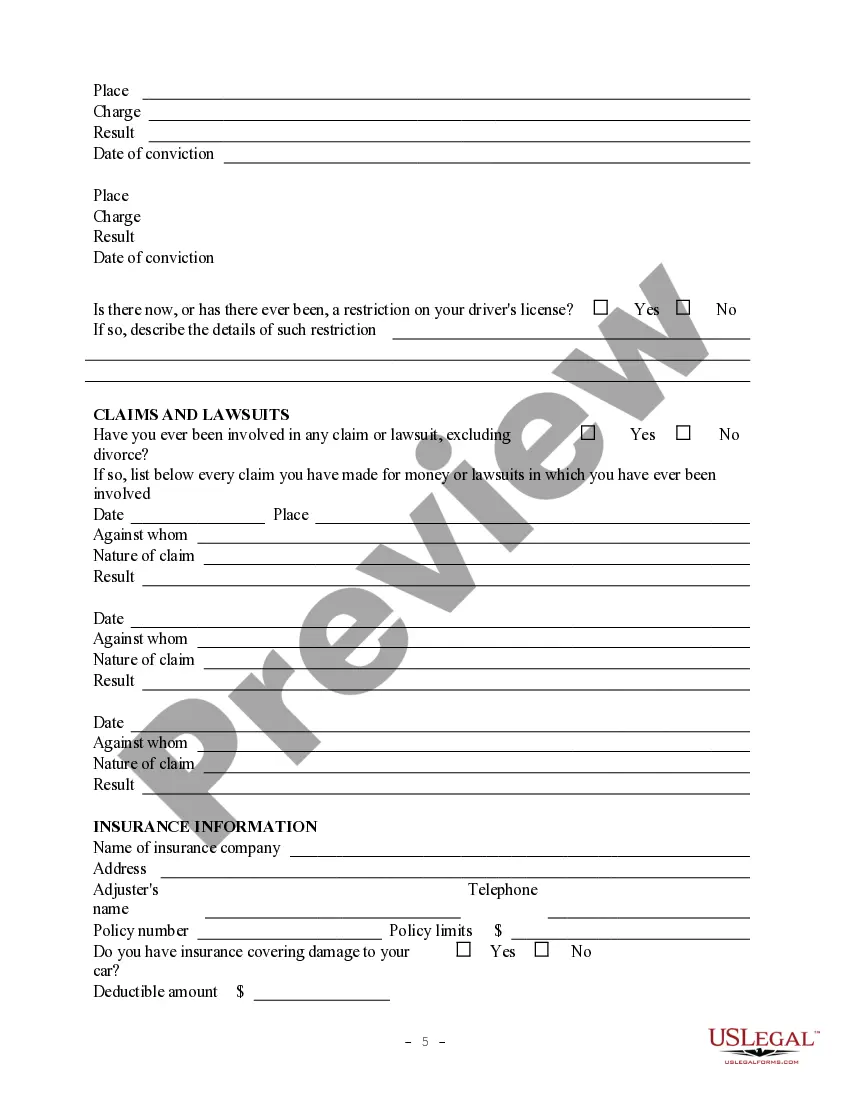
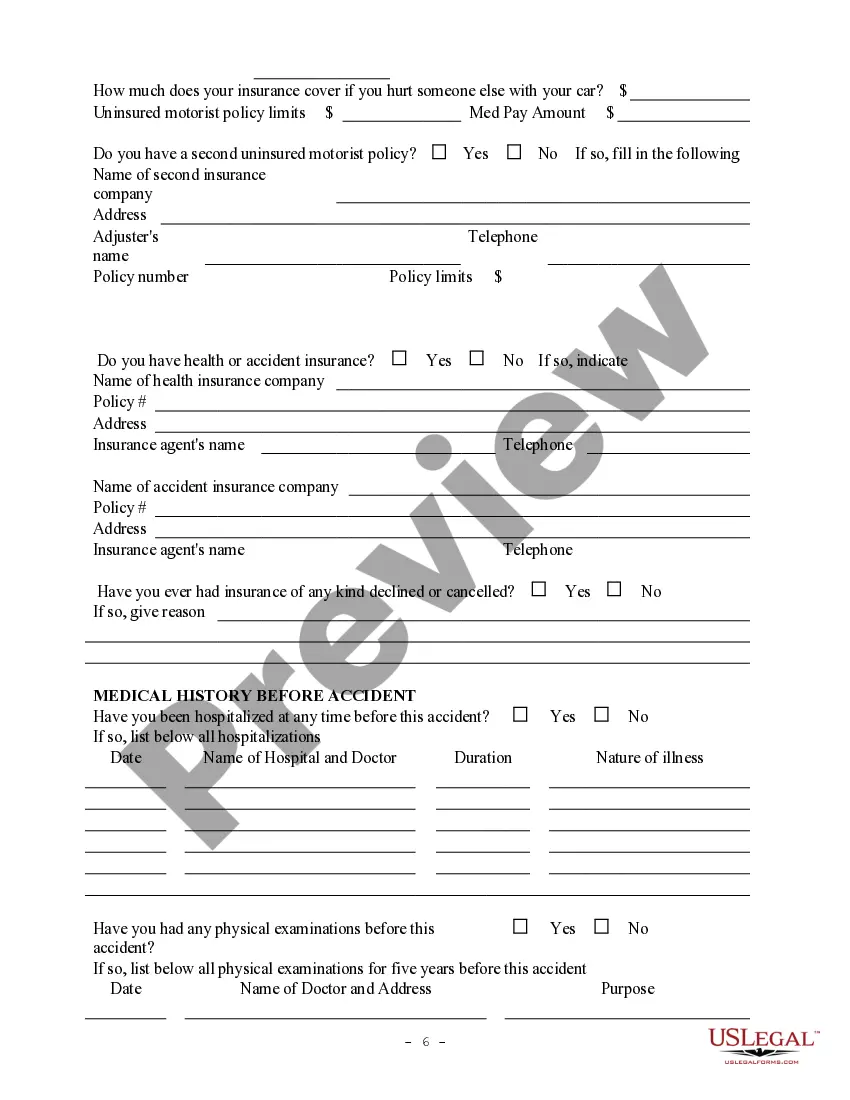
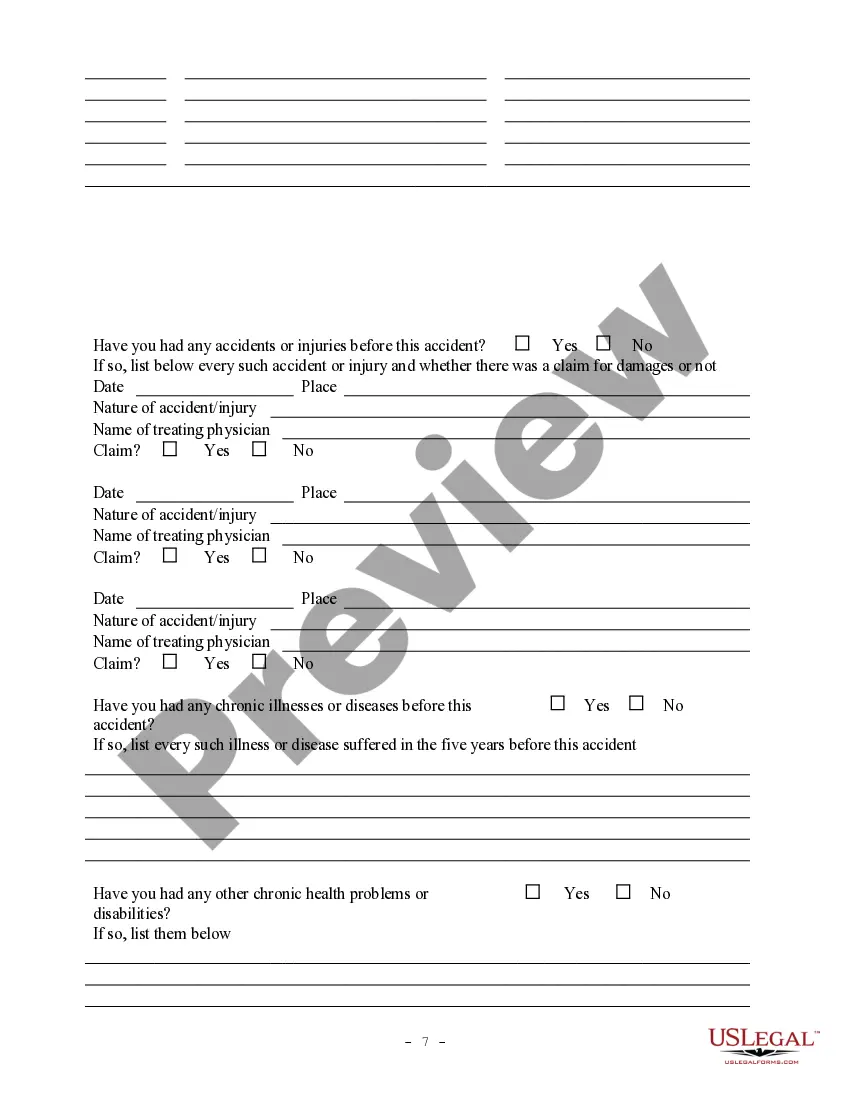
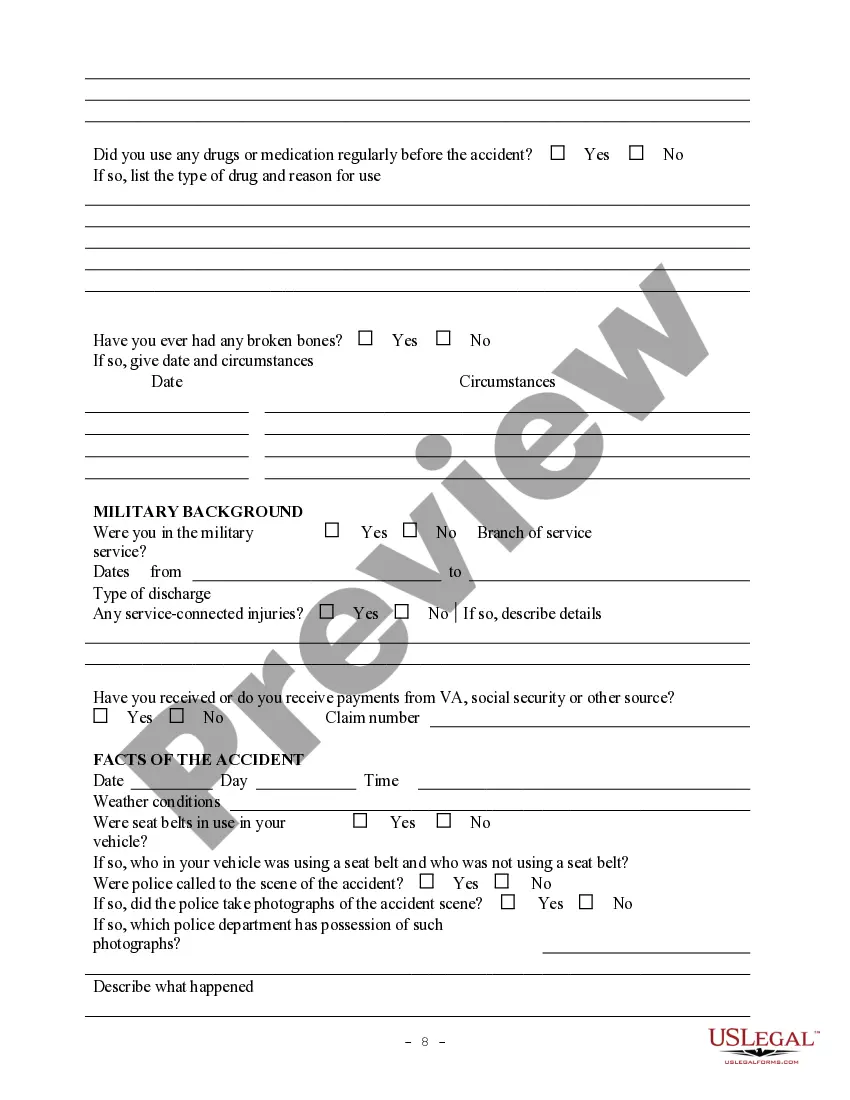
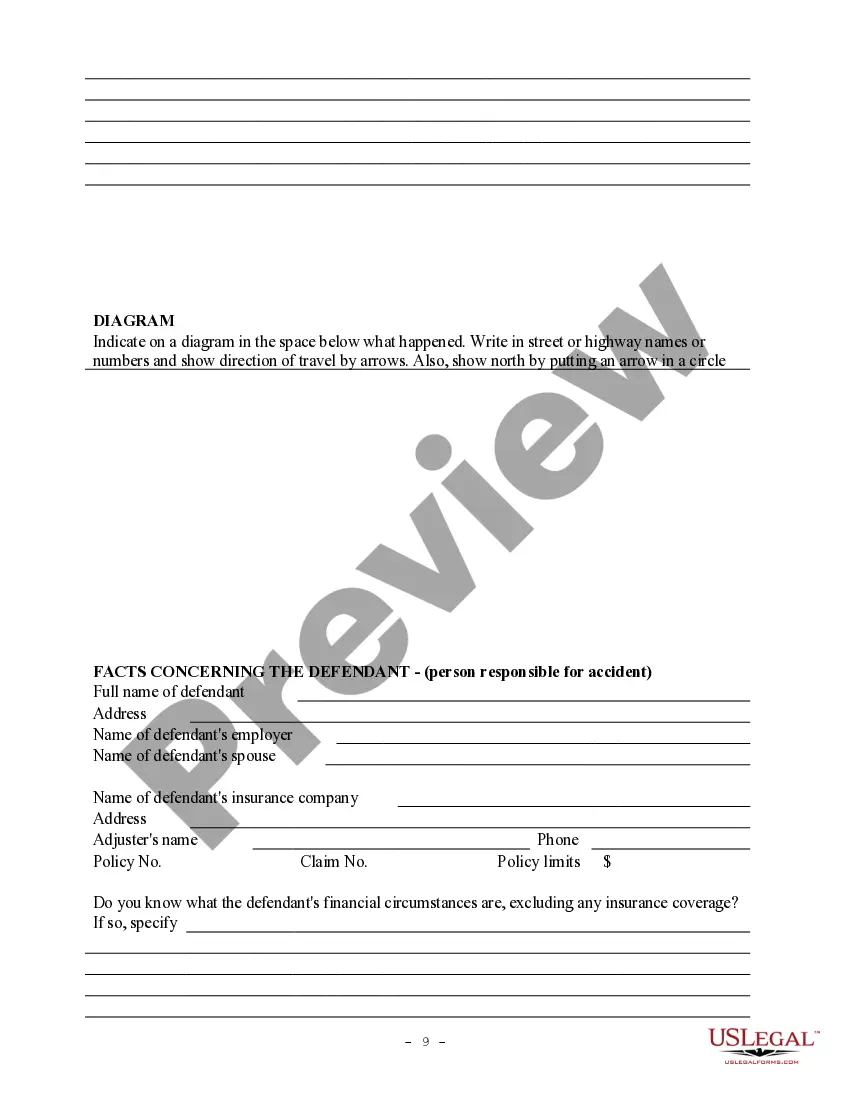
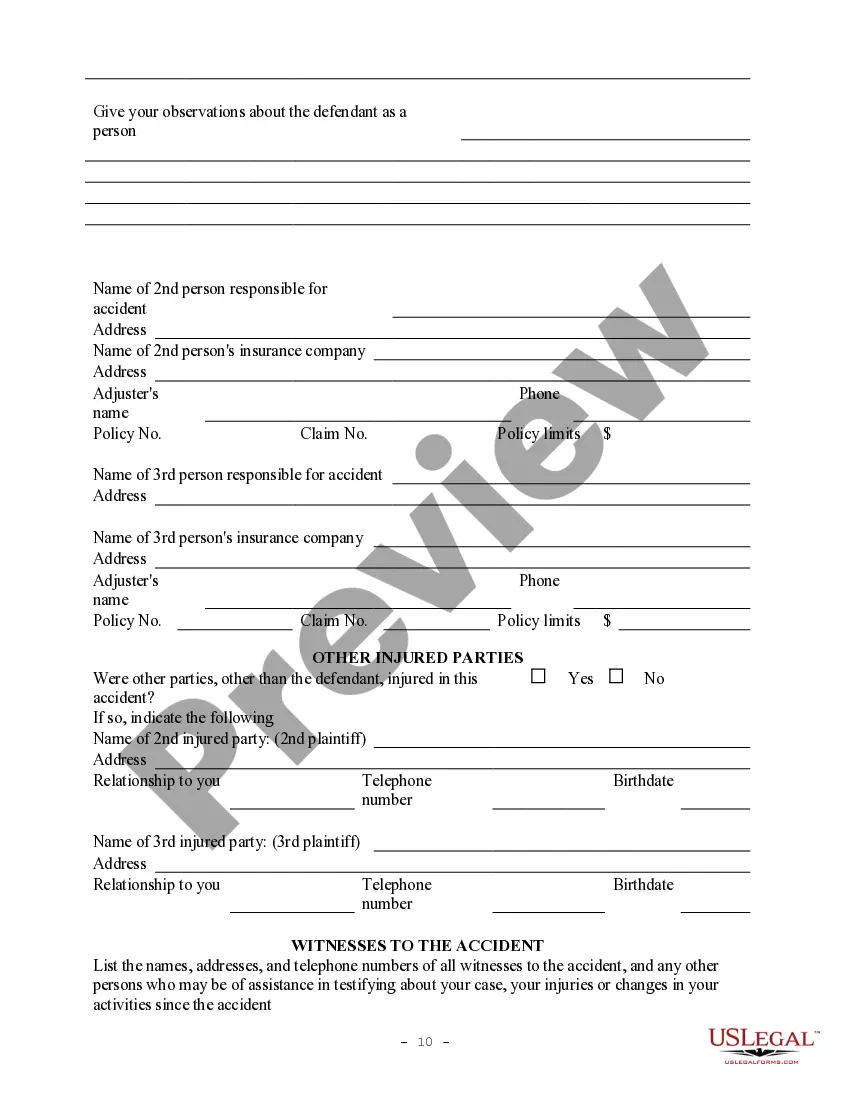

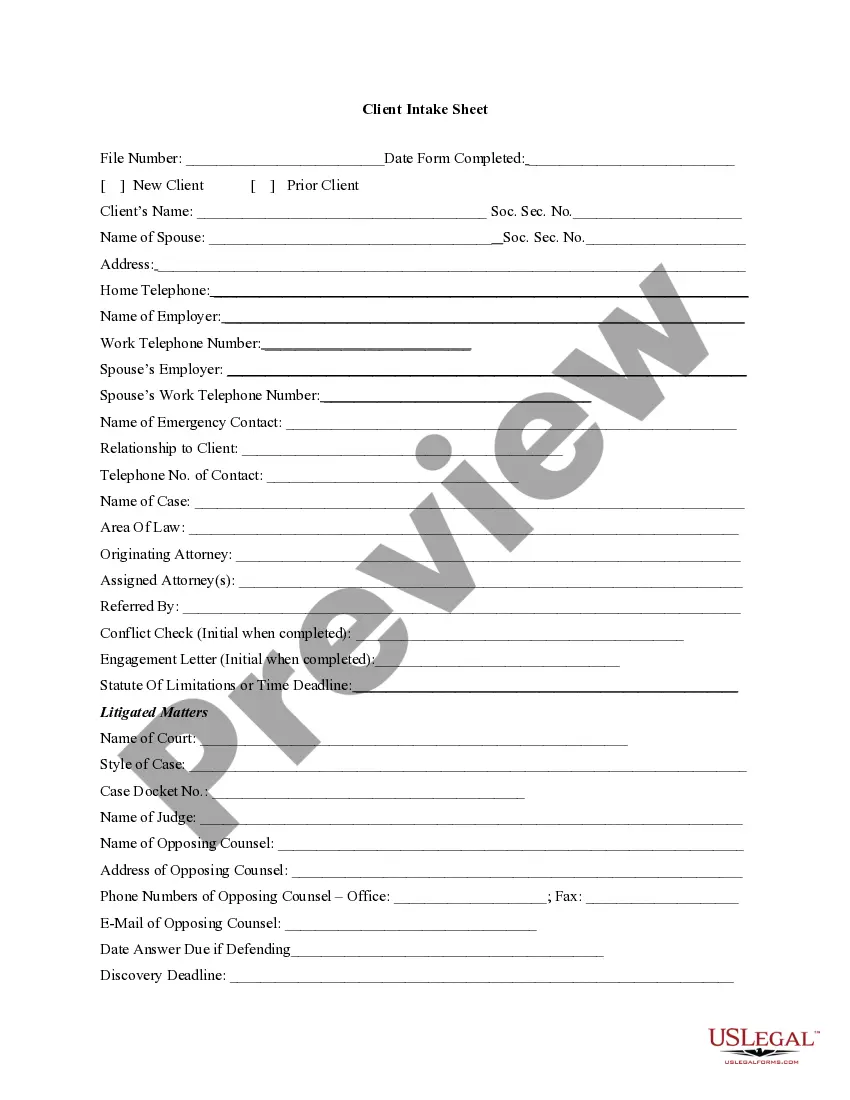
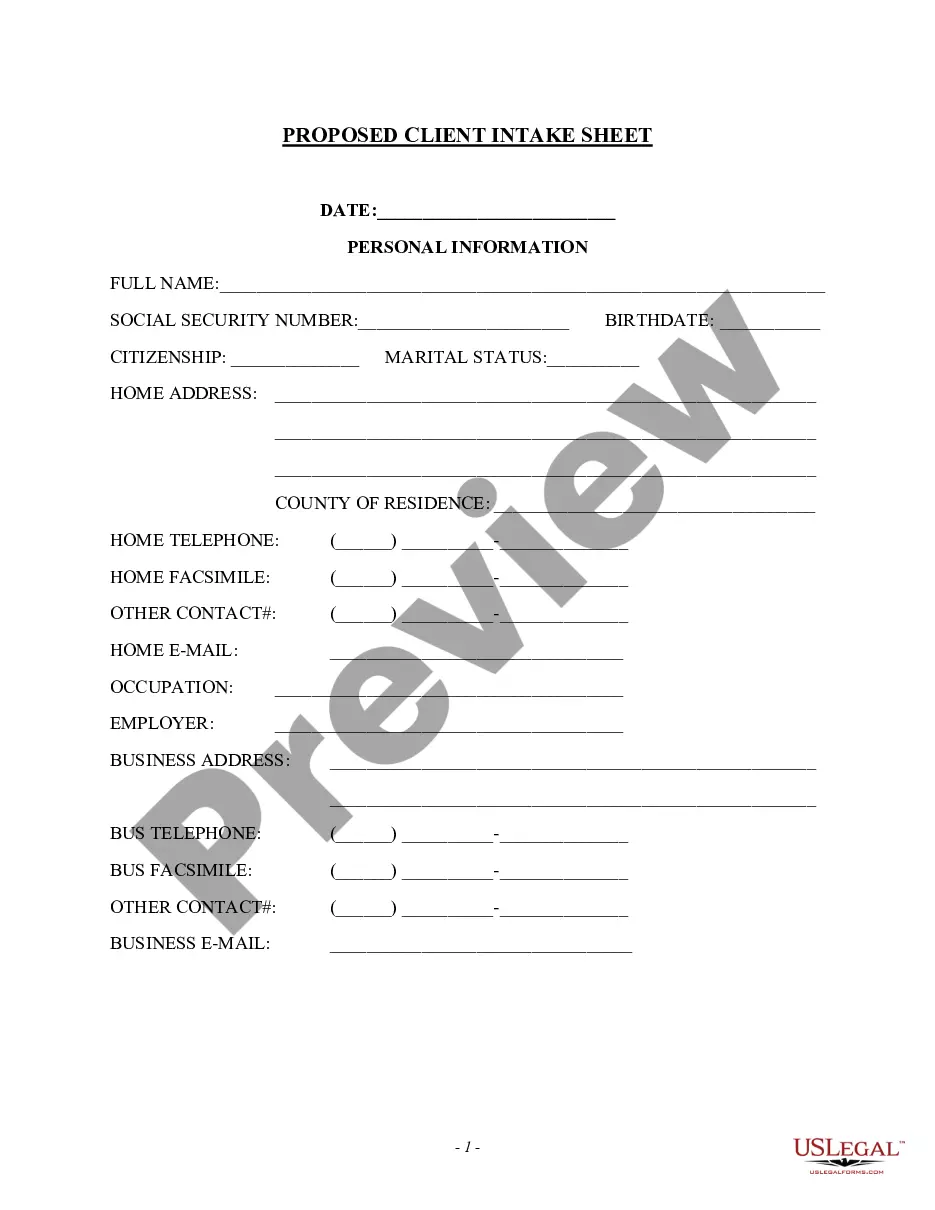
Get your form ready online
Our built-in tools help you complete, sign, share, and store your documents in one place.
Make edits, fill in missing information, and update formatting in US Legal Forms—just like you would in MS Word.
Download a copy, print it, send it by email, or mail it via USPS—whatever works best for your next step.
Sign and collect signatures with our SignNow integration. Send to multiple recipients, set reminders, and more. Go Premium to unlock E-Sign.
If this form requires notarization, complete it online through a secure video call—no need to meet a notary in person or wait for an appointment.
We protect your documents and personal data by following strict security and privacy standards.
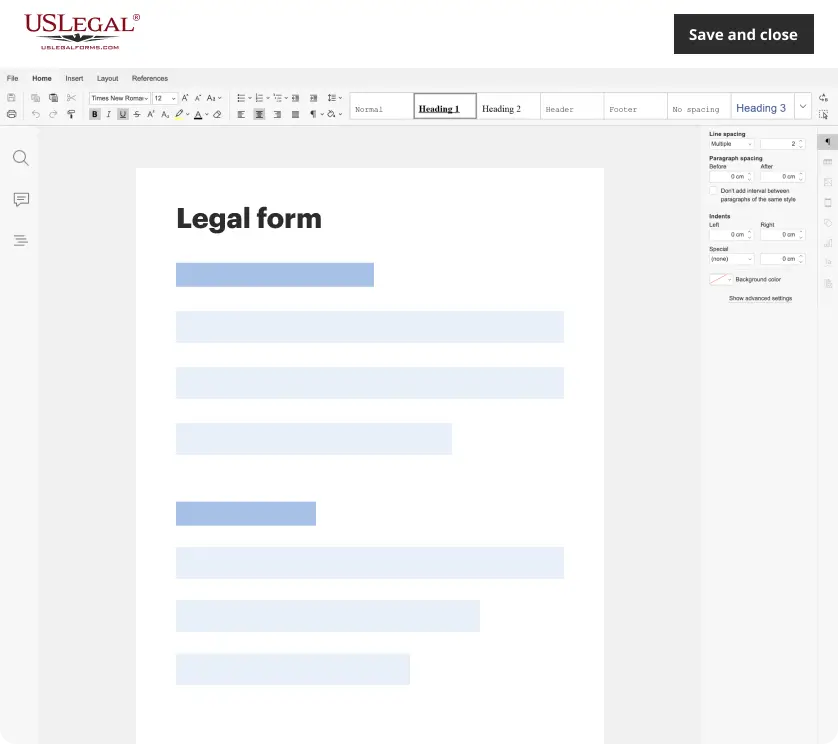
Make edits, fill in missing information, and update formatting in US Legal Forms—just like you would in MS Word.
Download a copy, print it, send it by email, or mail it via USPS—whatever works best for your next step.
Sign and collect signatures with our SignNow integration. Send to multiple recipients, set reminders, and more. Go Premium to unlock E-Sign.

If this form requires notarization, complete it online through a secure video call—no need to meet a notary in person or wait for an appointment.
We protect your documents and personal data by following strict security and privacy standards.
Looking for another form?
How to fill out Personal Injury Intake Sheet?
Dealing with legal documents and procedures can be an arduous addition to your day.
Personal Injury Intake Form Template With Citations and similar documents generally necessitate that you seek them out and grasp the best methods to fill them out correctly.
Consequently, whether you're managing financial, legal, or personal issues, having a thorough and useful online repository of documents readily available will be extremely beneficial.
US Legal Forms is the leading online source for legal templates, presenting over 85,000 state-specific documents and various resources to help you complete your paperwork with ease.
Is this your first time using US Legal Forms? Register and create a free account in just a few minutes to gain access to the document library and Personal Injury Intake Form Template With Citations. Then, follow the steps below to fill out your document.
- Browse the collection of pertinent documents available to you with just one click.
- US Legal Forms provides state- and county-specific documents accessible anytime for download.
- Streamline your document management processes using a reliable service that enables you to prepare any form in minutes without hidden costs.
- Simply Log In to your account, find the Personal Injury Intake Form Template With Citations, and obtain it directly from the My documents section.
- You can also access previously saved documents.
Form popularity
FAQ
Default itself is not defined in Article 9 of the UCC; rather, Article 9 leaves to the parties the task of determining?typically in the security agreement or other related document?the situations in which the debtor's failure to live up to its end of the bargain may entitle the secured party to exercise remedies ...
A security agreement creates the security interest, making it enforceable between the secured party and the debtor. A UCC-1 financing statement neither creates a security interest nor does it alter its scope; it only gives notice of the security interest to third parties.
If you have not filed a UCC-1, then you are considered unsecured, and as such, you are placed in the ?back of the line,? behind the secured creditors. Secured creditors are taken care of first in the division of assets.
A Q&A guide to Uniform Commercial Code (UCC) Article 9 Sales in Virginia. Article 9 of the Model UCC is intended to create a uniform system across the country for creating, perfecting, and enforcing security interests in personal property.
UCC § 9-203 sets forth the requirements for attachment and enforceability of security interests. In general: (1) the creditor must give value, (2) the debtor must have rights in the collateral, and (3) there must be a security agreement or other action indicating an intent to convey a security interest.
While it won't damage your credit scores, a UCC filing can impact your ability to obtain credit in the future.
Article 9 is a section under the UCC governing secured transactions including the creation and enforcement of debts. Article 9 spells out the procedure for settling debts, including various types of collateralized loans and bonds.
What constitutes ?seriously misleading?? ing to UCC Article 9-506(b), a Financing Statement is seriously misleading if a search for the debtor's legal name does not reveal the filing. seriously misleading. ?Standard Search Logic? is the holy grail of determining whether or not a filing is seriously misleading.