What Is A Waiver
Description
Get your form ready online
Our built-in tools help you complete, sign, share, and store your documents in one place.
Make edits, fill in missing information, and update formatting in US Legal Forms—just like you would in MS Word.
Download a copy, print it, send it by email, or mail it via USPS—whatever works best for your next step.
Sign and collect signatures with our SignNow integration. Send to multiple recipients, set reminders, and more. Go Premium to unlock E-Sign.
If this form requires notarization, complete it online through a secure video call—no need to meet a notary in person or wait for an appointment.
We protect your documents and personal data by following strict security and privacy standards.

Make edits, fill in missing information, and update formatting in US Legal Forms—just like you would in MS Word.

Download a copy, print it, send it by email, or mail it via USPS—whatever works best for your next step.

Sign and collect signatures with our SignNow integration. Send to multiple recipients, set reminders, and more. Go Premium to unlock E-Sign.

If this form requires notarization, complete it online through a secure video call—no need to meet a notary in person or wait for an appointment.

We protect your documents and personal data by following strict security and privacy standards.
Looking for another form?
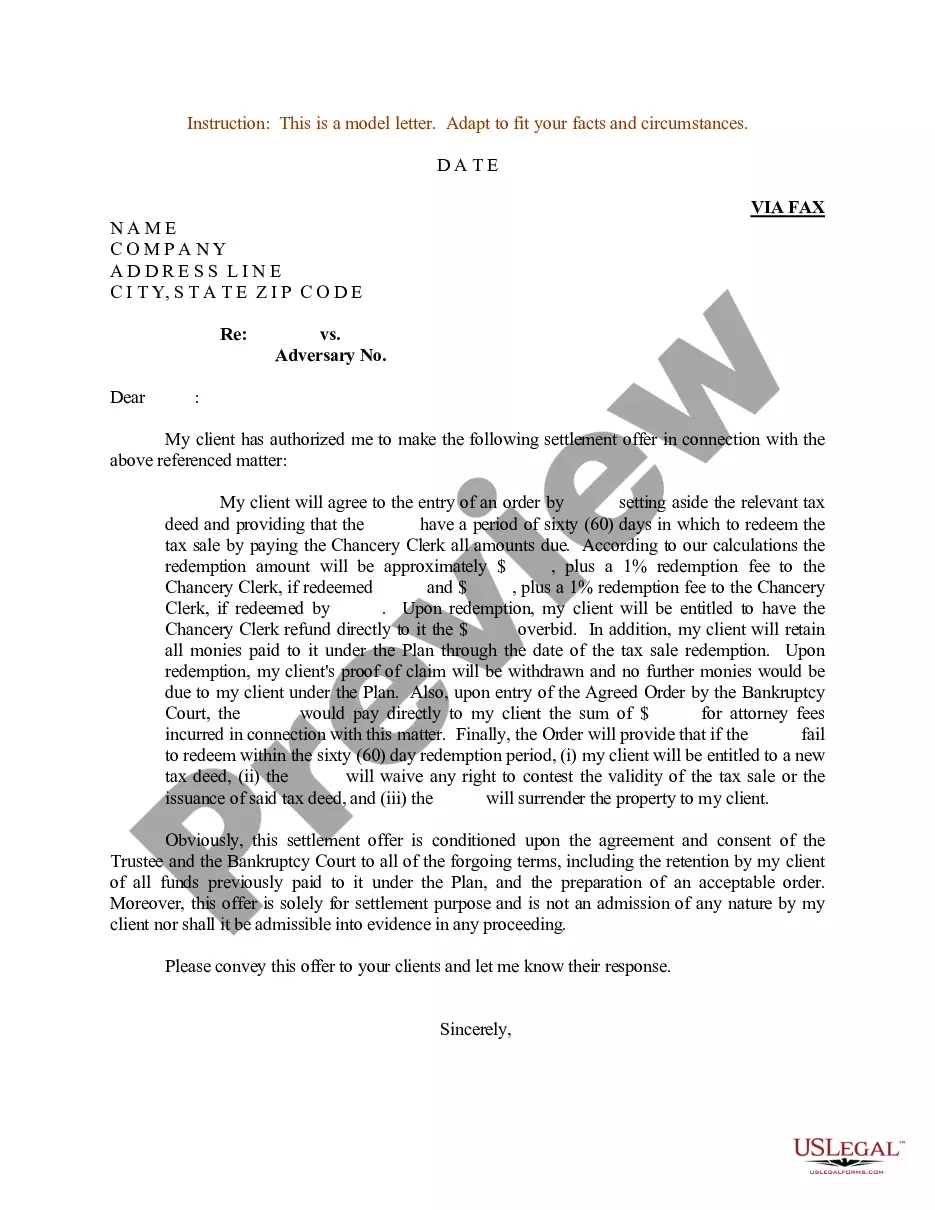
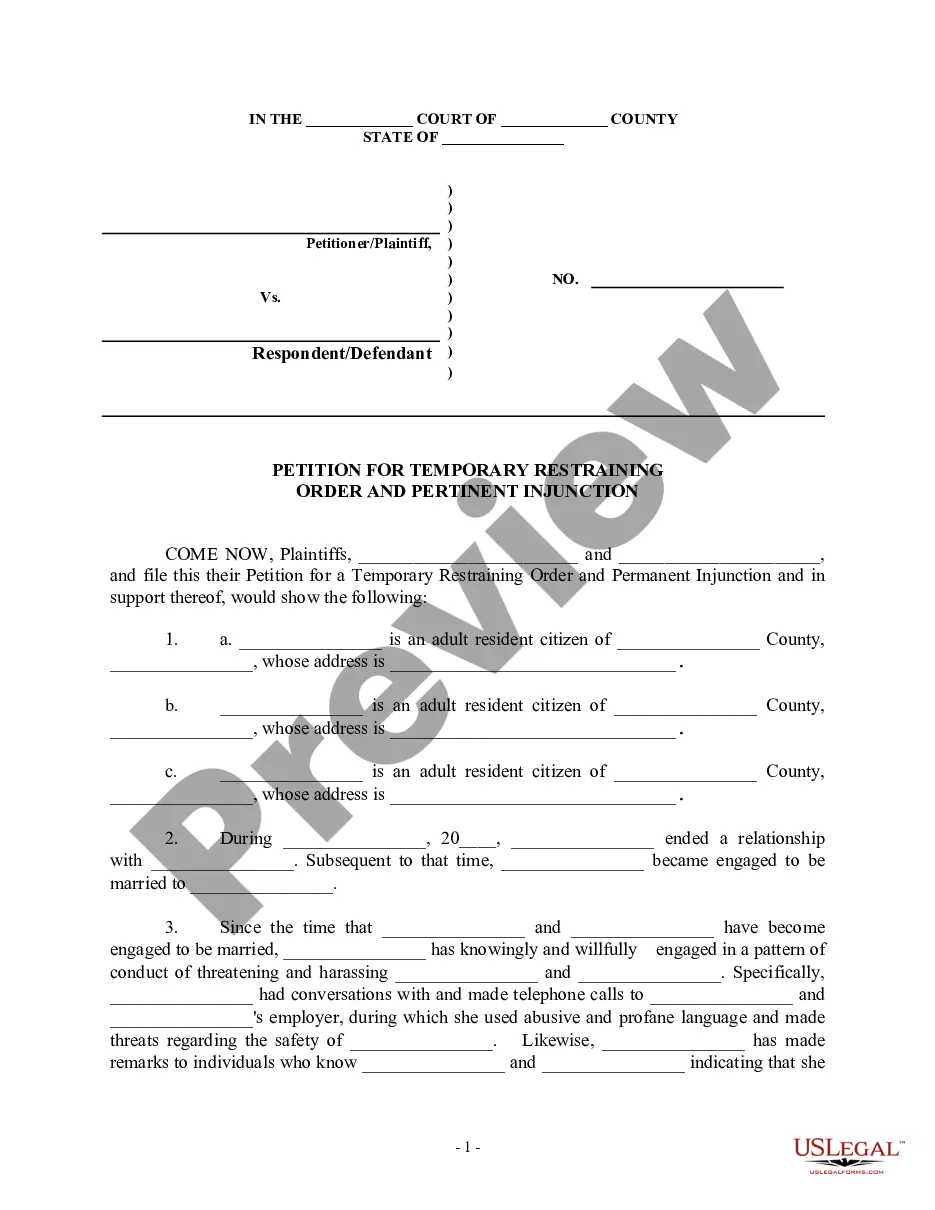
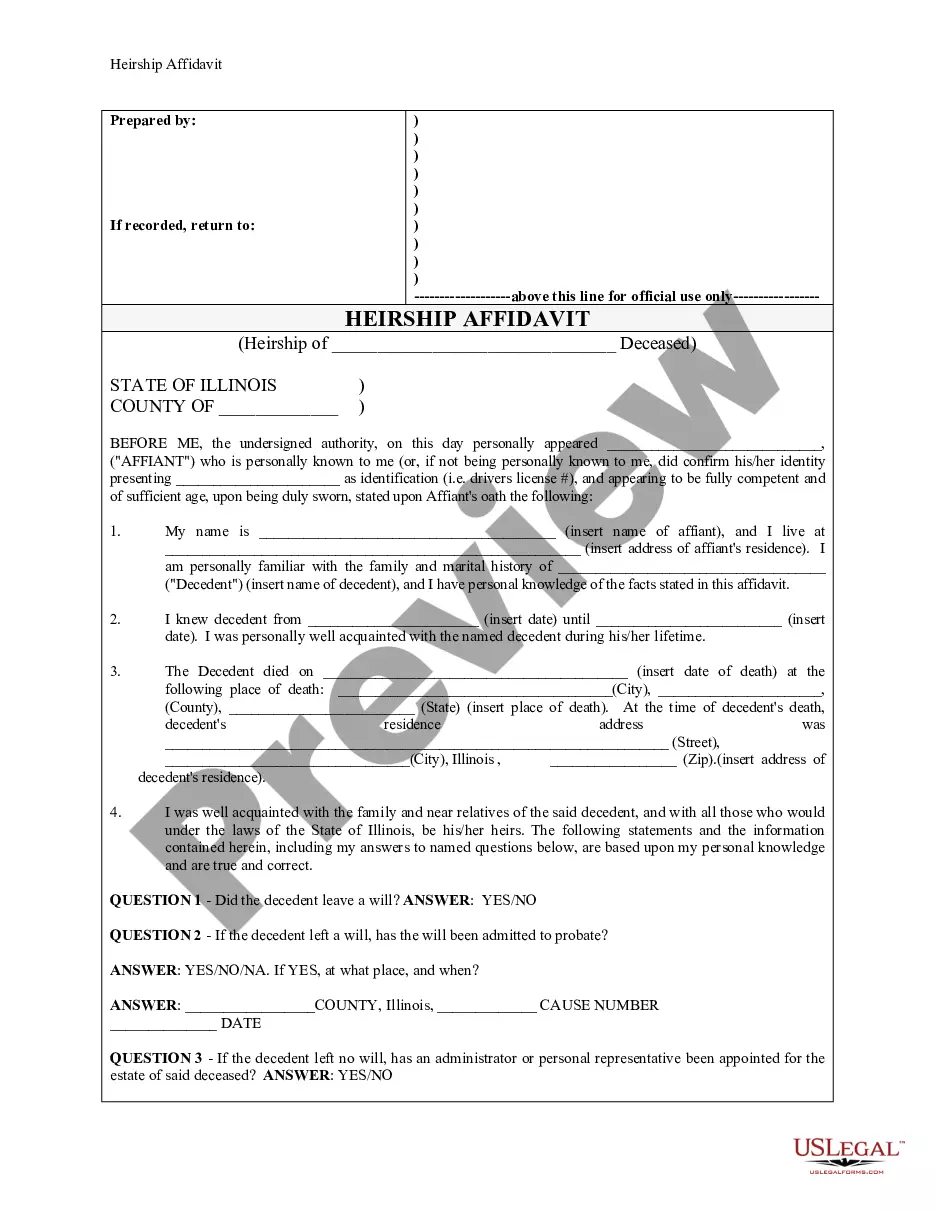
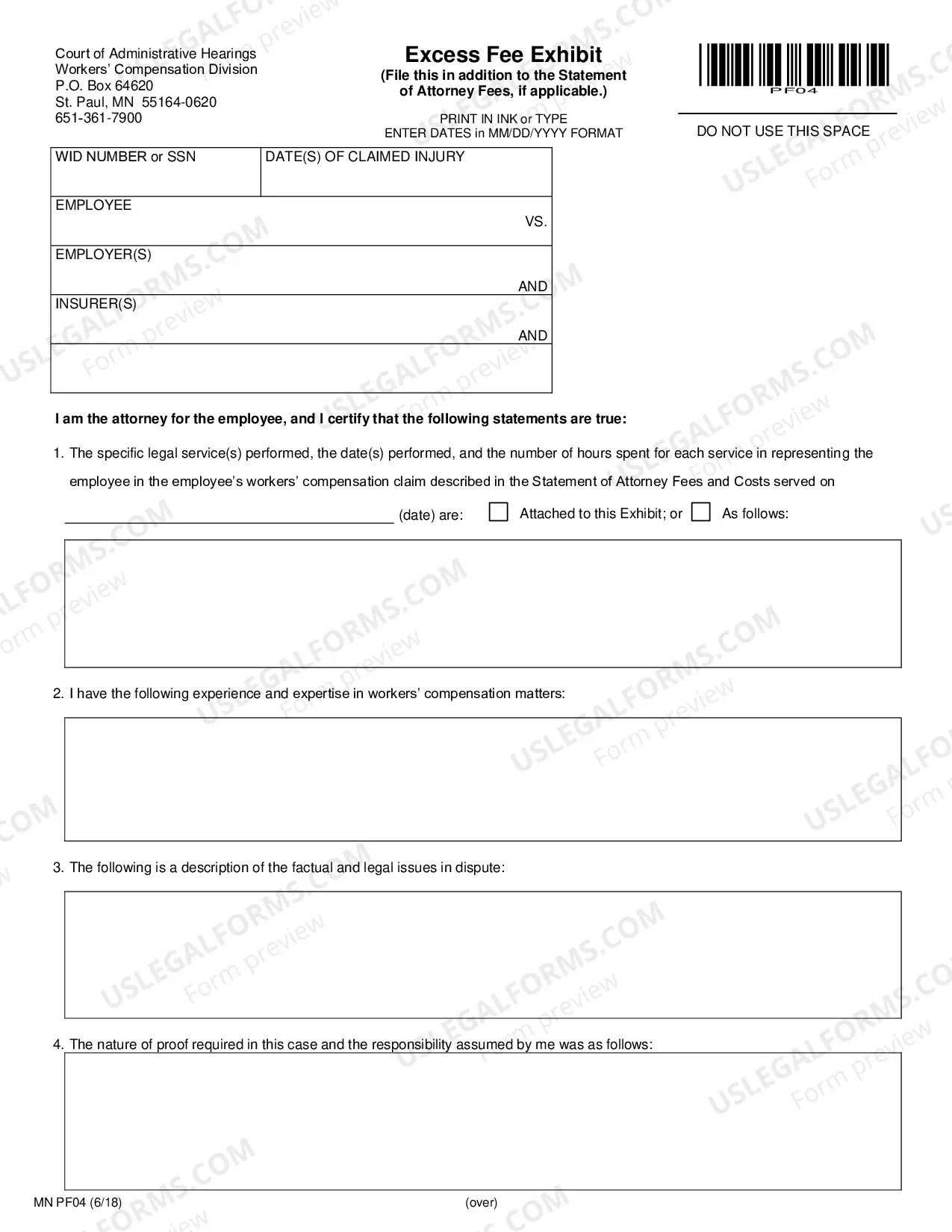
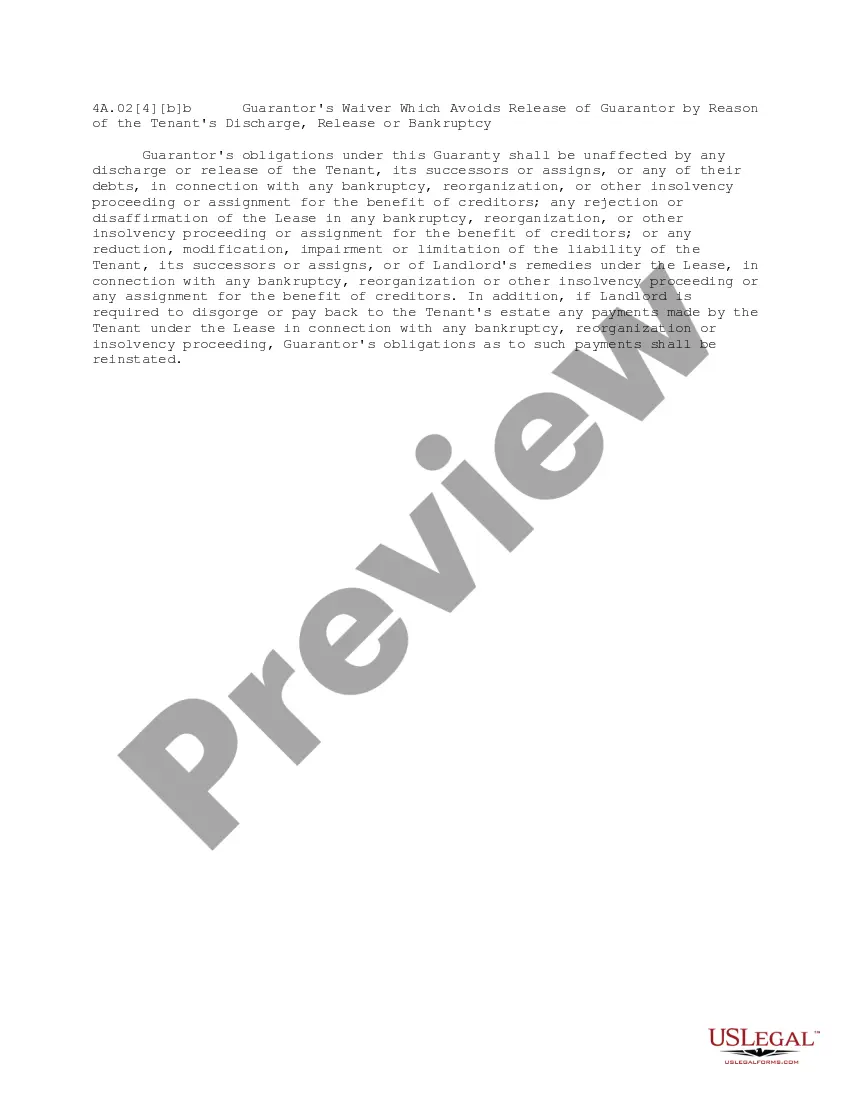
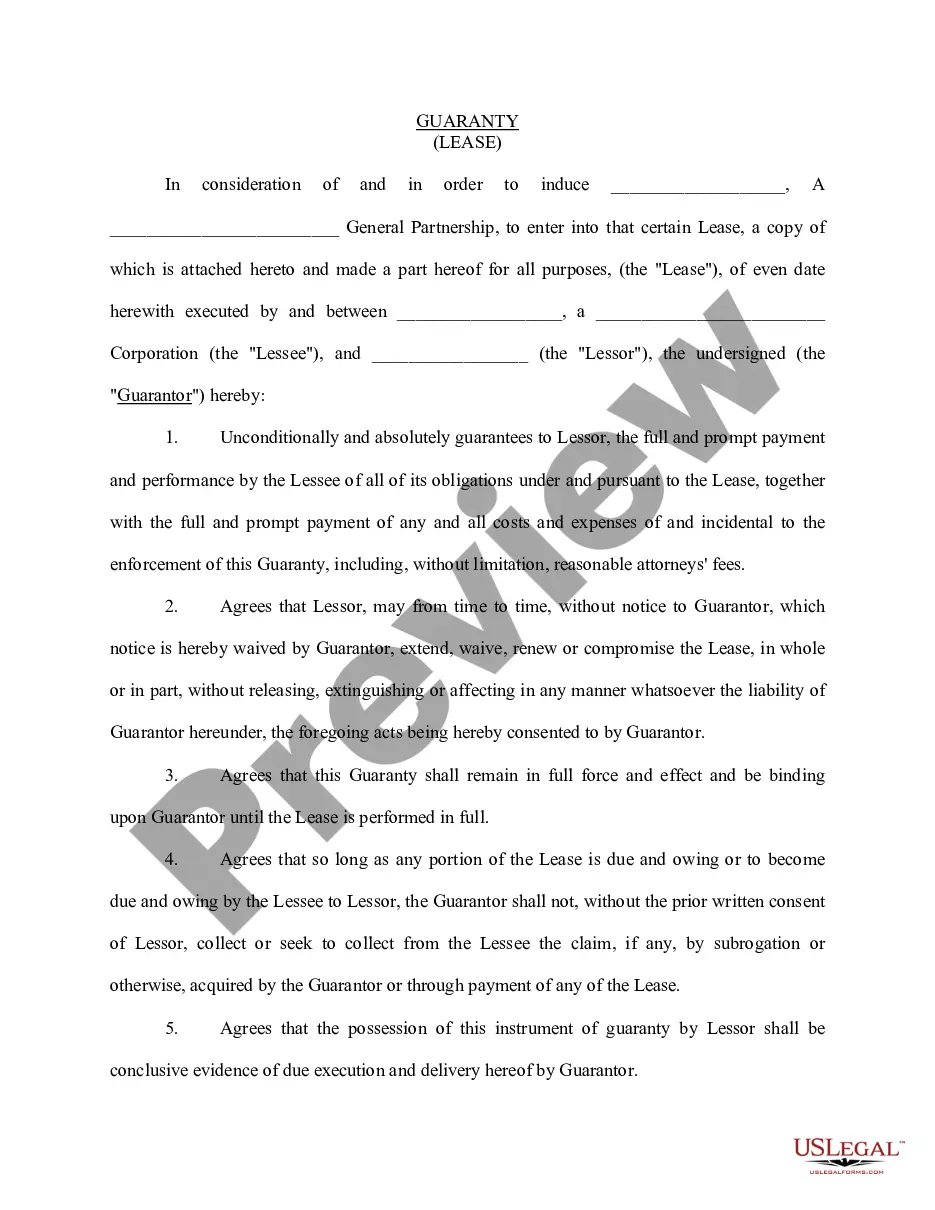
How to fill out Guarantor Waiver Which Avoids Release Of Guarantor By Reason Of The Tenant Discharge Release Or Bankruptcy?
- For returning users, log into your account to access and download the waiver template that meets your needs. Ensure your subscription is active; if not, renew it according to your payment plan.
- For first-time users, begin by exploring the Preview mode and form description to confirm that you’ve selected the appropriate waiver template that complies with the necessary jurisdiction requirements.
- If the provided template isn't suitable, utilize the Search feature on our website to find an alternative that better fits your legal needs.
- Select your desired template by clicking the Buy Now button and choose a subscription plan that works for you. Creating an account is essential to access our extensive library.
- Finalize your purchase by entering your payment details, either through credit card or PayPal, to activate your account.
- Once your transaction is complete, download the waiver to your device for immediate use. You can also access it anytime in the My Forms section of your profile.
In conclusion, utilizing US Legal Forms significantly simplifies the process of acquiring legal documents like waivers. With a vast library of over 85,000 forms and expert support, you can effortlessly create legally sound documents tailored to your needs.
Start your journey with US Legal Forms today and experience the ease of obtaining essential legal documents.
Form popularity
FAQ
The main purpose of a waiver is to allow individuals to legally forgo certain rights or responsibilities. Waivers can grant relief from legal obligations, thereby promoting flexibility in various transactions or situations. Understanding what a waiver is will help you appreciate its role in preventing legal disputes and facilitating smoother processes. At US Legal Forms, you can find templates and information that clarify how to effectively use a waiver to meet your needs.
To apply for a waiver, you typically need to provide specific documentation that supports your request. This may include a completed application form, personal identification, and any relevant supporting evidence that clearly demonstrates your situation. By knowing what is a waiver, you can effectively gather all necessary paperwork, ensuring your application is thorough. US Legal Forms offers resources that help you collect and prepare everything you need for a successful waiver application.
Filing a waiver involves formally relinquishing a right or a claim. This process allows individuals to waive certain legal requirements or obligations, often in relation to permits, fees, or legal proceedings. When you understand what a waiver is, you realize its importance in simplifying certain processes, making them more efficient. Platforms like US Legal Forms can provide guidance and templates to assist you in filing a waiver correctly and effectively.
A waiver of consent requires that the individual fully understands what they are consenting to or relinquishing. It should also be documented clearly and signed voluntarily. Often, this process is used in legal agreements where one party renounces certain rights in a controlled manner.
To apply for a waiver, you typically need to gather essential documents that validate your request. This may include identification, supporting evidence of your situation, and any previous agreements related to the waiver. It’s beneficial to consult legal resources, like USLegalForms, to ensure you have everything you need.
Conditions for a waiver include informed consent from all parties regarding the terms outlined. Ideally, the individual signing the waiver should be of legal age and mentally competent. Additionally, the waiver must not contain any misleading information or coercive elements.
Creating your own waiver involves several straightforward steps. Begin by clearly outlining the rights you intend to waive and the specific risks involved. You can use online templates, such as those from USLegalForms, to ensure your waiver adheres to legal standards and is correctly formatted.
A waiver is a legal document in which a person gives up certain rights or claims, often related to liability. Essentially, it’s an agreement that states an individual accepts specific risks and agrees not to hold another party responsible. Understanding what a waiver is can protect you and clarify your rights in various situations.
A waiver is valid when it accurately communicates the rights being waived and adheres to legal standards. It must be voluntarily signed, with the individual fully understanding the implications and risks. When these elements align, the waiver can effectively protect against future liabilities.
To ensure that a waiver is legally binding, it must meet three key criteria. Firstly, it should be clear and unambiguous in its wording. Secondly, both parties must have willingly consented to the waiver. Lastly, it should comply with applicable laws, ensuring it does not violate public policy.