Subsurface Easement Agreement For Driveway
Description
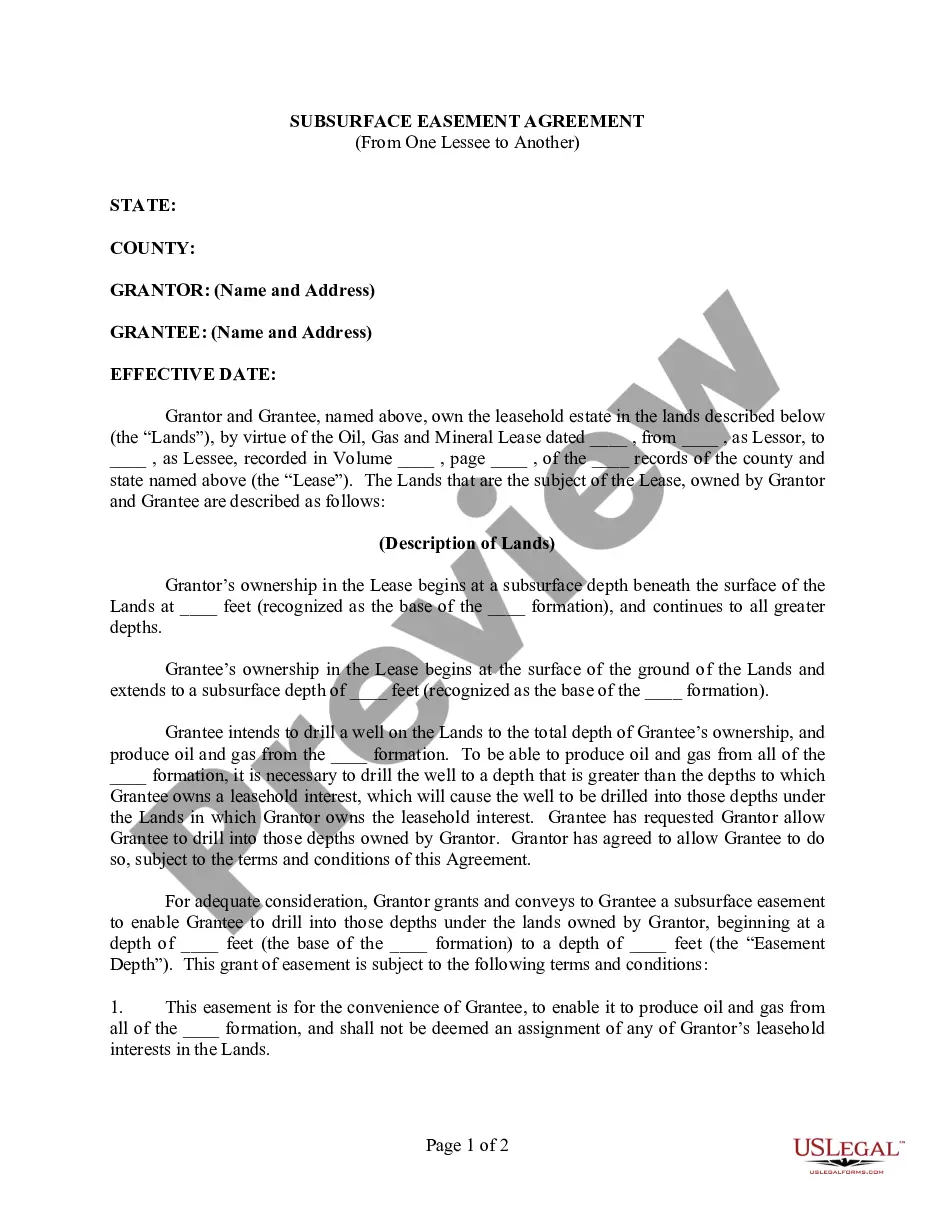
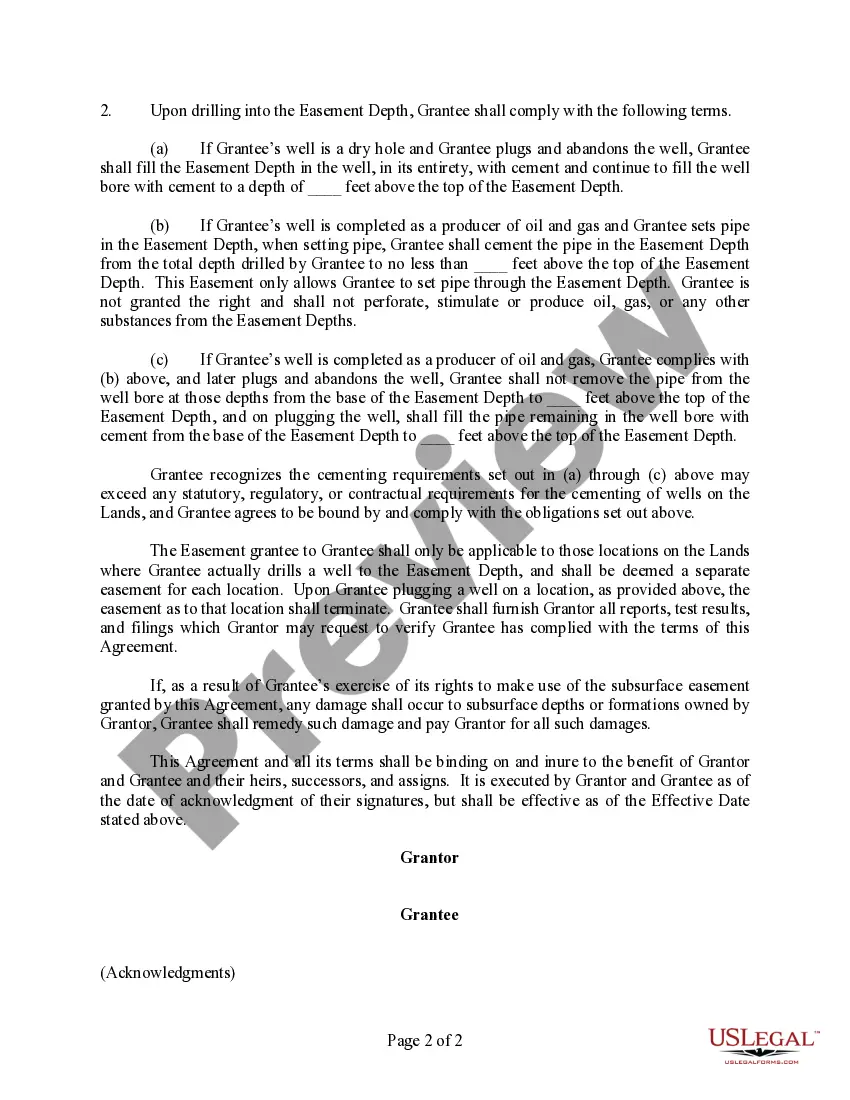
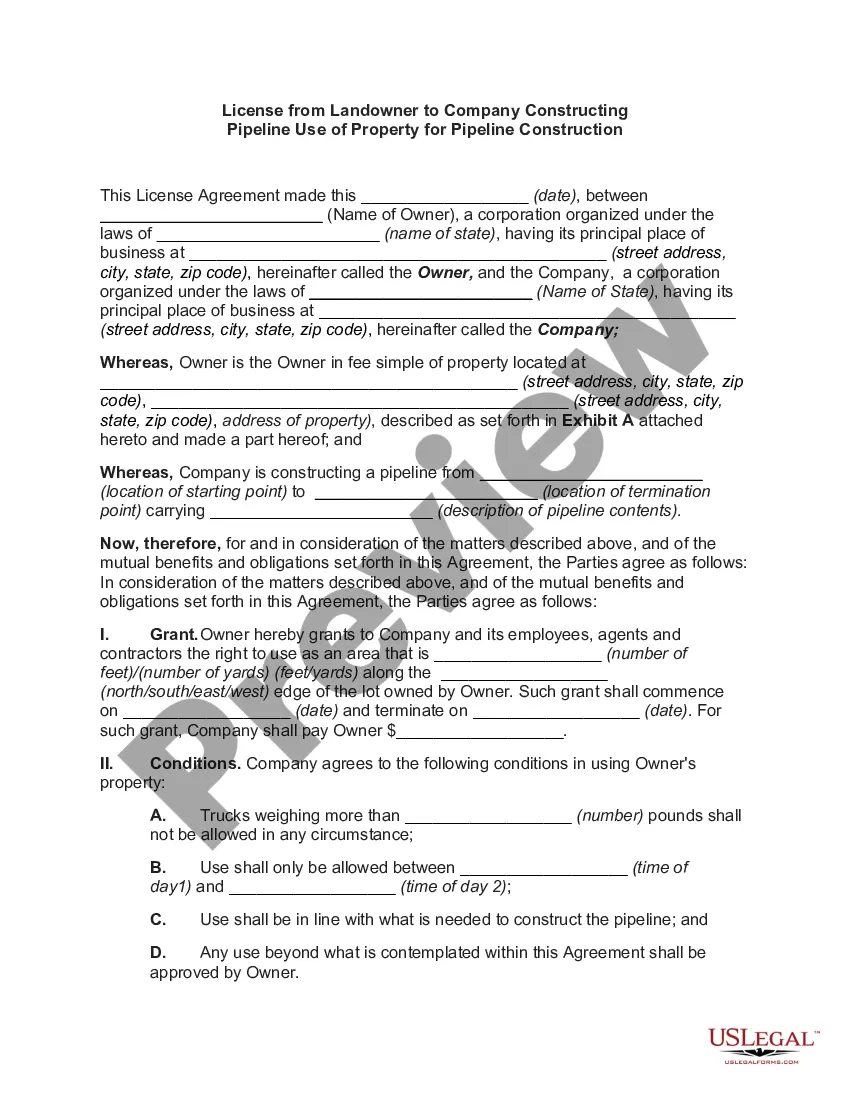
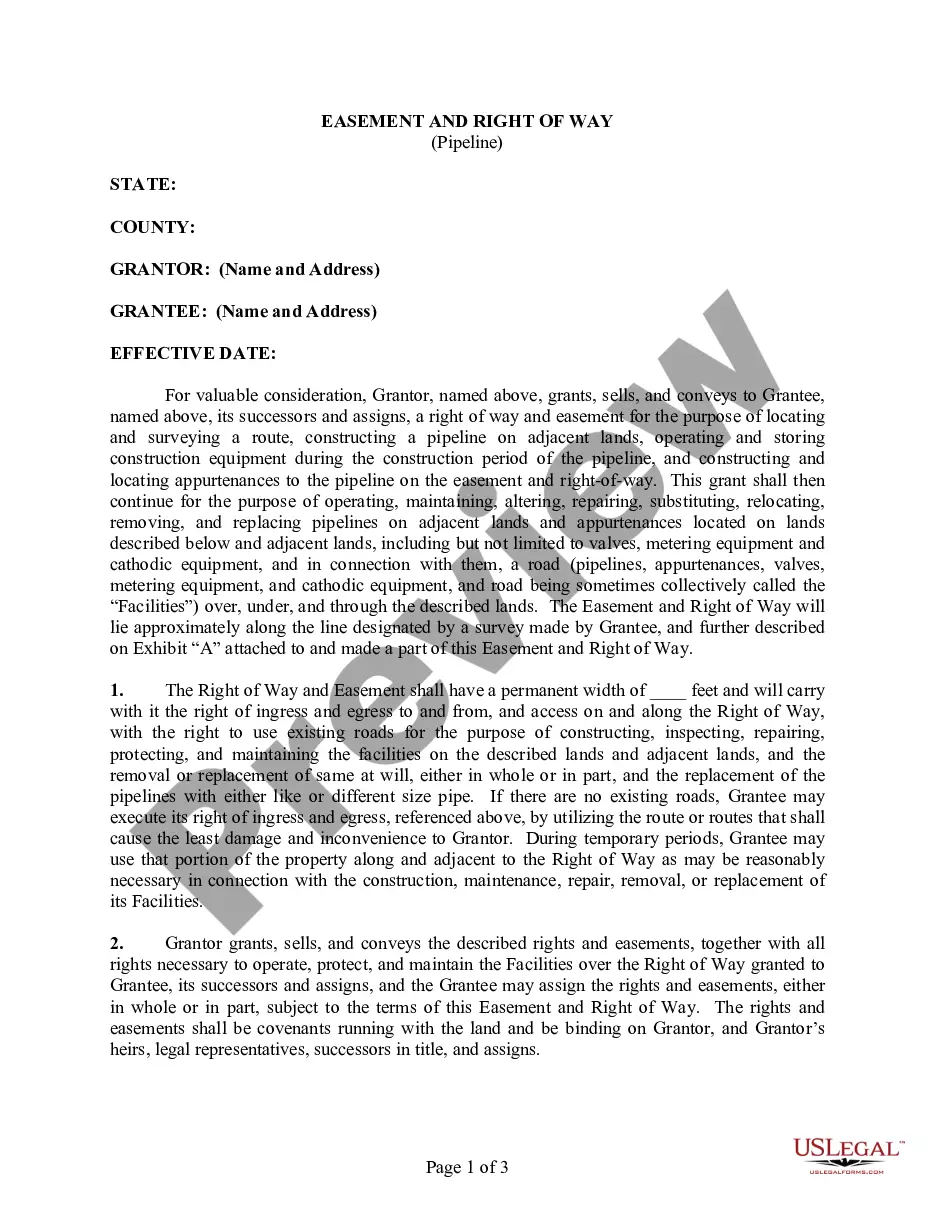

How to fill out Subsurface Easement Agreement From One Lessee To Another?
Whether for professional aims or personal issues, everyone eventually has to handle legal circumstances at some time in their life.
Filling out legal documents requires meticulous focus, beginning with selecting the appropriate form sample.
With a vast US Legal Forms collection available, you do not have to waste time finding the right sample online. Utilize the library’s user-friendly navigation to obtain the correct template for any situation.
- Locate the sample you require using the search feature or catalog browse.
- Review the form’s description to ensure it aligns with your situation, jurisdiction, and county.
- Click on the form’s preview to inspect it.
- If it’s the incorrect form, return to the search tool to find the Subsurface Easement Agreement For Driveway sample you need.
- Obtain the template if it fulfills your specifications.
- If you possess a US Legal Forms account, simply click Log in to access previously saved documents in My documents.
- If you do not yet have an account, you can acquire the form by clicking Buy now.
- Select the suitable pricing plan.
- Complete the account registration form.
- Choose your payment option: utilize a credit card or PayPal account.
- Select the desired file format and download the Subsurface Easement Agreement For Driveway.
- Once downloaded, you can complete the form using editing software or print it and finish it manually.
Form popularity
FAQ
Easement ? An easement is the right to use another person's land for a stated purpose. It can involve a general or specific portion of the property. ii. Right-of-Way ? A right-of-way is a type of easement that gives someone the right to travel across property owned by another person.
An easement gives people or organizations the right to access and use your property in specific situations for a limited purpose. A right of way is a type of easement that establishes the freedom to use a pathway or road on another's property without conferring ownership.
Easements are nonpossessory interests in land. The holder of an easement has the right to use a tract of land for a special use only, and does not own or have full use and enjoyment of the land. Often, easements are created in Texas to give a person or corporation a right of access across a piece of land.
In the absence of terms and conditions that specify otherwise, the owner of any residential real property that benefits from an easement or right-of-way, the purpose of which is to provide access to and from such residential real property, shall be responsible for the cost of maintaining such easement or right-of-way ...
You'll want to check if you're the easement user, known as the dominant property, or if you're the property owner who must allow your neighbor to use your property, known as the servient property. The servient property owner cannot block the use of the easement.