Wellbore Assignment With A Returned Value
Description
Get your form ready online
Our built-in tools help you complete, sign, share, and store your documents in one place.
Make edits, fill in missing information, and update formatting in US Legal Forms—just like you would in MS Word.
Download a copy, print it, send it by email, or mail it via USPS—whatever works best for your next step.
Sign and collect signatures with our SignNow integration. Send to multiple recipients, set reminders, and more. Go Premium to unlock E-Sign.
If this form requires notarization, complete it online through a secure video call—no need to meet a notary in person or wait for an appointment.
We protect your documents and personal data by following strict security and privacy standards.

Make edits, fill in missing information, and update formatting in US Legal Forms—just like you would in MS Word.

Download a copy, print it, send it by email, or mail it via USPS—whatever works best for your next step.

Sign and collect signatures with our SignNow integration. Send to multiple recipients, set reminders, and more. Go Premium to unlock E-Sign.

If this form requires notarization, complete it online through a secure video call—no need to meet a notary in person or wait for an appointment.

We protect your documents and personal data by following strict security and privacy standards.
Looking for another form?
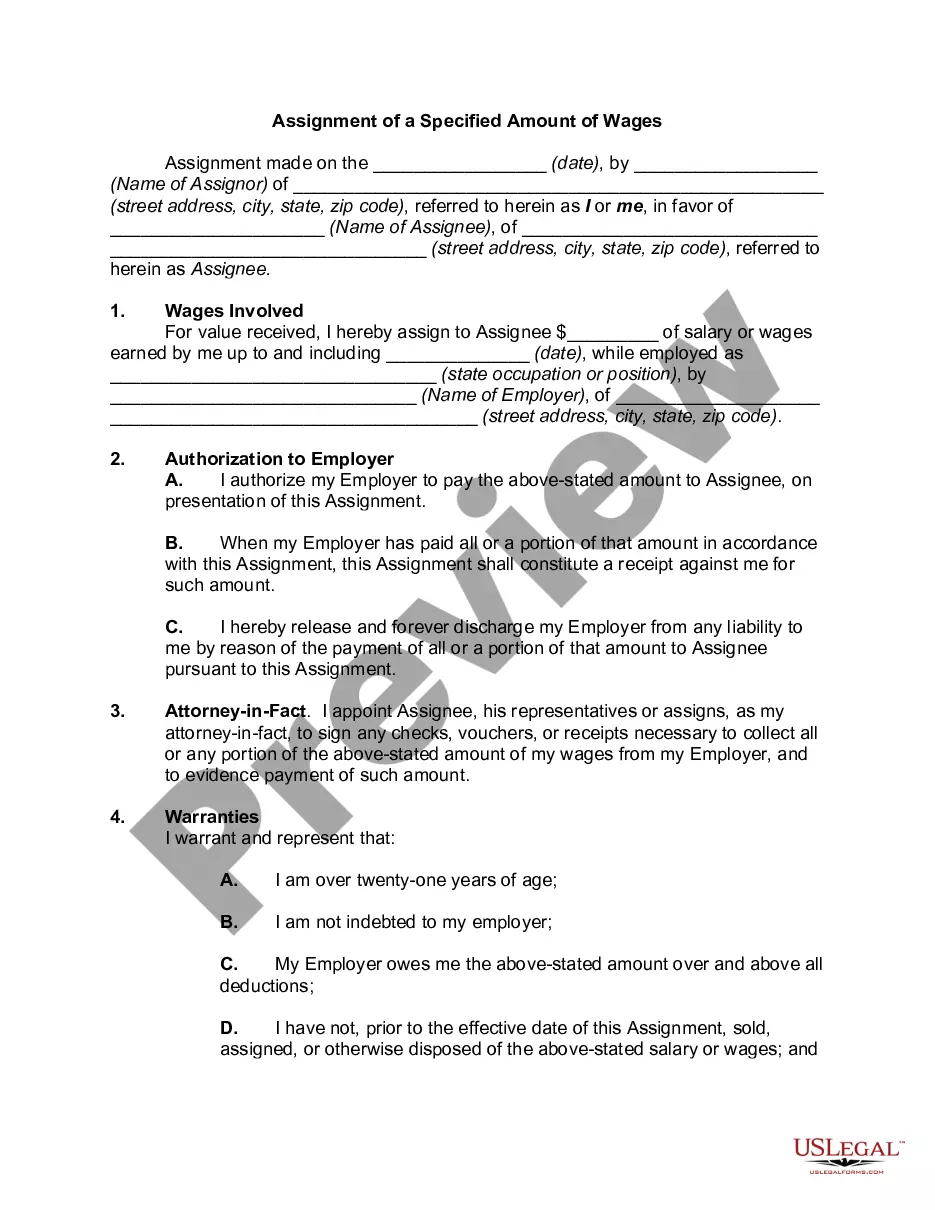
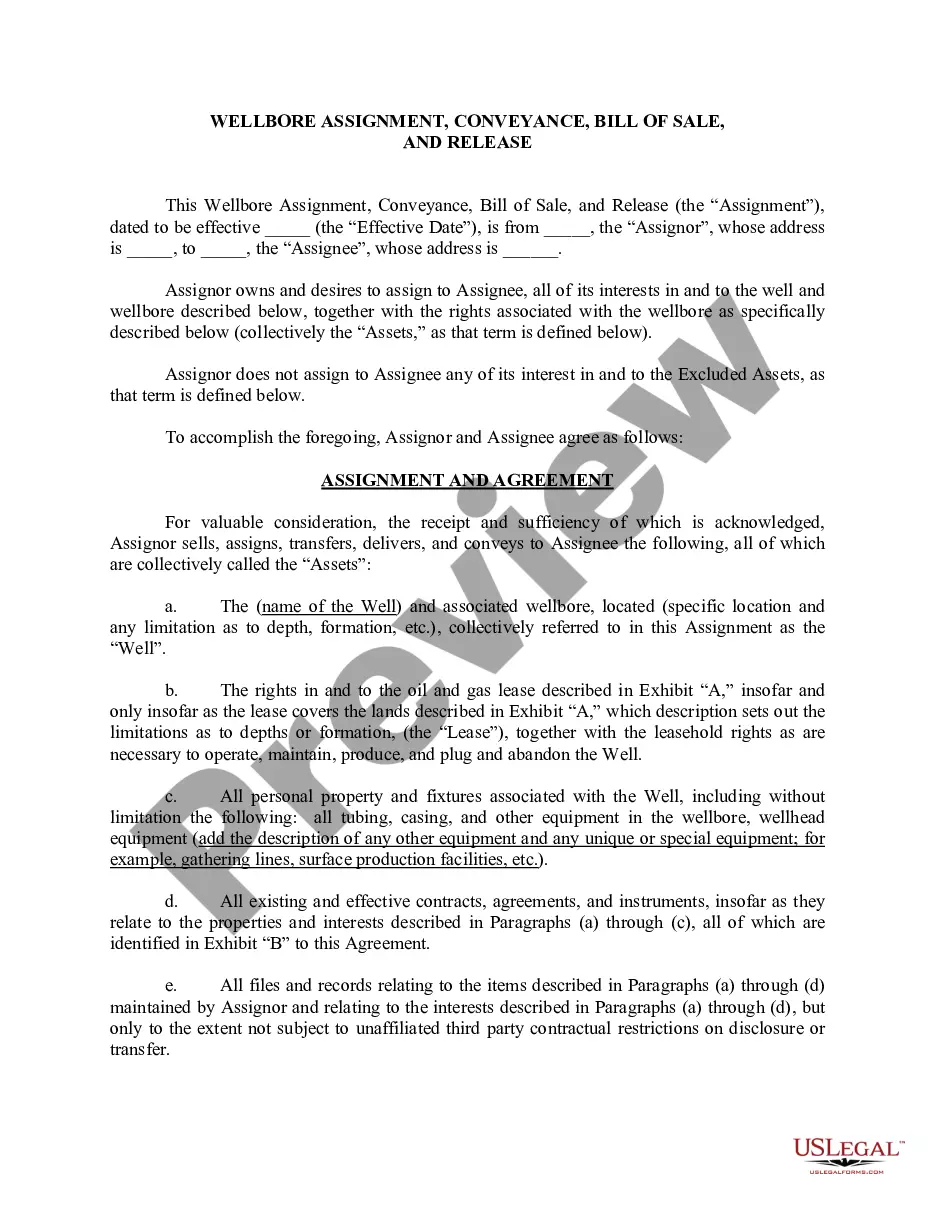
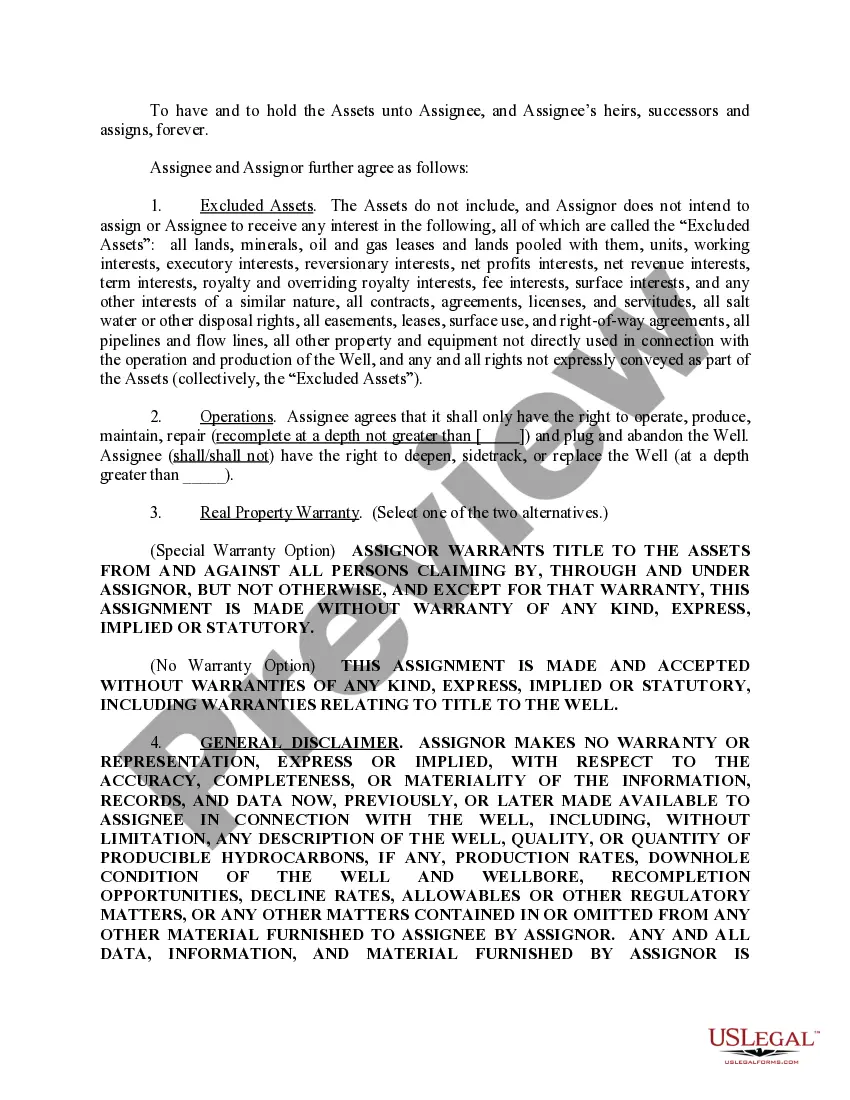
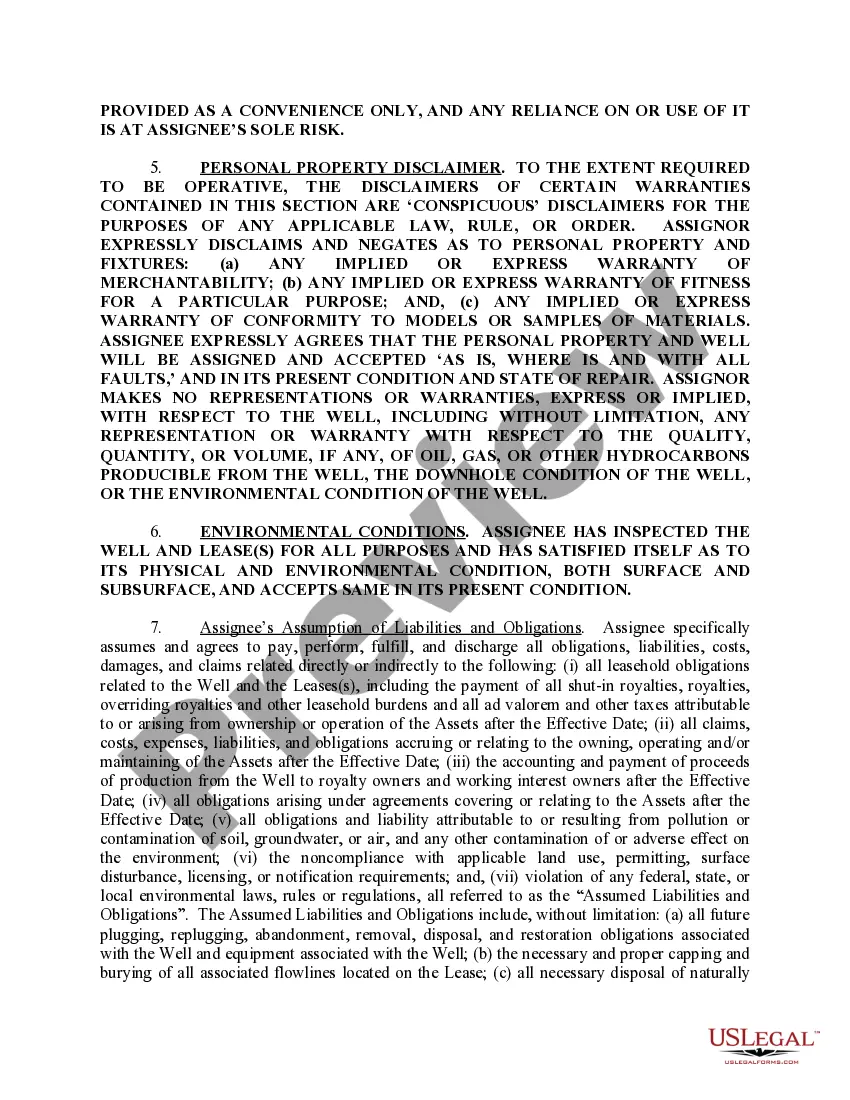
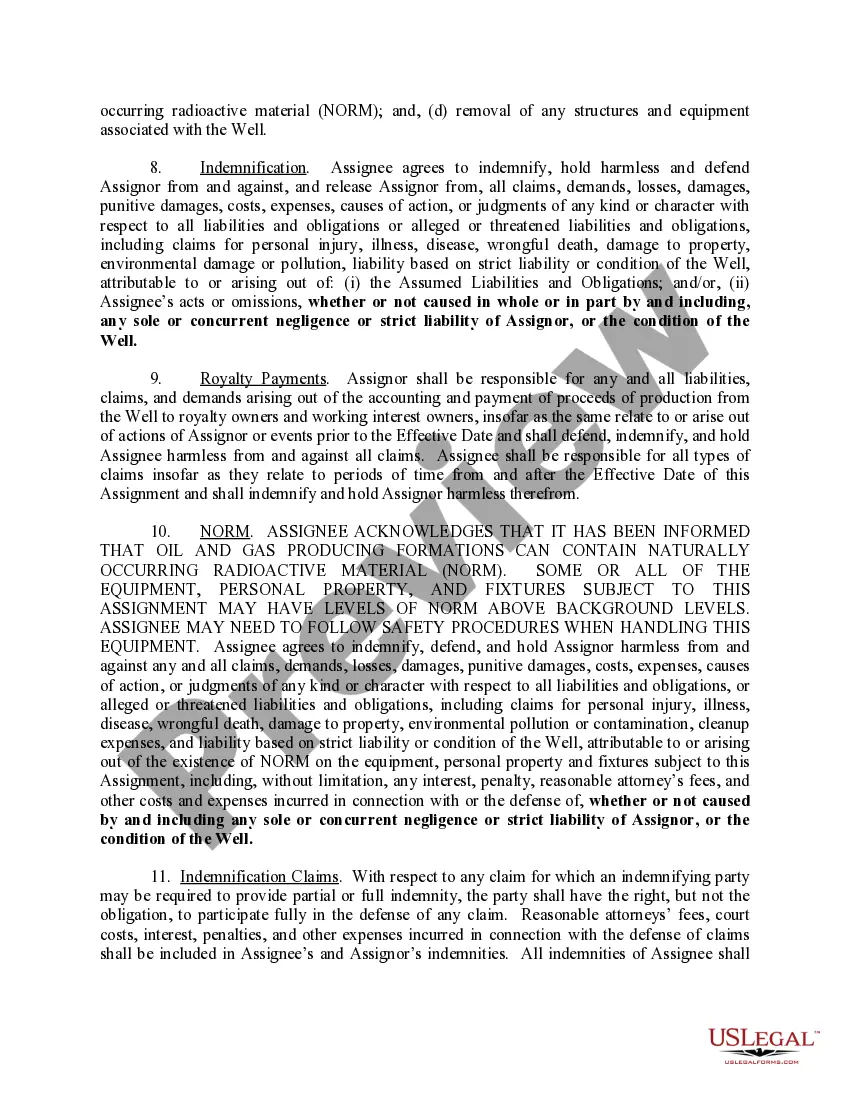
How to fill out Wellbore Assignment, Conveyance, Bill Of Sale, And Release?
Whether for commercial objectives or personal matters, everyone must confront legal circumstances at some stage in their life.
Filling out legal documents necessitates meticulous care, starting from selecting the appropriate form template.
With a comprehensive US Legal Forms library at your disposal, you don’t have to waste time searching for the correct sample online. Utilize the library’s straightforward navigation to find the appropriate template for any situation.
- Obtain the sample you require by using the search function or catalog navigation.
- Review the form’s details to ensure it fits your situation, state, and county.
- Click on the form’s preview to examine it.
- If it is the incorrect form, return to the search feature to locate the Wellbore Assignment With A Returned Value template you need.
- Download the file once it matches your criteria.
- If you already have a US Legal Forms account, just click Log in to retrieve previously saved files in My documents.
- In case you don’t have an account yet, you can obtain the form by clicking Buy now.
- Choose the suitable pricing option.
- Fill out the account registration form.
- Select your payment method: you can utilize a bank card or PayPal account.
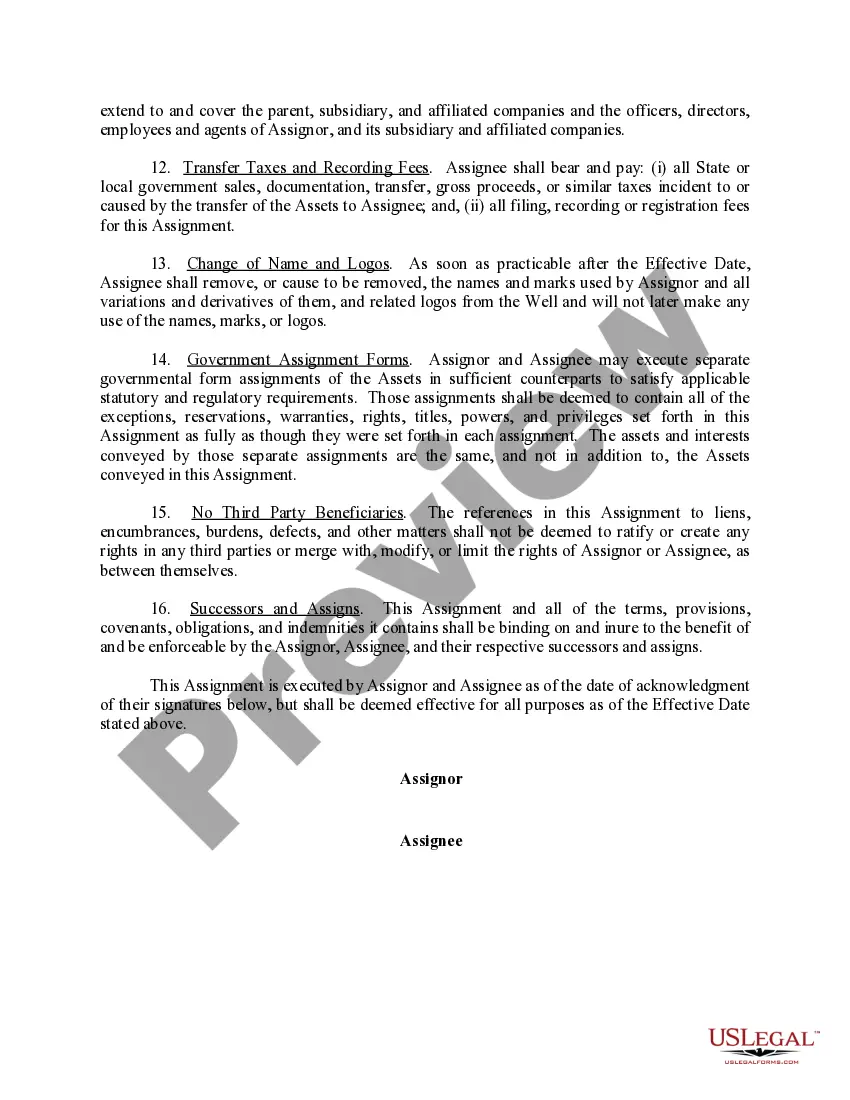
- Choose the desired file format and download the Wellbore Assignment With A Returned Value.
- After it is saved, you can complete the form with editing software or print it out and fill it in manually.
Form popularity
FAQ
To assign the return value of a function to a variable, you simply call the function and use the assignment operator. For instance, if you have a function that performs a calculation, you can store its result by writing, 'result = yourFunction()'. Understanding this process is essential for utilizing wellbore assignment with a returned value in your projects. This practice allows you to effectively manage your code and optimize your workflows.
A well refers to the overall structure used for extraction, while a wellbore is the specific hole drilled to reach the resource. The well encompasses broader elements such as surface equipment and land rights, whereas the wellbore is focused on the subsurface channel. This distinction is essential when considering a wellbore assignment with a returned value, as it influences property and operational rights.
Wellbore interest, essentially, refers to the ownership stake in the benefits obtained from a wellbore. This interest can relate to any revenue generated from resource production and can be an integral part of wellbore assignments. Understanding the details of your wellbore interest, especially within a wellbore assignment with a returned value, can protect your financial interests.
A wellbore acts as the conduit for extracting oil, gas, or other subsurface resources. It is drilled into the ground and may require various technologies to ensure the efficient flow of resources to the surface. In the context of a wellbore assignment with a returned value, the wellbore's functionality significantly impacts its value and potential profitability.
The term 'wellbore only' indicates a focus on the wellbore itself rather than the entire property or land surrounding it. This distinction is crucial for transactions involving a wellbore assignment with a returned value, as it delineates the specific rights and responsibilities tied to the wellbore. Understanding this term helps clarify ownership and operational parameters.
A wellbore interest refers to the ownership rights associated with a specific wellbore. It allows individuals or companies to benefit from the extraction of resources, such as oil or gas, from that wellbore. In the context of a wellbore assignment with a returned value, this interest can often be transferred or leveraged for investment opportunities.
The return value of an assignment is the result produced after assigning a specific value to a variable or entity. This return value allows follow-up actions and decisions based on the assigned data. In wellbore assignments, understanding this concept is key for legal documentation and compliance. Comprehensive management of wellbore assignments with a returned value offers clarity and assurance in property rights.
When a value is returned, it signifies that a process has completed successfully and provides output for further use. This feedback is vital for understanding how assignments and functions relate within a workflow. In the realm of wellbore assignments, a returned value can clarify rights and facilitate important communication between parties. Knowing the implications of a returned value contributes significantly to effective management.
An assignment usually returns the value that has been assigned to a variable or reference. This return value confirms that the assignment took place and can be used in further operations. In the context of wellbore assignments, understanding what an assignment returns is essential for legal binding and compliance. A reliable update through a wellbore assignment with a returned value helps streamline operational processes.
The assignment operator's return value is generally the value that you assign to a variable. In programming, using an assignment operator means you are not just changing a variable's content; you are also receiving confirmation of that change as a return value. This functionality is important for keeping track of inputs and outputs, especially in technical fields like oil and gas. Proper management of wellbore assignments with a returned value ensures clarity in ownership transfer.