Property Partition Law In India
Description
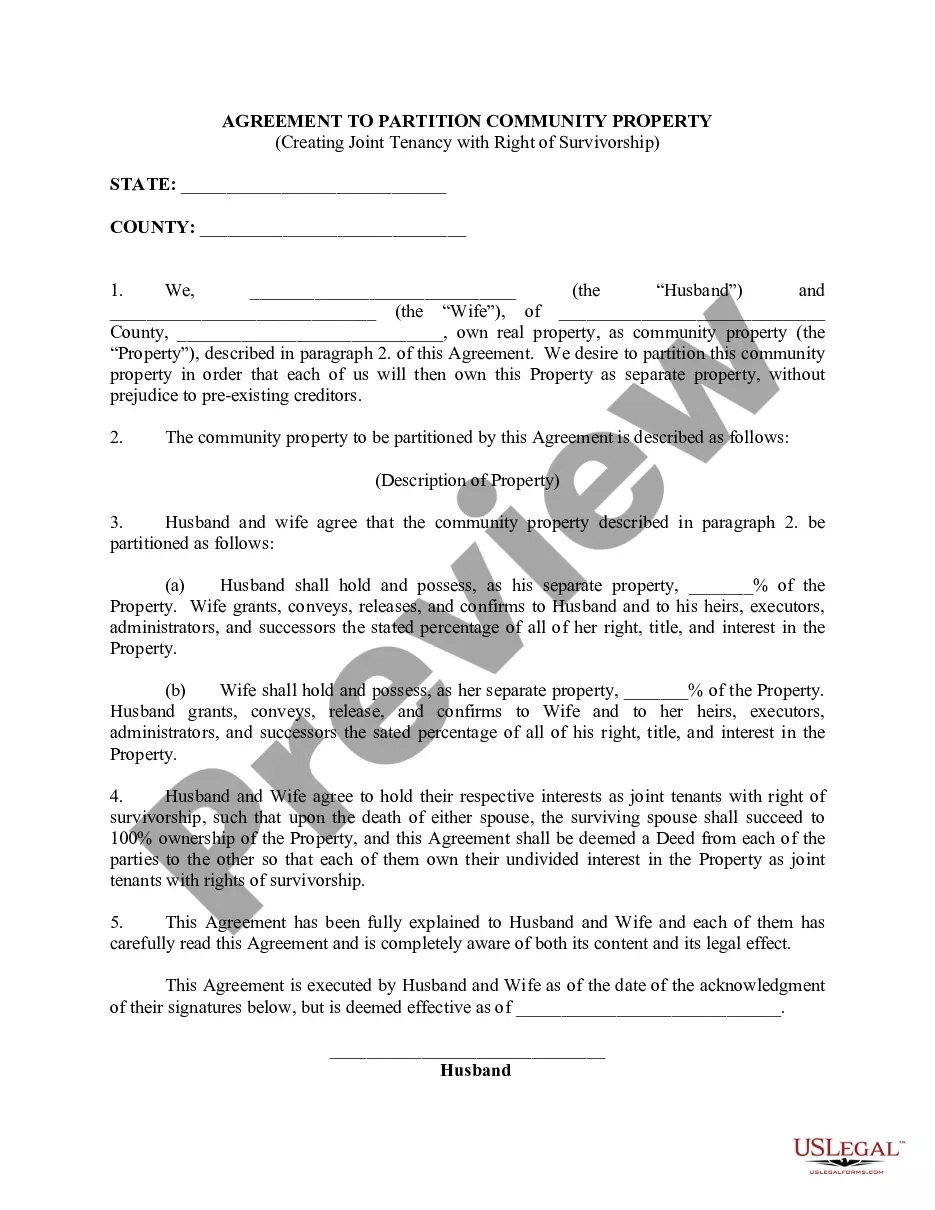
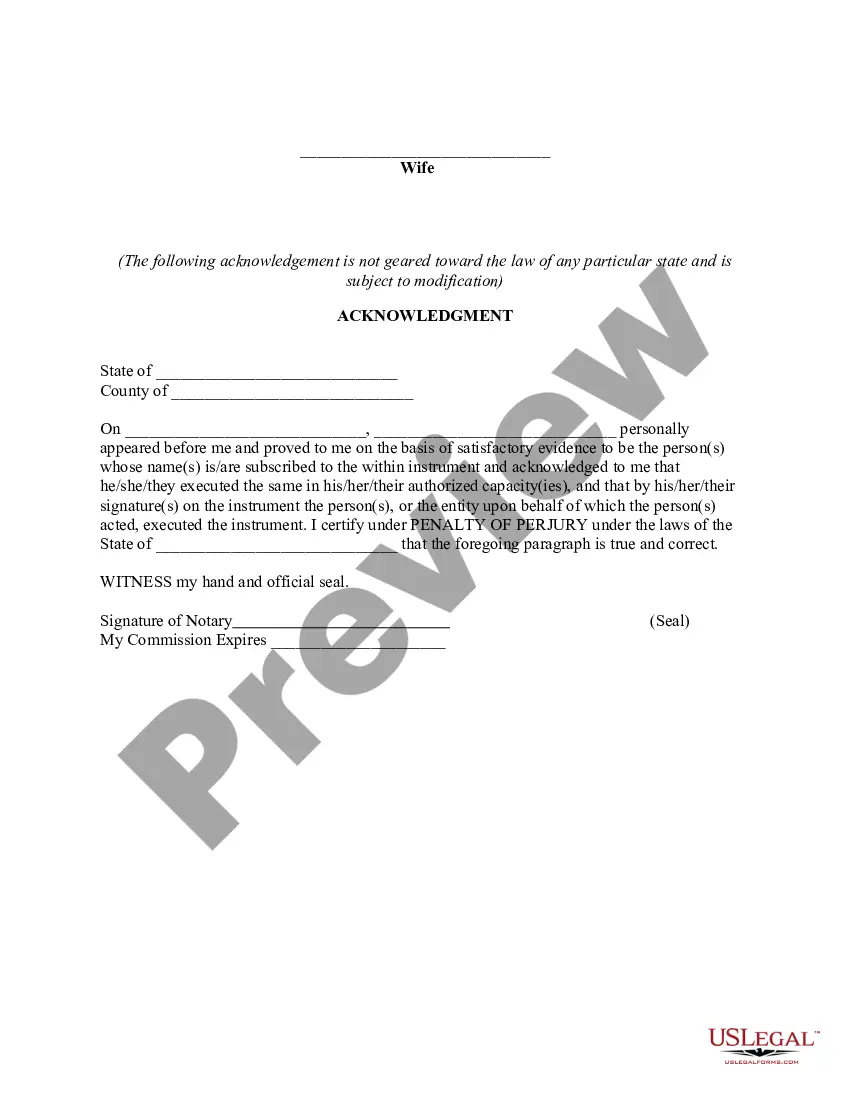
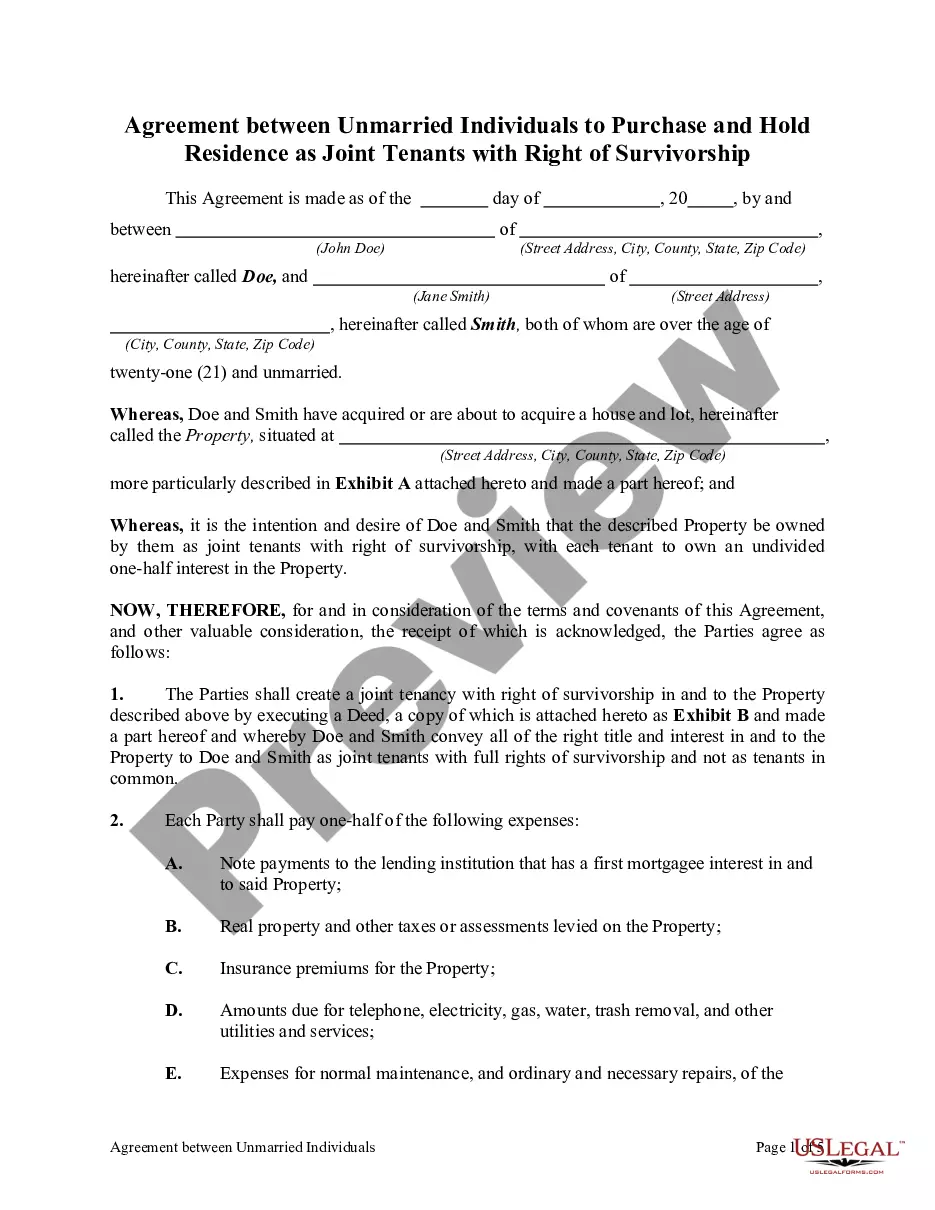
Get your form ready online
Our built-in tools help you complete, sign, share, and store your documents in one place.
Make edits, fill in missing information, and update formatting in US Legal Forms—just like you would in MS Word.
Download a copy, print it, send it by email, or mail it via USPS—whatever works best for your next step.
Sign and collect signatures with our SignNow integration. Send to multiple recipients, set reminders, and more. Go Premium to unlock E-Sign.
If this form requires notarization, complete it online through a secure video call—no need to meet a notary in person or wait for an appointment.
We protect your documents and personal data by following strict security and privacy standards.

Make edits, fill in missing information, and update formatting in US Legal Forms—just like you would in MS Word.

Download a copy, print it, send it by email, or mail it via USPS—whatever works best for your next step.

Sign and collect signatures with our SignNow integration. Send to multiple recipients, set reminders, and more. Go Premium to unlock E-Sign.

If this form requires notarization, complete it online through a secure video call—no need to meet a notary in person or wait for an appointment.

We protect your documents and personal data by following strict security and privacy standards.
Looking for another form?
How to fill out Agreement To Partition Community Property Creating Joint Tenancy With Right Of Survivorship?
Managing legal documentation and processes can be a lengthy addition to your schedule.
Property Partition Law In India and similar documents typically necessitate that you search for them and understand how to fill them out efficiently.
Consequently, whether you are addressing financial, legal, or personal issues, utilizing a comprehensive and practical online repository of forms at your disposal will significantly help.
US Legal Forms is the leading online resource for legal templates, offering more than 85,000 state-specific documents and various tools to help you complete your paperwork with ease.
Is this your first experience with US Legal Forms? Register and create your account in a matter of minutes to gain access to the form library and Property Partition Law In India. Then, follow the steps below to finalize your form: Ensure you have located the appropriate form using the Preview option and reviewing the form details. Select Buy Now when ready, and choose the monthly subscription plan that suits your requirements. Click Download then complete, eSign, and print the form. US Legal Forms boasts twenty-five years of experience assisting users in managing their legal documentation. Find the form you need today and streamline any process effortlessly.
- Explore the collection of relevant documents available to you with just a click.
- US Legal Forms gives you access to state- and county-specific forms that can be downloaded anytime.
- Safeguard your document management processes with a premium service that enables you to prepare any form in minutes without any additional or concealed charges.
- Simply Log In to your account, find Property Partition Law In India, and obtain it immediately from the My documents section.
- You can also access previously downloaded forms.
Form popularity
FAQ
To file a property partition suit in India, you must first gather all relevant documents that prove your ownership or interest in the property. Next, consult with a legal expert who specializes in property partition law in India to understand the nuances of your case. After that, you will need to file a suit in the appropriate civil court, clearly stating your claims and the details of the property. Utilizing platforms like US Legal Forms can simplify this process by providing the necessary legal documents and guidance required to navigate property partition law effectively.
Dividing joint property in India requires a clear understanding of each party's rights and shares. The Property Partition Law in India allows for various methods of division, including mutual consent or court intervention when disputes arise. It is advisable to negotiate terms amicably to avoid lengthy legal battles. Utilizing resources like US Legal Forms can aid in drafting agreements that facilitate a smooth division process.
The 12-year property rule in India refers to the limitation period for claiming ownership of a property through adverse possession. According to the Property Partition Law in India, if a person possesses a property openly and continuously for 12 years, they may claim legal ownership, provided the original owner has not taken action. This rule encourages individuals to assert their property rights timely, and understanding this can be crucial for property disputes.
The law of partition of property in India allows co-owners of a property to divide their shares. Under the Property Partition Law in India, any co-owner can seek a partition of the property, ensuring fair distribution among all parties involved. This law provides a legal framework for resolving disputes and clarifying ownership rights. Engaging with platforms like US Legal Forms can simplify the process of drafting necessary documents for partition.
In India, property division under family law primarily involves understanding the rights of each family member. The Property Partition Law in India stipulates that property acquired during marriage is generally considered joint property. This means that both spouses have equal rights to the property. However, the division may vary based on personal laws applicable to different religions, making it essential to consult legal experts for clarity.
The partition lawsuit is filed in India for residential property, commercial property or in the case of land disputes. The partition suit court fees is Rs. 500. Partitioning can be done in more than one way.
Partition of the property by mutual agreement can be done by Partition Deed or Family settlement. Partition Deed divides the property between the co-owners of the property. This deed is prepared in order to divide the property so that each person gets an absolute title over his own part of the property.
In this case, a partition suit must be filed in an appropriate court of law. Before one can file a suit, they will have to issue a request to all the co-owners, demanding partition. In case the parties refuse to entertain your request, you are within your legal rights to move court over the matter.
The guidelines provide that the property should be divided equally between the son and daughter (brother and sister). For instance, if a father passes away leaving behind a widow, mother, one son, two daughters, and a sister.