Transfer Of Property After Death Without Will Format
Description

Get your form ready online
Our built-in tools help you complete, sign, share, and store your documents in one place.
Make edits, fill in missing information, and update formatting in US Legal Forms—just like you would in MS Word.
Download a copy, print it, send it by email, or mail it via USPS—whatever works best for your next step.
Sign and collect signatures with our SignNow integration. Send to multiple recipients, set reminders, and more. Go Premium to unlock E-Sign.
If this form requires notarization, complete it online through a secure video call—no need to meet a notary in person or wait for an appointment.
We protect your documents and personal data by following strict security and privacy standards.

Make edits, fill in missing information, and update formatting in US Legal Forms—just like you would in MS Word.

Download a copy, print it, send it by email, or mail it via USPS—whatever works best for your next step.

Sign and collect signatures with our SignNow integration. Send to multiple recipients, set reminders, and more. Go Premium to unlock E-Sign.

If this form requires notarization, complete it online through a secure video call—no need to meet a notary in person or wait for an appointment.

We protect your documents and personal data by following strict security and privacy standards.
Looking for another form?


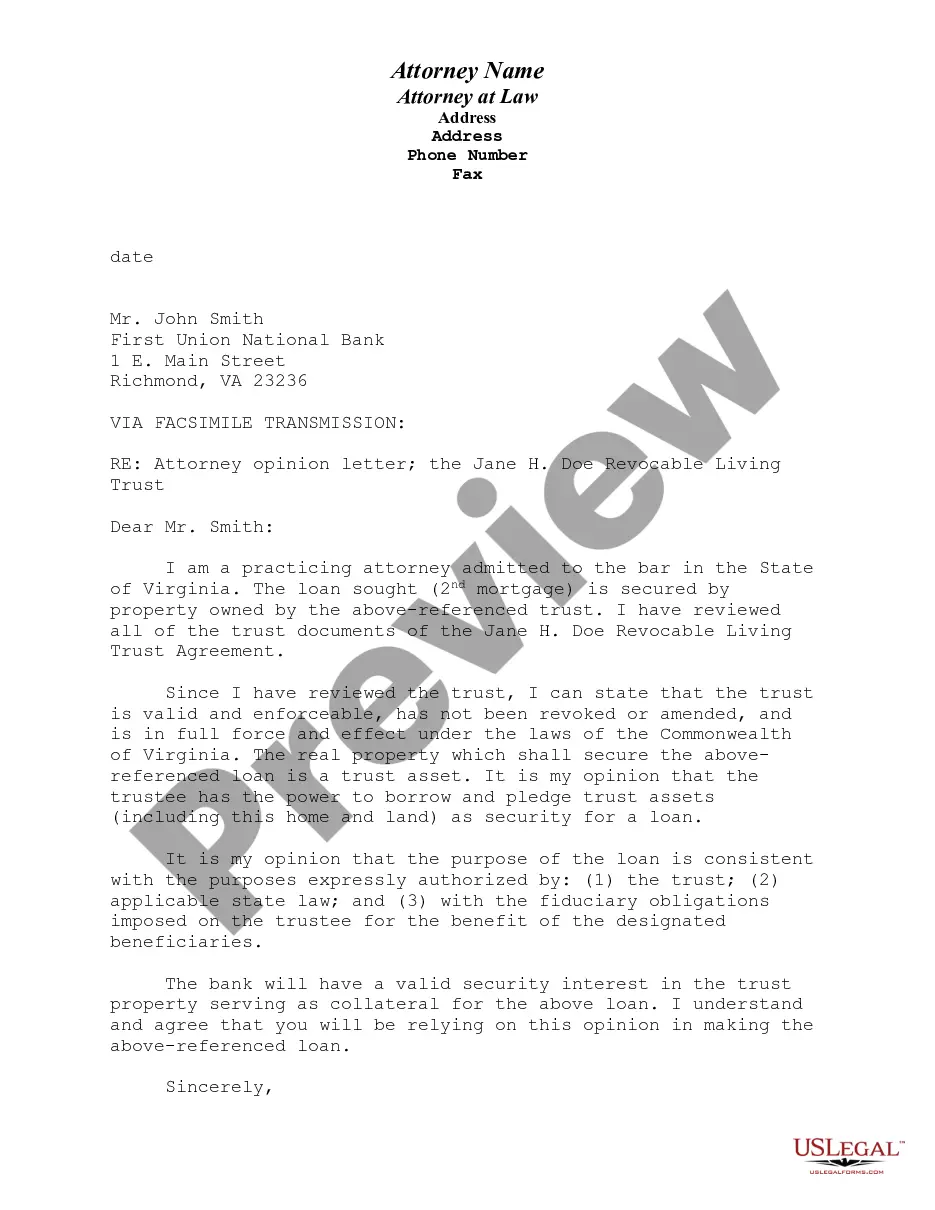







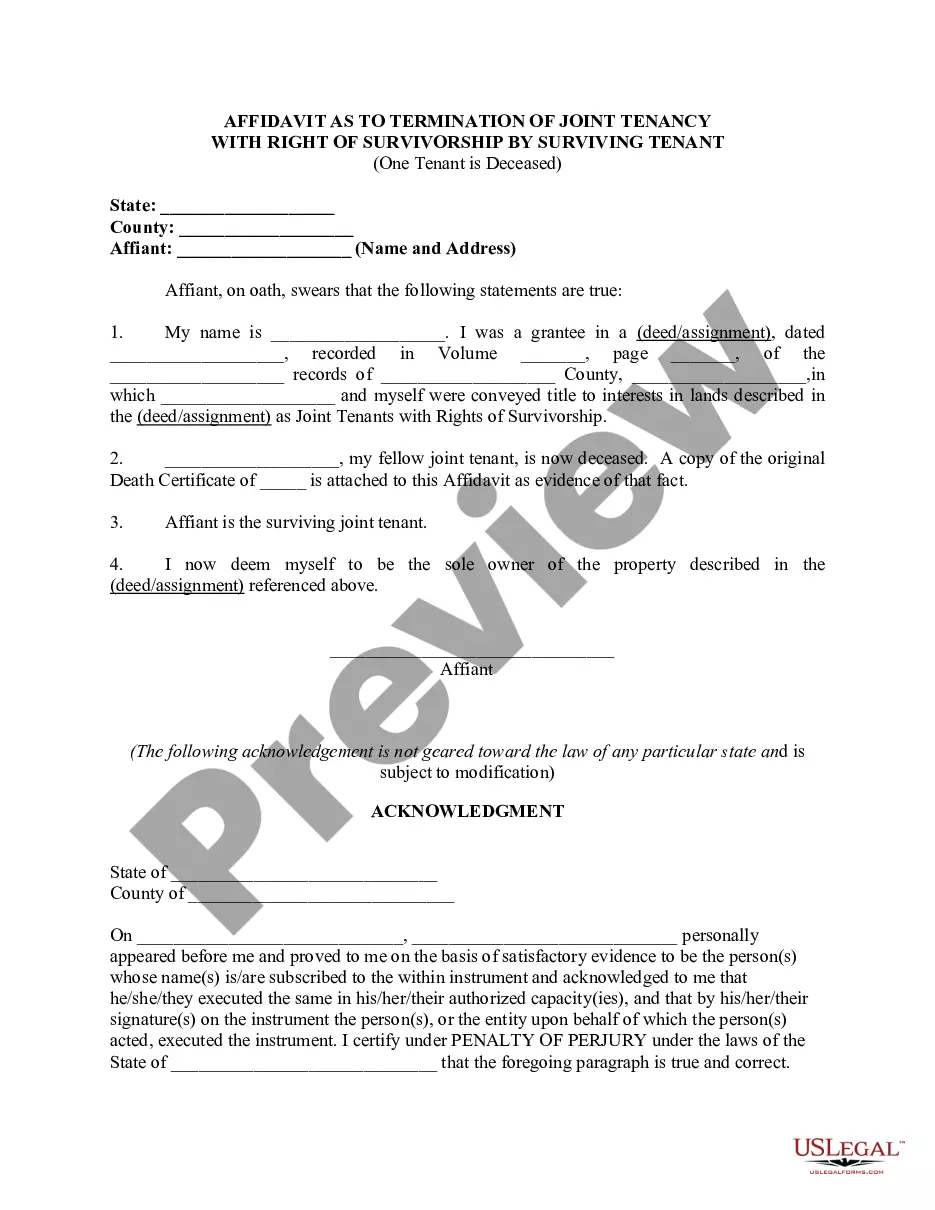
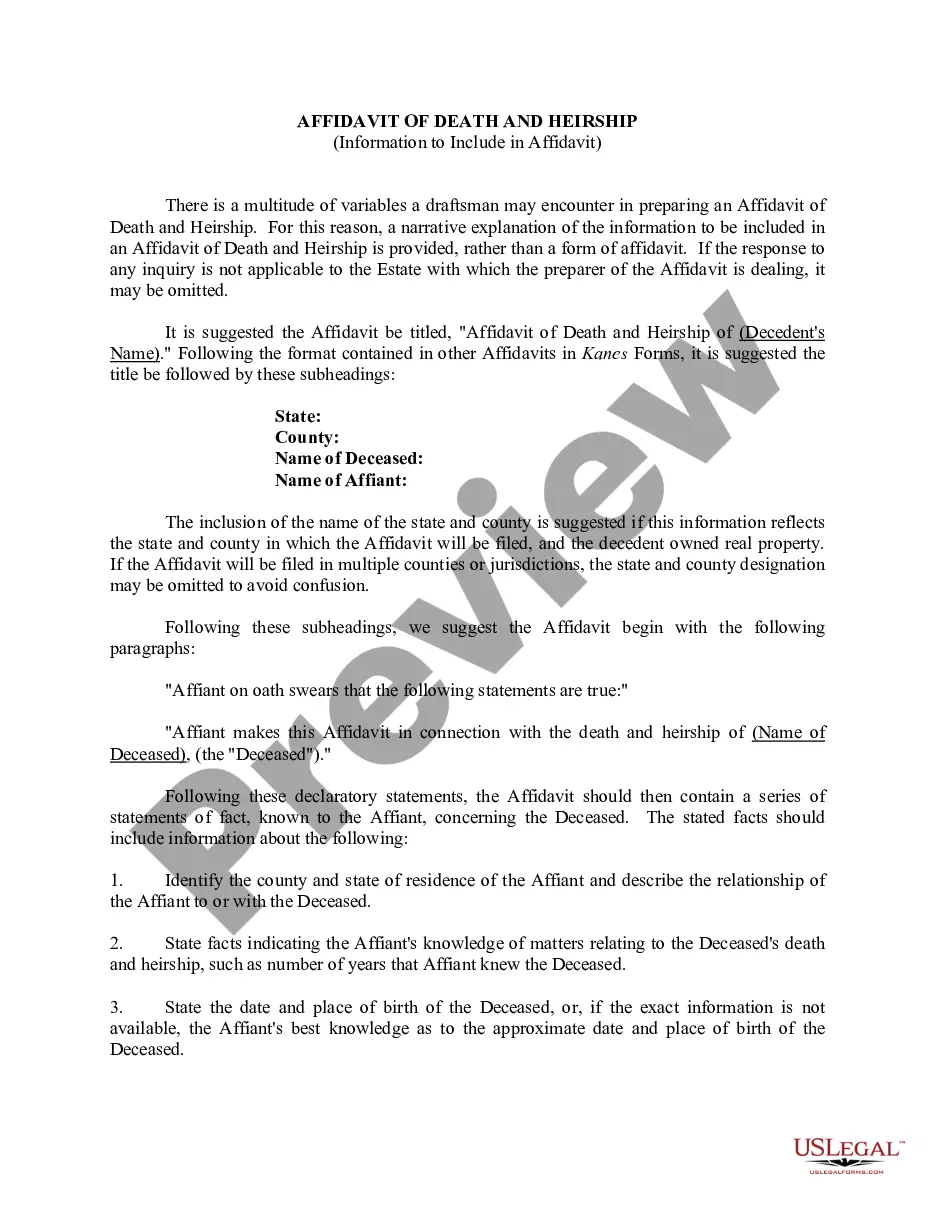
How to fill out Affidavit For Transferring Property After Death In Joint Tenancy With Right Of Survivorship By Surviving Tenant When One Tenant Is Deceased?
Working with legal documents and procedures could be a time-consuming addition to your day. Transfer Of Property After Death Without Will Format and forms like it typically require that you look for them and navigate how you can complete them correctly. Consequently, regardless if you are taking care of financial, legal, or individual matters, using a comprehensive and convenient web catalogue of forms on hand will go a long way.
US Legal Forms is the best web platform of legal templates, offering more than 85,000 state-specific forms and numerous tools to help you complete your documents effortlessly. Discover the catalogue of relevant documents available to you with just a single click.
US Legal Forms gives you state- and county-specific forms available at any time for downloading. Shield your document administration procedures by using a high quality services that lets you make any form within a few minutes without any additional or hidden cost. Just log in to the profile, locate Transfer Of Property After Death Without Will Format and acquire it straight away within the My Forms tab. You may also gain access to previously saved forms.
Would it be your first time utilizing US Legal Forms? Register and set up up your account in a few minutes and you will gain access to the form catalogue and Transfer Of Property After Death Without Will Format. Then, stick to the steps listed below to complete your form:
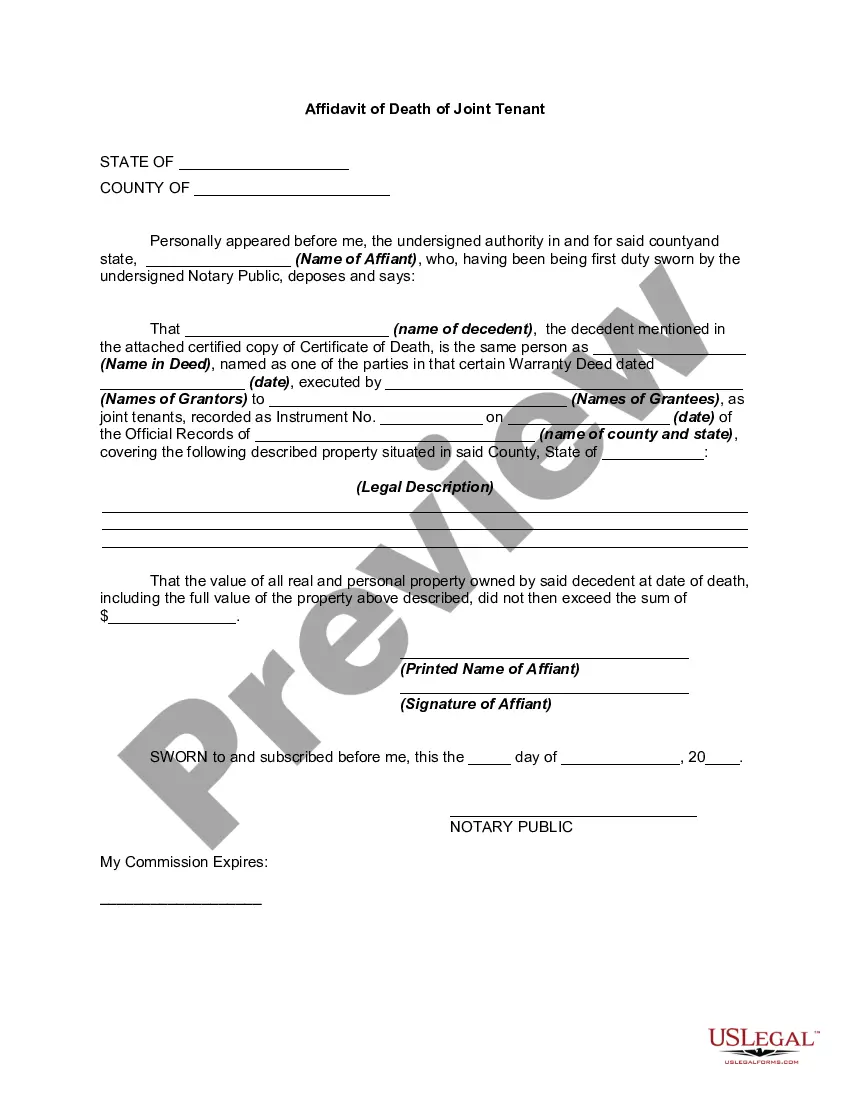
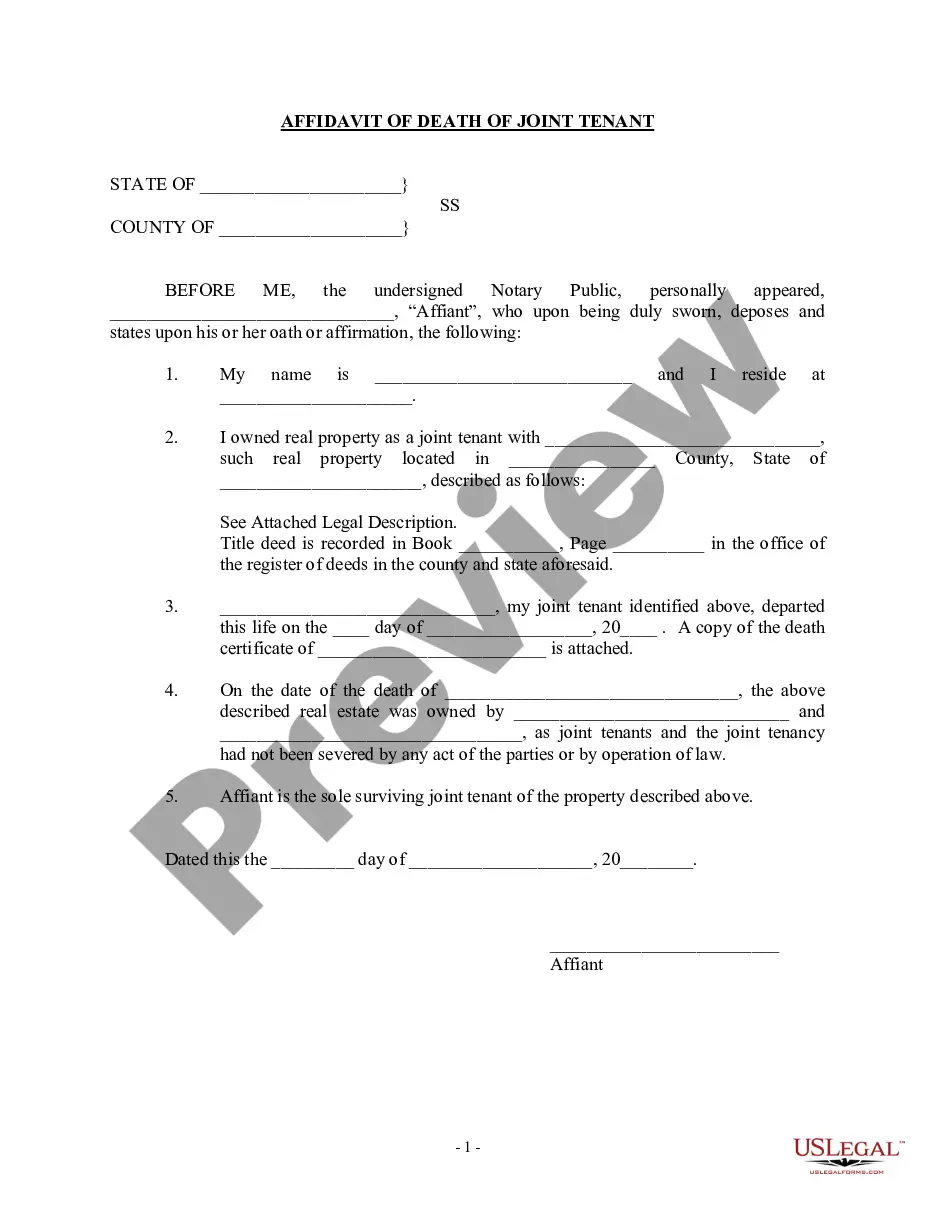
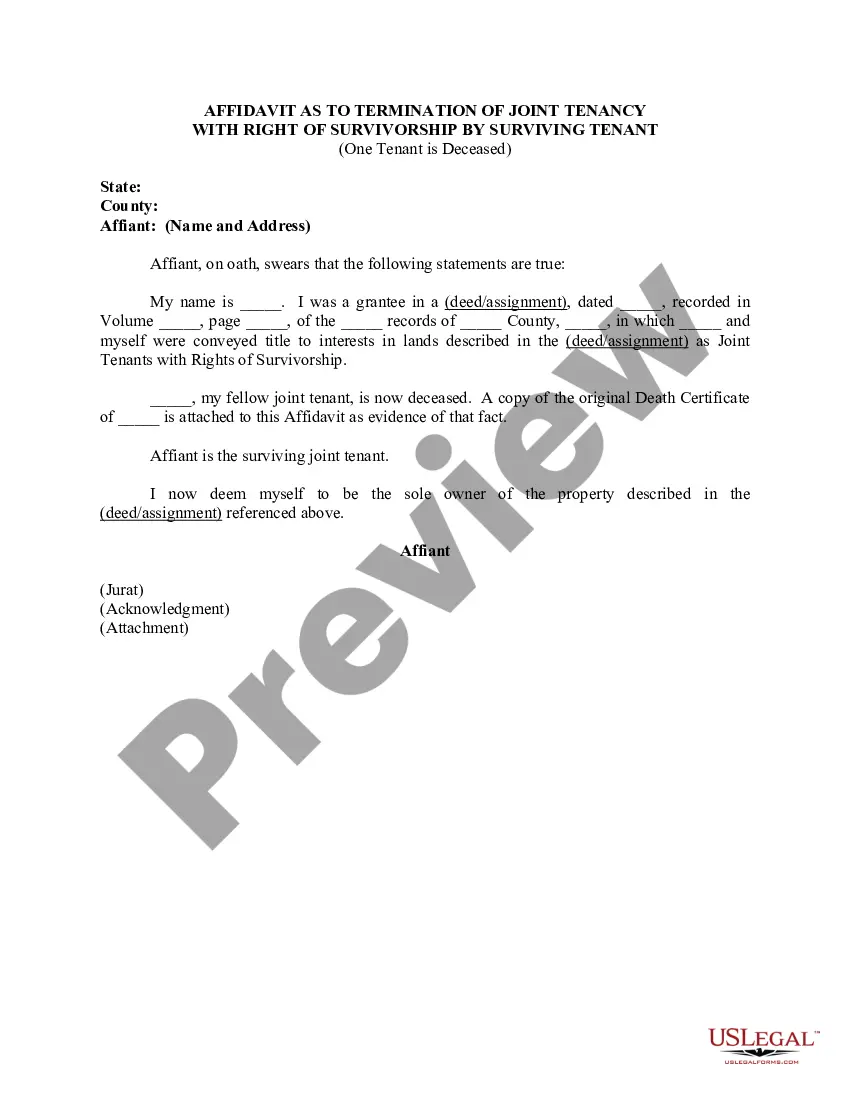
- Ensure you have the correct form using the Preview option and looking at the form information.
- Select Buy Now as soon as all set, and choose the subscription plan that meets your needs.
- Press Download then complete, eSign, and print out the form.
US Legal Forms has twenty five years of experience helping users manage their legal documents. Get the form you want today and enhance any operation without breaking a sweat.
Form popularity
FAQ
Gupta says, "In the absence of a will, all the beneficiaries would be required to apply for a legal heir certificate. The application for this can be obtained from the tehsildar or the revenue officer." This legal heir certificate is also known as the surviving member certificate.
As per the Hindu Succession Act, 1965, if a person dies intestate, his property would go to Class I heirs. If the Class I heirs do not exist, then the property would be delegated to Class II heirs. However, if both the Class I and Class II heirs are not alive, then the property would be transferred to Agnates.
If the property's deceased owner doesn't leave behind a will, then, as per the Hindu Succession Act, 1956, the legal heirs will inherit the assets in the given order. Class-I legal heirs are given the first preference. These include close relatives such as a spouse, parents, children, and their successors.
If the father has left a valid will, the son needs to apply for probate (if required) in the appropriate court. A probate is a way of confirming the authenticity of the will legally. If there's no will, the son can apply for a succession certificate from the court.
Paperwork requirements for inheriting assets after death of owner. For proper transfer of property, one needs to apply in the sub-registrar's office. The applicant will need the ownership documents of the property, that is, the Will with a probate or succession certificate.