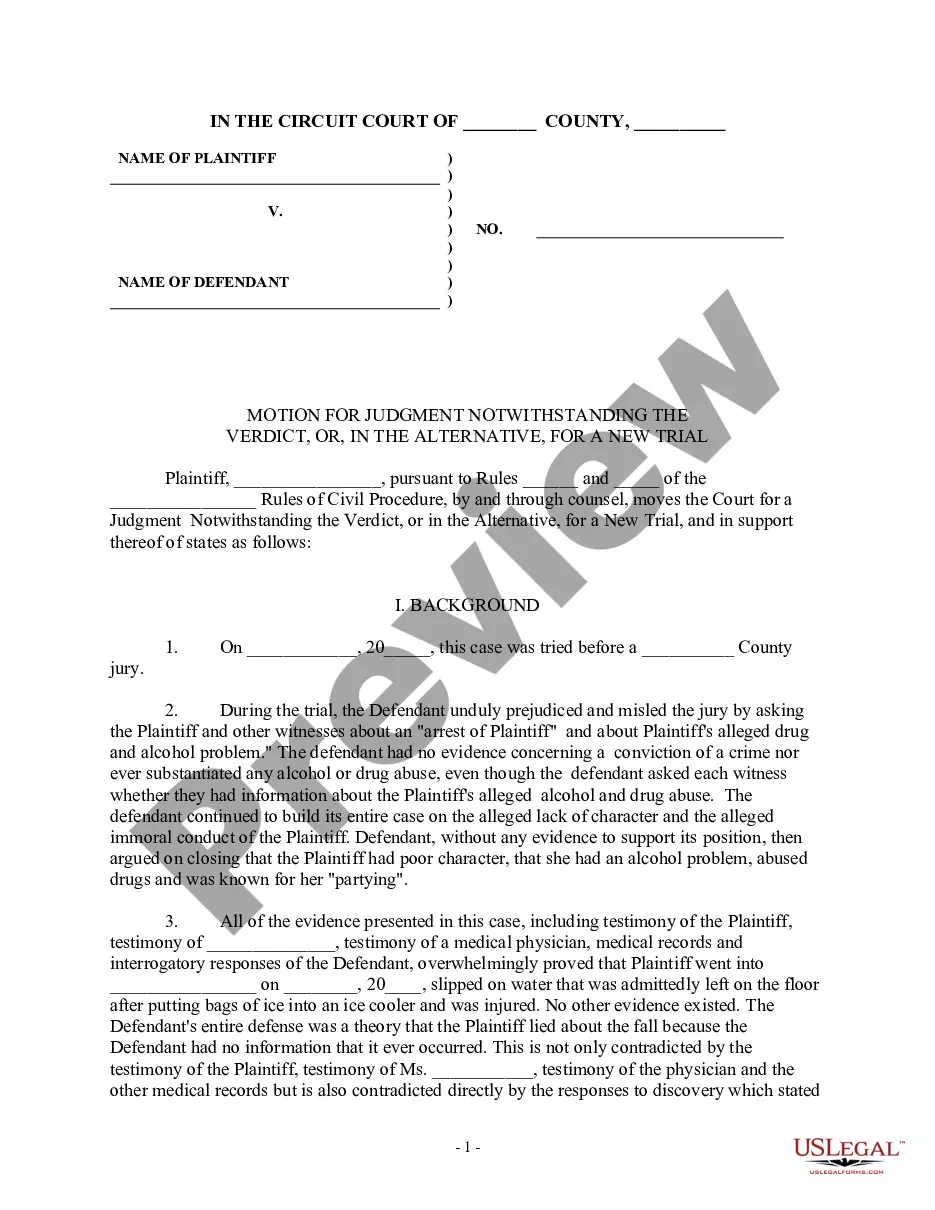
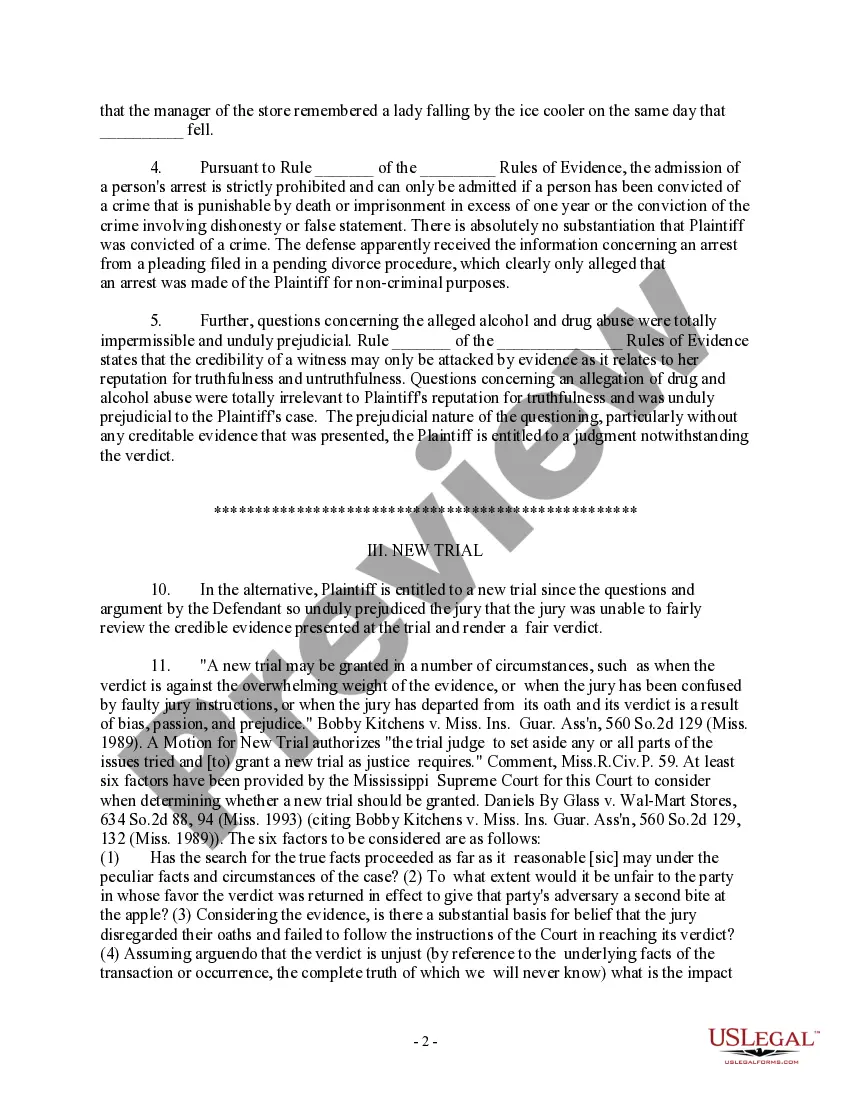
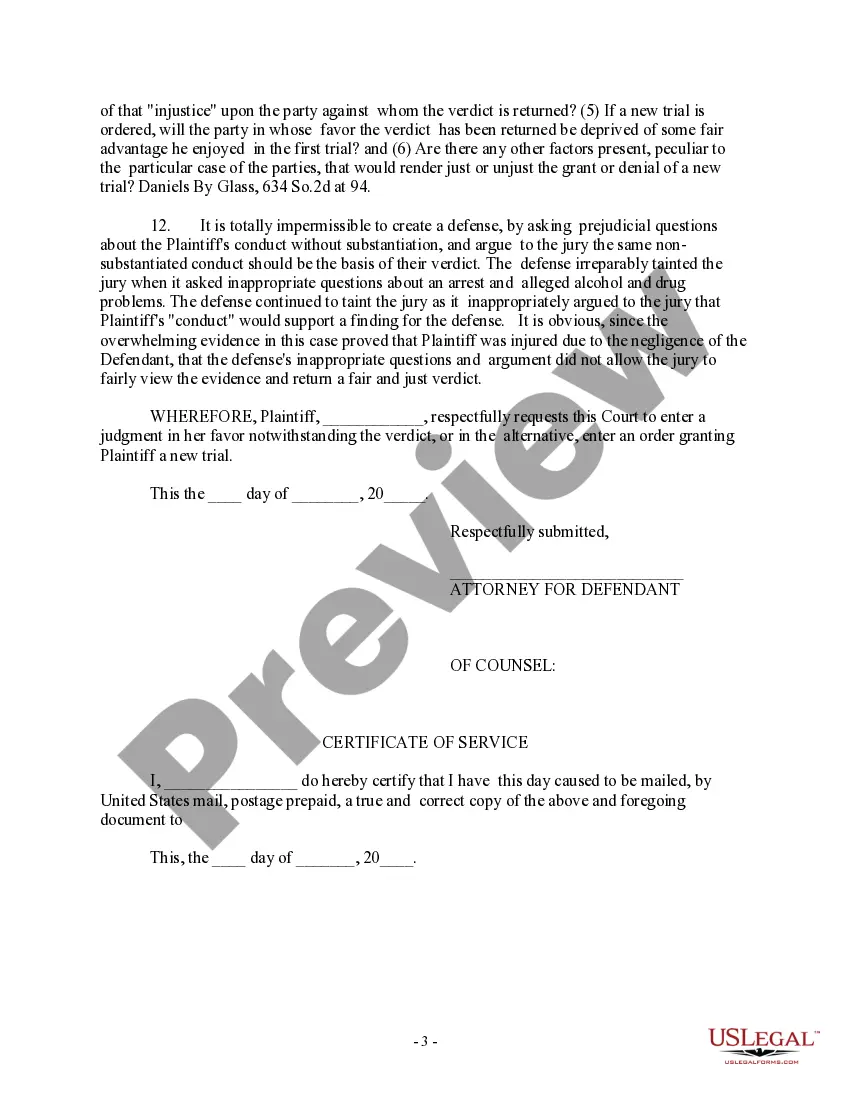
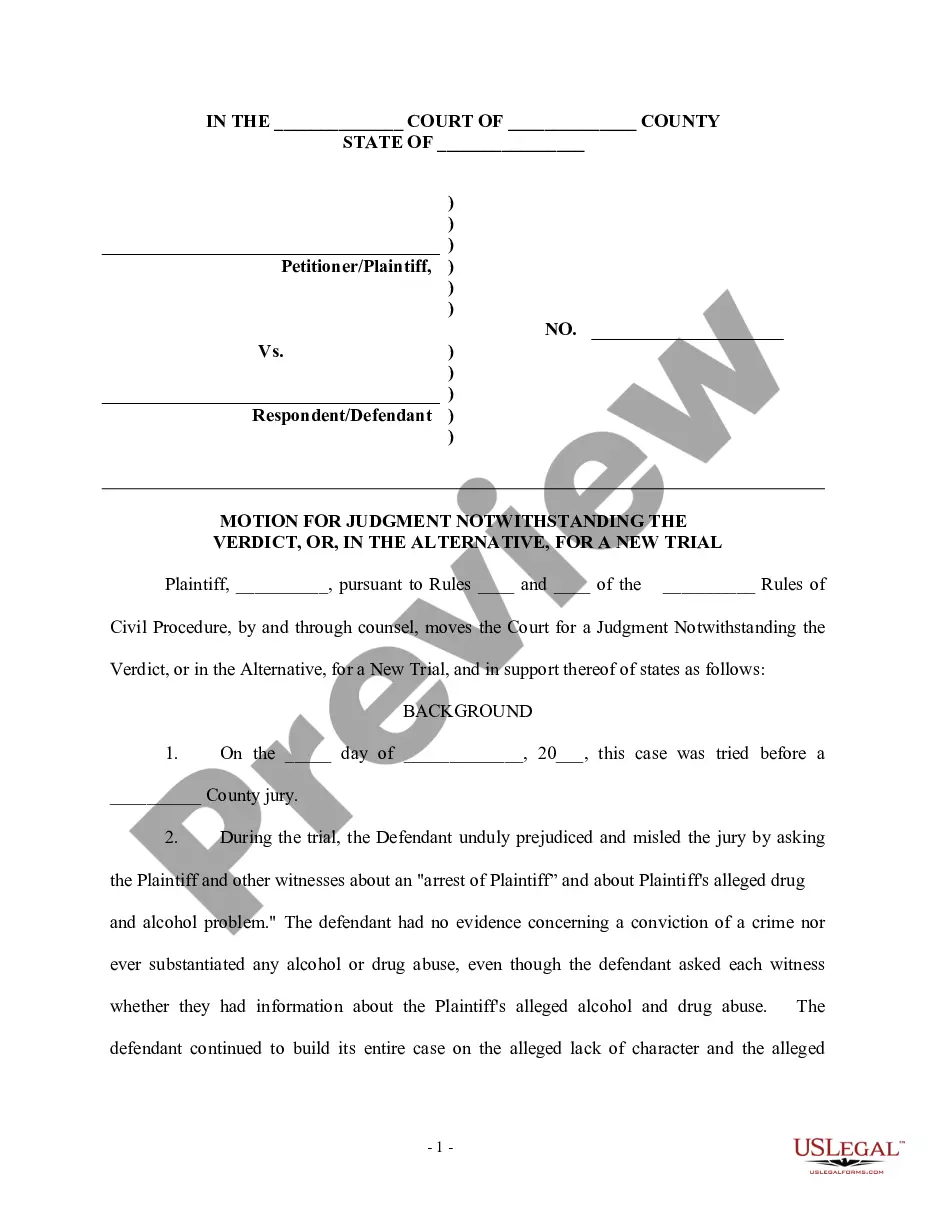
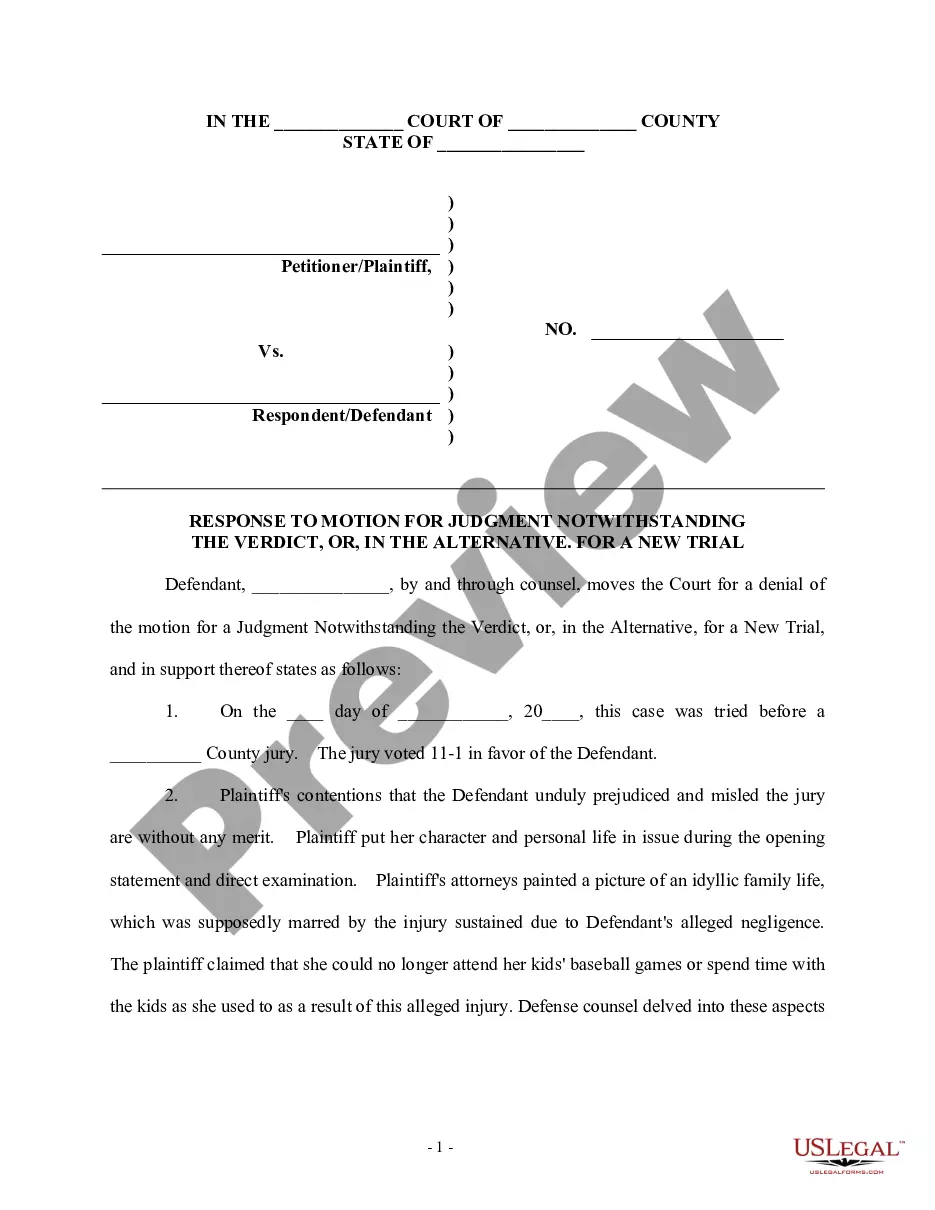
Motion For Judgment Notwithstanding The Verdict Virginia
Description

Get your form ready online
Our built-in tools help you complete, sign, share, and store your documents in one place.
Make edits, fill in missing information, and update formatting in US Legal Forms—just like you would in MS Word.
Download a copy, print it, send it by email, or mail it via USPS—whatever works best for your next step.
Sign and collect signatures with our SignNow integration. Send to multiple recipients, set reminders, and more. Go Premium to unlock E-Sign.
If this form requires notarization, complete it online through a secure video call—no need to meet a notary in person or wait for an appointment.
We protect your documents and personal data by following strict security and privacy standards.

Make edits, fill in missing information, and update formatting in US Legal Forms—just like you would in MS Word.

Download a copy, print it, send it by email, or mail it via USPS—whatever works best for your next step.

Sign and collect signatures with our SignNow integration. Send to multiple recipients, set reminders, and more. Go Premium to unlock E-Sign.

If this form requires notarization, complete it online through a secure video call—no need to meet a notary in person or wait for an appointment.

We protect your documents and personal data by following strict security and privacy standards.
Looking for another form?




How to fill out Motion For Judgment Notwithstanding The Verdict, Or In The Alternative, For A New Trial - For Prejudicial Statements At Trial?
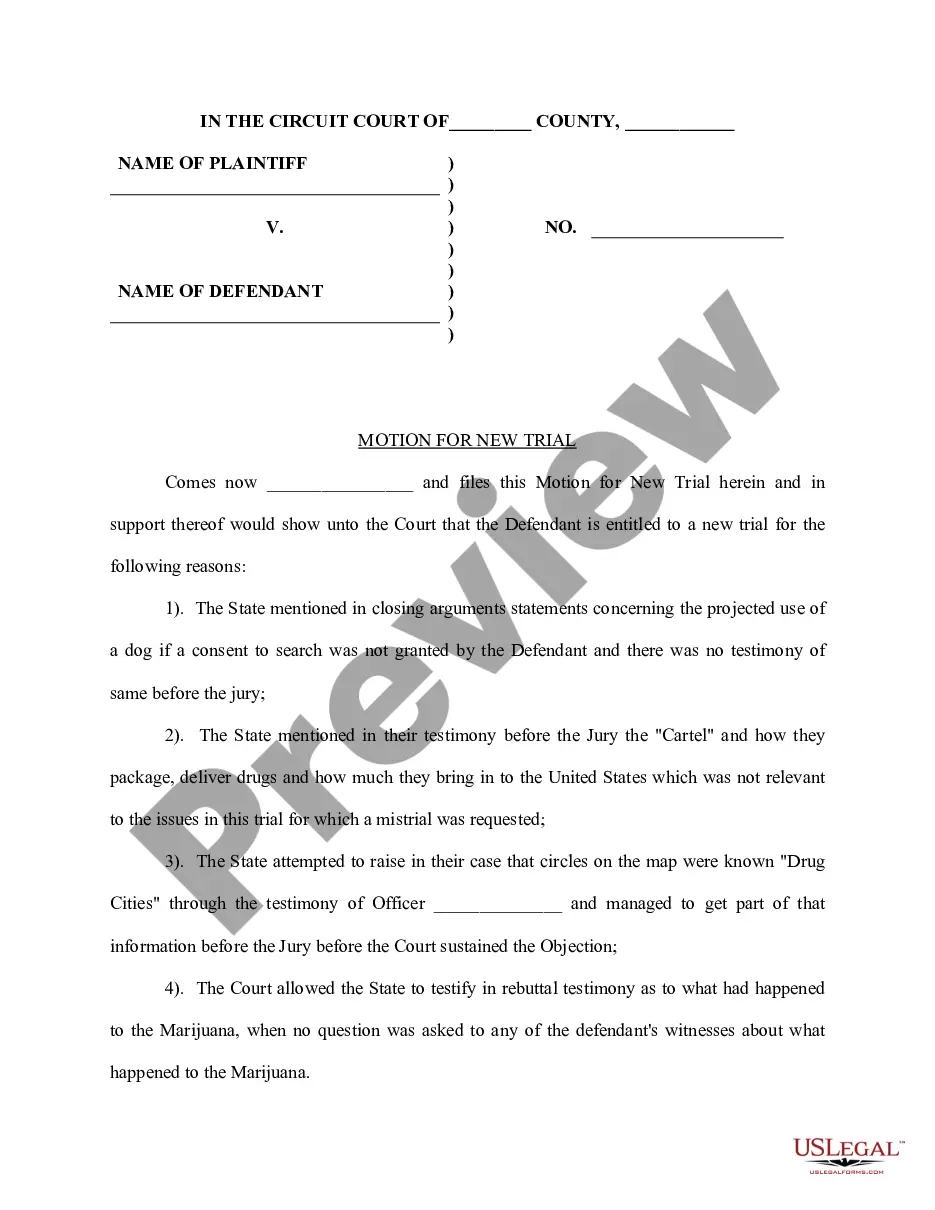
The Petition For Ruling Despite The Decision Virginia you observe on this site is a reusable formal outline prepared by expert attorneys in accordance with federal and state regulations.
For over 25 years, US Legal Forms has assisted individuals, organizations, and legal practitioners with more than 85,000 authenticated, state-specific documents for any commercial and personal situation. It’s the quickest, easiest, and most trustworthy method to acquire the paperwork you require, as the service assures the utmost level of data protection and anti-malware safeguards.
Subscribe to US Legal Forms to have verified legal templates for all of life’s situations at your fingertips.
- Search for the document you require and examine it.
- Look through the example you queried and preview it or check the document description to verify it meets your necessities. If it does not, use the search bar to discover the correct one. Click Buy Now after you have identified the template you need.
- Register and Log In.
- Choose the pricing option that works for you and create an account. Use PayPal or a credit card for a swift payment. If you already have an account, Log In and check your subscription to continue.
- Acquire the editable template.
- Select the format you prefer for your Petition For Ruling Despite The Decision Virginia (PDF, DOCX, RTF) and save the document on your device.
- Fill out and sign the document.
- Print the template to fill it out manually. Alternatively, use an online versatile PDF editor to quickly and accurately complete and sign your form with a digital signature.
- Redownload your documents as needed.
- Use the same document again whenever required. Open the My documents tab in your profile to re-download any previously saved documents.
Form popularity
FAQ
Judgment notwithstanding the verdict can be illustrated in a case where a jury finds in favor of a defendant, but evidence clearly shows liability on the part of that defendant. For instance, if a jury decides against a plaintiff in a vehicle accident case despite clear evidence of the defendant's negligence, the judge may grant a motion for judgment notwithstanding the verdict. This legal mechanism ensures that justice prevails, providing an essential safeguard in the Virginia courts. If you're facing such a situation, consulting with a platform like uslegalforms can help you navigate this difficult terrain.
An example of judgment notwithstanding the verdict occurs when a judge overrides a jury's decision, granting a motion based on legal grounds that show no reasonable jury could have reached that conclusion. Suppose a jury awards damages in a personal injury case, but there is no evidence supporting the plaintiff's claim. In that case, the judge may grant a motion for judgment notwithstanding the verdict, effectively nullifying the jury's decision. Understanding this process can be crucial for anyone looking to navigate the complexities of the legal system in Virginia.
Filing a motion for judgment involves drafting a motion, which must clearly outline why the judgment is warranted based on the case facts and legal arguments. You should file this motion with a Virginia court, including all necessary documentation and evidence to support your claim. It's essential to comply with local court rules and procedures during this process. For those looking to pursue a motion for judgment notwithstanding the verdict Virginia, having clear and persuasive points will enhance your chances of success.
In Virginia, the 21-day rule pertains to the timeline following a jury's verdict in civil cases. Specifically, it allows a party to file a motion for judgment notwithstanding the verdict Virginia within 21 days after the jury's decision. This motion challenges the legal validity of the jury's verdict, providing a chance for the court to review and potentially alter the outcome. Understanding this timeline is crucial for parties seeking to protect their rights and ensure they take appropriate legal action.
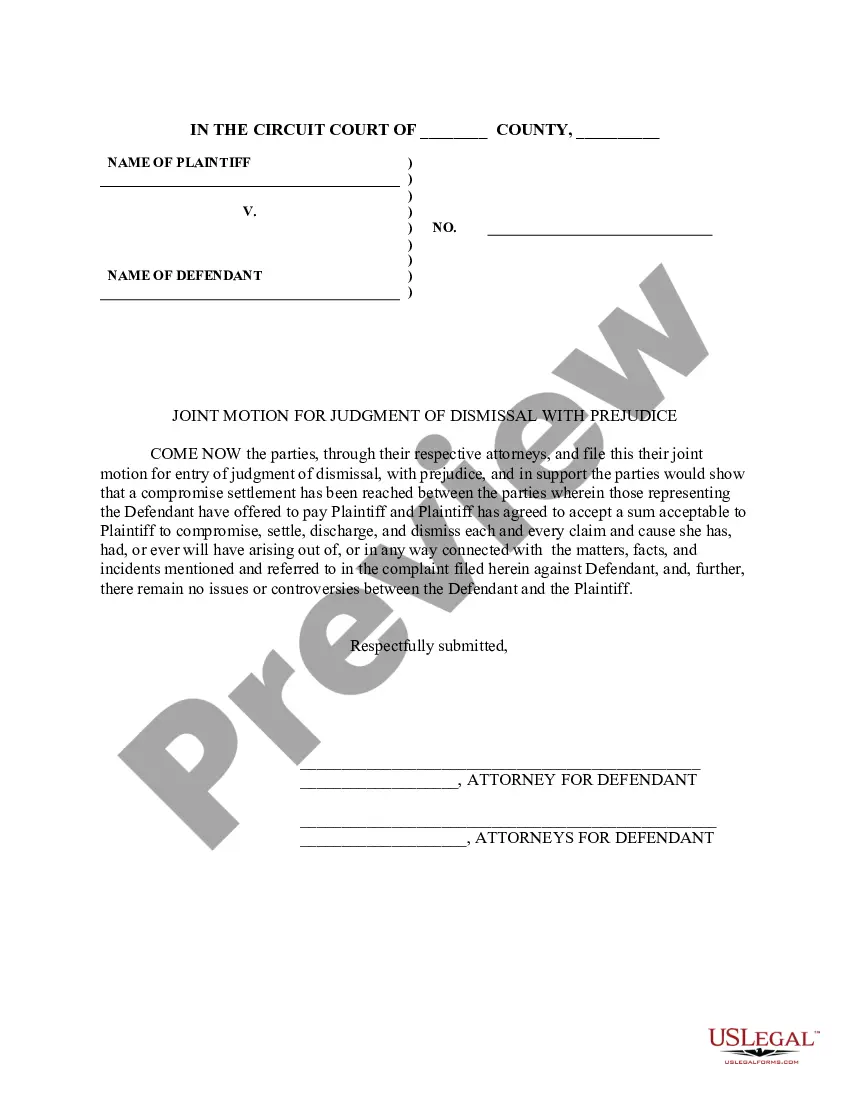
A motion for judgment is a formal request to the court to issue a decision based on presented evidence and legal arguments. It is used when one party believes that the opposing party cannot prove its case, prompting the court to make a ruling. In the context of Virginia law, understanding this motion, particularly a motion for judgment notwithstanding the verdict, can be essential for anyone involved in litigation.
A motion for Judgment notwithstanding the verdict refers to a legal request asking the court to disregard a jury's finding. This motion argues that, based on the evidence presented during the trial, no reasonable jury could have reached the conclusion it did. In Virginia, this motion serves as a vital tool for ensuring fair outcomes in cases where evidence may not support the jury's decision.
A motion for Judgment as a matter of law in Virginia occurs when a party requests the court to rule in their favor on the grounds that the opposing party lacks sufficient evidence. This motion can be filed during a trial and is often considered when a plaintiff fails to meet the burden of proof. In essence, it aims to prevent cases from moving forward when the evidence is insufficient to support a verdict.
Generally, a judge cannot overturn a not guilty verdict due to the principle of double jeopardy, which protects individuals from being tried twice for the same offense. This principle ensures that once a jury has found someone not guilty, that verdict is final. Consequently, a motion for judgment notwithstanding the verdict in Virginia does not apply to acquittals in criminal cases.
In the legal context, notwithstanding means 'in spite of' or 'regardless of.' It indicates that a decision or ruling is made despite other circumstances or evidence. Therefore, a motion for judgment notwithstanding the verdict in Virginia means that the judge may dismiss the jury's decision due to a lack of substantial evidence.
A judgment notwithstanding the verdict allows the judge to overturn the jury's decision if it finds that no reasonable jury could have reached the same conclusion. In Virginia, this motion provides a legal remedy for parties when they believe that the jury's verdict is not supported by the evidence presented. Thus, parties can seek justice despite an unfavorable jury outcome.