Tortious Interference Cases For Insurance Companies
Description
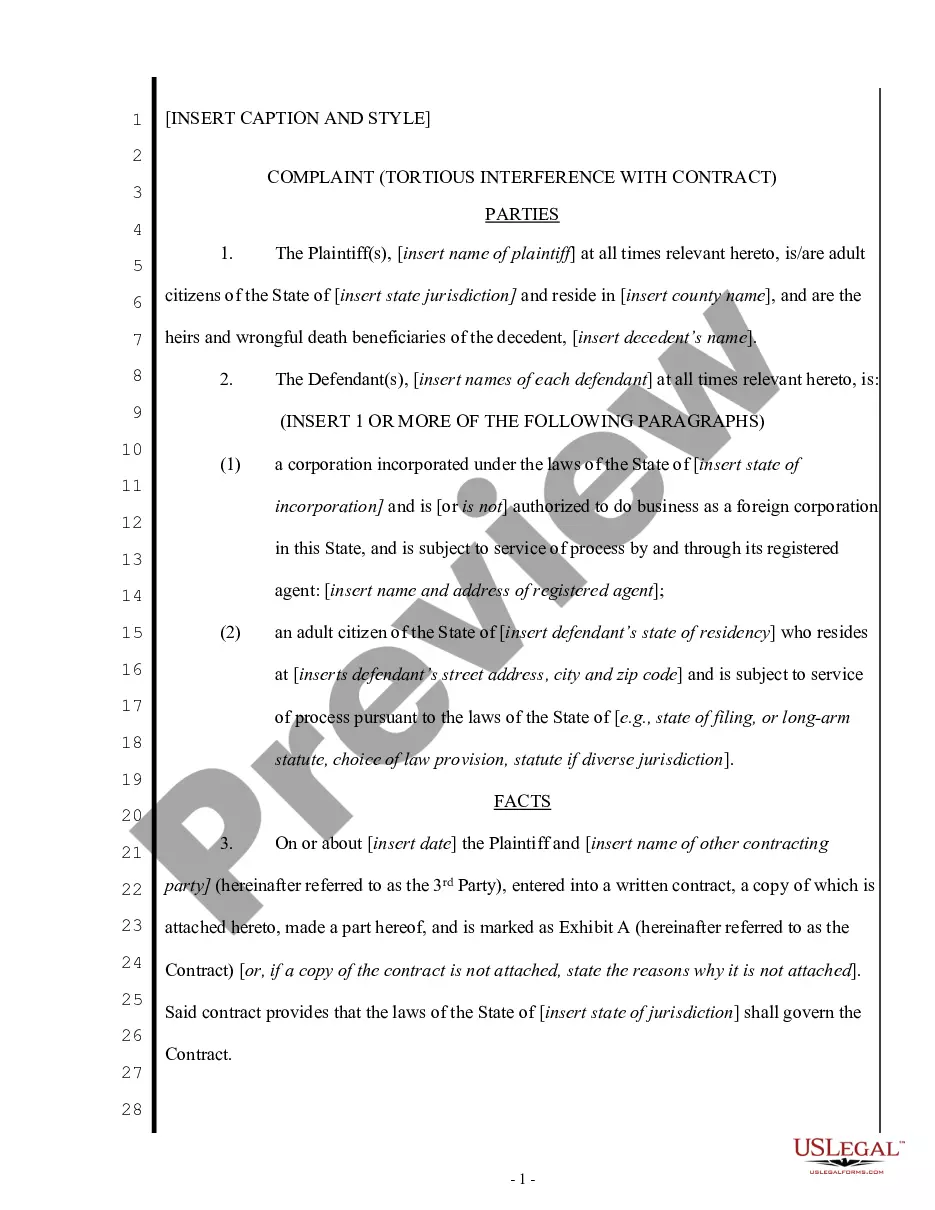
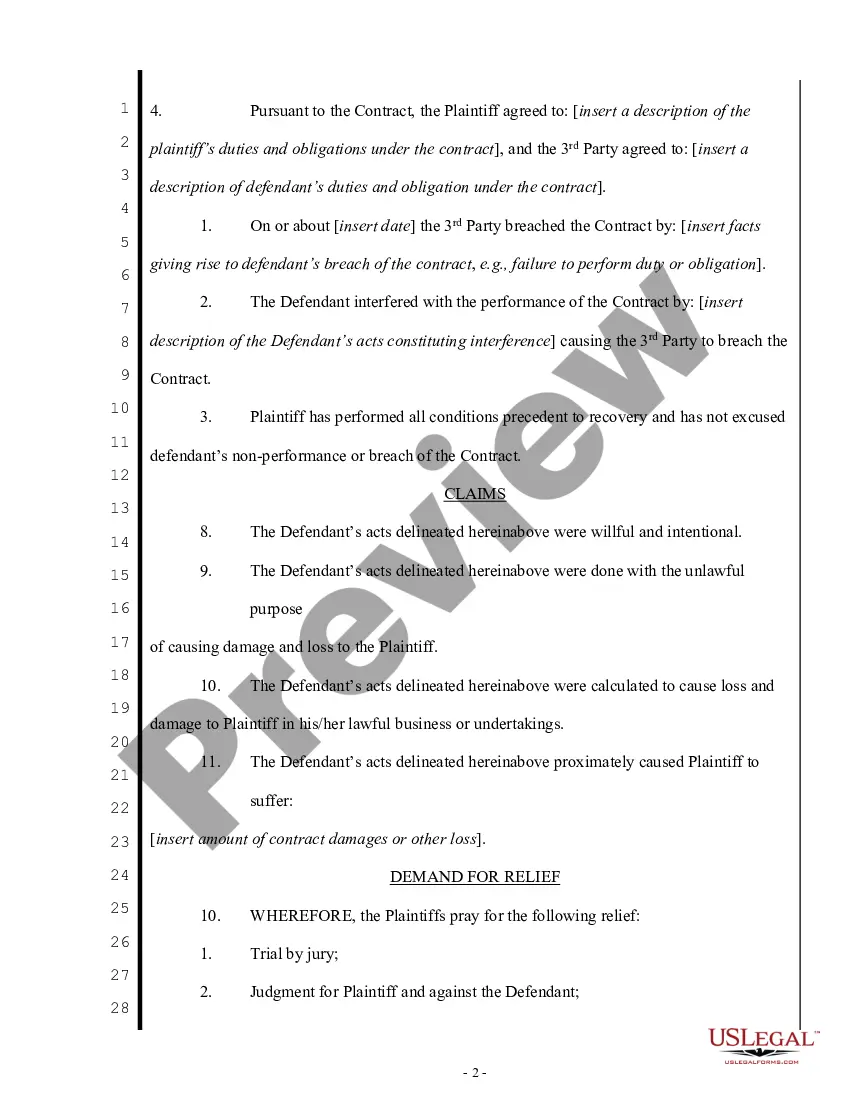
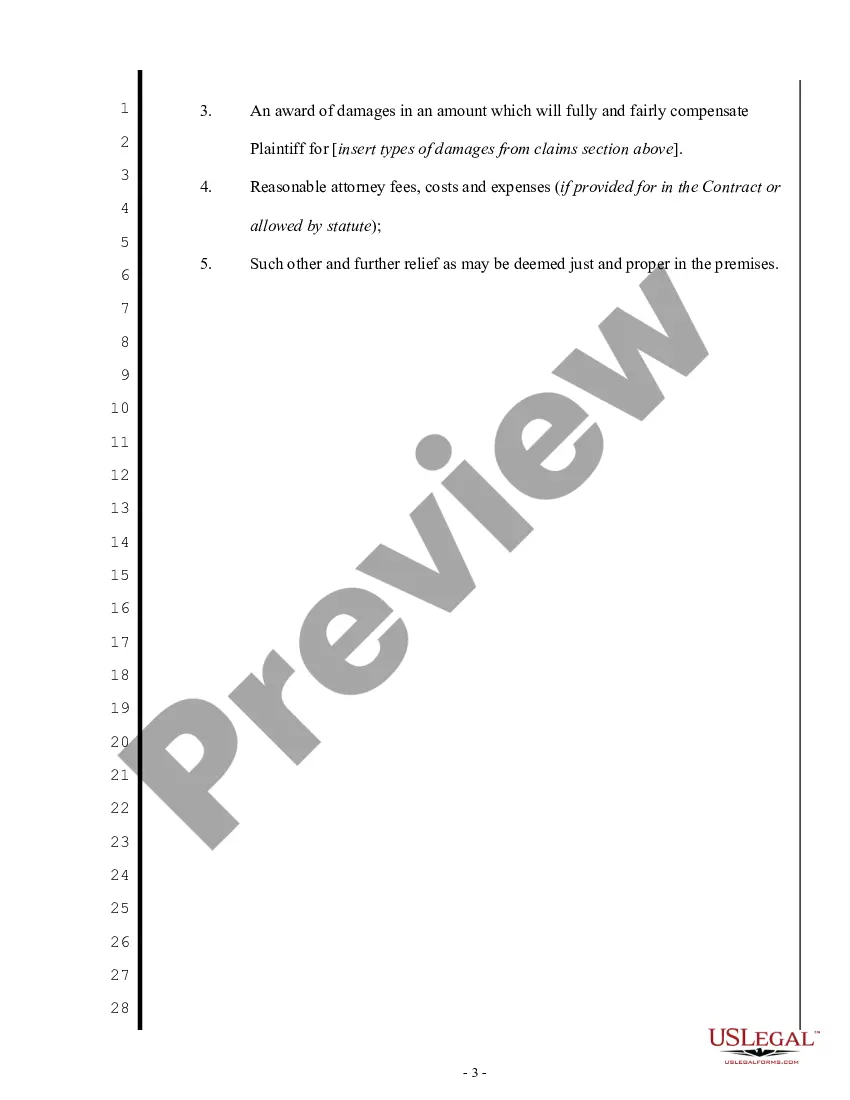

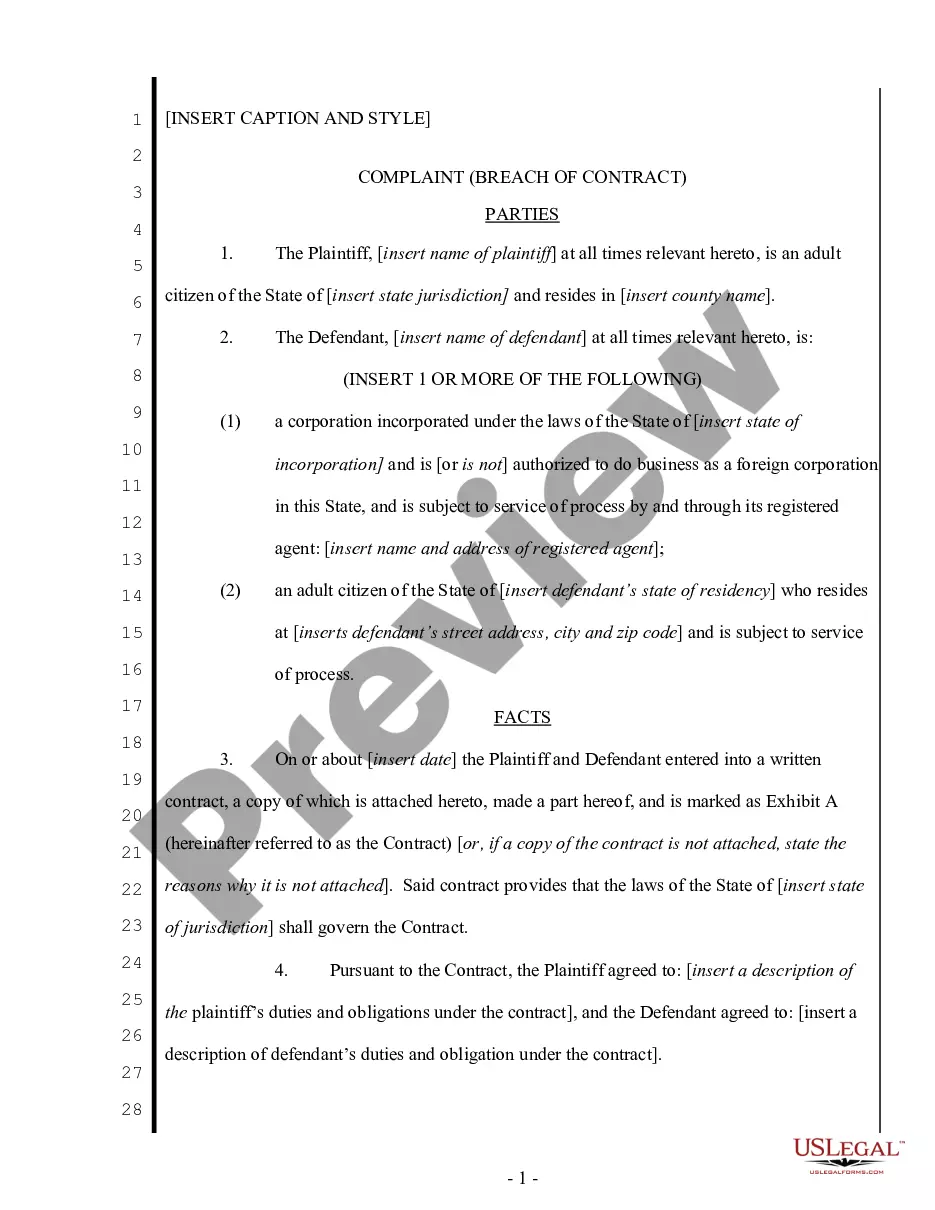

Get your form ready online
Our built-in tools help you complete, sign, share, and store your documents in one place.
Make edits, fill in missing information, and update formatting in US Legal Forms—just like you would in MS Word.
Download a copy, print it, send it by email, or mail it via USPS—whatever works best for your next step.
Sign and collect signatures with our SignNow integration. Send to multiple recipients, set reminders, and more. Go Premium to unlock E-Sign.
If this form requires notarization, complete it online through a secure video call—no need to meet a notary in person or wait for an appointment.
We protect your documents and personal data by following strict security and privacy standards.

Make edits, fill in missing information, and update formatting in US Legal Forms—just like you would in MS Word.

Download a copy, print it, send it by email, or mail it via USPS—whatever works best for your next step.

Sign and collect signatures with our SignNow integration. Send to multiple recipients, set reminders, and more. Go Premium to unlock E-Sign.

If this form requires notarization, complete it online through a secure video call—no need to meet a notary in person or wait for an appointment.

We protect your documents and personal data by following strict security and privacy standards.
Looking for another form?

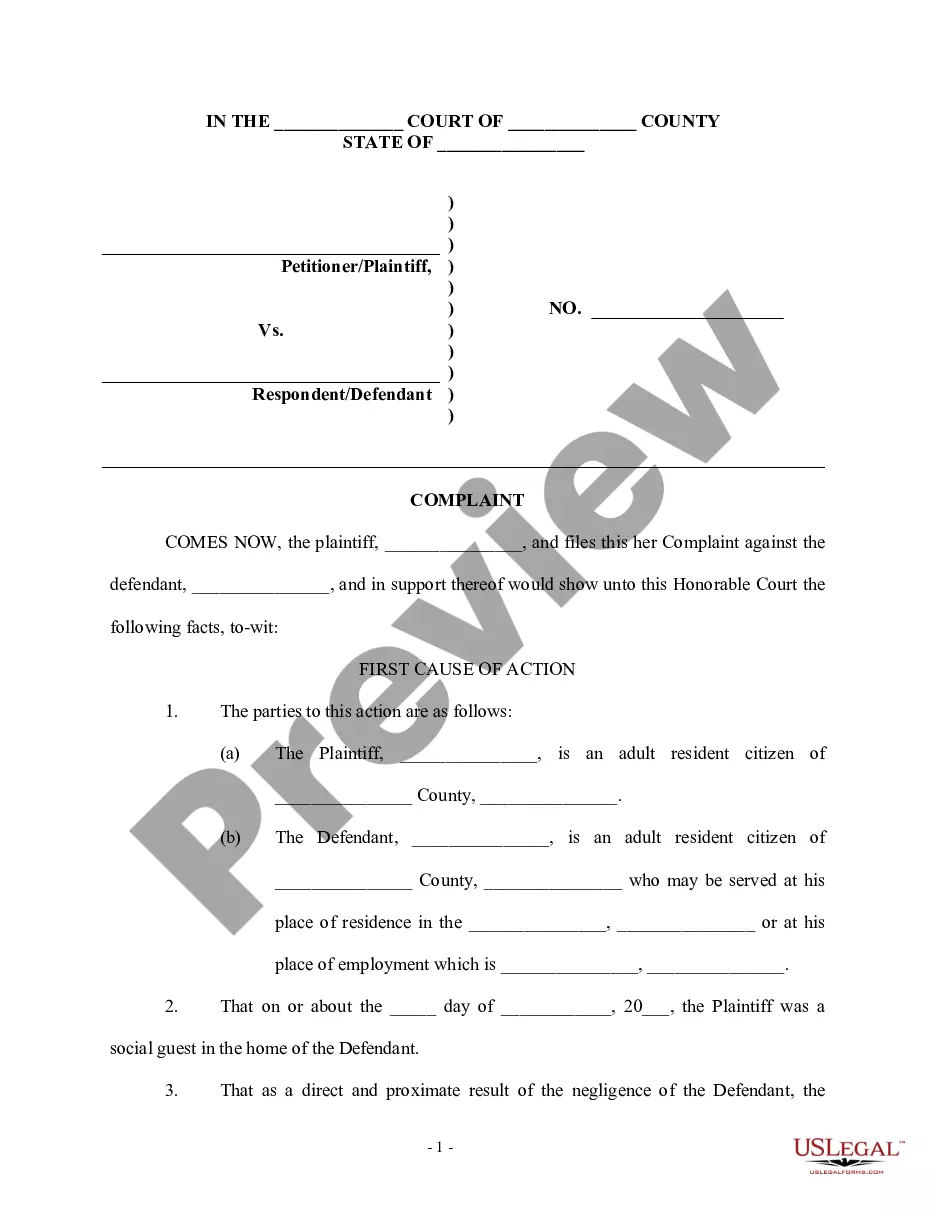
How to fill out Complaint Regarding Intentional Interference With Contract?
Creating legal documents from the ground up can often feel daunting.
Certain situations may require extensive research and significant financial investment.
If you're looking for a more straightforward and budget-friendly method of generating Tortious Interference Cases For Insurance Companies or other types without having to navigate complex procedures, US Legal Forms is readily available.
Our online repository of over 85,000 current legal documents covers nearly every aspect of your financial, legal, and personal matters.
However, before proceeding to download Tortious Interference Cases For Insurance Companies, please consider these suggestions: Check the form preview and descriptions to ensure it meets your needs.
- With just a few simple clicks, you can quickly access state- and county-specific forms meticulously crafted by our legal professionals.
- Utilize our website anytime you need a dependable and trustworthy service where you can effortlessly find and download Tortious Interference Cases For Insurance Companies.
- If you're already familiar with our offerings and have set up an account, simply Log In to your account, find the template, and download it or retrieve it later from the My documents section.
- New to our services? No worries. Registering takes only a few minutes, allowing you to explore the available catalog.
Form popularity
FAQ
To sue for tortious interference, you must first establish that a valid contract exists between you and another party. Next, demonstrate that a third party intentionally caused one of the contracting parties to breach the agreement. It's crucial to gather evidence showing that the interference was not just incidental but also intentional and harmful. You may find the services provided by USLegalForms helpful in navigating the complexities of tortious interference cases for insurance companies.
Proving tortious interference cases for insurance companies can be challenging, as it requires satisfying specific legal criteria. You must gather substantial evidence to support each element of the claim, which can involve complicated legal and factual issues. Despite these challenges, understanding the process and seeking support from experienced legal professionals can help you navigate the complexities of tortious interference cases effectively.
Various tests are applied to determine whether tortious interference has occurred, particularly in tortious interference cases for insurance companies. One common test evaluates the nature of the third party's conduct, examining whether it was wrongful or improper, which can include tactics such as deceit or pressure. Another test assesses whether the plaintiff can prove actual damages resulting from the interference, emphasizing the need for clear evidence of harm.
The first threshold requirement in tortious interference cases for insurance companies is proving the existence of a valid and enforceable contract between the parties involved. Without a contract, there is no basis for showing that interference occurred, as the rights of the parties would not be protected. Understanding this requirement is crucial for building a strong case against any alleged wrongful actions.
Tortious interference occurs when someone's actions wrongfully disrupt the contractual or business relationship between two parties. In the context of tortious interference cases for insurance companies, this could involve a third party persuading an insurance client to breach a contract or terminate a relationship, causing financial harm. Knowing what qualifies as tortious interference helps you identify actionable cases and seek appropriate remedies.
To prove tortious interference cases for insurance companies, you must show the existence of a valid contract between two parties, that a third party knew about this contract, and that the third party intentionally caused one of the parties to breach the contract. Additionally, you need to demonstrate that the actions of the third party were improper and that actual damages resulted from the interference. Establishing these elements is crucial in successfully navigating tortious interference claims.
To prove tortious interference, four key elements must be established: the existence of a valid contract, the defendant’s knowledge of that contract, intentional interference by the defendant, and resulting damages experienced by the plaintiff. Each of these components plays a vital role in legal arguments surrounding tortious interference cases for insurance companies. Utilizing tools and resources from UsLegalForms can assist in organizing evidence and strengthening your claim.
Proving tortious interference requires demonstrating that the defendant intentionally interfered with a contractual relationship or prospective business advantage. Additionally, the plaintiff must show that the interference caused damages as a result of the wrongful actions. Insurance companies can utilize legal resources and platforms like UsLegalForms to gather necessary documentation and evidence, ensuring a strong foundation for their case.
The two primary categories of wrongful interference are tortious interference with contractual relations and tortious interference with prospective economic advantage. The first involves disrupting a current contract, while the second pertains to interfering with anticipated business relationships. Recognizing these categories is crucial for insurance companies when assessing risks and formulating strategies for legal defense in tortious interference cases.
Tortious interference cases for insurance companies often revolve around specific factors such as the existence of a valid contract, knowledge of the contract by the interfering party, and intentional harm caused by the interference. These factors establish whether one party wrongfully disrupted another's contractual relationship, leading to damages. In understanding these elements, insurance companies can better navigate potential claims and protect their interests.