Wrongful Single Actions Statement For Theft
Description
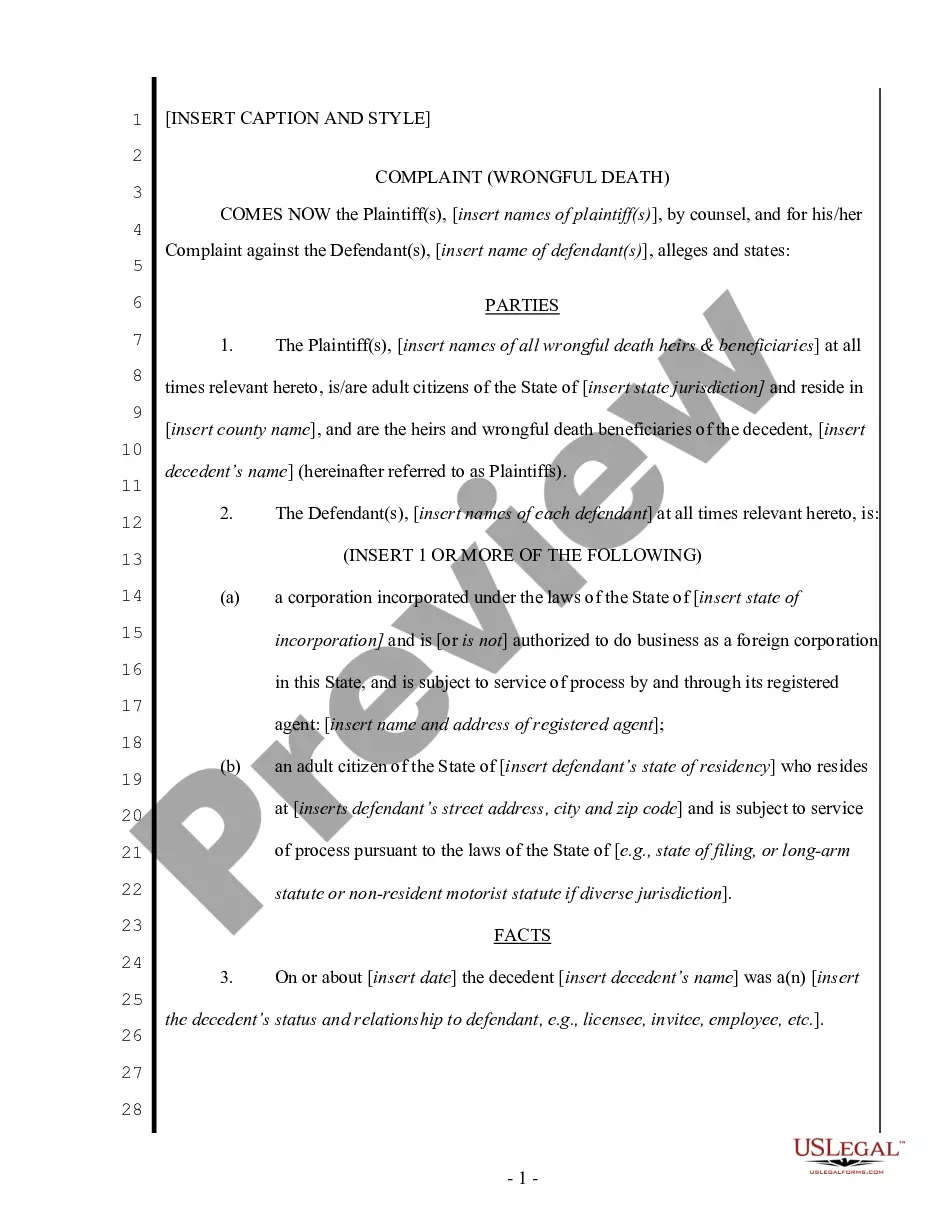

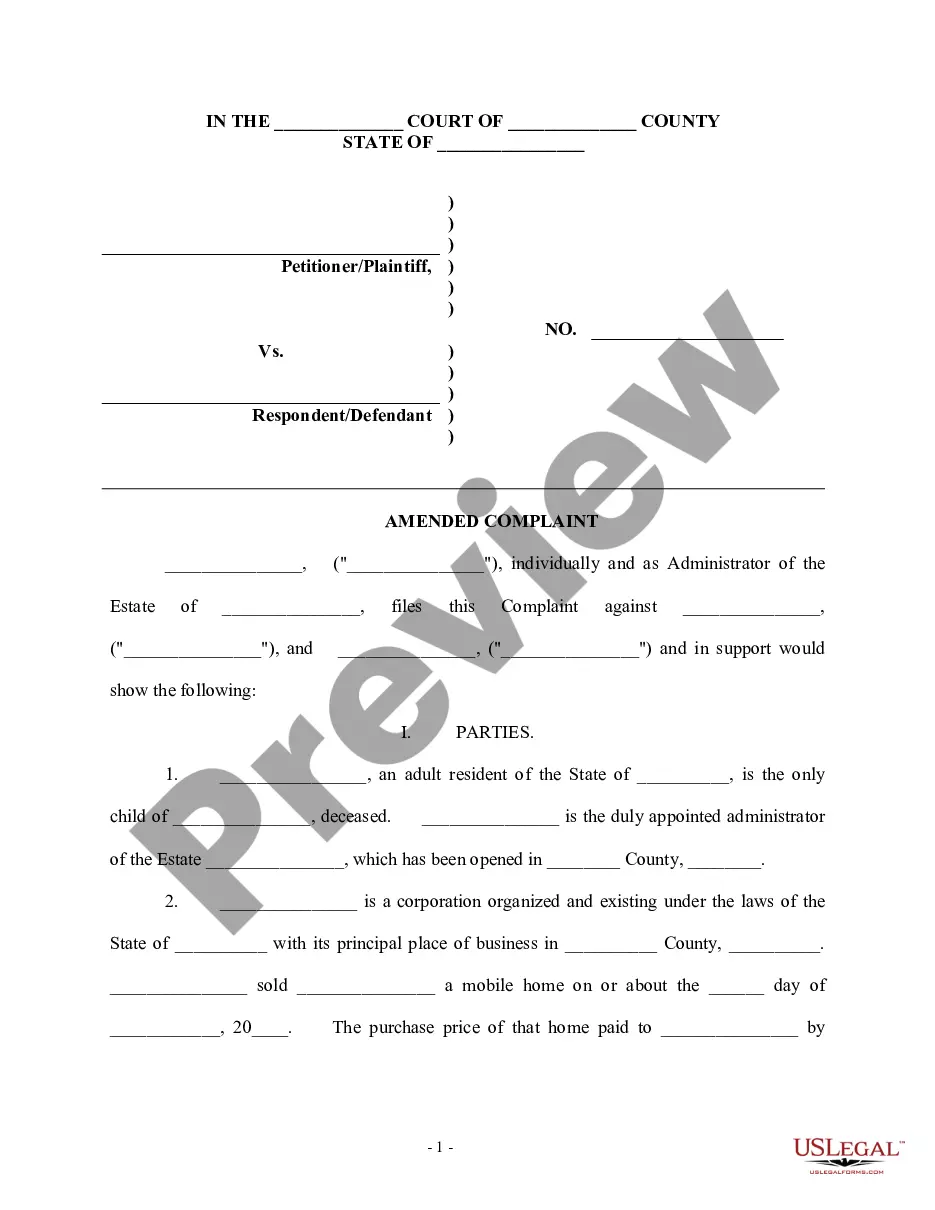
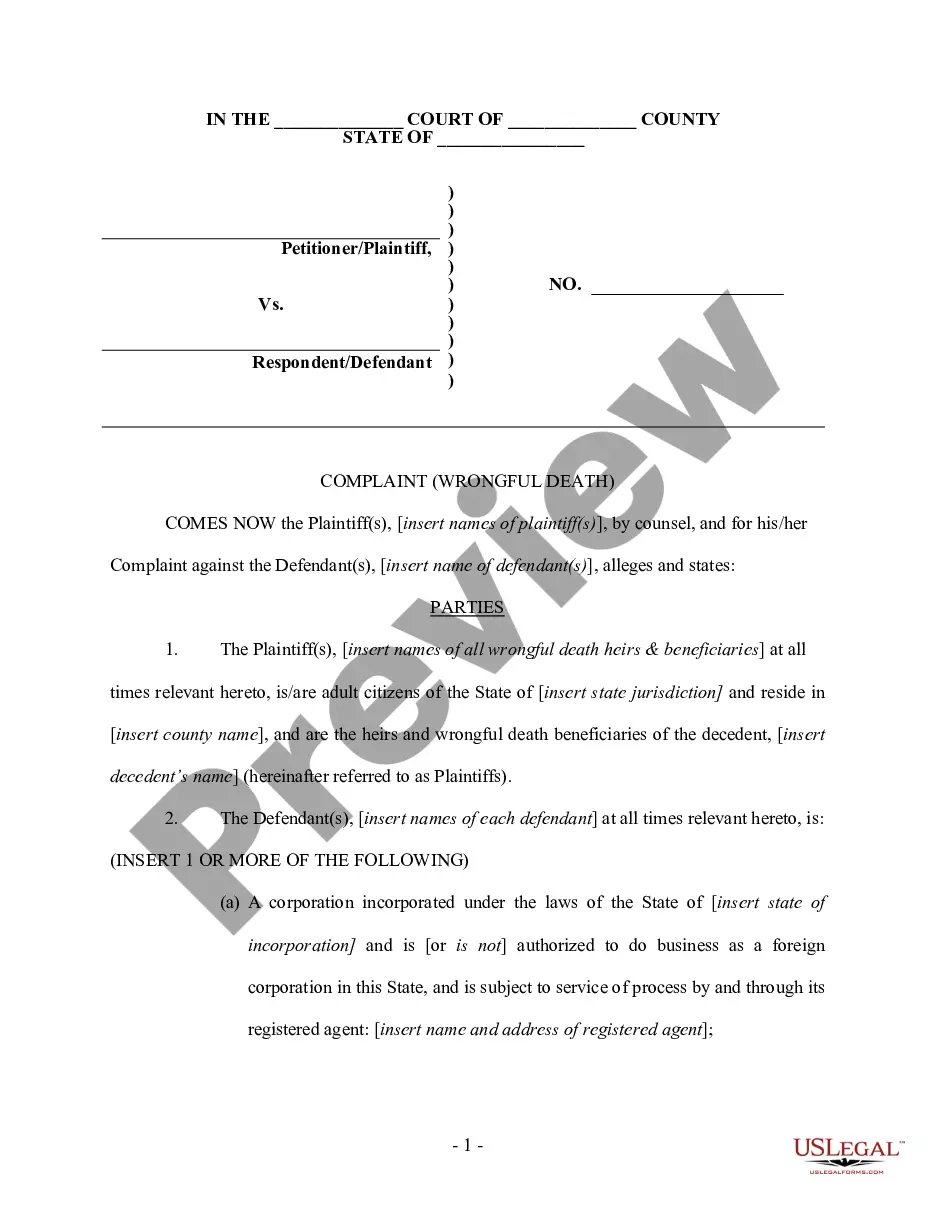
Get your form ready online
Our built-in tools help you complete, sign, share, and store your documents in one place.
Make edits, fill in missing information, and update formatting in US Legal Forms—just like you would in MS Word.
Download a copy, print it, send it by email, or mail it via USPS—whatever works best for your next step.
Sign and collect signatures with our SignNow integration. Send to multiple recipients, set reminders, and more. Go Premium to unlock E-Sign.
If this form requires notarization, complete it online through a secure video call—no need to meet a notary in person or wait for an appointment.
We protect your documents and personal data by following strict security and privacy standards.

Make edits, fill in missing information, and update formatting in US Legal Forms—just like you would in MS Word.

Download a copy, print it, send it by email, or mail it via USPS—whatever works best for your next step.

Sign and collect signatures with our SignNow integration. Send to multiple recipients, set reminders, and more. Go Premium to unlock E-Sign.

If this form requires notarization, complete it online through a secure video call—no need to meet a notary in person or wait for an appointment.

We protect your documents and personal data by following strict security and privacy standards.
Looking for another form?





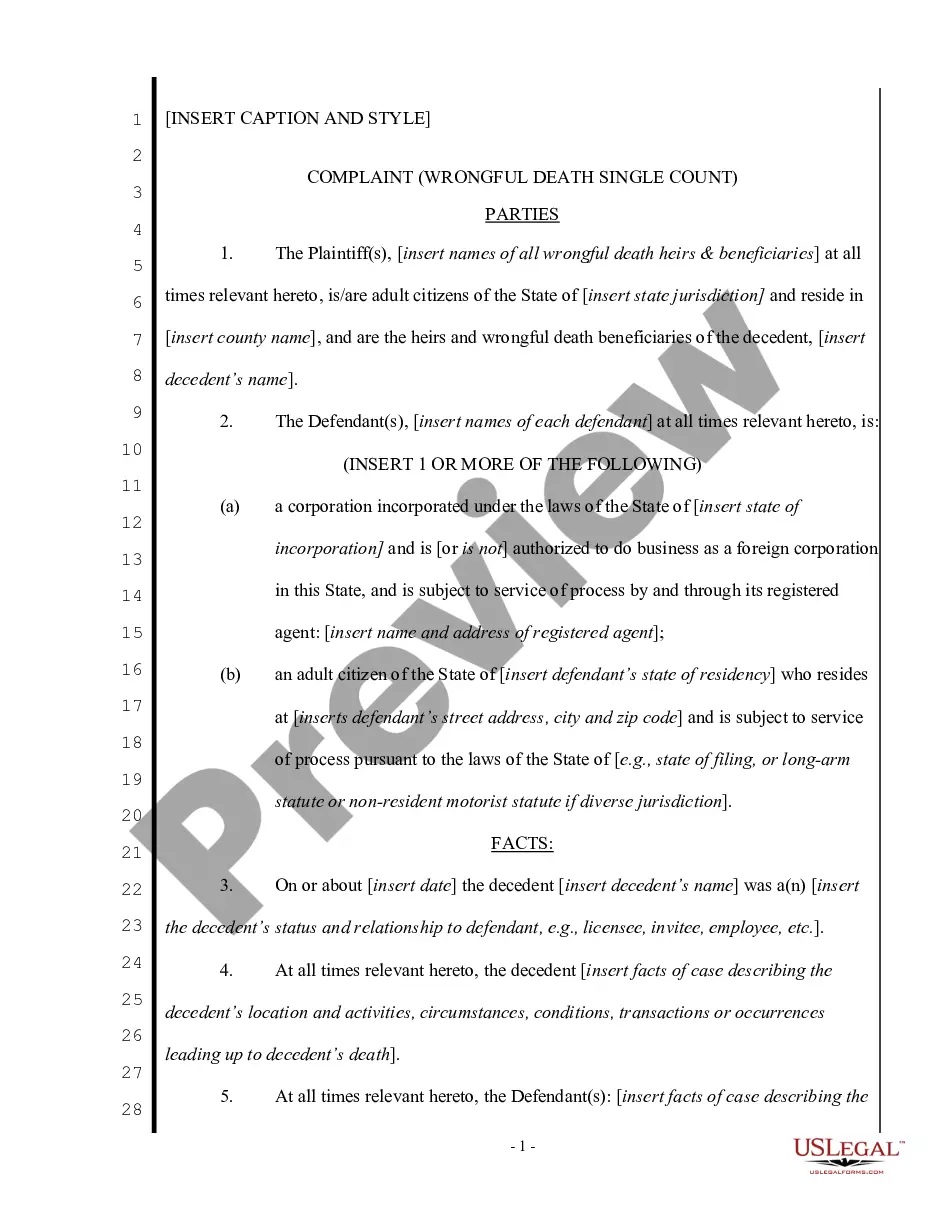
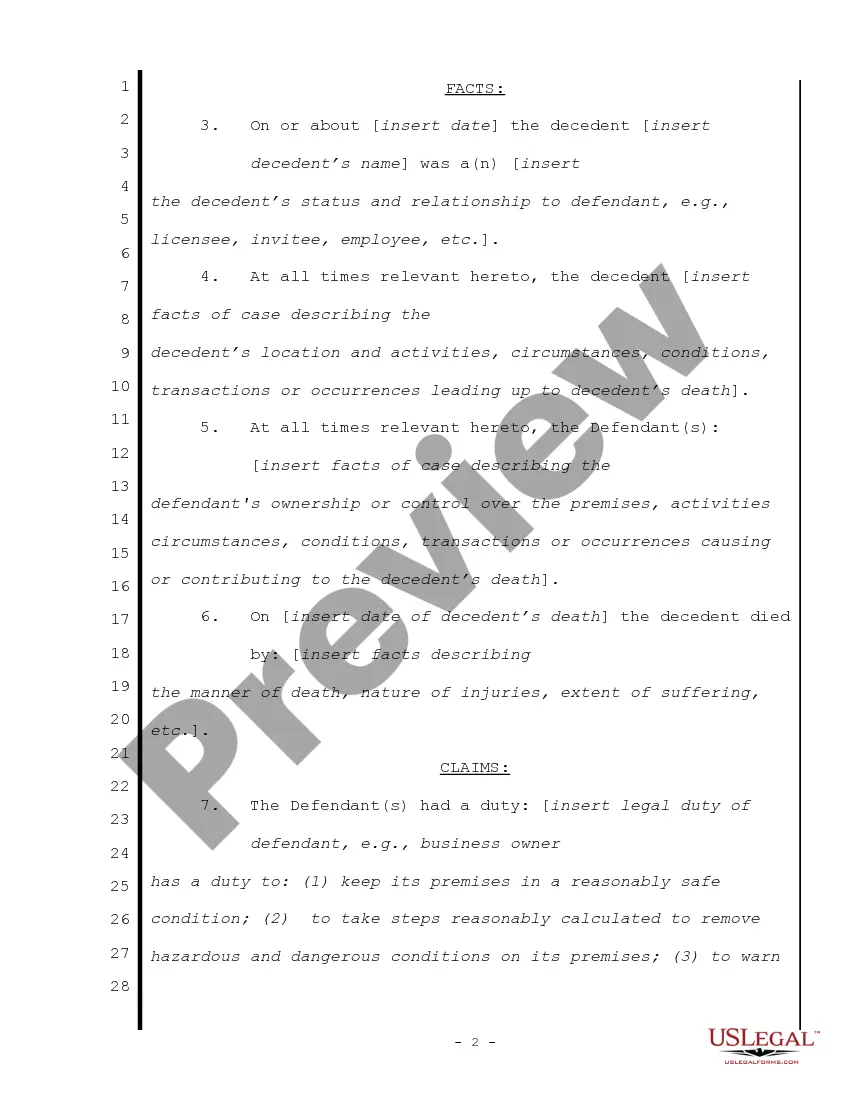
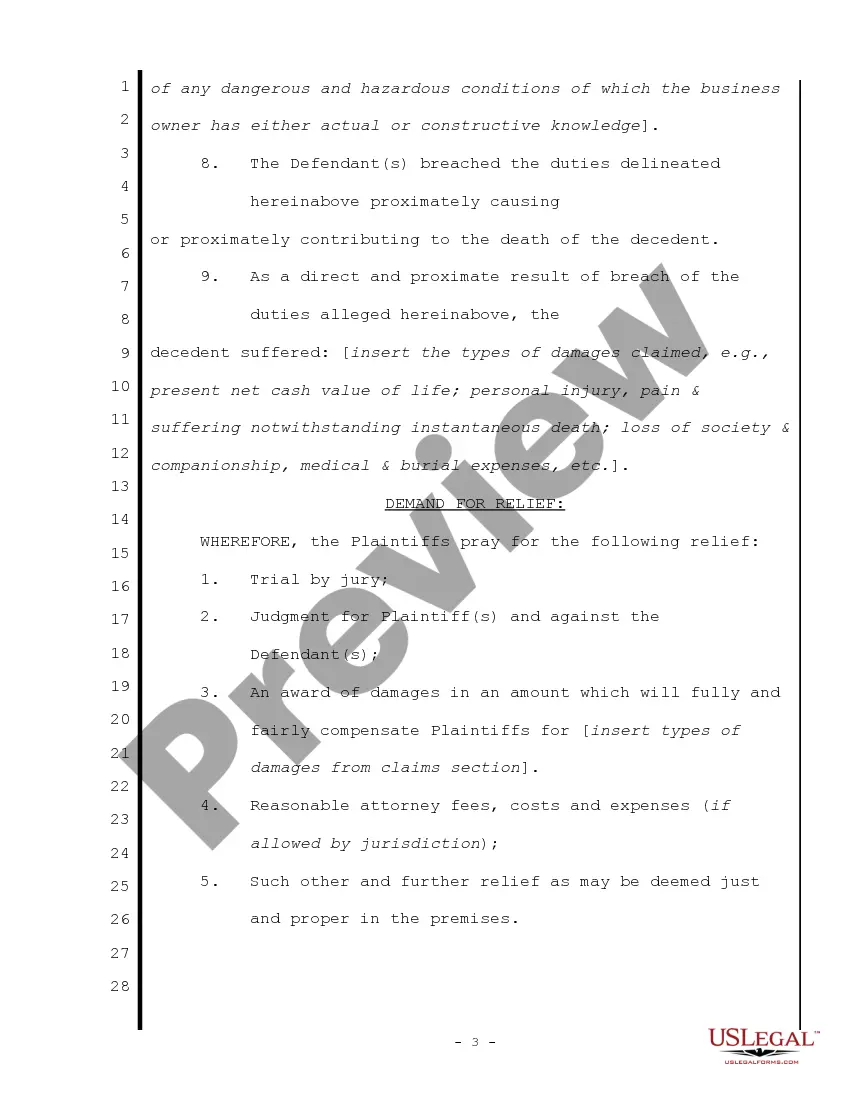
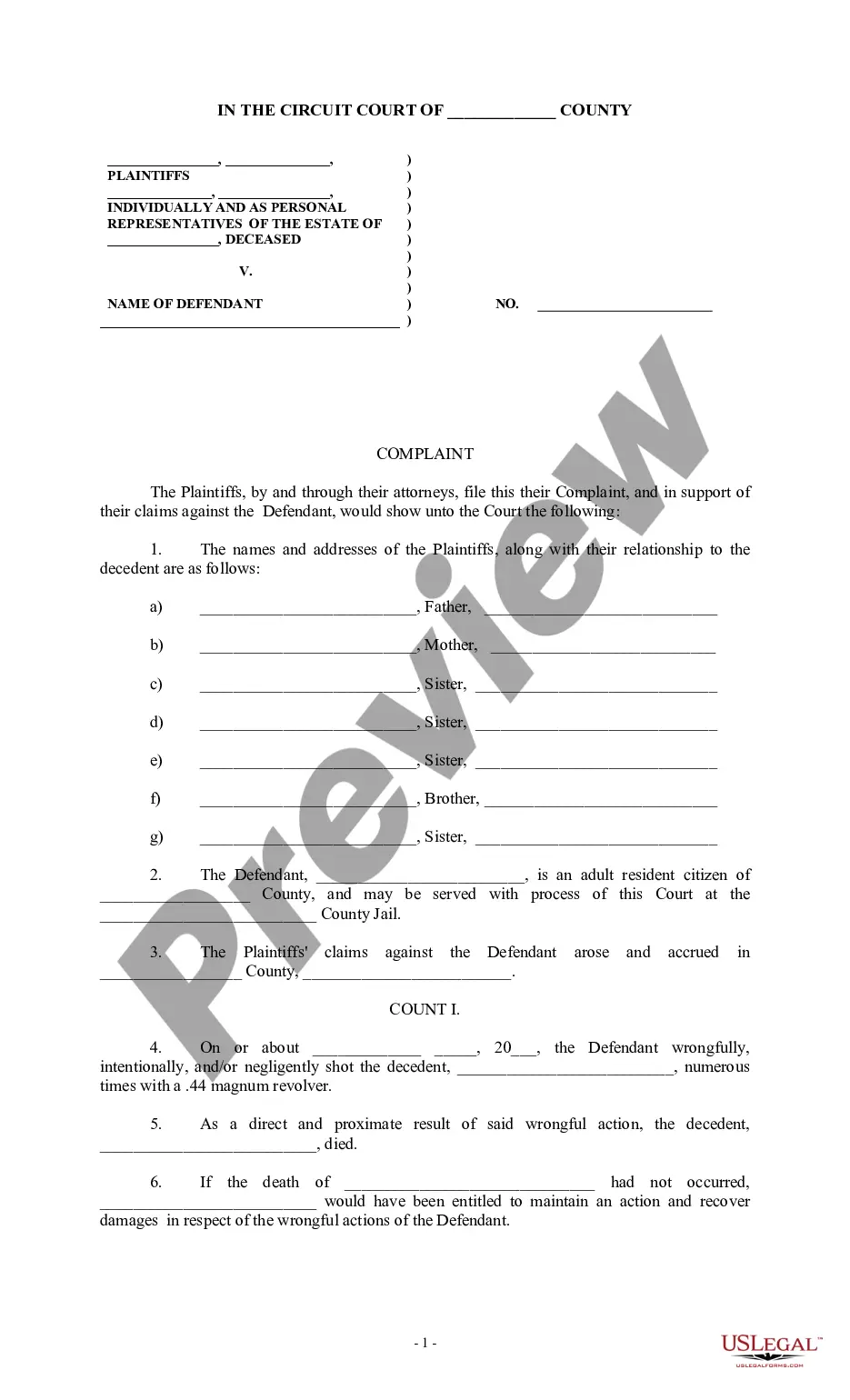
How to fill out Complaint For Wrongful Death - Single Count?
- Access the US Legal Forms site and log in to your account if you're a returning user. Make sure your subscription is active to enjoy all features.
- For first-time users, start by exploring the extensive library. Use the search function to locate the 'wrongful single actions statement for theft' and review its description to confirm it meets your local jurisdiction requirements.
- Once you've verified the correct form, click the 'Buy Now' button and choose your desired subscription plan. Registration may be required for full access.
- Proceed to checkout by entering your payment details, either via credit card or PayPal, to complete the transaction.
- After your payment is processed, download the form directly to your device. You'll also be able to access it later from the 'My Forms' section of your account.
Utilizing US Legal Forms not only streamlines your document acquisition but also gives you access to expert assistance, ensuring that your forms are completed accurately and in accordance with legal standards.
Get started today with US Legal Forms and simplify your legal documentation process!
Form popularity
FAQ
If you are a victim of identity theft, you may not be liable for any unauthorized charges, depending on your quick actions to report the theft. Federal law limits liability to $50 if reported within 60 days. Beyond this, you may not owe anything for the fraudulent debts. To secure your rights, consider drafting a wrongful single actions statement for theft, which can serve as a strong foundation for your claims and help restore your financial record.
As a victim of identity theft, your liability is typically limited to the total amount of unauthorized charges made in your name. Most laws protect victims from significant financial losses due to theft. To establish your rights, it’s important to gather all relevant documents and create a wrongful single actions statement for theft. This documentation can significantly aid in your efforts to claim losses and clear your credit history.
Generally, you are not responsible for debts incurred under your name due to identity theft. The Fair Credit Reporting Act protects victims by allowing them to dispute fraudulent charges. It's important to report the theft to your bank, credit card company, and credit bureaus promptly. This helps establish your wrongful single actions statement for theft and provides evidence that you are not liable for these debts.
The best defense against false accusations involves providing concrete evidence that supports your innocence, such as witness testimonies and documentation. Additionally, crafting a wrongful single actions statement for theft can enhance your defense by outlining the truth of the situation. It is advisable to consult a legal expert to guide you through the process effectively.
To write a statement about theft, clearly outline the events as you remember them, including dates, times, and individuals involved. Use concrete details and avoid speculation. A wrongful single actions statement for theft can serve as a vital tool in defending yourself against accusations, so ensure your statement is accurate and honest.
Yes, you can sue someone for falsely accusing you of theft, especially if those accusations harm your reputation or lead to a loss of income. A well-documented wrongful single actions statement for theft can serve as part of your case. It's important to consult with a legal professional to understand your options and the necessary steps.
To counteract false accusations, gather evidence that supports your innocence. Document your alibi, collect witness statements, and preserve any relevant communication. A wrongful single actions statement for theft can be crucial in asserting your side of the story, particularly if you feel the accusation has damaged your reputation.
False Claims Act cases are legal actions where an individual alleges that someone has defrauded the government. These cases can arise from various situations, including fraudulent billing or exaggerating services rendered. In understanding wrongful single actions statements for theft, it’s crucial to recognize that these cases serve to protect government resources. For a better understanding of your rights and responsibilities, explore the informative resources at US Legal Forms.
Filing a False Claims Act involves several steps, starting with gathering all relevant evidence that supports your claim. You will typically file your case in a federal district court under seal. The process can be daunting, especially when dealing with wrongful single actions statements for theft, so it is advisable to seek legal counsel. Consider visiting US Legal Forms for helpful templates and guides that simplify this process.
The three major categories of False Claims Act cases include healthcare fraud, government contract fraud, and procurement fraud. These categories encompass a range of unlawful activities, such as submitting false claims for medical reimbursements or manipulating bidding processes. Recognizing these types can help you understand the implications of a wrongful single actions statement for theft. If you're unsure about your situation, the resources available at US Legal Forms can provide clarity.