Wrongful Count Civil Uslegal For Theft
Description
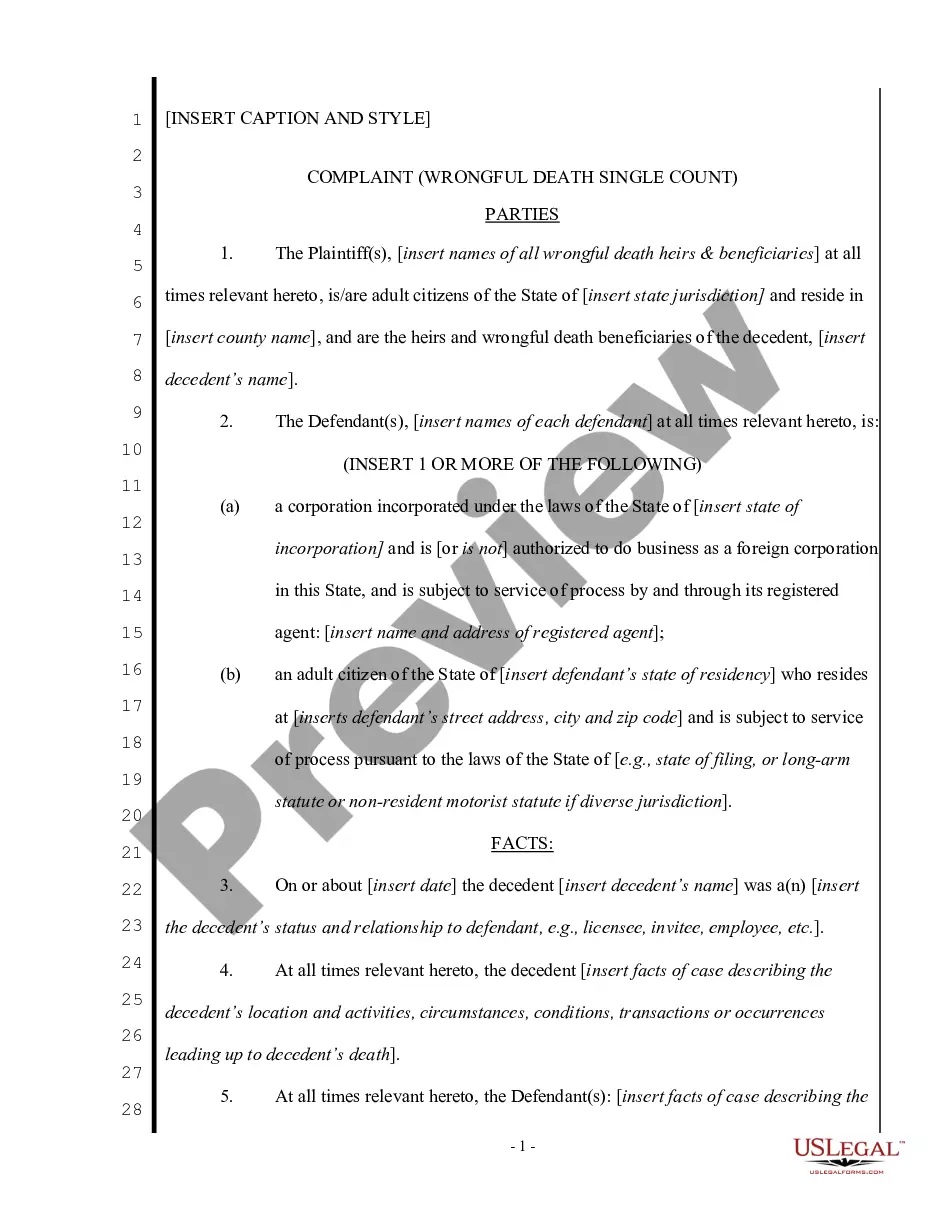
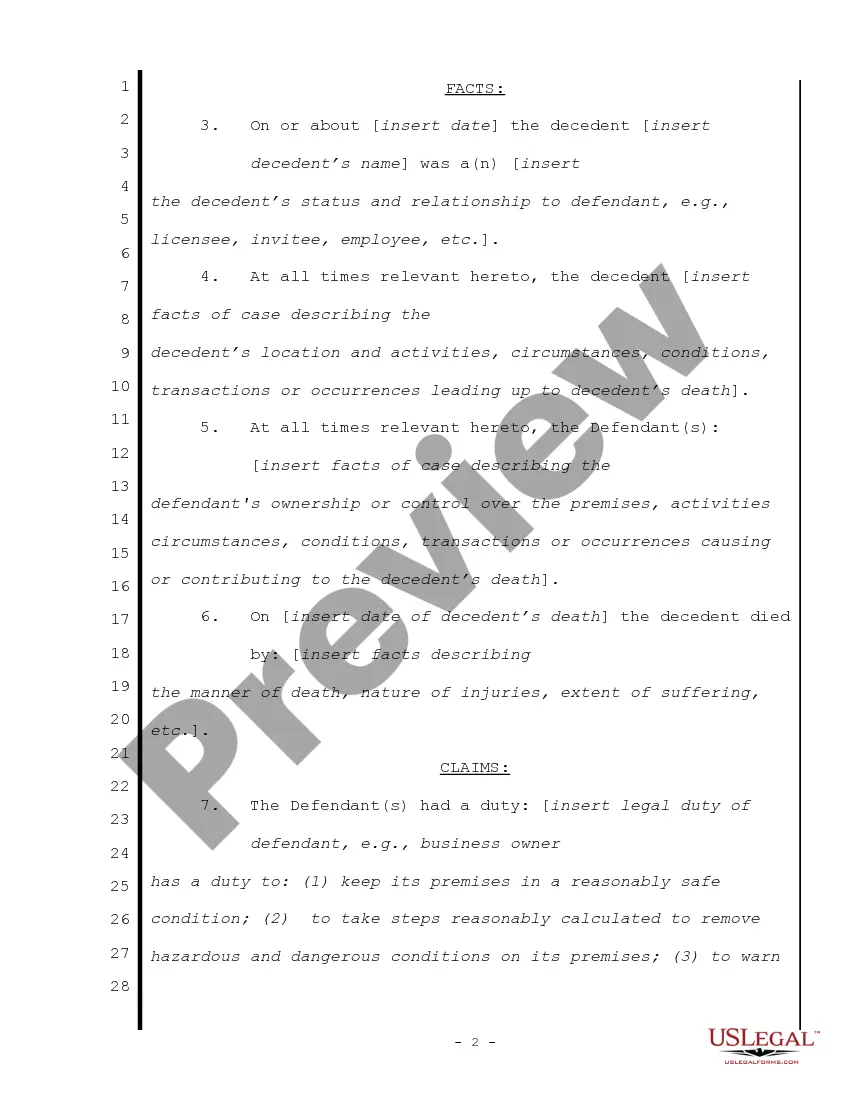
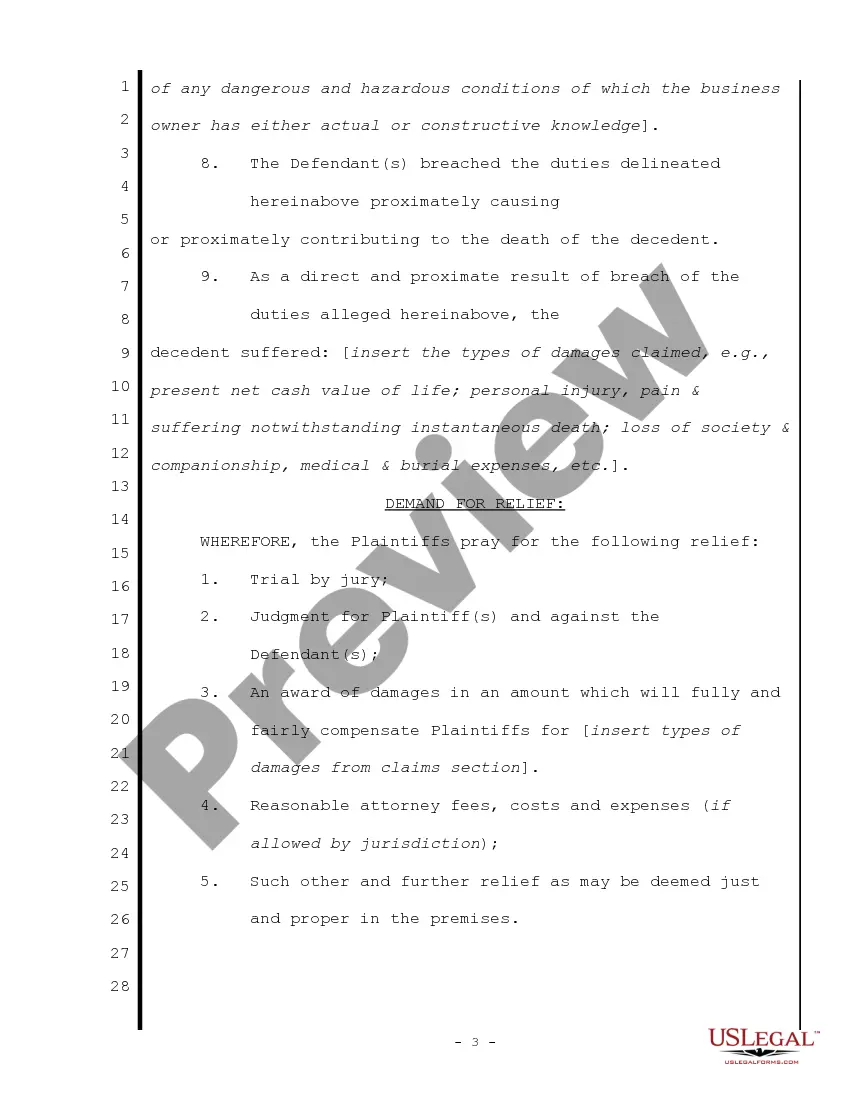
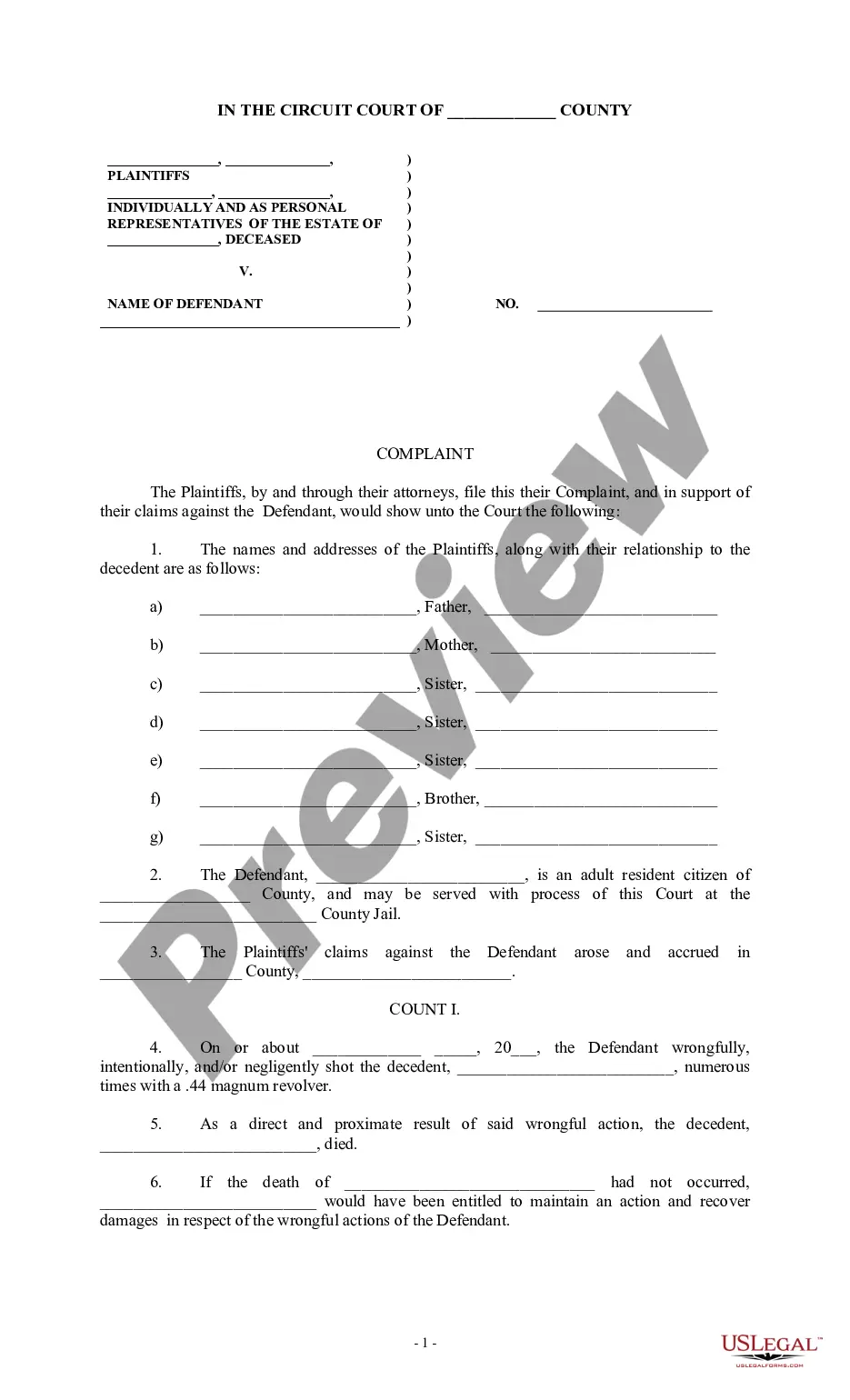
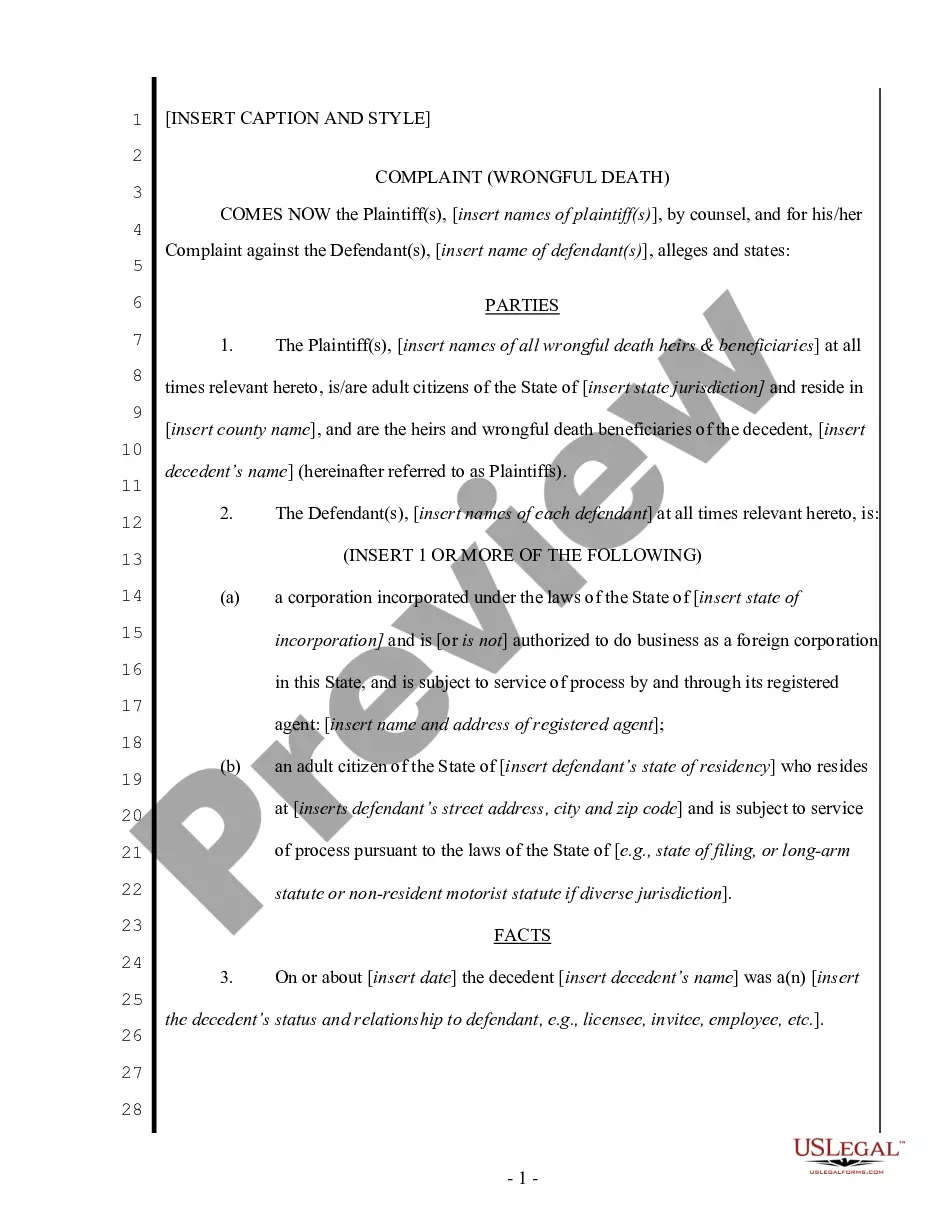

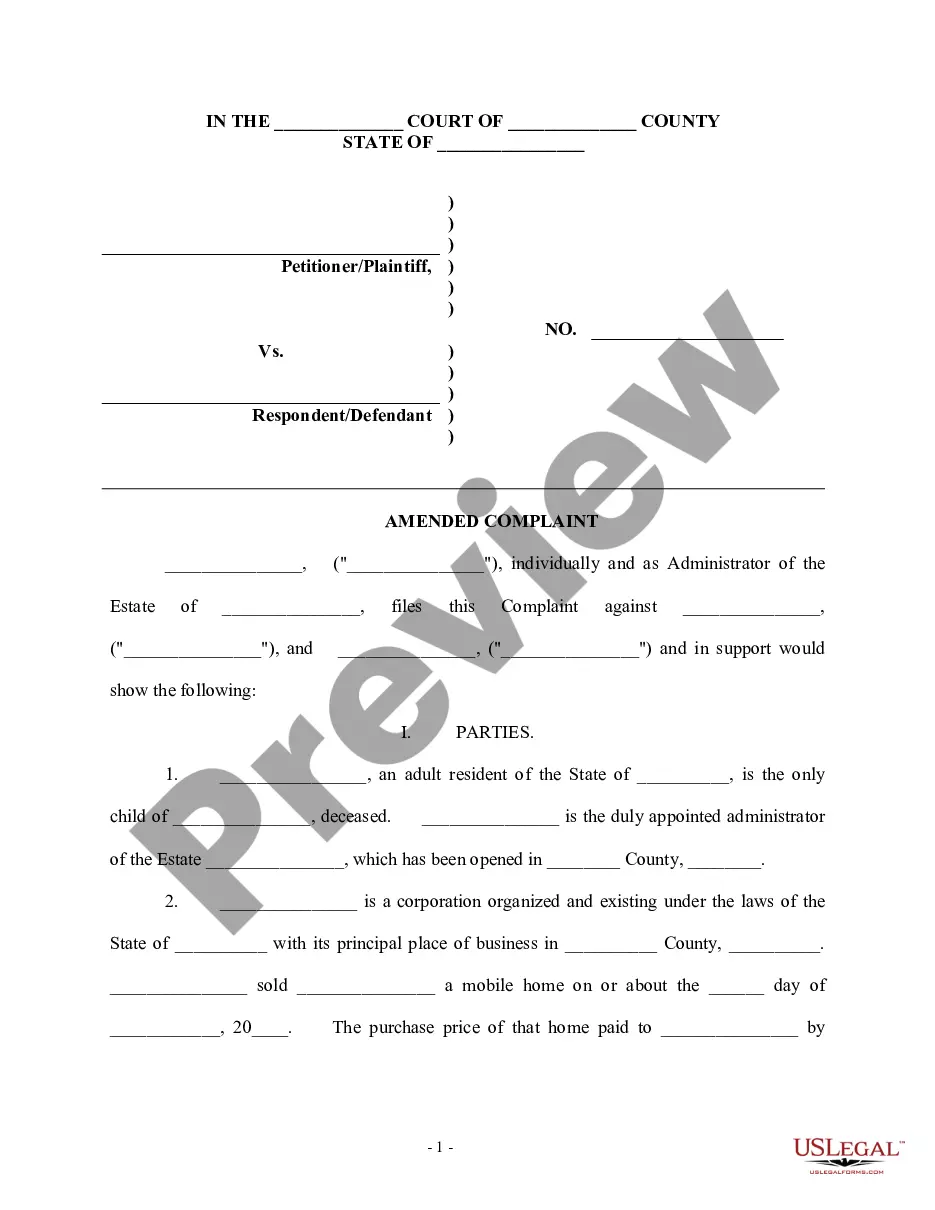
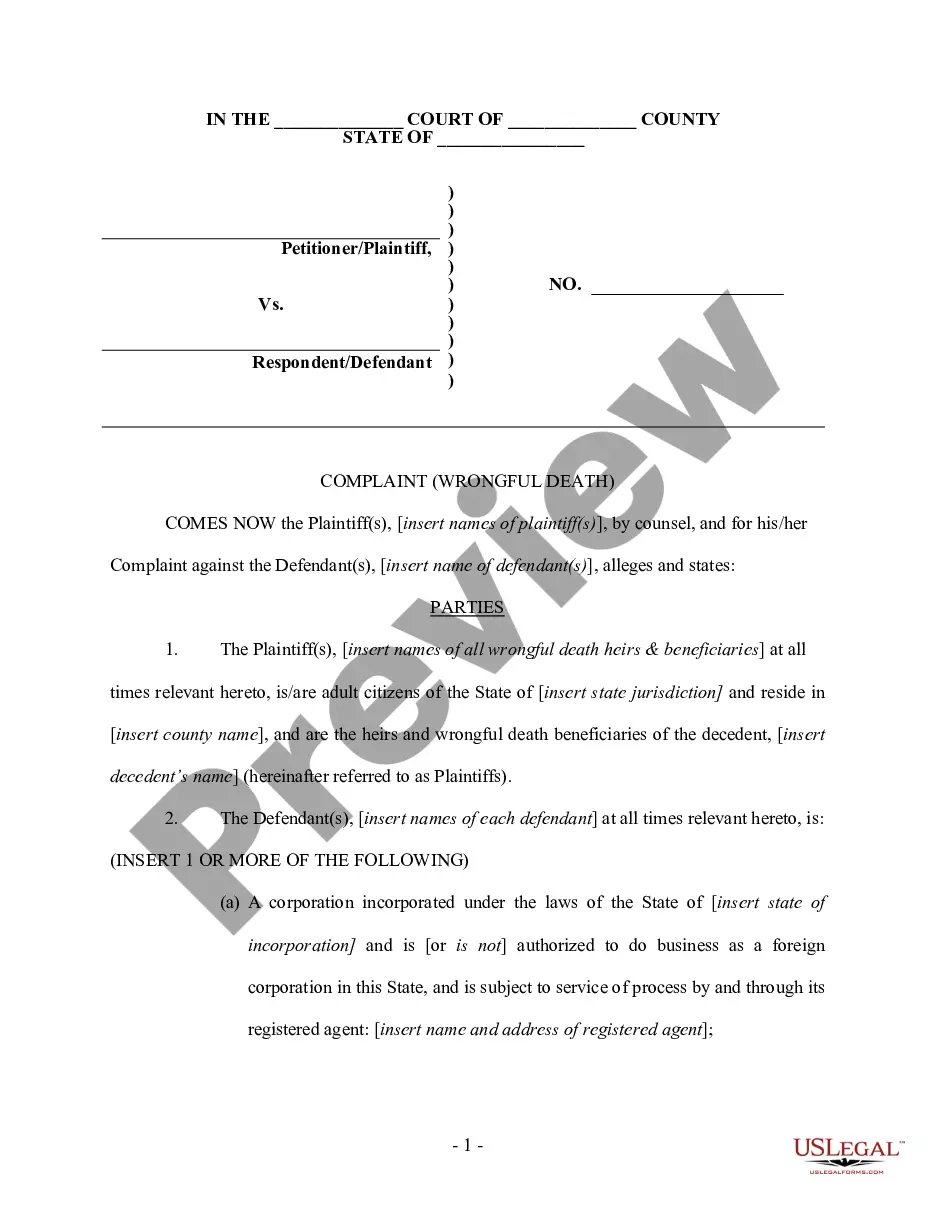
Get your form ready online
Our built-in tools help you complete, sign, share, and store your documents in one place.
Make edits, fill in missing information, and update formatting in US Legal Forms—just like you would in MS Word.
Download a copy, print it, send it by email, or mail it via USPS—whatever works best for your next step.
Sign and collect signatures with our SignNow integration. Send to multiple recipients, set reminders, and more. Go Premium to unlock E-Sign.
If this form requires notarization, complete it online through a secure video call—no need to meet a notary in person or wait for an appointment.
We protect your documents and personal data by following strict security and privacy standards.

Make edits, fill in missing information, and update formatting in US Legal Forms—just like you would in MS Word.

Download a copy, print it, send it by email, or mail it via USPS—whatever works best for your next step.

Sign and collect signatures with our SignNow integration. Send to multiple recipients, set reminders, and more. Go Premium to unlock E-Sign.

If this form requires notarization, complete it online through a secure video call—no need to meet a notary in person or wait for an appointment.

We protect your documents and personal data by following strict security and privacy standards.
Looking for another form?

How to fill out Complaint For Wrongful Death - Single Count?
- If you’re a returning user, simply log in to your account and select the desired form template to download by clicking the Download button, ensuring your subscription remains valid.
- New users should start by reviewing the form’s preview and description. Confirm that it aligns with your requirements and adheres to local jurisdiction.
- Search for alternative templates if necessary. Should you encounter discrepancies, use the Search feature to find the appropriate document.
- Purchase your chosen document by clicking the Buy Now button and selecting your preferred subscription plan—registration is required to access the library.
- Complete your purchase by entering your payment details or utilizing PayPal to finalize your subscription.
- Download your form directly to your device. You can access it anytime through the My documents section of your profile.
US Legal Forms boasts a robust library comprising more than 85,000 legal forms, a significant advantage over competitors, ensuring that users find suitable documents quickly.
Empower yourself with the right resources; explore US Legal Forms today and streamline your legal processes with ease!
Form popularity
FAQ
Deciding whether to sue or press charges for theft depends on your goals. If you seek compensation for your loss, suing in civil court may be the way to go. On the other hand, pressing criminal charges could lead to legal penalties for the offender. Weigh your options carefully and consult with a legal expert to determine the best course in a wrongful count civil USLegal for theft.
To accuse someone of stealing, you need proof that demonstrates they took your property without permission. This may include witnesses, security footage, or physical evidence of theft. Documenting this proof is essential for successfully pursuing a wrongful count civil USLegal for theft.
Wrongful acts that can lead to a civil lawsuit include theft, fraud, negligence, and breach of contract. In the context of theft, you may have grounds for a wrongful count civil USLegal for theft if someone unlawfully deprives you of your property. It's important to collect relevant details that substantiate your claim.
To press charges for theft, you should first report the incident to local law enforcement. They will gather evidence and may interview witnesses to investigate your claim. Be sure to document everything thoroughly; this evidence is crucial for any wrongful count civil USLegal for theft or criminal proceedings.
To prove theft, you typically need evidence that shows the property in question belongs to you, and that the accused unlawfully took it. This may include photographs, witness statements, receipts, and any related documentation. Strong evidence can support your case in both criminal and wrongful count civil USLegal for theft.
Yes, you can sue someone in civil court for theft. This type of lawsuit can help you recover losses caused by the theft, including property value and any damages incurred. If you choose to initiate a wrongful count civil USLegal for theft, using a reliable platform like USLegalForms can streamline your legal process.
Yes, you can press charges for stealing, as theft is a criminal offense. The process typically involves reporting the incident to law enforcement, who will then investigate the claim. Remember, if you pursue a wrongful count civil USLegal for theft, you may also be looking at a civil lawsuit as an option.
Yes, you can sue someone civilly for theft under certain circumstances. This typically involves filing a lawsuit to seek damages for the loss of property or to recover the property itself. The concept of wrongful count civil uslegal for theft underpins the ability to take legal action in such cases. Utilizing platforms like uslegalforms can facilitate the legal process and provide necessary documentation.
The civil side of theft is commonly referred to as conversion or trespass to chattels. This reflects the focus on recovering monetary damages rather than pursuing criminal penalties. In the framework of wrongful count civil uslegal for theft, understanding these terms is vital for assessing your legal standing. Engaging with legal professionals can help clarify your position and options.
The best defense for theft often centers on demonstrating a lack of intent to permanently deprive the owner of their property. Other defenses may include proving that the property was borrowed with permission or that there was a misunderstanding regarding ownership. It's essential to explore all avenues in a wrongful count civil uslegal for theft case. Consulting legal resources can provide clarity and help build a strong defense.