Wrongful Count Civil Blank With A Criminal Record
Description
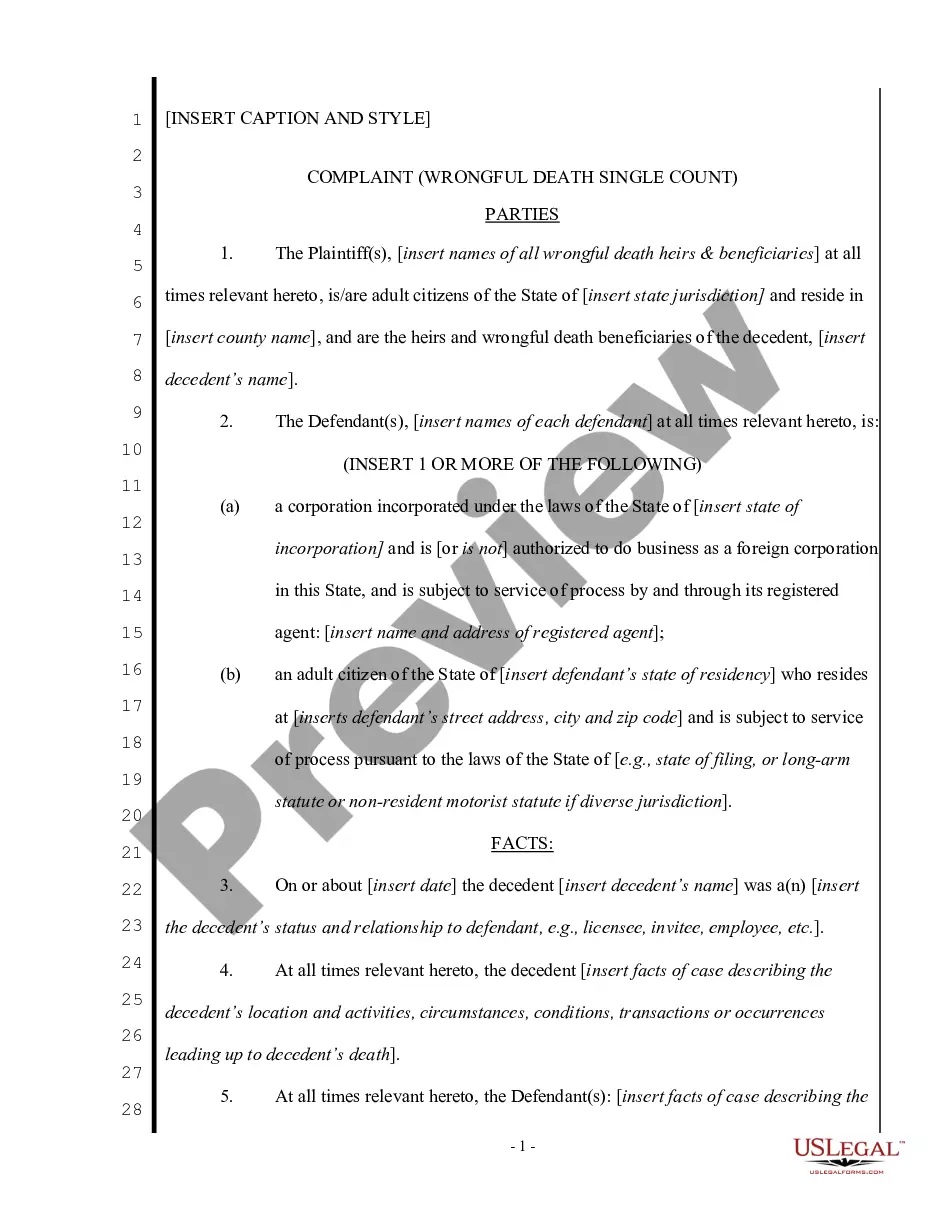
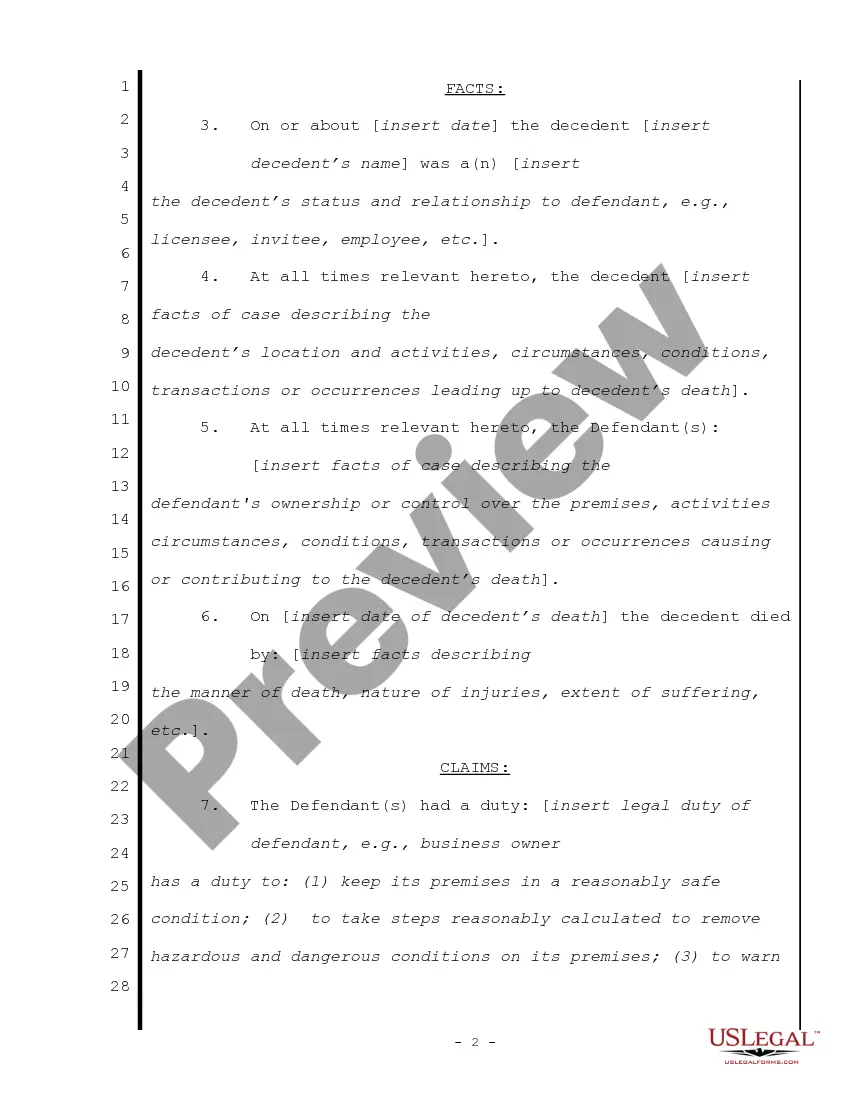
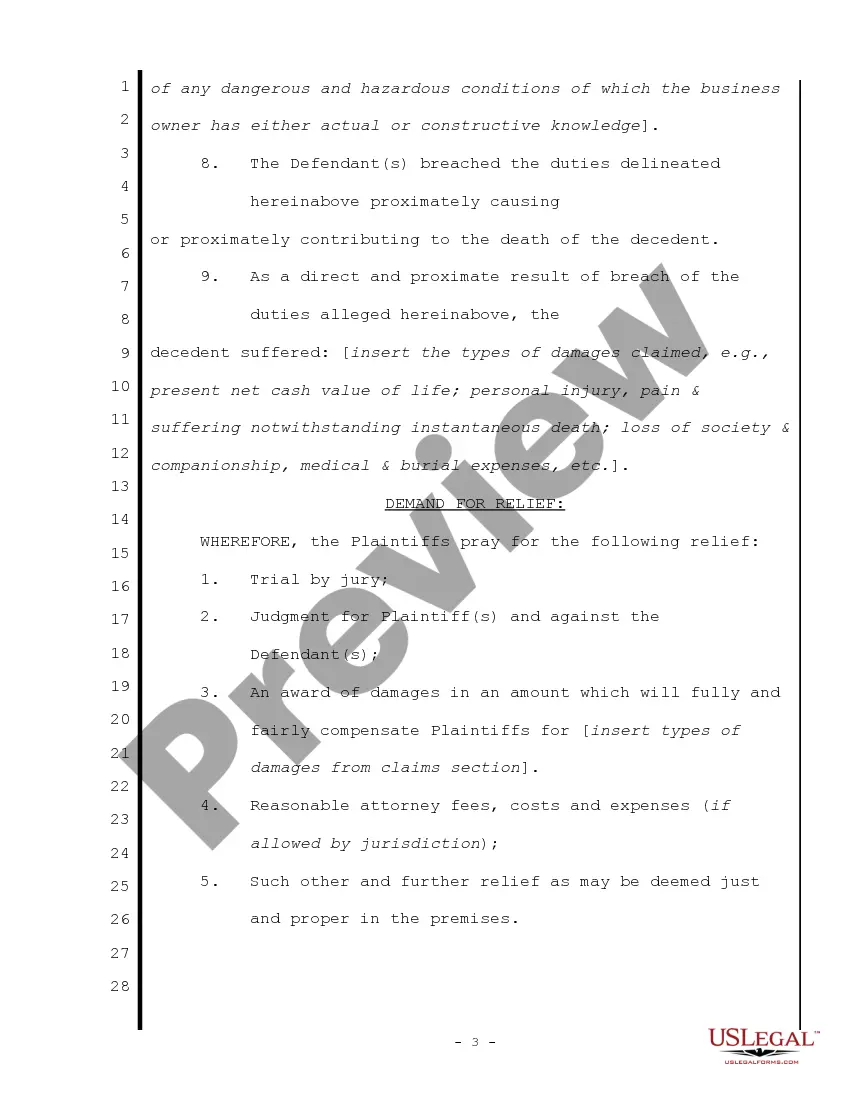
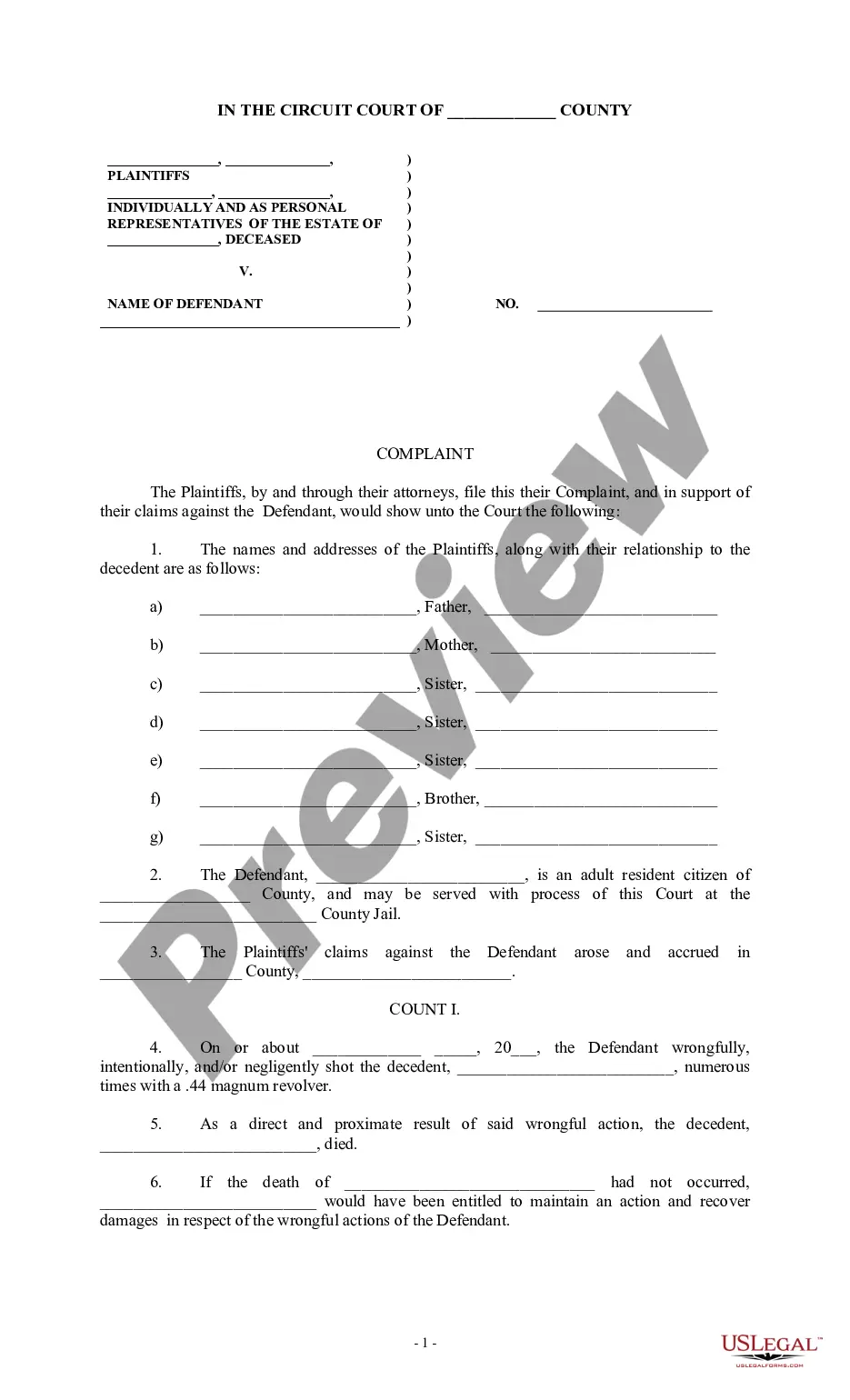
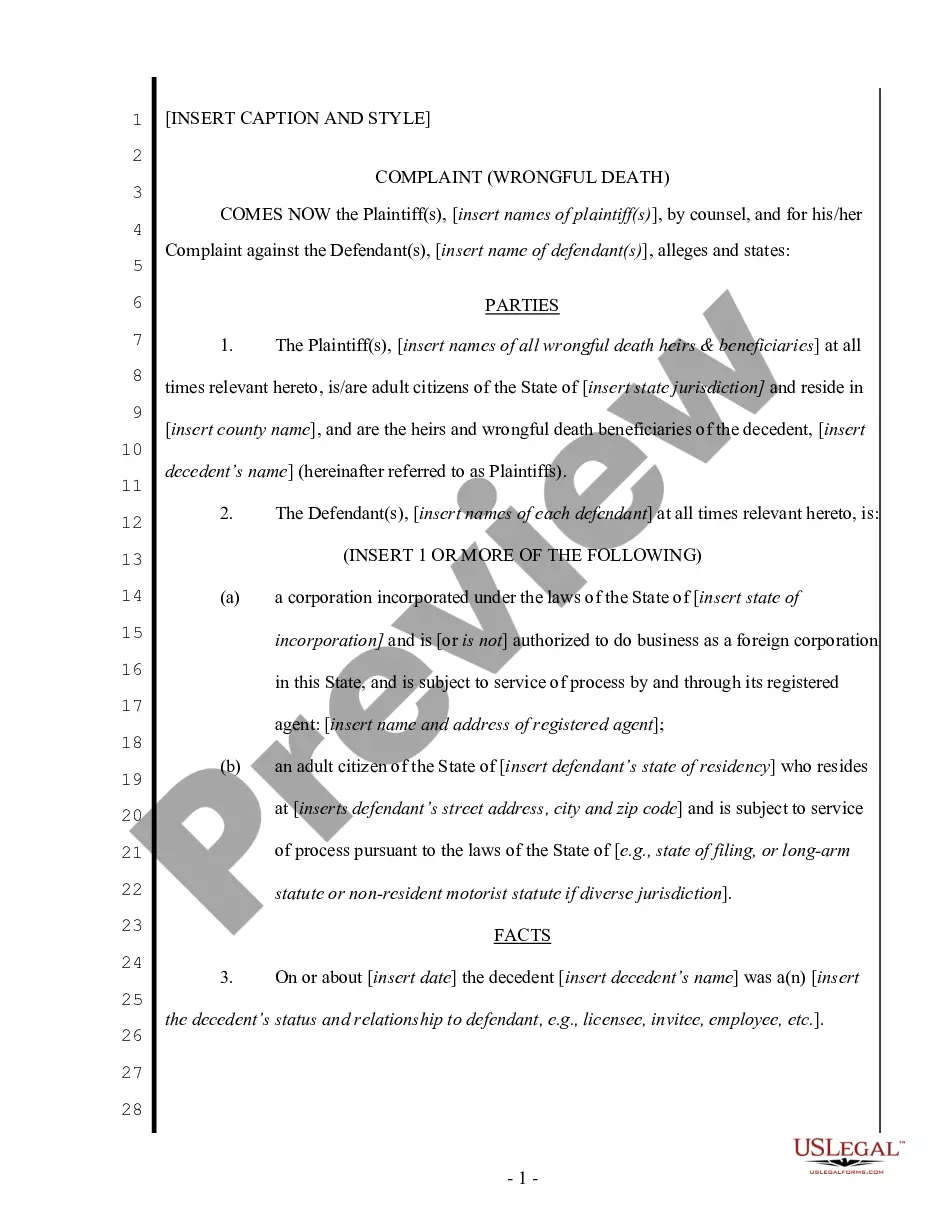

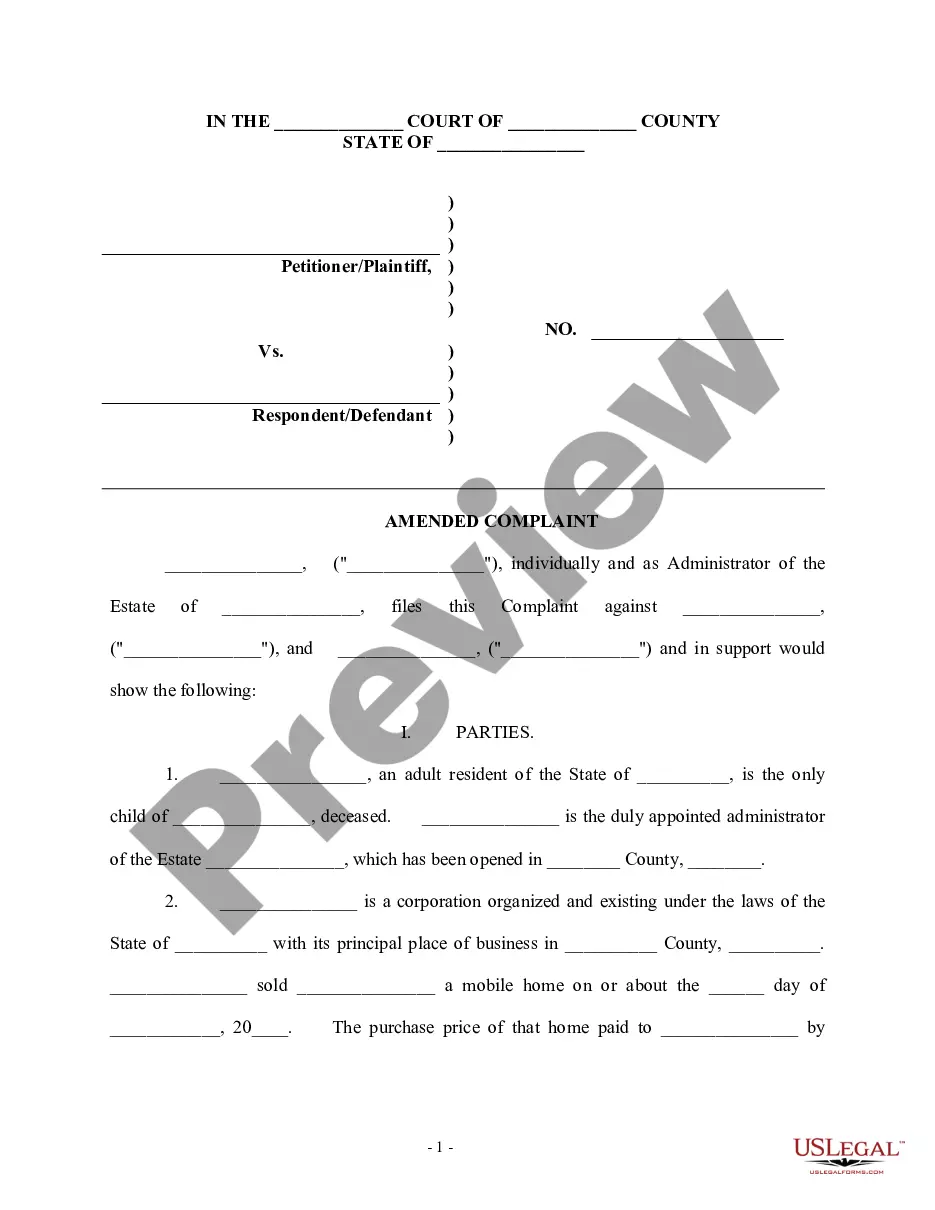
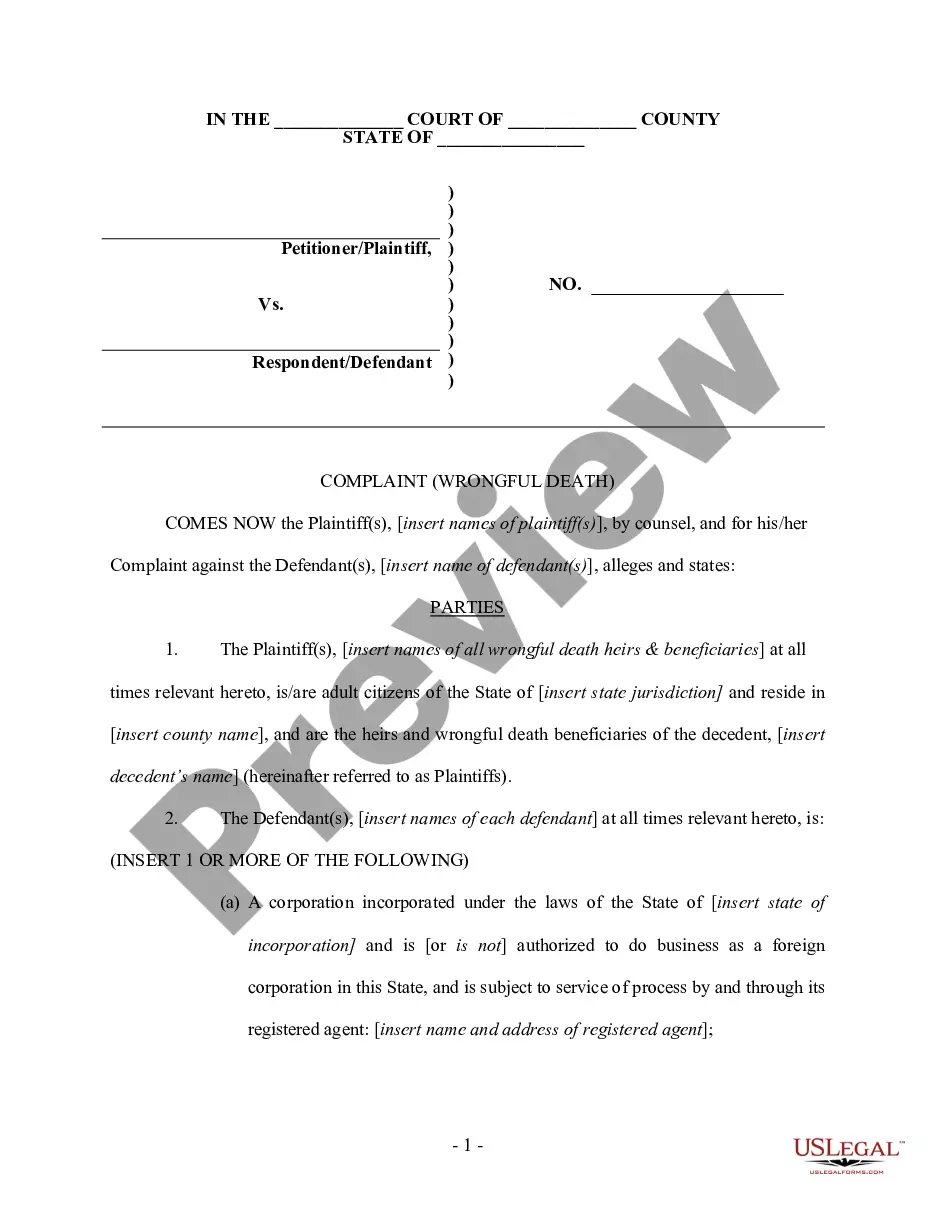
Get your form ready online
Our built-in tools help you complete, sign, share, and store your documents in one place.
Make edits, fill in missing information, and update formatting in US Legal Forms—just like you would in MS Word.
Download a copy, print it, send it by email, or mail it via USPS—whatever works best for your next step.
Sign and collect signatures with our SignNow integration. Send to multiple recipients, set reminders, and more. Go Premium to unlock E-Sign.
If this form requires notarization, complete it online through a secure video call—no need to meet a notary in person or wait for an appointment.
We protect your documents and personal data by following strict security and privacy standards.

Make edits, fill in missing information, and update formatting in US Legal Forms—just like you would in MS Word.

Download a copy, print it, send it by email, or mail it via USPS—whatever works best for your next step.

Sign and collect signatures with our SignNow integration. Send to multiple recipients, set reminders, and more. Go Premium to unlock E-Sign.

If this form requires notarization, complete it online through a secure video call—no need to meet a notary in person or wait for an appointment.

We protect your documents and personal data by following strict security and privacy standards.
Looking for another form?







How to fill out Complaint For Wrongful Death - Single Count?
- If you're a returning user, log into your account and download the necessary form template by clicking the Download button. Ensure your subscription is active to access the documents.
- For first-time users, start by checking the Preview mode and form descriptions. Confirm that you've selected the right form that complies with your local jurisdiction's requirements.
- Should you need a different template, utilize the Search tab to find the exact one that fits your needs. If you find it suitable, proceed to the next step.
- Purchase the document by clicking the Buy Now button and selecting your desired subscription plan. Registration is required to unlock the resources available in the library.
- Complete the purchase by providing your payment details through a credit card or PayPal account to access your subscription.
- Download your selected form and save it to your device. You can always access it later in the My Forms section of your profile.
With US Legal Forms, you benefit from an extensive library featuring over 85,000 editable legal forms and packages, making it easier to find precisely what you need.
Empower yourself with the right forms for your legal needs. Start navigating the legal landscape with US Legal Forms today!
Form popularity
FAQ
While some records may not show up after seven years, it does not mean they fall off automatically. Accurately, the specifics depend on the nature of the offense and the laws in your state. If you have a wrongful count civil blank with a criminal record, understanding your legal options is vital. Legal resources like US Legal Forms can assist you in navigating the process to potentially remove outdated information from your record.
Felonies typically do not go away automatically after seven years. In many cases, they remain part of your permanent record unless you pursue legal avenues for expungement or sealing. If you have a wrongful count civil blank with a criminal record, it's important to understand the laws in your state, as they vary widely. Consulting with legal professionals can help clarify your options and improve your chances of successful record clearing.
Removing something from your background check involves taking specific legal steps, especially if you have a wrongful count civil blank with a criminal record. You may need to file for expungement or sealing of your records, depending on the nature of the charges. Using platforms like US Legal Forms can make the process simpler, providing you with the necessary forms and guidance to address your record effectively. It's advisable to take action promptly to avoid complications with future employment or housing.
The 7 year rule generally refers to the Fair Credit Reporting Act, which states that most negative information, including some criminal records, can be reported for a maximum of seven years. However, this rule doesn’t automatically clear records after this period; it's essential to take action if you have a wrongful count civil blank with a criminal record. States may have their own laws that can influence how long records stay visible. Therefore, knowing your rights and local regulations is crucial.
In the US, a criminal record can last indefinitely unless steps are taken to clear it. Each state has its policies surrounding the expungement process, which allows individuals with a wrongful count civil blank with a criminal record to potentially erase some offenses. Generally, serious crimes remain on your record for life, while minor offenses may be eligible for removal after a set period. It's always beneficial to consult with legal experts on your specific situation.
Yes, having no criminal record can positively impact your case in court. A clean record can enhance your credibility and influence a judge's or jury's perception, especially if you are involved in a situation concerning a wrongful count civil blank with a criminal record. It demonstrates reliability and a commitment to the law, which can be advantageous in legal proceedings.
In writing a statement explaining your criminal history, start with a clear and concise overview of your past incidents. Focus on your personal growth and any positive steps you've taken since then, especially concerning any wrongful count civil blank with a criminal record. Keep the tone professional, and ensure that the content reflects your commitment to making amends and moving forward.
Generally, a criminal record does not automatically clear after seven years in the USA. Certain offenses may remain on your record longer, particularly if they involve a wrongful count civil blank with a criminal record. Each state has different laws regarding record expungement, so it's wise to research your state's regulations or consult with a legal expert for specific advice.
Typically, a civil suit remains on your record indefinitely unless you take steps to have it removed. Factors influencing duration include the nature of the case and whether it involves a wrongful count civil blank with a criminal record. Knowing the specific laws in your state is crucial, and legal resources like USLegalForms can provide guidance on your options for removal.
When explaining a criminal record on an application, be honest and straightforward about your past. It helps to frame your explanation in terms of what you have learned and how you have changed since the incident, especially in relation to any wrongful count civil blank with a criminal record. This approach can demonstrate personal growth and responsibility, helping to alleviate concerns from potential employers.