Landlord Laws In Georgia
Description
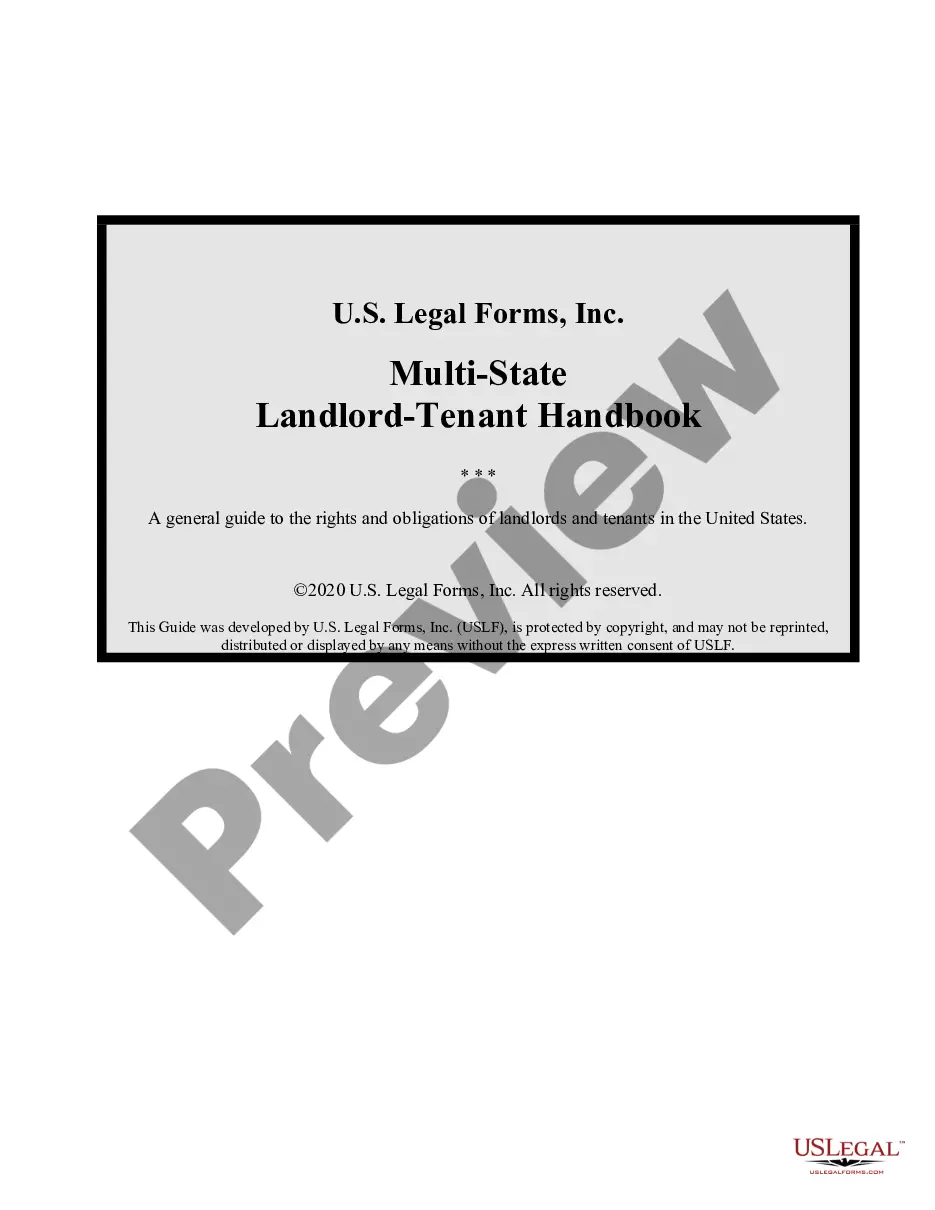
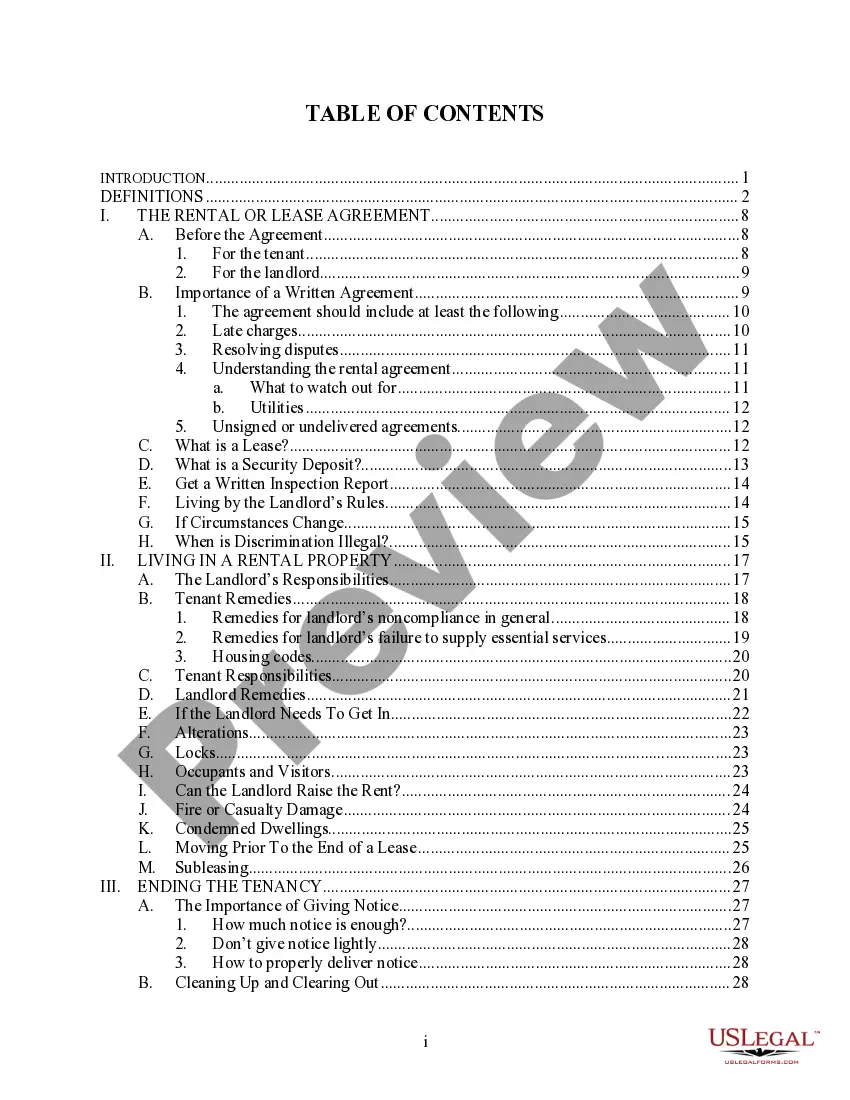
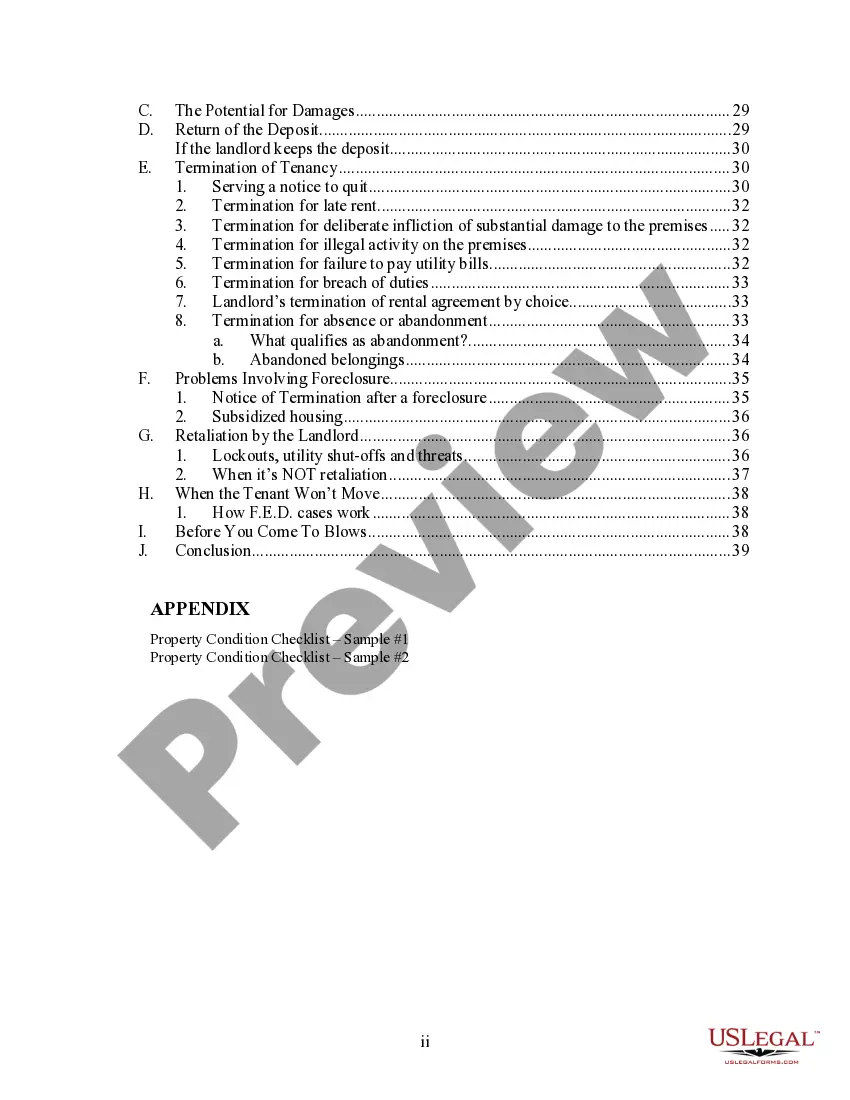
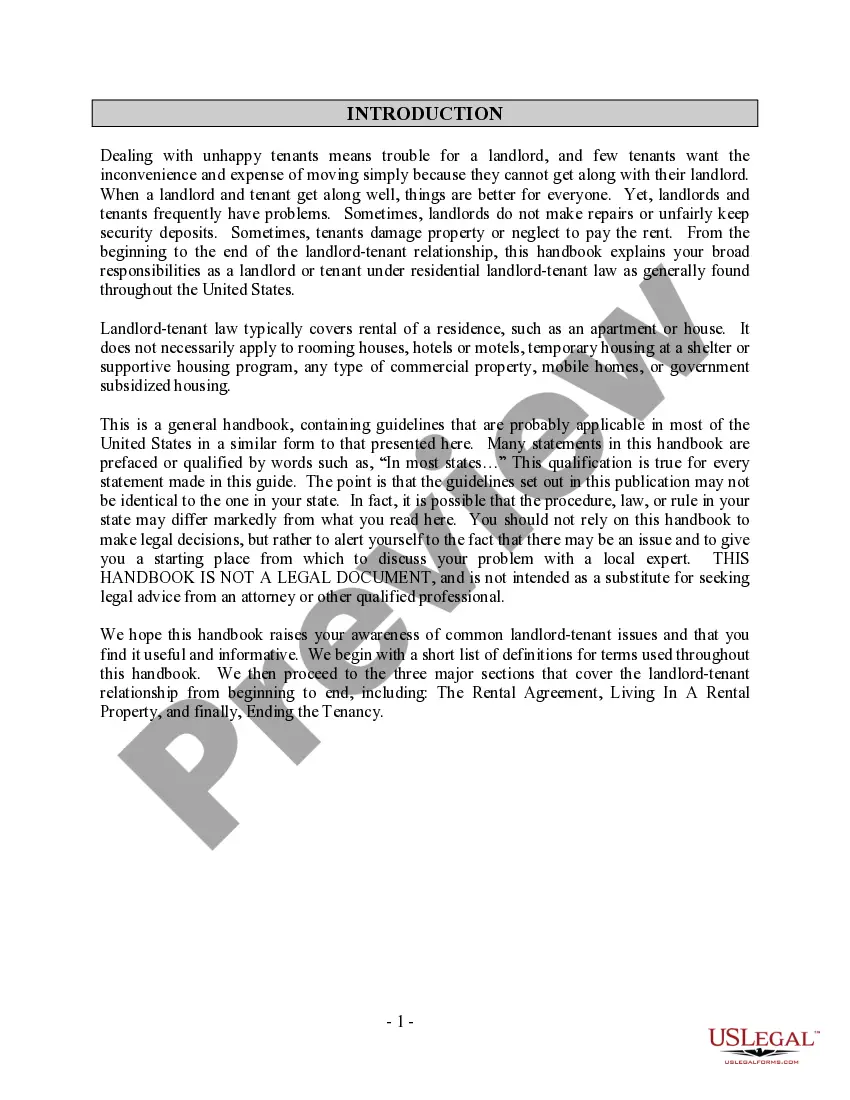
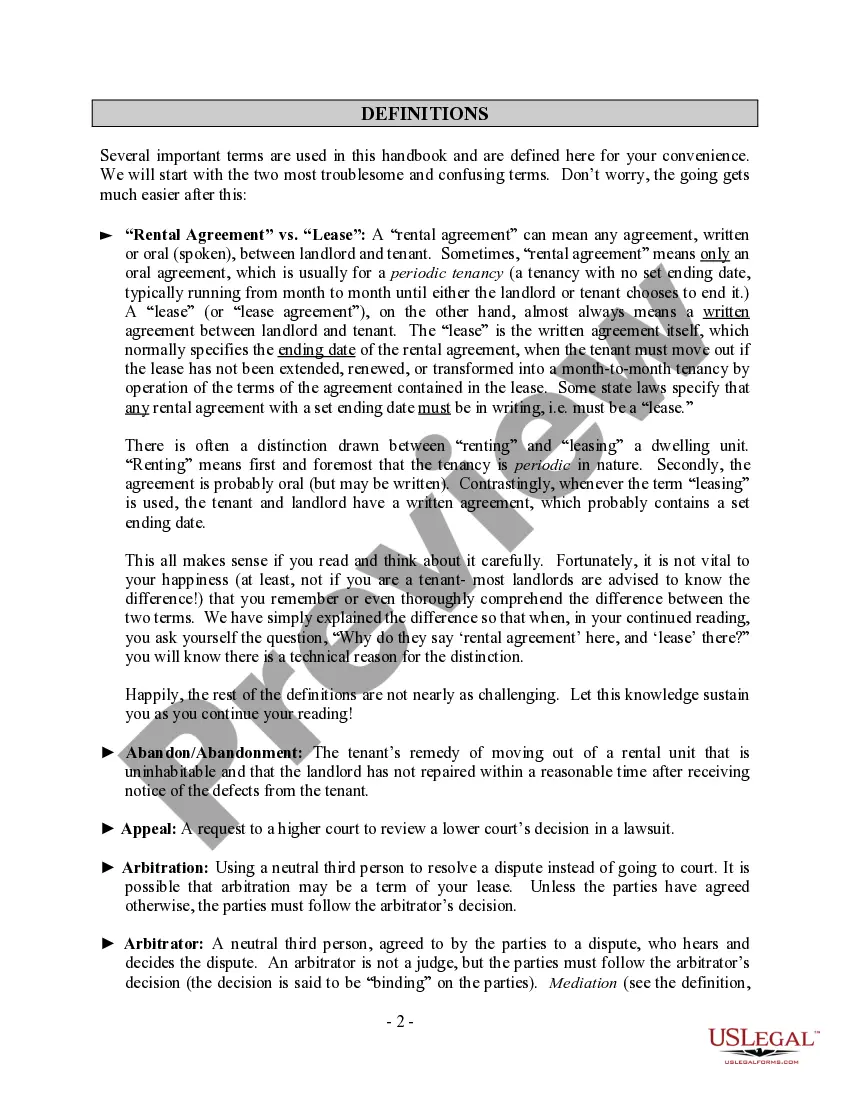
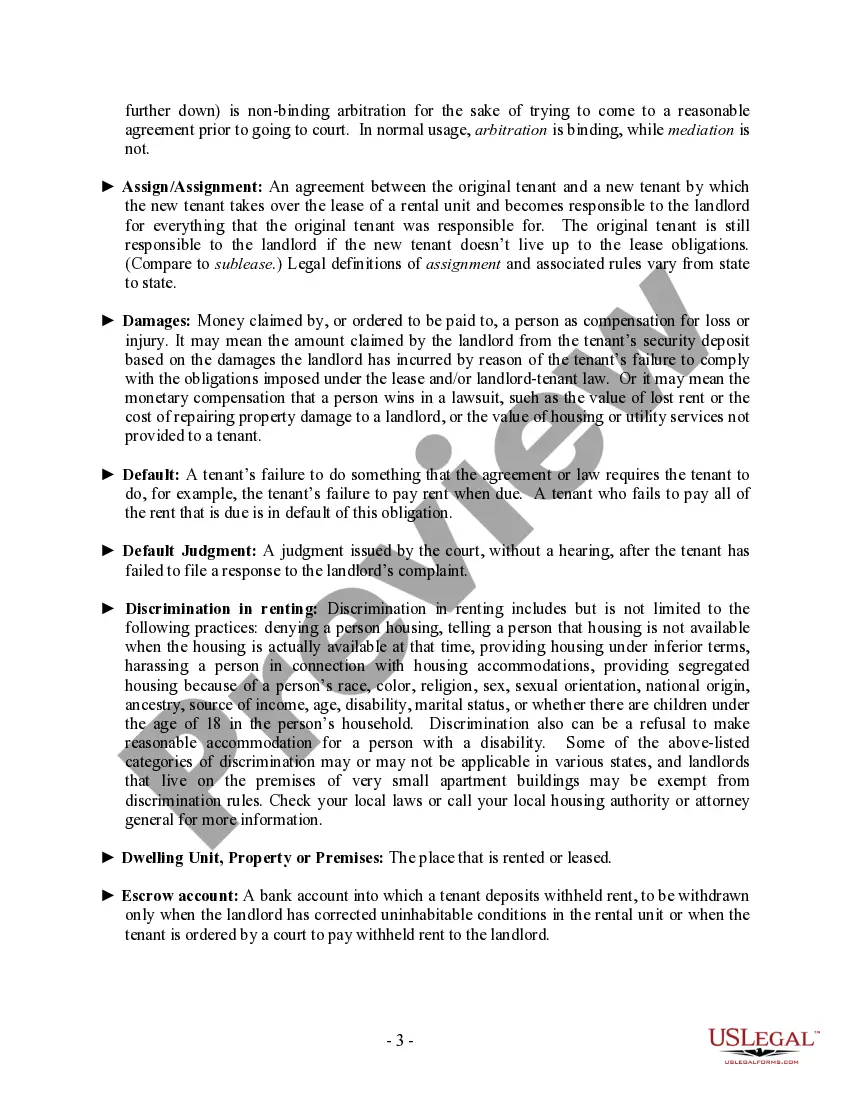
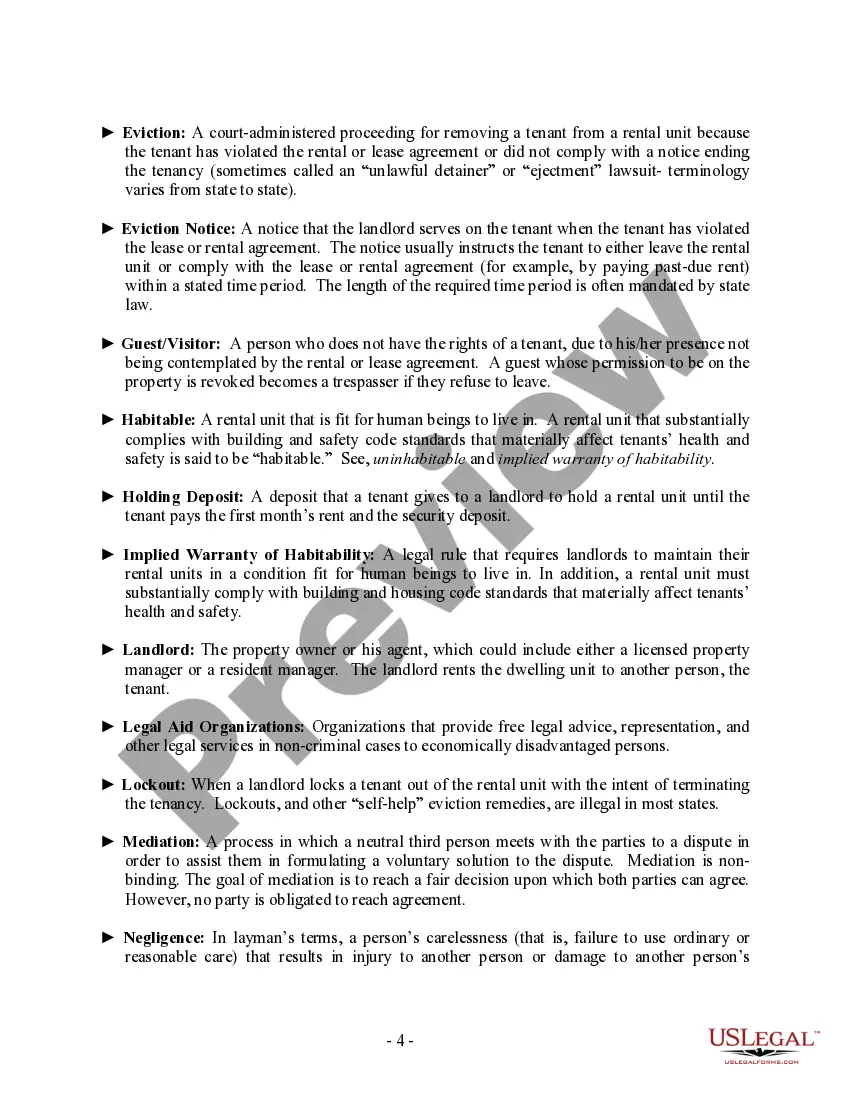
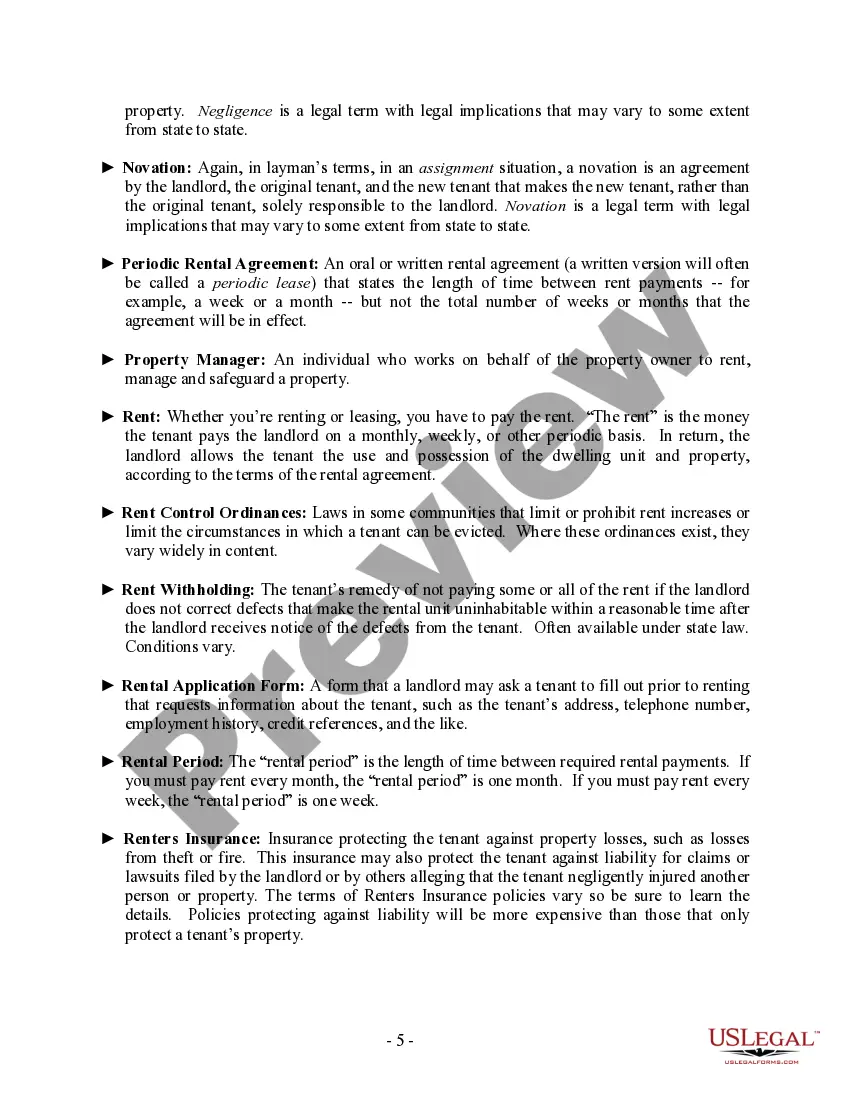
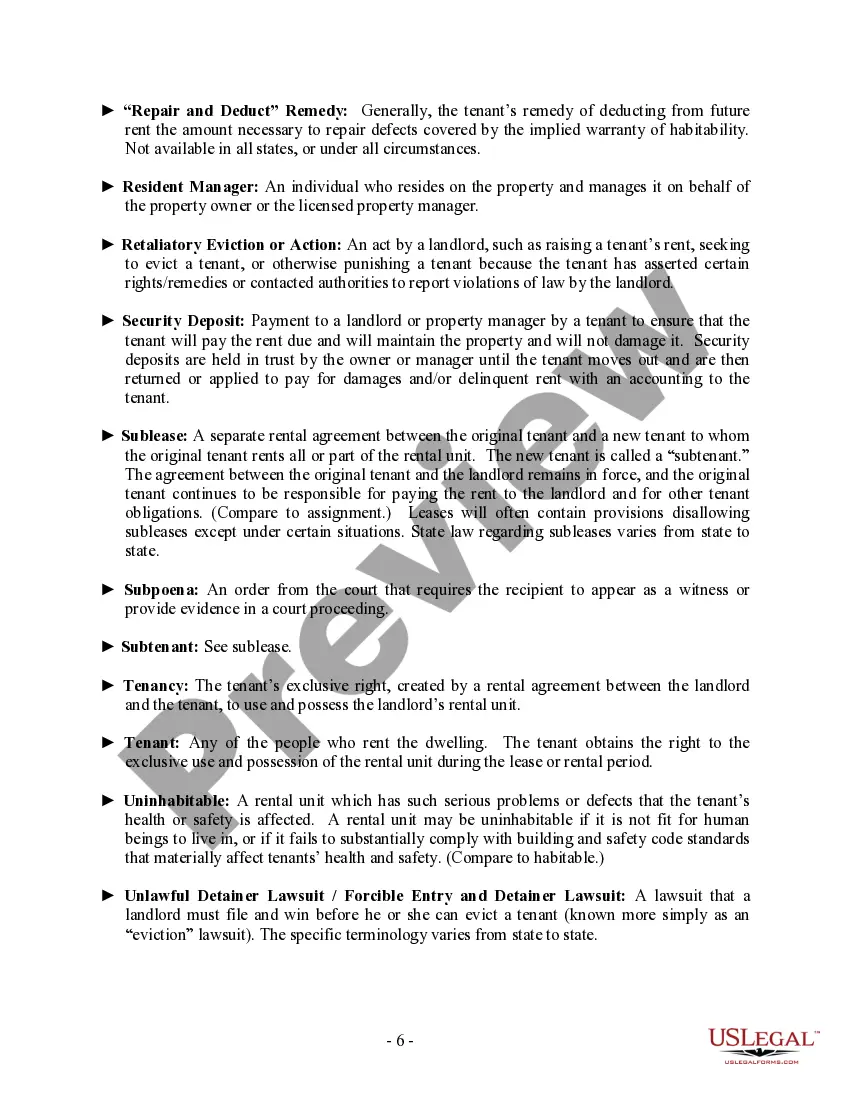

Get your form ready online
Our built-in tools help you complete, sign, share, and store your documents in one place.
Make edits, fill in missing information, and update formatting in US Legal Forms—just like you would in MS Word.
Download a copy, print it, send it by email, or mail it via USPS—whatever works best for your next step.
Sign and collect signatures with our SignNow integration. Send to multiple recipients, set reminders, and more. Go Premium to unlock E-Sign.
If this form requires notarization, complete it online through a secure video call—no need to meet a notary in person or wait for an appointment.
We protect your documents and personal data by following strict security and privacy standards.

Make edits, fill in missing information, and update formatting in US Legal Forms—just like you would in MS Word.

Download a copy, print it, send it by email, or mail it via USPS—whatever works best for your next step.

Sign and collect signatures with our SignNow integration. Send to multiple recipients, set reminders, and more. Go Premium to unlock E-Sign.

If this form requires notarization, complete it online through a secure video call—no need to meet a notary in person or wait for an appointment.

We protect your documents and personal data by following strict security and privacy standards.
Looking for another form?



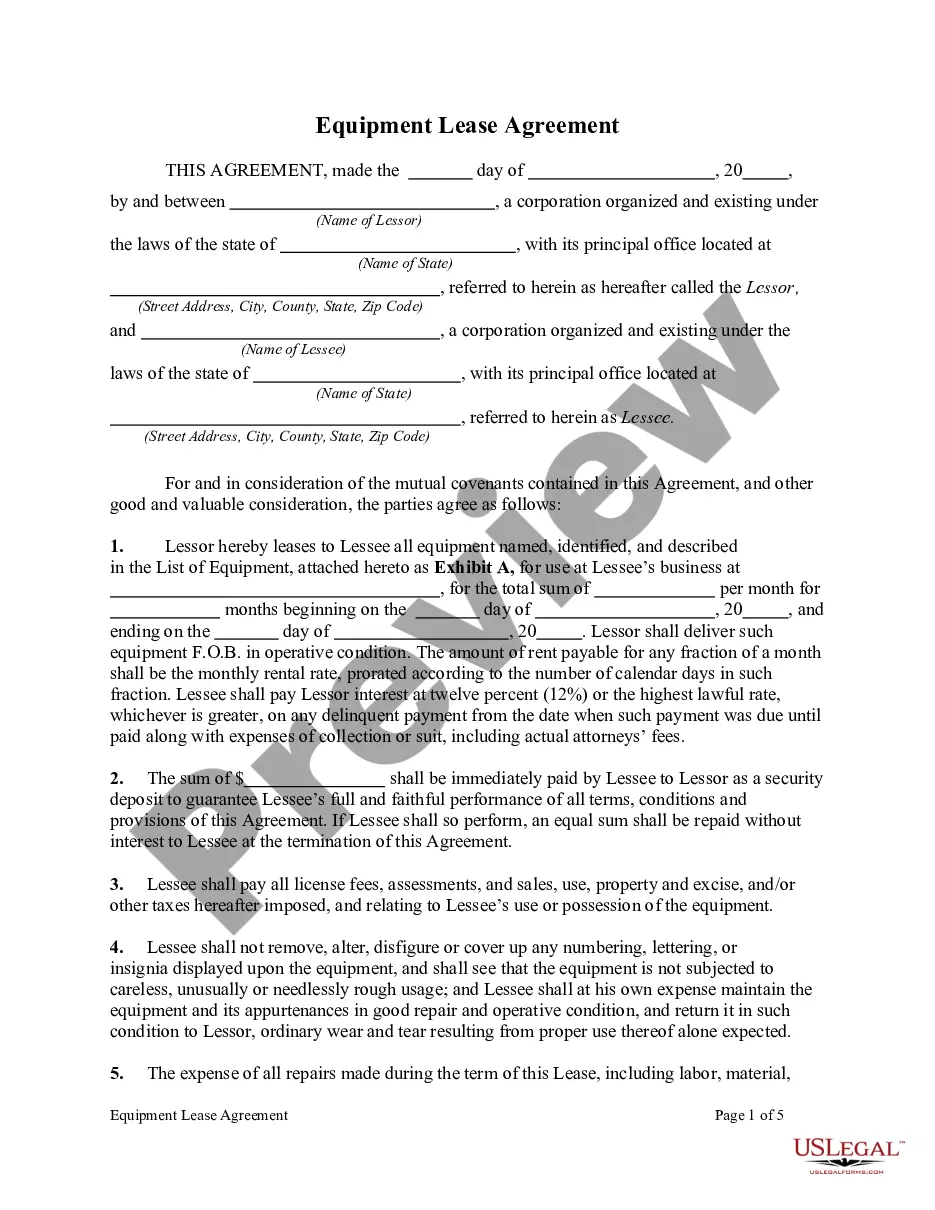

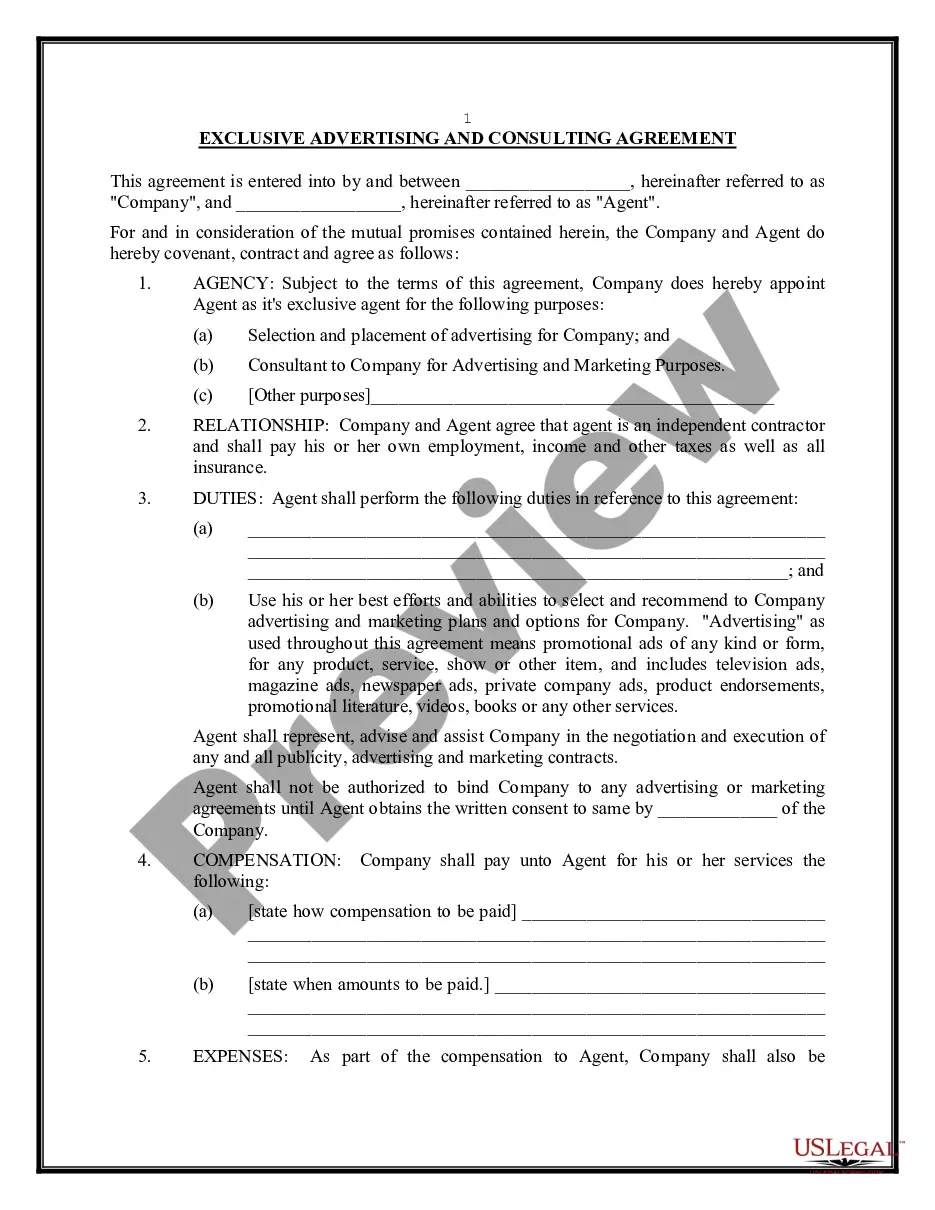




How to fill out Multistate Landlord Tenant Handbook - Guide - Laws?
Whether for professional objectives or personal matters, everyone encounters legal scenarios at some stage in their lifetime.
Filling out legal forms requires meticulous attention, beginning with selecting the correct form template.
With an extensive US Legal Forms catalog available, you don't have to waste time searching for the right sample throughout the internet. Utilize the library’s user-friendly navigation to find the appropriate template for any occasion.
- Locate the sample you need through the search box or catalog navigation.
- Examine the form’s details to ensure it fits your circumstances, state, and county.
- Click on the form’s preview to examine it.
- If it is the wrong form, return to the search function to find the appropriate Landlord Laws In Georgia sample.
- Obtain the file when it meets your requirements.
- If you have a US Legal Forms account, simply click Log in to access previously saved templates in My documents.
- If you do not have an account yet, you can download the form by clicking Buy now.
- Select the suitable pricing option.
- Complete the account registration form.
- Choose your payment method: use a credit card or PayPal account.
- Select the file format you desire and download the Landlord Laws In Georgia.
- Once it is saved, you can fill out the form using editing software or print it and complete it by hand.
Form popularity
FAQ
Generally, a landlord must give a tenant a 30-day notice to move out in Georgia unless the lease states otherwise. This notice provides tenants ample time to prepare for their move and seek new housing options. Being aware of the specific requirements laid out in landlord laws in Georgia helps both landlords and tenants maintain a professional relationship.
Rental requirements in Georgia can include various aspects such as application fees, security deposits, and background checks on potential tenants. Landlords must comply with state laws while setting these requirements to ensure fairness and transparency. Utilizing resources like USLegalForms can provide valuable assistance in understanding and drafting compliant rental agreements.
The soonest a landlord can initiate eviction proceedings in Georgia typically follows the issuance of the required notices, which can vary based on the situation. For instance, after a 3-day notice for non-payment of rent, a landlord may proceed to file for eviction in court. Being well-versed in the timeline is essential for effectively navigating landlord laws in Georgia.
In most cases, a 60-day notice is not required in Georgia unless stated in the lease agreement. The standard is usually a 30-day notice period for both landlords and tenants. Therefore, reviewing your lease is essential for understanding notice requirements as outlined in landlord laws in Georgia.
In Georgia, the notice a landlord must provide to a tenant before moving out typically follows a 30-day notice rule, unless the lease specifies a different term. This ensures that tenants have adequate time to find new housing. Familiarizing yourself with these landlord laws in Georgia can help prevent misunderstandings and establish clear expectations.
Recent updates to landlord laws in Georgia have introduced new regulations aimed at improving tenant rights and clarifying landlord responsibilities. These laws cover areas such as security deposit limits, eviction processes, and notice requirements. Staying informed about changes is crucial for both landlords and tenants to ensure compliance and protect their interests.
If your landlord is violating their obligations, you can report them to local housing authorities or health departments, depending on the issue. For serious violations that affect health and safety, contact your local government officials. Familiarizing yourself with landlord laws in Georgia can empower you to take the necessary steps when issues arise.
In Georgia, a landlord must provide at least 60 days' notice if they choose not to renew a lease that lasts for one year. For leases shorter than one year, a 30-day notice is sufficient. Being familiar with the landlord laws in Georgia can help both landlords and tenants understand their rights and responsibilities.
Experienced landlords often share tips like understanding tenant rights, maintaining clear communication, and staying up-to-date with landlord laws in Georgia. They emphasize the importance of thorough tenant screening and conducting regular property inspections. This knowledge can help new landlords avoid common pitfalls and manage their properties more successfully.
If you feel the need to take legal action against your landlord, first gather all relevant documents, such as your lease agreement and communication records. You can file a complaint in small claims court if your issue involves monetary claims. Understanding landlord laws in Georgia will help you navigate this process effectively.