Transition Letter To Client Sample Withdrawal
Description
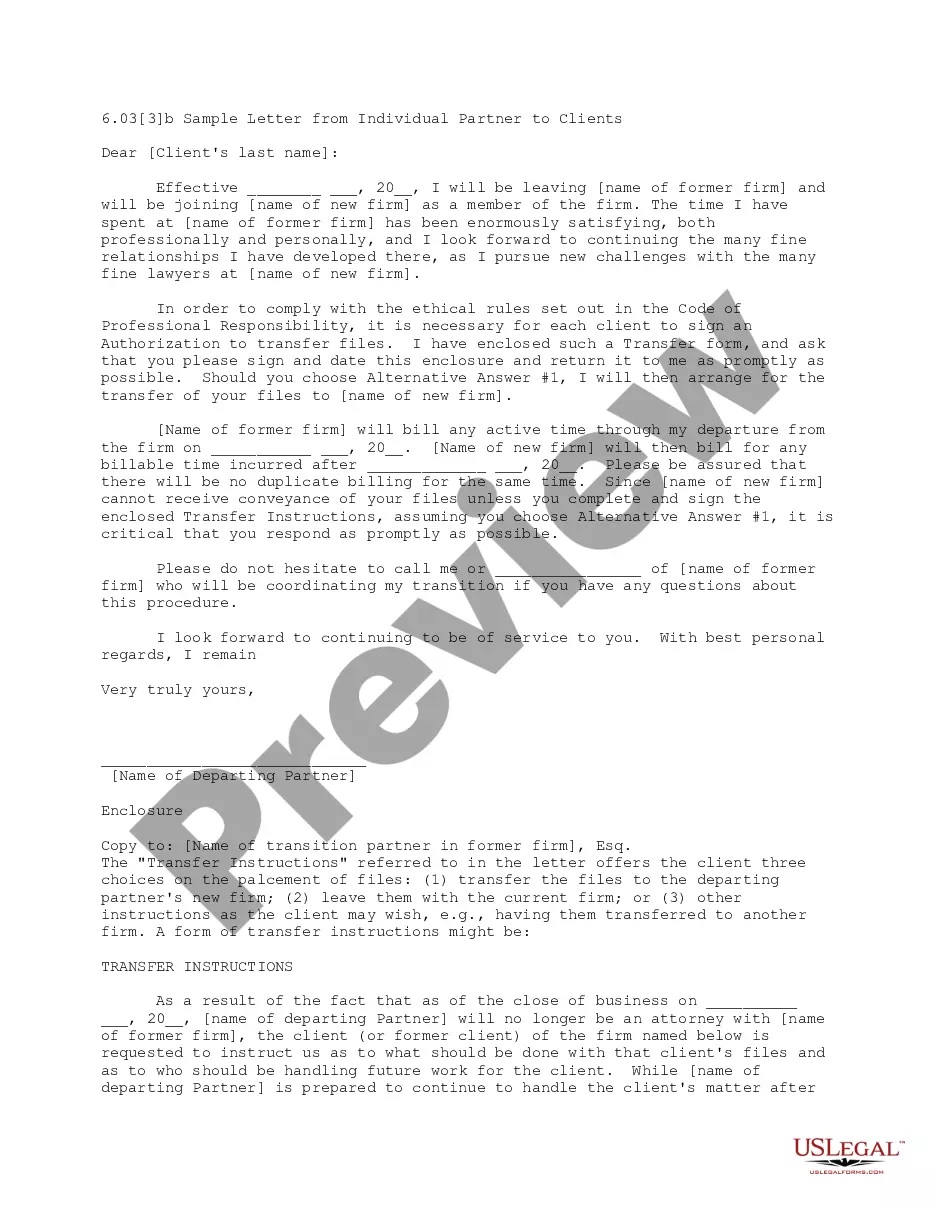
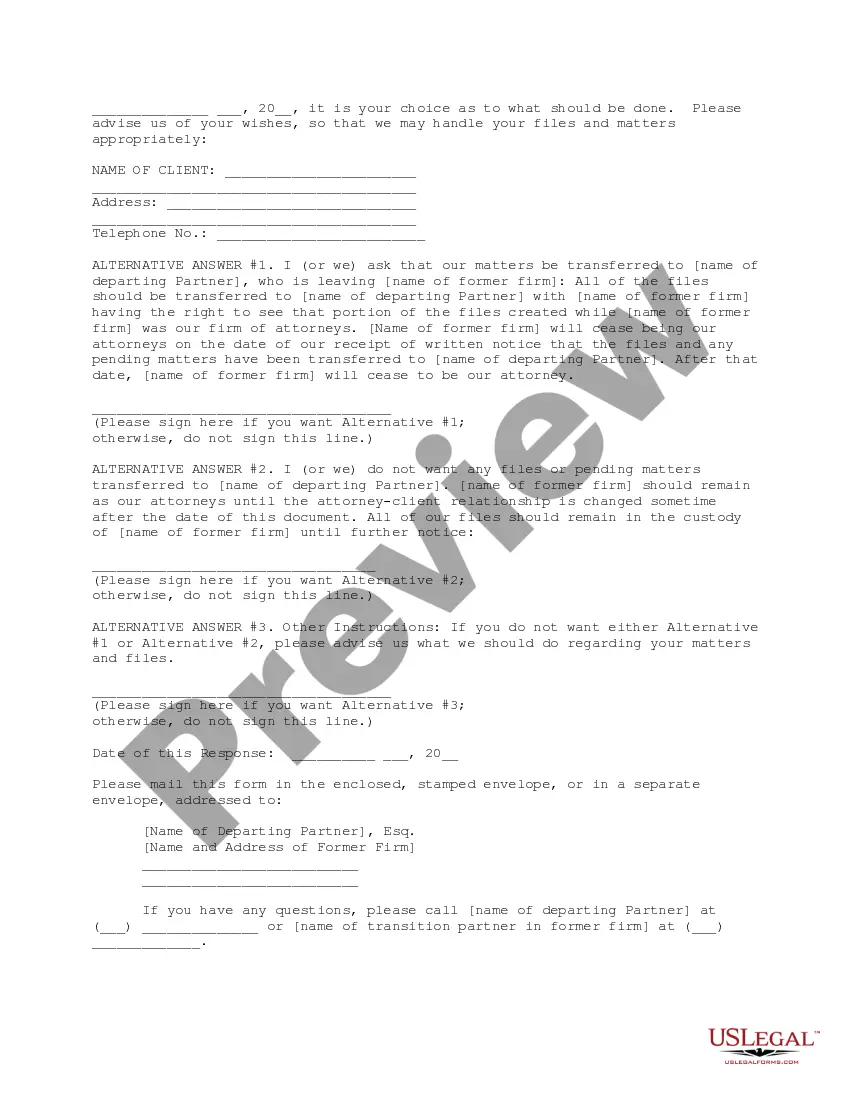
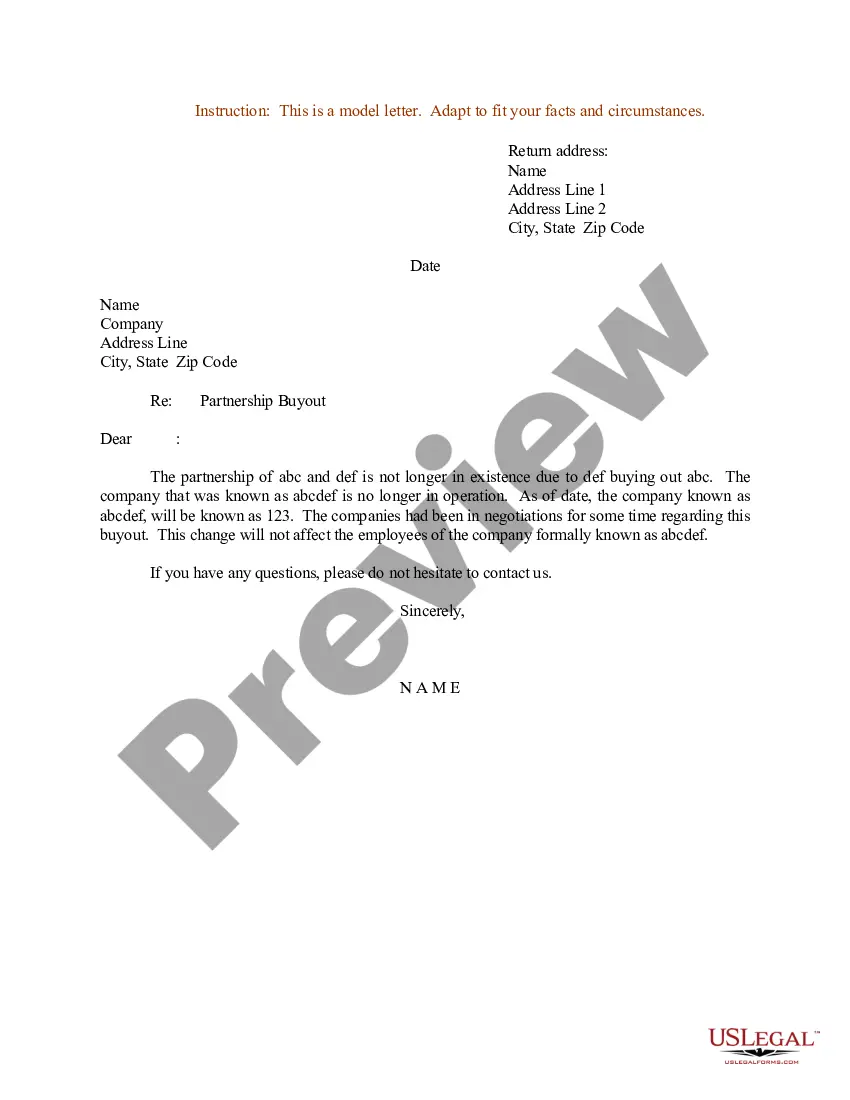
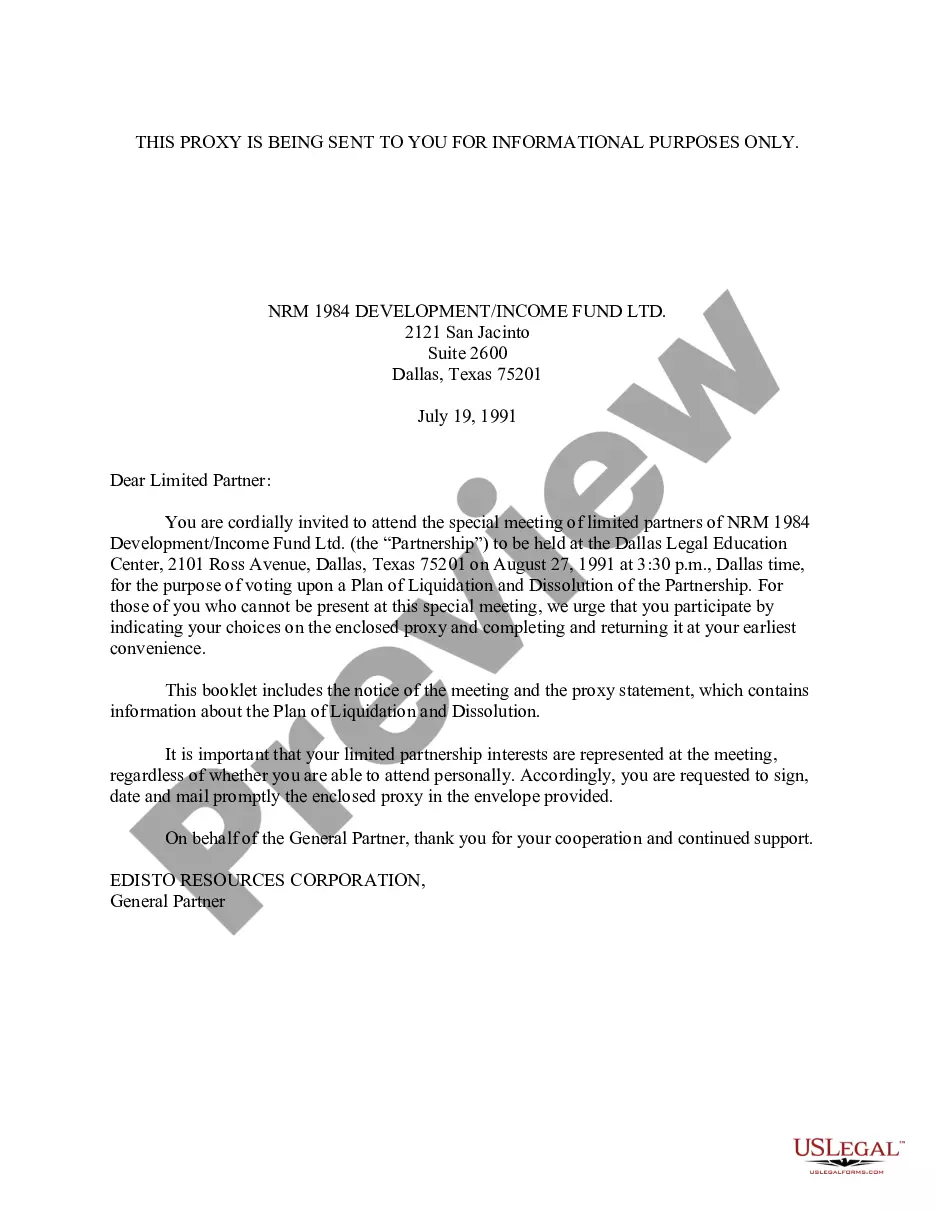
How to fill out Letter From Individual Partner To Clients?
It’s a well-known fact that you cannot instantly become a legal expert, nor can you swiftly learn how to craft a Transition Letter To Client Sample Withdrawal without a professional foundation.
Drafting legal documents is a lengthy process that necessitates specific training and competency.
So why not entrust the creation of the Transition Letter To Client Sample Withdrawal to the experts.
You can regain access to your documents from the My documents section at any time. If you’re a returning customer, you can merely Log In and find and download the template from the same section.
No matter the intent of your documents—whether financial, legal, or personal—our website has you covered. Experience US Legal Forms today!
- Locate the form you need using the search feature at the top of the webpage.
- Preview it (if this option is available) and read the accompanying description to determine if Transition Letter To Client Sample Withdrawal is what you require.
- Begin your search anew if you seek any additional template.
- Create a free account and choose a subscription plan to acquire the form.
- Click Buy now. Once the transaction is finalized, you can download the Transition Letter To Client Sample Withdrawal, complete it, print it, and send or mail it to the relevant individuals or entities.
Form popularity
FAQ
When writing to a client about withdrawing as counsel, begin with a respectful salutation and express your appreciation for the opportunity to work together. Clearly outline your reasons for withdrawal and include any relevant details about their case moving forward. A transition letter to client sample withdrawal can serve as a valuable resource, helping you communicate this sensitive information in a professional manner.
Writing a letter of withdrawal involves clearly stating your intention to end the attorney-client relationship. Start with a formal greeting, followed by a concise explanation of your reasons for withdrawal. It is beneficial to reference a transition letter to client sample withdrawal for guidance, ensuring you include any necessary information regarding ongoing matters and client responsibilities.
Good cause for withdrawal as counsel can vary but often includes conflicts of interest, breakdown in communication, or non-payment of fees. It is essential to document these reasons in a transition letter to client sample withdrawal to maintain transparency. By doing so, you protect your professional integrity and provide the client with a clear understanding of your decision.
A disengagement letter is a formal document that a lawyer sends to a client to indicate the termination of their professional relationship. This letter typically summarizes the reasons for withdrawal and outlines any next steps the client needs to take. Utilizing a transition letter to client sample withdrawal can help ensure that all necessary information is conveyed clearly and professionally.
Communicating the end of a professional relationship requires sensitivity and clarity. Begin by drafting a transition letter to client sample withdrawal that outlines your reasons for withdrawing services. Be honest while keeping the tone respectful, and offer assistance in transitioning their needs to another provider if possible. This approach not only preserves goodwill but also ensures that the client feels valued until the very end of your engagement.
To disengage from a client, first assess the situation to determine the best course of action. Communicate your decision clearly, ensuring that you outline your reasons in a polite manner. Utilizing a transition letter to client sample withdrawal can aid you in drafting this communication. This letter helps you maintain professionalism and ensures a smooth transition for both you and the client.
Respectfully dropping a client involves clear communication and a considerate approach. Explain your reasons for ending the relationship, emphasizing the need for both parties to find the right fit. A transition letter to client sample withdrawal can be a useful template for crafting your message. This letter can help clarify your position while maintaining a respectful tone.
When writing a letter of withdrawal, start with a clear and concise statement of your intention to withdraw from the client relationship. Include the specific reasons for your decision, while remaining courteous and respectful. You can use a transition letter to client sample withdrawal as a guide to structure your letter effectively. This ensures that your communication is both professional and straightforward.
To politely break up with a client, begin by expressing gratitude for the relationship. Clearly explain the reasons for your decision, focusing on how your services may not align with their current needs. Consider providing a transition letter to client sample withdrawal to formalize your message. This approach maintains professionalism and helps preserve a positive impression.
An example of a withdrawal letter typically includes your contact information, the date, the client's name, and a clear statement of withdrawal. It should detail the reasons for your decision, any outstanding matters, and suggest alternate professionals if applicable. You can find various examples of a transition letter to client sample withdrawal online, which can help you create a tailored letter.