Bounty Hunter Contracts With Companies
Description
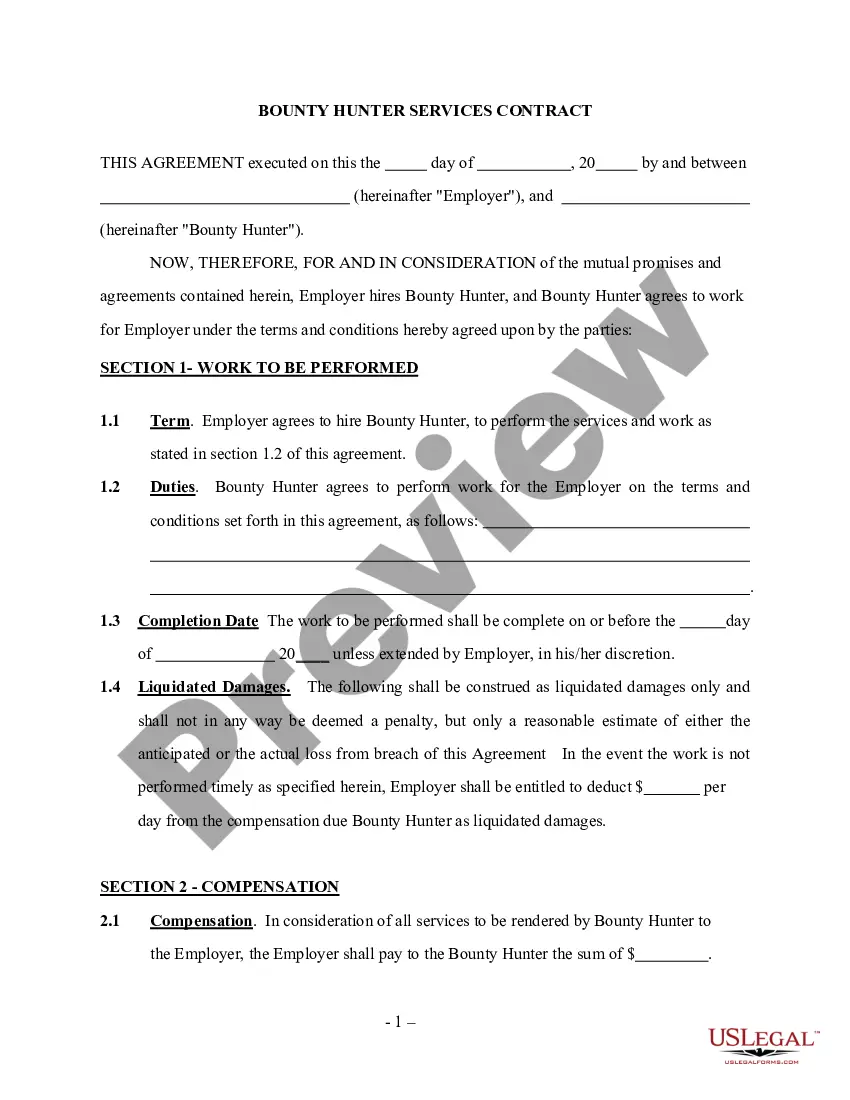
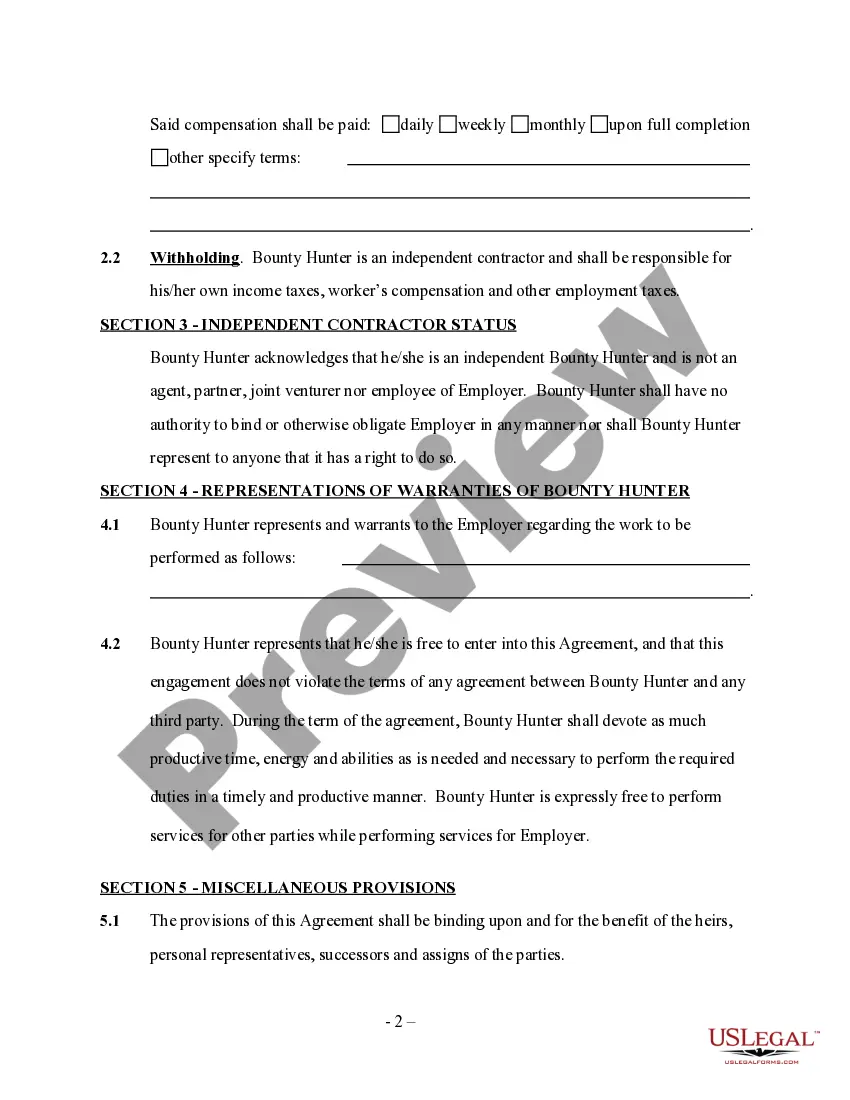
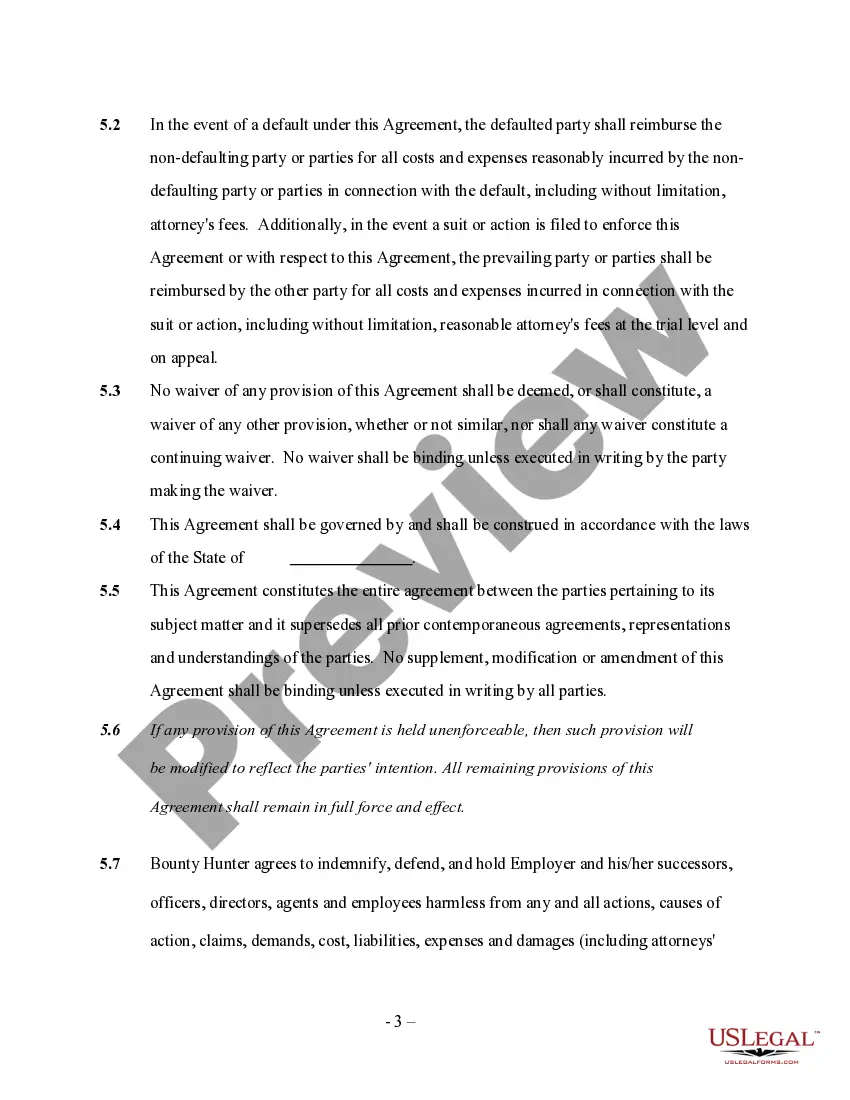
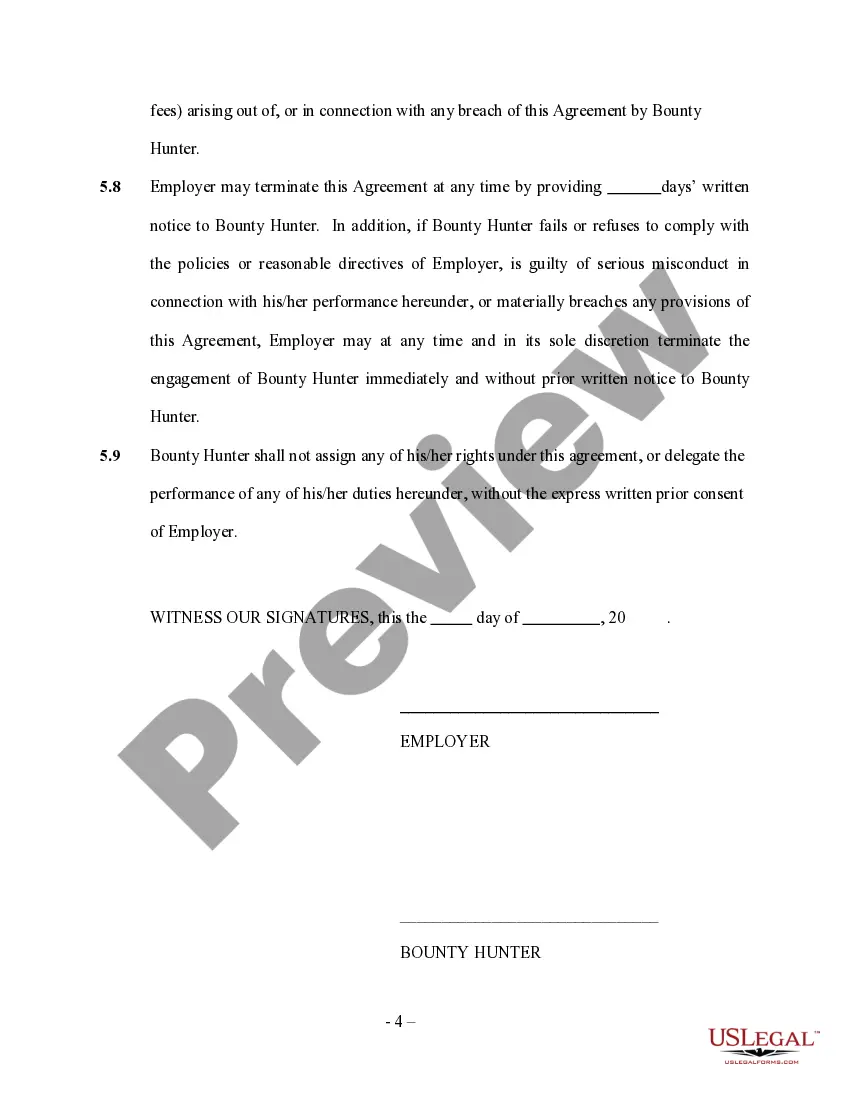

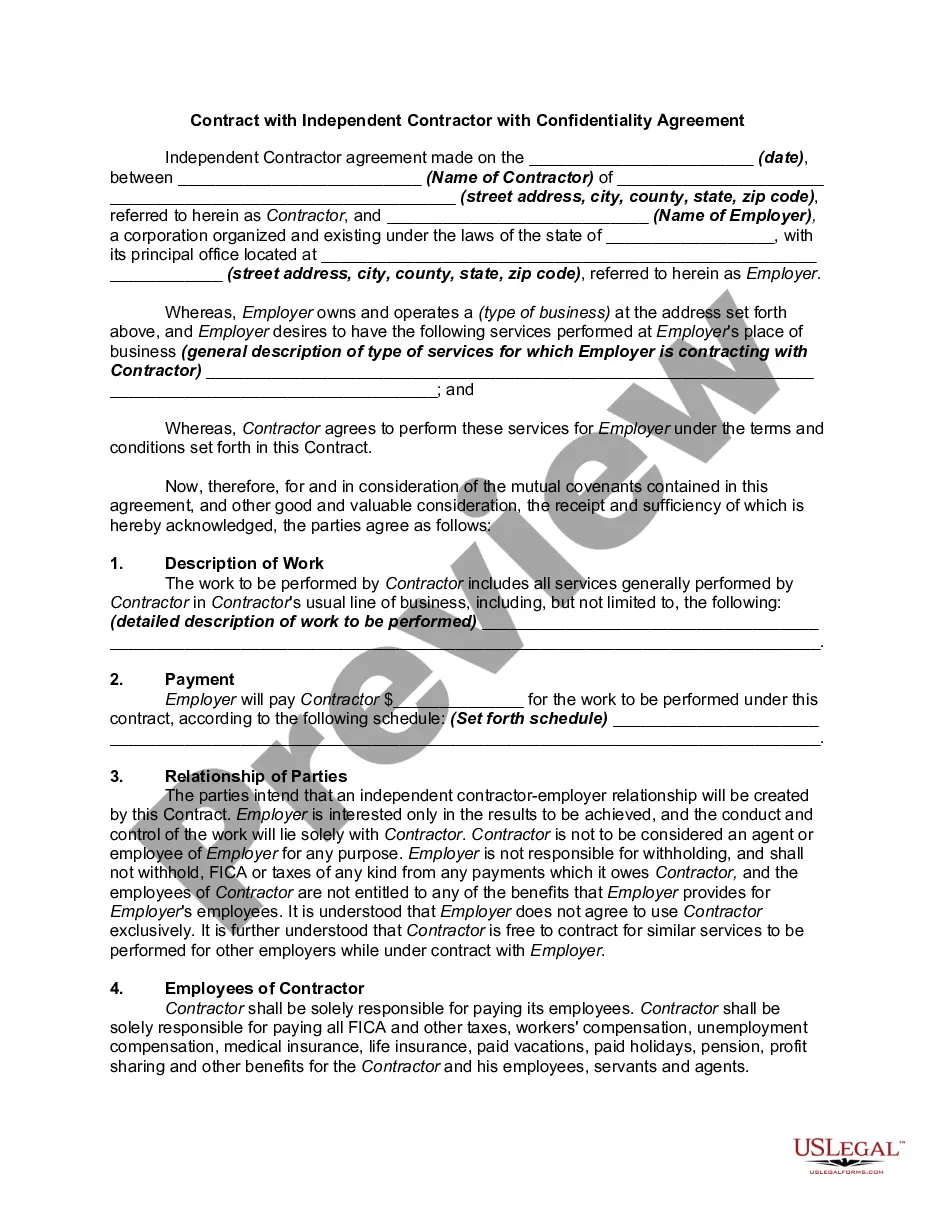
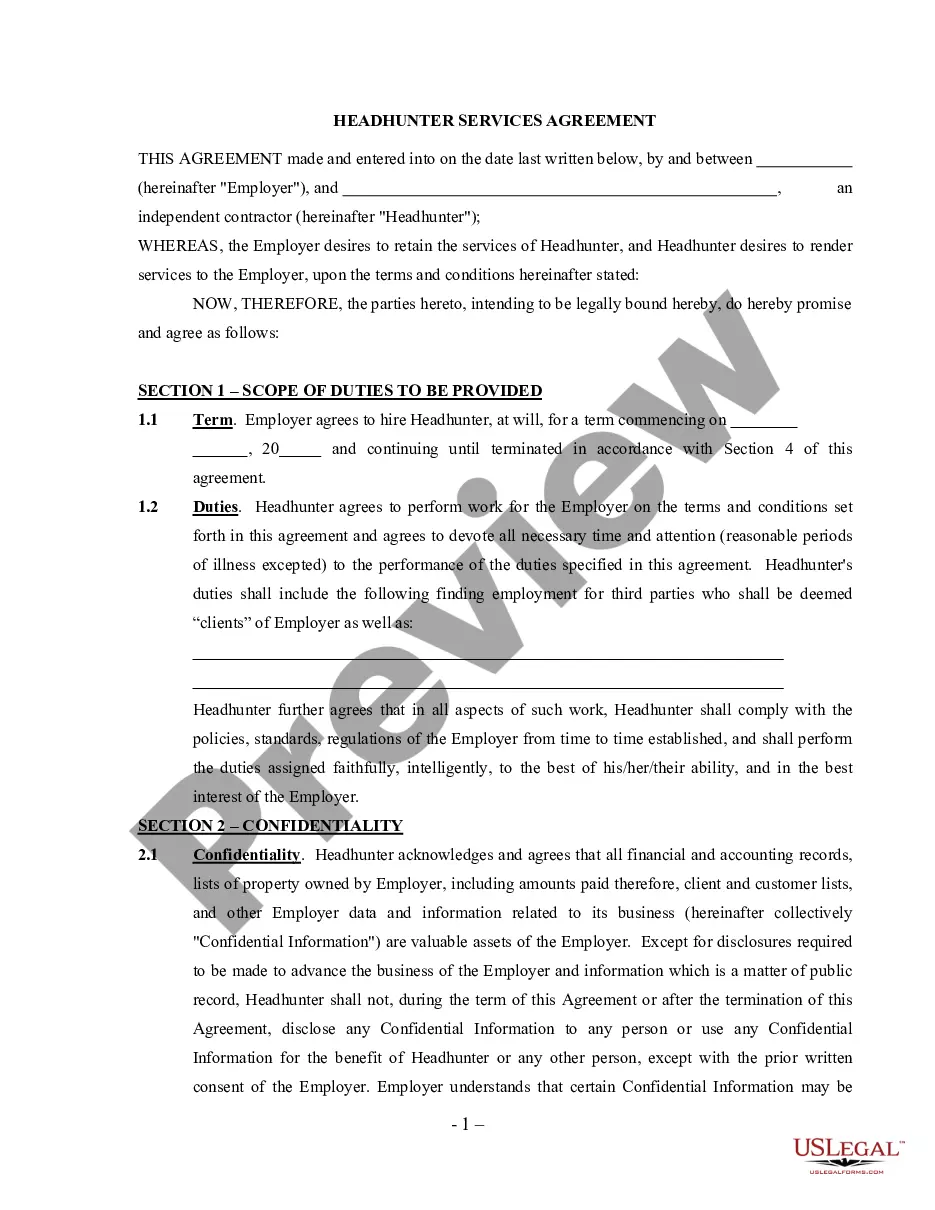
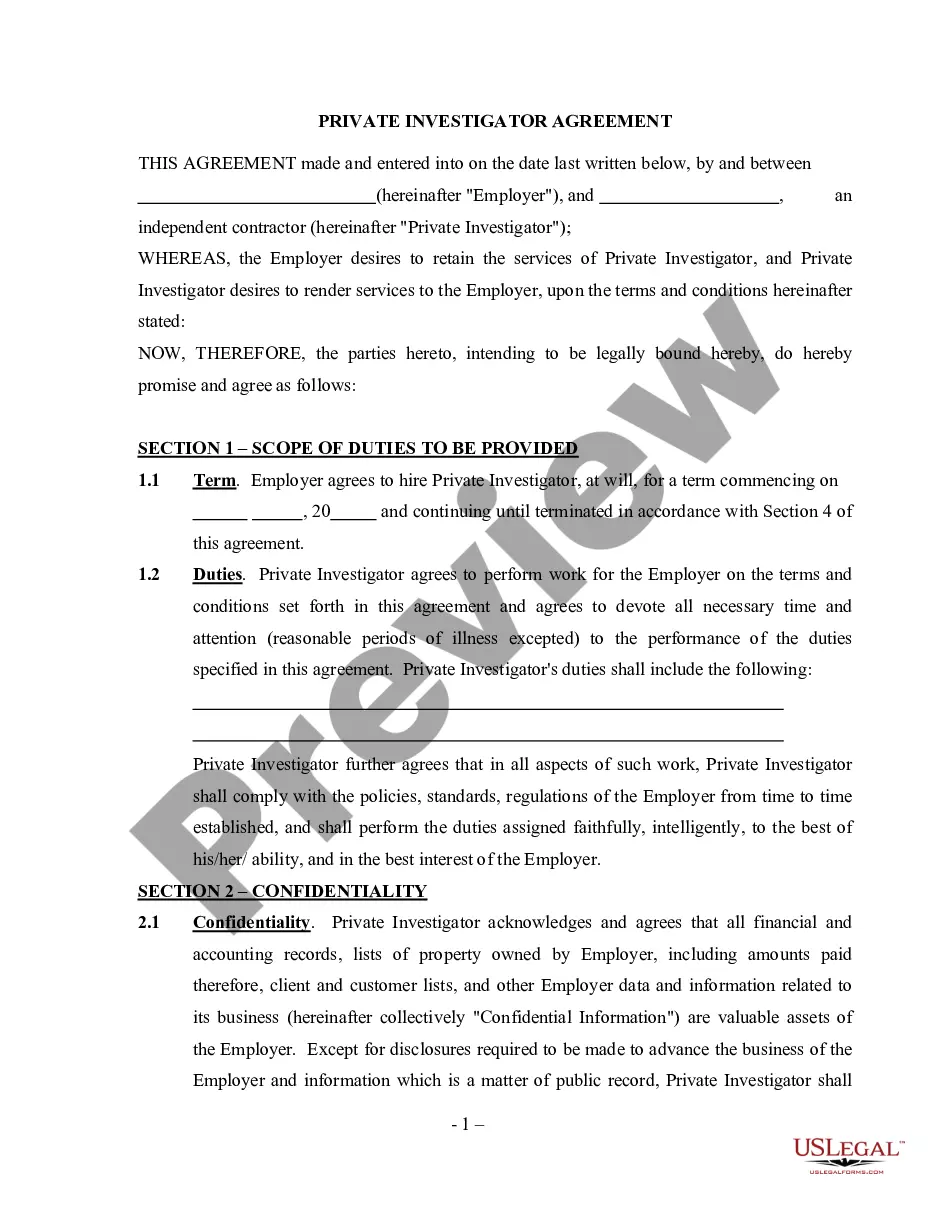
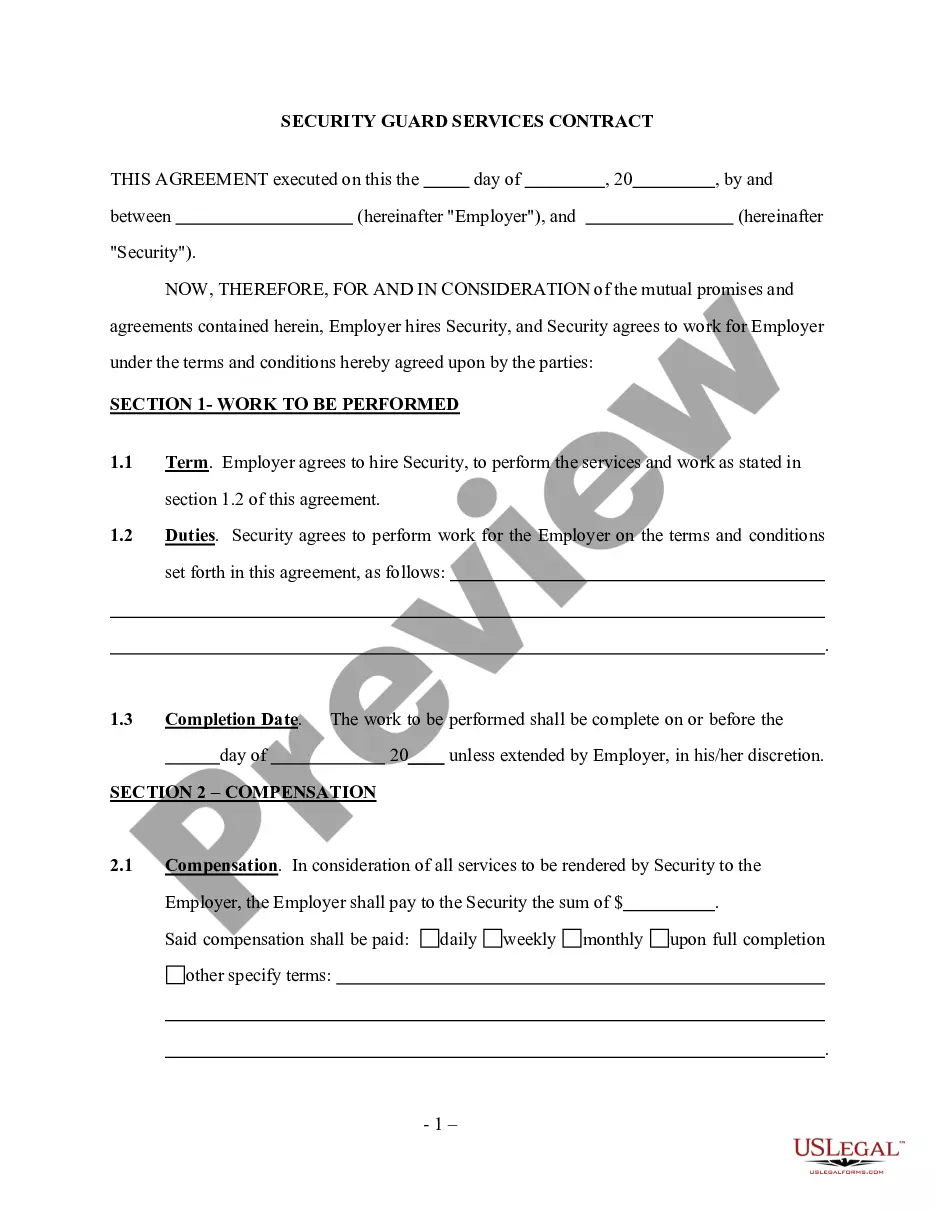
Get your form ready online
Our built-in tools help you complete, sign, share, and store your documents in one place.
Make edits, fill in missing information, and update formatting in US Legal Forms—just like you would in MS Word.
Download a copy, print it, send it by email, or mail it via USPS—whatever works best for your next step.
Sign and collect signatures with our SignNow integration. Send to multiple recipients, set reminders, and more. Go Premium to unlock E-Sign.
If this form requires notarization, complete it online through a secure video call—no need to meet a notary in person or wait for an appointment.
We protect your documents and personal data by following strict security and privacy standards.

Make edits, fill in missing information, and update formatting in US Legal Forms—just like you would in MS Word.

Download a copy, print it, send it by email, or mail it via USPS—whatever works best for your next step.

Sign and collect signatures with our SignNow integration. Send to multiple recipients, set reminders, and more. Go Premium to unlock E-Sign.

If this form requires notarization, complete it online through a secure video call—no need to meet a notary in person or wait for an appointment.

We protect your documents and personal data by following strict security and privacy standards.
Looking for another form?






How to fill out Self-Employed Bounty Hunter Services Contract?
It’s well-known that you cannot transform into a legal expert instantly, nor can you master the art of swiftly drafting Bounty Hunter Agreements With Firms without possessing a specialized skill set.
Formulating legal documents is a lengthy undertaking that necessitates specific education and abilities. So why not entrust the development of the Bounty Hunter Agreements With Firms to the specialists.
With US Legal Forms, one of the most extensive legal template repositories, you can access everything from judicial paperwork to templates for internal communication.
You can regain access to your documents from the My documents tab at any time.
If you’re an existing customer, you can simply Log In, and find and download the template from the same section. Regardless of your forms' purpose—be it financial, legal, or personal—our platform has you covered. Try US Legal Forms now!
- Identify the document you need by utilizing the search feature at the top of the page.
- Preview it (if this option is available) and review the accompanying description to confirm whether Bounty Hunter Agreements With Firms is what you require.
- Initiate your search again if you seek a different template.
- Create a complimentary account and select a subscription option to acquire the template.
- Select Buy now. Once the payment is completed, you can receive the Bounty Hunter Agreements With Firms, fill it out, print it, and deliver or mail it to the necessary individuals or organizations.
Form popularity
FAQ
The amount of force a bounty hunter can use is limited to what is necessary to make an arrest without causing unnecessary harm. They must apply reasonable force, as excessive force could lead to legal repercussions. Companies providing bounty hunter contracts often educate these professionals on legal boundaries. Understanding those contracts helps to ensure compliance with state regulations.
Generally, bounty hunters cannot forcibly enter a property without permission, unless they have a valid warrant or specific legal justification. They must follow local laws regarding entry and arrest procedures to avoid incidents that may lead to legal consequences. Engaging with companies that provide bounty hunter contracts can offer guidelines on proper protocols. Always ensure you know the rules that govern these actions.
Bounty hunters have a unique legal status, allowing them to apprehend individuals who have skipped bail. Their authority is generally granted by the bond agreement they hold with the companies that hire them. However, this authority varies by state, so it’s crucial for bounty hunters to understand local laws. Familiarity with bounty hunter contracts with companies outlines their rights and responsibilities.
A bounty hunter typically earns a percentage of the bond amount, often ranging from 10% to 20%. Therefore, on a million dollar bond, a bounty hunter could make between $100,000 and $200,000. It’s important to note that actual earnings may vary based on the bounty hunter's contract with the company they work for. Understanding bounty hunter contracts with companies can help clarify compensation expectations.
Yes, you typically need a bounty hunter license to operate legally. Each state has different laws regarding licensing, so it’s important to research your specific requirements. Having a license not only legitimizes your business but also builds trust with companies that sign bounty hunter contracts with companies. Consider using legal document services like US Legal Forms to ensure you meet all licensing requirements.
Bounty hunters can apprehend fugitives who have failed to appear for court, based on bounty hunter contracts with companies. They can perform surveillance and conduct arrests, but they must adhere to laws governing their actions. They cannot use excessive force or illegally enter private property without permission. Understanding these limitations can help you navigate situations involving bounty hunters.
You can legally resist a bounty hunter, but the situation can quickly become complicated. If a bounty hunter shows up at your location to capture someone, they are acting under the terms of bounty hunter contracts with companies. Engaging physically with them can lead to arrest or other legal consequences. Instead, the best approach is to remain calm and seek legal advice if you believe the bounty hunter is acting unlawfully.
Bounty hunters have specific powers granted to them under state laws and through bounty hunter contracts with companies. They can pursue fugitives who have skipped bail, but their authority is not limitless. They can enter properties under certain conditions, but typically they cannot enter homes without permission or a warrant. It's essential to understand that their actions are regulated to prevent misuse of power.
Bounty hunters can use reasonable force when apprehending a fugitive, but they must comply with state laws. Excessive force may lead to legal issues, emphasizing the importance of understanding bounty hunter contracts with companies. Knowing the limits of force is crucial for a bounty hunter’s safety and legality.
Yes, bounty hunters work under contracts, typically with bail bond companies. These contracts outline the terms of their work, including payment and responsibilities. It is essential for bounty hunters to understand their agreements thoroughly to foster successful relationships with these companies.