Form Worker
Description
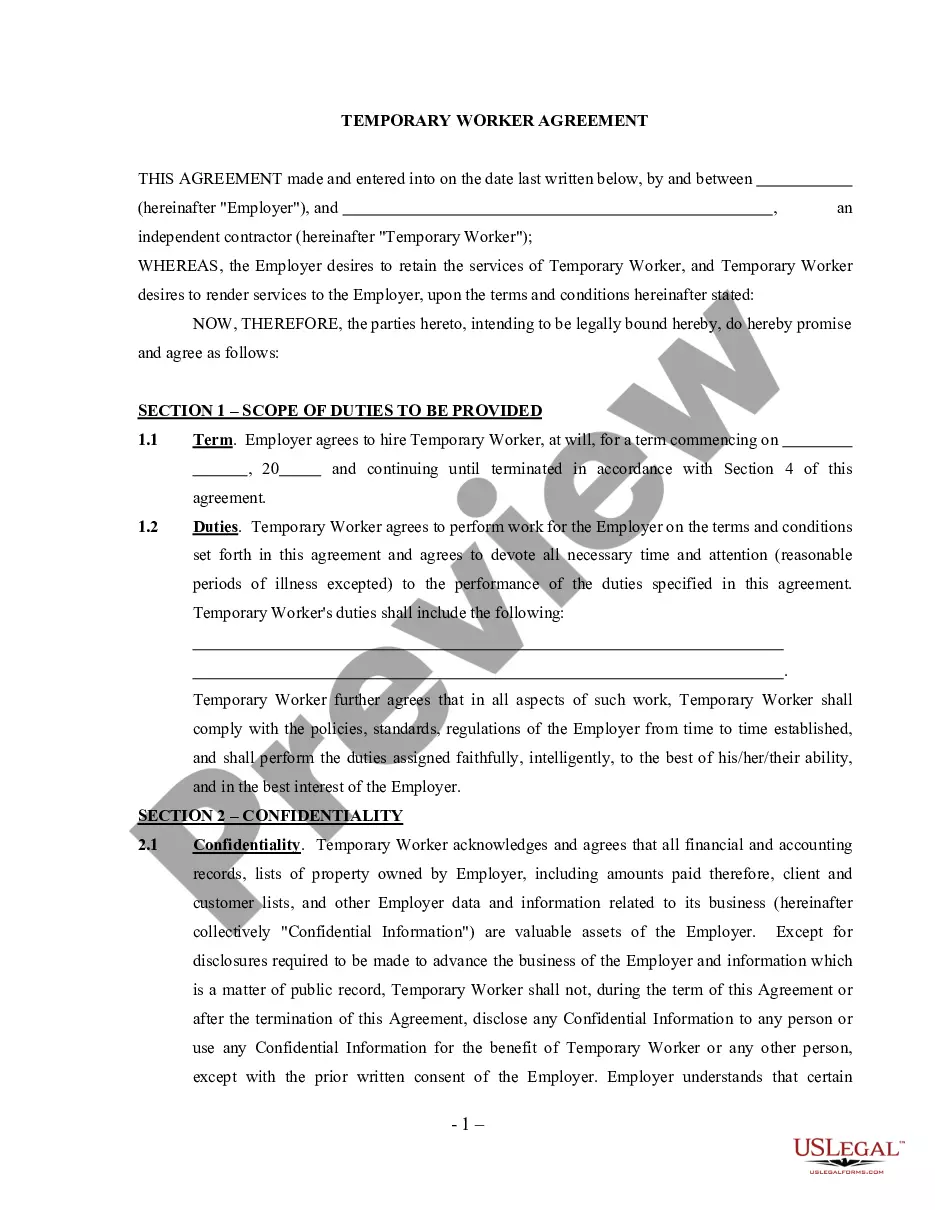
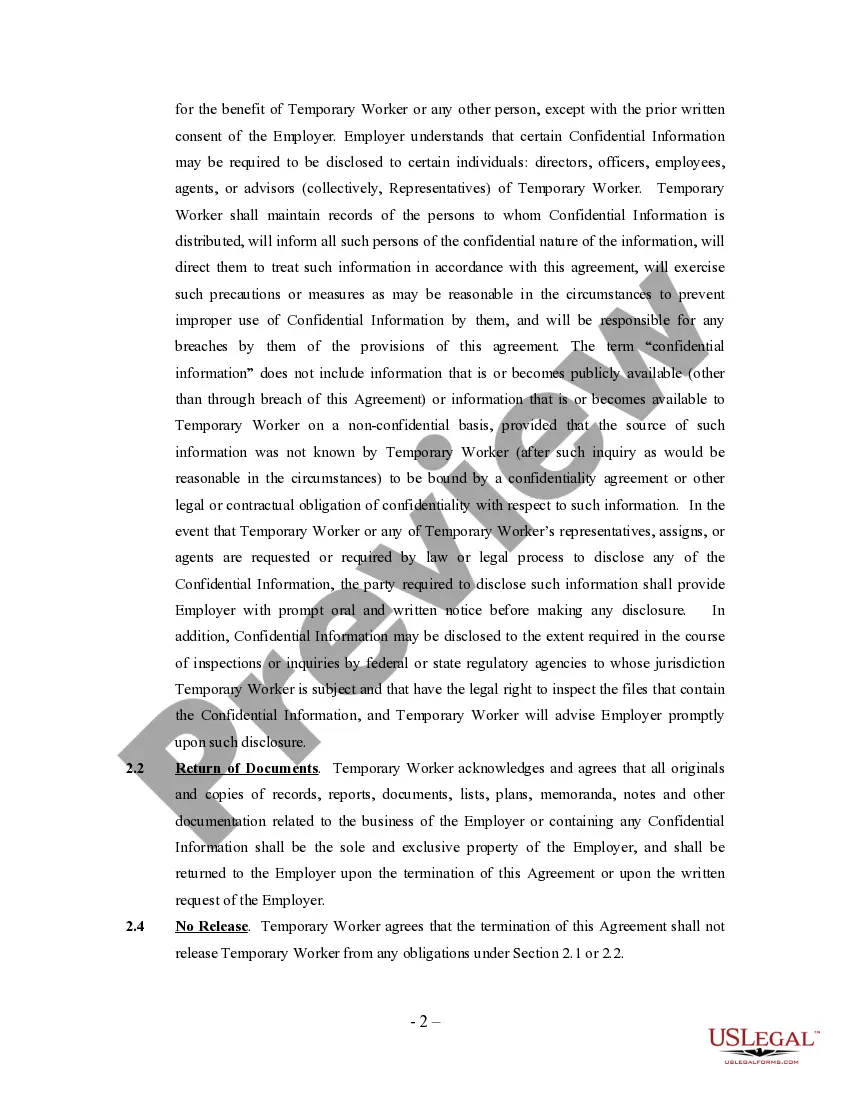
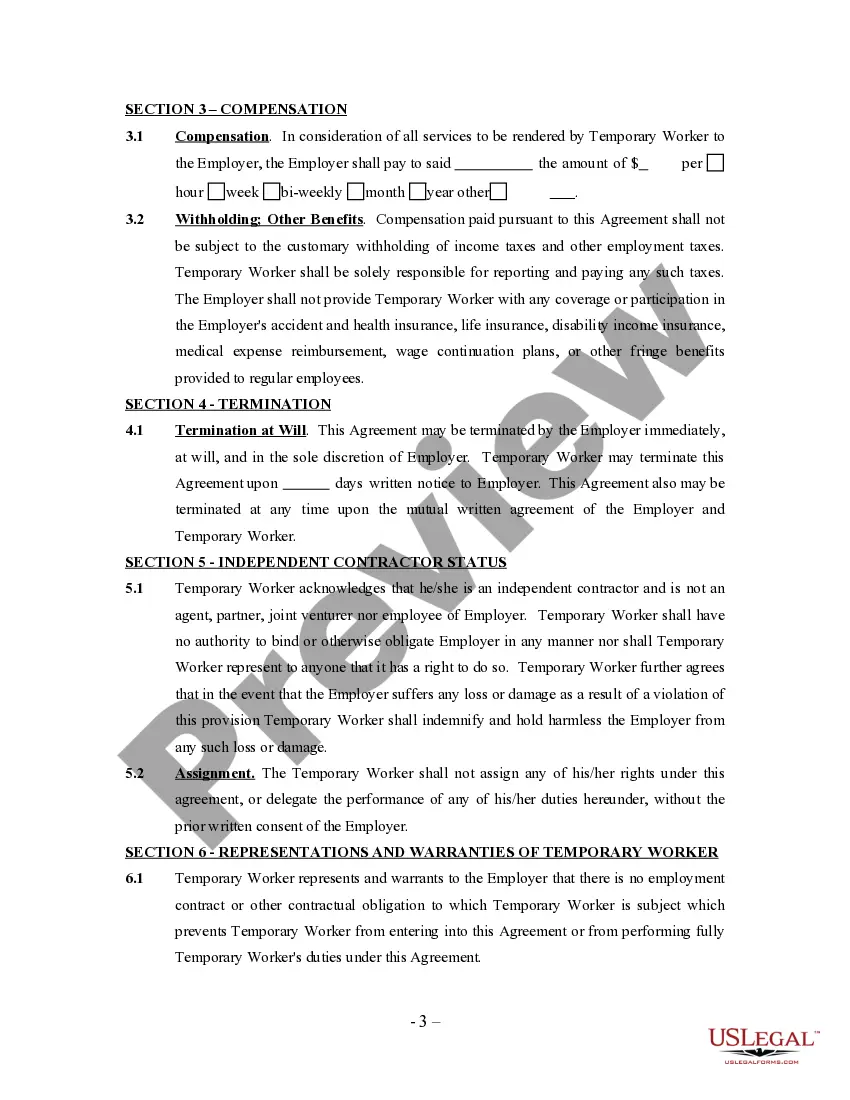
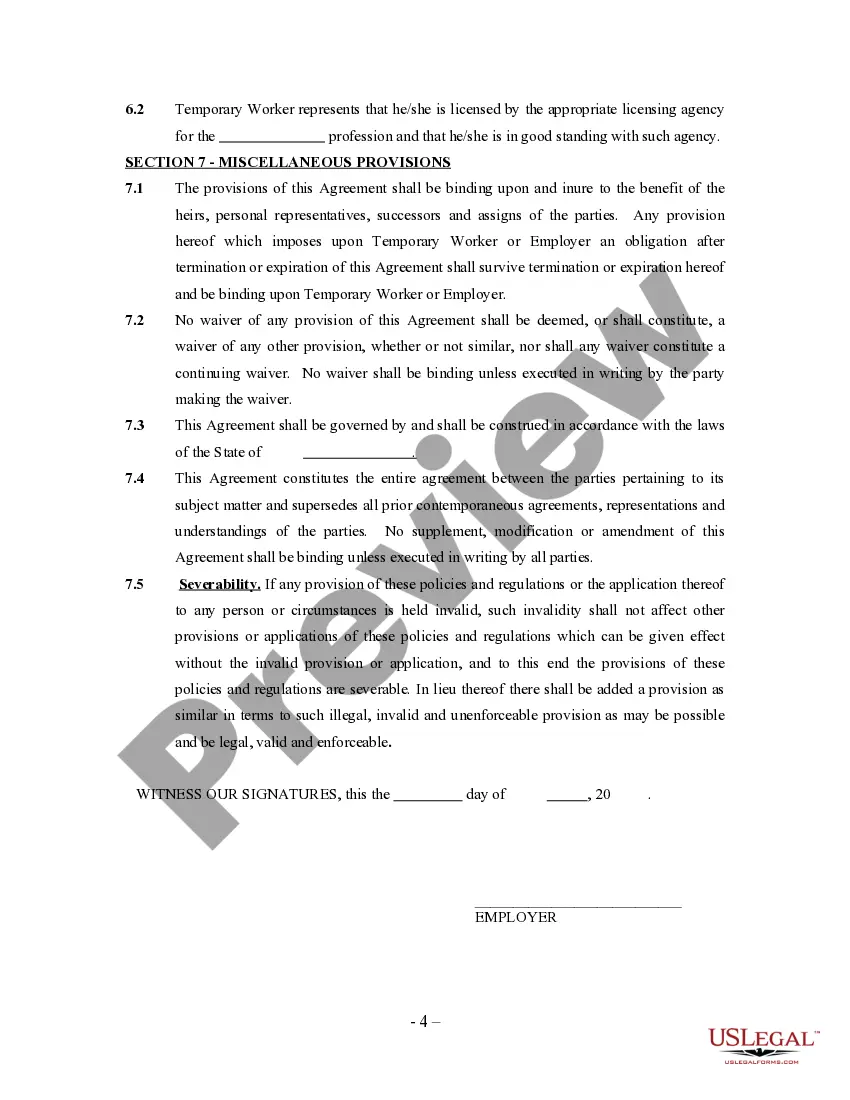
Get your form ready online
Our built-in tools help you complete, sign, share, and store your documents in one place.
Make edits, fill in missing information, and update formatting in US Legal Forms—just like you would in MS Word.
Download a copy, print it, send it by email, or mail it via USPS—whatever works best for your next step.
Sign and collect signatures with our SignNow integration. Send to multiple recipients, set reminders, and more. Go Premium to unlock E-Sign.
If this form requires notarization, complete it online through a secure video call—no need to meet a notary in person or wait for an appointment.
We protect your documents and personal data by following strict security and privacy standards.

Make edits, fill in missing information, and update formatting in US Legal Forms—just like you would in MS Word.

Download a copy, print it, send it by email, or mail it via USPS—whatever works best for your next step.

Sign and collect signatures with our SignNow integration. Send to multiple recipients, set reminders, and more. Go Premium to unlock E-Sign.

If this form requires notarization, complete it online through a secure video call—no need to meet a notary in person or wait for an appointment.

We protect your documents and personal data by following strict security and privacy standards.
Looking for another form?


How to fill out Temporary Worker Agreement - Self-Employed Independent Contractor?
- If you're a returning user, start by logging into your account. Verify that your subscription is active, and download the form template you need by clicking the 'Download' button.
- For first-time users, review the available form templates. Check the Preview mode and details to ensure it aligns with your needs and local jurisdiction.
- If discrepancies arise, utilize the Search tab to find the appropriate form that satisfies your requirements.
- Once you identify the right document, click the 'Buy Now' button. Select a subscription plan that fits your needs and create your account for access.
- Proceed to checkout by entering your payment details or connecting your PayPal account to finalize your purchase.
- Download the form onto your device for easy access. You can view your documents anytime in the My Forms section of your profile.
Using US Legal Forms not only provides you access to a vast collection of over 85,000 fillable templates, but you also have the opportunity to connect with experts for assistance, ensuring that your documents are accurate and legally comprehensive.
Start simplifying your legal paperwork journey today with US Legal Forms! Visit the website to explore the extensive library and find exactly what you need.
Form popularity
FAQ
Formwork refers to the temporary molds or structures used to shape concrete until it hardens. It is essential for creating stable foundations and complex architectural elements. The work of a form worker involves designing, assembling, and ensuring these forms are secure, which is vital for the overall success of any construction project.
Self-employed carpenters can have varying incomes, with annual earnings often falling between $30,000 and $100,000. Factors such as experience, client base, and the type of projects they undertake significantly influence income levels. Being self-employed grants flexibility, allowing form workers to set competitive rates and tailor their services.
Formwork carpenters in the US earn competitive wages, typically ranging from $40,000 to $70,000 per year, depending on experience and location. Urban areas tend to offer higher salaries due to increased demand for skilled labor. The earnings can be further enhanced through overtime and specialized skills in formwork construction.
While formwork and carpentry share similarities, they are not the same. Formwork specifically involves creating temporary structures to hold concrete in place during setting, whereas carpentry encompasses a broader range of tasks, including building furniture and framing. Nonetheless, many skills overlap, and form workers often have strong carpentry backgrounds.
A form worker is a skilled professional responsible for creating and installing the molds or forms used in concrete construction. These molds shape the concrete as it sets, ensuring the final structure meets design specifications. Form workers play a crucial role in construction projects, contributing their expertise to create foundational elements.
Working as a form worker can be physically demanding, as it often involves lifting heavy materials and working in various weather conditions. However, many form workers find the job rewarding, especially when they see the structures they help create. With the right preparation and safety measures, the work can be manageable and fulfilling.
To fill out an employment verification form, gather all necessary information, including dates of employment, job title, and salary history. Ensure that you provide accurate details to support the verification process. Using a platform like uslegalforms can simplify this task by offering tailored templates that meet legal requirements.
Filling out an employee assessment form requires careful consideration of the employee's role and contributions. List down the key responsibilities and rate the performance based on defined criteria. Providing constructive feedback will benefit both the employee and organization, reinforcing their roles as effective form workers.
To complete an employee evaluation form, review the performance criteria established by the employer. Provide honest feedback based on direct observations, and include examples that illustrate the employee's performance. This clarity helps in recognizing contributions and guides the employee in their development as a form worker.
Writing an employee assessment starts with gathering data on performance metrics and feedback from peers. Base your comments on specific examples and outcomes, which provides a clear view of the employee's contributions. A well-rounded assessment reflects the employee's role and potential as a form worker within the team.