Uslegal Disabled Printable With 0
Description
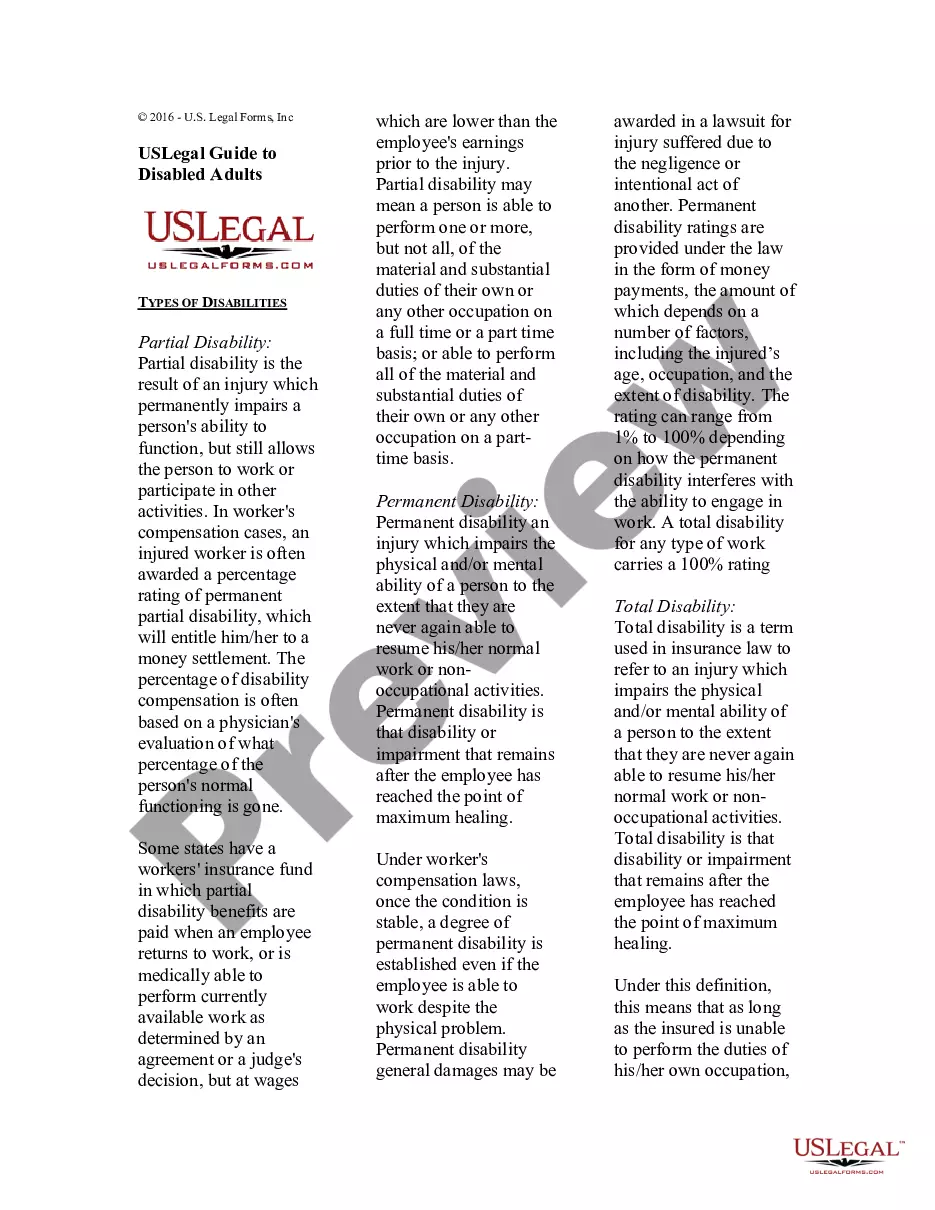
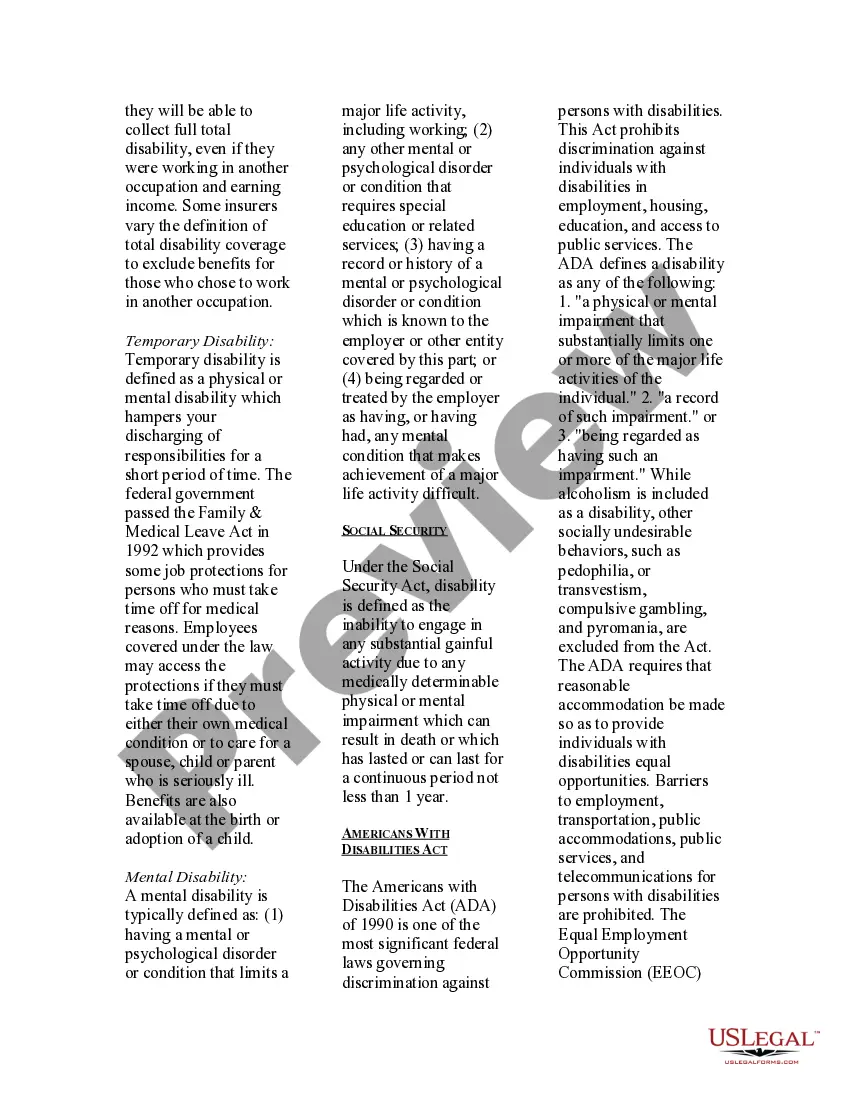
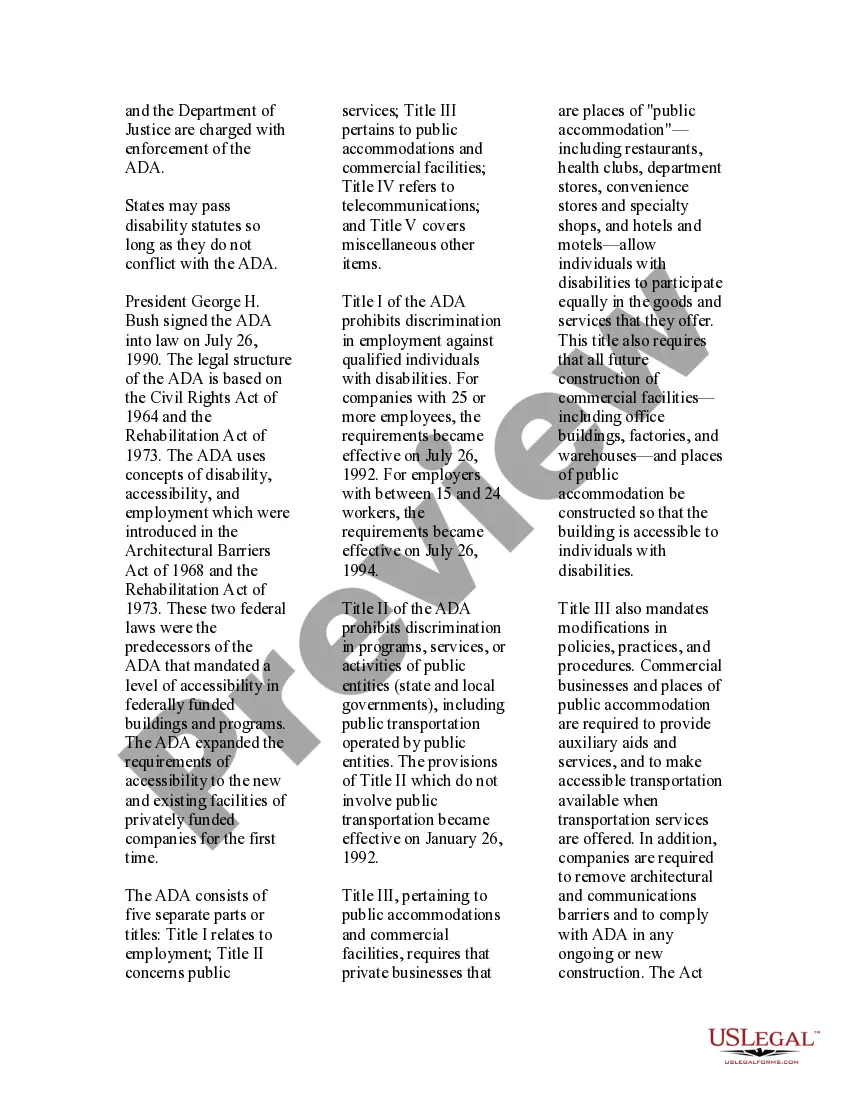
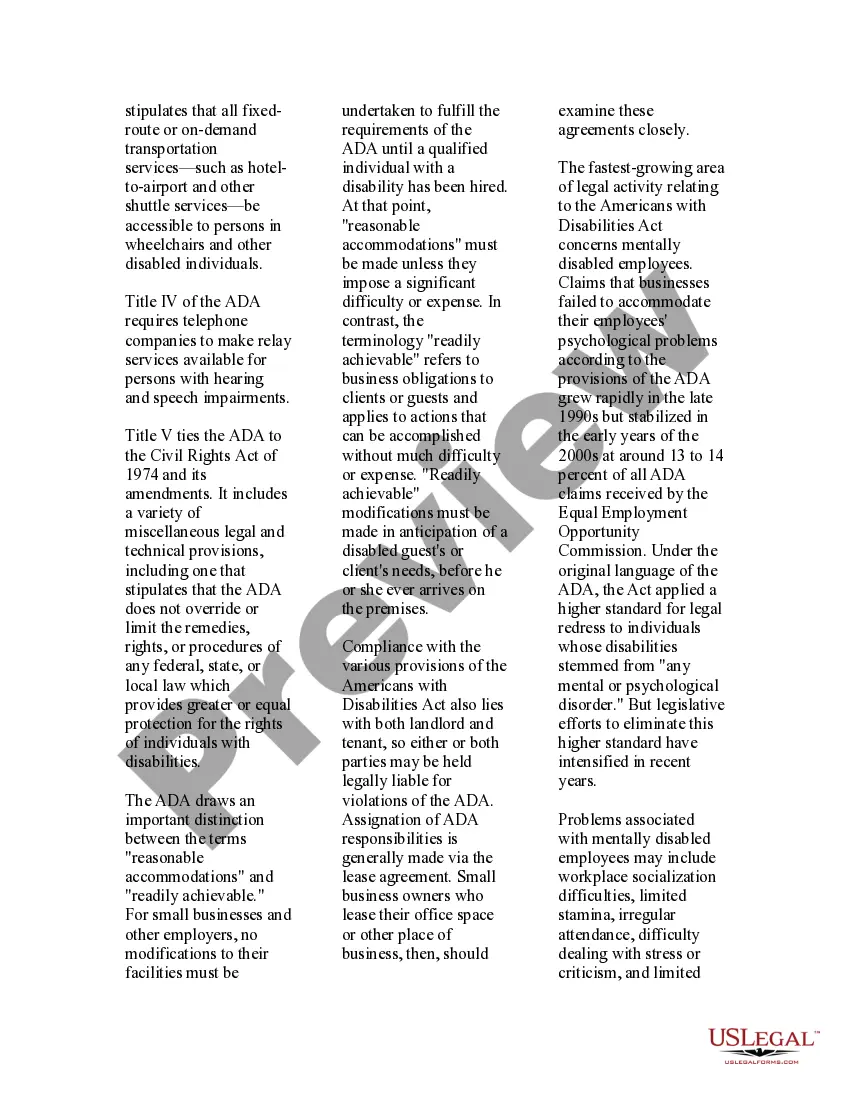


Get your form ready online
Our built-in tools help you complete, sign, share, and store your documents in one place.
Make edits, fill in missing information, and update formatting in US Legal Forms—just like you would in MS Word.
Download a copy, print it, send it by email, or mail it via USPS—whatever works best for your next step.
Sign and collect signatures with our SignNow integration. Send to multiple recipients, set reminders, and more. Go Premium to unlock E-Sign.
If this form requires notarization, complete it online through a secure video call—no need to meet a notary in person or wait for an appointment.
We protect your documents and personal data by following strict security and privacy standards.

Make edits, fill in missing information, and update formatting in US Legal Forms—just like you would in MS Word.

Download a copy, print it, send it by email, or mail it via USPS—whatever works best for your next step.

Sign and collect signatures with our SignNow integration. Send to multiple recipients, set reminders, and more. Go Premium to unlock E-Sign.

If this form requires notarization, complete it online through a secure video call—no need to meet a notary in person or wait for an appointment.

We protect your documents and personal data by following strict security and privacy standards.
Looking for another form?







How to fill out USLegal Guide To Disabled Adults?
- If you're already a member, log in and confirm your subscription is active. Download your desired form by hitting the Download button.
- For first-time users, start by previewing the form and its details to ensure it meets your local jurisdiction requirements.
- If the form doesn't align with your needs, use the Search tab to find an alternative that better suits your situation.
- Once you find the right document, click on 'Buy Now' to select your preferred subscription plan and create an account for access.
- Complete your purchase by entering your payment information via credit card or PayPal.
- Download your selected form and save it to your device. You can access it anytime in the My Forms section of your profile.
In conclusion, with US Legal Forms, you can easily navigate through legal documents with confidence. The extensive library and accessible expert assistance ensure that you're not alone in this process.
Start your journey to effortless legal documentation today!
Form popularity
FAQ
To make your website ADA compliant, begin by following established web accessibility guidelines such as WCAG. Regularly update content for accessibility, test for usability, and dedicate resources to maintain compliance. Employing Uslegal forms can simplify the process of creating compliant and user-friendly resources.
Conditions that are commonly recognized as disabilities include diabetes, epilepsy, mobility impairments, and mental health disorders. These conditions can vary significantly and impact each individual differently. Programs and resources like Uslegal can help you develop inclusive documentation addressing these needs.
Legally disabled status typically includes individuals with mental health issues, physical impairments, and learning disabilities that affect daily functions. Recognition of this status is vital for fostering inclusivity. When designing digital content, consider platforms like Uslegal to address legal requirements effectively.
A disability-friendly website features clear navigation, appropriate text size, alternative texts for images, and well-structured layouts. It should also provide easy access to information without barriers. Leveraging solutions like Uslegal ensures you create forms that align with these accessibility standards.
If your website is not ADA compliant, you may face legal consequences and alienate users with disabilities. It's advisable to conduct an accessibility audit and implement the necessary changes. Using resources like Uslegal can help guide you in creating compliant and accessible content.
Making a website accessible involves several strategies, including simplifying your site structure and including keyboard navigation options. Ensure all multimedia elements have captions or transcripts. With Uslegal, you can easily create user-friendly, accessible documents designed with these principles in mind.
Individuals may qualify as legally disabled if they experience substantial limitations in performing everyday tasks compared to most people. Factors like medical history, functional limitations, and ongoing health challenges play a crucial role. It's essential for businesses to recognize these definitions to ensure compliant practices.
A legal disability often pertains to an individual who has a physical or mental impairment that significantly restricts one or more major life activities. This can include individuals with chronic health conditions, mobility issues, and cognitive impairments. Understanding these definitions is crucial, especially when crafting accessible documents with Uslegal.
For users with sight disabilities, use high-contrast colors, and ensure that your site is compatible with screen readers. Provide text alternatives for visual content and use clear, descriptive links. Platforms like Uslegal provide disability-friendly forms that assist in creating visually accessible content.
Ensure your website complies with the Web Content Accessibility Guidelines (WCAG). Regular testing with real users, especially those with disabilities, is vital. Tools and services, such as Uslegal, offer forms and checklists that can help confirm accessibility standards are met.