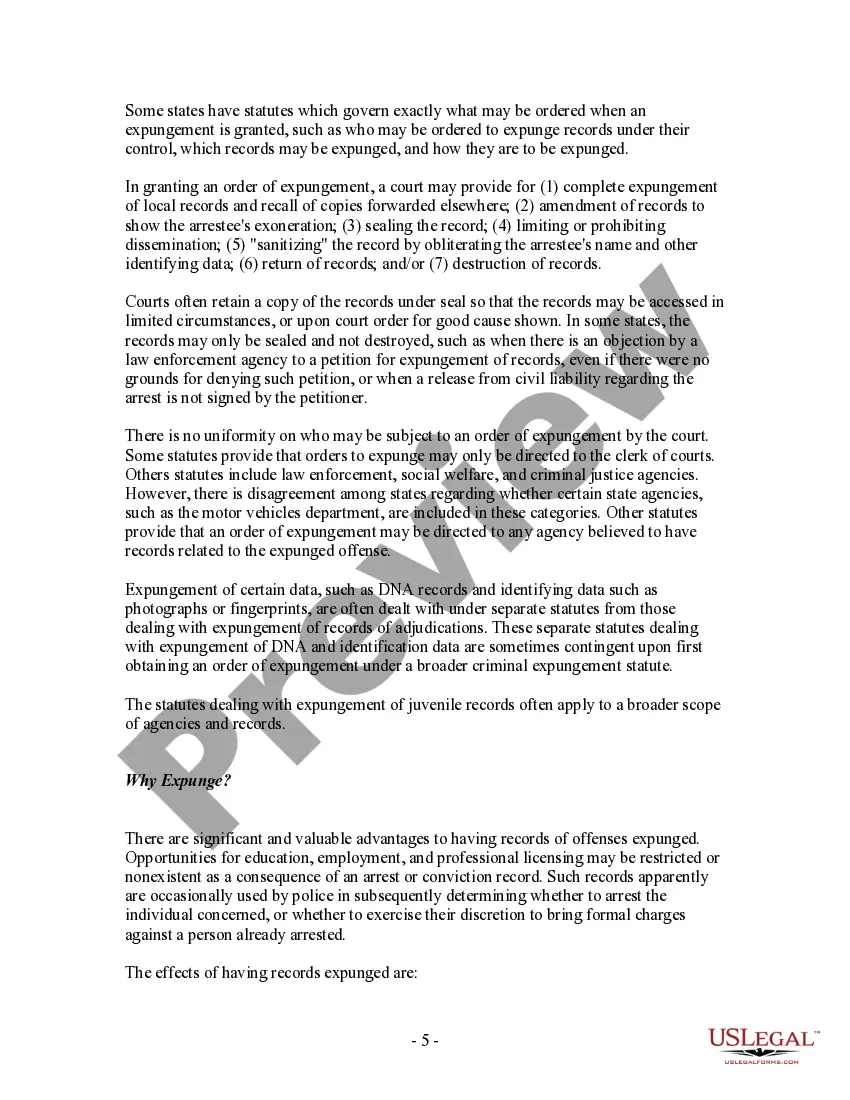
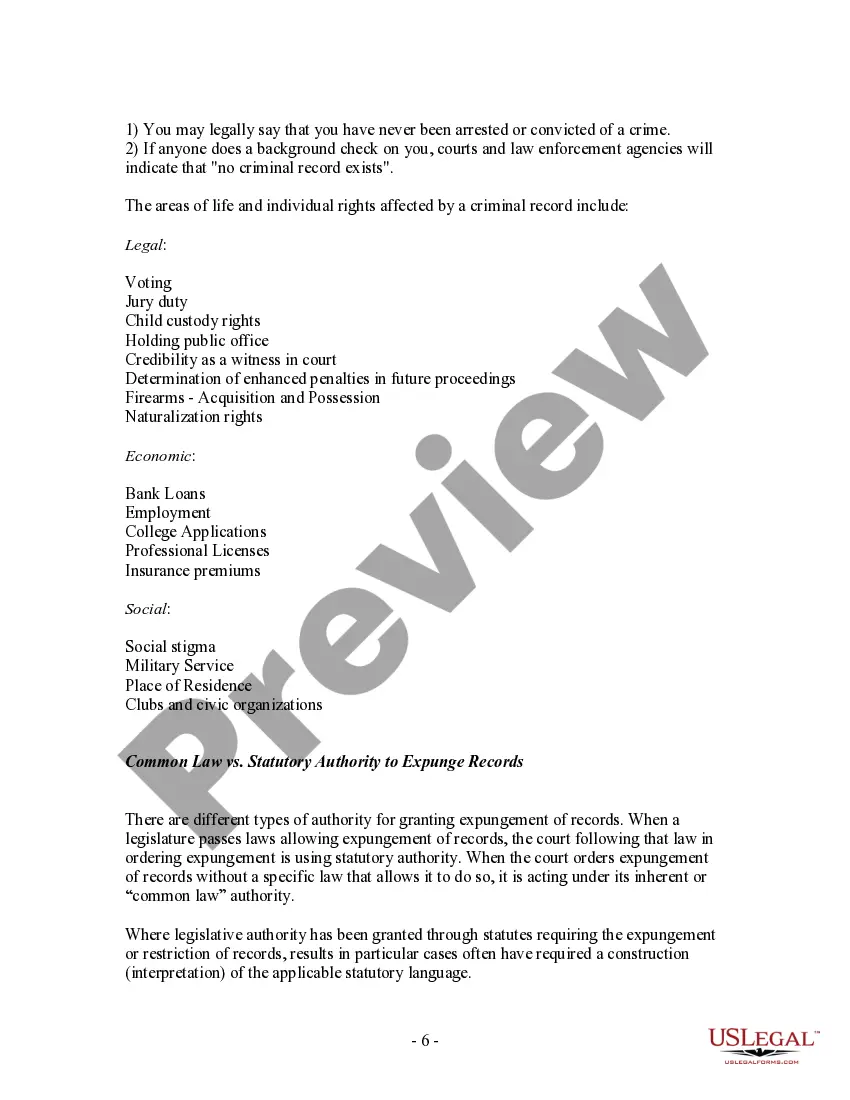
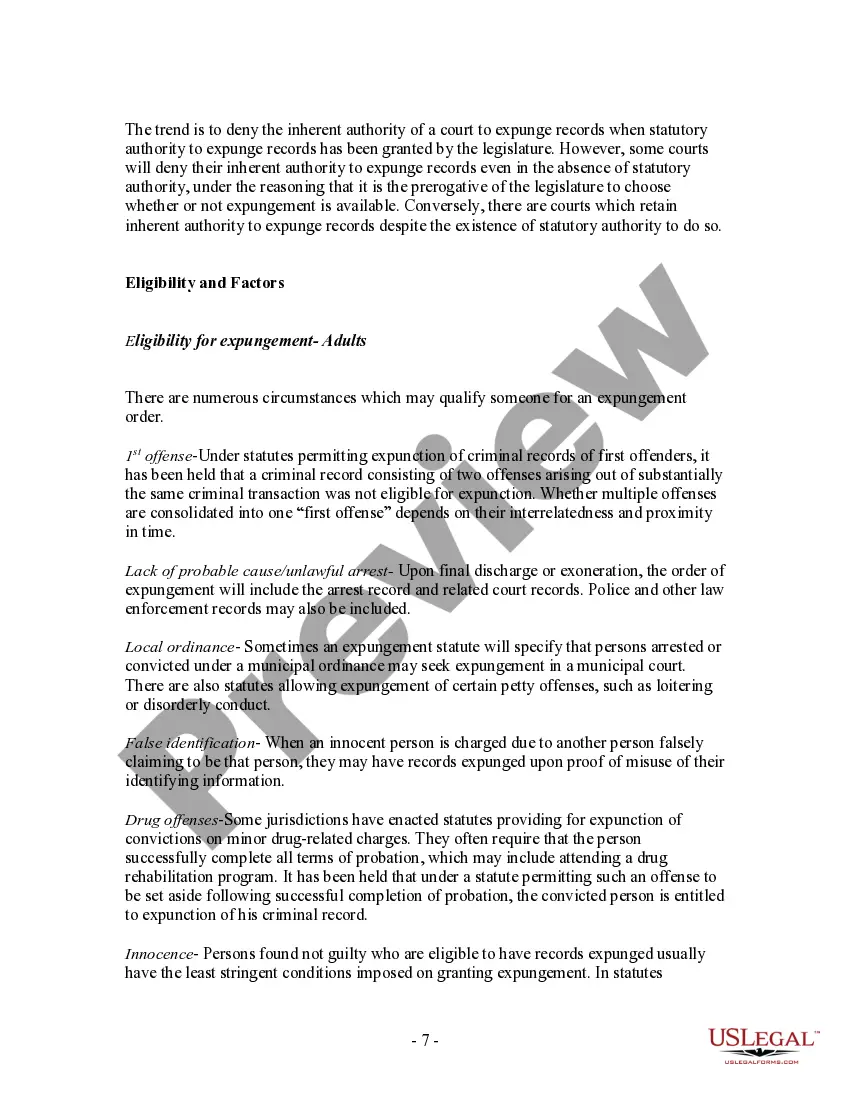
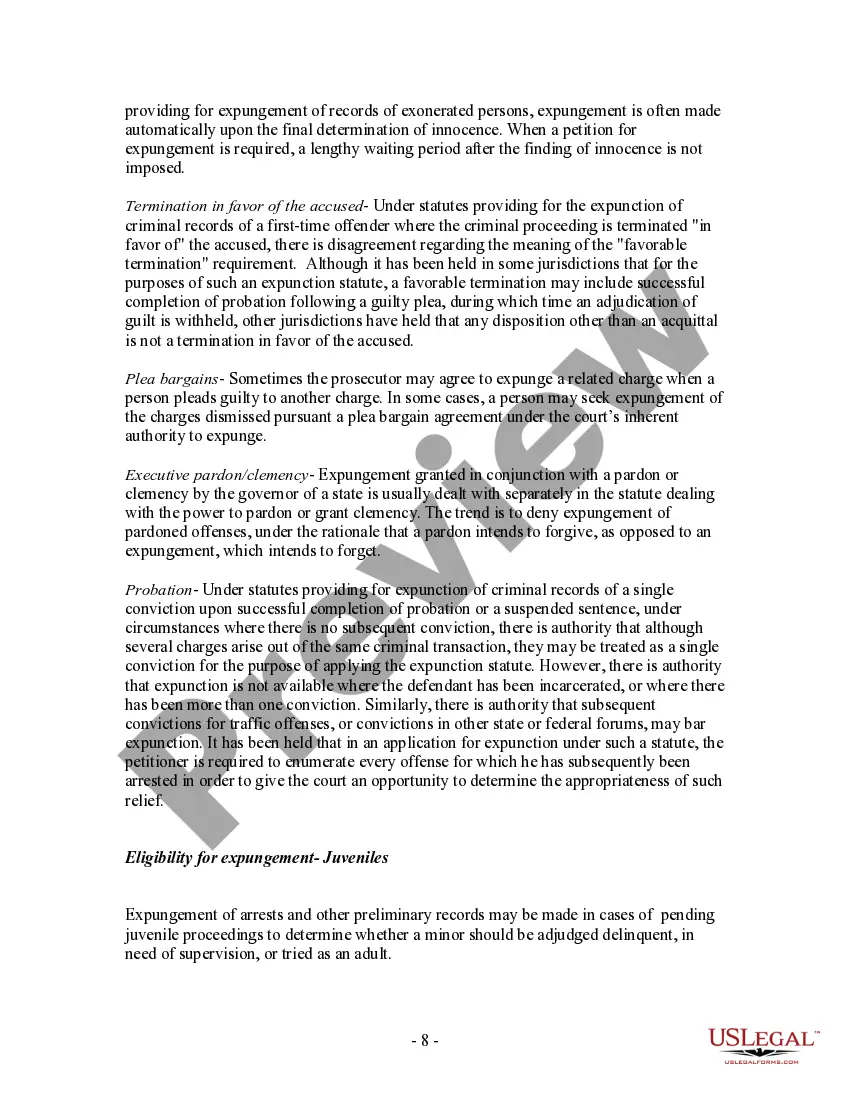
Expungement Law In Virginia
Description
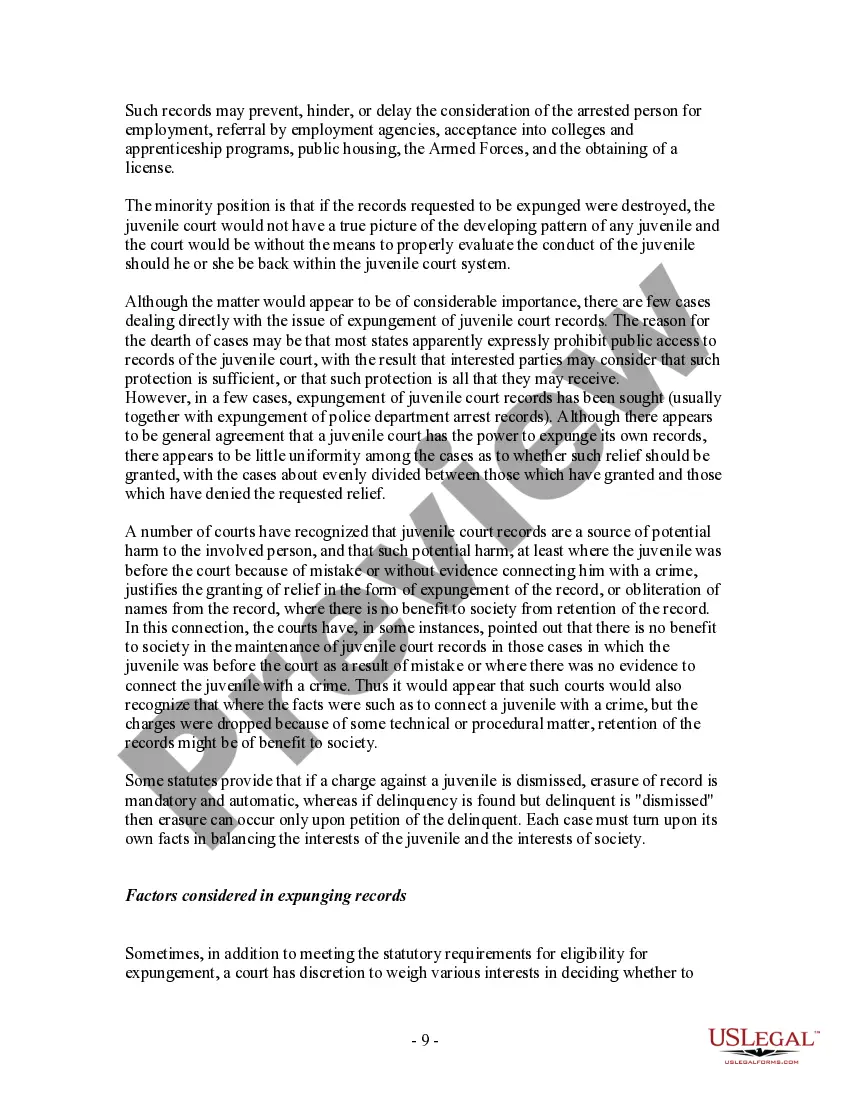
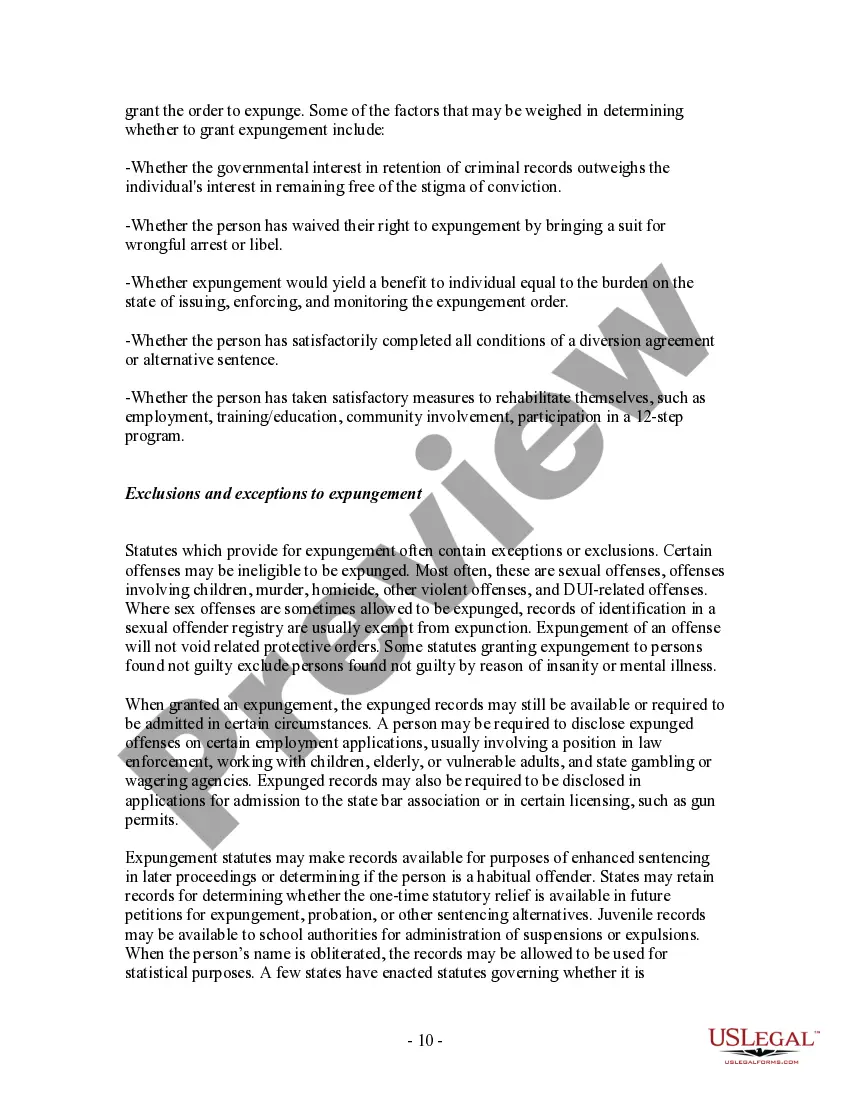

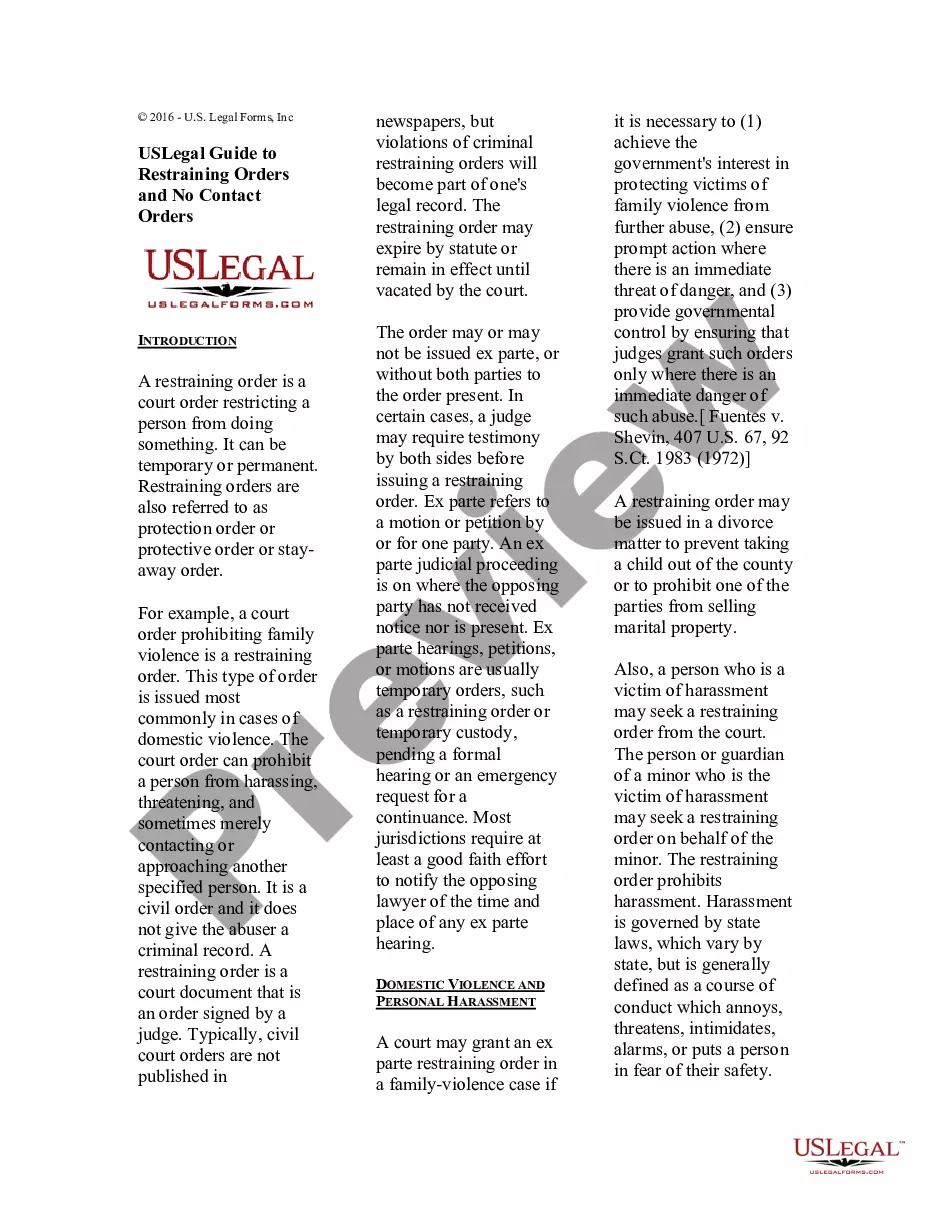
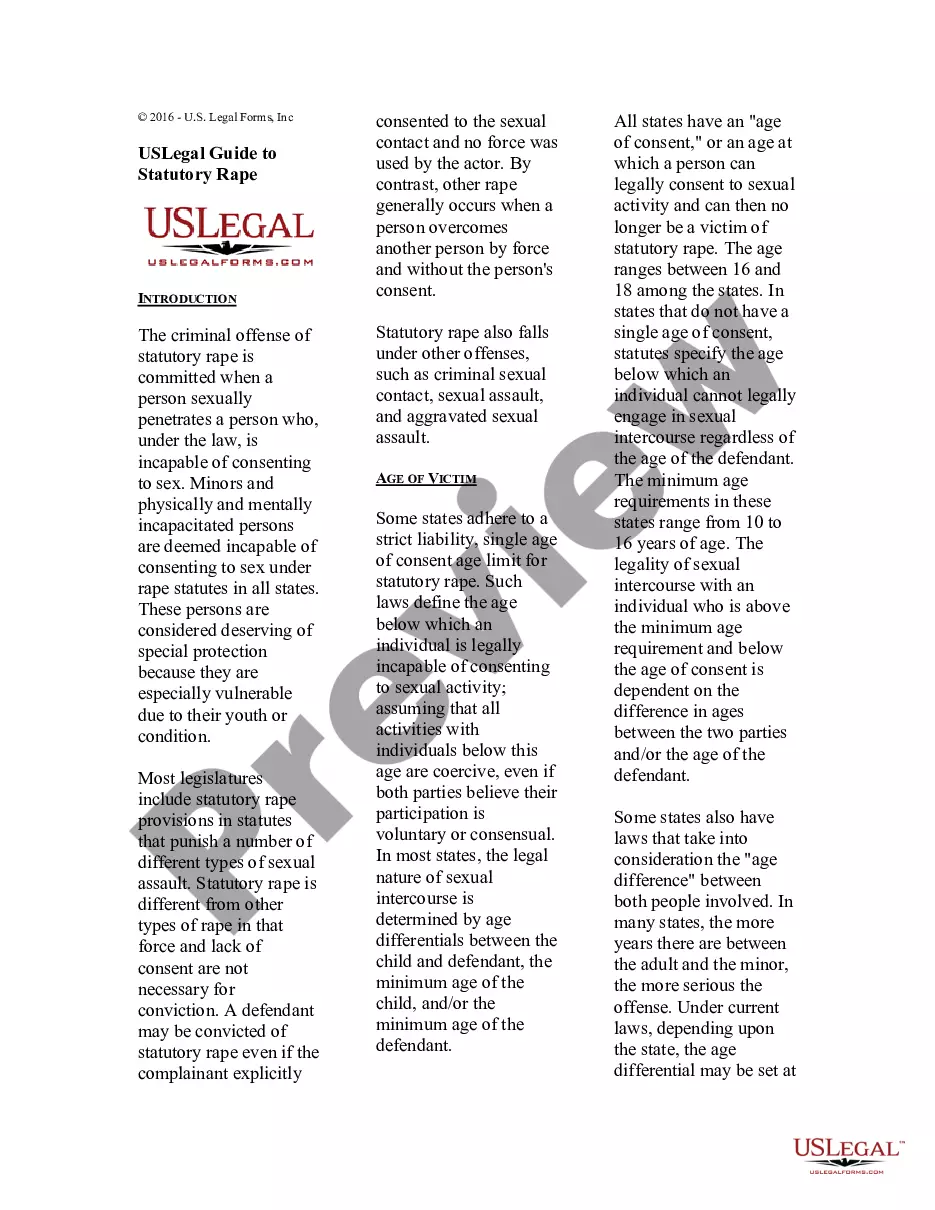
Get your form ready online
Our built-in tools help you complete, sign, share, and store your documents in one place.
Make edits, fill in missing information, and update formatting in US Legal Forms—just like you would in MS Word.
Download a copy, print it, send it by email, or mail it via USPS—whatever works best for your next step.
Sign and collect signatures with our SignNow integration. Send to multiple recipients, set reminders, and more. Go Premium to unlock E-Sign.
If this form requires notarization, complete it online through a secure video call—no need to meet a notary in person or wait for an appointment.
We protect your documents and personal data by following strict security and privacy standards.

Make edits, fill in missing information, and update formatting in US Legal Forms—just like you would in MS Word.

Download a copy, print it, send it by email, or mail it via USPS—whatever works best for your next step.

Sign and collect signatures with our SignNow integration. Send to multiple recipients, set reminders, and more. Go Premium to unlock E-Sign.

If this form requires notarization, complete it online through a secure video call—no need to meet a notary in person or wait for an appointment.

We protect your documents and personal data by following strict security and privacy standards.
Looking for another form?









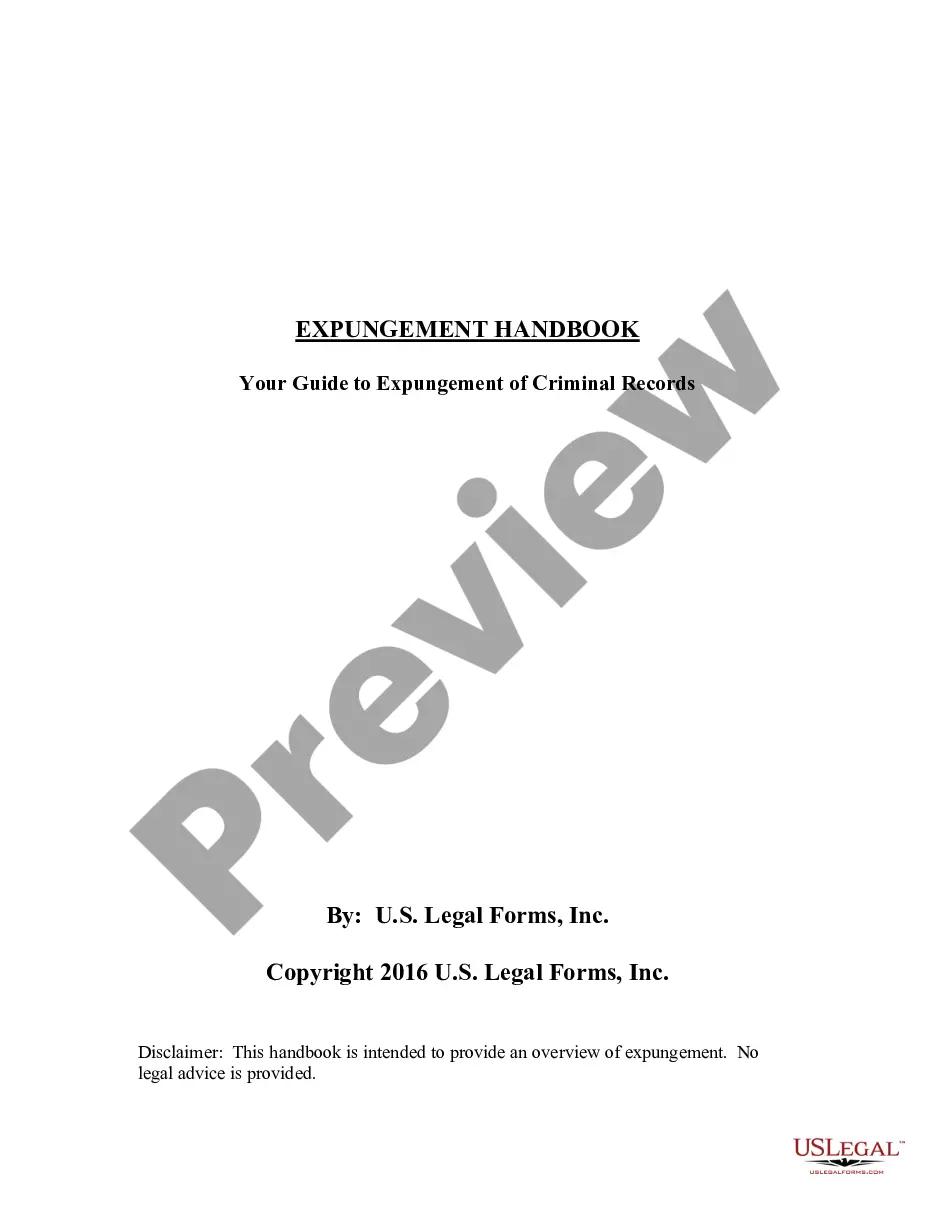
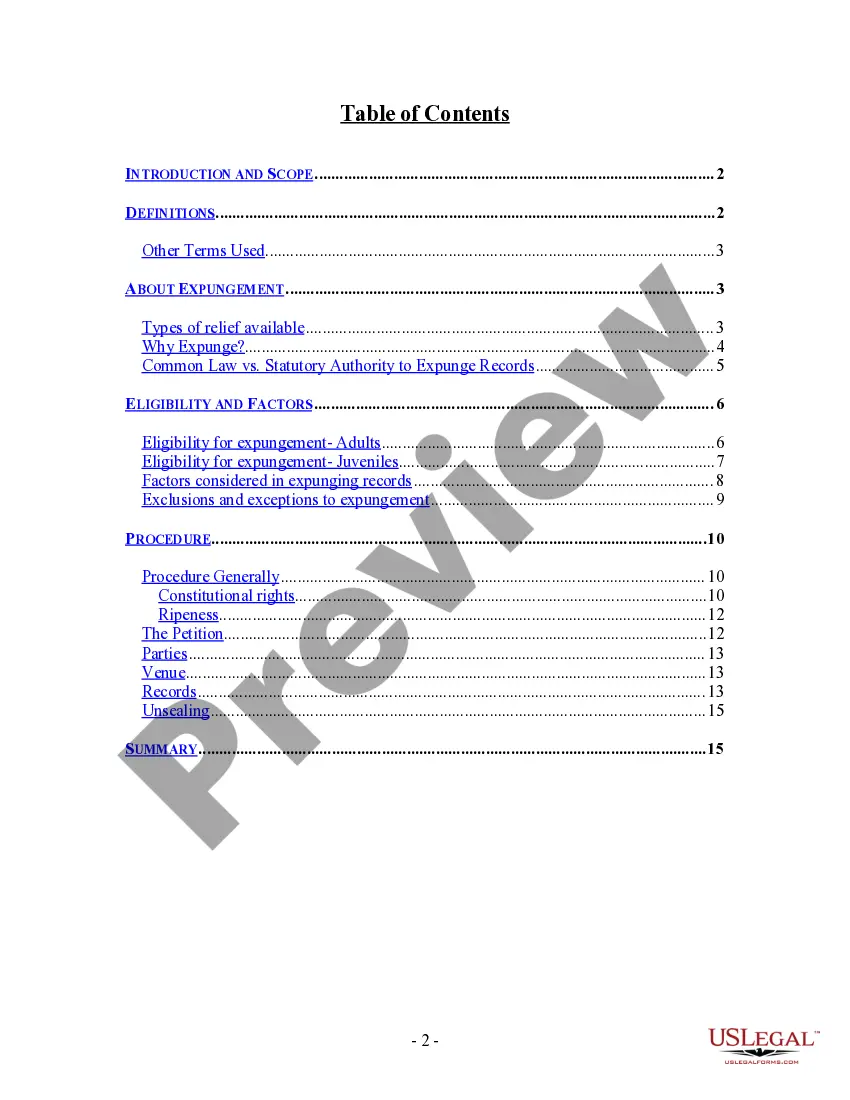
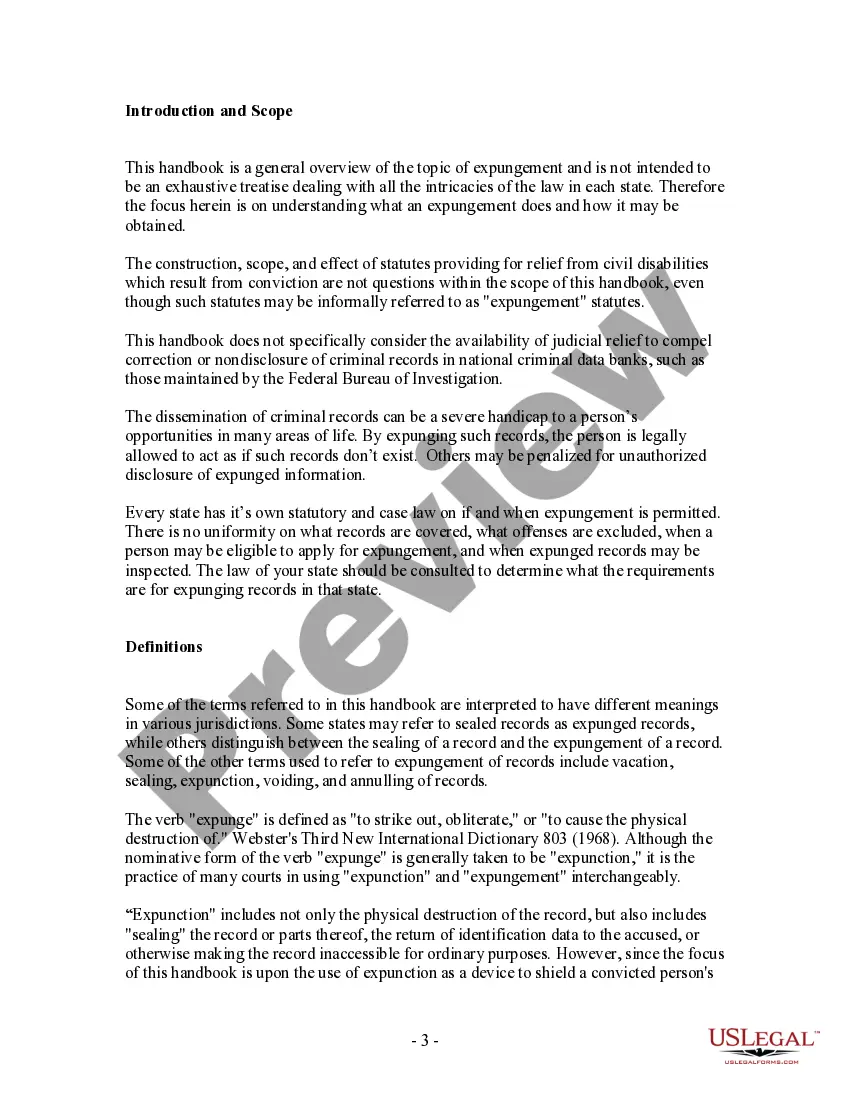
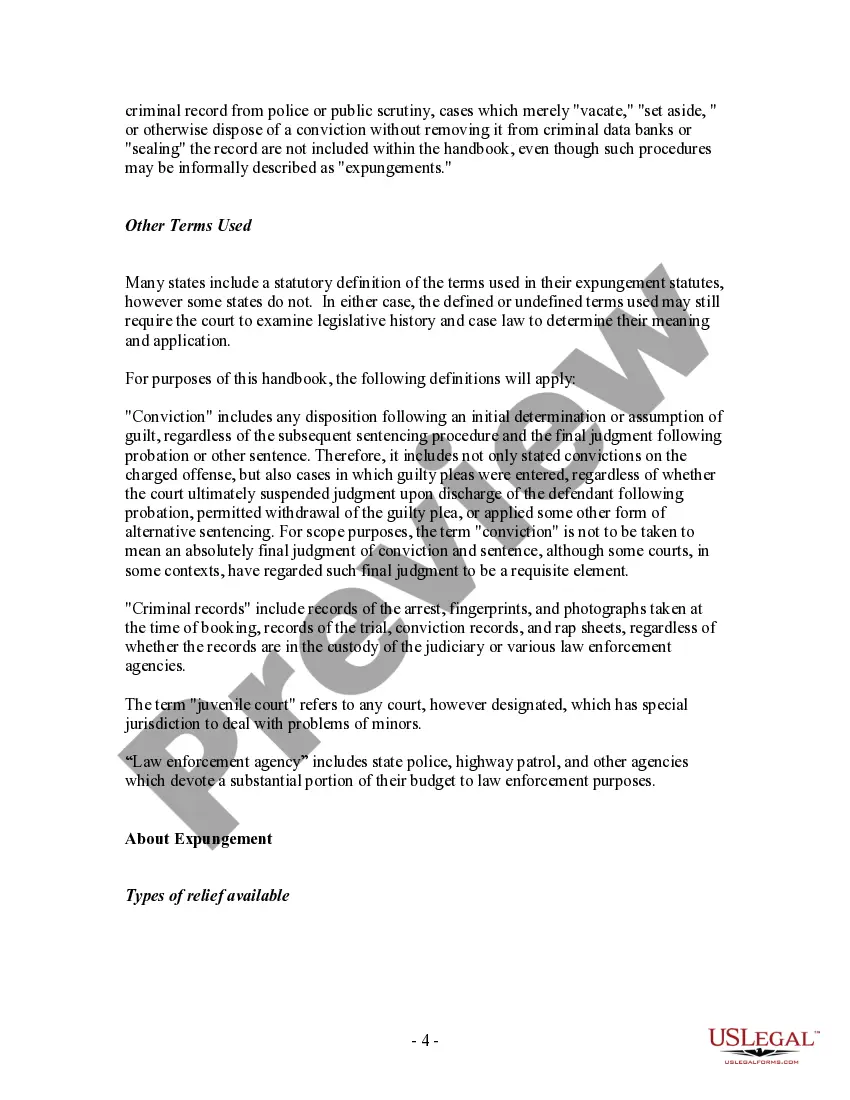
How to fill out Expungement Handbook - Procedures And Law?
Whether for corporate undertakings or personal concerns, everyone must confront legal issues at some point in their lives.
Filling out legal documents requires meticulous care, beginning with choosing the correct form example.
With an extensive US Legal Forms catalog available, you aren't required to waste time seeking the right template online. Take advantage of the library’s straightforward navigation to find the appropriate form for any occasion.
- Identify the template you require by using the search function or browsing the catalog.
- Review the form’s details to confirm it is suitable for your situation, state, and locality.
- Click on the form’s preview to view it.
- If it is the incorrect document, return to the search tool to find the Expungement Law In Virginia template you need.
- Download the template if it satisfies your requirements.
- If you possess a US Legal Forms account, simply click Log in to access previously saved templates in My documents.
- If you do not have an account yet, you can acquire the form by clicking Buy now.
- Choose the suitable pricing option.
- Complete the profile registration form.
- Choose your payment method: utilize a credit card or PayPal account.
- Select the desired file format and download the Expungement Law In Virginia.
- Once it is saved, you can complete the form using editing software or print it and fill it out manually.
Form popularity
FAQ
FDCPA Violation #1: An Attempt To Collect Debts You Don't Owe. FDCPA Violation #2: Insufficient Information on Written Notification About Debt. FDCPA Violation #3: Threats To Take Legal Action or Other Negative Actions (That Aren't Allowed by Law)
Harassment of the debtor by the creditor ? More than 40 percent of all reported FDCPA violations involved incessant phone calls in an attempt to harass the debtor.
The FDCPA prohibits debt collection companies from using abusive, unfair, or deceptive practices to collect debts from you.
Debt collectors cannot harass or abuse you. They cannot swear, threaten to illegally harm you or your property, threaten you with illegal actions, or falsely threaten you with actions they do not intend to take.
Under this Act (Title VIII of the Consumer Credit Protection Act), third-party debt collectors are prohibited from using deceptive or abusive conduct in the collection of consumer debts incurred for personal, family, or household purposes.
If you feel that your rights under the Fair Debt Collections Practices Act (FDCPA) have been violated, you have the right to sue the debt collection agency. You must file within one year from the date that your rights were violated. Keep records of all contact that you have with a debt collection agency.
If you are struggling with debt and debt collectors, Farmer & Morris Law, PLLC can help. As soon as you use the 11-word phrase ?please cease and desist all calls and contact with me immediately? to stop the harassment, call us for a free consultation about what you can do to resolve your debt problems for good.
Effective January 1, the small loan act applies to loans under $10,000 and not just $5,000 and certain other restrictions on scope are loosened. The anti-evasion provisions are also expanded. § 58-15-3(D). As of January 1, 2023, a fee of 5% of the principal may be charged for a loan of $500 or less.