Transfer Between Corporation For Public Broadcasting
Description
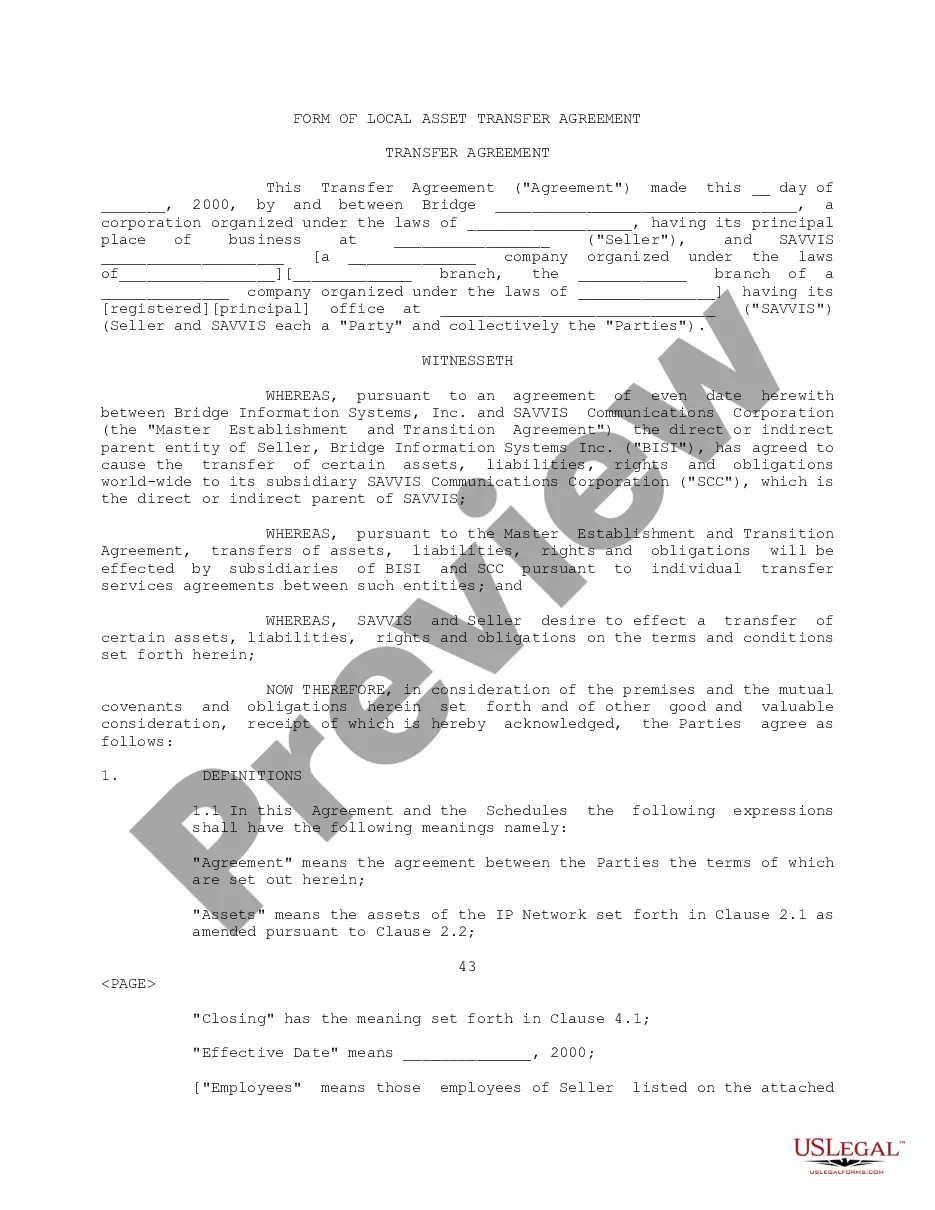
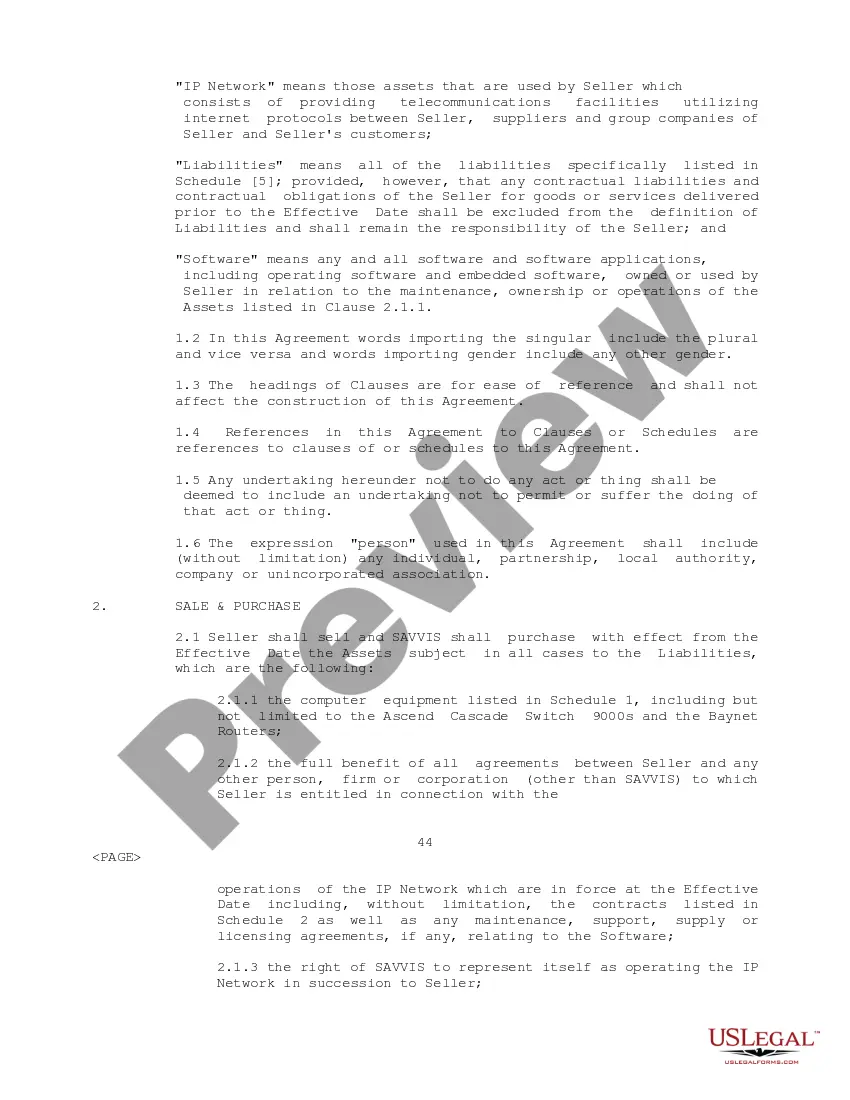
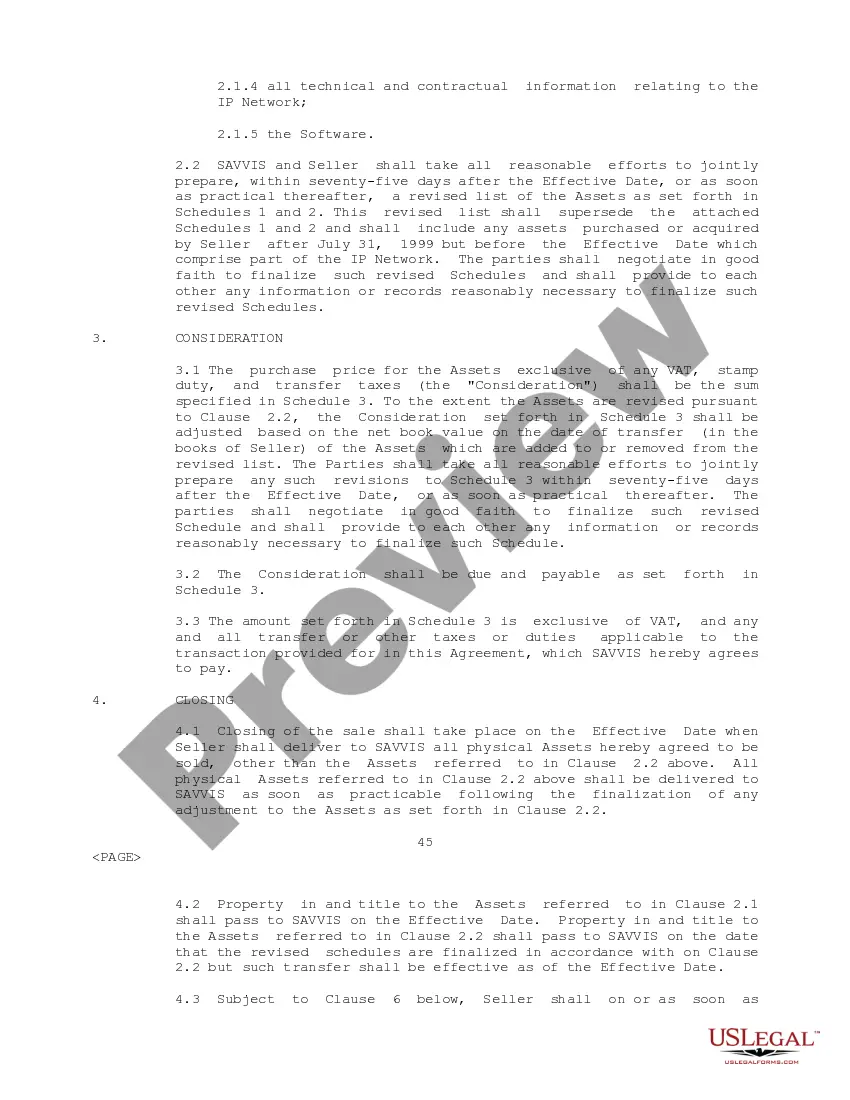
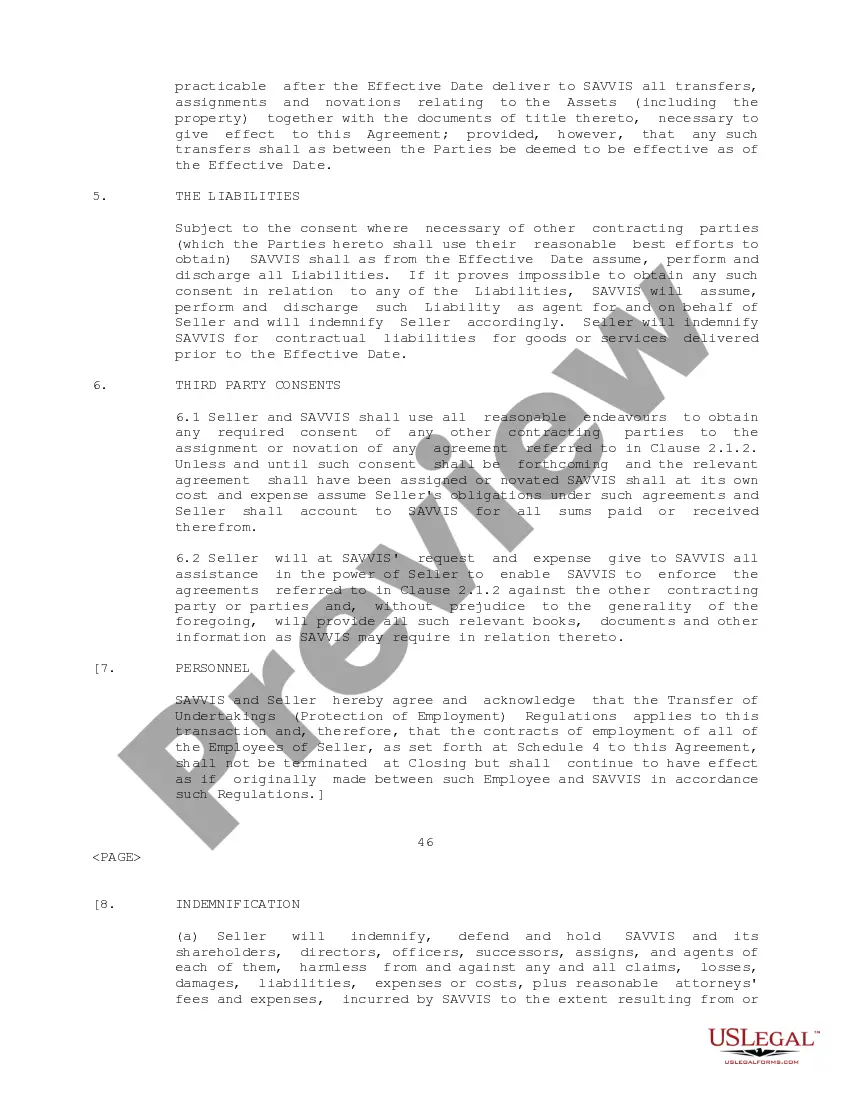
How to fill out Transfer Agreement Between Savvis Communications Corp. And Bridge Information Systems, Inc. Regarding The Transfer Of Certain Assets And Liabilities?
Identifying a reliable source to acquire the latest and suitable legal templates is part of the challenge of managing bureaucracy.
Securing the appropriate legal documents requires accuracy and meticulousness, which is why it is crucial to source samples of Transfer Between Corporation For Public Broadcasting solely from trustworthy providers, such as US Legal Forms.
Once you have the document on your device, you may edit it using the editor or print it for manual completion. Alleviate the hassles associated with your legal paperwork. Explore the comprehensive US Legal Forms catalog to find legal templates, evaluate their applicability to your circumstances, and download them promptly.
- Utilize the library navigation or search bar to find your specimen.
- Examine the form’s description to determine if it meets the criteria of your state and locality.
- Review the form preview, if one is available, to confirm the form is the one you need.
- Return to the search to locate the correct document if the Transfer Between Corporation For Public Broadcasting does not suit your requirements.
- When you are certain about the form’s suitability, download it.
- If you are a registered user, click Log in to verify and access your chosen templates in My documents.
- If you haven't created an account yet, click Buy now to acquire the template.
- Select the pricing plan that suits your requirements.
- Proceed with registration to finalize your purchase.
- Complete your transaction by choosing a payment method (credit card or PayPal).
- Select the document format for downloading Transfer Between Corporation For Public Broadcasting.
Form popularity
FAQ
In order to legally broadcast on FM frequency bands you have to obtain a license from the FCC. There are two types FM radio licenses: LPFM or Low Power FM (local) - These stations have a limited range and are only available to non-profit organizations.
CPB is the steward of the federal government's investment in public broadcasting and the largest single source of funding for public radio, television, and related online and mobile services. CPB's mission is to ensure universal access to non-commercial, high-quality content and telecommunications services.
Federal law generally prohibits radio broadcasts without a license issued by the FCC. Anyone found operating a radio station without FCC authorization can be subject to a variety of enforcement actions, including seizure of equipment, fines and other civil and criminal penalties.
How To Start a Radio Station in Nine Steps Choose a Broadcast Format. Evaluate the Demand for Your Radio Station. Obtain Funding for Start-Up and Ongoing Costs. Ensure Licensing and Regulatory Compliance. Purchase Necessary Equipment and Studio Setup. Develop Programming for Your Audience. Hire Staff and On-Air Talent.
PBS is a private, nonprofit media enterprise owned by its member public television stations. PBS distributes programming to approximately 350 locally controlled and operated public television stations across the country. It is funded principally by these member stations, distribution revenue, and underwriting support.