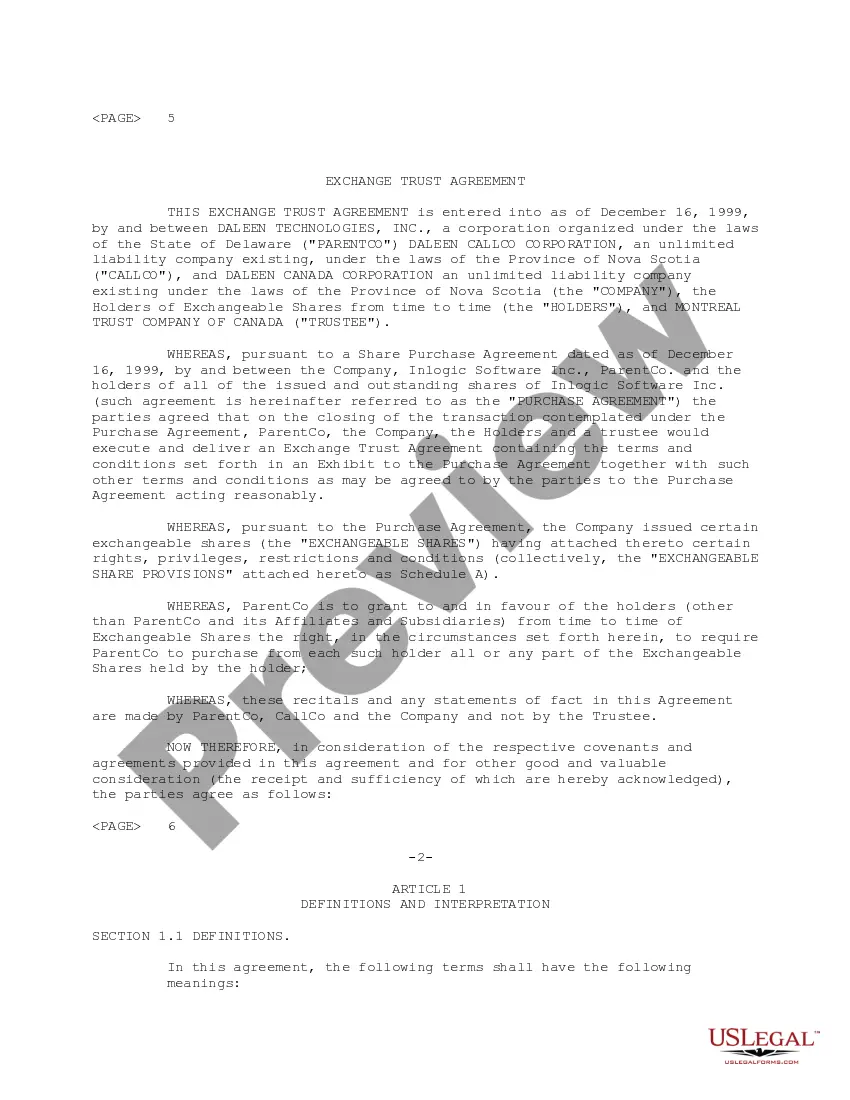
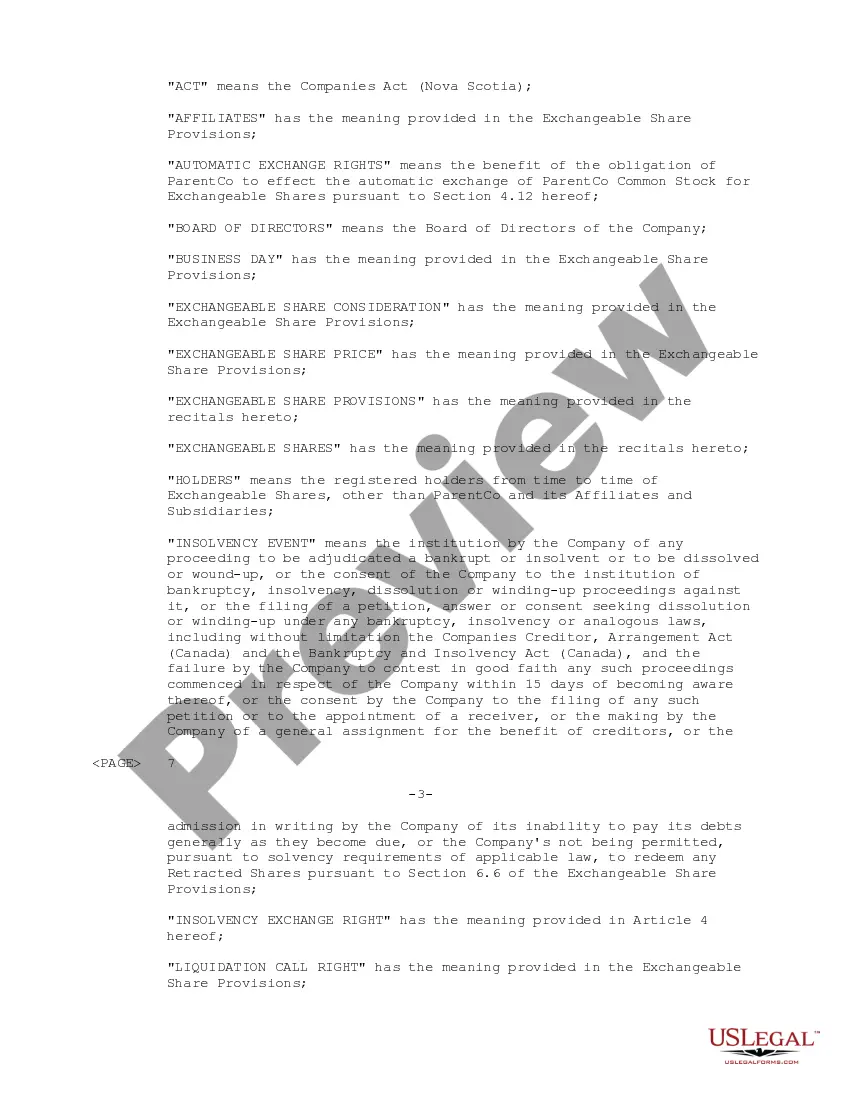
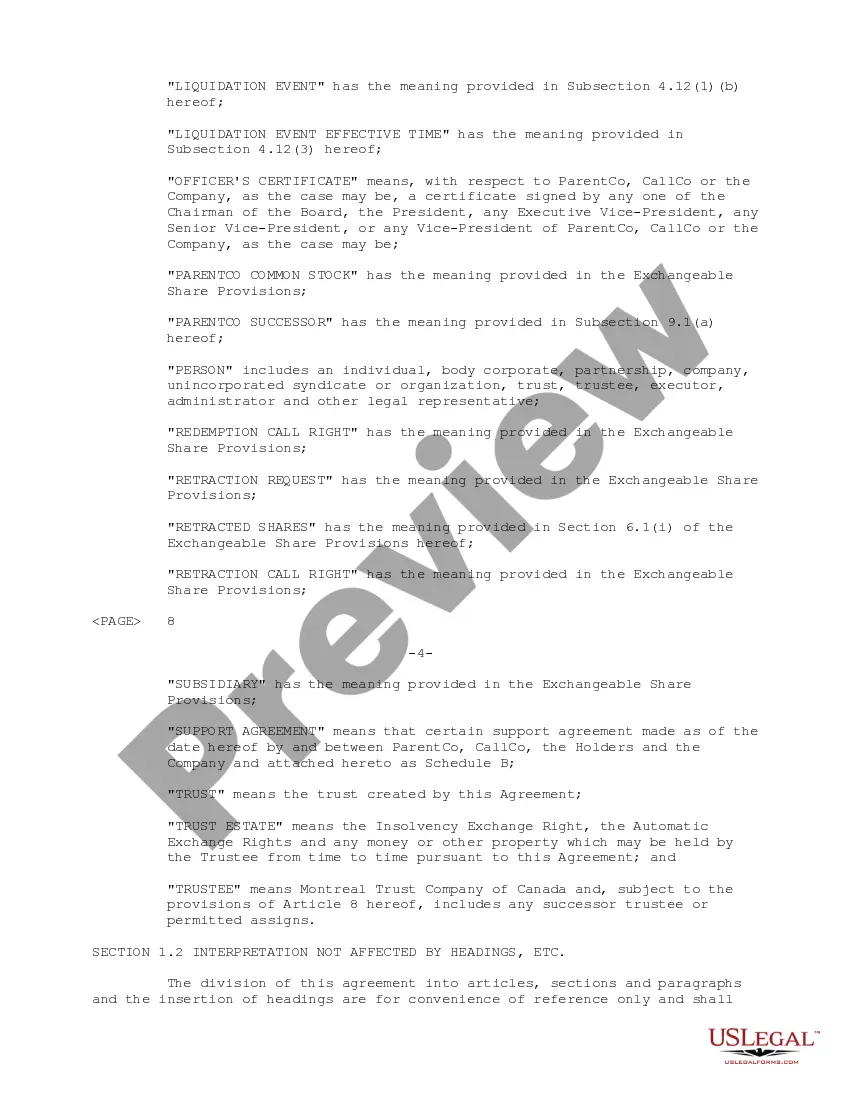
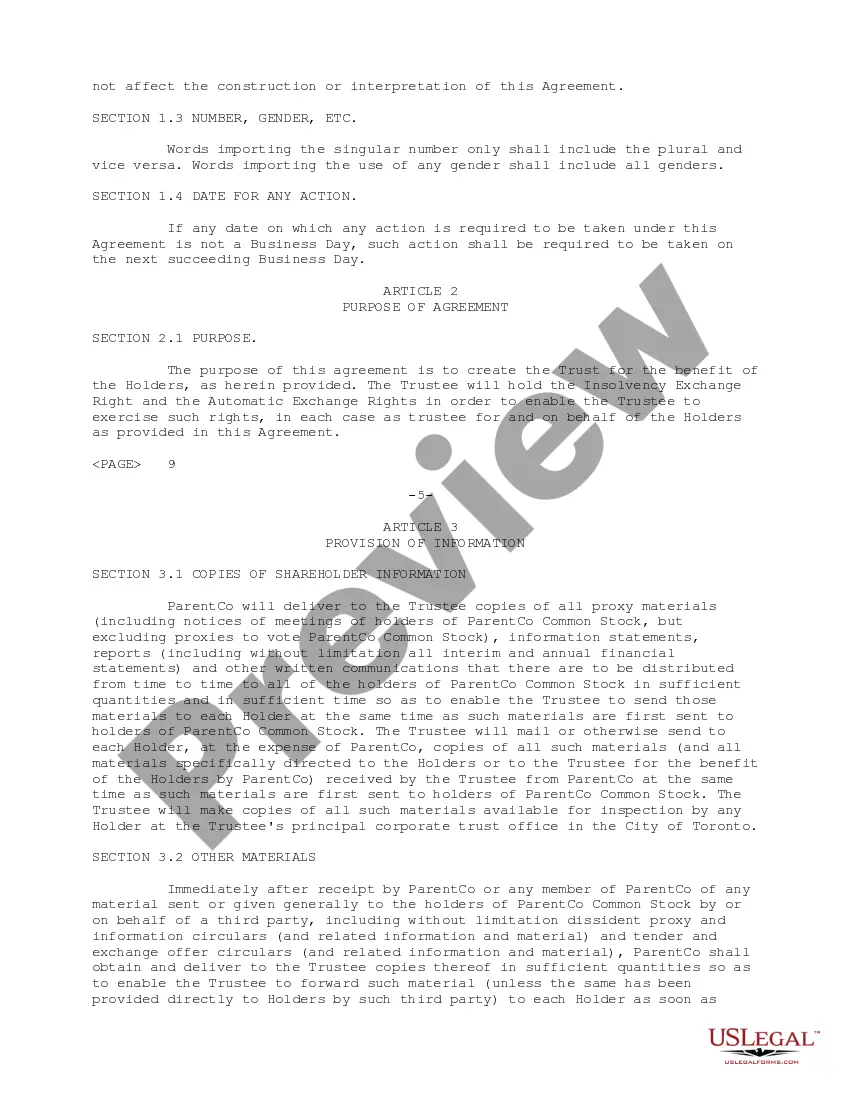
Trust Agreement Form With The Client
Description

Get your form ready online
Our built-in tools help you complete, sign, share, and store your documents in one place.
Make edits, fill in missing information, and update formatting in US Legal Forms—just like you would in MS Word.
Download a copy, print it, send it by email, or mail it via USPS—whatever works best for your next step.
Sign and collect signatures with our SignNow integration. Send to multiple recipients, set reminders, and more. Go Premium to unlock E-Sign.
If this form requires notarization, complete it online through a secure video call—no need to meet a notary in person or wait for an appointment.
We protect your documents and personal data by following strict security and privacy standards.

Make edits, fill in missing information, and update formatting in US Legal Forms—just like you would in MS Word.

Download a copy, print it, send it by email, or mail it via USPS—whatever works best for your next step.

Sign and collect signatures with our SignNow integration. Send to multiple recipients, set reminders, and more. Go Premium to unlock E-Sign.

If this form requires notarization, complete it online through a secure video call—no need to meet a notary in person or wait for an appointment.

We protect your documents and personal data by following strict security and privacy standards.
Looking for another form?









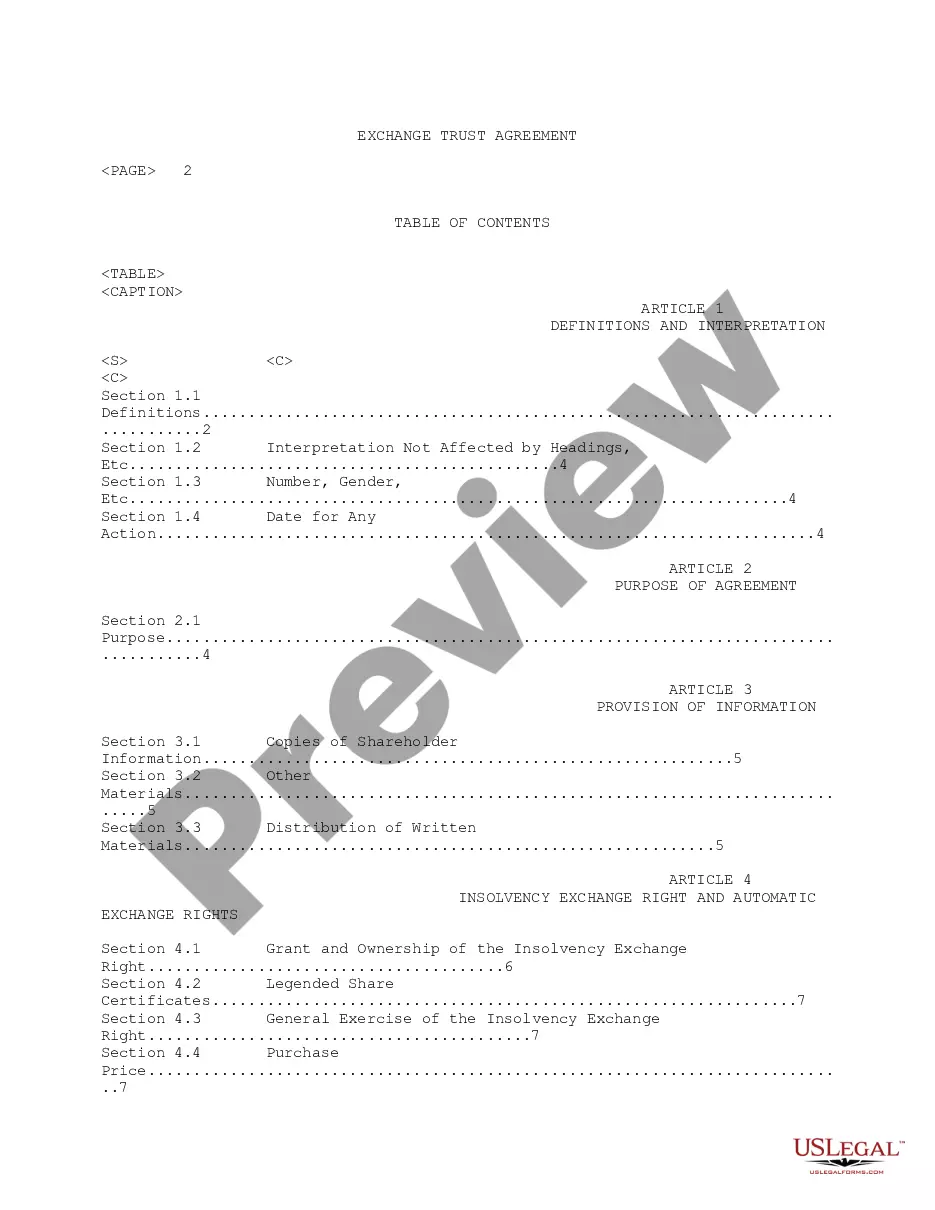
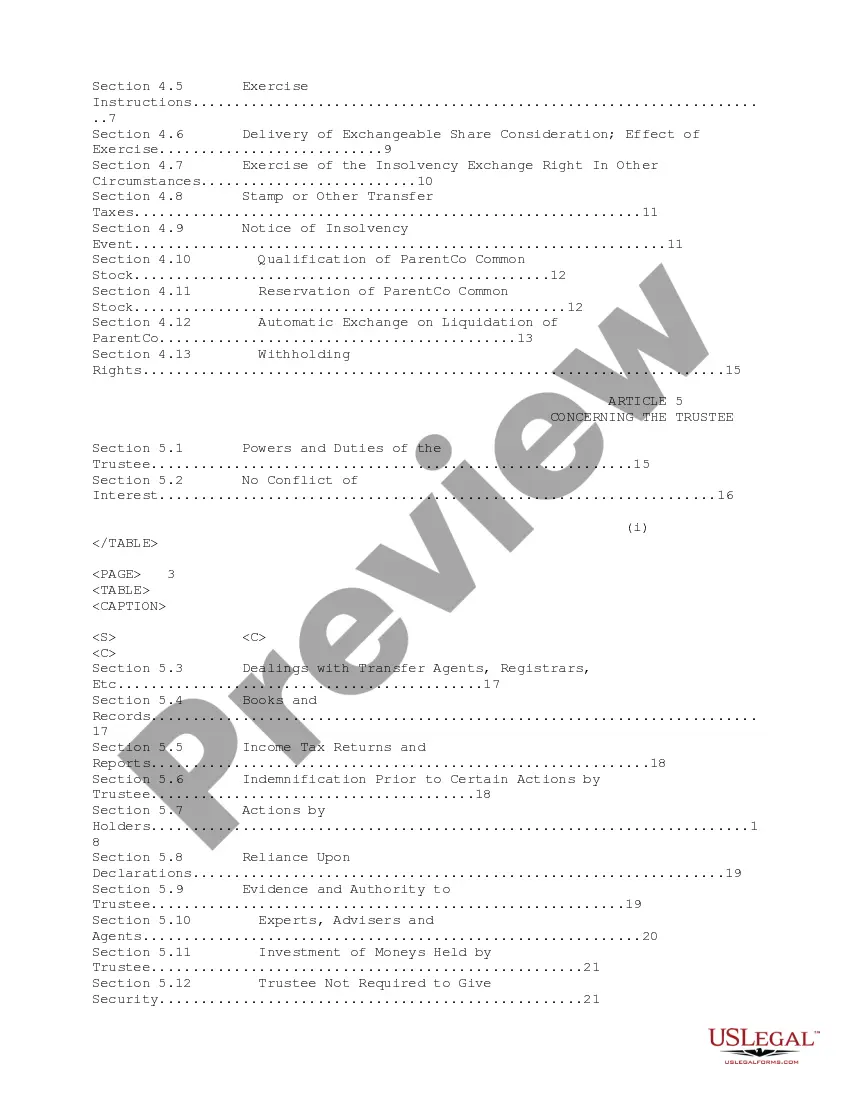
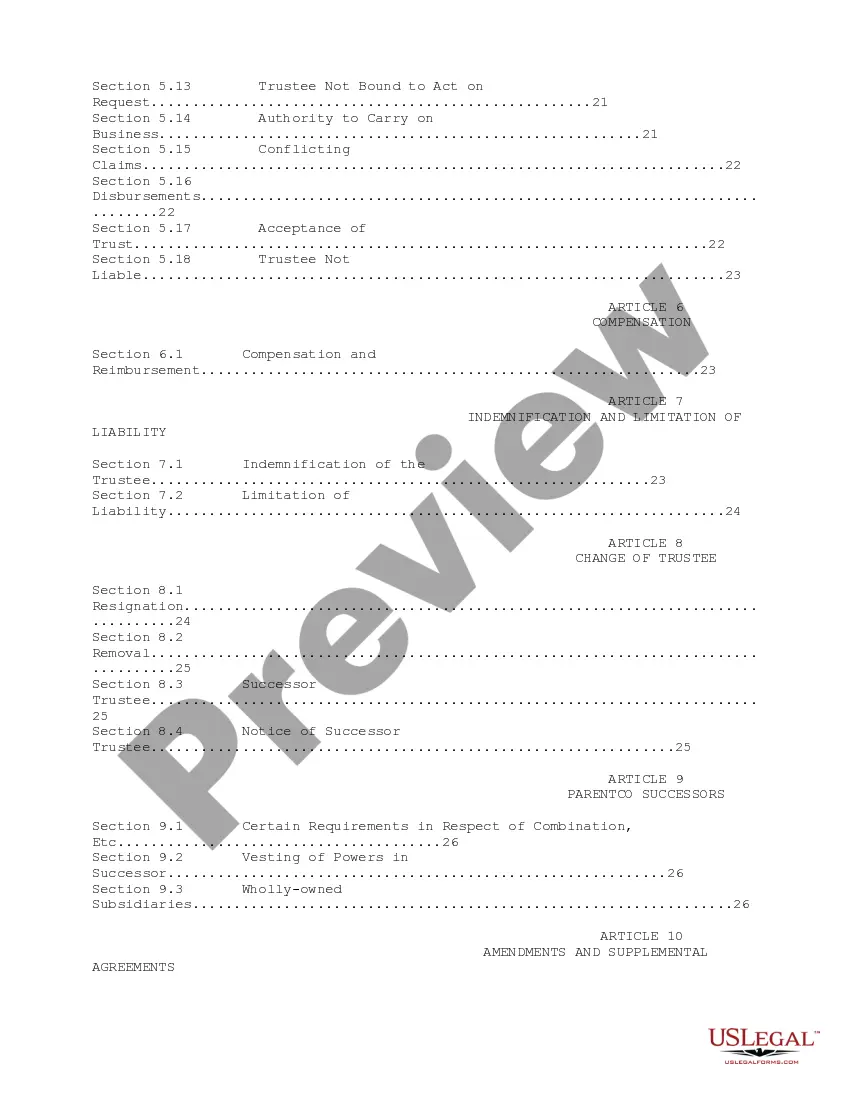
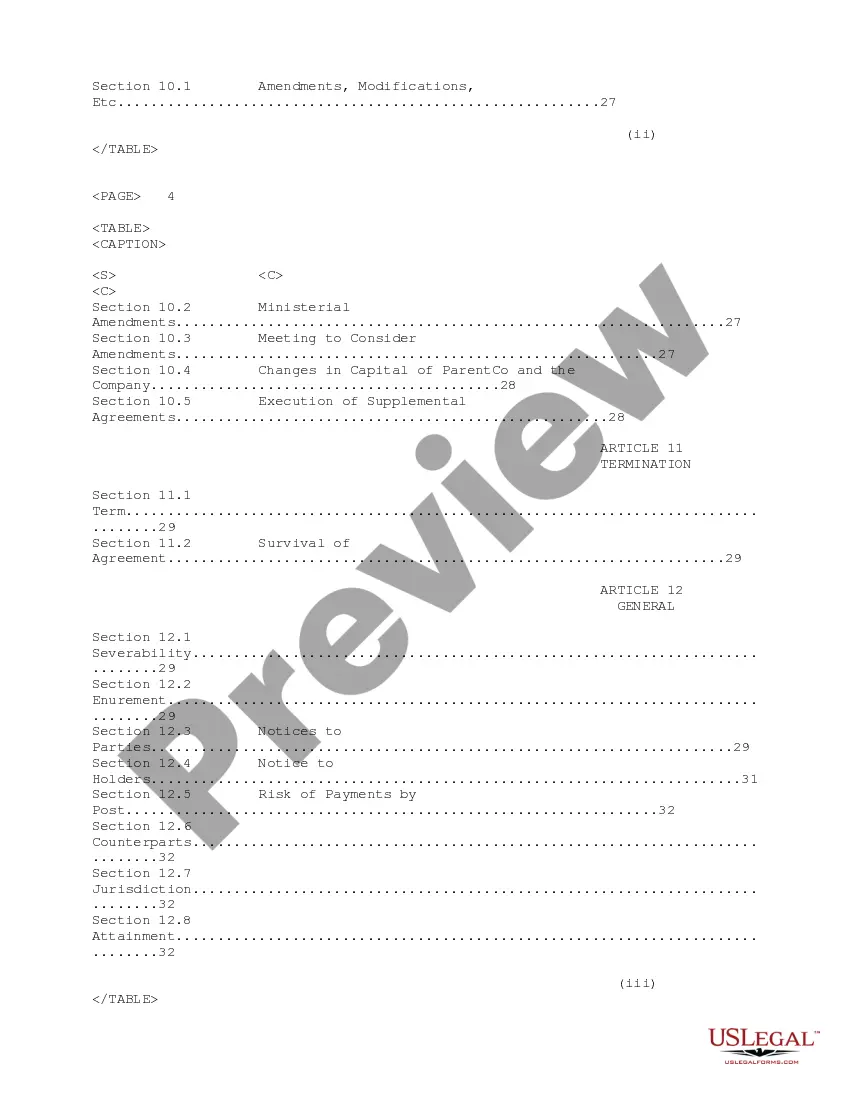
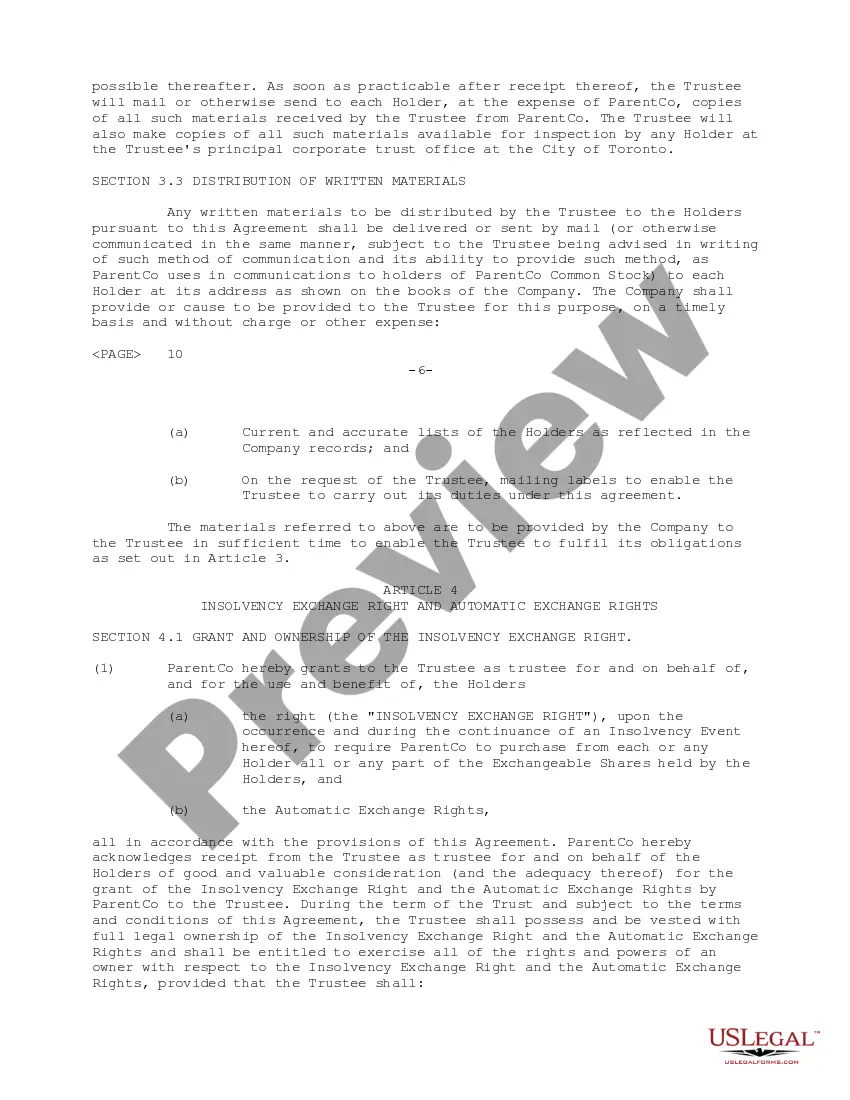
How to fill out Exchange Trust Agreement Between Daleen Technologies, Inc., Daleen CallCo Corp., Daleen Canada Corp., Exchangeable Shares Holders And Montreal Trust Co.?
- If you're already a member, log in to your US Legal Forms account and navigate to the template you need. Ensure your subscription is current; if it has lapsed, take a moment to renew it.
- For first-time users, start by browsing the extensive library. Use the Preview mode to inspect the trust agreement form with the client to confirm it meets your requirements.
- If necessary, search for alternatives using the search bar to find a form that aligns with your jurisdiction and needs.
- Select the desired document and click 'Buy Now.' Choose the subscription package that best fits you, and create an account for access to the full library.
- Complete your payment by entering your credit card information or opt for PayPal. Once confirmed, you will have immediate access.
- Finally, download the trust agreement form with the client to your device. You can also find it later under the 'My Forms' section in your profile.
In conclusion, US Legal Forms not only provides a robust collection of legal documents but also empowers users with extensive resources, expert assistance, and easy access to legal forms at competitive prices.
Start today by visiting US Legal Forms and discover how effortless managing your legal needs can be!
Form popularity
FAQ
The typical IRS form filed for a trust is Form 1041, which reports the income, deductions, and credits of the trust. If the trust distributes income to beneficiaries, they may also receive a Schedule K-1 detailing their share. It's beneficial to create a trust agreement form with the client to organize all pertinent details, simplifying the filing process.
Yes, if your trust generates income, you need to file IRS Form 1041. This requirement applies to all trusts that earn income above a certain threshold. By having a trust agreement form with the client, you can proactively manage tax responsibilities and ensure that all necessary filings are completed on time.
Form 10B is used for fiduciaries of a trust to obtain a tax identification number from the IRS. This form is essential when setting up a trust agreement form with the client, as it allows the trust to file taxes separately from its beneficiaries. Ensuring you complete this step correctly helps adhere to tax obligations and maintain clear records.
To file a trust, you generally need to complete IRS Form 1041, the U.S. Income Tax Return for Estates and Trusts. If your trust has income, this form must be submitted annually to report the trust's earnings. Utilizing a trust agreement form with the client can simplify this process and ensure all information is accurate.
Individuals or entities that administer a trust or estate must file IL 1041, which is the Illinois Income Tax Return for Estates and Trusts. If you have established a trust agreement form with the client and the trust generates income, filing becomes necessary. Maintaining compliance is crucial to avoid penalties and ensure proper tax handling.
A trust agreement document is a legal instrument that details the terms and conditions of a trust. This document outlines how the trust will operate, the responsibilities of the trustee, and the rights of the beneficiaries. By using a trust agreement form with the client, individuals can define their specific wishes regarding asset management. This ensures a smooth transition of assets upon the grantor's passing, providing peace of mind.
Typically, a lawyer sets up a trust, as they have the expertise in legal matters related to estate planning. However, accountants may also play a role, especially concerning tax implications and financial aspects. Ultimately, collaborating with both professionals can provide a comprehensive approach. Using a trust agreement form with the client ensures clarity and legal compliance.
To draft a trust document, you should start by outlining your assets and the beneficiaries you wish to designate. It's crucial to use a trust agreement form with the client to detail the distribution of those assets. Consulting with a legal expert can provide guidance on the necessary legal language and requirements. This way, you create a valid document that reflects your intentions.
The person who creates a trust is called the 'grantor' or 'trustor.' This individual determines the terms of the trust and decides how their assets will be managed after their passing. By filling out a trust agreement form with the client, the grantor outlines their wishes clearly. This can help ensure that their estate is handled according to their wishes.
While a trust agreement form with the client offers many benefits, it also has disadvantages. For example, establishing a trust can be more complex than a simple will, leading to higher legal costs. Additionally, the ongoing administration of the trust can require time and effort. It’s essential to carefully weigh these factors before deciding to create a trust.