Trust Agreement Form With A Bank
Description

Get your form ready online
Our built-in tools help you complete, sign, share, and store your documents in one place.
Make edits, fill in missing information, and update formatting in US Legal Forms—just like you would in MS Word.
Download a copy, print it, send it by email, or mail it via USPS—whatever works best for your next step.
Sign and collect signatures with our SignNow integration. Send to multiple recipients, set reminders, and more. Go Premium to unlock E-Sign.
If this form requires notarization, complete it online through a secure video call—no need to meet a notary in person or wait for an appointment.
We protect your documents and personal data by following strict security and privacy standards.

Make edits, fill in missing information, and update formatting in US Legal Forms—just like you would in MS Word.

Download a copy, print it, send it by email, or mail it via USPS—whatever works best for your next step.

Sign and collect signatures with our SignNow integration. Send to multiple recipients, set reminders, and more. Go Premium to unlock E-Sign.

If this form requires notarization, complete it online through a secure video call—no need to meet a notary in person or wait for an appointment.

We protect your documents and personal data by following strict security and privacy standards.
Looking for another form?

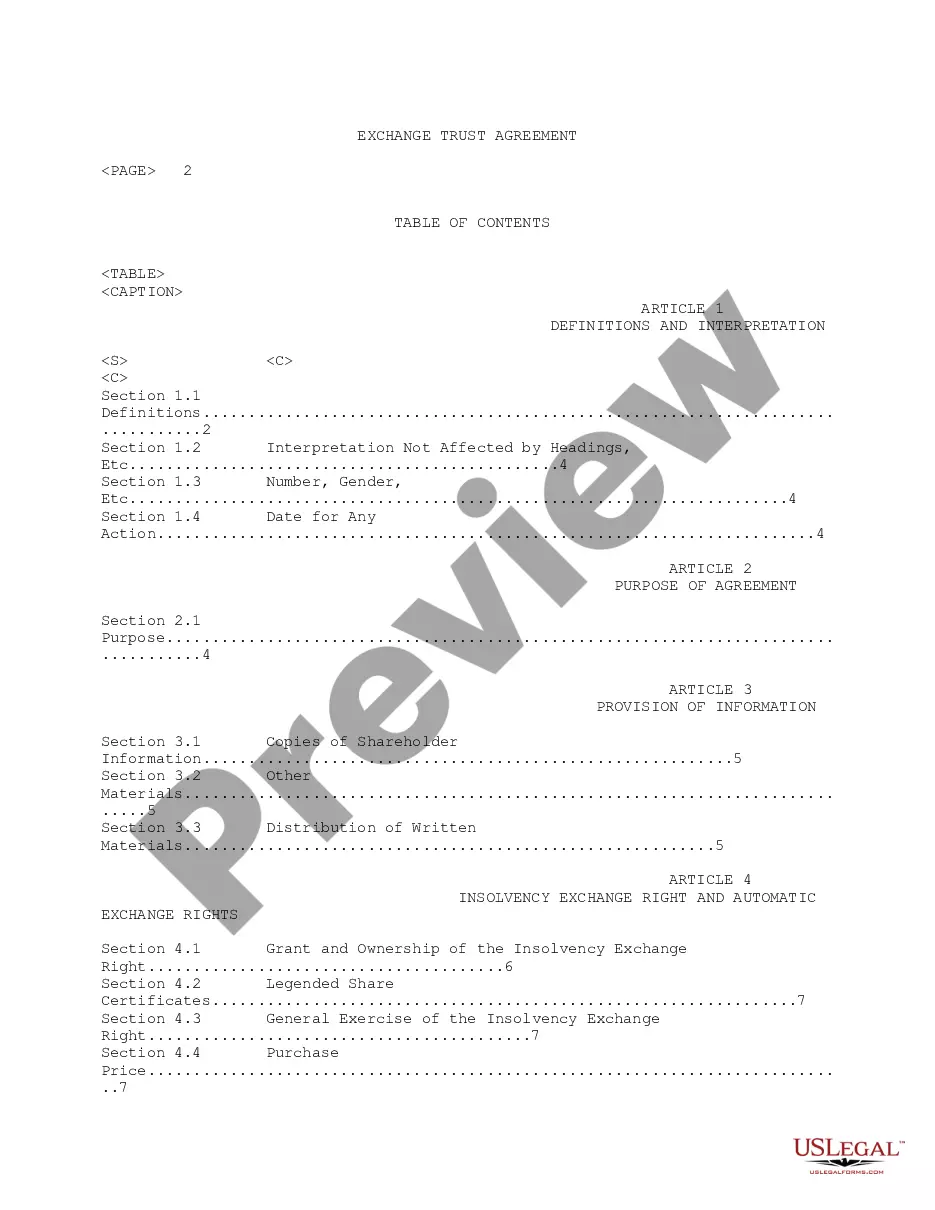
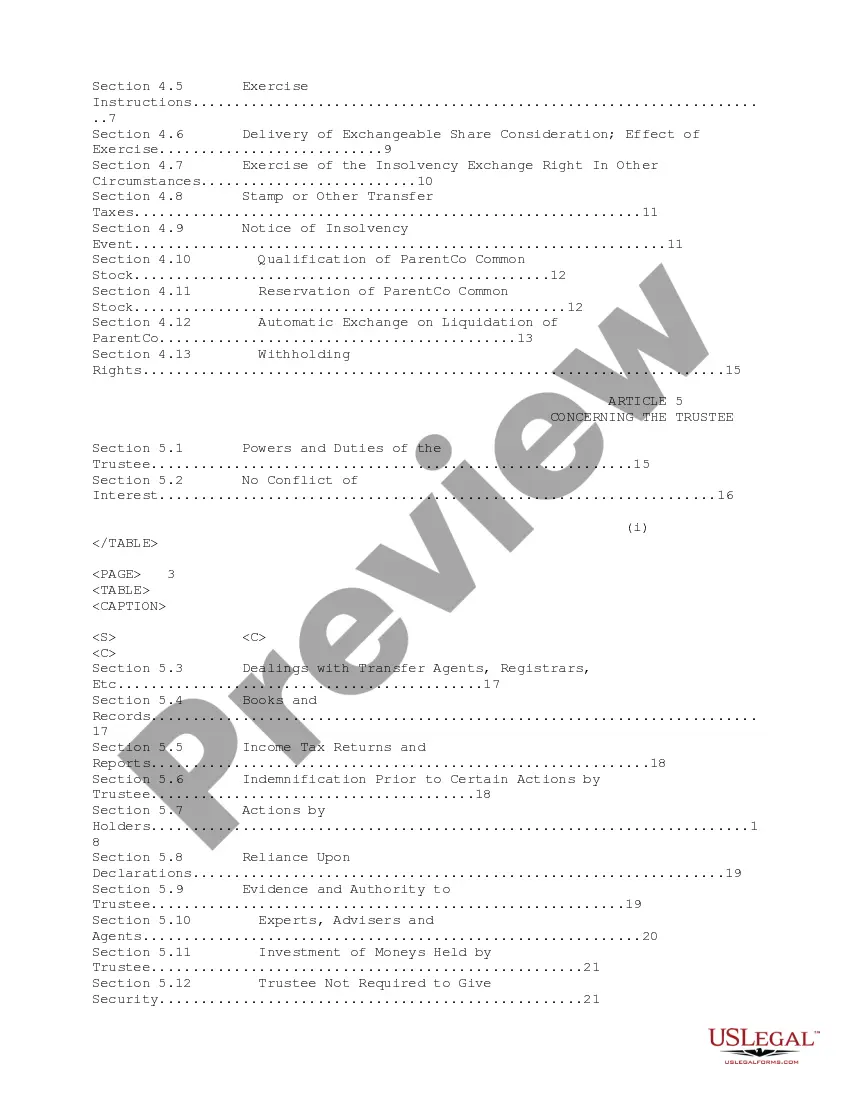
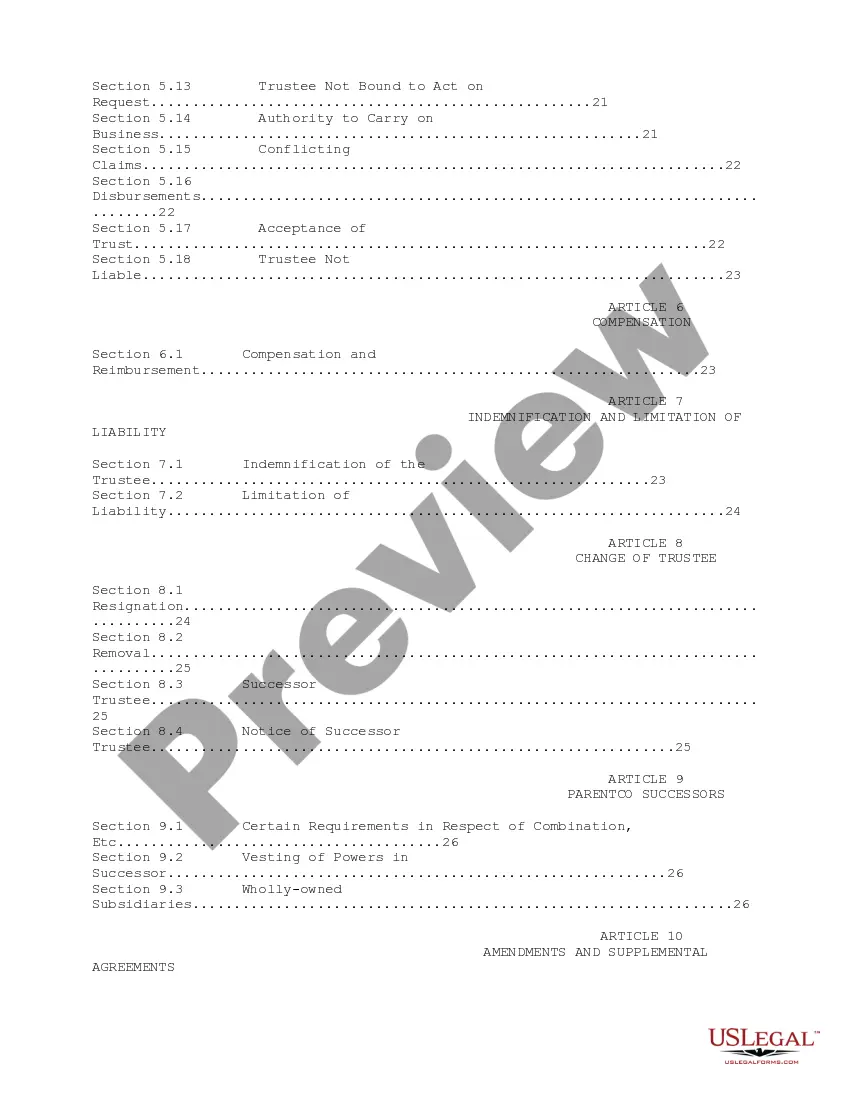
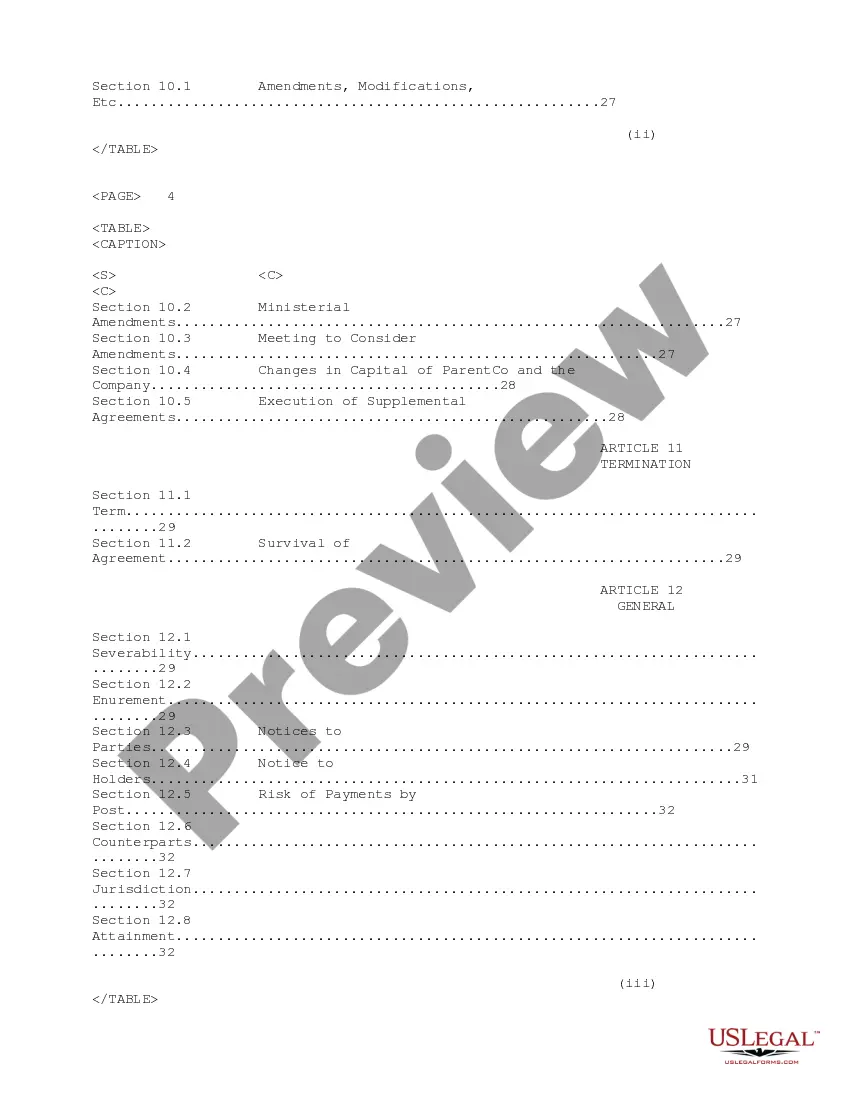
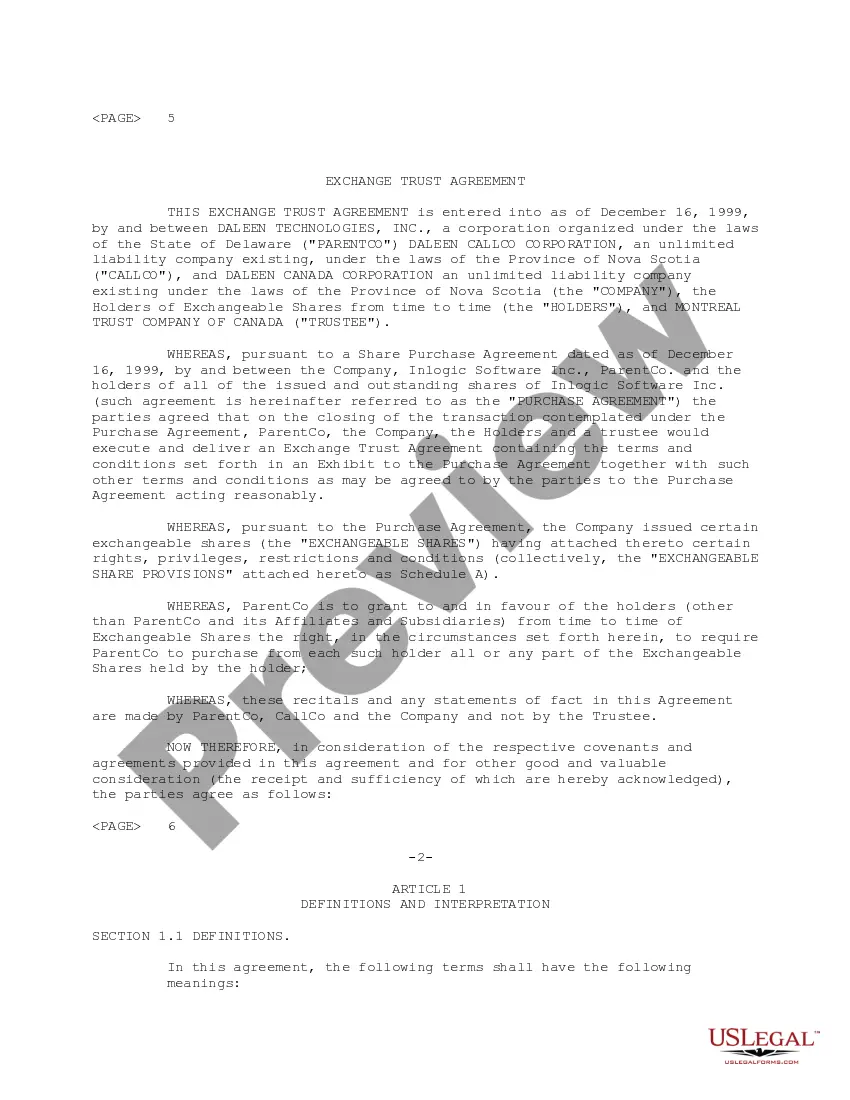
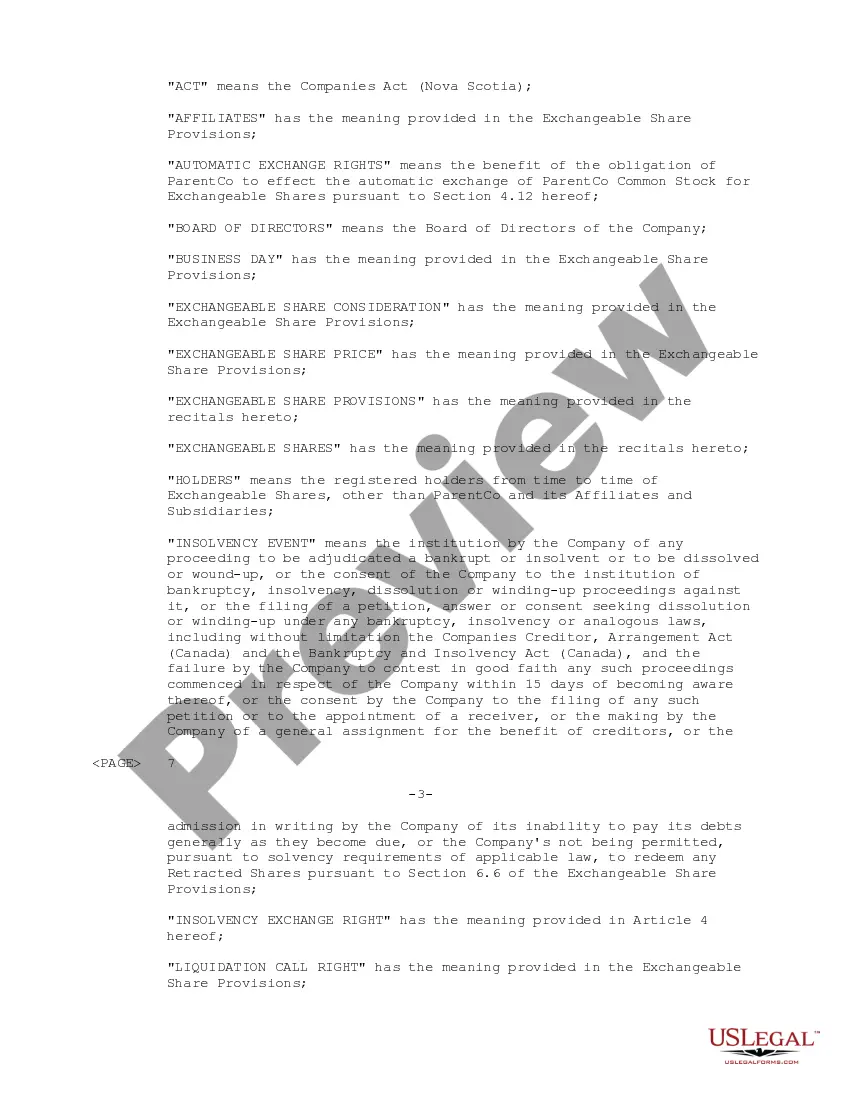
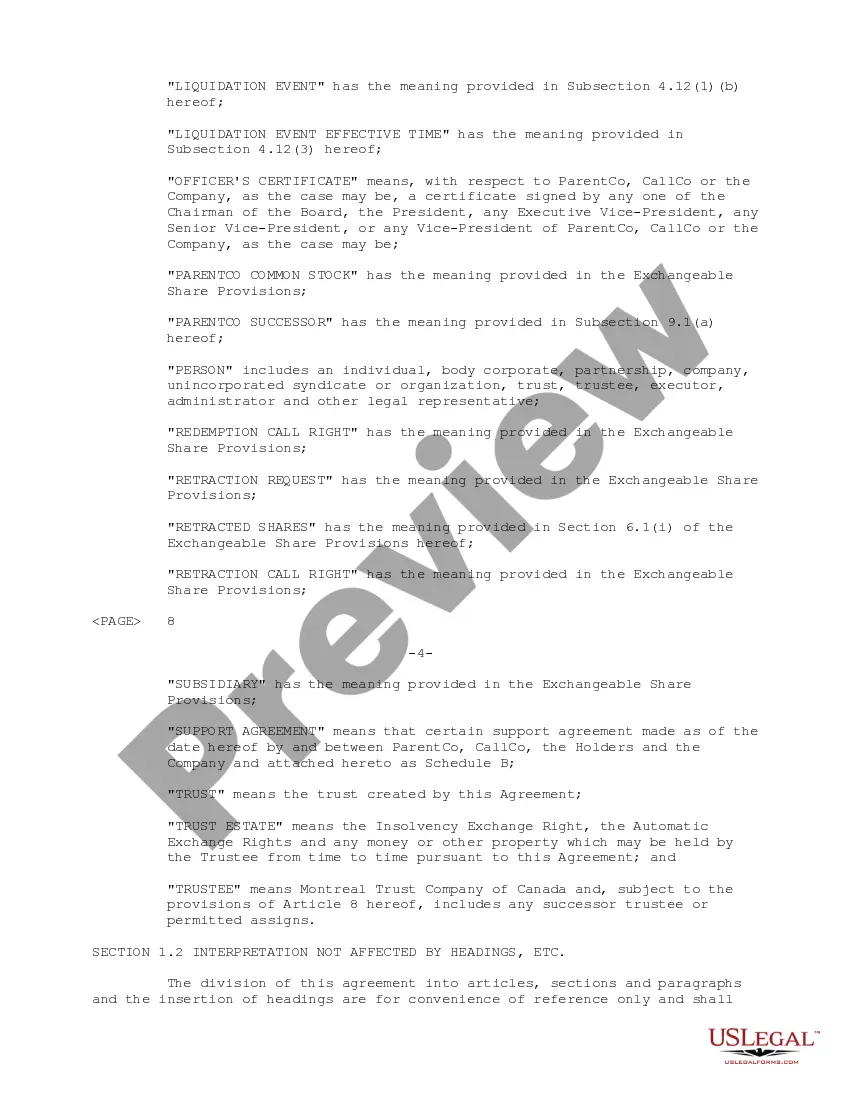
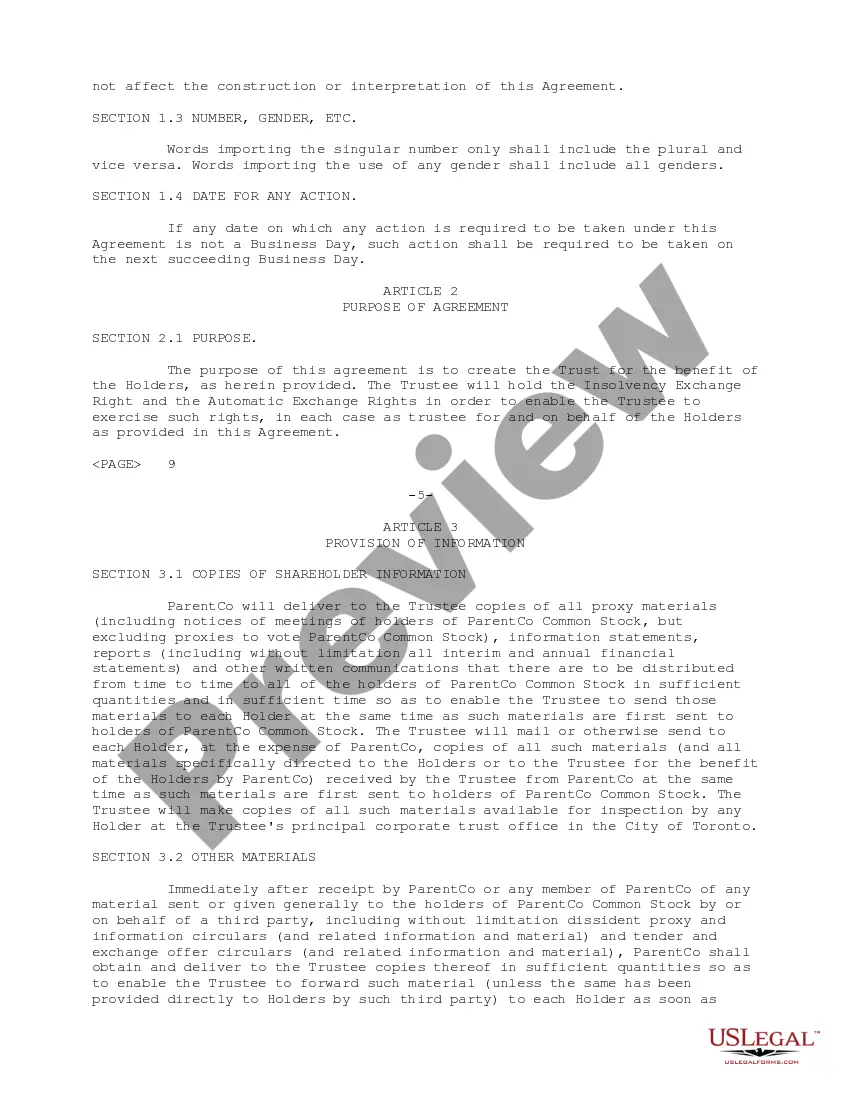
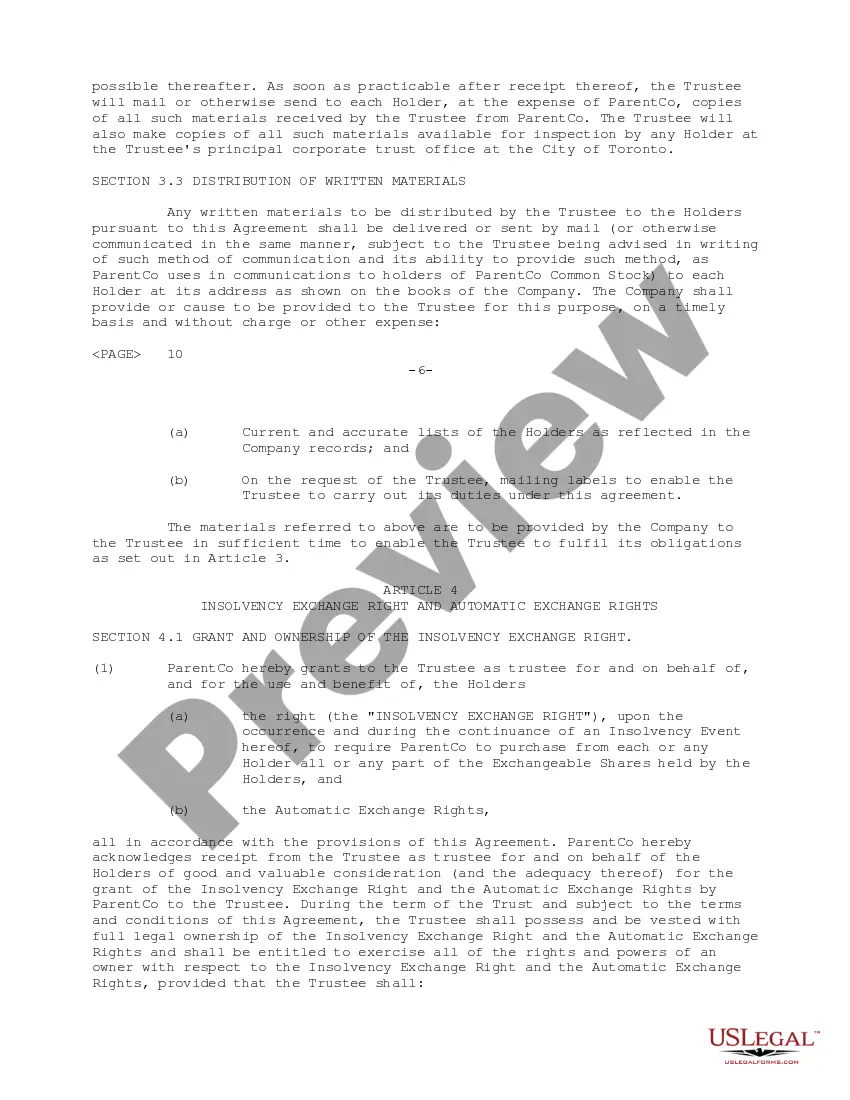
How to fill out Exchange Trust Agreement Between Daleen Technologies, Inc., Daleen CallCo Corp., Daleen Canada Corp., Exchangeable Shares Holders And Montreal Trust Co.?
- Visit the US Legal Forms website and log in to your account if you are a returning user.
- For new users, browse the extensive online library, ensuring you check the preview mode and form description to find the trust agreement form with a bank that fits your requirements.
- Should you need a different template, utilize the search function to find the appropriate form.
- Once you’ve selected your form, click the Buy Now button and choose the subscription plan that suits your preferences.
- Complete your purchase by entering your payment details, whether via credit card or PayPal.
- After your payment is processed, download your trust agreement form and save it on your device for easy access.
In conclusion, US Legal Forms empowers users to streamline the legal document preparation process with a comprehensive library and expert support. By following these steps, you can efficiently obtain your trust agreement form with a bank, ensuring it meets legal standards.
Ready to take the first step? Visit US Legal Forms today!
Form popularity
FAQ
You can set up a trust through your bank, which often simplifies the management of your assets. Banks commonly provide resources and support, including the necessary trust agreement form with a bank. Working with bank representatives will clarify the steps involved and ensure compliance with legal requirements. If you prefer a more streamlined process, consider using platforms like US Legal Forms to handle the documentation efficiently.
Yes, you can typically set up a trust fund through your bank. Most banks have advisors who can guide you through the process, including filling out a trust agreement form with a bank. This form usually outlines the terms of the trust, the beneficiaries, and how the assets will be managed. It's crucial to gather all necessary information and have your estate plans clear before visiting your bank for assistance.
The best bank for opening a trust account often depends on your specific needs and the features you seek. Many banks offer competitive services designed for managing trusts, including those that provide a trust agreement form with a bank. Researching institutions, comparing fees, and reviewing customer service can help you find the right fit. Make sure to check reviews and consult with financial advisors for personalized recommendations.
Yes, banks typically keep copies of trust documents, including the trust agreement form with a bank. When you open a trust account, you often provide a copy of the trust agreement to the bank. This helps the bank understand the terms of the trust and manage the account accordingly. However, it's important to keep your original documents in a safe place, as the bank's copies are for their records and may not be comprehensive.
The best bank for a trust account often varies based on your individual needs and preferences. Look for banks that offer comprehensive trust services and have a solid reputation for managing trust agreement forms with a bank. Research their fees, account options, and customer service. It can also be beneficial to read reviews and talk to existing clients to find the best fit for your trust management needs.
The best type of bank account for a trust is typically a dedicated trust account, which is designed specifically for managing trust assets. A trust agreement form with a bank can help you establish this account to facilitate proper management of the trust's funds. Additionally, consider options that allow for easy access, reasonable fees, and good interest rates, as these aspects can enhance the overall effectiveness of your trust.
The trust agreement is generally prepared by an attorney or a qualified professional in estate planning. If you prefer, banks can also provide templates and guidance for completing a trust agreement form with a bank. However, it's wise to consult with a legal expert to ensure that the document meets all your needs and complies with relevant laws. This approach not only saves time but also confirms that your trust is set up correctly.
The best place to set up a trust often depends on your specific needs and circumstances. Many people choose to work with a bank that specializes in trust management, as it allows for streamlined services and reliable administration of the trust agreement form with a bank. You can also consider local law firms that offer estate planning services if you seek personalized legal advice. Ultimately, the best choice aligns with your trust's goals and your comfort level with the institution.
Yes, you can set up a trust with a bank. Many banks offer dedicated services to help you create a trust agreement form with a bank. This process typically involves meeting with a banking professional who will assist you in establishing the trust and managing its assets. Additionally, using a bank can provide security and ease in handling your trust transactions.
Yes, you can put bank accounts in a trust to simplify estate management and protect your assets. By including your accounts in a trust, you ensure that your funds transfer directly to beneficiaries without going through probate. It is important to fill out a trust agreement form with a bank to officially link these accounts to your trust, thereby securing your financial legacy.