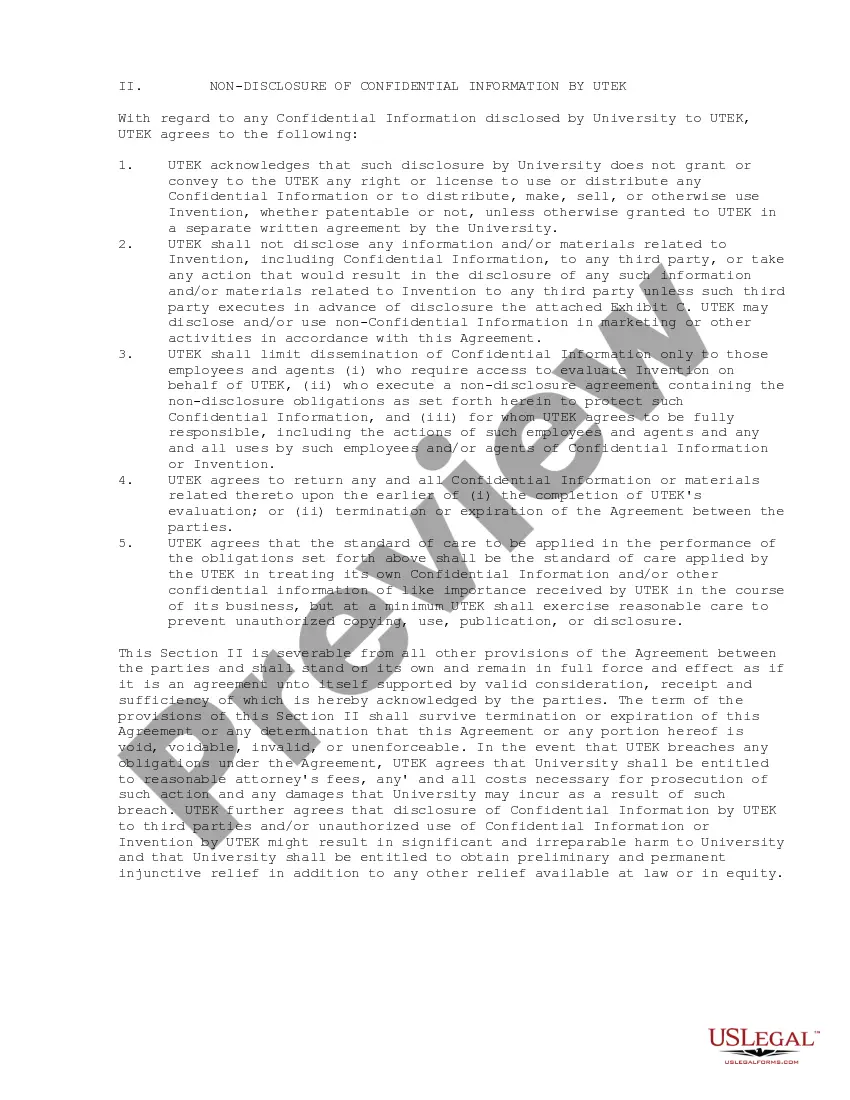
Agreement Intellectual Property With Examples
Description
Get your form ready online
Our built-in tools help you complete, sign, share, and store your documents in one place.
Make edits, fill in missing information, and update formatting in US Legal Forms—just like you would in MS Word.
Download a copy, print it, send it by email, or mail it via USPS—whatever works best for your next step.
Sign and collect signatures with our SignNow integration. Send to multiple recipients, set reminders, and more. Go Premium to unlock E-Sign.
If this form requires notarization, complete it online through a secure video call—no need to meet a notary in person or wait for an appointment.
We protect your documents and personal data by following strict security and privacy standards.

Make edits, fill in missing information, and update formatting in US Legal Forms—just like you would in MS Word.

Download a copy, print it, send it by email, or mail it via USPS—whatever works best for your next step.

Sign and collect signatures with our SignNow integration. Send to multiple recipients, set reminders, and more. Go Premium to unlock E-Sign.

If this form requires notarization, complete it online through a secure video call—no need to meet a notary in person or wait for an appointment.

We protect your documents and personal data by following strict security and privacy standards.
Looking for another form?

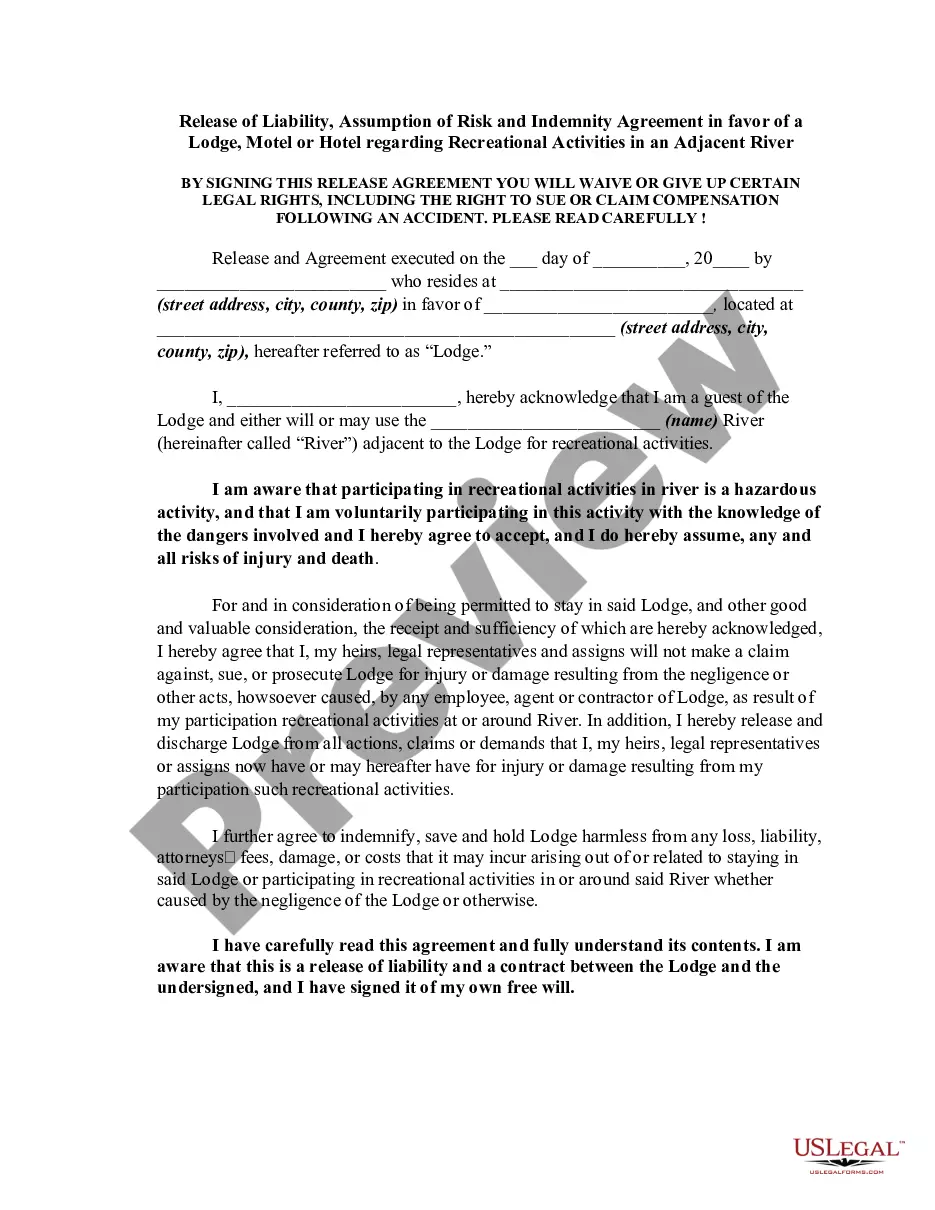



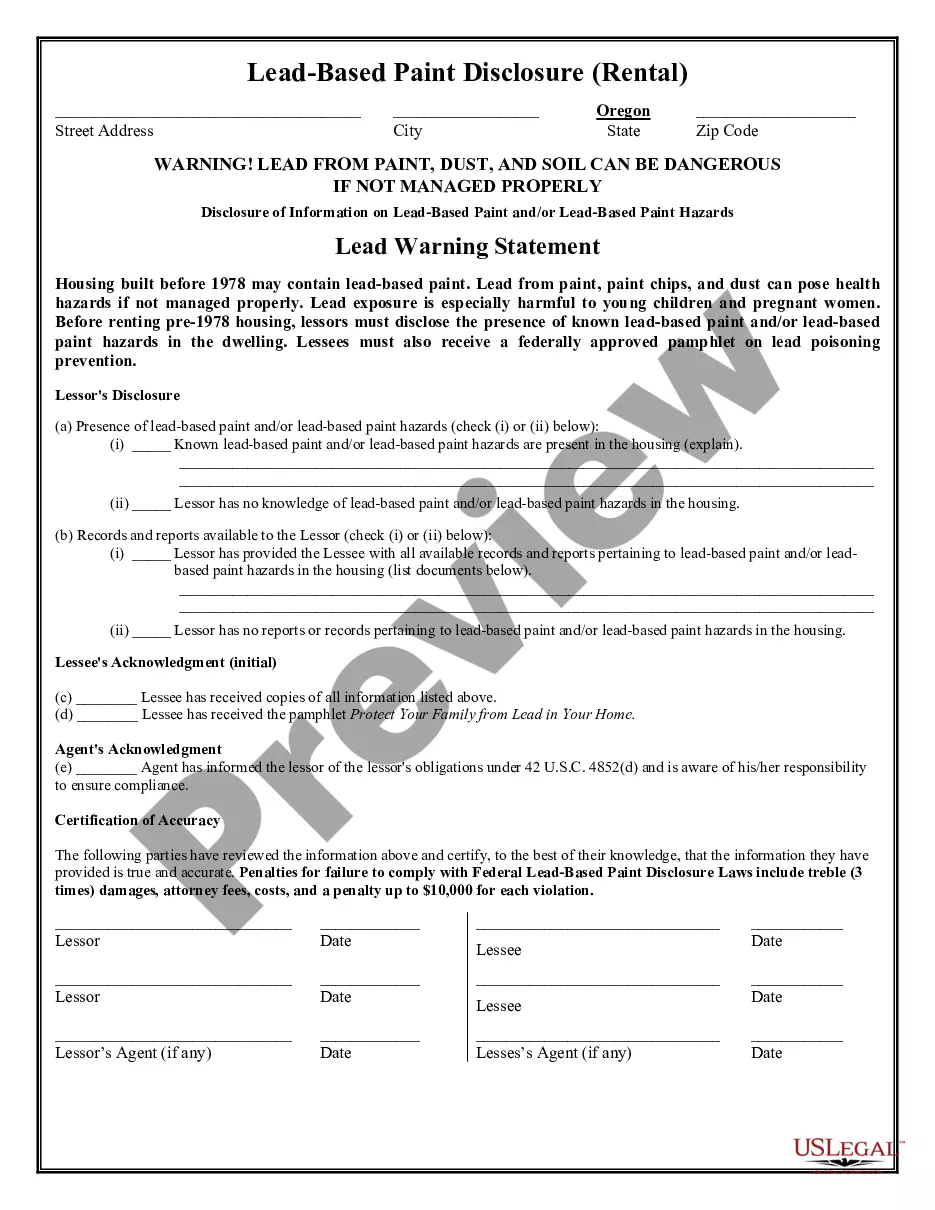
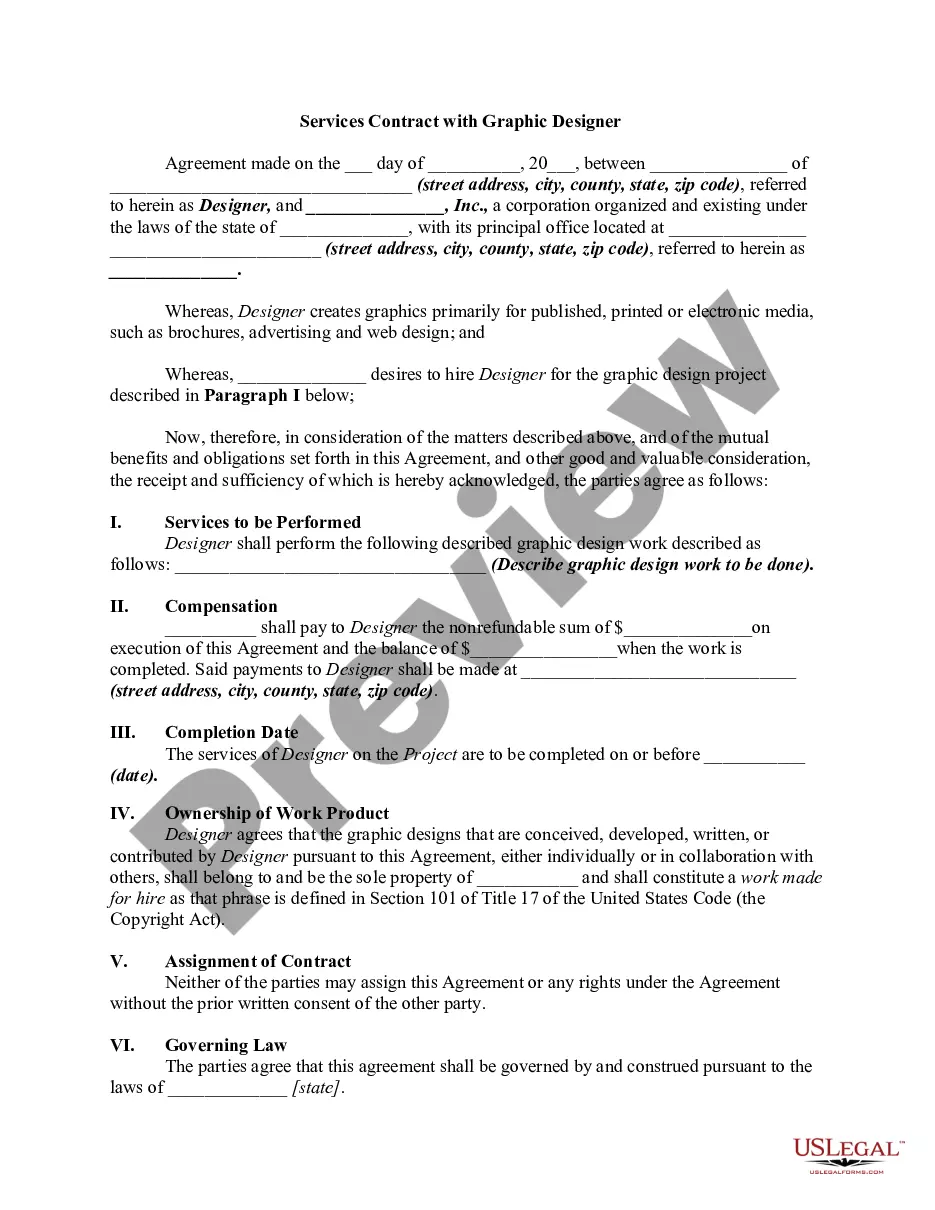



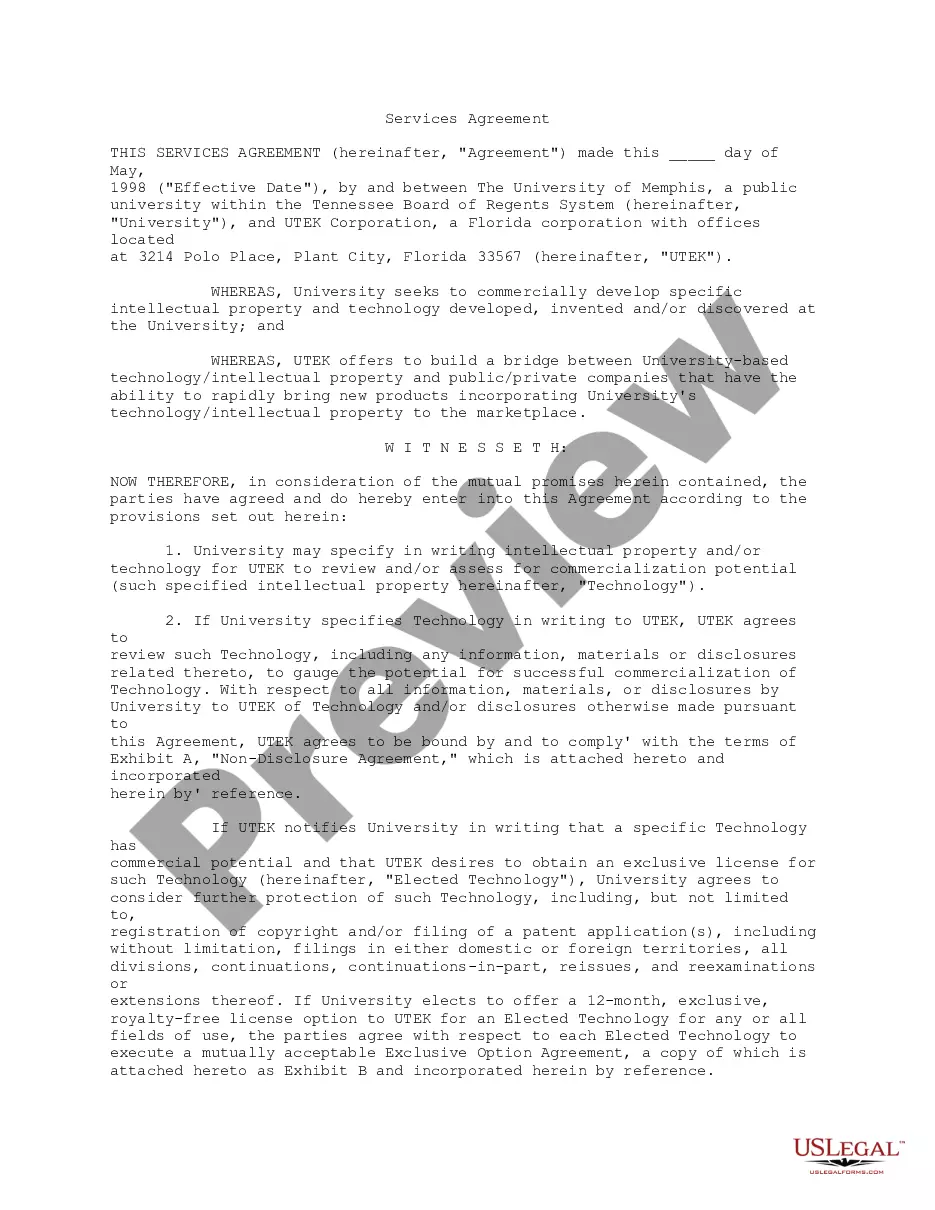
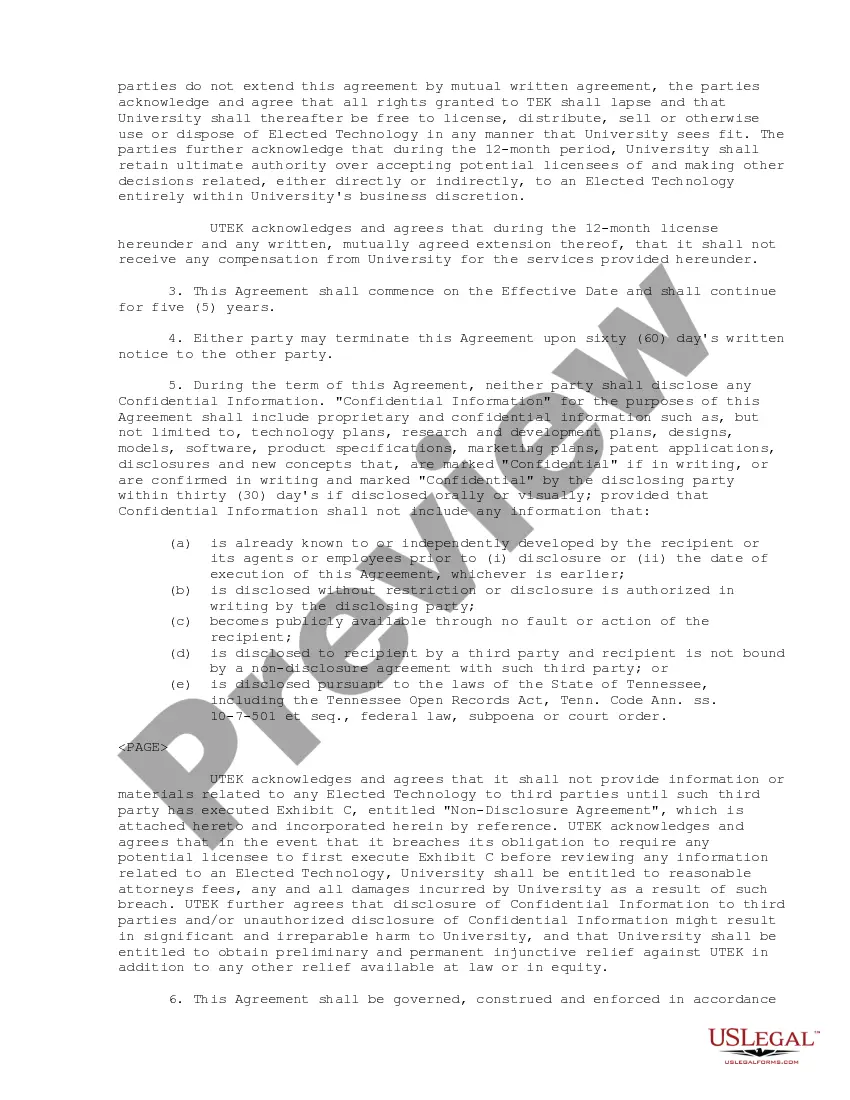
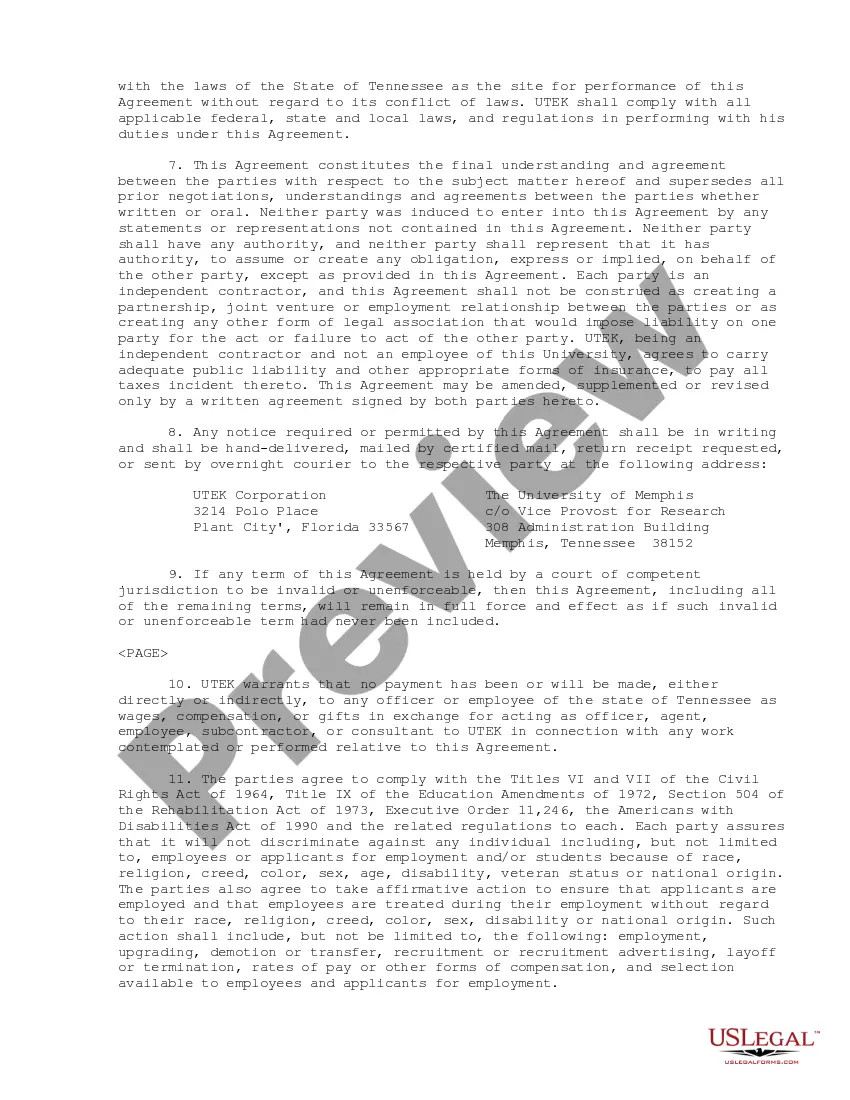
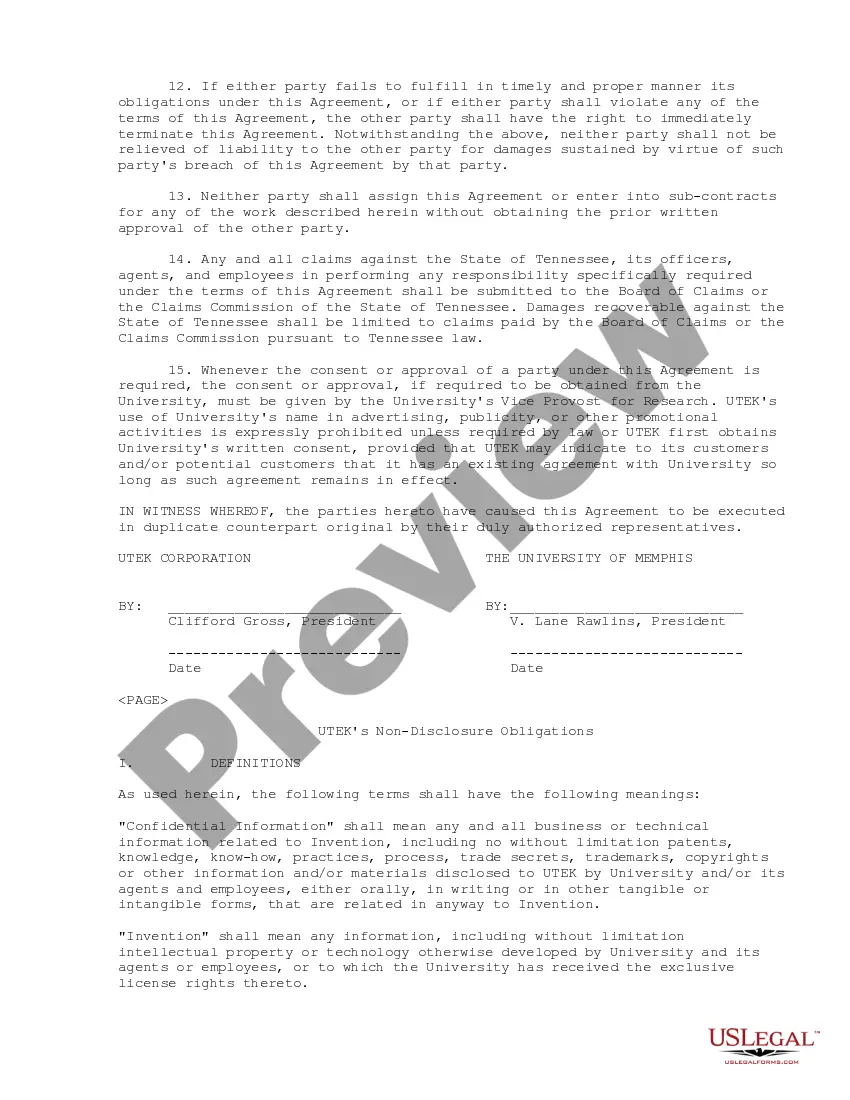
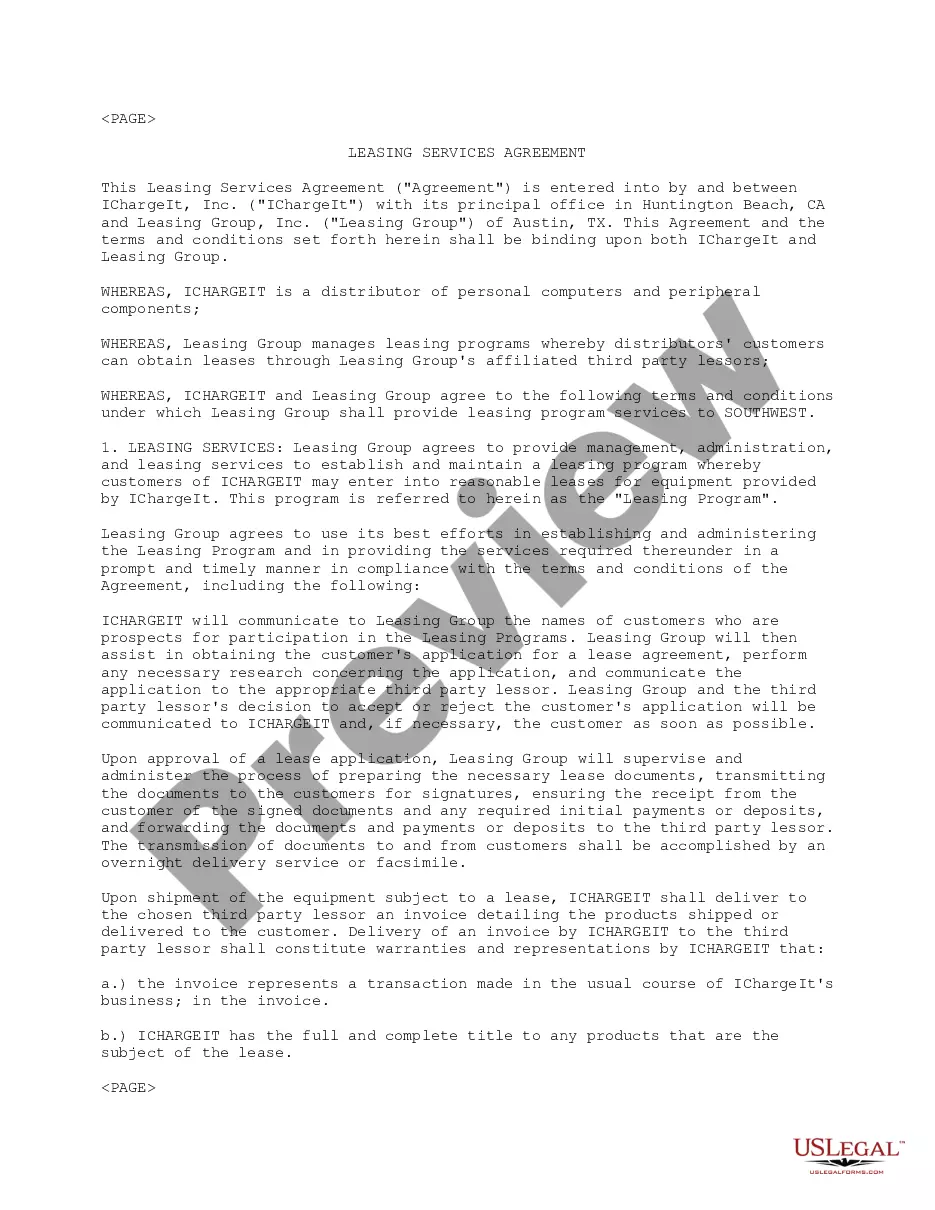
How to fill out Services Agreement Between The University Of Memphis And UTEK Corp. Regarding Commercial Development Of Specific Intellectual Property And Technology?
Regardless of whether for corporate purposes or personal matters, every individual encounters legal challenges at some stage in their existence. Completing legal paperwork requires diligent focus, starting with selecting the correct template.
For instance, if you choose the incorrect iteration of the Intellectual Property Agreement with Examples, it will be rejected upon submission. Hence, it is essential to have a trustworthy resource for legal documents like US Legal Forms.
With an extensive US Legal Forms library available, you don’t have to waste time hunting for the right template online. Use the library’s straightforward navigation to find the appropriate document for any situation.
- Obtain the template you require by using the search bar or browsing the catalog.
- Review the document’s details to ensure it aligns with your circumstances, state, and locality.
- Click on the document’s preview to inspect it.
- If it is not the correct file, return to the search function to find the Intellectual Property Agreement with Examples template you need.
- Download the document if it fits your requirements.
- If you possess a US Legal Forms account, click Log in to access previously saved documents under My documents.
- If you do not have an account yet, you can acquire the form by clicking Buy now.
- Select the correct pricing option.
- Fill out the account registration information.
- Choose your payment method: either a credit card or PayPal account.
- Choose the document format you desire and download the Intellectual Property Agreement with Examples.
- Once downloaded, you can fill out the template using editing software or print it and complete it by hand.
Form popularity
FAQ
INTELLECTUAL PROPERTY is a legal term that refers to creations of the mind. Intellectual property law (also known as IP law ) is used to protect inventions, brands, original works of authorship, and valuable secret information. Four types of intellectual property are patents, trademarks, copyrights, and trade secrets.
Intellectual property can take many forms, and each form is protected differently. In this post, we will explain the basics of the most common types of intellectual property ? copyrights, moral rights, trademarks, patents, and trade secrets.
I agree that, at the time of leaving the employ of the Company, I will deliver to the Company (and will not keep in my possession, recreate or deliver to anyone else) any and all devices, records, data, notes, reports, proposals, lists, correspondence, specifications, drawings, blueprints, sketches, materials, ...
Examples of intellectual property rights include: Patents. Domain names. Industrial design. Confidential information. Inventions. Moral rights. Database rights. Works of authorship.
IP description: Always include a specific description of your intellectual property. Terms: When it applies, write out the terms of your ownership over the IP and how the IP can or cannot be used. Provisions: You might choose to include a provision to retain or disclaim all interest in, title, and rights to your IP.