Llc Company Characteristics
Description

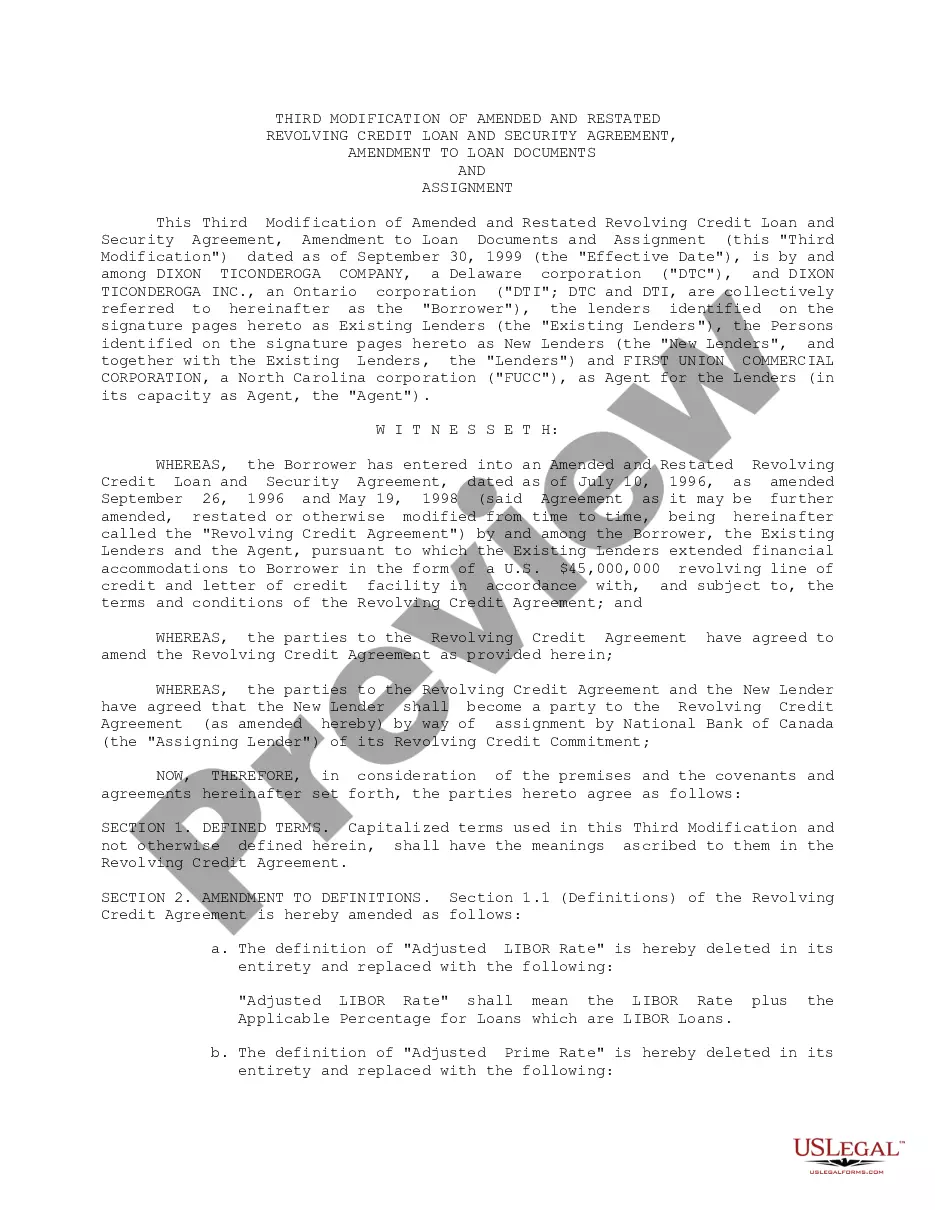
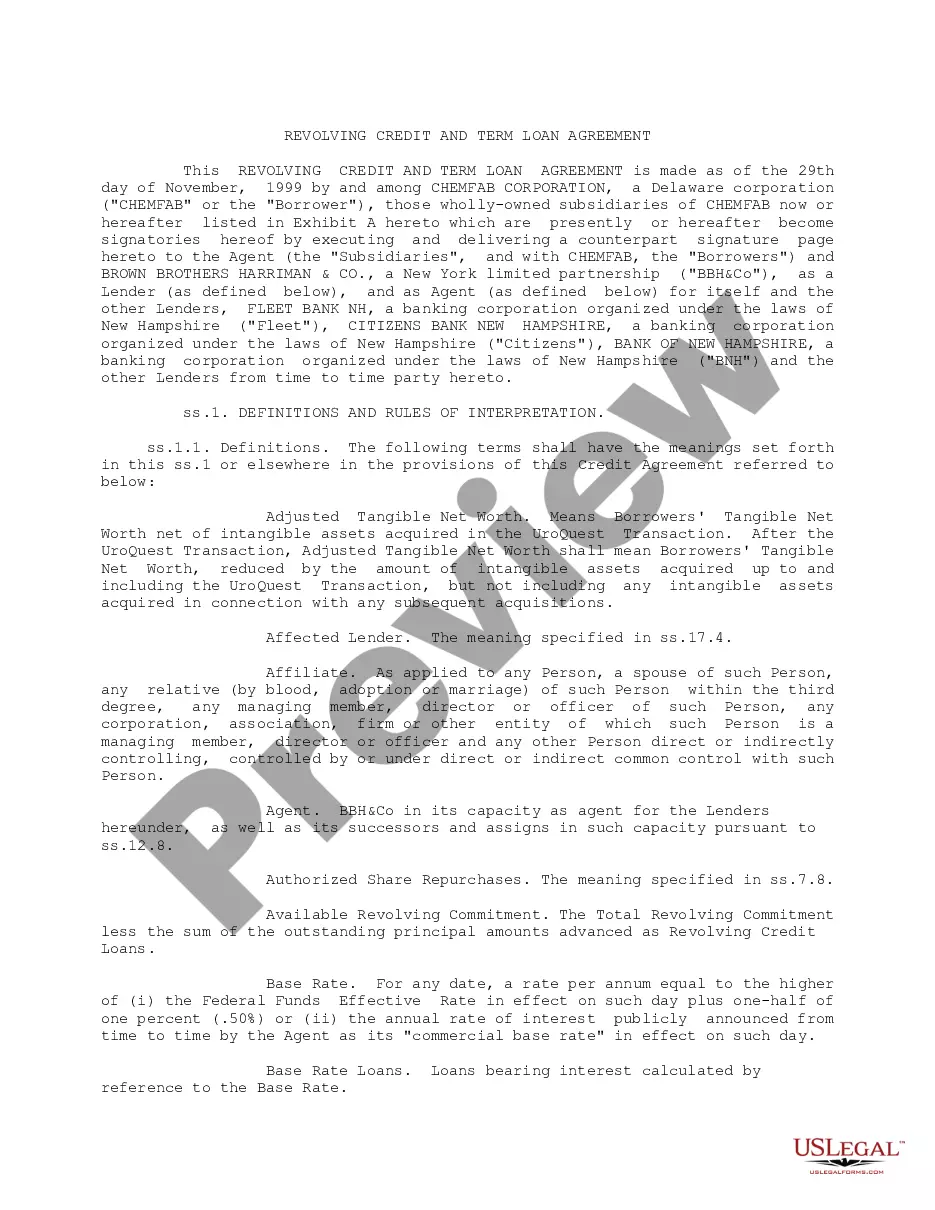

How to fill out Revolving Credit Agreement Between PCSupport.com, Inc. And ICE Holdings North America, LLC?
Whether for corporate objectives or personal matters, everyone must confront legal circumstances at some point in their lives.
Completing legal documents necessitates meticulous attention, starting from selecting the appropriate form template.
With an extensive US Legal Forms catalog at your disposal, you never have to waste time searching for the appropriate template online. Utilize the library’s straightforward navigation to find the suitable form for any occasion.
- Acquire the template you require by utilizing the search bar or catalog navigation.
- Examine the form’s details to confirm it aligns with your situation, state, and area.
- Click on the form’s preview to inspect it.
- If it is the wrong form, return to the search feature to find the Llc Company Characteristics example you need.
- Obtain the document when it fulfills your requirements.
- If you already possess a US Legal Forms account, simply click Log in to access prior saved documents in My documents.
- In case you do not have an account yet, you can acquire the form by clicking Buy now.
- Select the correct pricing option.
- Complete the profile registration form.
- Choose your payment method: use a credit card or PayPal account.
- Select the desired file format and download the Llc Company Characteristics.
- Once saved, you can fill out the form using editing software or print it and finalize it manually.
Form popularity
FAQ
To determine the type of LLC you have, review your operating agreement and tax classification. An LLC can be a single-member or multi-member entity, and it can choose different tax statuses. Understanding your LLC company characteristics, such as whether it's treated as a disregarded entity or a corporation, is crucial for compliance and tax purposes. If you're unsure, platforms like uslegalforms can help clarify your LLC's status and provide necessary documentation.
An LLC can choose to be taxed as either an S corporation or a C corporation, depending on its income and owner preferences. This flexibility is one of the appealing LLC company characteristics, allowing owners to select the tax treatment that best suits their financial situation. Understanding the differences between these classifications will guide you in optimizing your tax strategy. Consulting resources or platforms like uslegalforms can provide clarity on making the best choice for your LLC.
An LLC, or limited liability company, is a hybrid business structure that combines the benefits of a corporation and a partnership. It offers flexibility in management and ownership while protecting members from personal liability. This makes an LLC an attractive choice for many entrepreneurs. To fully appreciate the LLC company characteristics, consider how it can meet your specific business needs and goals.
The three key characteristics of a limited company include limited liability, a distinct legal identity, and easier capital acquisition. Limited liability means that members are protected from personal financial loss due to business debts. A distinct legal identity allows the company to enter contracts and own property independently. Lastly, the ability to raise capital can facilitate growth, aligning well with various LLC company characteristics.
You should classify your LLC based on how you plan to be taxed and the nature of your business. An LLC can be treated as a sole proprietorship, partnership, or corporation for tax purposes. Choosing the right classification affects your personal taxes, liability, and operational flexibility. Utilizing platforms like uslegalforms can guide you through the classification process based on your specific needs and LLC company characteristics.
One important characteristic of an LLC is its liability protection. Owners, known as members, are not personally liable for business debts or lawsuits, which helps safeguard your personal assets. This allows you to run your business with peace of mind, knowing that your private property is protected. Understanding these LLC company characteristics can help you make informed decisions about your business structure.
Limited companies are defined by limited liability, which shields owners from being personally liable for company debts. They often enjoy continuity, meaning they can continue to exist even if an owner leaves or passes away. Lastly, limited companies must adhere to strict regulatory requirements, ensuring transparency and trust among stakeholders.
A Limited Liability Company (LLC) combines the benefits of both corporations and partnerships. One key characteristic is the limited liability, protecting members' personal assets from business debts. Additionally, LLCs offer flexibility in management structure and pass-through taxation, allowing profits to be taxed only at the member level, which is a significant benefit for many businesses.
One major advantage of a private limited company is limited liability, meaning owners are only responsible for company debts up to their investment amount. This structure often results in easier access to funding as private companies can attract investors with the promise of limited risk. Moreover, they enjoy more regulatory flexibility than public companies, enabling them to operate with less red tape.
Private companies typically have limited access to capital, which helps them maintain greater control and privacy. These companies usually restrict share trading, keeping ownership within a select group of individuals. Additionally, private companies are generally not required to disclose as much financial information as public companies, which can be beneficial for maintaining confidentiality.