Trust Administration Meaning
Description
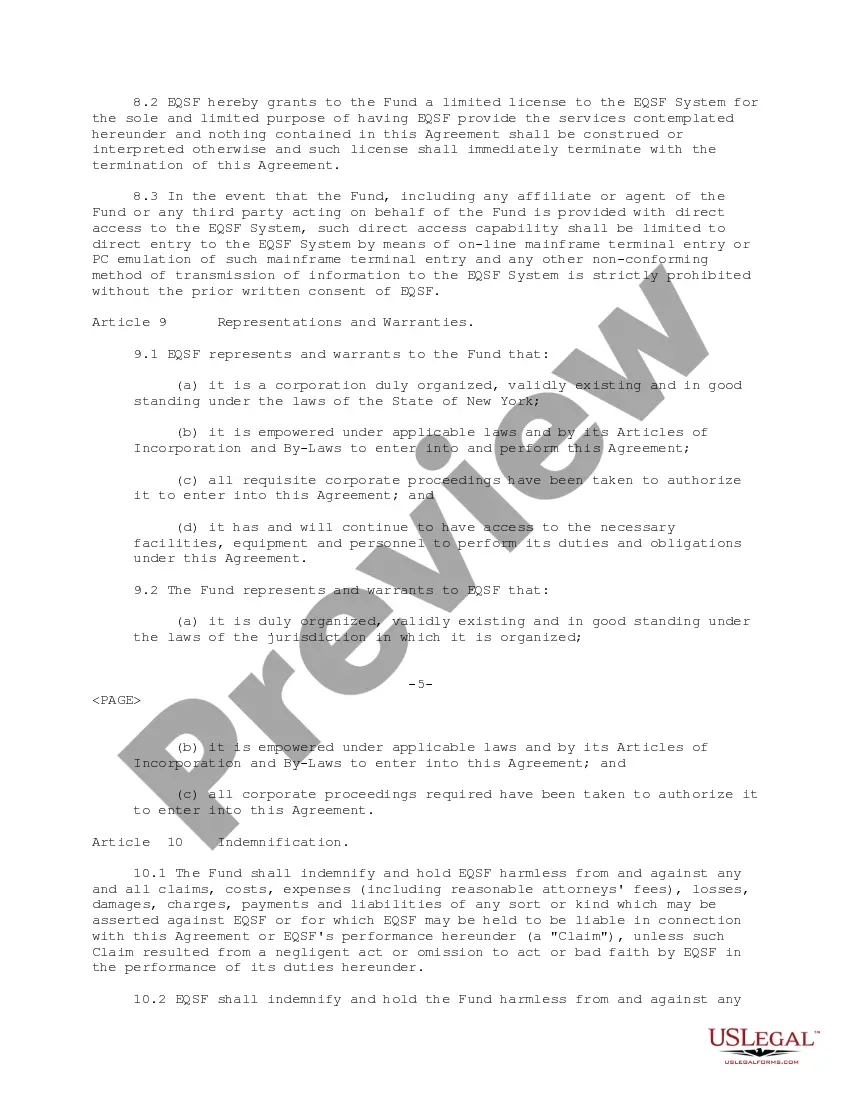
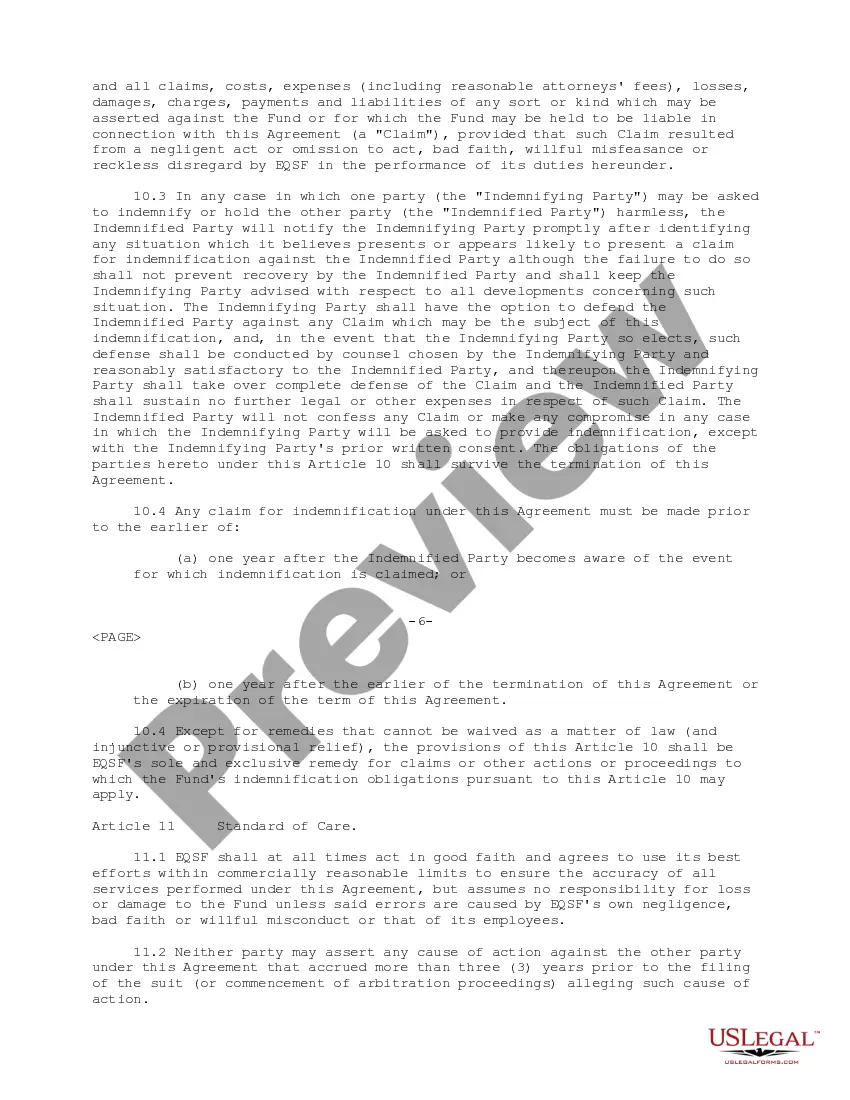
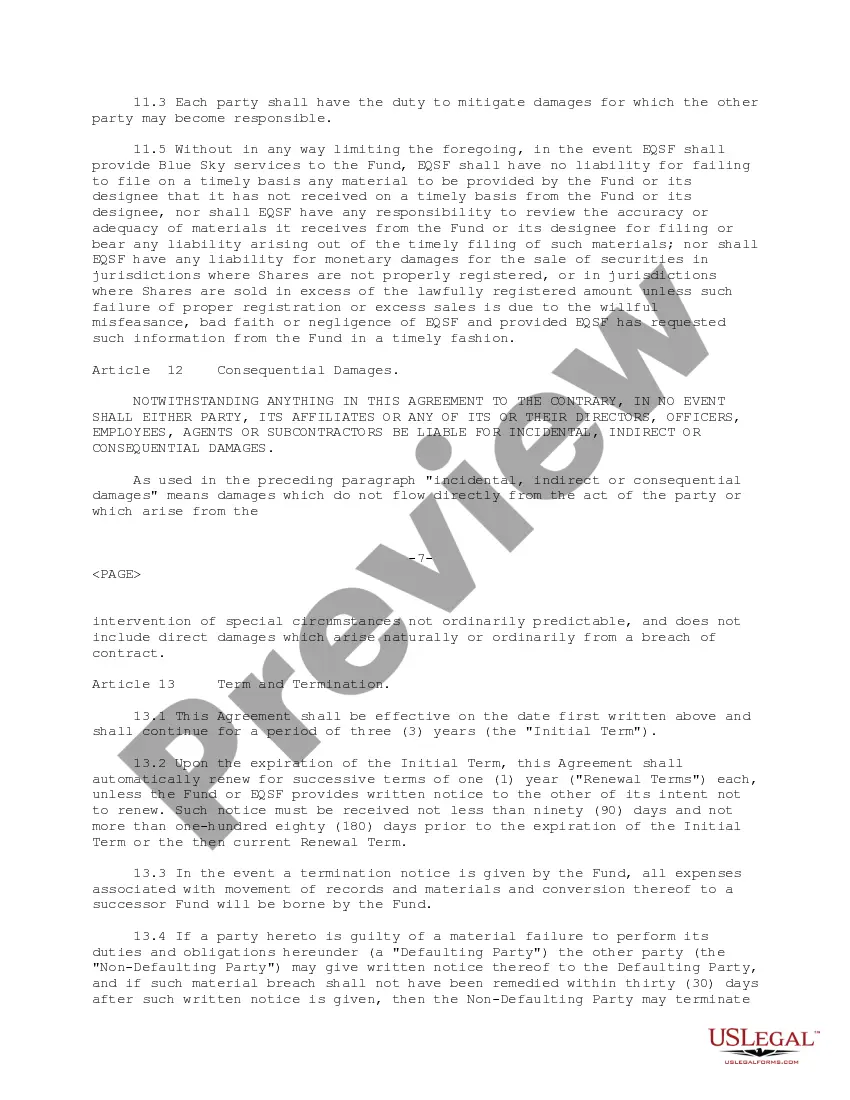
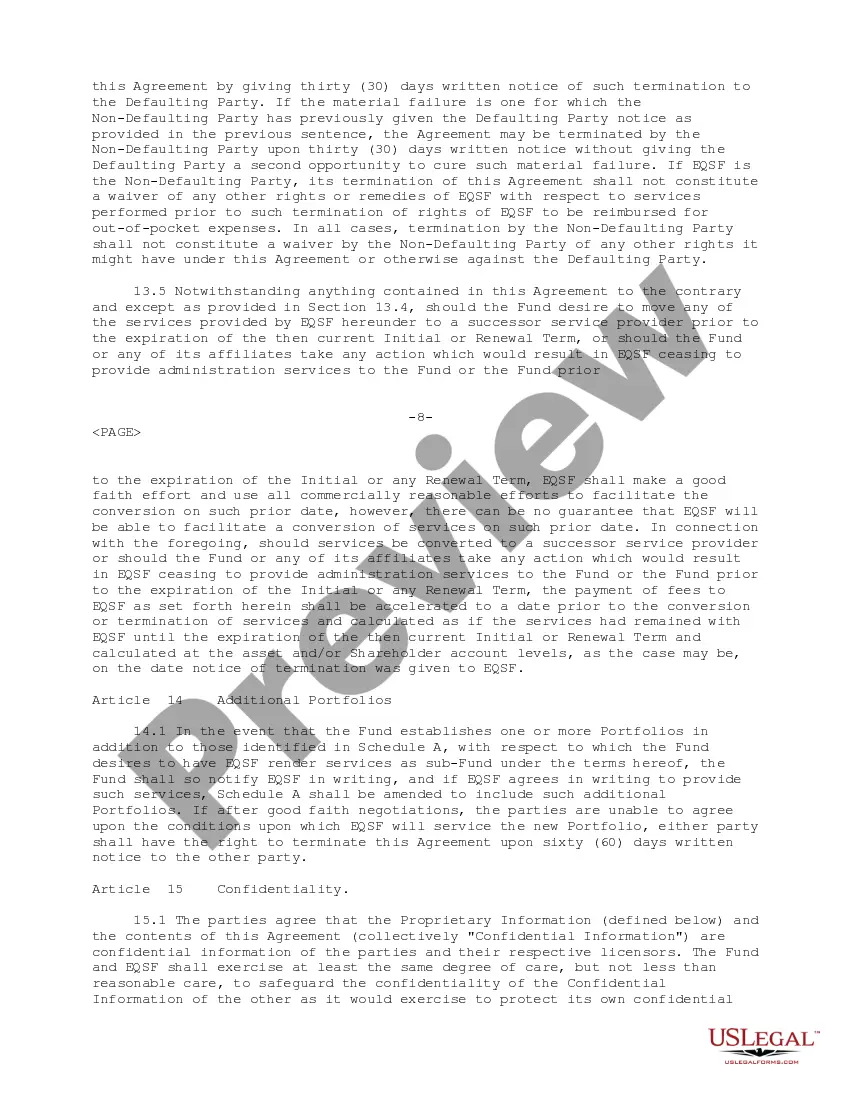

Get your form ready online
Our built-in tools help you complete, sign, share, and store your documents in one place.
Make edits, fill in missing information, and update formatting in US Legal Forms—just like you would in MS Word.
Download a copy, print it, send it by email, or mail it via USPS—whatever works best for your next step.
Sign and collect signatures with our SignNow integration. Send to multiple recipients, set reminders, and more. Go Premium to unlock E-Sign.
If this form requires notarization, complete it online through a secure video call—no need to meet a notary in person or wait for an appointment.
We protect your documents and personal data by following strict security and privacy standards.

Make edits, fill in missing information, and update formatting in US Legal Forms—just like you would in MS Word.

Download a copy, print it, send it by email, or mail it via USPS—whatever works best for your next step.

Sign and collect signatures with our SignNow integration. Send to multiple recipients, set reminders, and more. Go Premium to unlock E-Sign.

If this form requires notarization, complete it online through a secure video call—no need to meet a notary in person or wait for an appointment.

We protect your documents and personal data by following strict security and privacy standards.
Looking for another form?





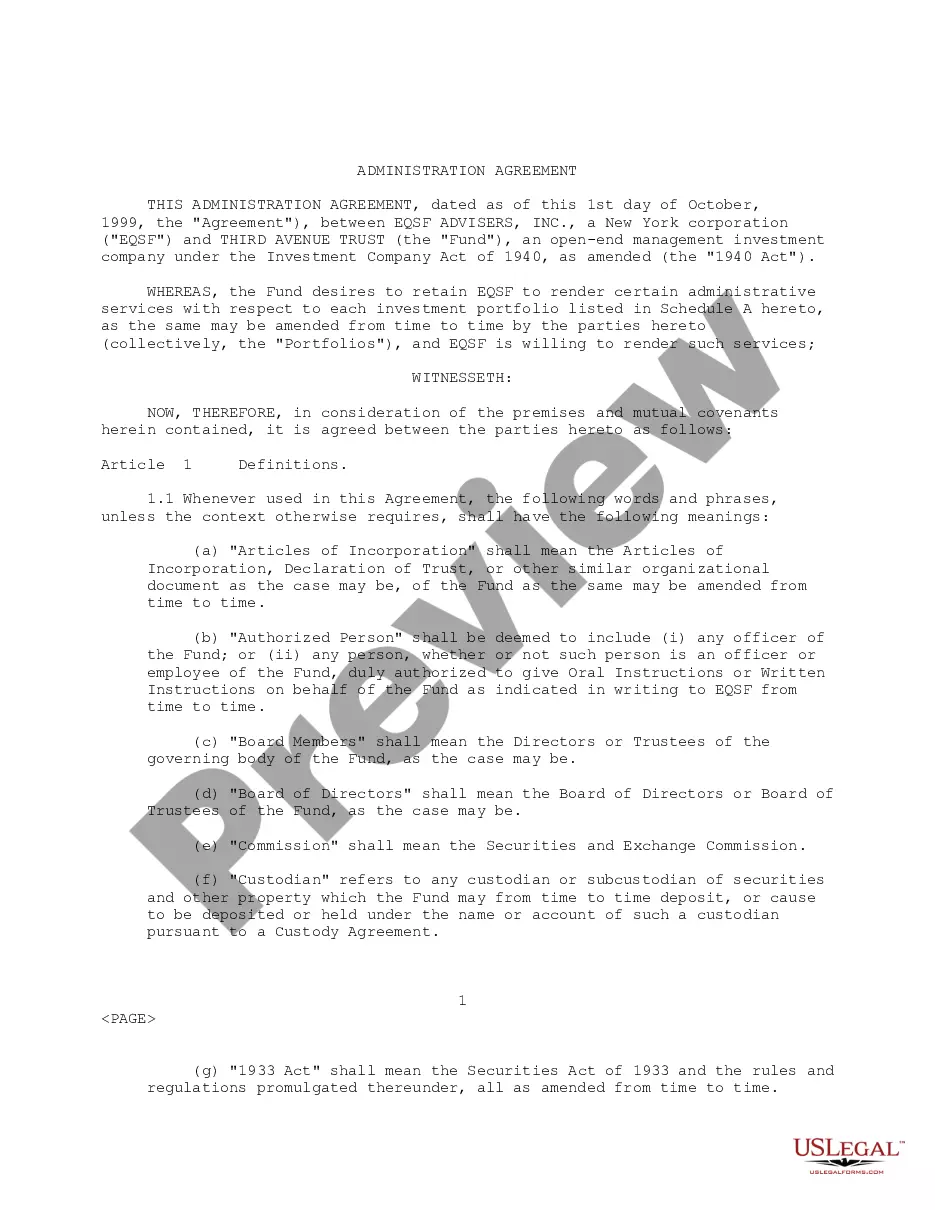
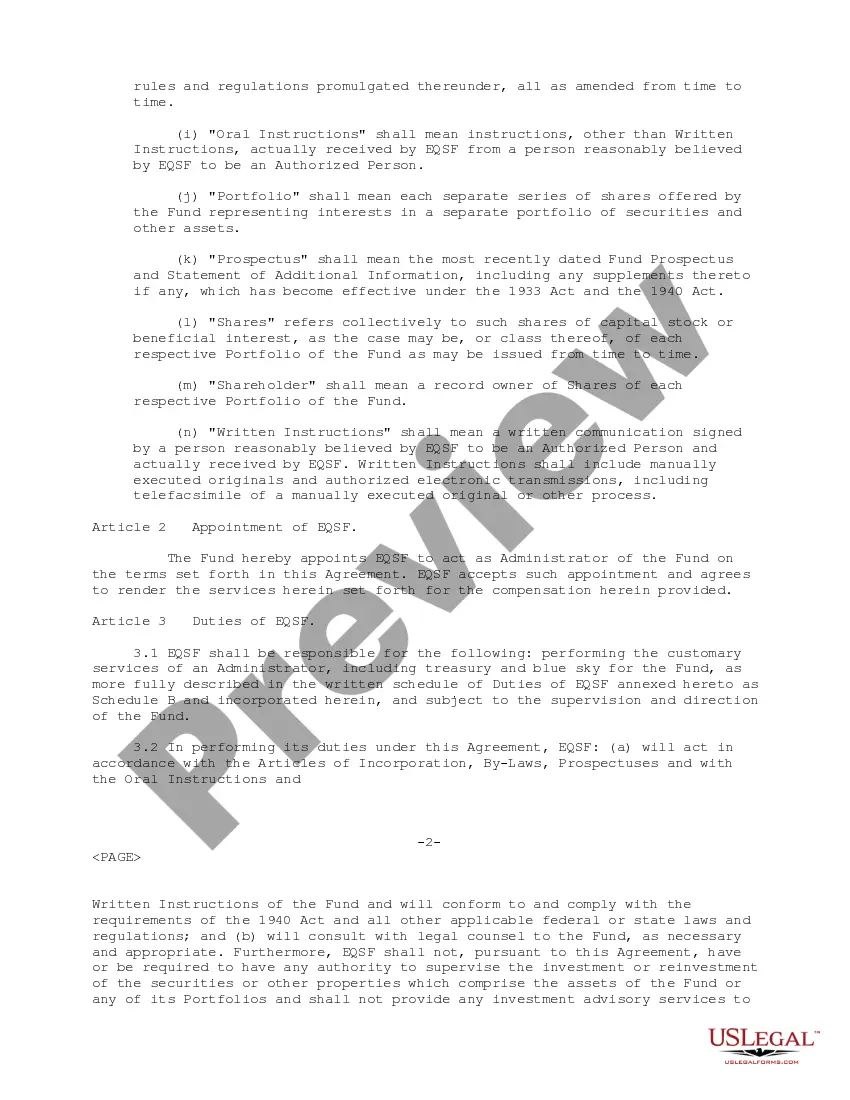
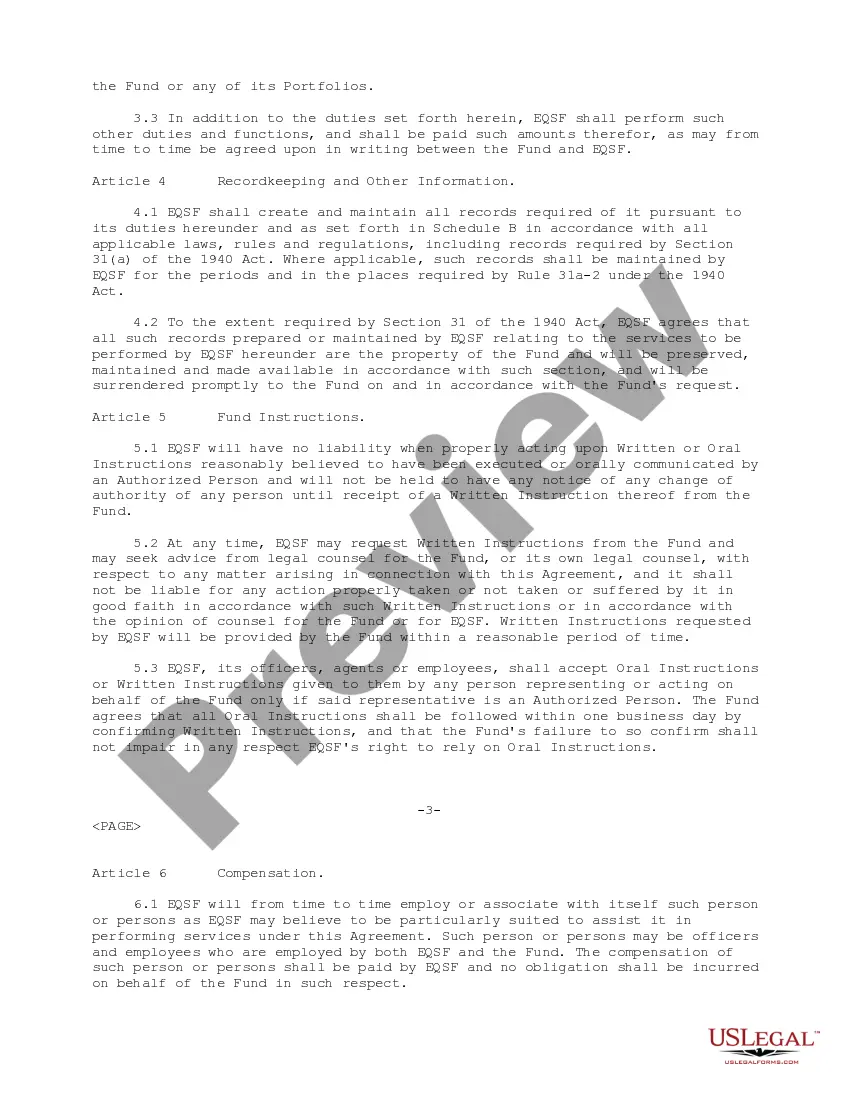
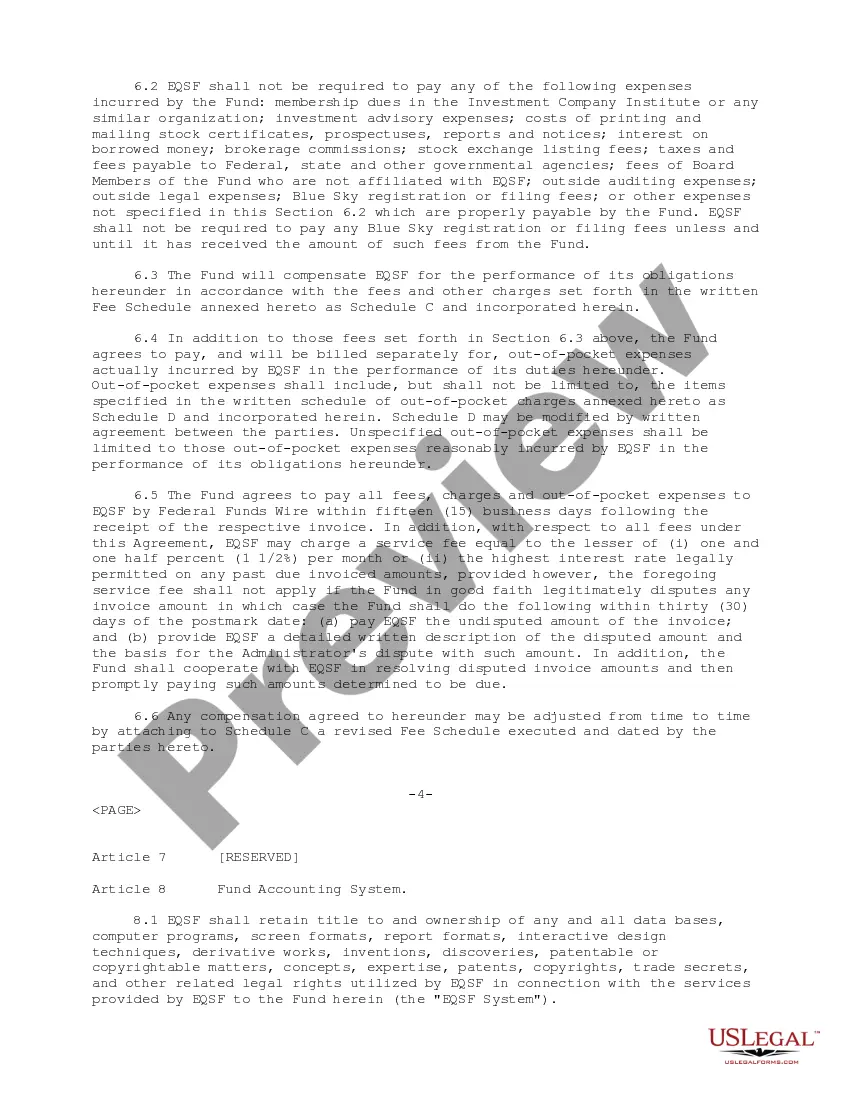
How to fill out Administration Agreement Between EQSF Advisors, Inc. And Third Avenue Trust Regarding Retaining EQSF To Render Administrative Services With Respect To Investment?
Managing legal documents and tasks can be an exhaustive addition to your schedule.
Trust Administration Definition and similar forms frequently necessitate that you look for them and determine the most efficient way to complete them successfully.
Consequently, if you are handling financial, legal, or personal issues, possessing a comprehensive and user-friendly online repository of forms readily available will be very beneficial.
US Legal Forms is the premier online source of legal templates, showcasing over 85,000 state-specific forms and a range of tools to help you finalize your documents swiftly.
Is this your first experience with US Legal Forms? Register and create your account in a few minutes, and you’ll gain access to the form repository and Trust Administration Definition. Then, adhere to the following steps to complete your form.
- Explore the collection of relevant documents accessible to you with a single click.
- US Legal Forms provides state- and county-specific documents available for download at any time.
- Protect your document management workflows with a reliable service that enables you to prepare any form in just a few minutes without any additional or hidden fees.
- Simply Log In to your account, find Trust Administration Definition, and obtain it immediately in the My documents section.
- You can also reach previously downloaded forms.
Form popularity
FAQ
Probate and trust administration differ primarily in how they handle the distribution of assets after someone passes away. Probate is the court-supervised process for validating a will and distributing assets, which can be lengthy and public. In contrast, trust administration is typically a private process that allows for quicker asset distribution without court intervention. Grasping the differences between these two processes enhances your understanding of the trust administration meaning and its benefits.
Trust administration refers to the legal and financial processes involved in managing a trust after it has been created. It includes tasks such as asset management, tax filings, and distributing assets to beneficiaries. Essentially, trust administration ensures that the trust operates smoothly and in compliance with laws and the grantor's directives. Knowing the trust administration meaning can empower you to make informed decisions about estate planning.
Trust administration involves managing and distributing assets held in a trust according to the trust document's terms. This process ensures that the grantor's wishes are honored and that beneficiaries receive their intended benefits. In addition, trust administration requires careful record-keeping and communication with beneficiaries, making it vital for maintaining trust integrity. Understanding the trust administration meaning helps you navigate this essential aspect of estate planning.
A trustee is responsible for managing the trust according to its terms and the best interests of the beneficiaries, while a trust administrator often handles the operational aspects of the trust. Knowing the distinction between these roles is vital for effective trust administration. Trust administration meaning includes understanding how both positions contribute to the successful management of a trust.
A revocable trust allows the grantor to modify or dissolve it during their lifetime, while an administrative trust typically serves a specific purpose regarding asset management and distribution. Understanding trust administration meaning helps clarify that, although both types serve to manage assets, their functions and flexibility differ significantly. Choosing the right type depends on your specific needs.
The primary purpose of an administrative trust is to provide a structured method for managing and distributing assets. It helps streamline the process and ensures that your wishes are honored after your death. By grasping trust administration meaning, you can appreciate how this trust type safeguards your assets and benefits your heirs.
A trust account administrator oversees the operations of a trust, ensuring that assets are managed according to the terms set forth in the trust document. Their duties include maintaining records, making distributions to beneficiaries, and ensuring compliance with legal requirements. Understanding the role of a trust administrator is key to grasping the broader trust administration meaning.
An administrative trust can be essential, depending on your financial situation and goals. It provides a framework for managing and distributing assets according to your wishes, which can be particularly beneficial in complex situations. Knowing the trust administration meaning can help you see why this structure can be a valuable part of your estate plan.
Suze Orman often recommends a revocable living trust as an effective estate planning tool. This type of trust allows you to maintain control over your assets while simplifying the process for your beneficiaries after your passing. Understanding trust administration meaning can help you realize the benefits of having a revocable living trust, especially in terms of avoiding probate.