Stock Corp Incorporation Withholding
Description




Get your form ready online
Our built-in tools help you complete, sign, share, and store your documents in one place.
Make edits, fill in missing information, and update formatting in US Legal Forms—just like you would in MS Word.
Download a copy, print it, send it by email, or mail it via USPS—whatever works best for your next step.
Sign and collect signatures with our SignNow integration. Send to multiple recipients, set reminders, and more. Go Premium to unlock E-Sign.
If this form requires notarization, complete it online through a secure video call—no need to meet a notary in person or wait for an appointment.
We protect your documents and personal data by following strict security and privacy standards.

Make edits, fill in missing information, and update formatting in US Legal Forms—just like you would in MS Word.

Download a copy, print it, send it by email, or mail it via USPS—whatever works best for your next step.

Sign and collect signatures with our SignNow integration. Send to multiple recipients, set reminders, and more. Go Premium to unlock E-Sign.

If this form requires notarization, complete it online through a secure video call—no need to meet a notary in person or wait for an appointment.

We protect your documents and personal data by following strict security and privacy standards.
Looking for another form?










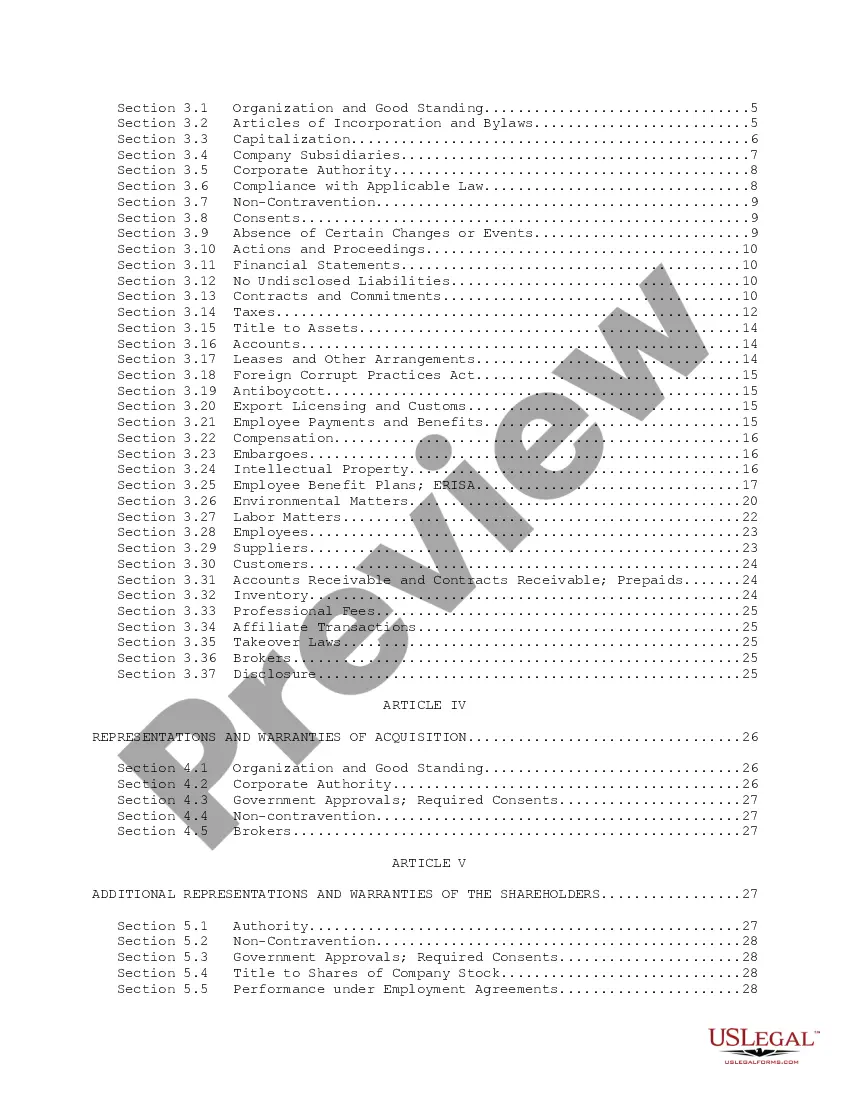
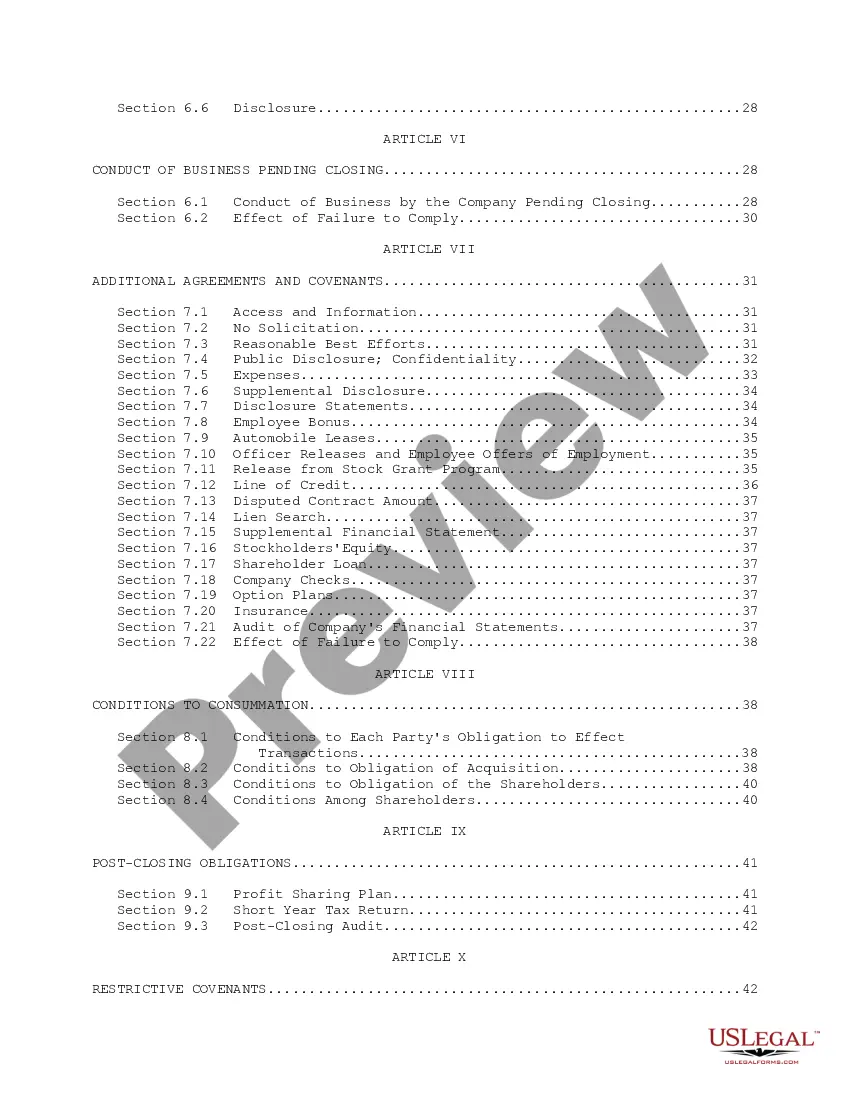
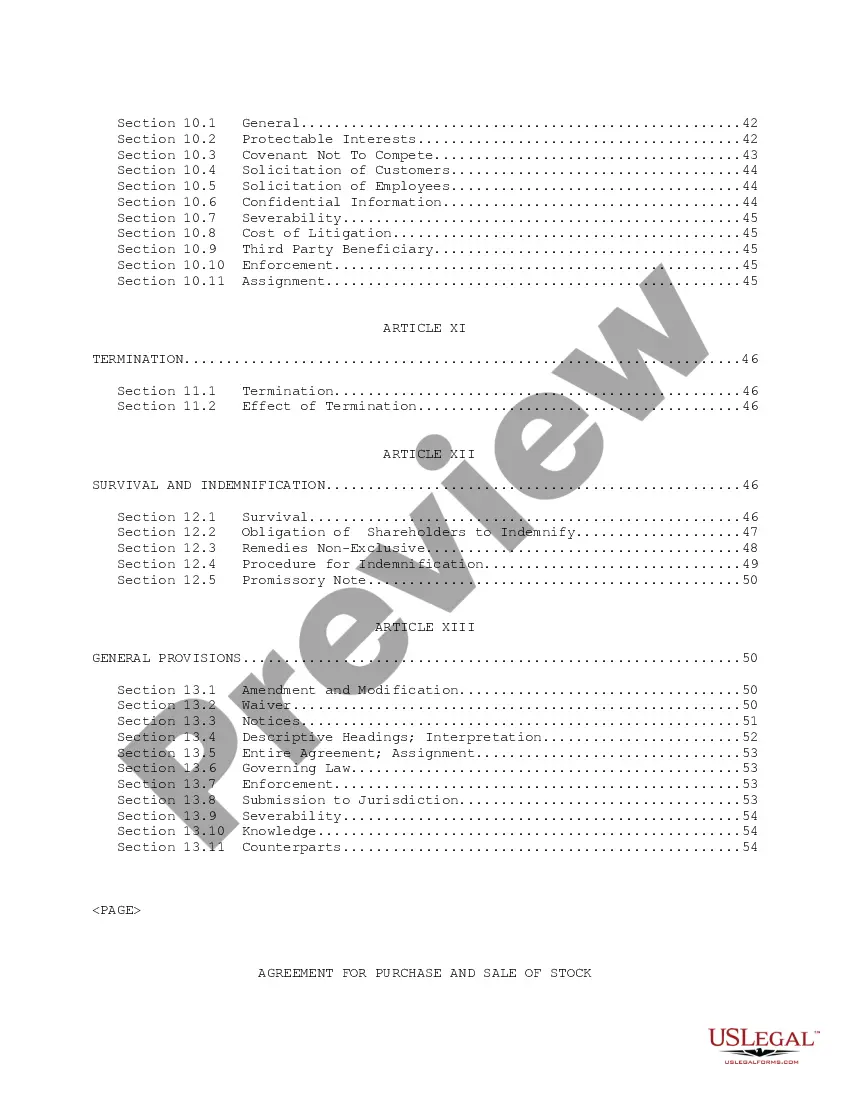
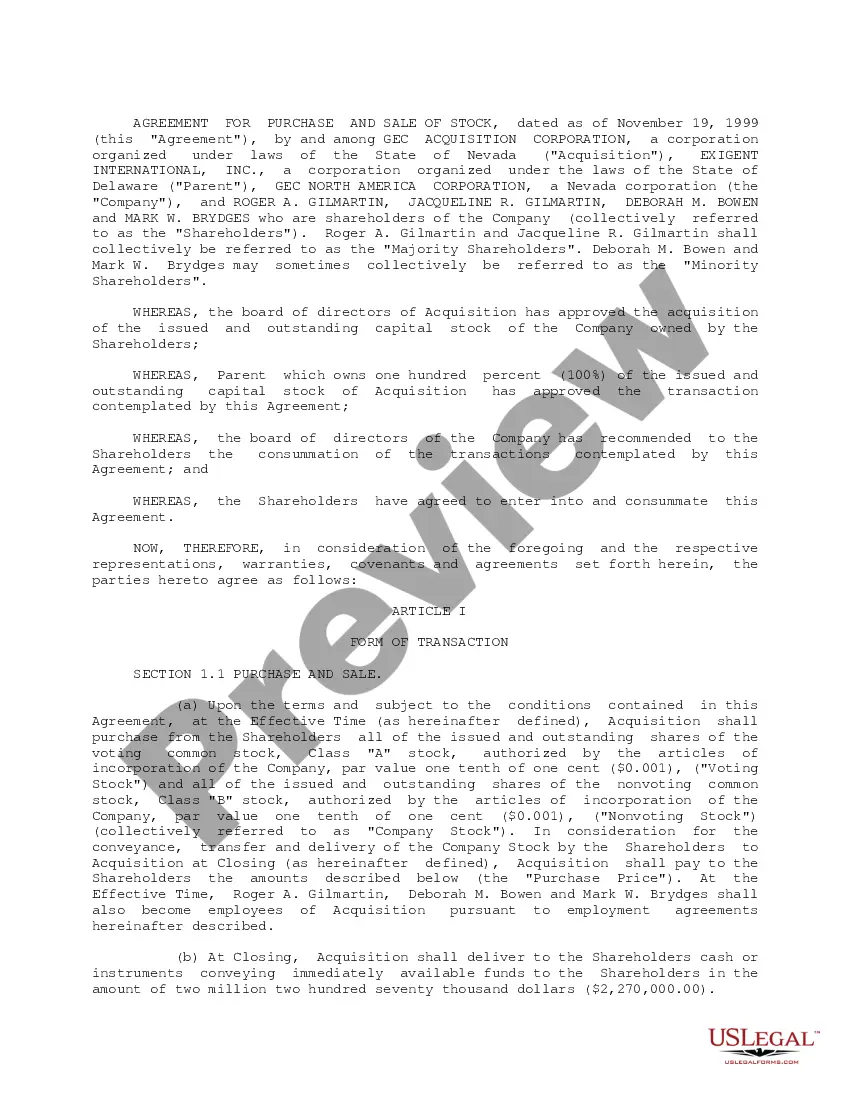
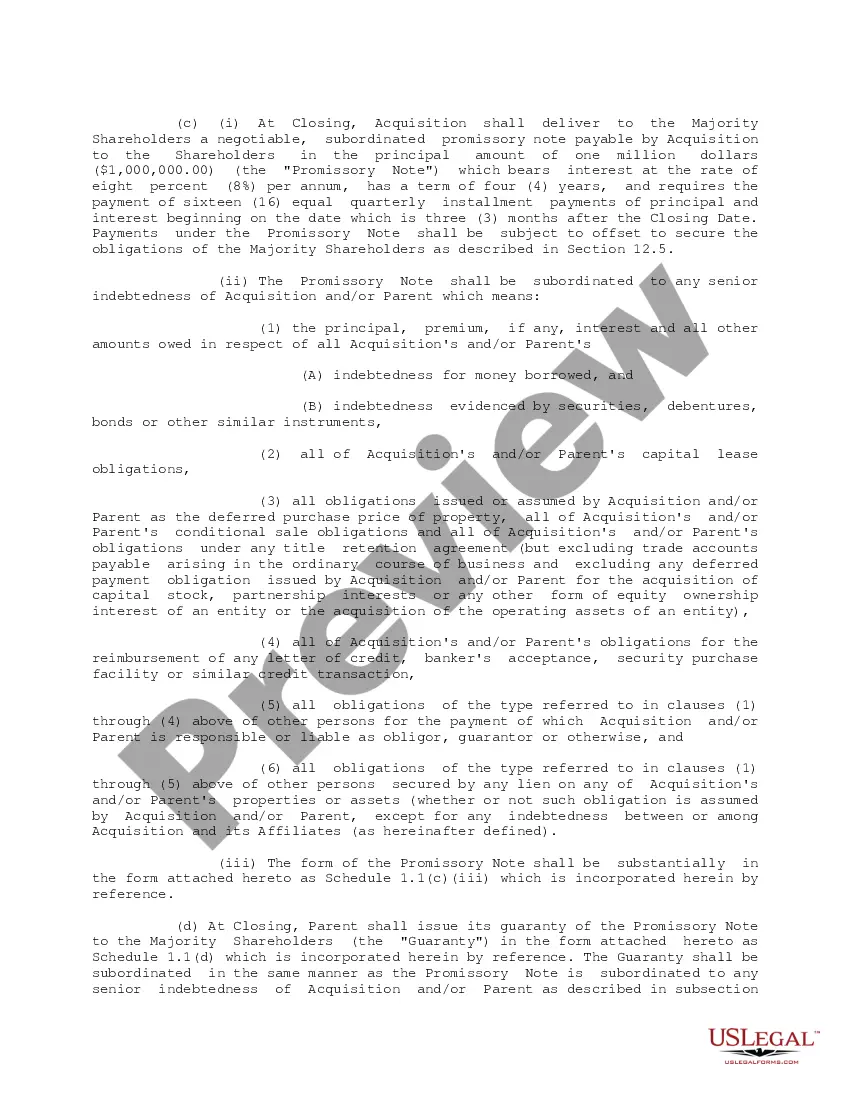
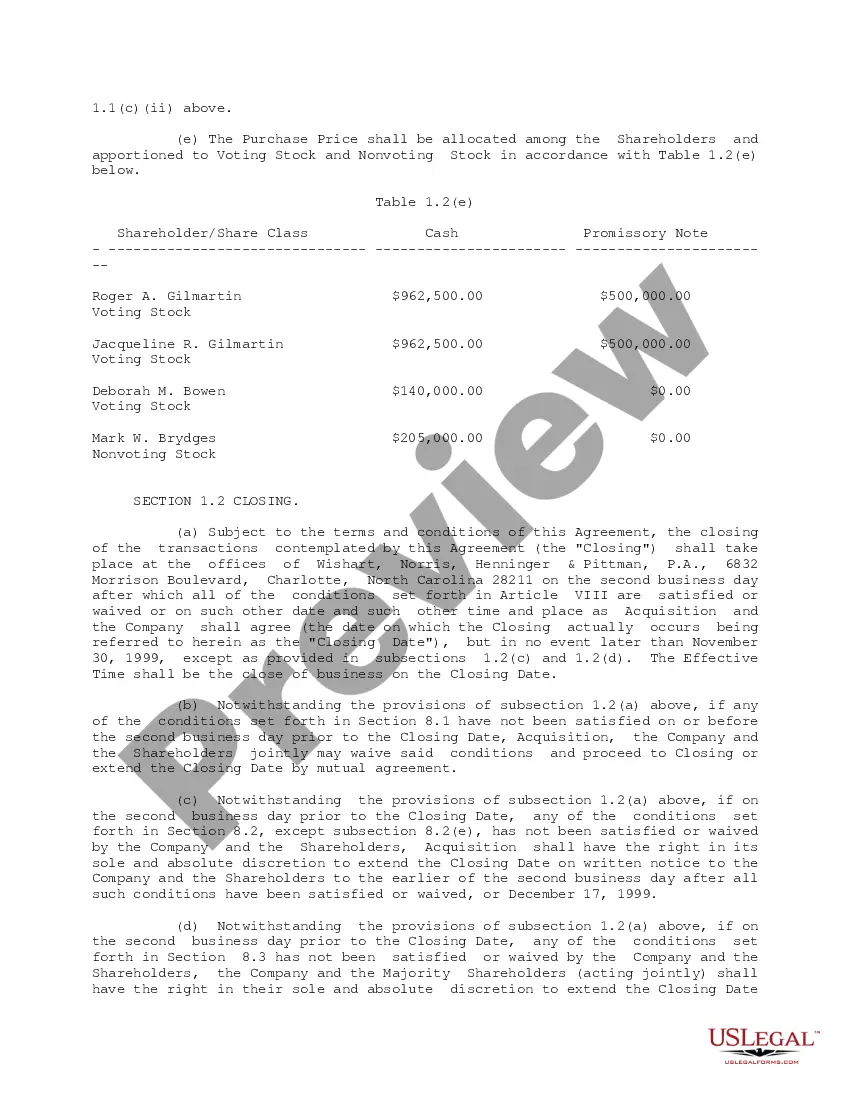
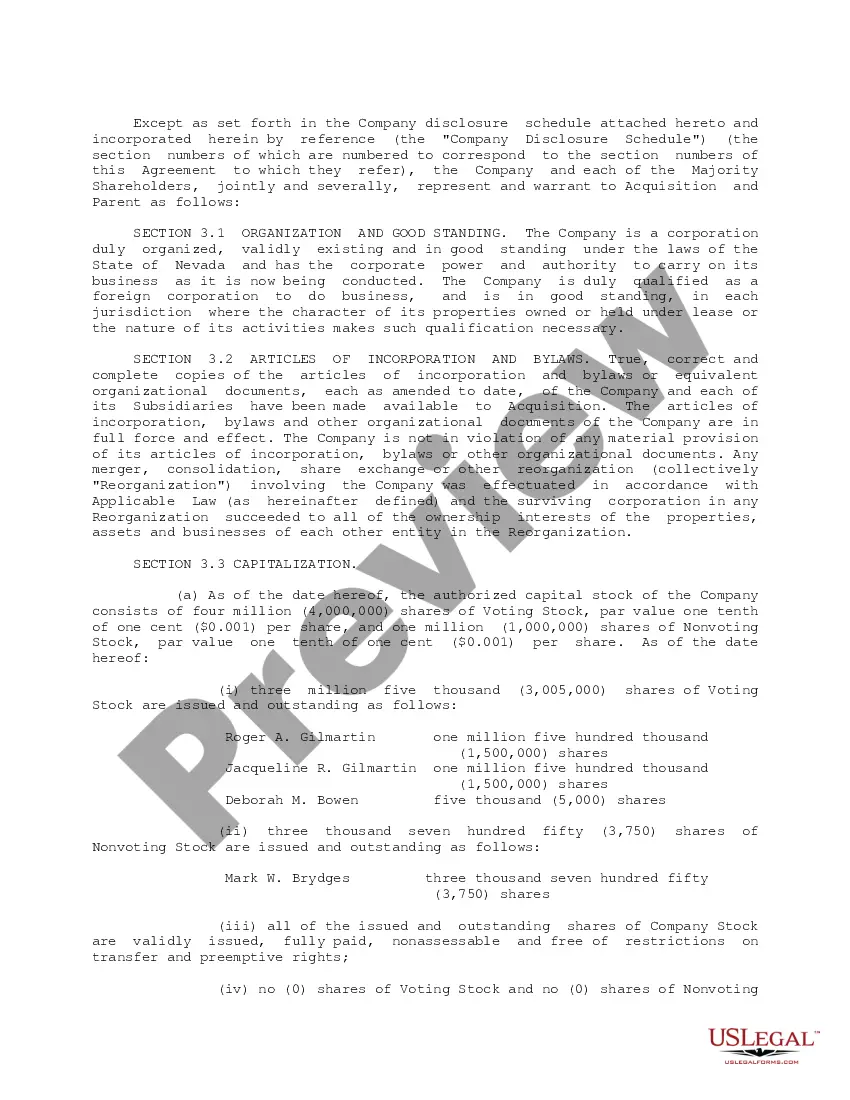
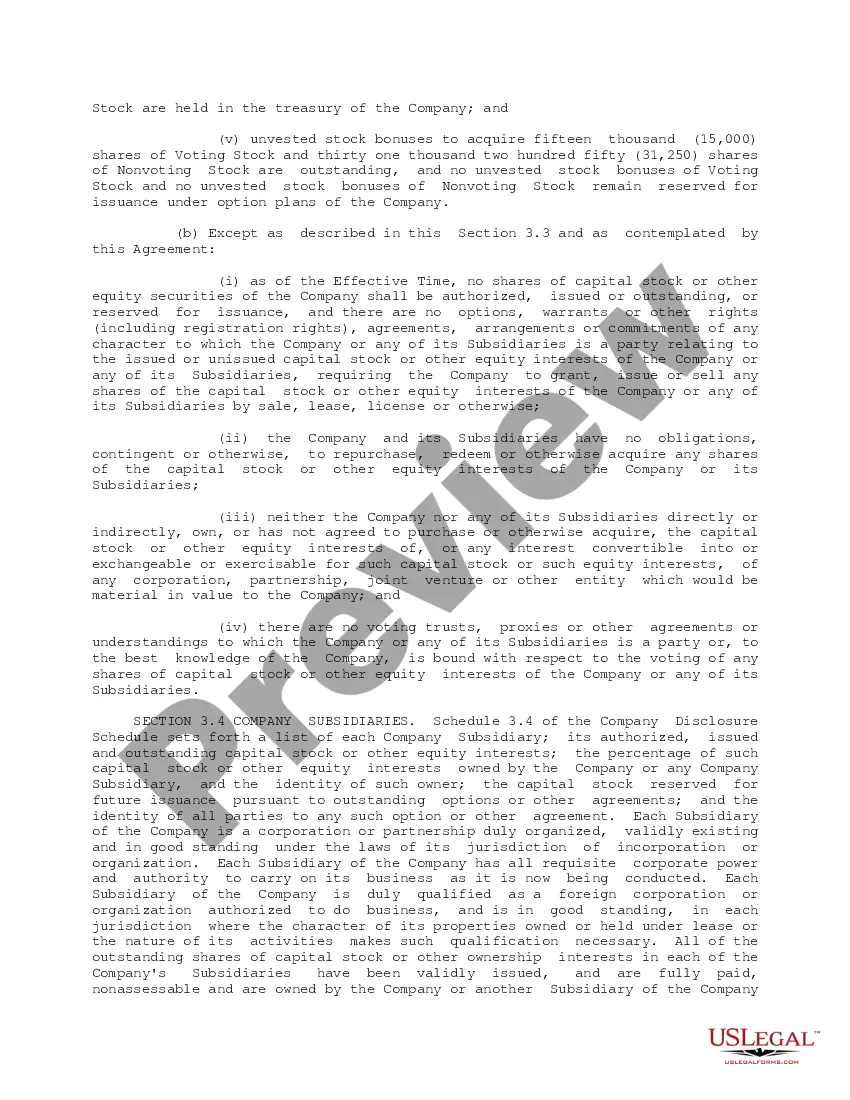
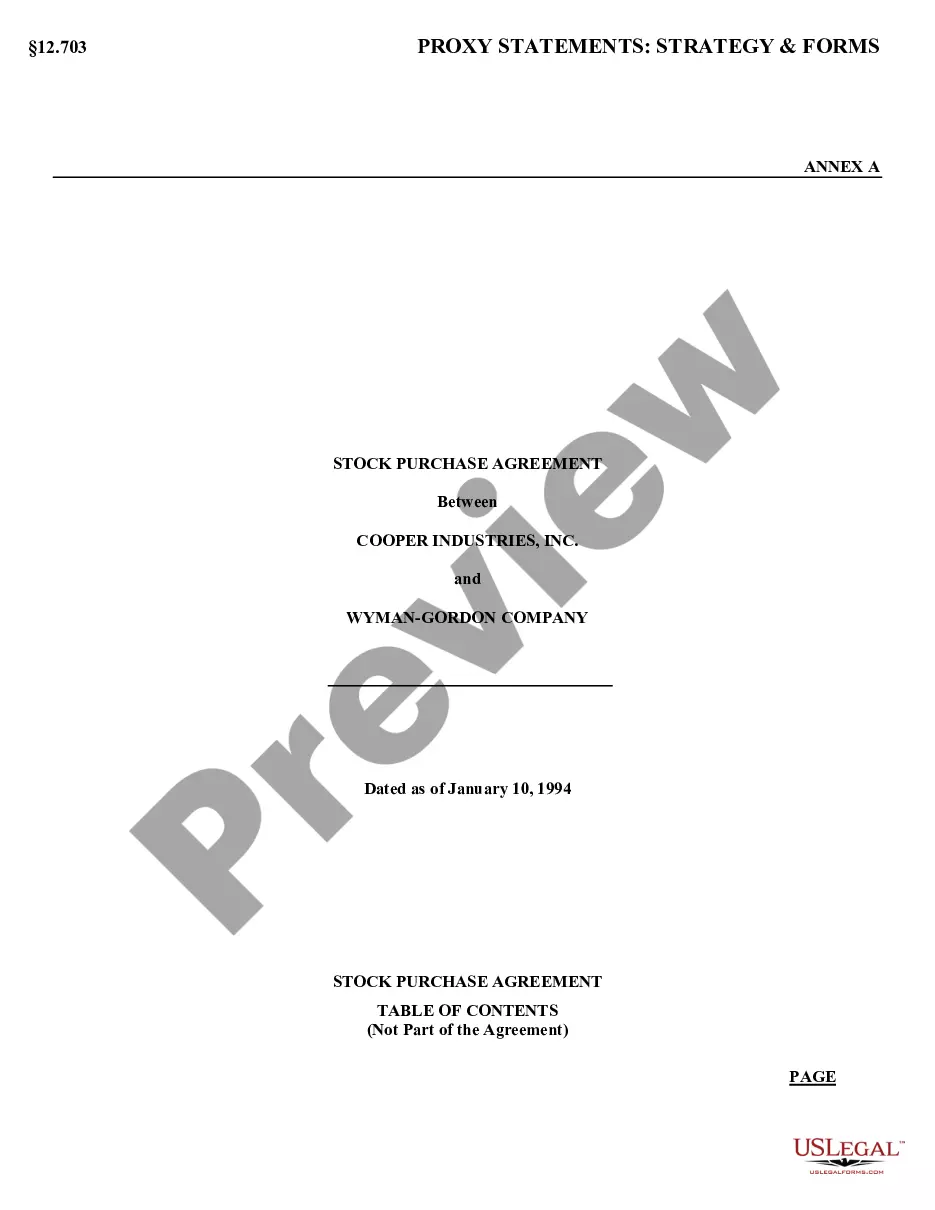
How to fill out Sample Purchase And Sale Agreement Purchase And Sale Of Stock Between GEC Acquisition Corp., Exigent International, Inc., GEC North America Corp.?
- If you're a returning user, log into your account and download the necessary form template by clicking the Download button. Ensure your subscription is active; if it has lapsed, renew as per your payment plan.
- For new users, start by checking the preview mode and form descriptions to confirm you’ve selected the correct document that aligns with your local legal requirements.
- If required, search for other templates using the Search tab above to find one that matches your criteria.
- Once you locate the right template, click on the Buy Now button. Select your preferred subscription plan and create an account to access the extensive library.
- Complete your purchase by providing your credit card information or utilizing your PayPal account to pay for the subscription.
- Finally, download your form and save it on your device. You can also access it anytime through the My Forms menu in your profile.
By following these steps, you can leverage the extensive resources offered by US Legal Forms to ensure a seamless stock corp incorporation process. Their robust library features over 85,000 forms, which are easy to fill and edit, enabling you to navigate the legal landscape with confidence.
Start your journey towards successful incorporation today and see how US Legal Forms can simplify your legal needs!
Form popularity
FAQ
Reporting stock options on your tax return starts with determining whether they are incentive stock options or non-qualified stock options. Each type has different tax implications. Generally, avoid errors by reporting the income received at exercise and any subsequent sale results. Using tools from UsLegalForms can streamline this process and ensure compliance with stock corp incorporation withholding.
To find the basis on Form 1120S, review the shareholder’s schedule contained within the form. The basis can be located in Part II of the form, which includes shareholders' stock and debt basis information. Analyzing this section is crucial for understanding your stock corp incorporation withholding responsibilities. Consider consulting UsLegalForms for guidance on filling out your 1120S accurately.
Calculating stock basis for your S corporation involves determining the initial investment you made, along with any additional contributions and retained earnings. Remember to subtract any distributions you receive from the corporation. Keeping accurate records of these transactions is vital, as they directly impact your stock corp incorporation withholding. Using software like UsLegalForms can help track your basis effectively.
To fill out a withholding exemption form, first gather the necessary information such as your tax identification number and filing status. Next, complete the sections that outline your expected income and any deductions you plan to claim. Be sure to review your entries for accuracy, as this affects your stock corp incorporation withholding. Finally, submit the form to your employer to adjust your withholding accordingly.
Yes, a corporation can withhold dividends under certain circumstances. This withholding is often linked to the company’s earnings or tax obligations. To ensure compliance and comprehend stock corp incorporation withholding practices, consider advice from services such as US Legal Forms, which can offer tailored guidance on your corporation's responsibilities.
Whether your corporation is exempt from backup withholding depends on various factors including your corporate structure and tax status. Generally, corporations are less likely to be subject to backup withholding if they provide accurate tax information. By consulting reliable platforms like US Legal Forms, you can clarify your status regarding stock corp incorporation withholding and gain insight into your obligations.
To avoid withholding tax on US stocks, one effective strategy is utilizing tax treaties if applicable. Additionally, you can consider holding stocks in tax-advantaged accounts like IRAs or 401(k)s. By effectively planning and using tools offered by platforms such as US Legal Forms, you can navigate stock corp incorporation withholding regulations more easily.
When you sell stocks, the amount of tax withheld depends on your income level and the gains from your sale. Typically, if you have a capital gain, the tax rate can range from 0% to 20%. To clarify the exact amount for your specific situation, you may leverage resources provided by platforms like US Legal Forms, which can guide you through stock corp incorporation withholding scenarios.
An S-Corp itself is typically not subject to federal income tax withholding. Instead, the income is passed through to shareholders who report it on their individual tax returns. However, stock corp incorporation withholding may still apply in certain scenarios, so consulting a tax professional for guidance is beneficial.
Stock dividends can be subject to withholding tax, particularly for non-resident investors. The rate may vary based on tax treaties between countries. It's important to be aware of stock corp incorporation withholding to ensure compliance and avoid unnecessary costs.