Sample Exigent Incorporation With The Eu
Description
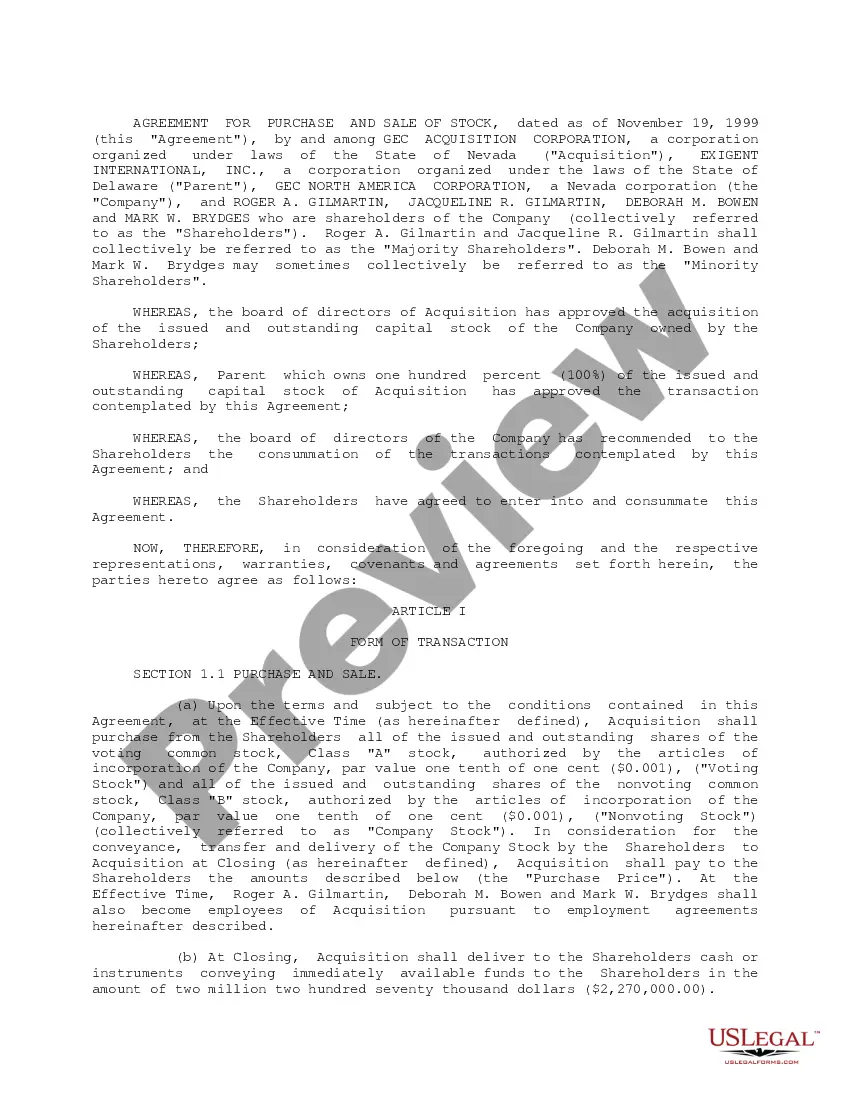
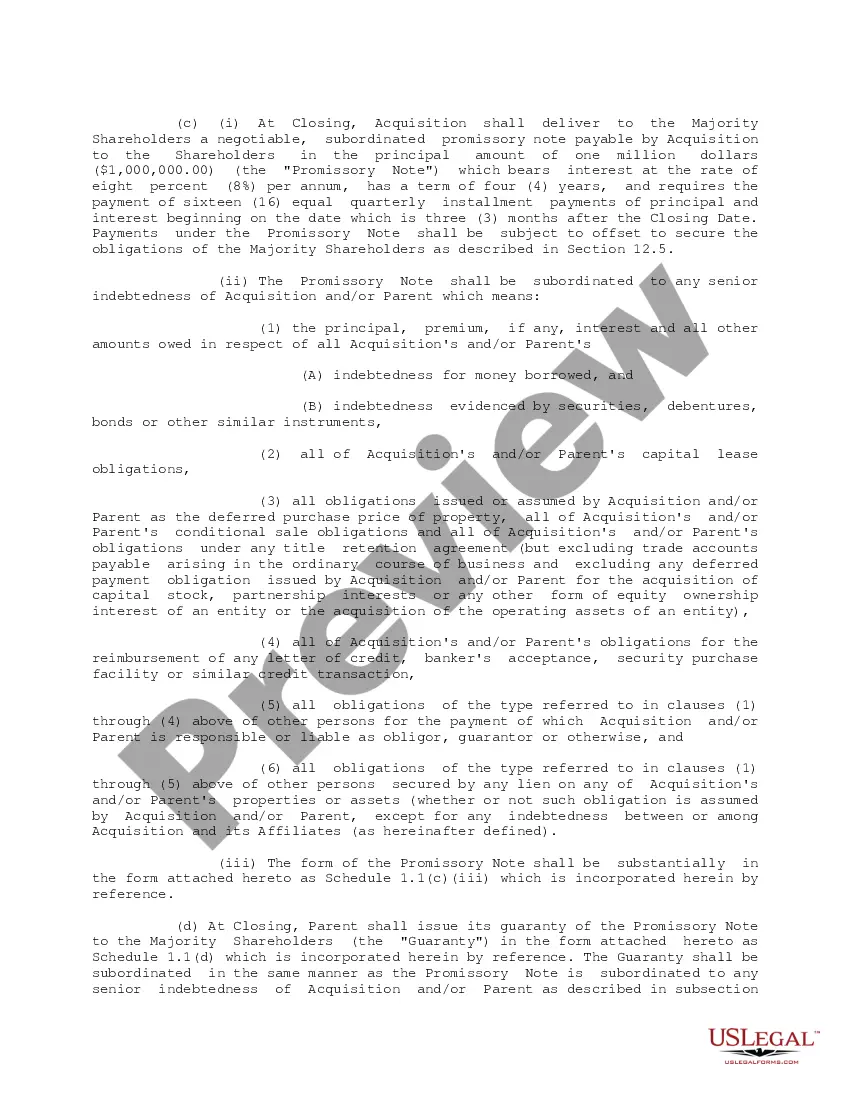
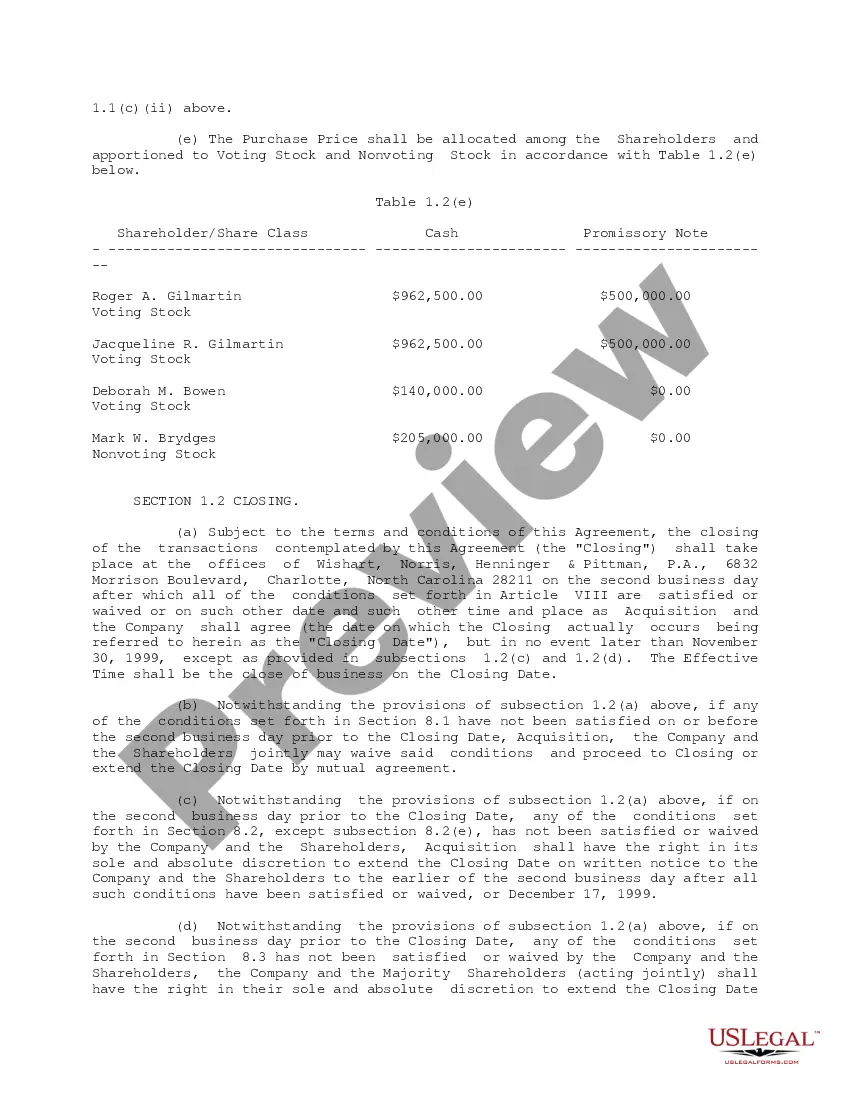
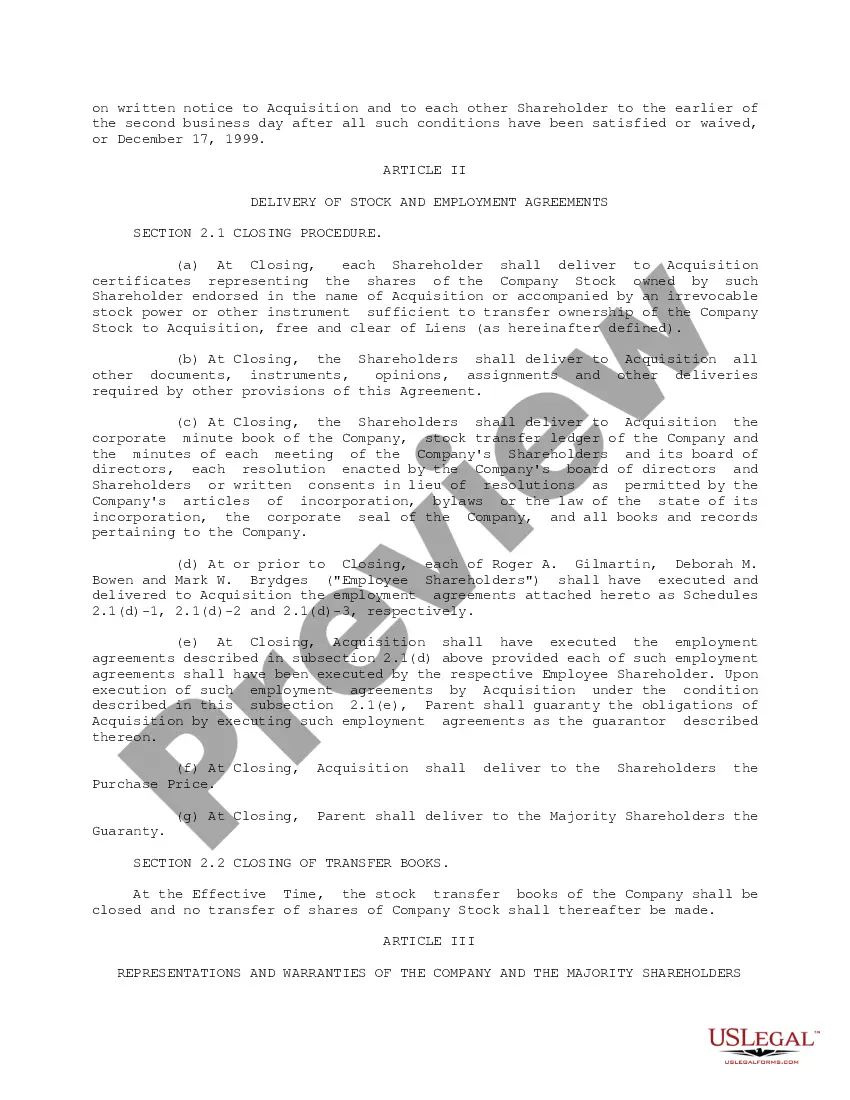

Get your form ready online
Our built-in tools help you complete, sign, share, and store your documents in one place.
Make edits, fill in missing information, and update formatting in US Legal Forms—just like you would in MS Word.
Download a copy, print it, send it by email, or mail it via USPS—whatever works best for your next step.
Sign and collect signatures with our SignNow integration. Send to multiple recipients, set reminders, and more. Go Premium to unlock E-Sign.
If this form requires notarization, complete it online through a secure video call—no need to meet a notary in person or wait for an appointment.
We protect your documents and personal data by following strict security and privacy standards.

Make edits, fill in missing information, and update formatting in US Legal Forms—just like you would in MS Word.

Download a copy, print it, send it by email, or mail it via USPS—whatever works best for your next step.

Sign and collect signatures with our SignNow integration. Send to multiple recipients, set reminders, and more. Go Premium to unlock E-Sign.

If this form requires notarization, complete it online through a secure video call—no need to meet a notary in person or wait for an appointment.

We protect your documents and personal data by following strict security and privacy standards.
Looking for another form?




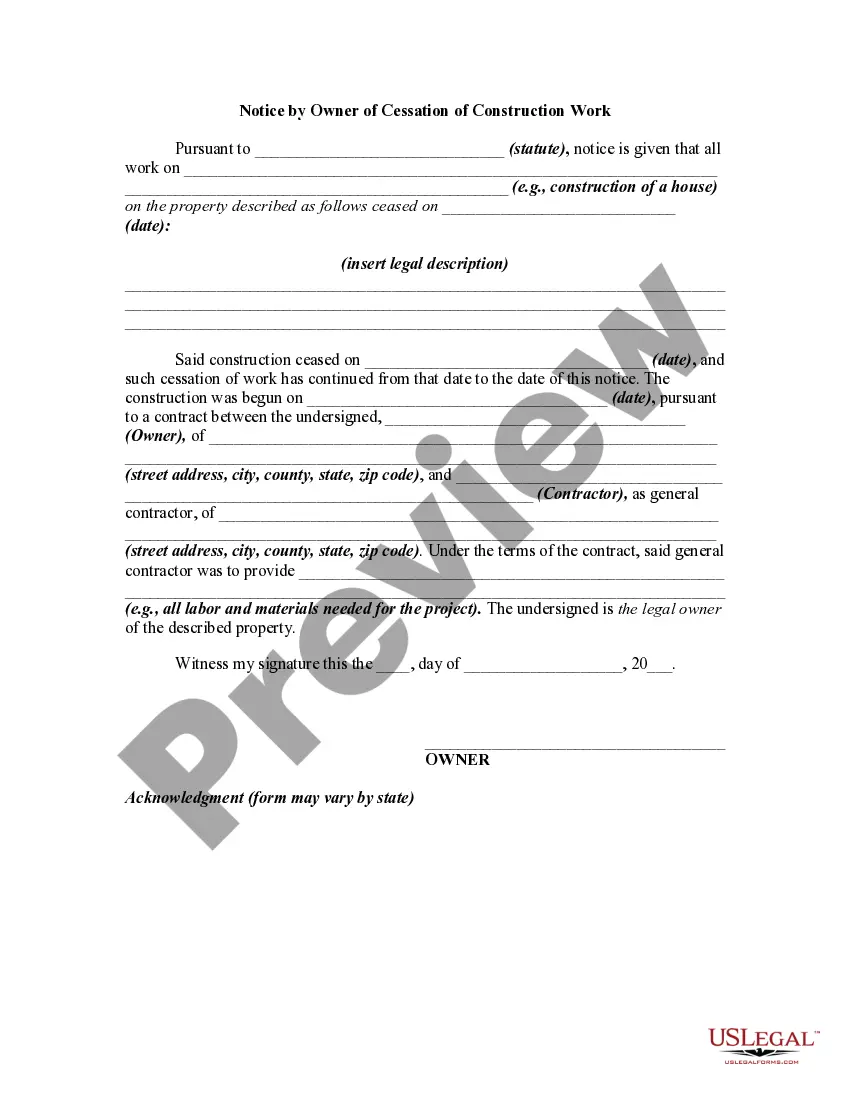

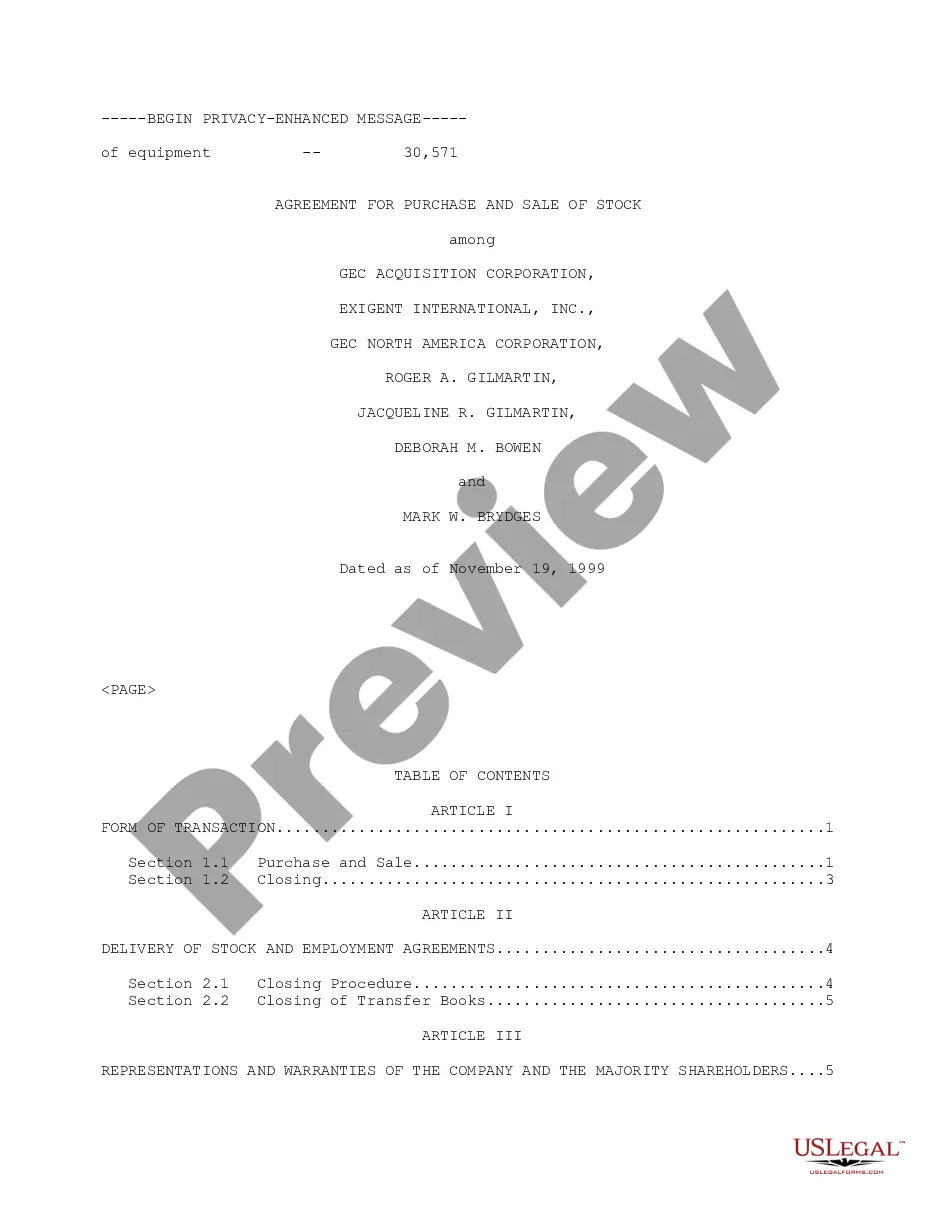
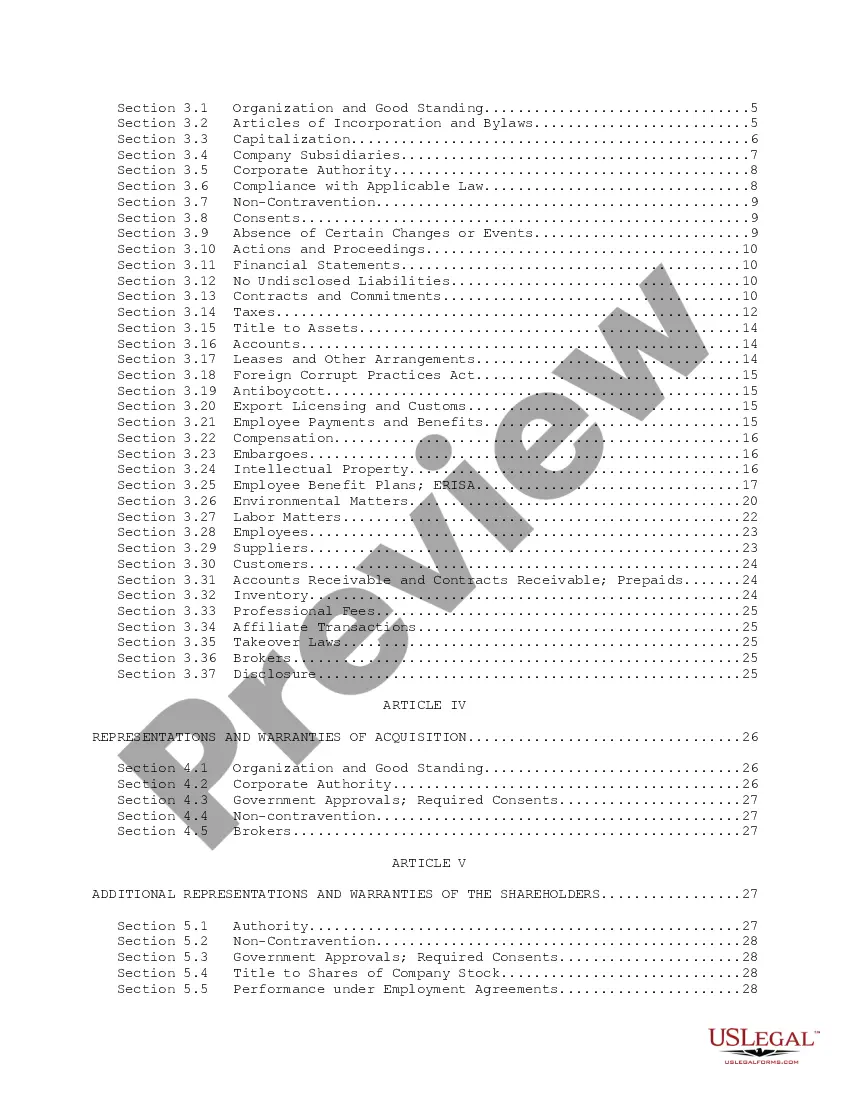
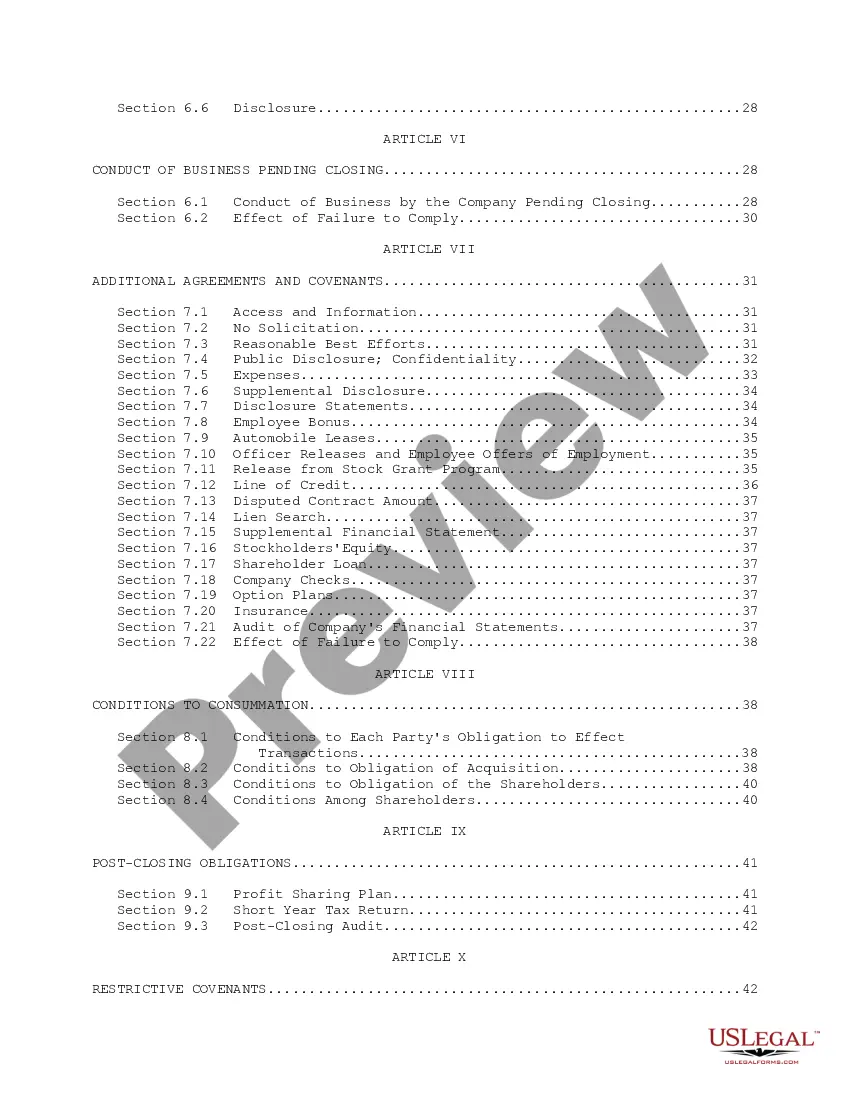
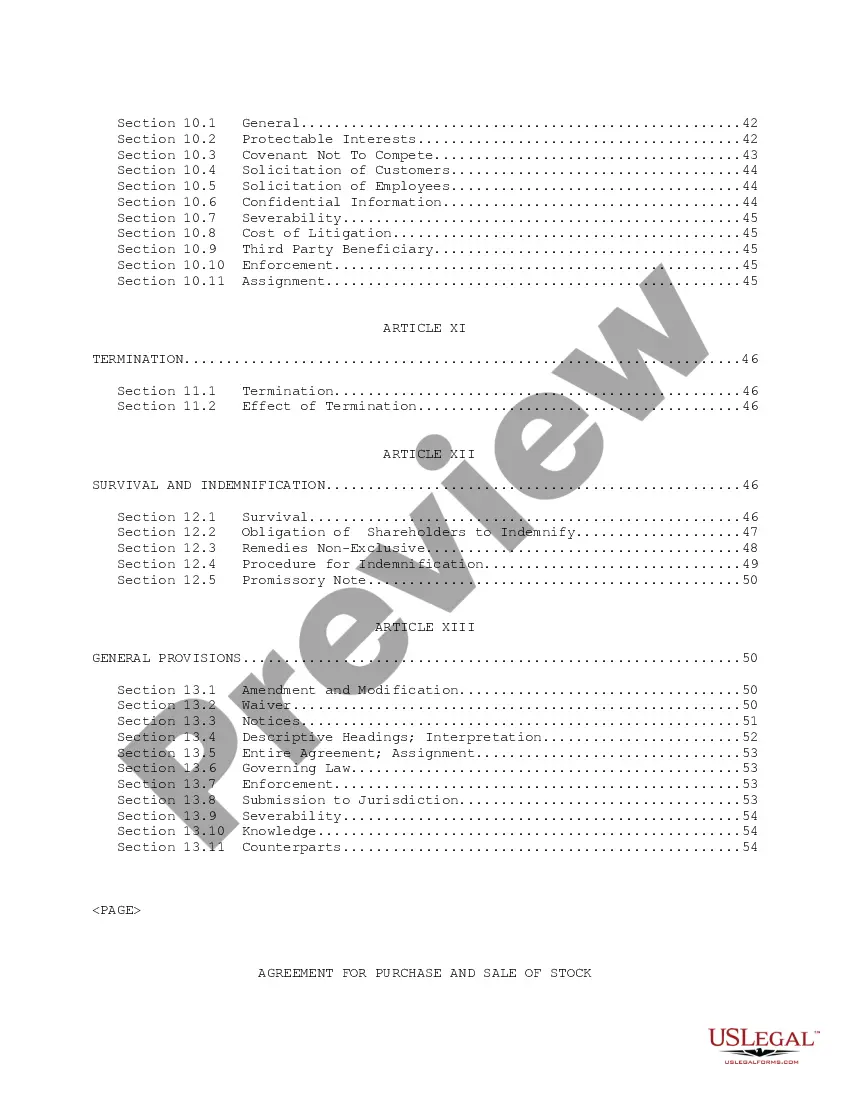
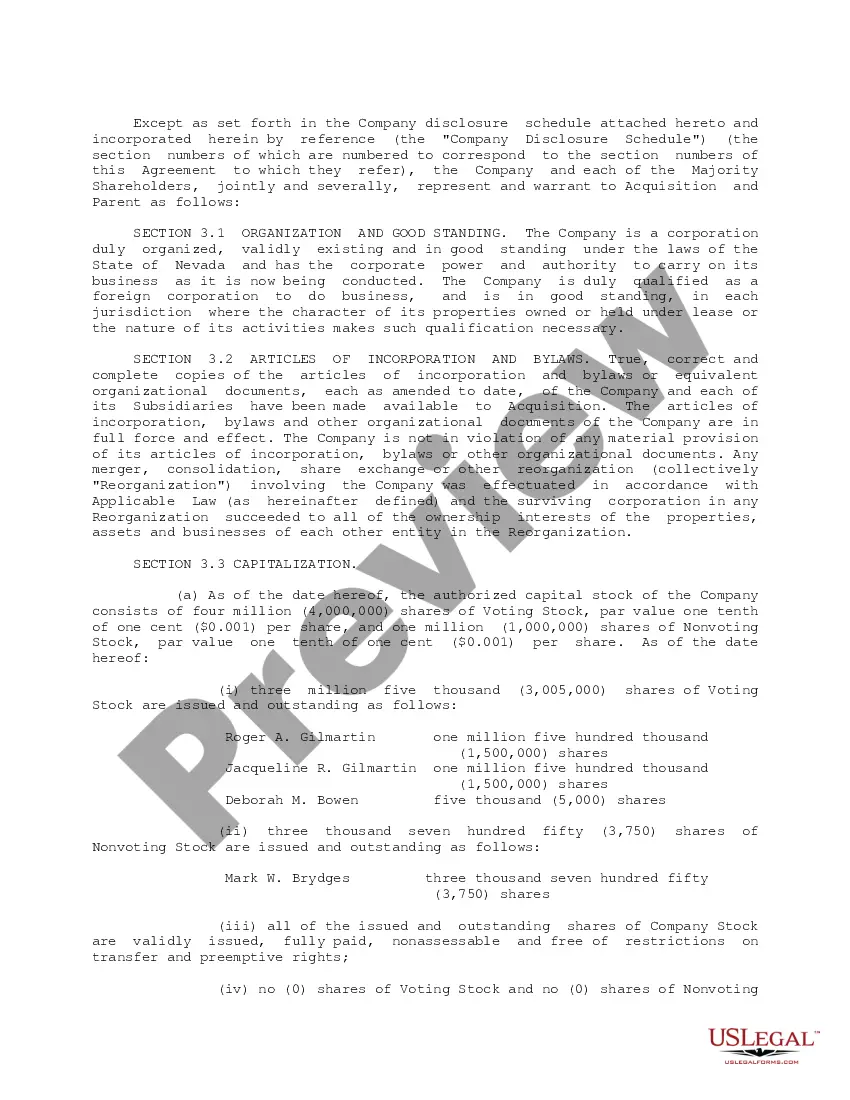
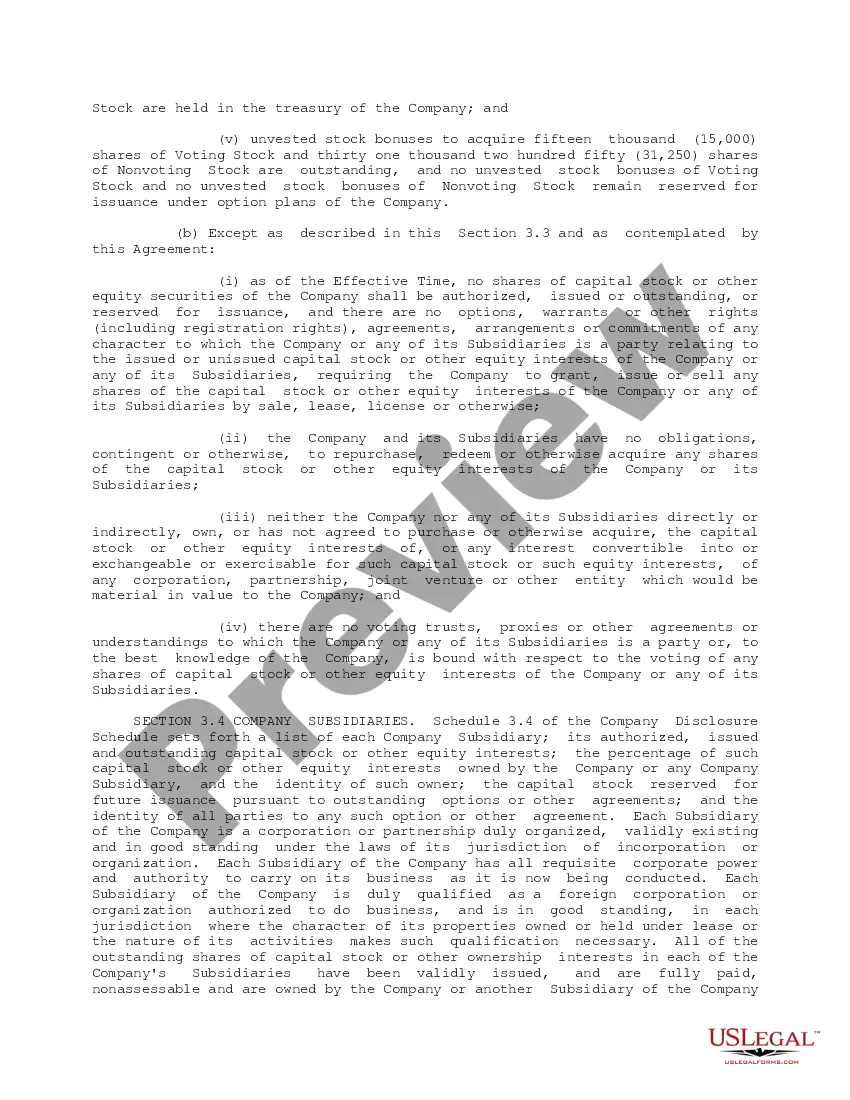
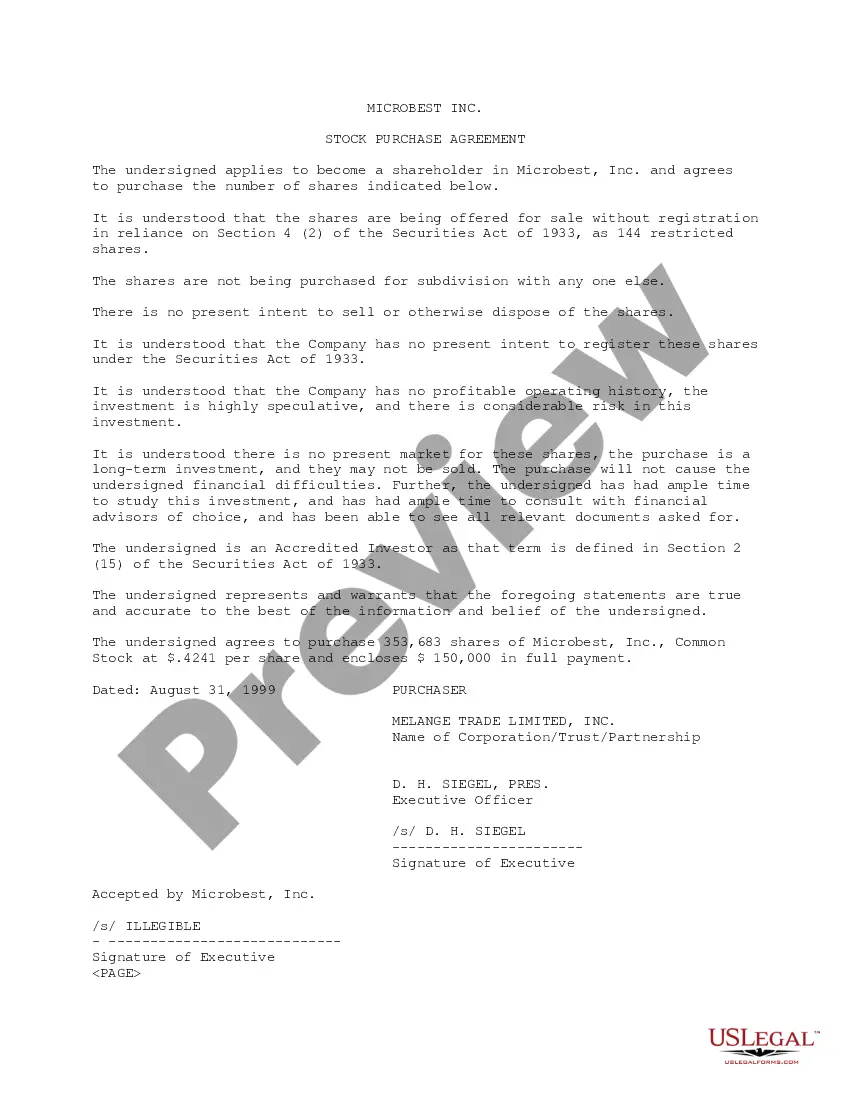
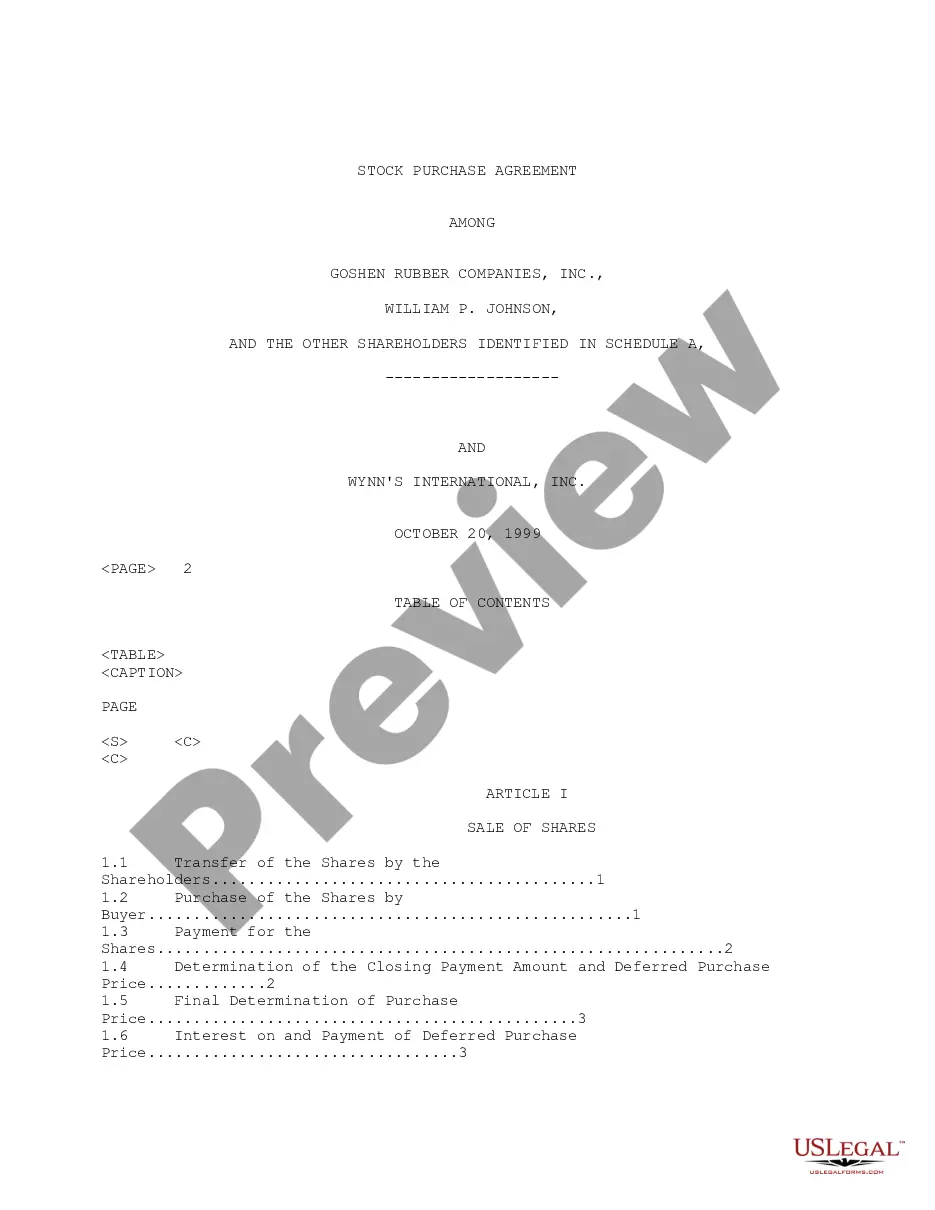
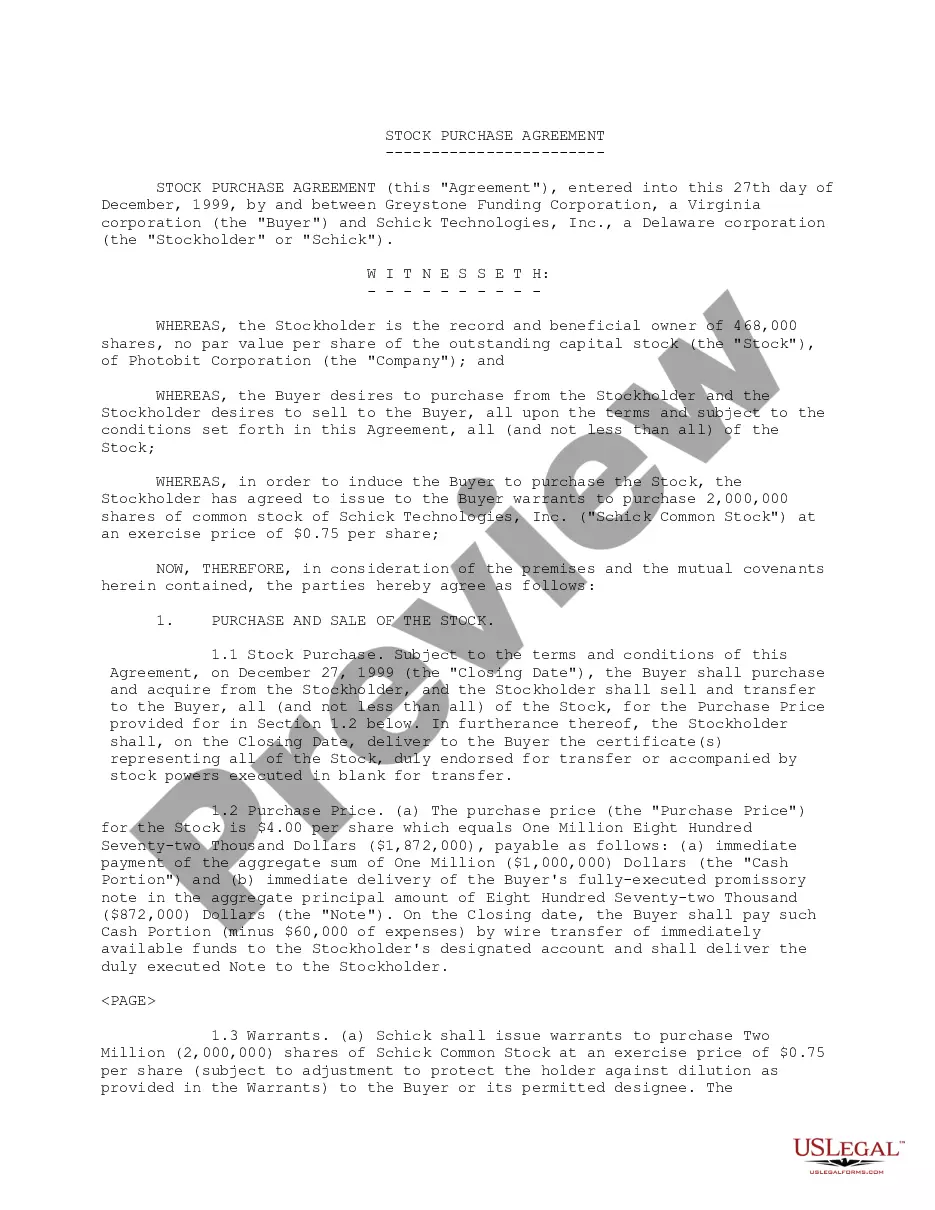
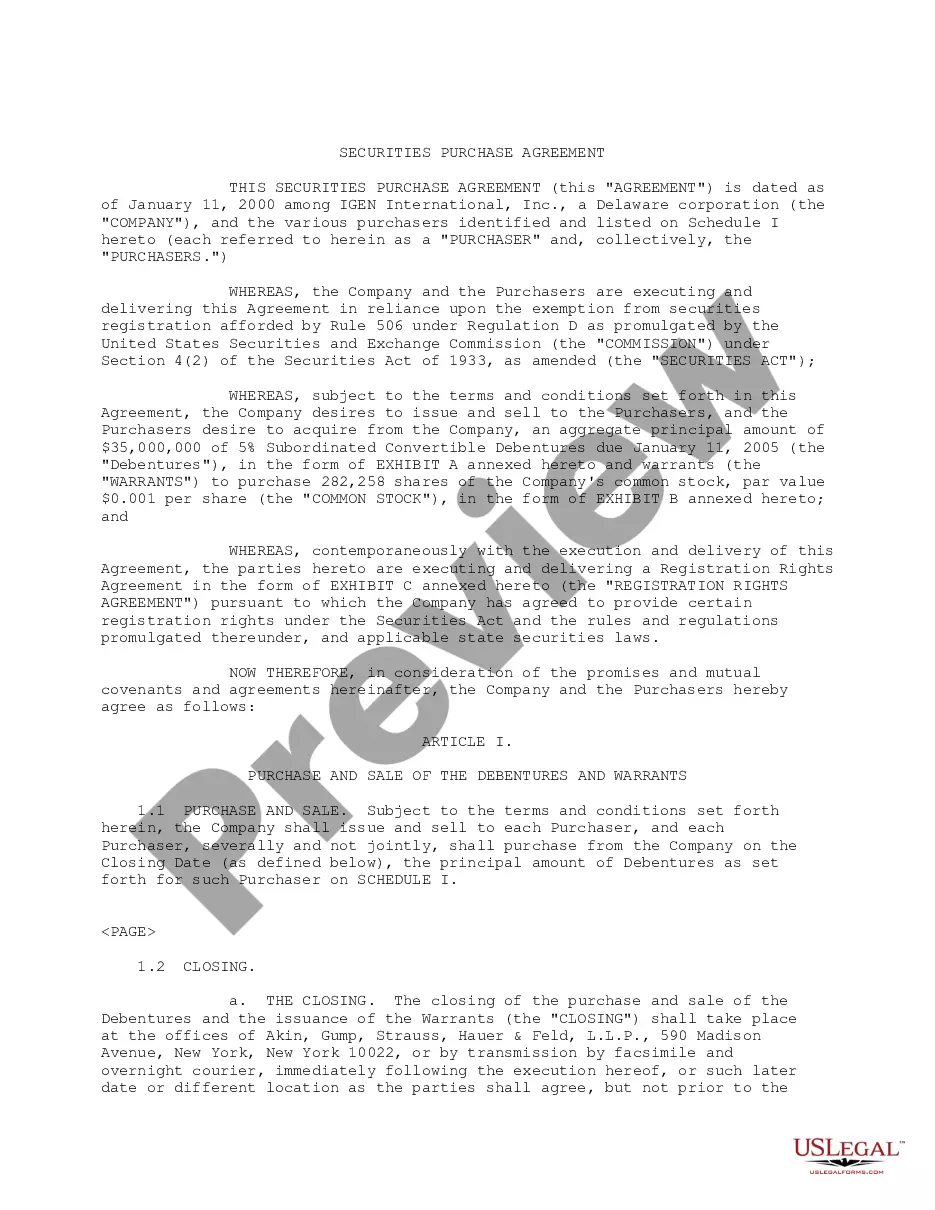
How to fill out Sample Purchase And Sale Agreement Purchase And Sale Of Stock Between GEC Acquisition Corp., Exigent International, Inc., GEC North America Corp.?
- Log in to your US Legal Forms account if you are a returning user. Ensure that your subscription is current; if it's expired, renew it as per your payment plan.
- For first-time users, browse through the Preview mode to assess the form’s description. Verify that it meets your specific needs and aligns with local regulations.
- If you require different documentation, use the Search tab to locate alternative templates until you find one that fits your criteria.
- Once you've found the appropriate document, click the Buy Now button and select your preferred subscription plan. An account registration is necessary for access to the library.
- After selecting your plan, provide your payment details via credit card or PayPal to complete your purchase.
- Finally, download the form to your device. You can access it anytime in the My Forms section of your account for completion.
In conclusion, US Legal Forms empowers individuals and attorneys to execute legal documents quickly while ensuring accuracy and compliance. With over 85,000 forms available, you're equipped to manage your legal needs effectively.
Start your legal journey today by visiting US Legal Forms and discover an extensive library tailored to your needs!
Form popularity
FAQ
Article 35 of the EU Charter focuses on health care rights, ensuring access to preventive medical care high-quality treatments for all EU citizens. This article plays a vital role in shaping health policies within the EU. If you are considering sample exigent incorporation with the EU in the health sector, familiarity with this article can guide your initiatives and compliance efforts.
Exclusive competence in EU law refers to areas where only the EU can legislate and adopt laws, with member states unable to act independently. These areas include customs union, monetary policy, and trade agreements. Understanding exclusive competence is essential when dealing with sample exigent incorporation with the EU, as missteps can lead to legal conflicts.
Article 37 of the EU Charter emphasizes the importance of environmental protection and sustainable development within the EU's policies. It mandates that all EU measures consider environmental aspects and aim for a high level of protection. When working on sample exigent incorporation with the EU, recognizing the significance of this article can enhance your sustainability practices.
You can find EU directives by visiting the official EUR-Lex website, which offers comprehensive access to EU law documents. Additionally, national government websites and legal databases often provide consolidated information on applicable directives. For businesses engaged in sample exigent incorporation with the EU, familiarizing yourself with these directives is vital for compliance.
Article 42.7 of the EU Treaty outlines the mutual defense clause, enabling EU member states to assist one another in case of armed aggression. This provision emphasizes solidarity and can be crucial during crises to ensure collective security. Knowing about this article can help inform your approach when considering sample exigent incorporation with the EU.
Technically, a country cannot be forcibly expelled from the EU. However, articles within EU treaties, including the concept of Article 7, provide a legal framework to suspend certain rights of a member state. In the context of sample exigent incorporation with the EU, understanding these provisions is crucial for compliance and navigation of membership complexities.
To join the EU, a country must meet three primary criteria: it must have a stable and functioning democratic government, adhere to the rule of law, and implement EU laws and regulations. These criteria ensure that all new members can contribute to and benefit from the Union. For businesses engaging in Sample exigent incorporation with the EU, being aware of these requirements aids in strategic planning.
A country must have a stable and functioning democratic government to be eligible for EU admission. This involves upholding the rule of law, human rights, and fundamental freedoms. The adherence to these principles is essential for successful Sample exigent incorporation with the EU, ensuring that all member states can cooperate effectively.
A mutual recognition agreement aims to simplify cross-border processes by affirming that standards or regulations from one jurisdiction can be applied in another. By reducing obstacles to trade and cooperation, these agreements create opportunities for growth. When considering Sample exigent incorporation with the EU, such agreements play a pivotal role in ensuring seamless business activities.
The rule of mutual recognition dictates that if a country recognizes the laws of another, this recognition extends to various areas, including commercial regulations. This principle aids countries in collaborating more effectively, promoting a unified market. With Sample exigent incorporation with the EU, businesses can leverage this rule for favorable operating conditions in different member states.