Tenant Improvement Allowance Reimbursement Letter Sample Format
Description
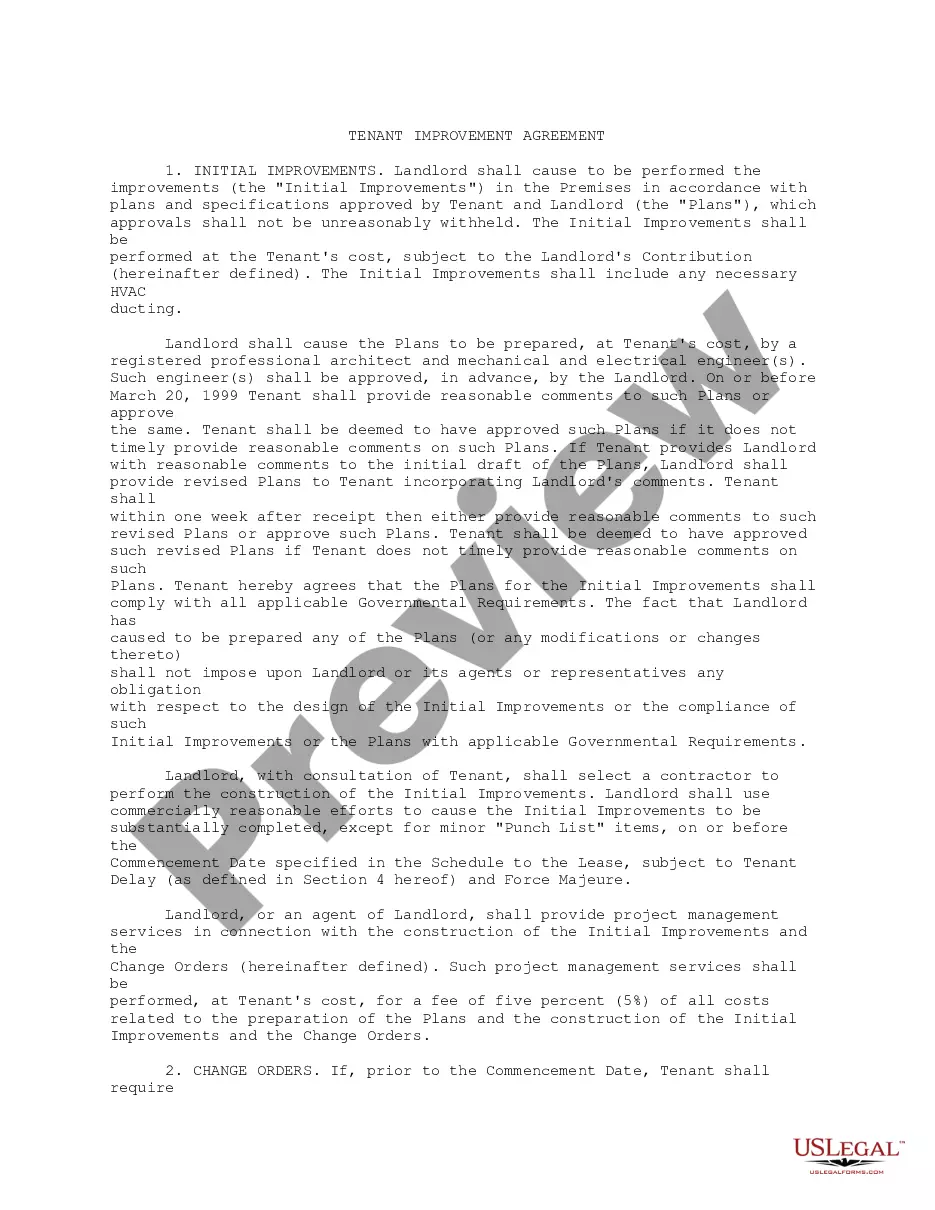
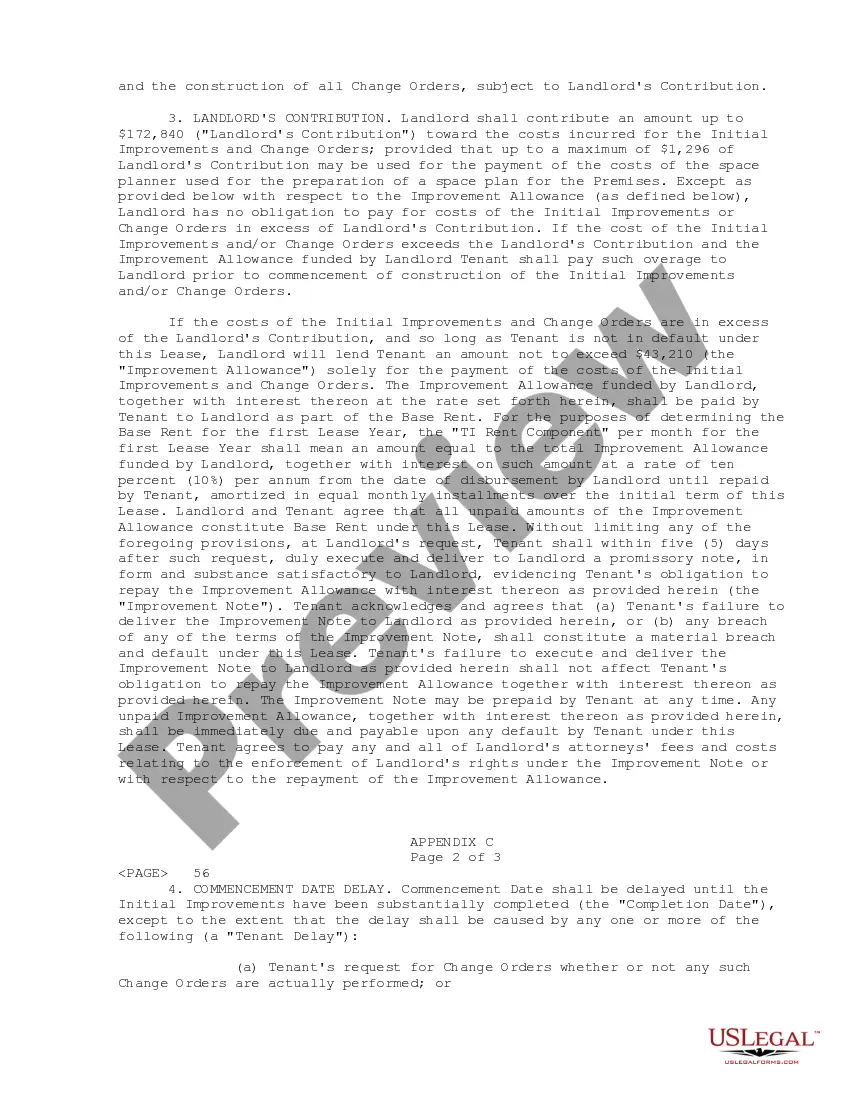
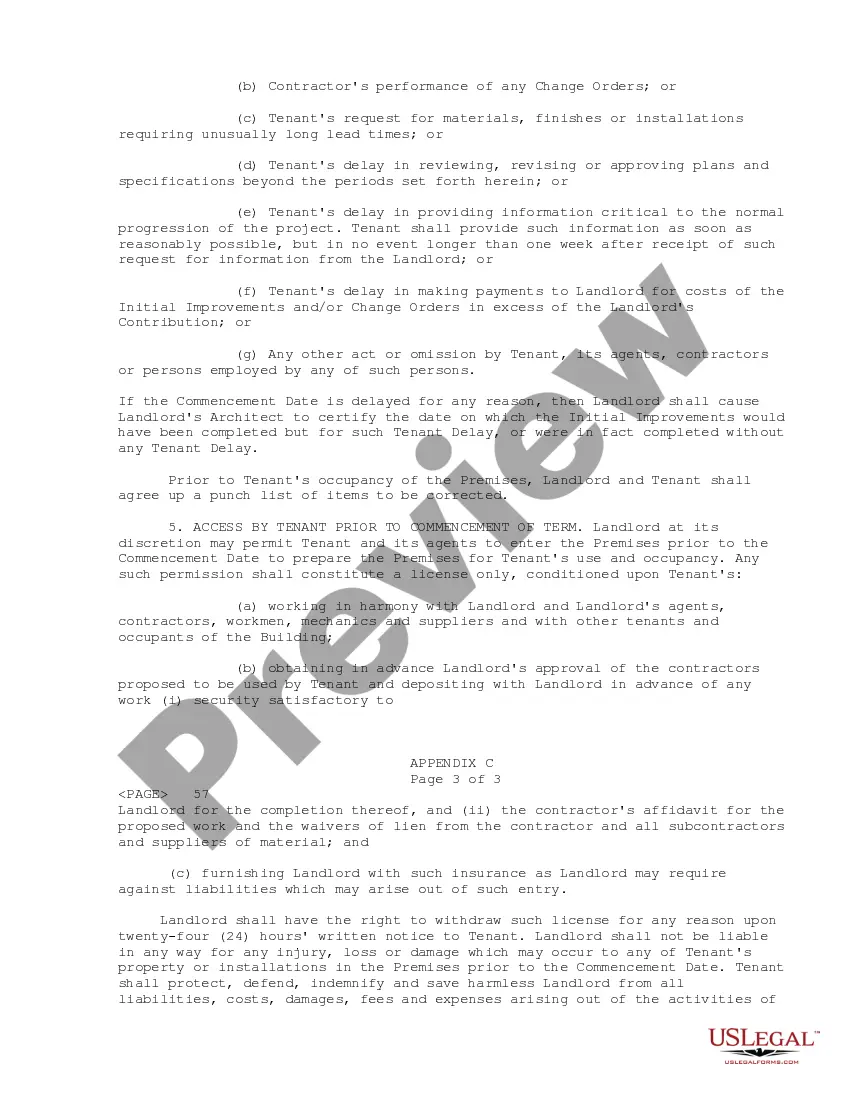
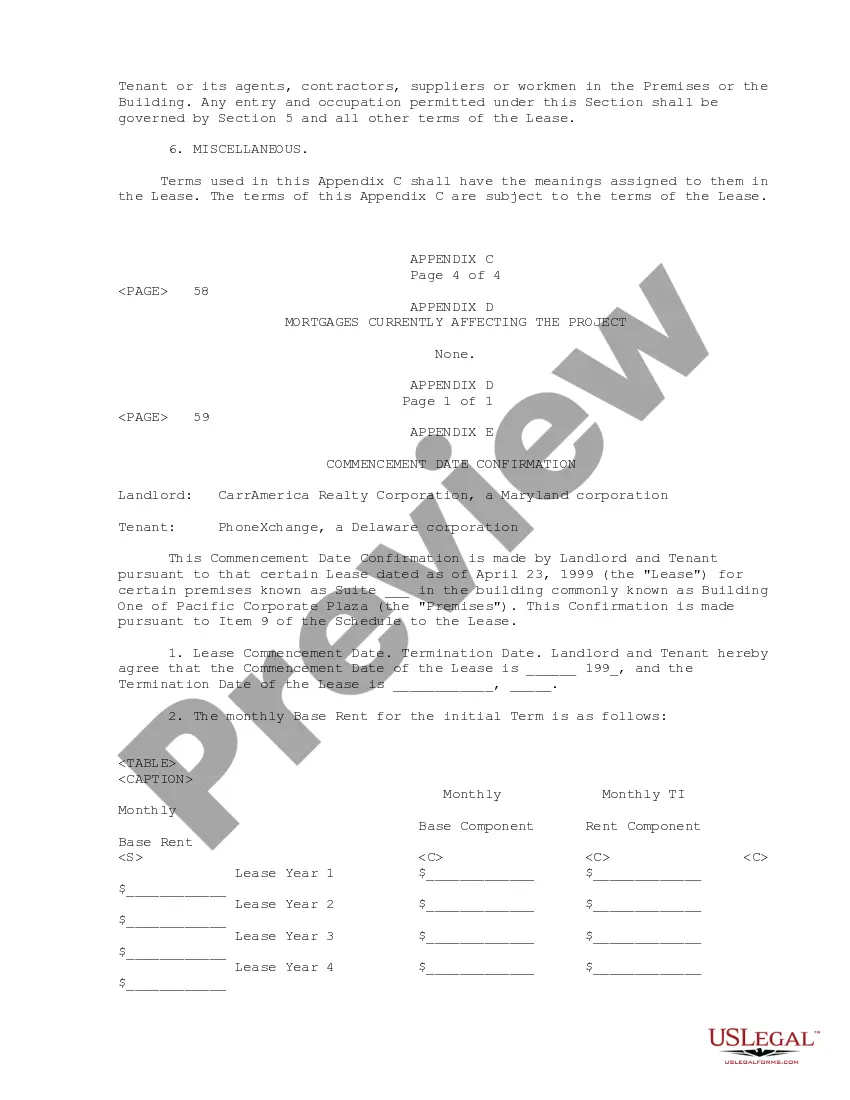

Get your form ready online
Our built-in tools help you complete, sign, share, and store your documents in one place.
Make edits, fill in missing information, and update formatting in US Legal Forms—just like you would in MS Word.
Download a copy, print it, send it by email, or mail it via USPS—whatever works best for your next step.
Sign and collect signatures with our SignNow integration. Send to multiple recipients, set reminders, and more. Go Premium to unlock E-Sign.
If this form requires notarization, complete it online through a secure video call—no need to meet a notary in person or wait for an appointment.
We protect your documents and personal data by following strict security and privacy standards.

Make edits, fill in missing information, and update formatting in US Legal Forms—just like you would in MS Word.

Download a copy, print it, send it by email, or mail it via USPS—whatever works best for your next step.

Sign and collect signatures with our SignNow integration. Send to multiple recipients, set reminders, and more. Go Premium to unlock E-Sign.

If this form requires notarization, complete it online through a secure video call—no need to meet a notary in person or wait for an appointment.

We protect your documents and personal data by following strict security and privacy standards.
Looking for another form?

How to fill out Tenant Improvement Lease?
Utilizing legal document examples that comply with federal and state regulations is crucial, and the internet provides numerous alternatives to choose from.
However, what’s the purpose of spending time searching for the appropriate Tenant Improvement Allowance Reimbursement Letter Sample Format online when the US Legal Forms digital library already consolidates such templates in one location.
US Legal Forms is the largest online legal repository with over 85,000 customizable templates created by attorneys for various business and personal situations.
Review the template using the Preview feature or through the text description to ensure it meets your requirements. Search for another sample using the search function at the top of the page if necessary. Click Buy Now once you’ve located the correct form and select a subscription plan. Create an account or sign in and make a payment through PayPal or a credit card. Choose the format for your Tenant Improvement Allowance Reimbursement Letter Sample Format and download it. All templates you find via US Legal Forms are reusable. To re-download and complete forms previously acquired, access the My documents tab in your account. Take advantage of the most comprehensive and user-friendly legal document service!
- They are easy to navigate with all documents categorized by state and intended use.
- Our specialists stay updated with legislative changes, ensuring your form is current and compliant when you obtain a Tenant Improvement Allowance Reimbursement Letter Sample Format from our site.
- Acquiring a Tenant Improvement Allowance Reimbursement Letter Sample Format is quick and straightforward for both existing and new users.
- If you already possess an account with an active subscription, Log In and retrieve the document sample you require in the correct format.
- If you are new to our platform, follow the steps outlined below.
Form popularity
FAQ
Tenant shall be entitled to a one-time tenant improvement allowance (the ?Tenant Improvement Allowance?) in an amount equal to $15.00 for each of the rentable square feet of the Existing Premises and $45.00 for each rentable square feet of the Expansion Premises, for the costs relating to the initial design and ...
Tax consequences to the landlord: The payment is treated as a lease acquisition cost and amortizes the cost over the lease term. Tax consequence to the tenant: The tenant has immediate income recognition upon cash receipt. The tenant may then depreciate the improvement.
Tenant improvements are treated as ordinary capital expenditures on the landlord's financial statements. The total amount of the expenditures are recorded as an asset on the landlord's balance sheet. Then, each month, the depreciation expense is recorded on the landlord's income statements.
Landlord owns the improvements In this scenario, the landlord is required to record the improvements as a fixed asset and then depreciate the value of the improvements over a specified period. For example, if the improvement costs a total of $10,000, the landlord will use this figure and divide it throughout the lease.
If the lessee pays for the tenant improvements, the lessee must generally capitalize the related amounts, which it pays to improve the tenant space.